
MLB's 10 Best-Kept Secrets for the 2025 Season
With nearly 1,500 Major League Baseball players taking the field at some point during any given 2,430-game season, it's easy for a few hidden gems to slip through the cracks.
Whether it's a No. 4 starter who would be an ace on some staffs, a middle reliever with closer potential or a position player putting in work on a team that no one was much paying attention to over the latter half of last season, these best-kept secrets could be gearing up for an All-Star Game appearance in 2025.
To fans of the teams in question, there's nothing secretive about the player's value added. Some of the players here ranked among the three best players on their team in 2024.
But you wouldn't know it from the complete lack of national recognition they received for a job well done.
Should they keep it up for another season, though, perhaps we'll be more prepared to marvel at them as breakout players who already kind of broke out.
Players are presented in alphabetical order by last name.
Spencer Arrighetti, RHP, Houston Astros
1 of 10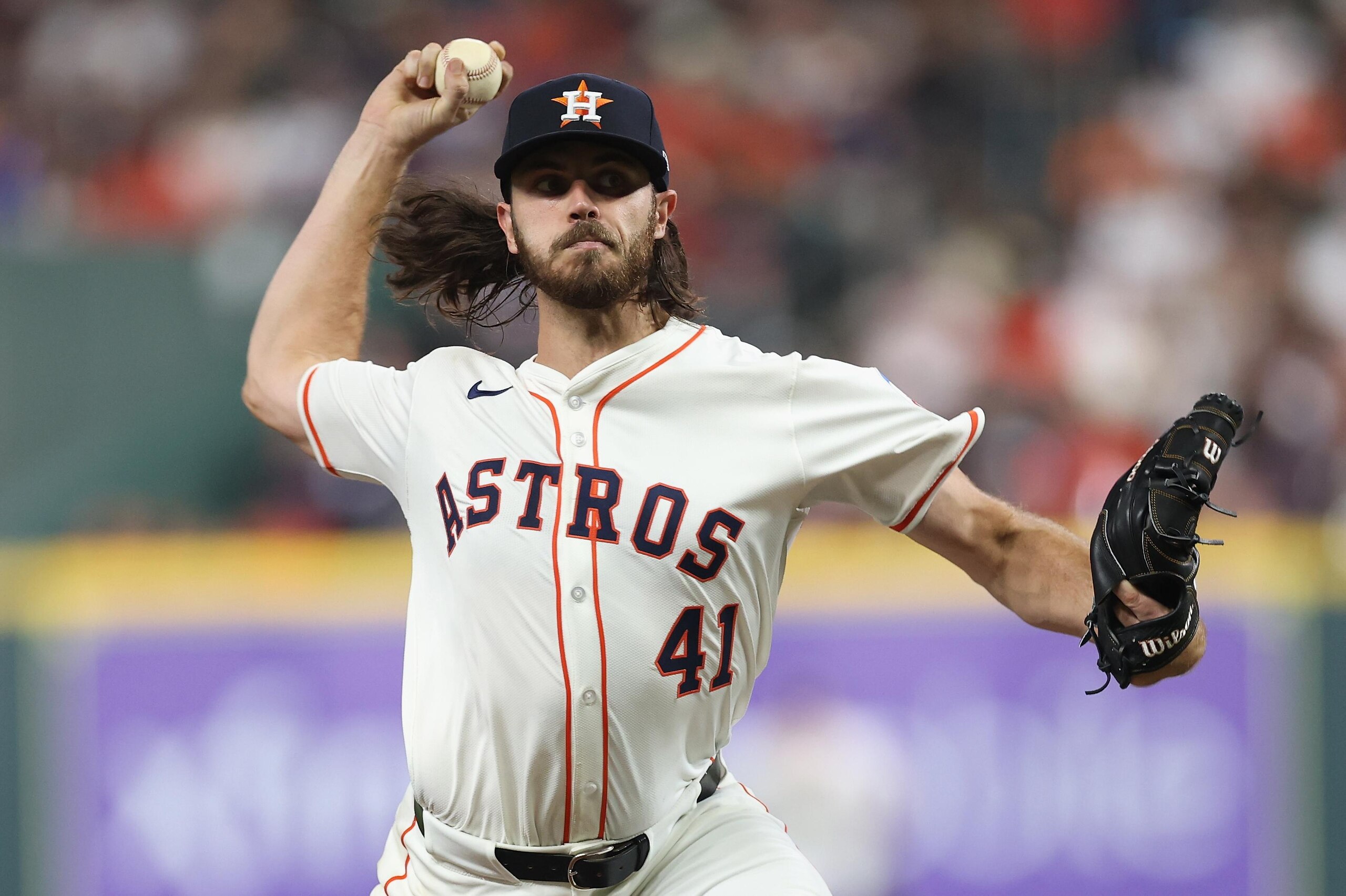
2024 Stats: 29 games, 7-13, 145.0 IP, 4.53 ERA, 1.41 WHIP, 10.6 K/9
Early 2025 Returns: 6.0 IP, 1.50 ERA, 0.50 WHIP, 7.5 K/9
Everyone knows about Atlanta's Spencer Strider. Spencer Schwellenbach has quickly become an indispensable cog in that rotation, too.
Among the pitching Spencers, though, Houston's Spencer Arrighetti is still a bit of an unknown commodity.
That's already changing in a hurry.
Early on last season, it looked like he wasn't long for the majors. The Astros called Arrighetti up as a temporary replacement for the injured Framber Valdez. By the time Valdez returned, J.P. France was done for the year. Cristian Javier wasn't far behind France on the season-ending IL. And Justin Verlander was back on the shelf by early June.
Simply by not being injured, Arrighetti was able to remain in the rotation and battle through initial struggles to the tune of a 6.13 ERA through 15 career starts.
However, Houston was rewarded for the patience it had basically no choice but to have with him, as Arrighetti logged a 3.08 ERA and 10.8 K/9 over his final 14 appearances.
(Granted, the Astros only went 4-10 in those 14 appearances, but that was a run-support and bullpen issue, not an Arrighetti issue.)
At this point, he's the future of this pitching staff alongside Hunter Brown. Valdez is in his final year before hitting free agency and Arrighetti started Houston's third game of the season, holding the mighty Mets lineup to just one hit over six innings.
He may well be the Opening Day starter in 2026—ideally featuring some sort of spaghetti promotion.
Patrick Bailey, C, San Francisco Giants
2 of 10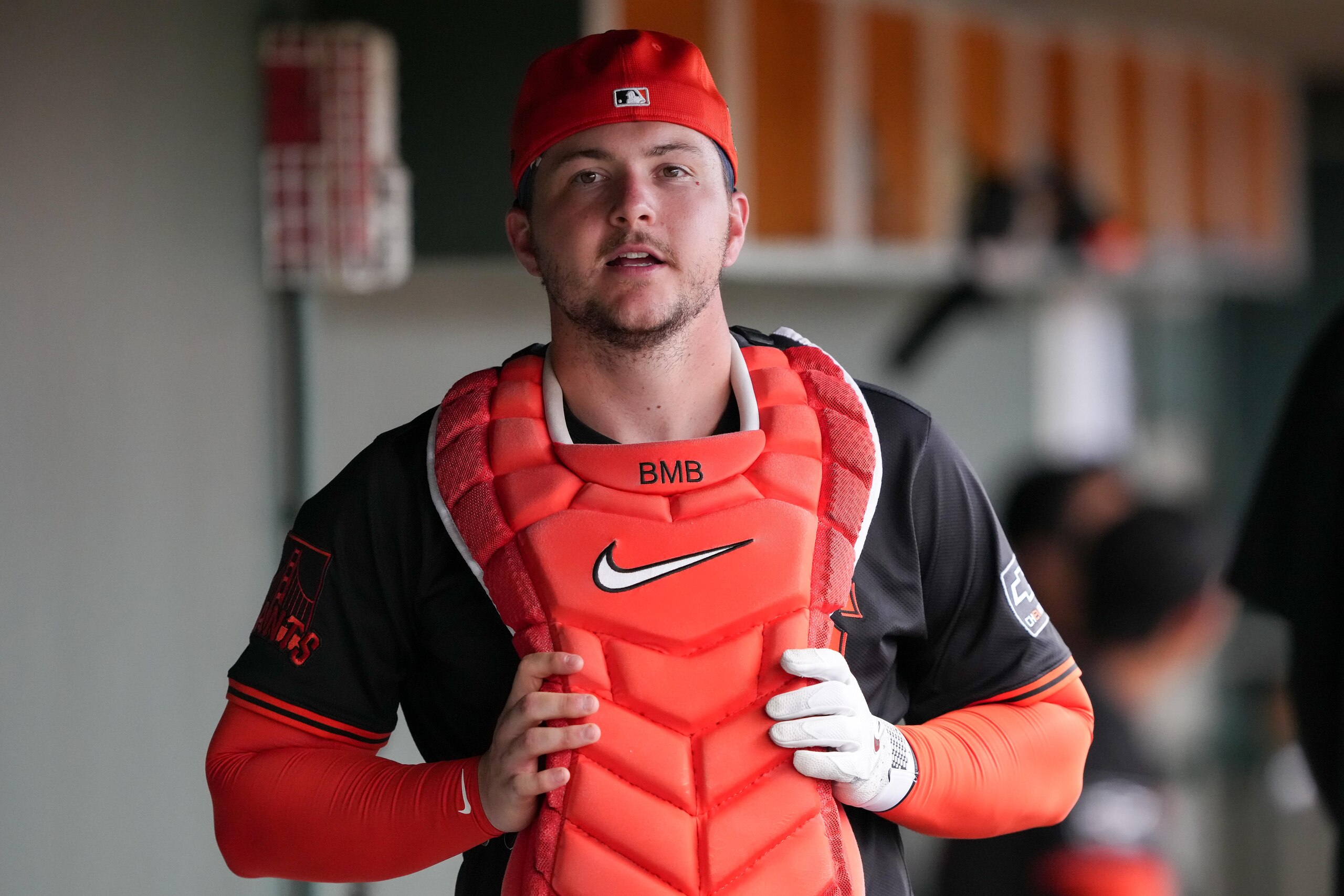
2024 Stats: .234/.298/.339, 8 HR, 46 RBI, 4 SB
Early 2025 Returns: .077/.250/.077, 1 RBI
Shout out to Tyler Fitzgerald, too, who was such a well-kept secret that even the Giants evidently didn't appreciate how valuable he was, giving Willy Adames $182M to address a shortstop "problem" that probably didn't need to be addressed. (Fitzgerald is now their regular second baseman instead.)
Patrick Bailey takes the San Francisco cake, though, underappreciated at a national scale by virtue of having basically all of his value come on defense.
At the plate, he has been nothing special, posting a sub-.235 batting average, sub-.300 on-base percentage and sub-.650 OPS for the second consecutive year in 2024. And let the record show that it hasn't been a "plays home games at cavernous Oracle Park" issue, as Bailey has actually been a better hitter at home than on the road.
Per FanGraphs, though, Bailey in 2024 had the best defensive season by any player in the past eight years, winning the NL catcher Gold Glove in what we can only assume was unanimous fashion.
If and when automated ball-strike challenges become a part of regular season Major League Baseball in the not too distant future, perhaps the art of framing pitches will become somewhat of a lost one. For the time being, though, there's no one better than Bailey, who was worth 16 catcher framing runs in each of 2023 and 2024, leading the majors in both years.
During those two seasons, Bailey was also the best in the business at throwing out would-be base stealers.
Lawrence Butler, OF, Athletics
3 of 10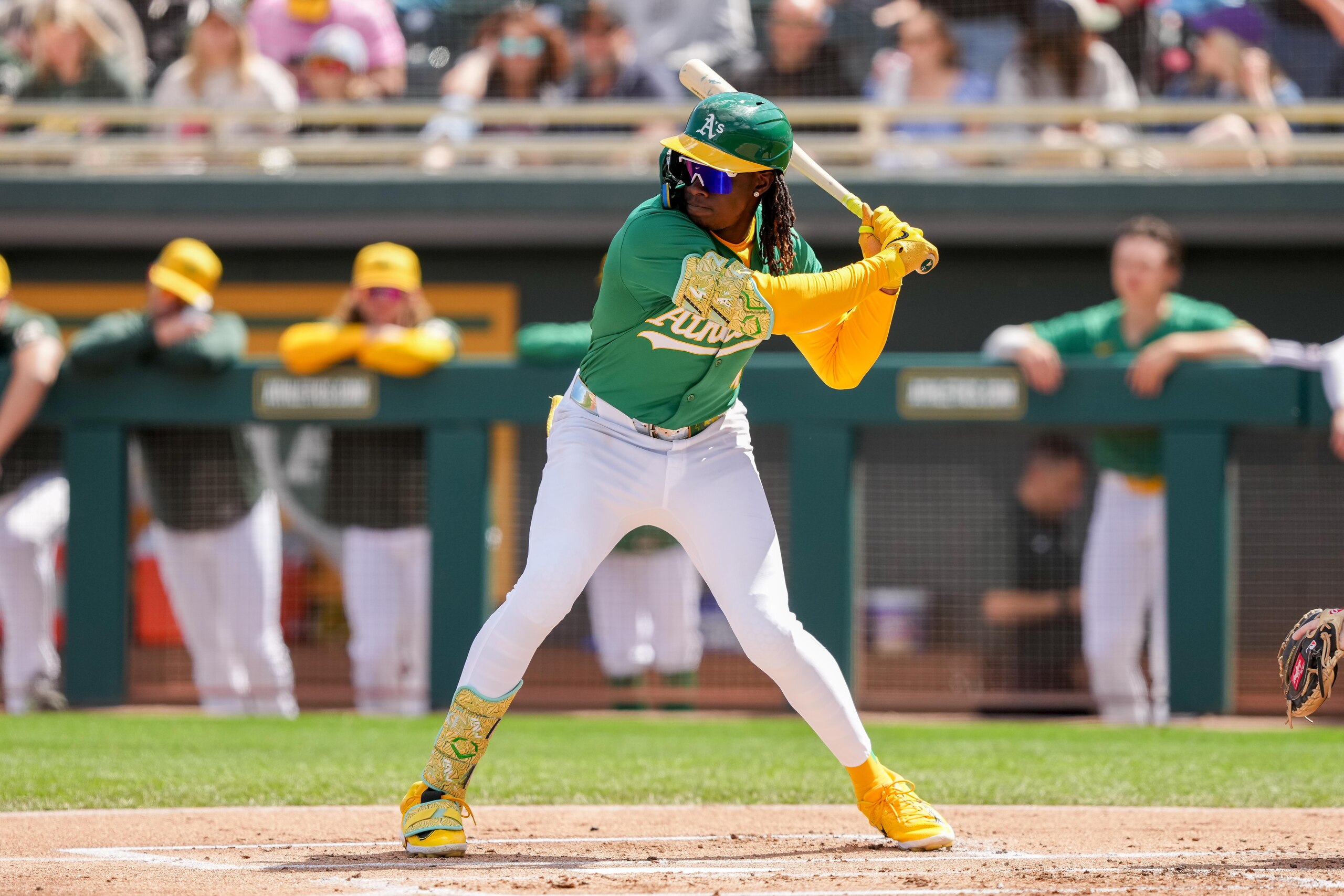
2024 Stats: .262/.317/.490, 22 HR, 57 RBI, 18 SB
Early 2025 Returns: .167/.310/.250, two doubles
At the end of June 2024, the A's were already 26 games below .500 and Lawrence Butler was a nobody. He even got sent back down to Triple-A Las Vegas for about five weeks in hopes of correcting what was a .555 OPS at the time of his demotion. (It had slipped even further by the end of June to .529 with just two home runs in his first 150 plate appearances.)
When the calendar flipped to July, though, Butler flipped a switch for an A's team that posted a 39-37 record the rest of the way.
From July 1 onward, Butler went from a .179 hitter to a .302 hitter, racking up 20 home runs, 49 RBI and 14 stolen bases—good for 162-game paces of 44, 109 and 31, respectively.
As far as FanGraphs WAR is concerned, Butler was tied with Silver Slugger teammate Brent Rooker and Seattle's now $105M catcher Cal Raleigh as the seventh-most valuable hitter during those three months.
It's hardly a stretch to suggest that Butler's play in the second half was the biggest reason the A's saw fit to do some significant spending this offseason, including bringing in both Luis Severino and Jeffrey Springs and signing both Rooker and Butler to long-term extensions. If that was more than just a three-month-long flash in the pan, he could be a major part of the A's making the postseason at some point before they relocate again to Las Vegas.


Brenton Doyle, CF, Colorado Rockies
4 of 10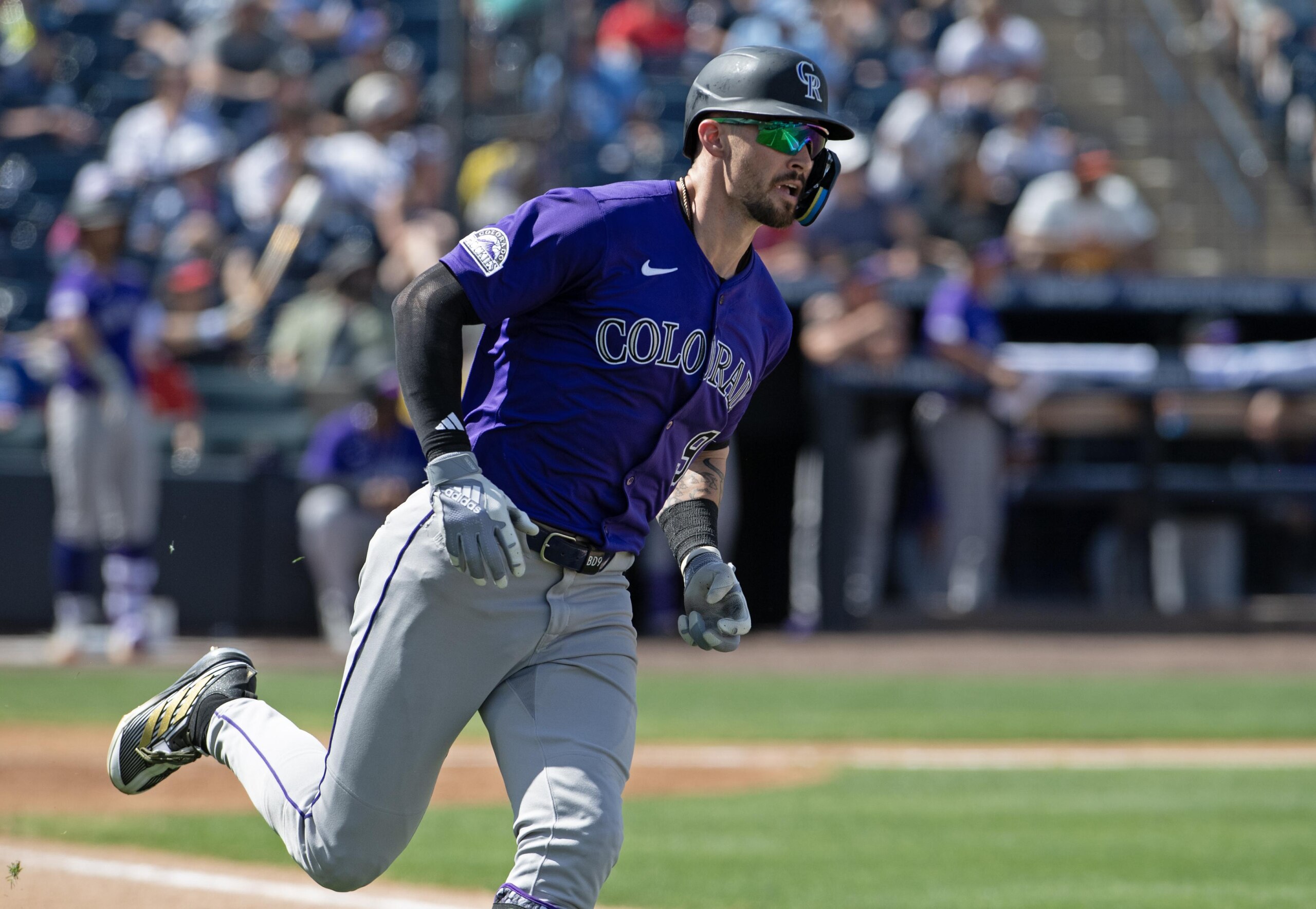
2024 Stats: .260/.317/.446, 23 HR, 72 RBI, 30 SB, Gold Glove
Early 2025 Returns: .240/.296/.280, 1 RBI
On just about any other team in the bigs, Brenton Doyle would have been an All-Star last season.
He was already a Gold Glove winner in 2023 for his work in center as a rookie, and he entered the All-Star break with 15 home runs, 20 stolen bases and an .815 OPS.
But for a Rockies team that has gone 188-298 over the past three seasons and looks to be very well on its way to another 100-loss campaign, it wasn't enough to get a look as a possible second representative for the team.
Granted, Doyle did have a surge of nine home runs in his final 17 games before the All-Star break. Maybe if the game had been a week later or if an outfielder on the NL roster had been a late scratch due to injury, he would have gotten a call.
Alas, no ASG for Doyle, and limited national recognition, this despite a second Gold Glove, despite what was a team-leading 4.0 bWAR and despite becoming one of just seven players last season with at least 23 home runs and 30 stolen bases, joining Shohei Ohtani, Bobby Witt Jr., Elly De La Cruz, José Ramírez, Jazz Chisholm Jr. and Zach Neto in that club.
In addition to Colorado being irrelevant, part of the problem for Doyle is that he hit so much better at home (.313 AVG, .900 OPS) than on the road (.211 AVG, .636 OPS) in 2024, so his success gets chalked up to the Coors Field effect.
Of course, that never stopped Todd Helton from becoming a Hall of Famer, so it's probably mostly the constant last-place finishes in the NL West keeping him out of the spotlight. And unless Doyle learns how to pitch at a high level, not a whole lot he can do about that.
Hunter Gaddis, RHP, Cleveland Guardians
5 of 10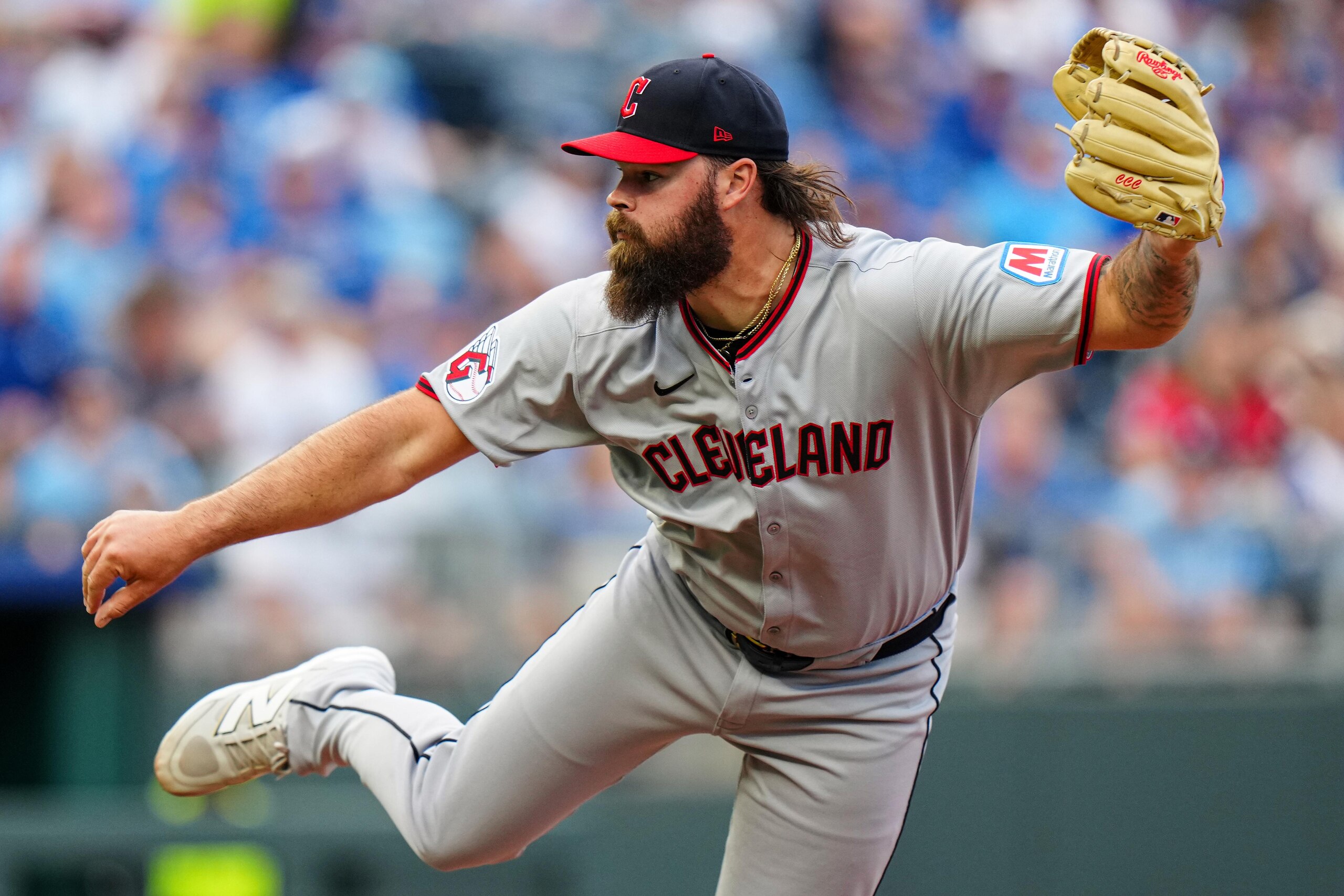
2024 Stats: 78 games, 6-3, 33 holds, 74.2 IP, 1.57 ERA, 0.76 WHIP, 8.0 K/9
Early 2025 Returns: 3 games, 2.1 IP, 0.00 ERA, 1.71 WHIP, 11.6 K/9
Though we're singling out Hunter Gaddis here, choose your own Guardians reliever not named Emmanuel Clase, really.
Cade Smith (6-1 in 75.1 IP with a 1.91 ERA, 0.90 WHIP and 12.3 K/9) was also marvelous last year as a rookie, though he at least did get some recognition in the form of one down-ballot vote for AL Cy Young, as well as a fifth-place finish for AL Rookie of the Year. Tim Herrin (5-1 in 65.2 IP with a 1.92 ERA, 0.98 WHIP and 9.3 K/9) was pretty darn good, too, for a bullpen that anchored a surprising run to the ALCS.
Give us Gaddis, though, who might be following in the footsteps of Mariano Rivera, breaking into the big leagues as a starter before quickly cementing himself as a dominant reliever instead.
For Gaddis, it took a few years to get there. He made two starts in 2022 and seven more in 2023, posting a 7.68 ERA across those nine starts—Rivera had a 5.94 ERA in his 10 starts in 1995—before becoming a full-time reliever in his age-26 season (like Rivera) and mowing down the competition.
Now, look, don't get it twisted. I'm not saying Gaddis is going to be the next Rivera. His slider was lethal last season, but it wasn't anywhere near "Rivera cutter" lethal. It's just an interesting comparison from a career trajectory perspective.
With Clase under team control through 2028, though, Gaddis might be a hidden gem for years to come. We'll see how Cleveland decides to handle its options if he (and Clase, Smith and Herrin) continue to thrive.
MacKenzie Gore, LHP, Washington Nationals
6 of 10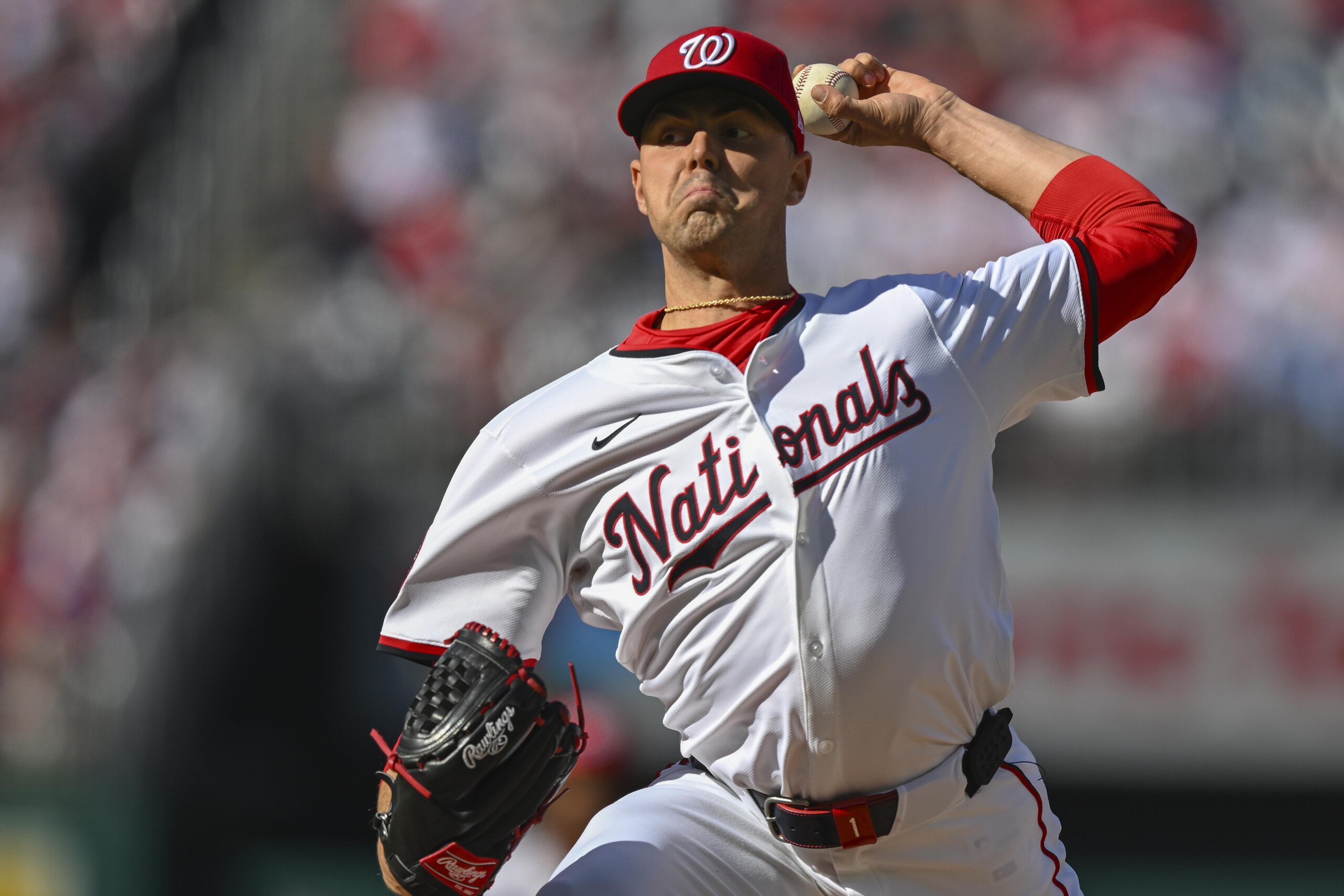
2024 Stats: 32 GS, 10-12, 166.1 IP, 3.90 ERA, 1.42 WHIP, 9.8 K/9
Early 2025 Returns: 11.0 IP, 2.45 ERA, 1.09 WHIP, 14.7 K/9
After MacKenzie Gore shredded Philadelphia's lineup on Opening Day, the cat might be out of the bag on this one.
However, if you use Baseball Reference (where Gore had a 0.8 WAR in 2024) instead of FanGraphs (where Gore had a 3.2 WAR in 2024), you may have been caught completely off guard by that impressive first start and find yourself looking to attribute it entirely to the ol' sun/shadow monster that makes it tough to hit in the mid-afternoon at Nationals Park.
[As a quick aside, the reason for that drastic difference in WAR is that FanGraphs pitching WAR is rooted in fielder independent pitching while the backbone of Baseball Reference's pitching WAR is runs allowed per nine innings pitched—which is just ERA with unearned runs included. And thanks to 21 unearned runs allowed, Gore had a 3.53 FIP compared to a 5.03 RA9. Most who pay any mind to WAR do prefer FanGraphs for pitchers.]
Let's not forget that Gore was the No. 3 overall draft pick in 2017, a top-30 prospect across the board heading into each of the subsequent four seasons and one of the major pieces of that Juan Soto trade three summers ago.
Gore always was supposed to be a top-of-the-rotation starter. It just didn't start coming together for him until last season—in relative anonymity as the Nationals posted a sub-.440 winning percentage for the fifth consecutive year.
This might be the year he really breaks through. And with another two years of arbitration eligibility remaining after this season, maybe the Nationals can break through, too, before he hits free agency.
Justin Martinez, RHP, Arizona Diamondbacks
7 of 10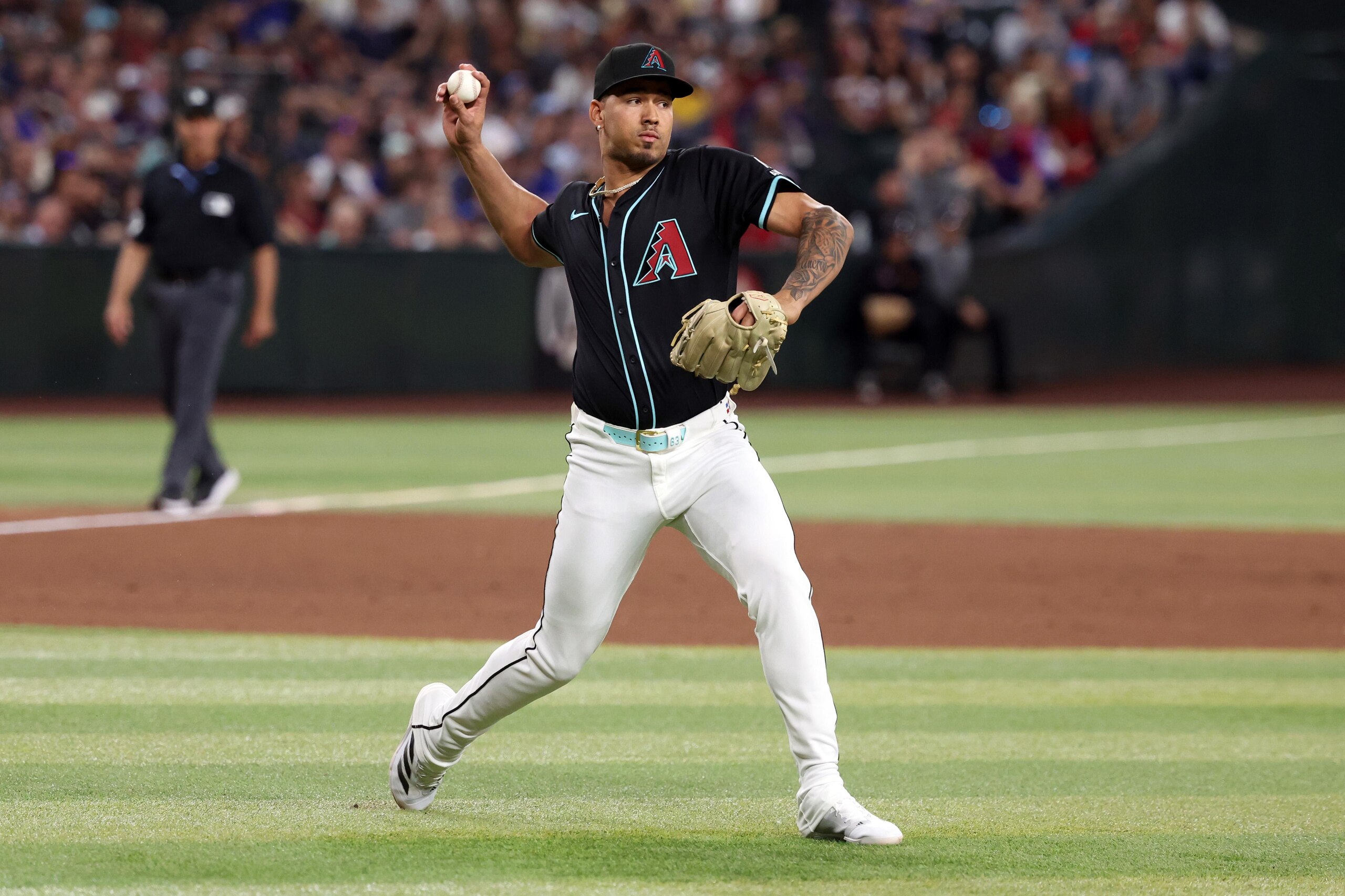
2024 Stats: 64 games, 5-6, 8 saves, 72.2 IP, 2.48 ERA, 1.31 WHIP, 11.3 K/9
Early 2025 Returns: 3 games, 2.2 IP, 0.00 ERA, 0.75 WHIP, 16.9 K/9
Justin Martinez's first foray into the majors in 2023 did not go well at all. He only made 10 relief appearances, but that was enough to get drilled twice by the Reds for nine earned runs in 0.2 IP, ending that season with a 12.60 ERA.
Last year was a much different story. Martinez proved himself for three months in low-leverage situations before eventually climbing the bullpen ladder to becoming the primary closer in August, after it became clear that Paul Sewald could no longer handle the job.
It looks like the Diamondbacks are defaulting to the more experienced A.J. Puk for saves in the early going this year, but they still appear to have a lot of belief in Martinez in clutch situations.
He was called upon to pitch the eighth inning with a three-run lead against the Yankees on Tuesday, striking out Aaron Judge, Jazz Chisholm Jr. and Anthony Volpe to hold the fort down for Puk's eventual save.
Impressive stuff from the 23-year-old who signed a five-year, $18M extension a couple of weeks ago.
It could turn into a seven-year, $34M deal if the Snakes exercise club options for 2030 and 2031, but even at an AAV of $3.6M for the next five seasons, that's a lot of faith in a setup guy who wasn't even going to hit arbitration eligibility for another two years. They're clearly expecting big things from him in giving him a contract very similar to what Emmanuel Clase got from Cleveland (5/$20M with two club option years) at the same point on his service clock three years ago.
Ryan Pepiot, RHP, Tampa Bay Rays
8 of 10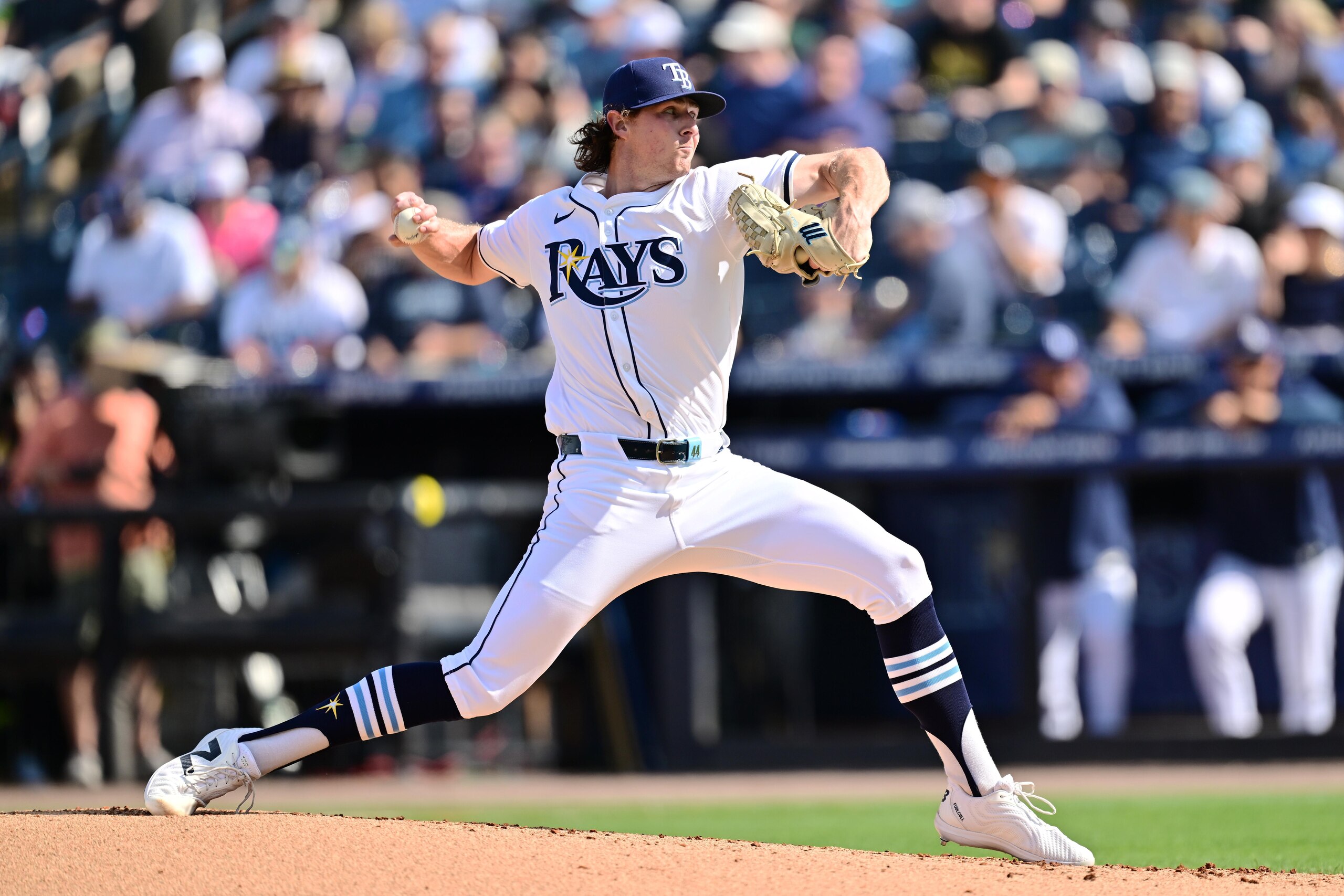
2024 Stats: 26 GS, 8-8, 130.0 IP, 3.60 ERA, 1.15 WHIP, 9.8 K/9
Early 2025 Returns: 11.0 IP, 2.45 ERA, 1.36 WHIP, 9.0 K/9
When Tyler Glasnow got traded to the Dodgers during the 2023-24 offseason—and subsequently signed a five-year contract which surprisingly didn't include any deferrals—everyone was up in arms about Los Angeles getting away with highway robbery and its limitless bankroll yet again.
Tampa Bay didn't exactly give Glasnow away for salary relief, though.
The Dodgers had to give up Jonny DeLuca and Ryan Pepiot to make it happen, and the latter could be a major piece of Tampa Bay's rotation through 2028.
Pepiot was probably going to be part of the Dodgers' Opening Day rotation in 2023, rated by both MLB.com and Baseball America as a top-75 prospect heading into that campaign. However, a strained oblique suffered late in spring training left him on the shelf for most of the season, only able to log 42 innings over the final six weeks.
He did so with a 2.14 ERA, though, and almost certainly would have been a key part of their 2024 rotation if they hadn't traded him for Glasnow.
Instead, he gave the Rays a mostly solid season that mostly went unnoticed while the team posted a sub-.500 record. Pepiot allowed four or more earned runs in just two of his final 23 starts, and he became their 2025 Opening Day starter with Shane McClanahan opening the season on the IL—tossing a quality start against the Rockies in the process.
If the Rays are going to build upon their hot start and bounce back into playoff contention this year, bet on Pepiot being a huge part of that.
Will Wagner, IF, Toronto Blue Jays
9 of 10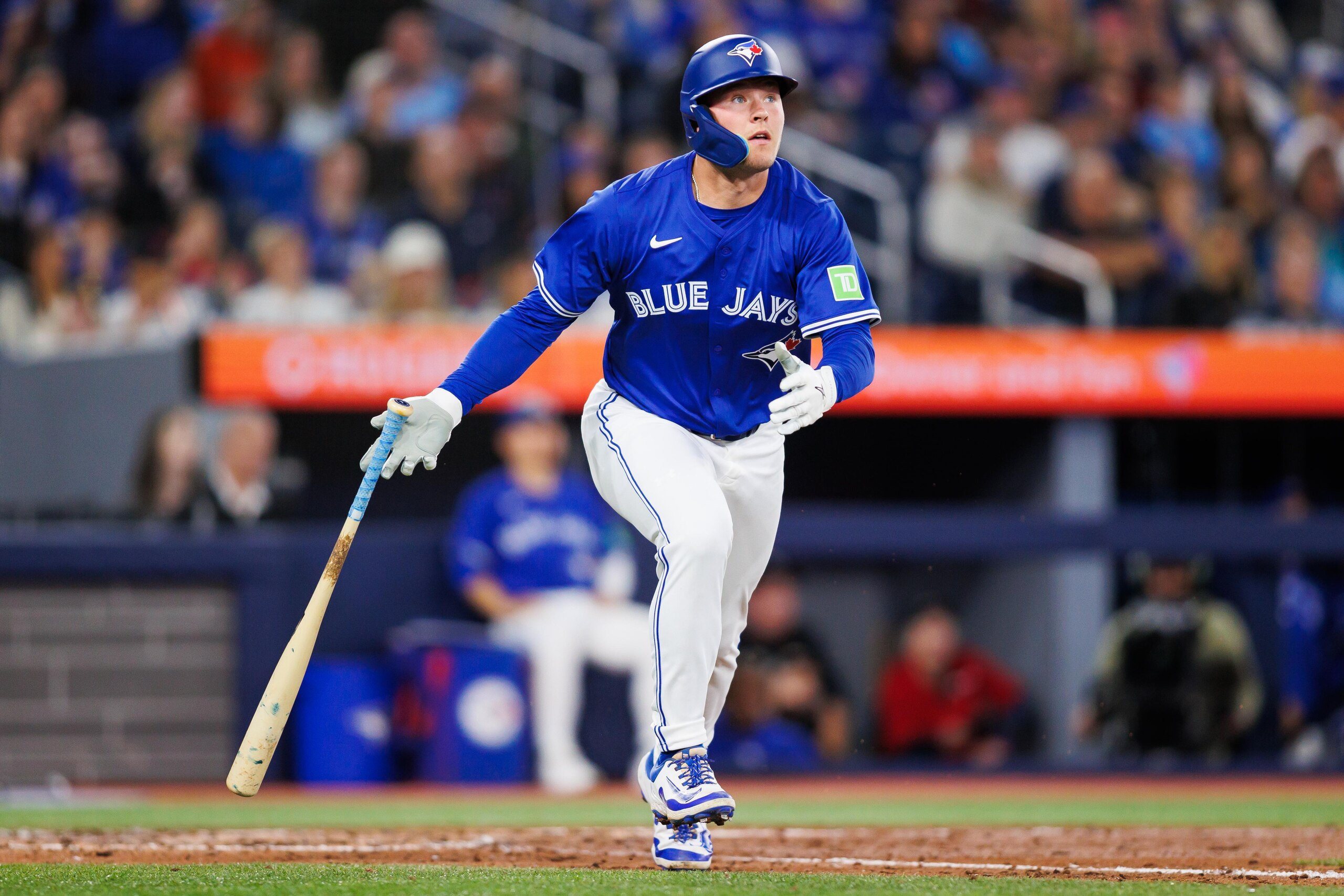
2024 Stats: .305/.337/.451, 2 HR, 11 RBI
Early 2025 Returns: .389/.389/.500, two doubles
Few teams have been as all-in on "well, his dad was pretty good" in their player evaluation process as the Toronto Blue Jays. If Cavan Biggio (Craig's son) hadn't been virtually unplayable from 2021-24, they could've had an entire infield right now consisting of second-generation players in Biggio, Bo Bichette (Dante's son), Vladimir Guerrero Jr. (kind of obvious whose son this is) and now Will Wagner (Billy's son).
They got the first three into their pipeline back in the mid-2010s, but they traded two months of Yusei Kikuchi to Houston for Wagner, Joey Loperfido and Jake Bloss ahead of last summer's deadline.
Billy's boy immediately made a great impression on his new club. It took all of seven games at Triple-A Buffalo before Toronto had seen enough and called him up, and he delivered multi-hit performances in each of his first three games.
He only played in 24 games due to season-ending knee inflammation, but he hasn't looked any worse for wear early in the current campaign, going 7-for-18 in his first six games while bouncing between 3B and DH.
But because he has only played in about a month's worth of games, because Toronto had already thrown in the towel on its season when he made his MLB debut and because the other second-generation stars are dominating trade speculation chatter these days in what is for both their final season before free agency, there probably aren't that many baseball fans south of Canada who even realize Wagner is in the majors.
Pretty unlikely he'll ever join his dad in the Baseball Hall of Fame, as he's already turning 27 this summer and is just now getting started. He could be a star in short order, though.
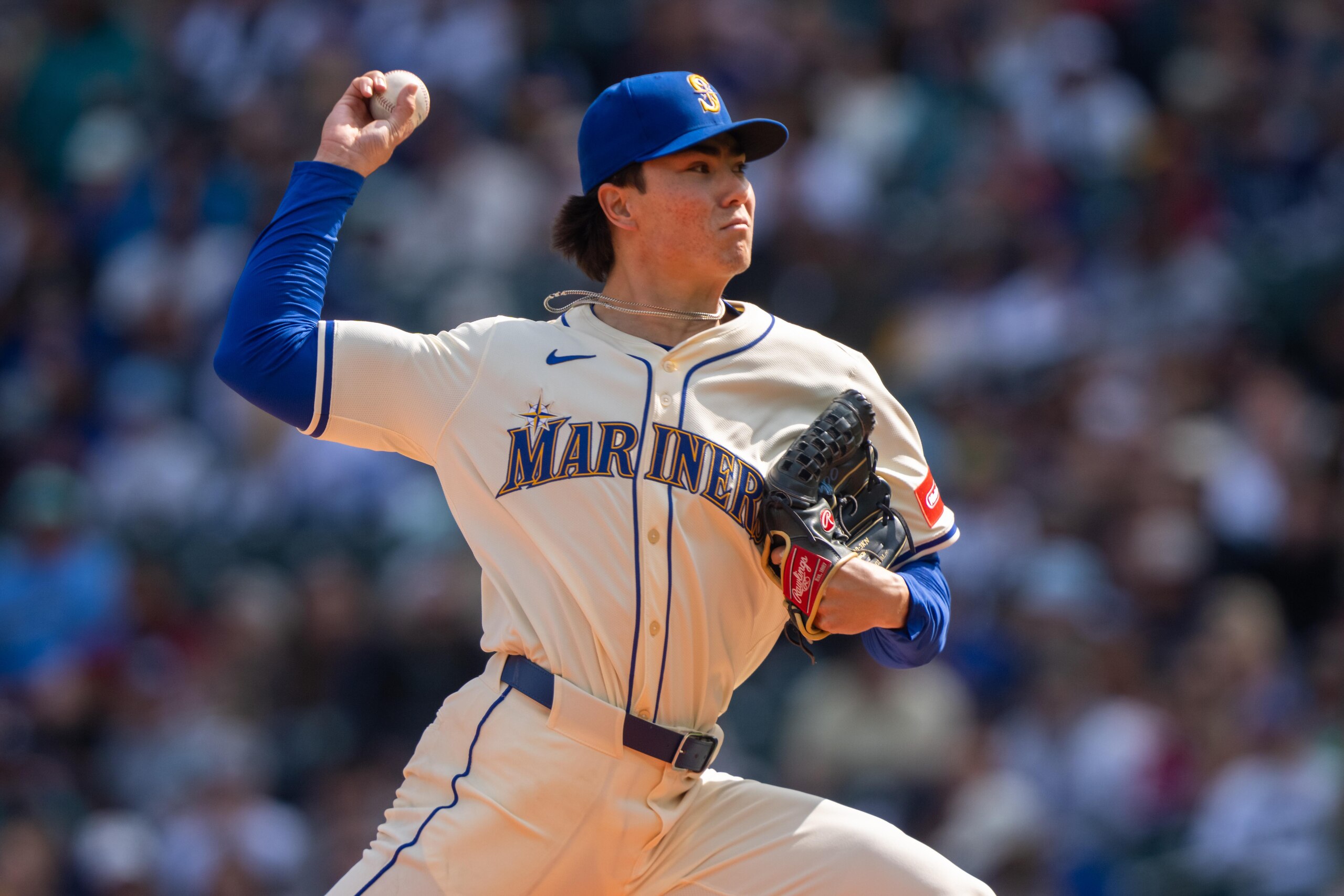
Bryan Woo, RHP, Seattle Mariners
10 of 10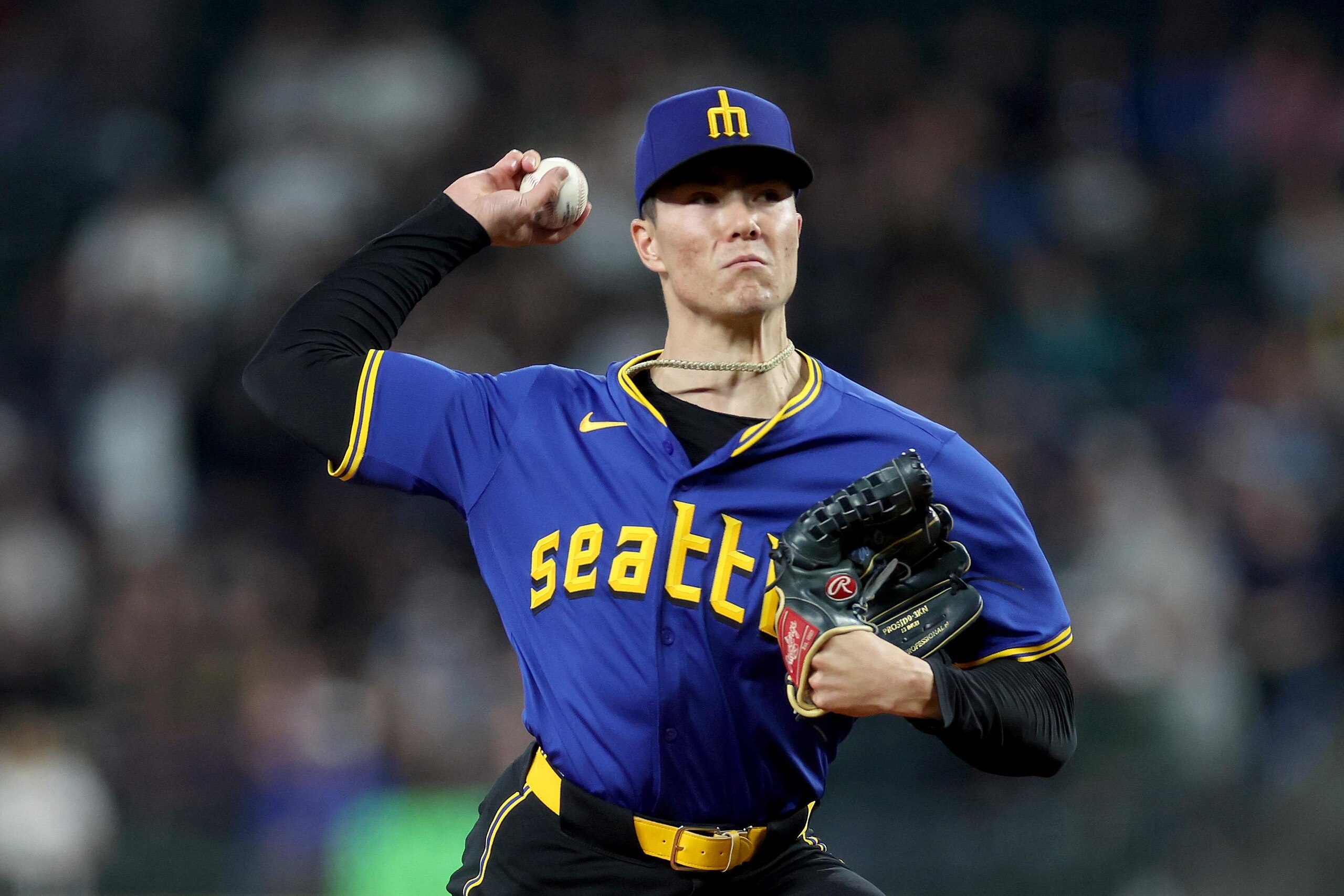
2024 Stats: 22 GS, 9-3, 121.1 IP, 2.89 ERA, 0.90 WHIP, 7.5 K/9
Early 2025 Returns: 6.0 IP, 1.50 ERA, 0.83 WHIP, 7.5 K/9
By the end of last season, surely everyone knew how great Seattle's rotation was and how badly it had squandered that incredible campaign in not generating enough offense to make the playoffs. With 92 quality starts, the Mariners rotation was at least a dozen ahead of every other pitching staff, with a starters' ERA of 3.38 that also led the majors.
Most of the attention went to the Big Four of Logan Gilbert, George Kirby, Luis Castillo and Bryce Miller, each of whom racked up at least 18 quality starts and at least 170 strikeouts. The other 29 teams combined to produce just 12 such individual seasons, so having four on a single staff A) was rather ridiculous and B) made it tough for the fifth starter to get any love.
But Bryan Woo was nothing short of masterful for the two-thirds of the season that he was in Seattle's big league rotation.
Woo opened last season on the IL with elbow inflammation for what was very much a "better late than never" type of year. After blazing through three rehab starts with a line of 11.1 IP, 5 H, 0 R, 0 BB, 17 K, he came out on fire, allowing just four earned runs in his first six starts; a 2.05 ERA through his first 16 appearances, nine of which were quality starts.
He tossed six scoreless innings against the Yankees in May, went seven scoreless against the Phillies in early August and carried a shutout into the seventh inning against the Dodgers a few weeks later.
With just one solo home run allowed while posting a quality start in his 2025 debut—and a meager two runs of support that didn't come until after he had thrown his final pitch—it's looking like business as usual thus far for Woo and the Mariners.

.jpg?w=2560)
.jpg?w=2560 "Cam Ward Says He's Not A Loser")
.jpg?w=2560 "Chargers Fall to 0-5 🤢")

.jpg?w=2560 "Grading MHJ Trade 📝")