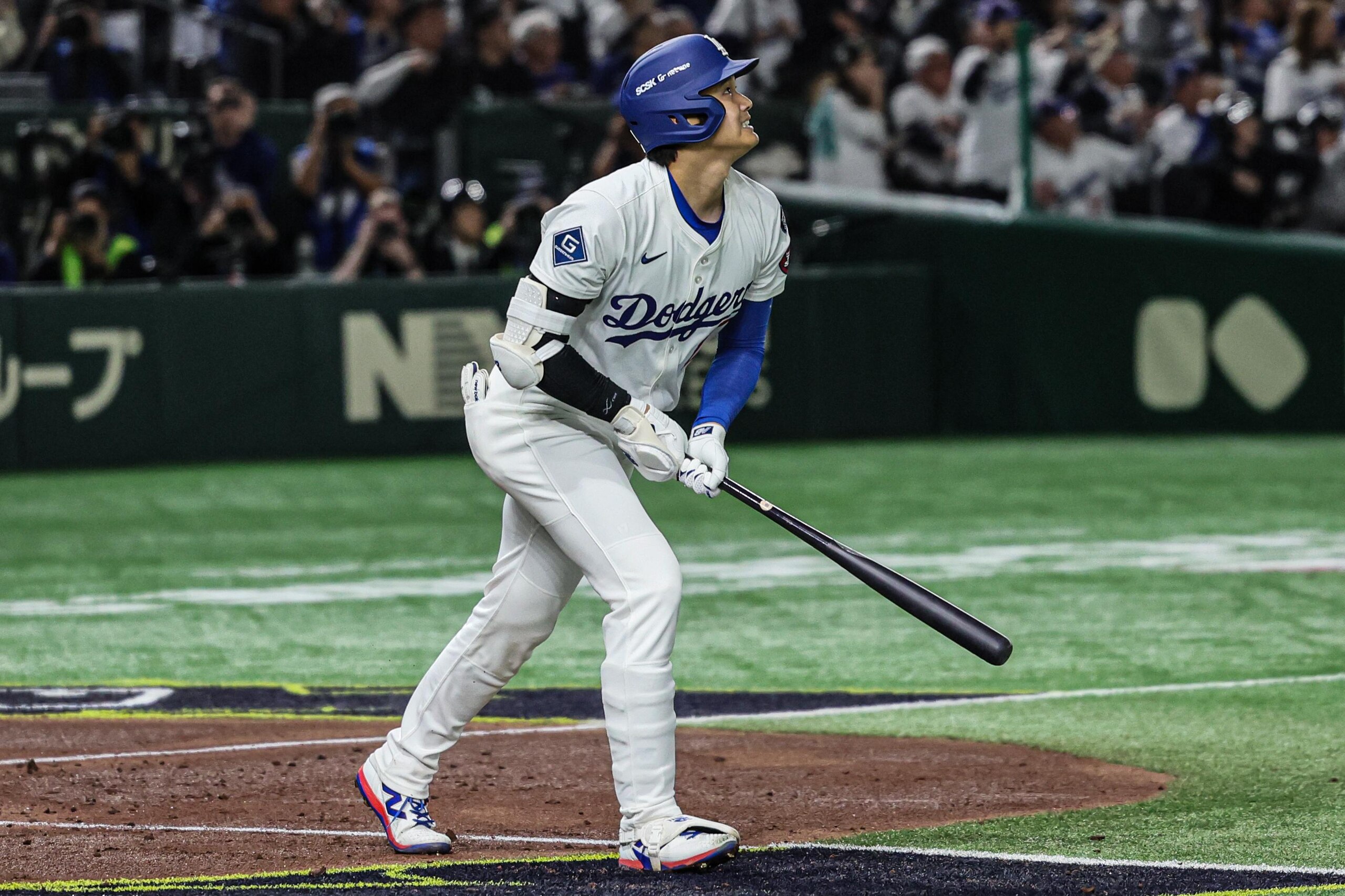


The 2025 Major League Baseball season kicked off this week with a pair of Tokyo Series games between the defending-champion Los Angeles Dodgers and the Chicago Cubs. However, the season will begin in earnest with Thursday's Opening Day.
As has been the case in recent years, Opening Day will feature a couple of rule changes. This year's changes are relatively minor compared to those we saw in 2023 and 2024. However, they're designed for the same purpose.
MLB is striving to provide fans with a faster-paced and more entertaining product.
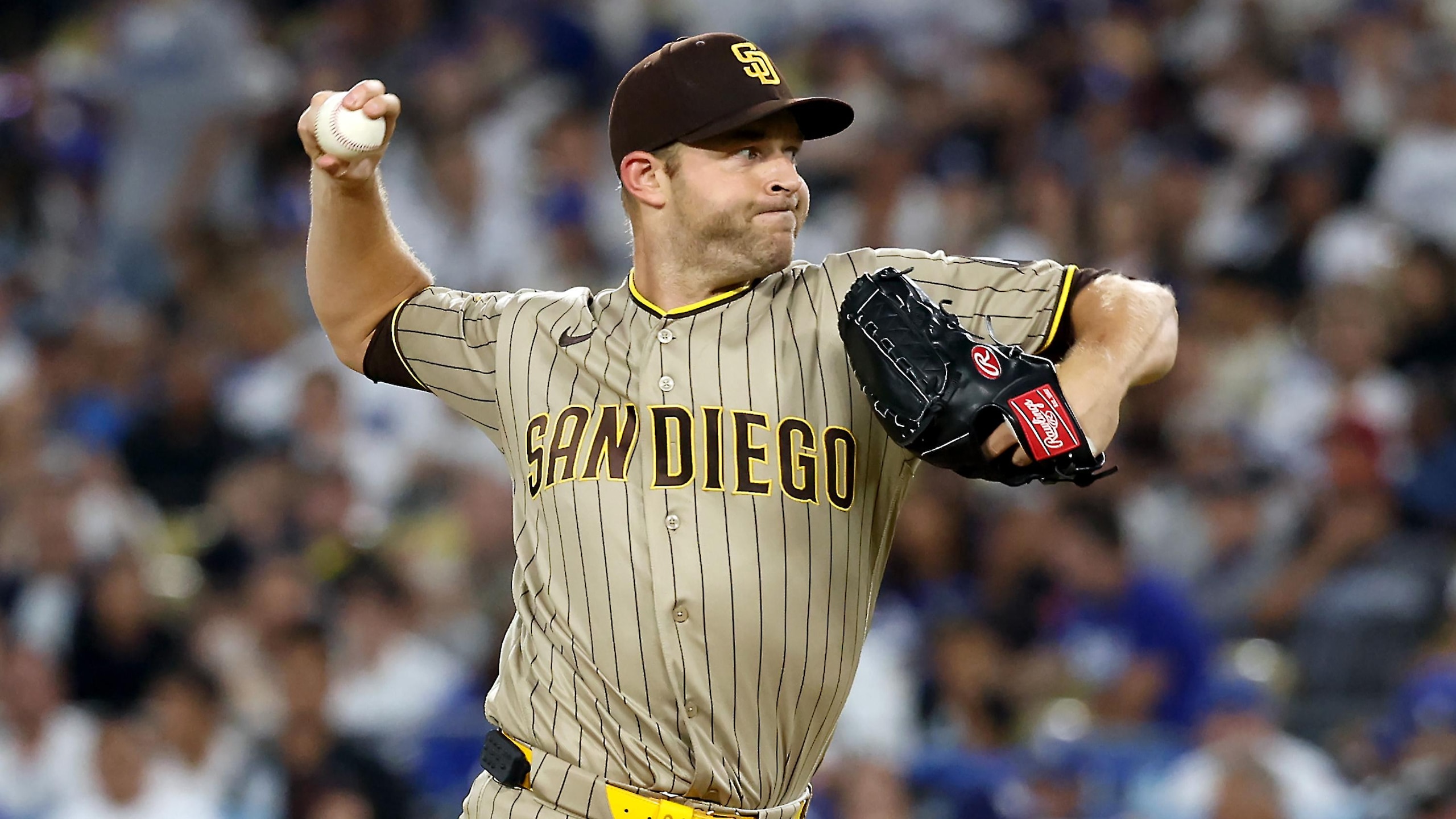
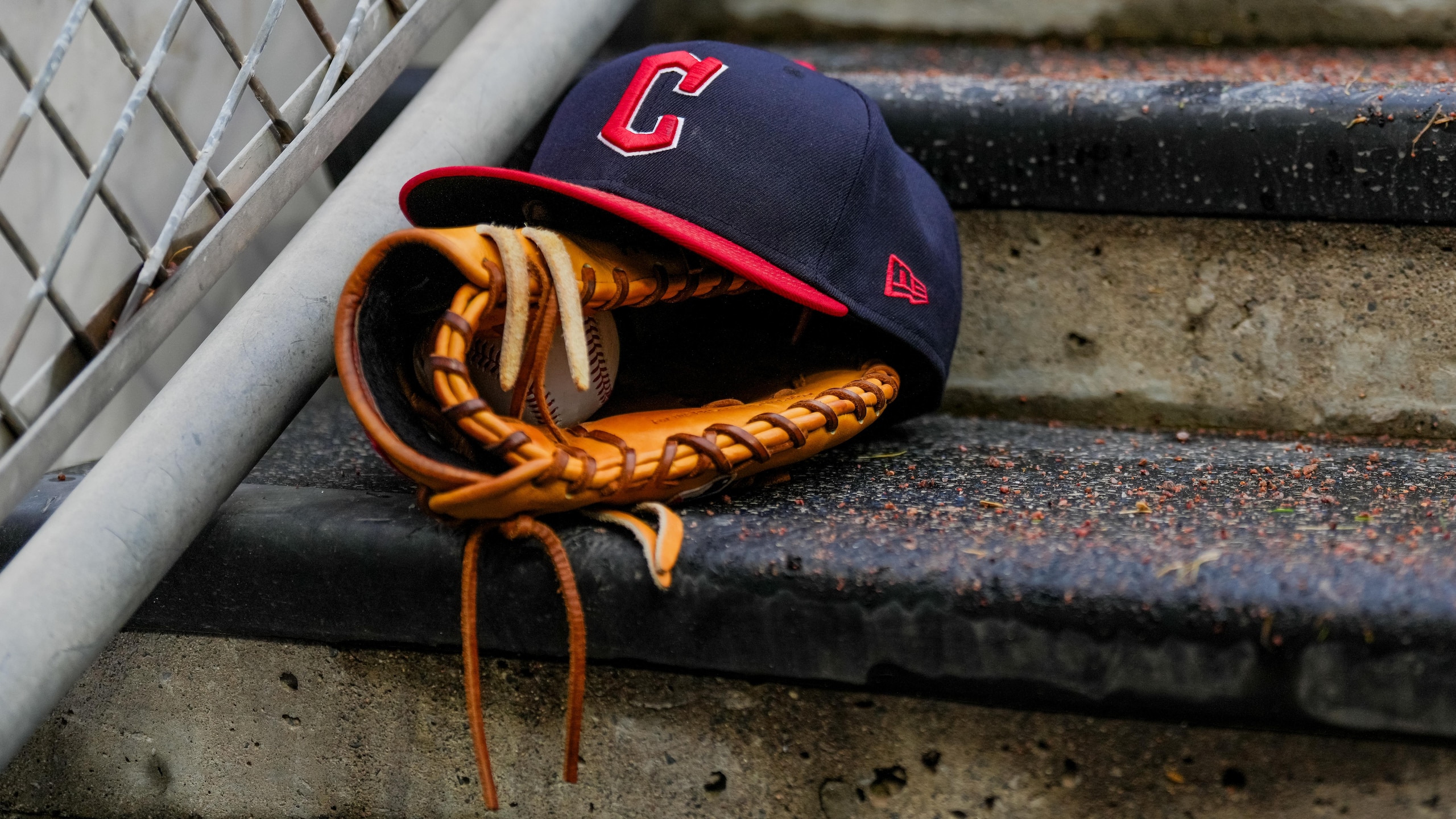

The biggest recent change we've seen came in 2023 with the introduction of the pitch clock. A 30-second timer between batters was implemented in 2023. A time limit between pitches was also added.
That limit stands at 15 seconds between pitches with empty bases and 18 seconds with runners on base—the latter limit was trimmed from 20 seconds to 18 seconds in 2024.
Other rule changes that were incorporated in 2024 included a widening of first-base running lanes and a reduction of mound visits from five to four—with a fifth being awarded in the ninth inning if a team has none remaining.
The result has been shorter games. According to the Associated Press, the average game length in 2024 was roughly four minutes shorter than in 2023 and 28 minutes shorter than in 2022. Per the AP, last season's games were, on average, the shortest since the 1984 season.
This year, the MLB will implement two rule changes that were unanimously passed back in January. Neither change is likely to have a significant impact on the pace of play, though both could, theoretically, shorten the time between plays.
The first is an alteration to the shift rules established in 2023. Under those rules, the defending team can have no more than two infielders on either side of second base prior to a pitch being delivered and both must be standing in the infield.
Under the old rule, if an infielder was caught in violation, the hitting team could accept the result of the play or have the batter be awarded a ball. Under the 2025 change, the hitting team can accept the result of the play or have the batter be awarded a free base.
A free base is obviously more punitive than a ball, meaning we should see teams more eager to avoid shift violations in 2025. That, in turn, should lead to fewer stoppages to see if a violation indeed occurred.
The second change pertains to runners who overrun a base on a force play. From Manny Randhawa of MLB.com:
"For example, if there are runners on first and third with two out and a ball is hit on the ground, the runner going to second base might opt to run straight through the bag rather than sliding in the hope that he’d get there faster and beat the throw.
If that runner beat the throw and overran the bag, he would likely get caught in a rundown and be tagged out.
...In the past, if a runner was called out at second in this scenario, and upon review a replay official found that he actually did beat the throw before going past the bag, the umpires would have to ignore that the runner overran the base and place him on second."
Under the 2025 rule, an umpire can call the trail runner out, even if he did beat the throw, for being tagged after abandonment of the base. Whether the lead runner scores or not will depend on whether he crossed home plate before the trail runner was deemed to have abandoned second base—when both feet have touched ground on the opposite side of the bag.
This should be a relatively rare scenario, but the rule change should lead to shorter reviews when it occurs.
Again, these are minor rule changes, and fans probably won't see a noticeable difference on game days. The 2024 season was an incredibly fun one, though, and hopefully, 2025 is poised to follow suit.
.jpg?w=2560)
.jpg?w=2560 "Aiyuk Slammed by Ex-Teammates 😬")
.jpg?w=2560 "Every Team's Biggest Surprise So Far 😲")
.jpg?w=2560 "Harbaugh Not in Hot Seat")