
Ranking Every NBA Team's Top 3 Players Most Likely to Be Traded This Offseason

Maybe we should call it the NBA Onseason™.
Summer might be when the Association's players take a break from the games-that-matter grind, but it is also when front offices make the lion's share of their changes. Though draft day and the free-agency process account for the meat and potatoes of roster alterations, trades fuel a great breadth of the Onseason's activity.
Even when teams embrace stasis, the murmurs and mumblings and general speculation persist. Onseasons are nothing if not exercises in, at the very least, thinking about which players could be dealt elsewhere.
This brings us to our trade-candidate big boards for each team.
Players will be ranked by the likelihood that they're moved before the start of the 2025-26 NBA regular season. The exact order for each top-three grouping is not a comment on quality of impact. Rather, these big boards are more tightly tethered to contract situations, presumed organizational directives and preemptive reporting on a player's availability.
Sign-and-trade scenarios are eligible for inclusion, though they typically will be featured only as last resorts. Finally, please remember these are not necessarily predictions. Each big board is built by trying to suss out the most pressing decisions and matters that face a team and then fleshing out its top-three list from there.
Atlanta Hawks
1 of 30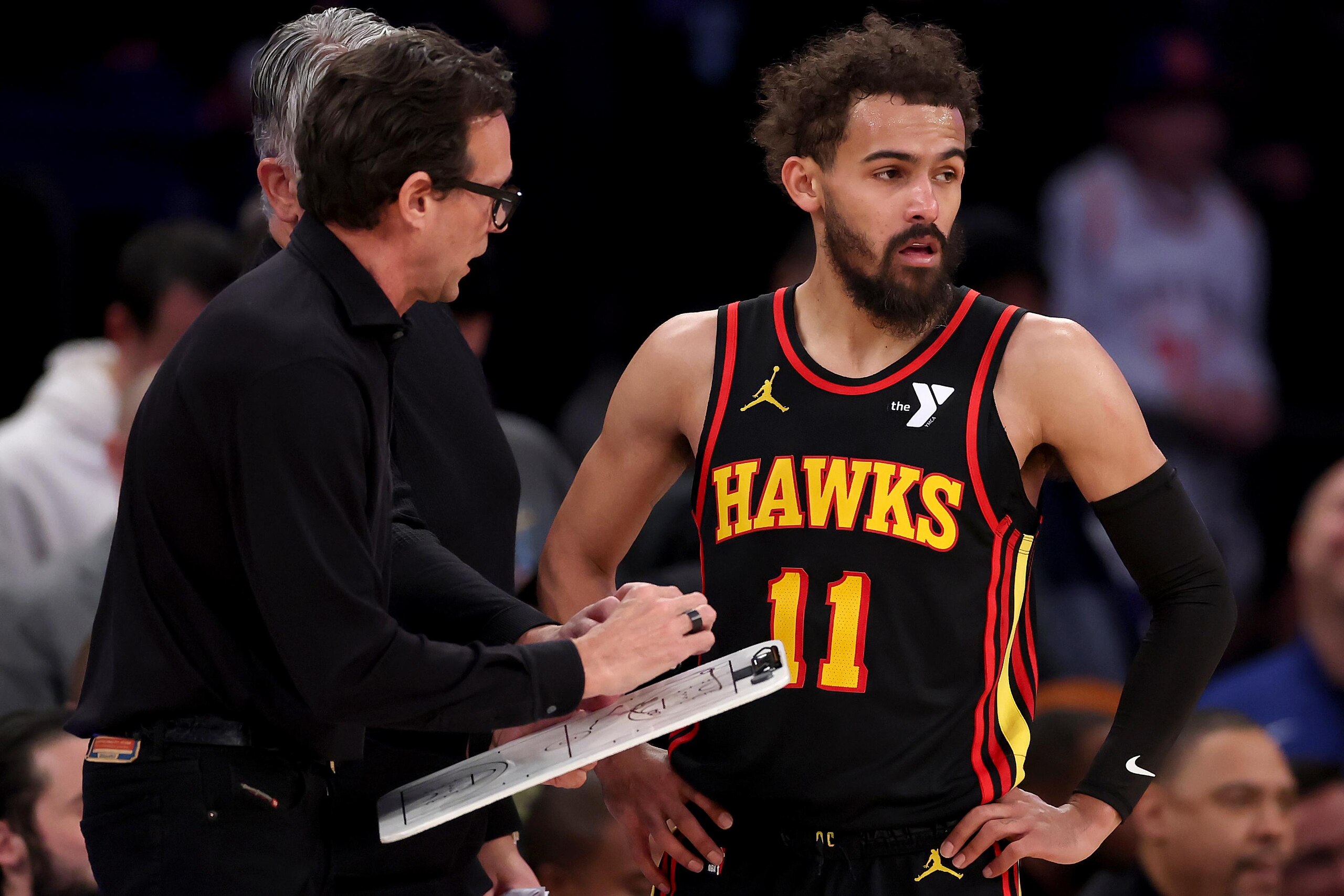
- Terance Mann
- Trae Young
- Georges Niang
With no clear building arc, the Atlanta Hawks may end up being relatively quiet over the summer. Re-signing Caris LeVert and Clint Capela could hasten their desire to lop off salary, but they project to be more than $40 million under the luxury tax. Retaining their own free agents should not culminate in financial cuts.
Young looms as the inflection point. He has one season before free agency (2026-27 player option). If he won't sign an extension, the Hawks have to look at rerouting him.
Atlanta may have even already explored dealing him to the San Antonio Spurs before they landed De'Aaron Fox. With no hope of reacquiring their own draft picks, the Hawks have little incentive to move Young unless he asks for it—which he could.
Mann seems most likely to be shopped in the event Young and Atlanta are on the same page. The Hawks have enough wings and need guards who provide secondary ball-handling. Mann's spot in the rotation is hardly prominent now and gets fuzzier next season if Kobe Bufkin and Jalen Johnson are both healthy.
Niang's expiring contract could prove useful if Atlanta is looking to buy. His frontcourt stretch has value, but it's finite given his defensive limitations and inability to play the 5, and when the 2025-26 Hawks should have a healthy Johnson at the 4.
Boston Celtics
2 of 30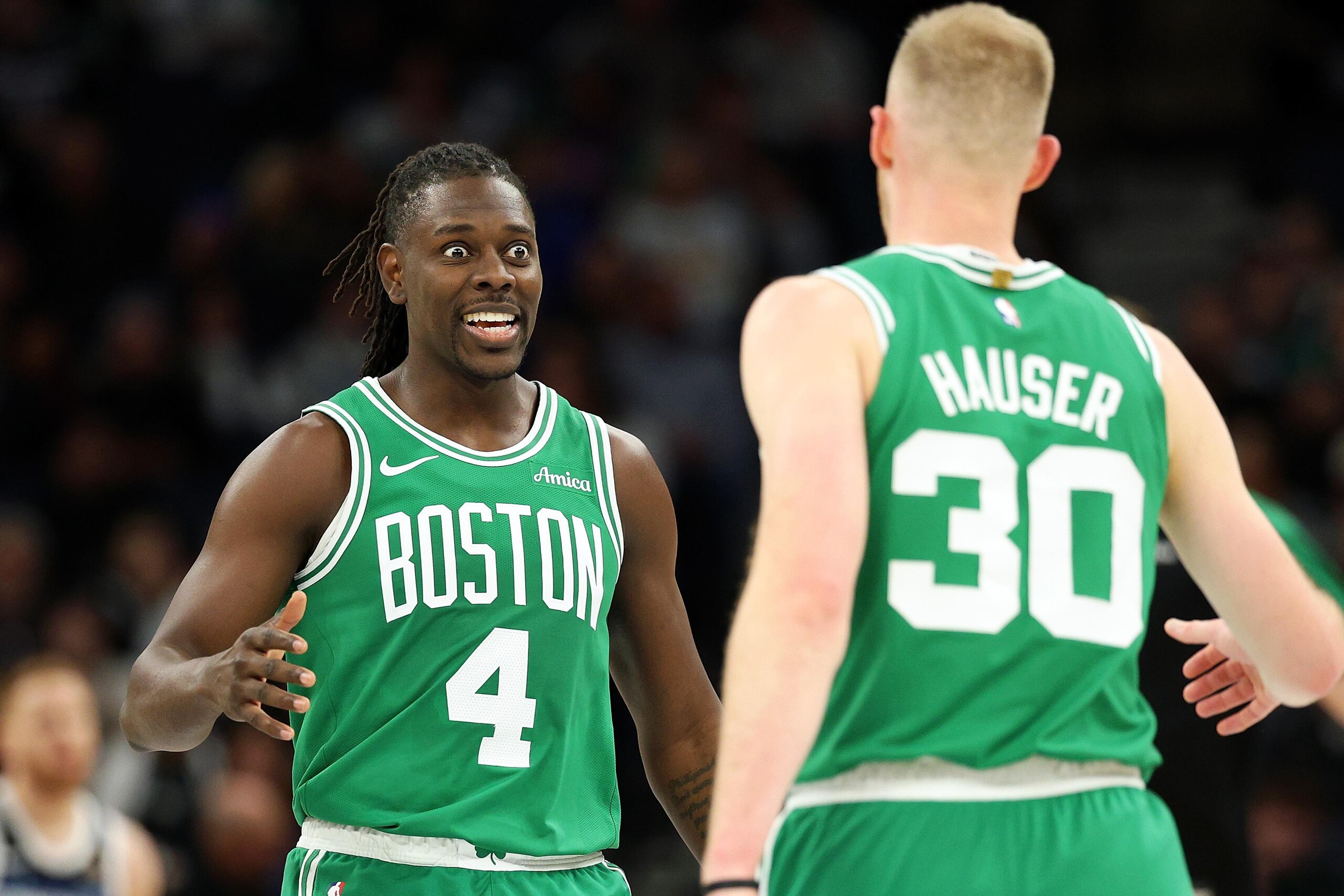
- Xavier Tillman
- Sam Hauser
- Jrue Holiday
Second-apron expenses and restrictions will inevitably break up the Boston Celtics. Failing a colossally crappy playoff performance, though, we should expect them to foot this core's bill for another year.
Wiping off Tillman's guaranteed salary for (slight) tax relief and the prospect of signing a cheaper-minimum guy is the kind of bookkeeping that seems up Boston's alley. After that, every potential inclusion jumps the shark.
Jayson Tatum and Derrick White aren't happening. Jaylen Brown is a more interesting name ahead of the 2026 offseason, if at all. Kristaps Porziņģis' health could foist him onto this list, but the Celtics cannot hope to approximate what he does on the cheap unless the soon-to-be 39-year-old Al Horford (unrestricted) is getting younger. As an expiring contract next season, KP also allows for more malleable decision-making in 2026.
Hauser beats out Payton Pritchard because he makes slightly more and his place in the rotation is less stable when Boston is at full strength. Rather than round this out with Pritchard, an aging Holiday and the three years and $104.4 million left on his deal make the cut if the Celtics are looking to cut costs ahead of the 2026 offseason guesstimate.
Brooklyn Nets
3 of 30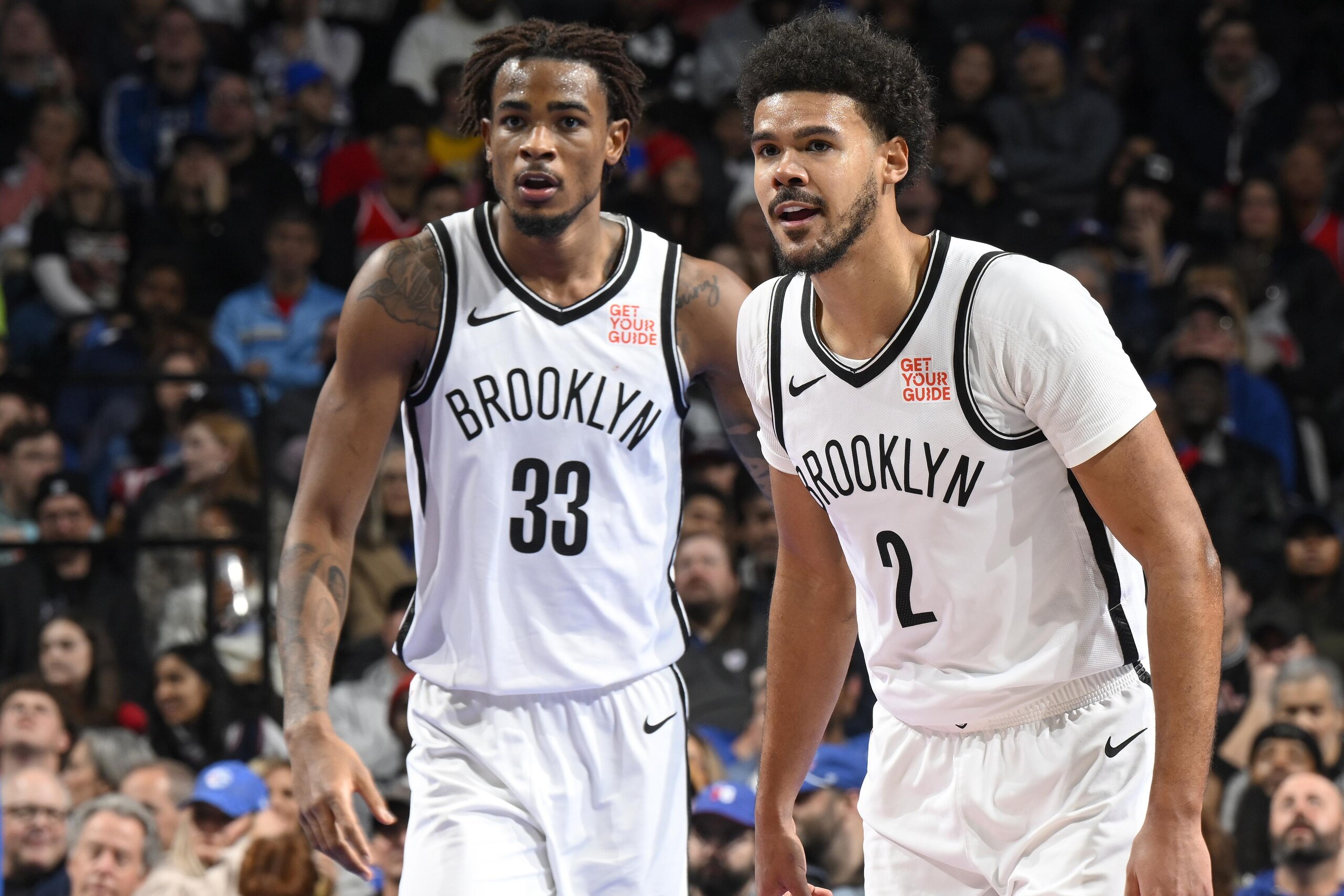
- Cam Johnson
- D'Angelo Russell (unrestricted)
- Cam Thomas (restricted)
The Brooklyn Nets barely have enough options to fill out this board. Only four players are under guaranteed contract for next season: Johnson, Nic Claxton, Noah Clowney and Dariq Whitehead.
Johnson's inclusion is a given. He fits everywhere, and while Brooklyn doesn't have to move him, he's the consummate "Gets dealt for multiple first-round picks" candidate.
Claxton will be the default for others. I can't get there. The three years and $69.5 million he's owed seem a tad underwater at the moment, and the Nets need a primary center unless they draft Duke's Khaman Maluach.
Sign-and-trades become our currency as a result. Russell is a prime candidate for one. He's inconsistent, but Peak D-Lo is worth more than the mid-level. A market barren of cap space sets the stage for sign-and-trade scenarios.
Restricted free agency, meanwhile, has largely become a farce. Rival teams seldom float offer sheets anymore. That's bad news for Thomas, who hasn't been healthy enough this season to drum up an aggressive market.
At the same time, Brooklyn may not want to invest in him long-term as it continues this rebuild. A facilitated change of scenery could be in order even if he's not breaking the bank.
Charlotte Hornets
4 of 30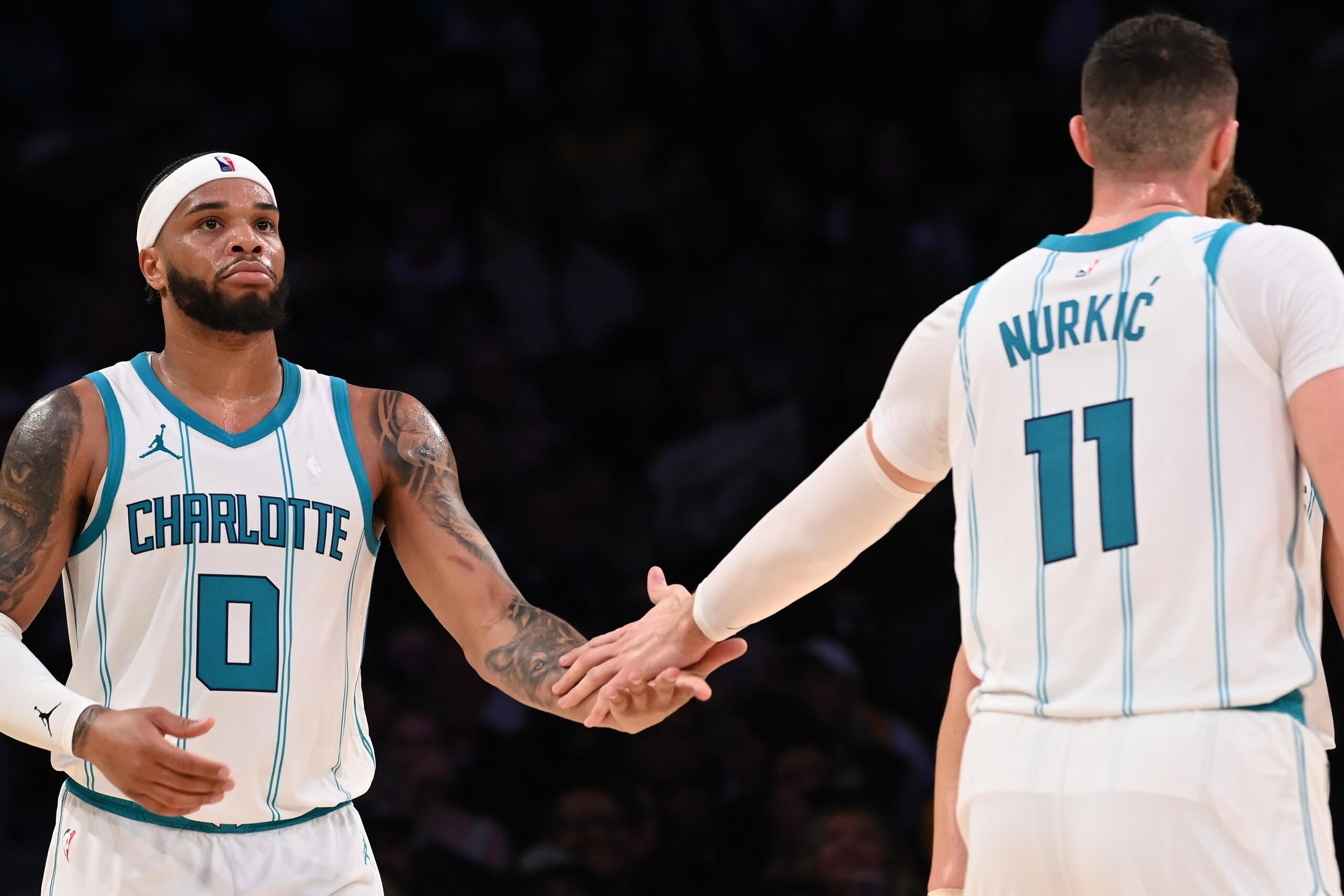
- Mark Williams
- Miles Bridges
- Jusuf Nurkić
Williams is an obligatory inclusion because, well, the Charlotte Hornets already traded him. He has turned in some standout minutes since the "failed" physical and might be willing to sign a team-friendly extension given his availability issues. The Hornets may also change their tune on his gettability if they're not receiving a borderline ransom, like the one they were set to bag from the Los Angeles Lakers.
None of that's enough to spare Williams from the top of this exercise. Especially when Charlotte isn't necessarily teeming with potential goners.
Bridges is owed $47.8 million, on a declining scale, over the next two years. He will have a market if teams trust his recent outside shooting, and the Hornets may opt to open up minutes at one of the forward spots depending on how their draft shakes out.
Nurkić becomes an expiring contract this summer and doesn't fit Charlotte's rebuilding timeline. This Jeff Peterson-led front office has so far embraced taking on money attached to compensation. Nurkić will be a vessel through which they can do that this summer.
Chicago Bulls
5 of 30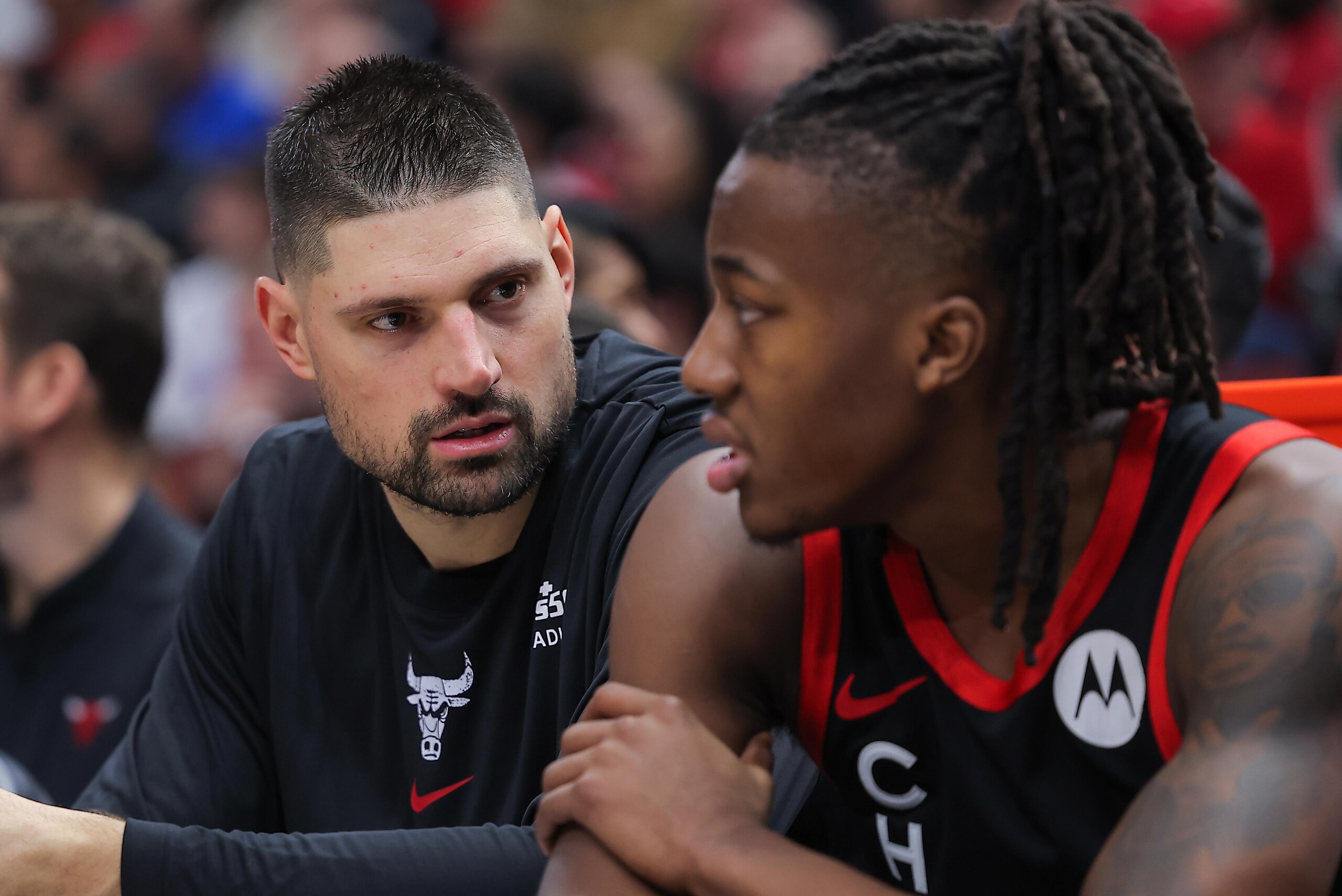
- Ayo Dosunmu
- Nikola Vučević
- Kevin Huerter
Coby White tops this list if the Chicago Bulls have their come-to-reality moment. He isn't signing an extension when it can only start at $18.6 million in 2026-27, and they're about to (presumably) pay Josh Giddey (restricted). White's trade value will drop as an expiring contract, but his next deal could get dicey if the Bulls remain stuck in their play-in phase.
Smart people say the past is prologue, so we have to assume the Bulls won't get out in front of White's situation, if only because they're already behind it. Dosunmu registers as the odd man out. He is entering the final year of his own deal, and the Bulls have Giddey, White and the recently extended Lonzo Ball.
Vučević spent enough time in the rumor mill leading up to February's deadline that this should finally be the summer he gets relocated. It gets easier to move him as an expiring contract, and he'll have more value than Zach Collins or Jalen Smith.
Huerter's shooting remains all over the place. Yet he, too, will be entering the final year of his contract. There will be teams who think they can reboot his value. Chicago should be able to get something for him, particularly if it is willing to take on money that spills past 2025-26.
Cleveland Cavaliers
6 of 30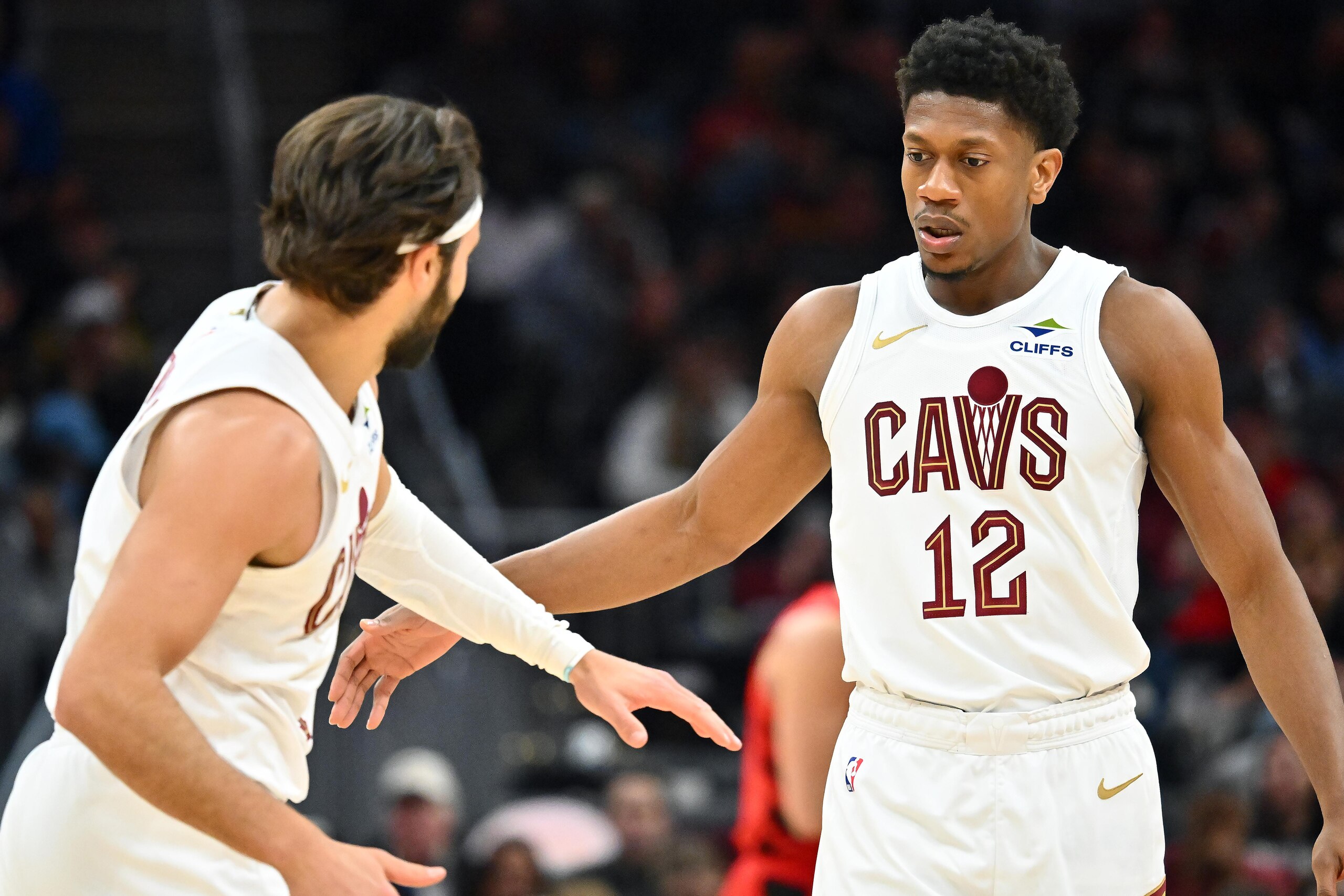
- Dean Wade
- Isaac Okoro
- Max Strus
The Cleveland Cavaliers are currently almost $20 million into next year's luxury tax and inside $3 million of the second apron. That's without factoring in potential new deals for Ty Jerome or Sam Merrill.
Skirting the second apron for as long as possible feels like it'll be a priority. Wade's contract is most expendable—in part because it's non-guaranteed; mostly because Cleveland now has De'Andre Hunter.
Okoro is next on the chopping block. His price point can save the Cavs more money (depending on the return), and he may also be considered dispensable if he can't stay on the floor in the playoffs and/or Jerome proves that he can.
This third spot gets tricky. Jaylon Tyson is likely too valuable as a cost-controlled prospect—doubly so this side of the Caris LeVert trade. Craig Porter Jr. (non-guaranteed) is a reasonable default but is also Jerome insurance.
Strus' price point (two years, $32.6 million) earns him the nod. He isn't replaceable, per se. But the Cavs can approximate his shooting and scoring with Hunter and Merrill, and he's someone with the standalone value to save Cleveland money while bringing back a rotation player.
Dallas Mavericks
7 of 30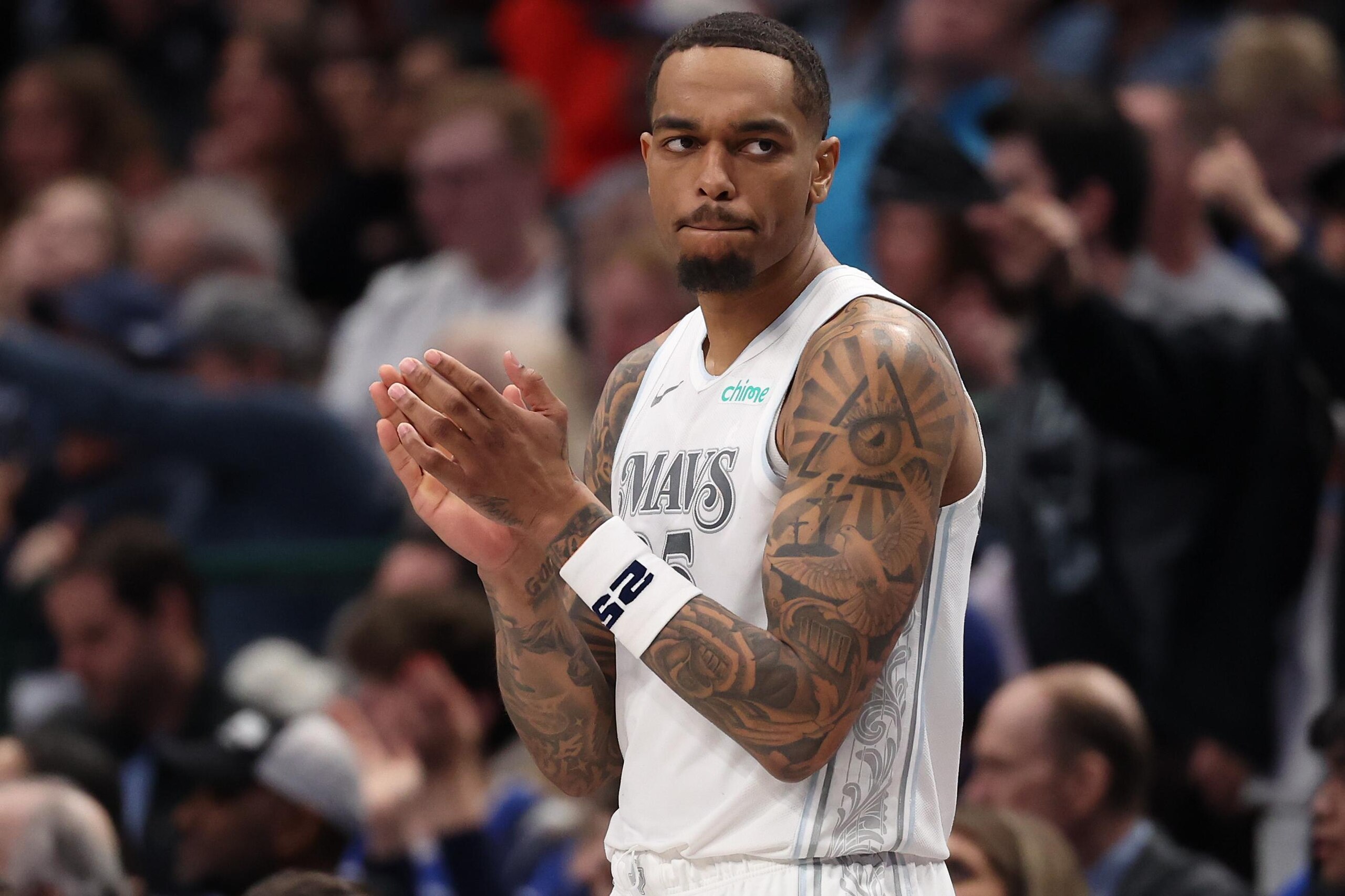
- Dwight Powell
- P.J. Washington
- Daniel Gafford
Good luck predicting what Dallas Mavericks president of basketball operations Nico Harrison will do next.
Entering the offseason in the tax suggests inevitable bookkeeping. They might be able to duck it if Kyrie Irving declines his player option and re-signs at a lower annual number. They can also end the Dwight Powell era by shipping out his $4 million expiring salary (player option).
Washington and his own expiring contract should wind up featuring prominently in any blockbuster package the Mavs cobble together. Sources told The Stein Line's Marc Stein that Dallas isn't necessarily a Kevin Durant suitor, and Kyrie's ACL injury complicates at least a chunk of next season. But the clock is ticking on Harrison after he exiled Luka Dončić without receiving a bunch of draft picks.
This third spot can go in a variety of directions. Gafford wins out as the second-most intriguing salary-matcher in any possible bigger swing. His $14.4 million comes off the ledger after next season, and the Mavs, in this scenario, will likely believe they can dredge up a cheaper second-string 5 behind Dereck Lively II.
Denver Nuggets
8 of 30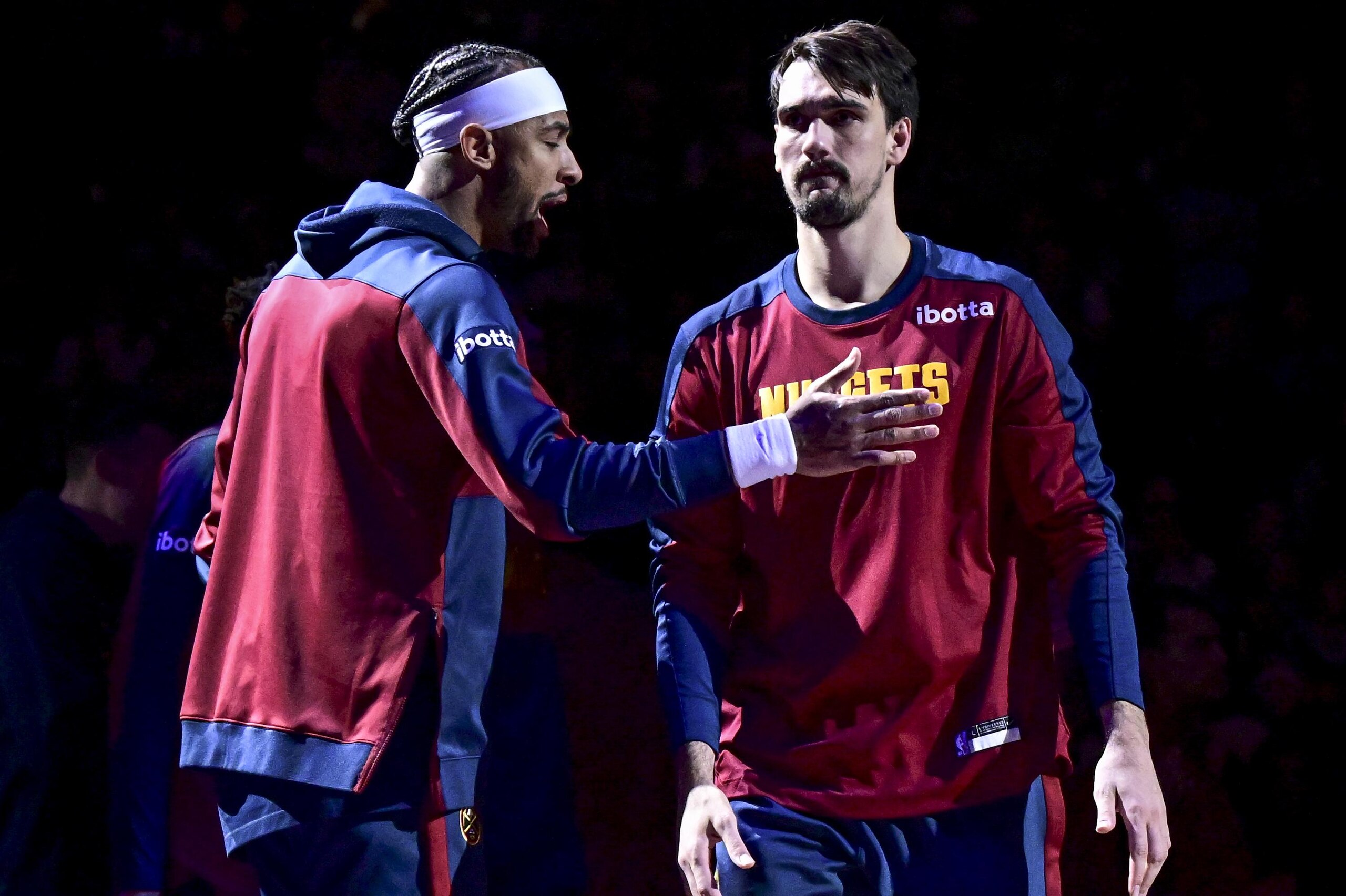
- Dario Šarić
- Zeke Nnaji
- Hunter Tyson
Next year needn't consist of major changes for the Denver Nuggets. They have enough wiggle room beneath the second apron to stand relatively pat and revisit their situation at the 2026 deadline or over the 2026 offseason.
Then again, you just know general manager Calvin Booth is going to deal Denver's 2032 second-rounder to dump Šarić's player option and offer another one-plus-one to someone else using the mini mid-level exception.
Choose your own adventure after that move.
Nnaji has emerged as a key rotation piece—and solid perimeter defender. This breakout could cement his internal value. It could also be enough to move the three years and $23.2 million left on his deal without including any sweeteners. That's an avenue Denver must at least consider if DaRon Holmes II is healthy and it is married to Peyton Watson and Aaron Gordon long-term.
Speaking of which: Extension eligibility for Watson and, to a lesser extent, Christian Braun could nudge the Nuggets toward action. Emphasis on could. Waiting until the 2026 deadline or extending them and revisiting the cap sheet over the 2026 offseason seems more likely.
I'm defaulting to Hunter Tyson's cheapo deal as a pure bookkeeping play—and because I don't buy Denver making massive changes. If you land on the other side of the fence, Michael Porter Jr. is the way to go.
Detroit Pistons
9 of 30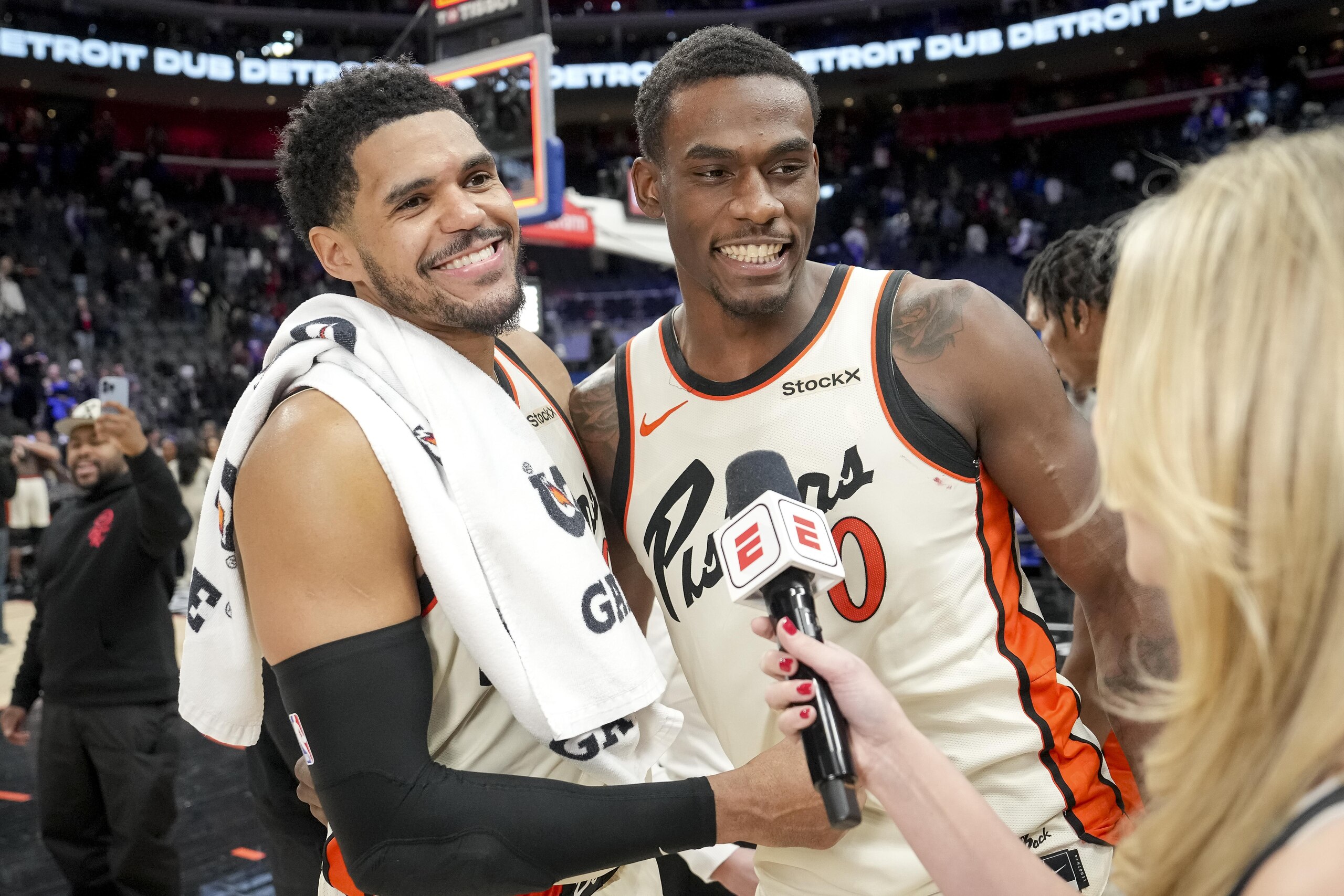
- Simone Fontecchio
- Tobias Harris
- Jalen Duren
Fontecchio has struggled with his shot all season, is not a prominent part of the rotation and will be entering the final year of his contract. That makes him a no-brainer at the top.
Harris is a must-add for his own expiring salary if the Detroit Pistons wish to make a bigger splash. They can chisel out meaningful cap space to facilitate deals, but only if they plan on bidding farewell to one or both of Malik Beasley and Tim Hardaway Jr. in free agency. Harris' $26.6 million salary becomes an integral matching tool if they're not a cap-space squad.
Including Duren feels icky given the Pistons' performance and some of his personal midseason strides. But his extension eligibility leaves Detroit with three options: re-invest in him, let his contract leak into next summer or move him.
Taking the situation to RFA may be the most likely outcome. Negotiating an extension might be the least likely. Detroit can't be sure Duren is the permanent answer at the 5, and he has every reason to push for $20-plus million annually. Jaden Ivey deserves spot consideration, but the Pistons still need a secondary ball-handler of the future, and his leg injury puts his trade value at its absolute nadir.
Golden State Warriors
10 of 30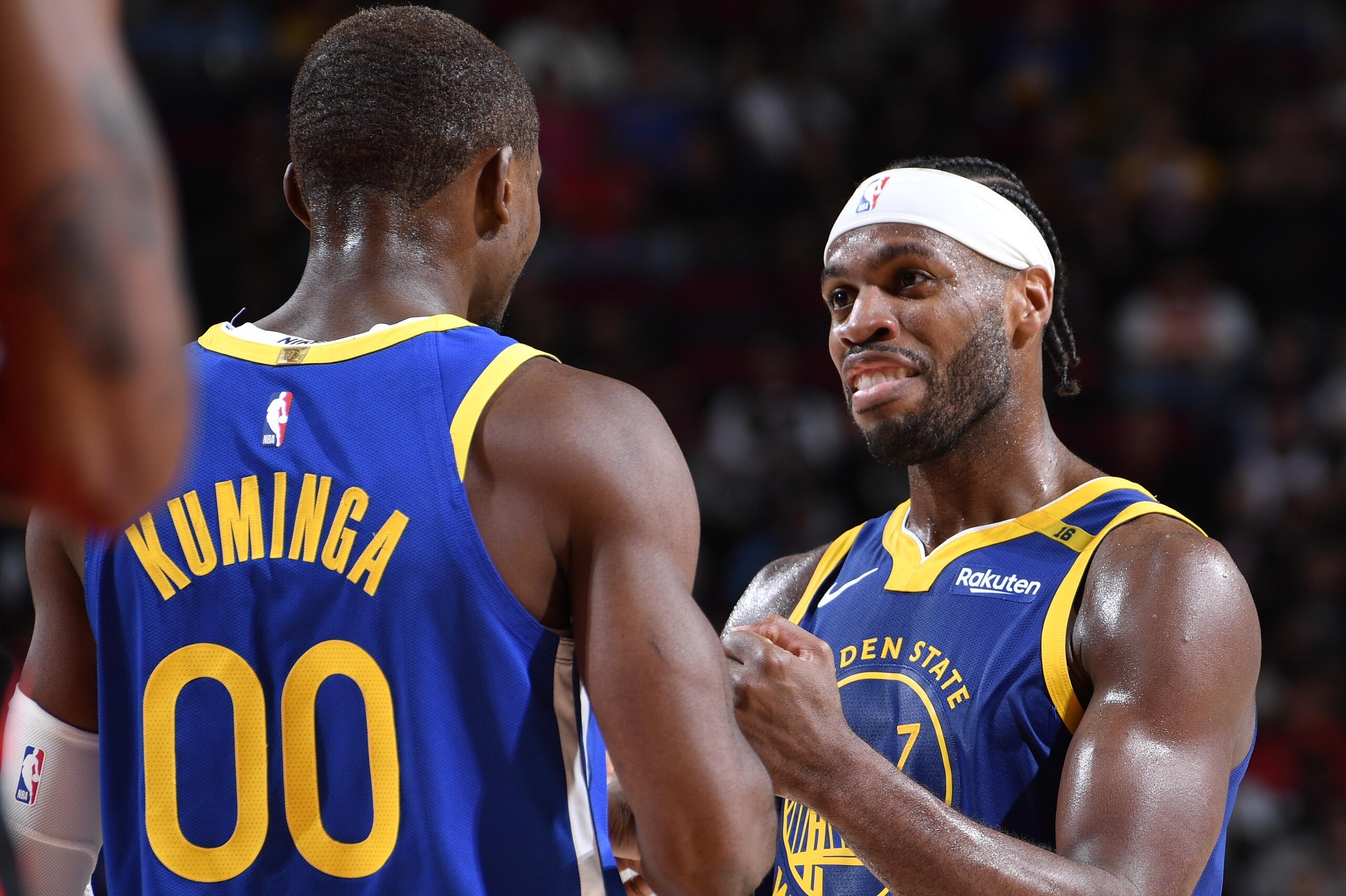
- Buddy Hield
- Moses Moody
- Jonathan Kuminga (restricted)
Kuminga's spot needs to be addressed first. Jimmy Butler's arrival complicates the former's future unless the duo turns out to be a viable fit together and alongside Draymond Green. It would not be a surprise if both Kuminga and the Golden State Warriors decide they're better off parting ways.
There is still a limit to how high the 22-year-old can be ranked. Base-year compensation will almost assuredly get in the way of any sign-and-trade. Kuminga will only count as 50 percent of his new salary for the Dubs. Ipso facto: If his 2025-26 pay grade hits $25 million, he'll represent $12.5 million in outgoing value for Golden State but $25 million in inbound value to his new team. Bridging that gap can be difficult even in the offseason.
Hield is hardly having a banner year, but his $9.2 million price point remains easier to relocate. Moses Moody is more important without Andrew Wiggins. He becomes more replaceable if Kuminga pops. The Dubs may also just decide his salary must become collateral damage of paying Kuminga.
Trayce-Jackson Davis gets an honorable mention since he's barely playing. Kevon Looney's pending free agency, along with TJD's absurdly cheap contract, may render him too valuable for inclusion even if you want to bounce Kuminga from the top three.
Houston Rockets
11 of 30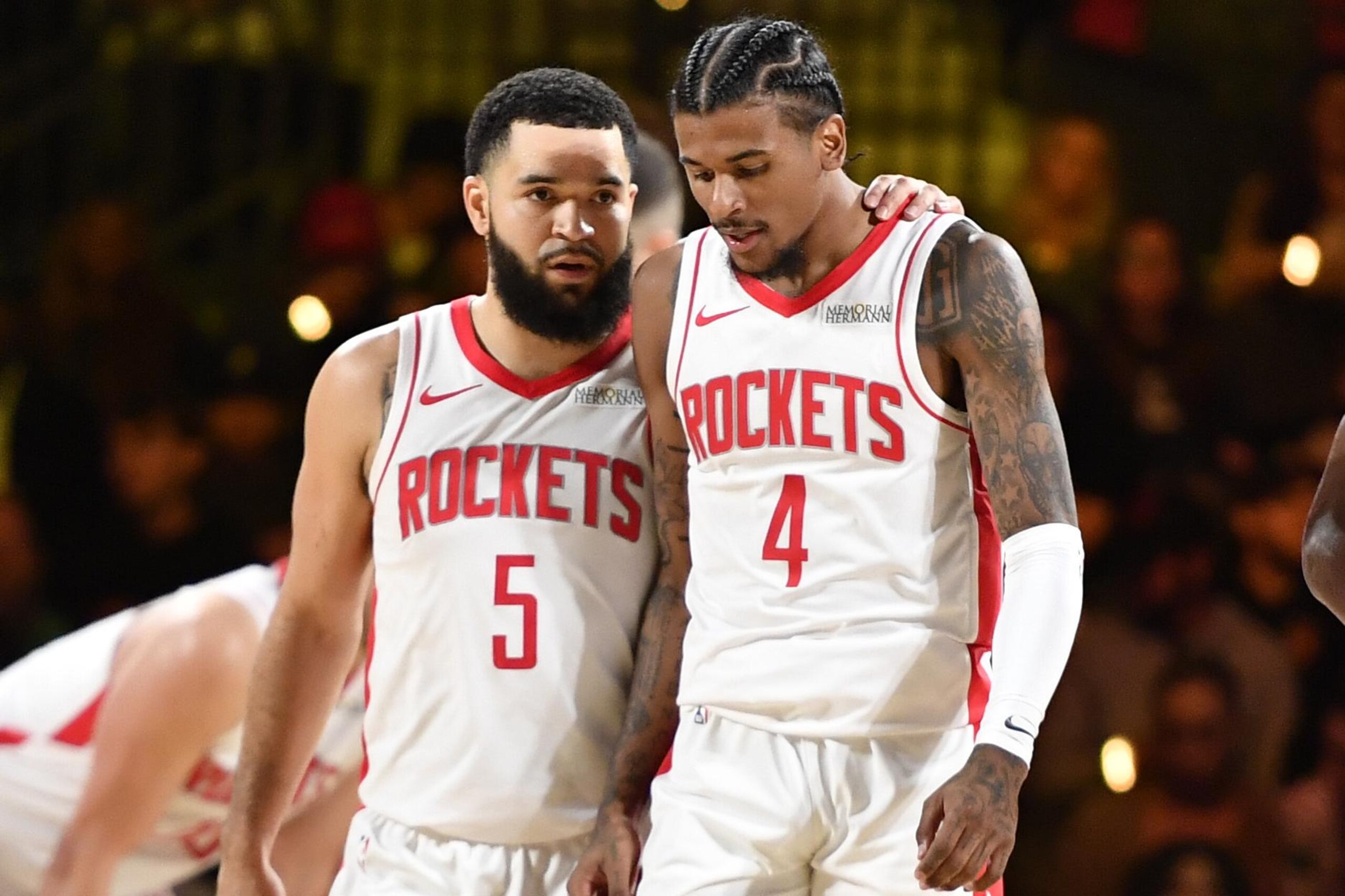
- Cam Whitmore
- Jalen Green
- Fred VanVleet (team option)
No team seems more primed for a consolidation trade than these Houston Rockets. That can change if they make a deep playoff run. Until then, the combination of VanVleet's team option ($44.9 million), having given new deals to Green and Alperen Şengün and extension eligibility for Tari Eason and Jabari Smith Jr. suggests they'll do something semi-major.
Whitmore is the most likely inclusion in any quasi-blockbuster. The Rockets rotation doesn't technically need him, and he continues to carry the mystique of a prospect with real boom potential.
Real consideration should be given to some of the other cost-controlled youths, such as Reed Sheppard. Whitmore feels one-size-fits-all more than anyone. The type of player coming back is less likely to matter.
Salary-matching logistics take precedence after him. VanVleet's team option can be picked up simply to be shipped out. But almost $45 million is a lot of money. He probably won't be the primary anchor unless Houston is hot for players making Kevin Durant coin. Green's $33.3 million price point is more workable, and he adds a layer of value as someone teams should acquire with the intention of keeping rather than as a one-year stopgap.
Indiana Pacers
12 of 30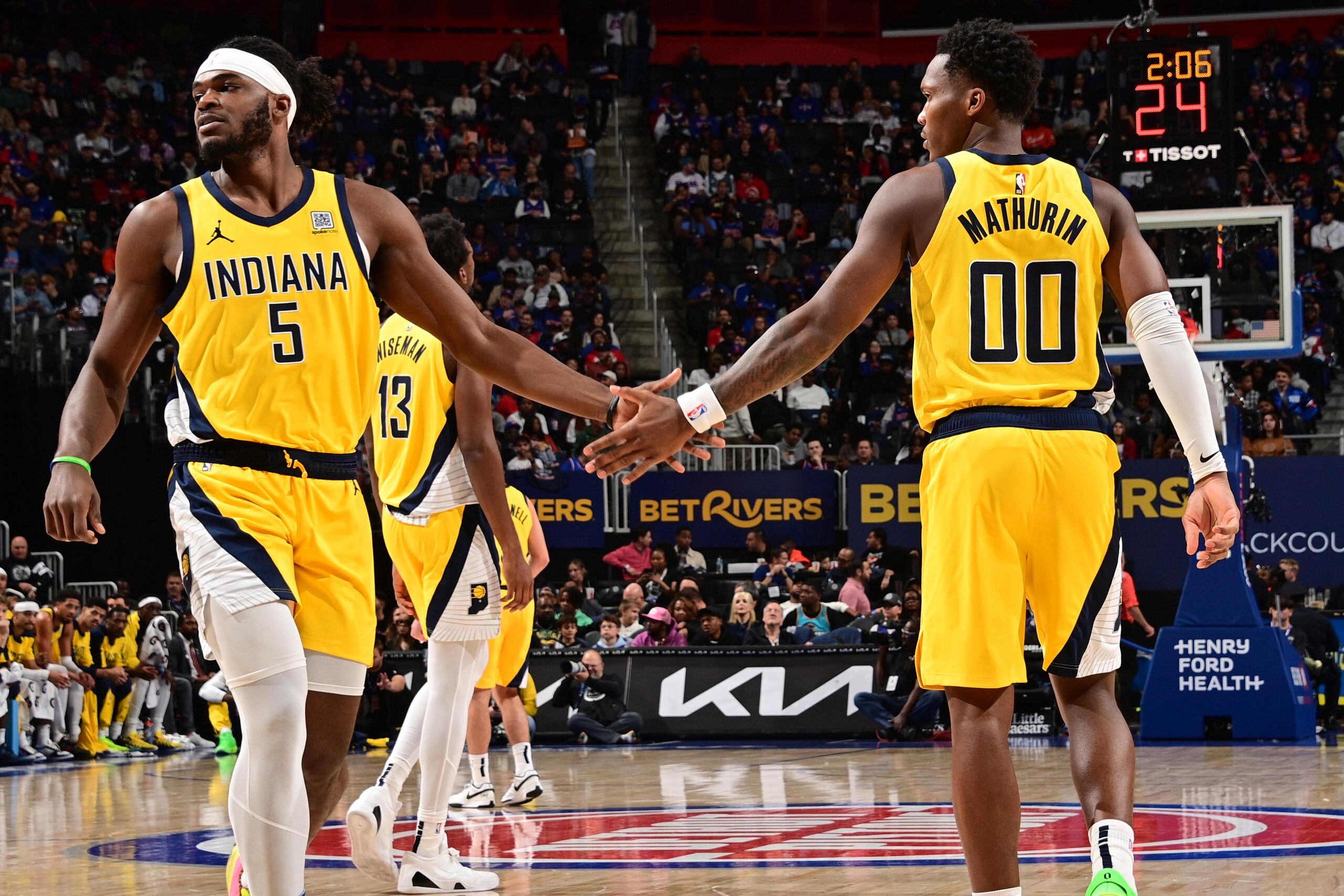
- Obi Toppin
- Bennedict Mathurin
- T.J. McConnell
Excluding Toppin is tempting. He's most often viewed as the Indiana Pacers' most probable salary-matching contract, but the three years and $45 million left on his deal is net-neutral at best. He won't add to the compensation behind any package.
Pivoting to McConnell and the two fully guaranteed years left on his contract is fair game. Toppin's salary is just higher and more impactful when matching inbound money.
Roster makeup and contract status demand Mathurin appear somewhere inside the top three. He's extension-eligible this summer, and while he plays a healthy number of minutes, his long-term utility on a roster with Tyrese Haliburton, Andrew Nembhard and scant few wings is unclear. Ben Sheppard's emergence on defense and as a standstill shooter could render Mathurin more expendable.
Jarace Walker juuust avoids the list. With Toppin at the—ahem—top, Indiana will need someone to sponge up more playing time at the 4.
Granted, Walker isn't playing nearly enough to feel great about his exclusion. That's also part of the logic. His value isn't that high. At just 21, with two more cost-controlled years left on his deal, he has more in-house utility as part of any prospective moves than outside appeal.
Los Angeles Clippers
13 of 30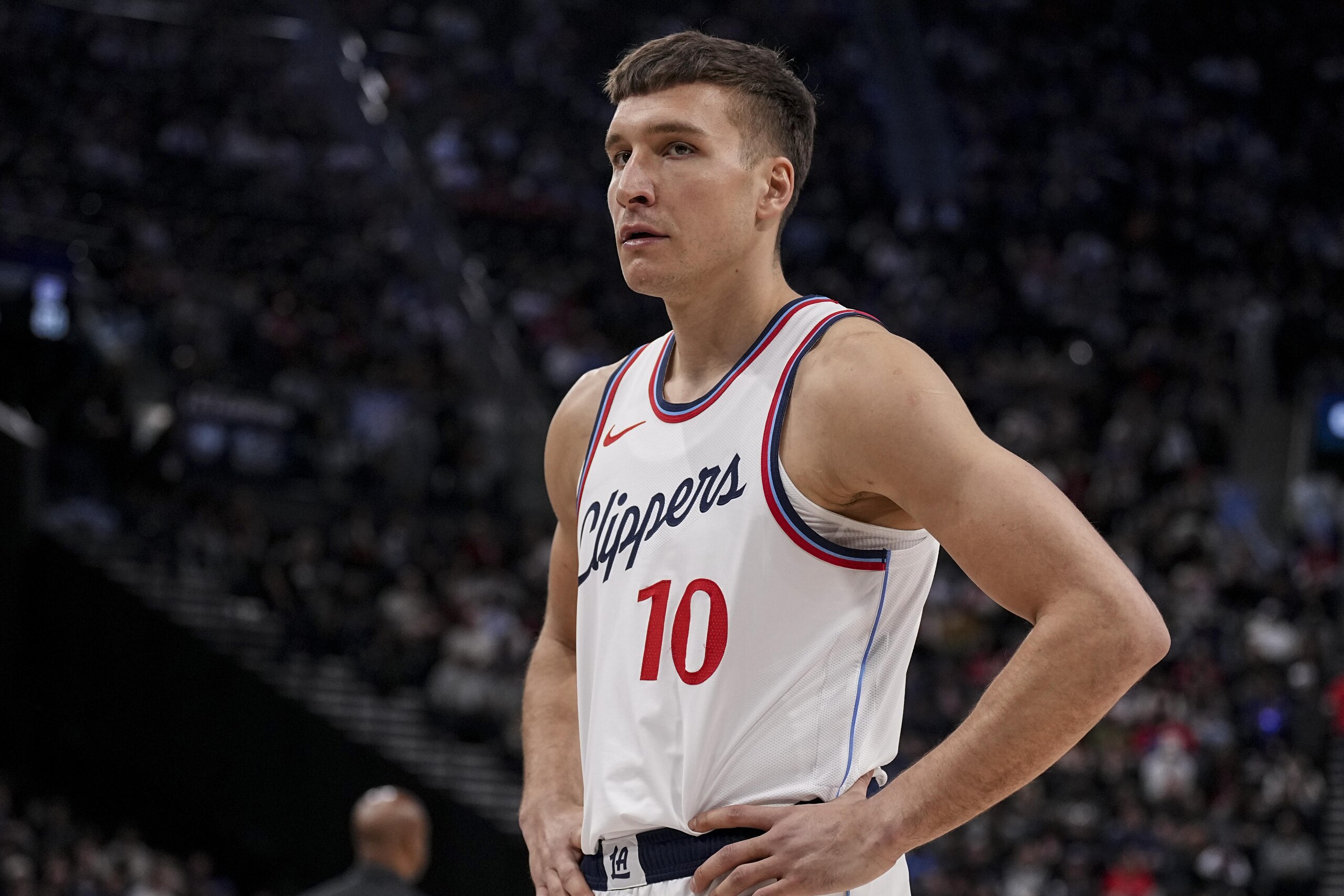
- Drew Eubanks (non-guaranteed)
- Bogdan Bogdanović
- Norman Powell
The complexion of this list changes if you think the Los Angeles Clippers will skew toward a longer-term vision. That doesn't seem like their style. Even if James Harden (player option) somehow leaves, they have Kawhi Leonard on the books and won't control their own first-round pick until 2030.
Eubanks is a prime candidate to have his $4.8 million salary guaranteed to facilitate a trade. The Clippers have enough room beneath the tax, and that money can help them step-ladder their way to a larger acquisition.
Bigger salaries eventually need to hit the chopping block. Derrick Jones Jr. ($10 million) doesn't quite do it. Bogdanović (two years, $32 million) could be a tough sell after struggling so much this season but hasn't crossed into toxic-asset territory.
Powell's $20.5 million expiring salary is self-explanatory. The Clippers shouldn't be actively looking to move him after he flirted with Most Improved Player honors pre-hamstring injury. He also can't be considered untouchable if it helps bag an even higher-end offensive option.
Los Angeles Lakers
14 of 30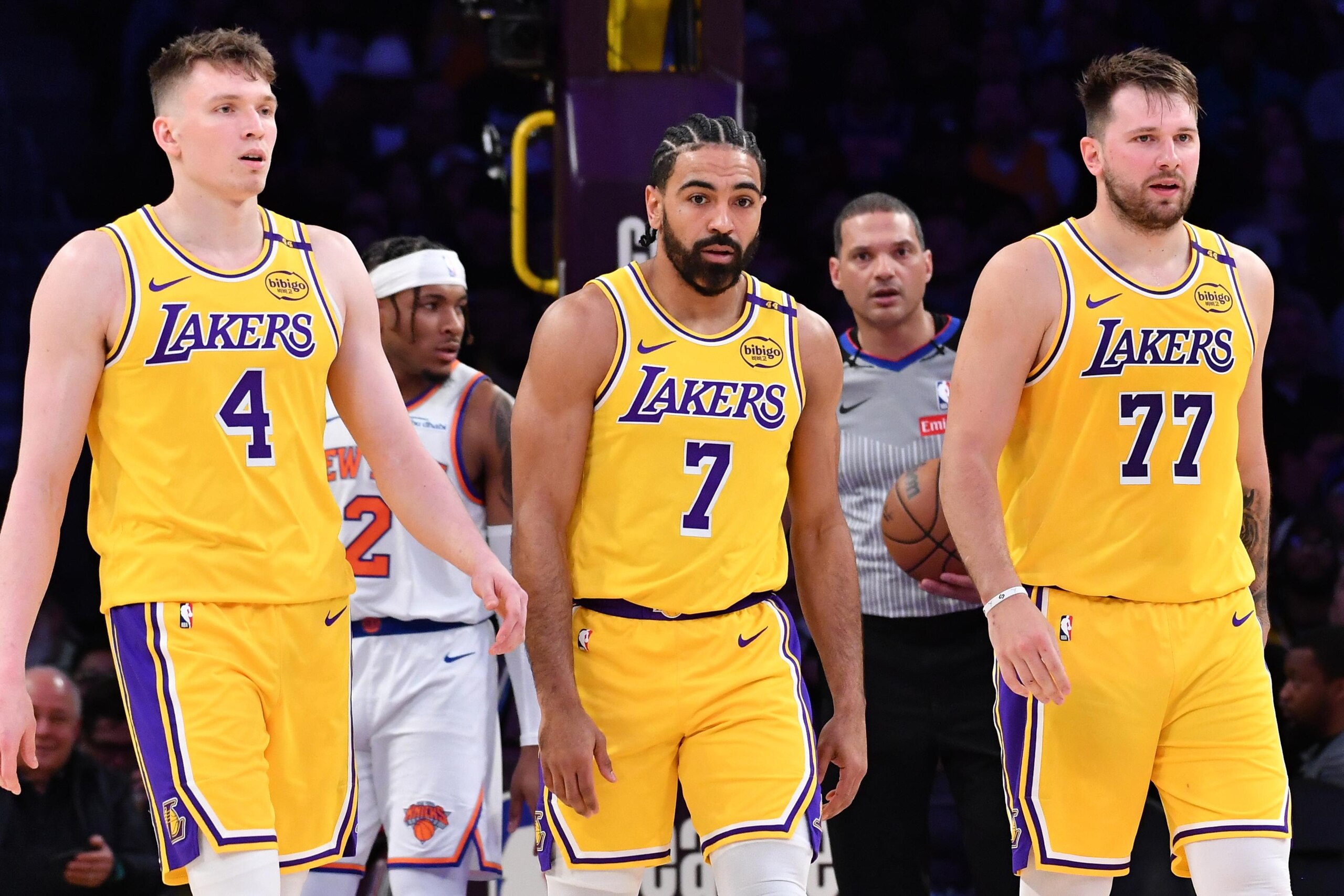
- Dalton Knecht
- Gabe Vincent
- Maxi Kleber
Acquiring Luka Dončić is a big-picture proposition for the Los Angeles Lakers. It will not stop them from doubling and tripling down this summer.
Los Angeles made that much clear when it tried to flip Knecht as part of the Mark Williams package. For a team with only one tradeable first-round pick, he remains the quintessential "But look, we're technically including another first!" type of asset.
Expiring contracts populate the rest of the list. Vincent has a better chance of staying healthy, it seems, than Kleber and is also younger. He gets the No. 2 spot.
This is not to say Austin Reaves or Rui Hachimura will be off limits. They won't. But Hachimura has long held more value to the Lakers than any other team, and trading Reaves independent of another star acquisition would be shortsighted following the year he's having now.
Memphis Grizzlies
15 of 30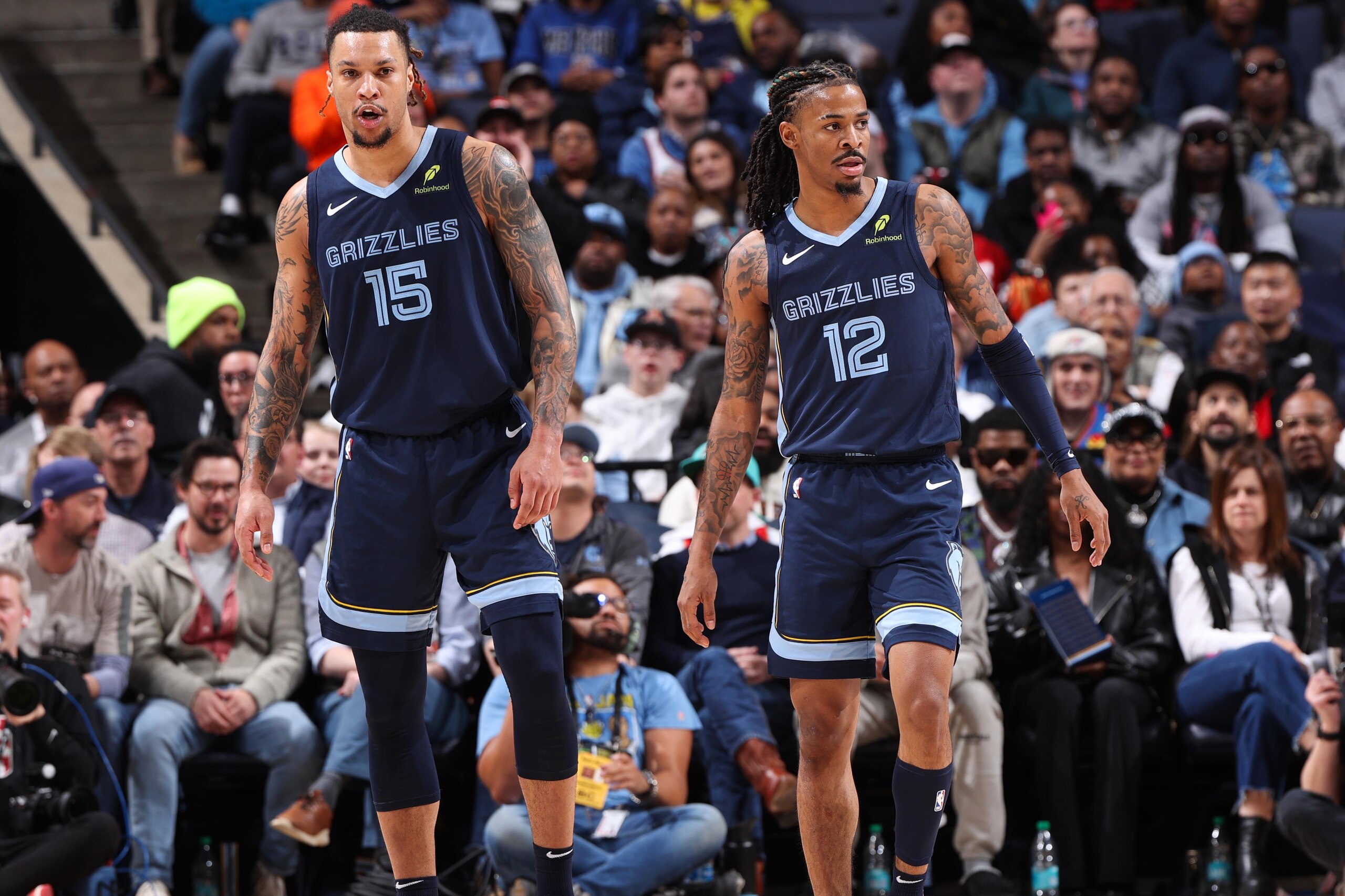
- John Konchar
- Brandon Clarke
- Jay Huff
Looking for Ja Morant? Keep looking. Just don't hold your breath while doing so.
Memphis Grizzlies general manager Zach Kleiman delivered a definitive rebuke to speculation. Organizational stances can always shift, but there's a difference between remote possibility and genuine likelihood.
Konchar's contract (two years, $12.4 million) is small enough for rival front offices to treat as temporary filler yet big enough for the Grizzlies—who have plenty of flexibility this summer, even if you cake in a renegotiate-and-extend for Jaren Jackson Jr.—to use as a standalone chip. It is also perfectly sized to slot alongside a larger salary.
Clarke's deal is the only one that fits that larger-salary bill following the Marcus Smart trade. He is currently Memphis' fourth-highest-paid player next season, and the two years and $25 million he has left are easily digestible. Memphis may consider him as expendable if it retains Santi Aldama (restricted), expands Zach Edey's role and believes in Huff.
The Grizzlies can also just trade Huff. His low salary isn't netting a ton of value on its own, but stretch 5s under cheap team control will always pique interest, and Memphis has bigs to spare.
Miami Heat
16 of 30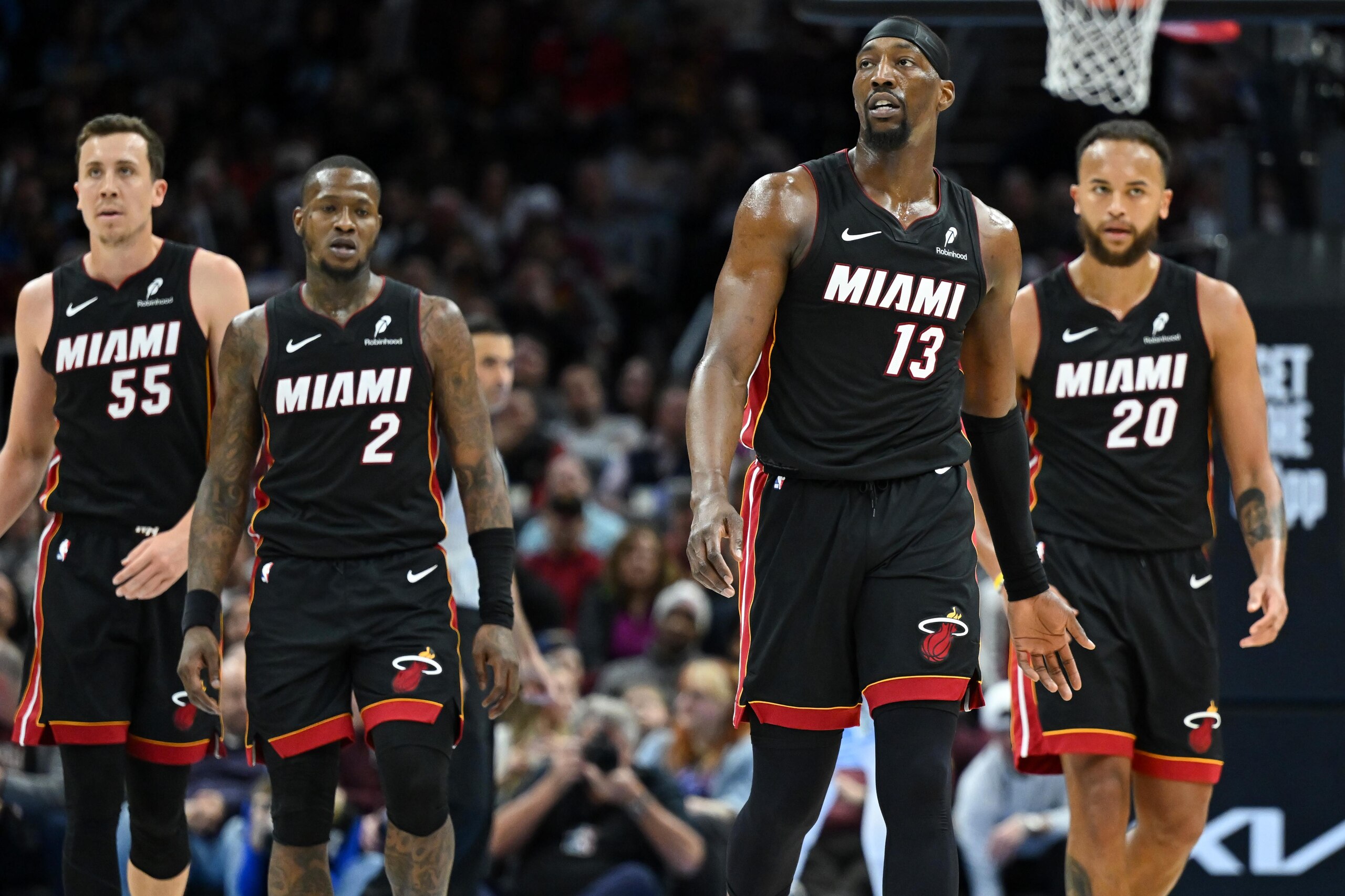
- Kyle Anderson
- Terry Rozier ($24.9 million of $26.6 million guaranteed)
- Jaime Jaquez Jr.
Pinning down the Miami Heat's offseason approach is tough. They aren't good enough to declare buyers, and they're not bad enough to call for a selloff.
Outgoing draft obligations likely guarantee they'll keep prioritizing the present. Rozier's expiring contract can serve as the anchor around which they build any medium-sized or bigger-time packages. He cedes ground only to Kyle Anderson, whose $9.2 million expiring salary (2026-27 is non-guaranteed) is easier to reroute.
Duncan Robinson's expiring salary ($19.9 million early termination option) is in the same boat. Except he feels too important to optimizing the offense.
Jaquez is a different story. His role in the rotation has nosedived. That does nothing for his trade value, but with two years left on his rookie scale, he may approximate first-round-pick value to certain teams.
Milwaukee Bucks
17 of 30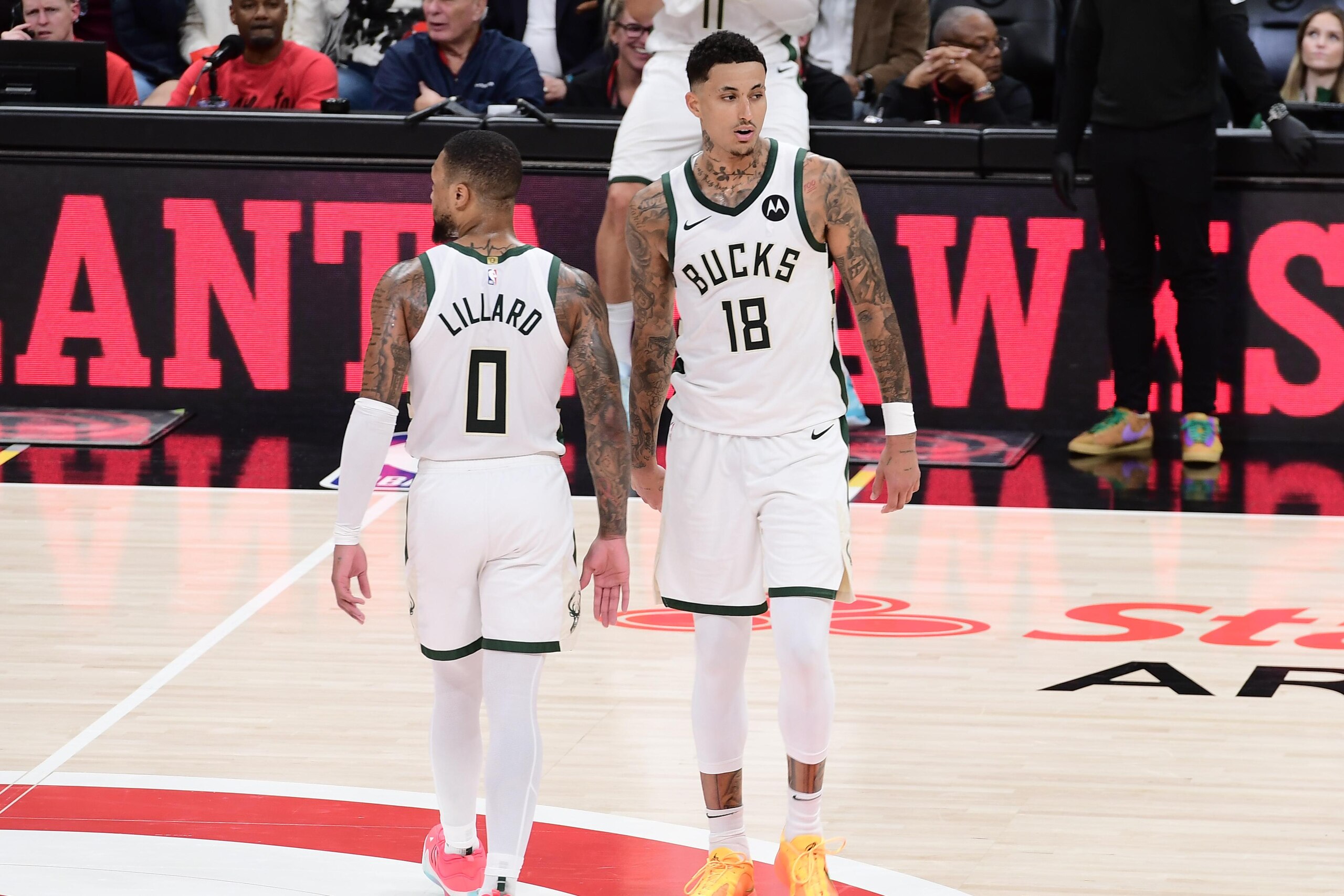
- Pat Connaughton (player option)
- Chris Livingston
- Kyle Kuzma
Putting together the Milwaukee Bucks' trade-candidate big board gets a lot spicier if you think there's a chance they look to reorient around Giannis Antetokounmpo using Damian Lillard. Otherwise, this is a pretty vanilla exercise.
Fewer possibilities is the culprit. Brook Lopez is going to be a free agent, and Bobby Portis Jr. probably won't pick up his $13.4 million option just to be flipped before the season ever starts.
Rule out Dame and Giannis, and this essentially leaves Pat Connaughton (expiring at $9.9 million) and Kyle Kuzma (two years, $40.9 million) as the most notable matching salaries.
Connaughton's inclusion is a given. Kuzma is less so. The Bucks just got him. Yet, if he plays well in the playoffs, he could have first-round-pick-ish value in another trade.
To hedge against potential galaxy-braining, Livingston leapfrogs him for the No. 2 slot. Nothing about him is concrete—aside from his salary. He is under team control for sub-$5 million total over the next two years. Milwaukee can use him as a "Here's a raw-but-mystery-box wing with the physical tools to be...something" add-on.
Minnesota Timberwolves
18 of 30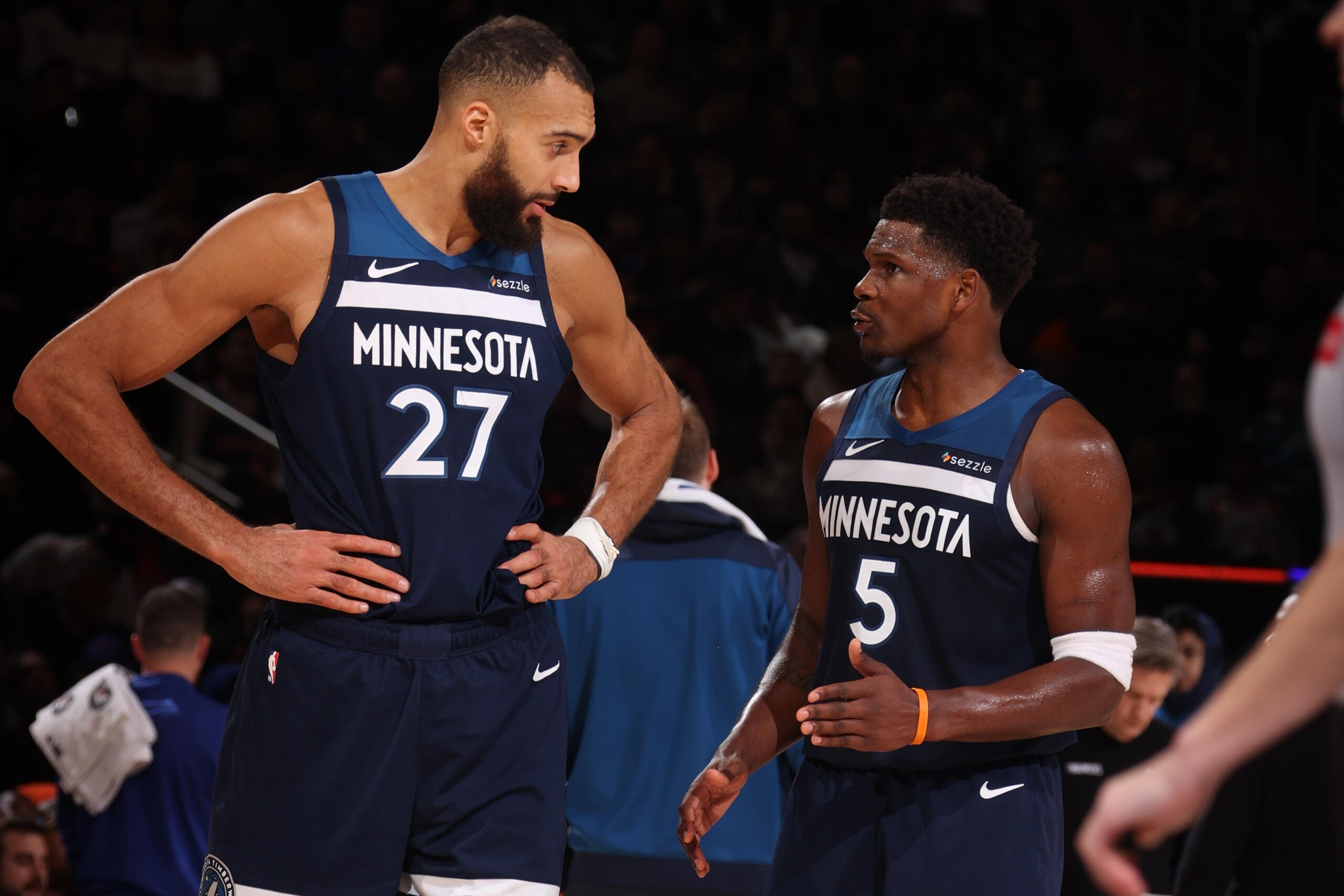
- Mike Conley
- Julius Randle (player option)
- Rudy Gobert
Randle will be a near-consensus top pick. The player option of it all complicates that thinking.
Will his market crater to the point he would rather opt in and get traded again? Maybe. He could also opt out and intend to sign for a smaller average annual value worth more over the long term. That plan might even line up with the Minnesota Timberwolves' thinking.
Conley's expiring contract is a better No. 1 selection. He won't incite a bidding war on his own. But if Randle opts in, the Timberwolves are inside $30 million of the second apron without factoring in new deals for Naz Reid (player option) or Nickeil Alexander-Walker (unrestricted). Minnesota could decide to lop off salary, and there will be teams open to taking Conley into an exception.
Gobert at No. 3 is the hardest call. We know the Timberwolves went after Kevin Durant at the trade deadline. They could do so again. Or they might chase another higher-salaried option. Gobert represents the middle ground in these talks. He is more valuable than Randle (even on an expiring) and, in certain scenarios, could be a substitute for having to include Jaden McDaniels as a salary-matcher.
New Orleans Pelicans
19 of 30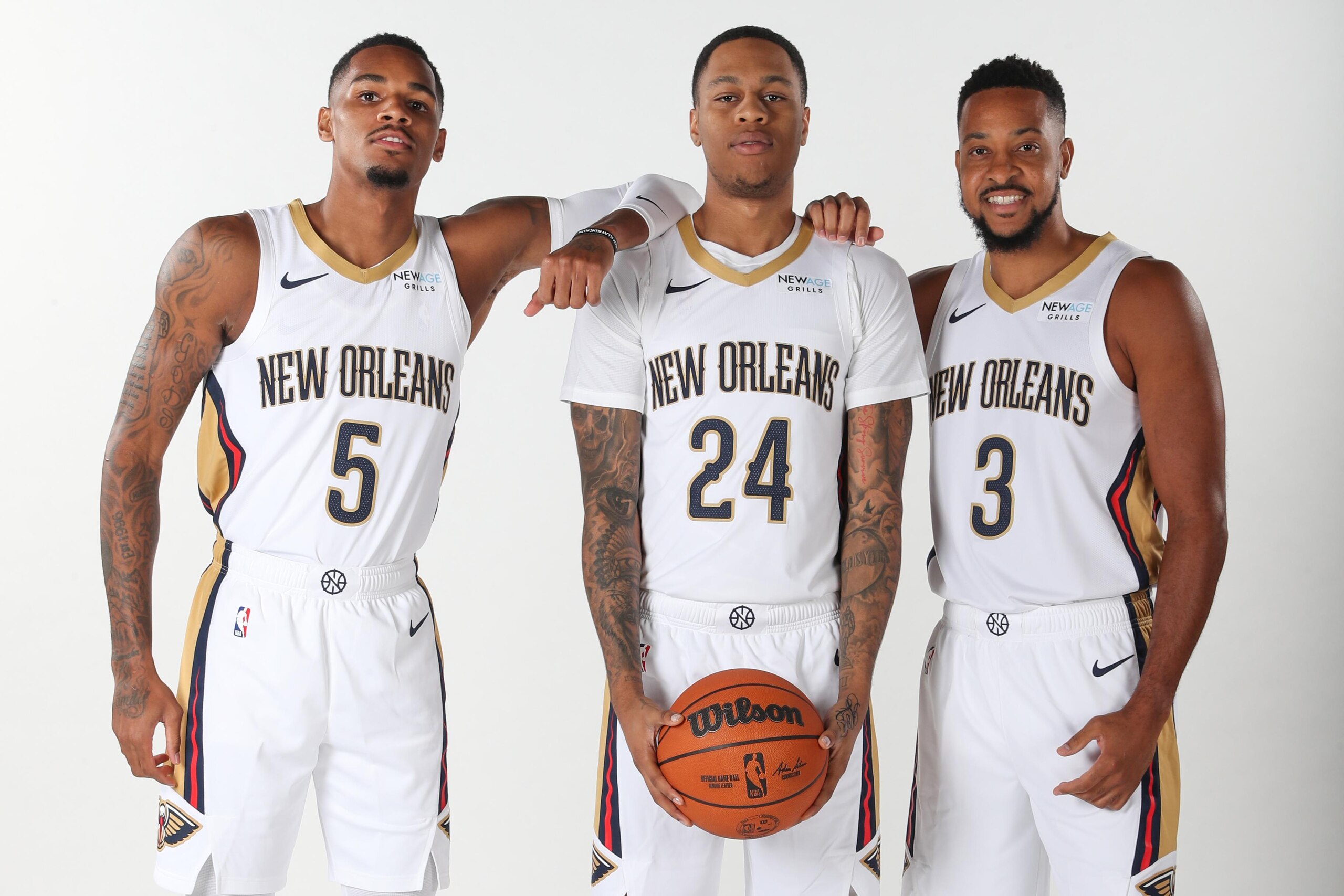
- CJ McCollum
- Kelly Olynyk
- Jordan Hawkins
Figuring out how the New Orleans Pelicans will navigate the trade market is impossible. They have a high-lottery pick en route, which sets up a bunch of different possibilities.
Entering a full-tilt rebuild feels like a stretch. Zion Williamson remains too tantalizing, availability concerns and all. New Orleans seems destined to consider this a gap year and advance its position in the West around him, Trey Murphy III, Herb Jones and this year's pick.
We're gravitating toward sizable expiring contracts for a team that might look to buy or balance out the rotation while cutting payroll. McCollum's $30.7 million salary could be pumped down a peg or two for its sheer size. Olynyk weirdly feels more important to New Orleans for the frontcourt stretch he can provide alongside Zion.
Third place is a struggle. Dejounte Murray's Achilles injury disqualifies him. Jose Alvarado is more integral without him on the floor. Herb Jones is forever.
Hawkins isn't someone the Pelicans will move just because. He has two years left on his rookie deal and has turned in some peppy offensive moments. In the end, though, he's someone New Orleans can use to give packages a little zest in lieu of first-round equity.
New York Knicks
20 of 30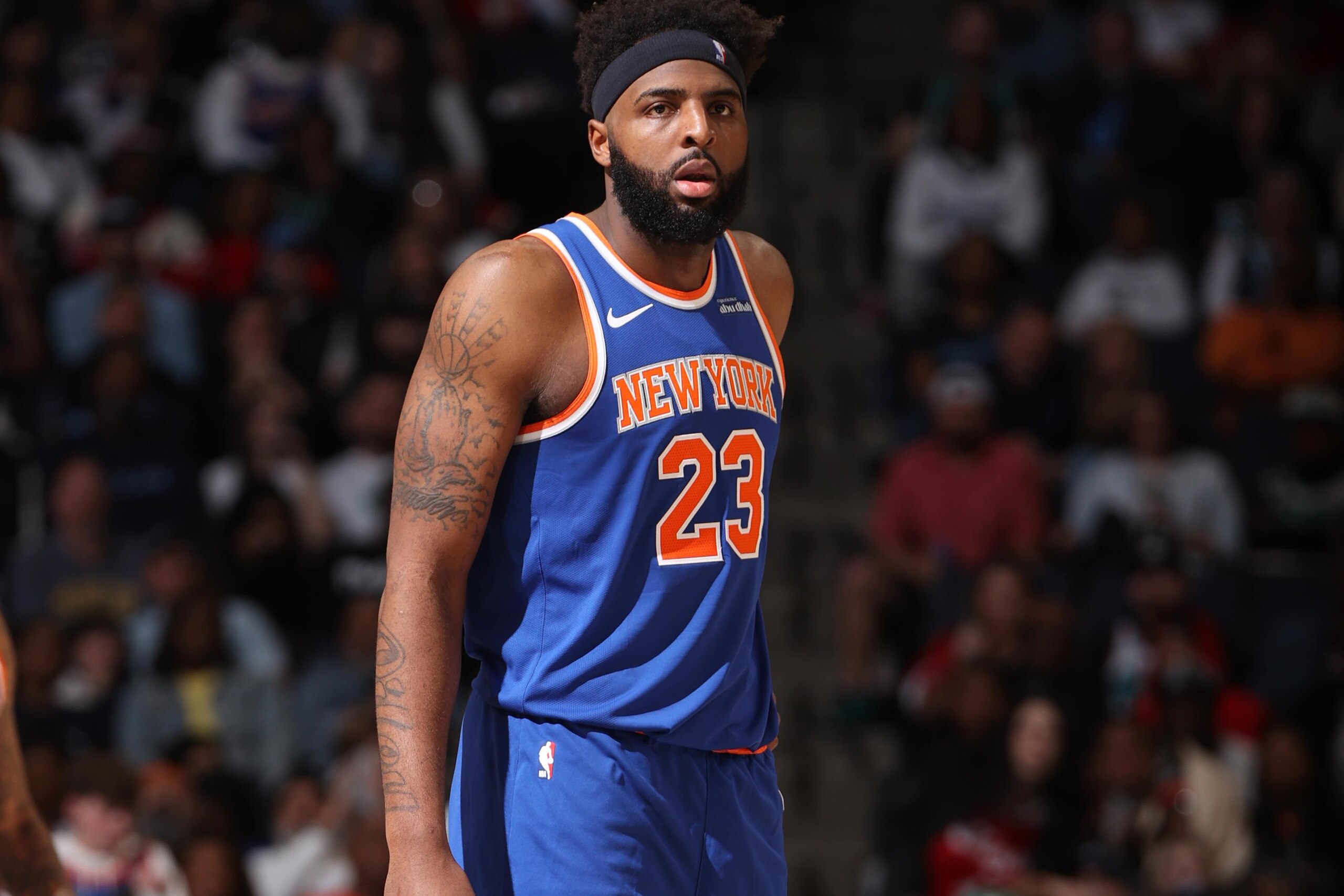
- Mitchell Robinson
- Precious Achiuwa (unrestricted)
- Pacome Dadiet/Tyler Kolek
Robinson on a $12.9 million expiring deal has to be the first name on the docket. The New York Knicks otherwise lack real matching salary—unless you think they'll break up the remaining three Villanova Wildcats, move OG Anunoby or consider cutting bait on the Karl-Anthony Towns experiment.
Deuce McBride deserves a mention for one of the final two spots. His contract (two years, $8 million) will catch the eye of every team with whom the Knicks speak, given the latter's shallow well of draft assets.
Punting on his franchise-friendly pact goes too far unless a trade partner gives him a top-tier valuation. An Achiuwa sign-and-trade seems more likely. Base-year compensation will get in the way if he receives more than a $7.2 million salary. For whatever he receives above that, things should still be workable. New York again has apron constraints to worry about anyway.
Dadiet and/or Kolek is the answer from here. Their cheapo salaries may be important roster filler depending on the rest of the payroll, but they represent opportunities to sweeten packages that can't include much, if any, first-round equity.
Oklahoma City Thunder
21 of 30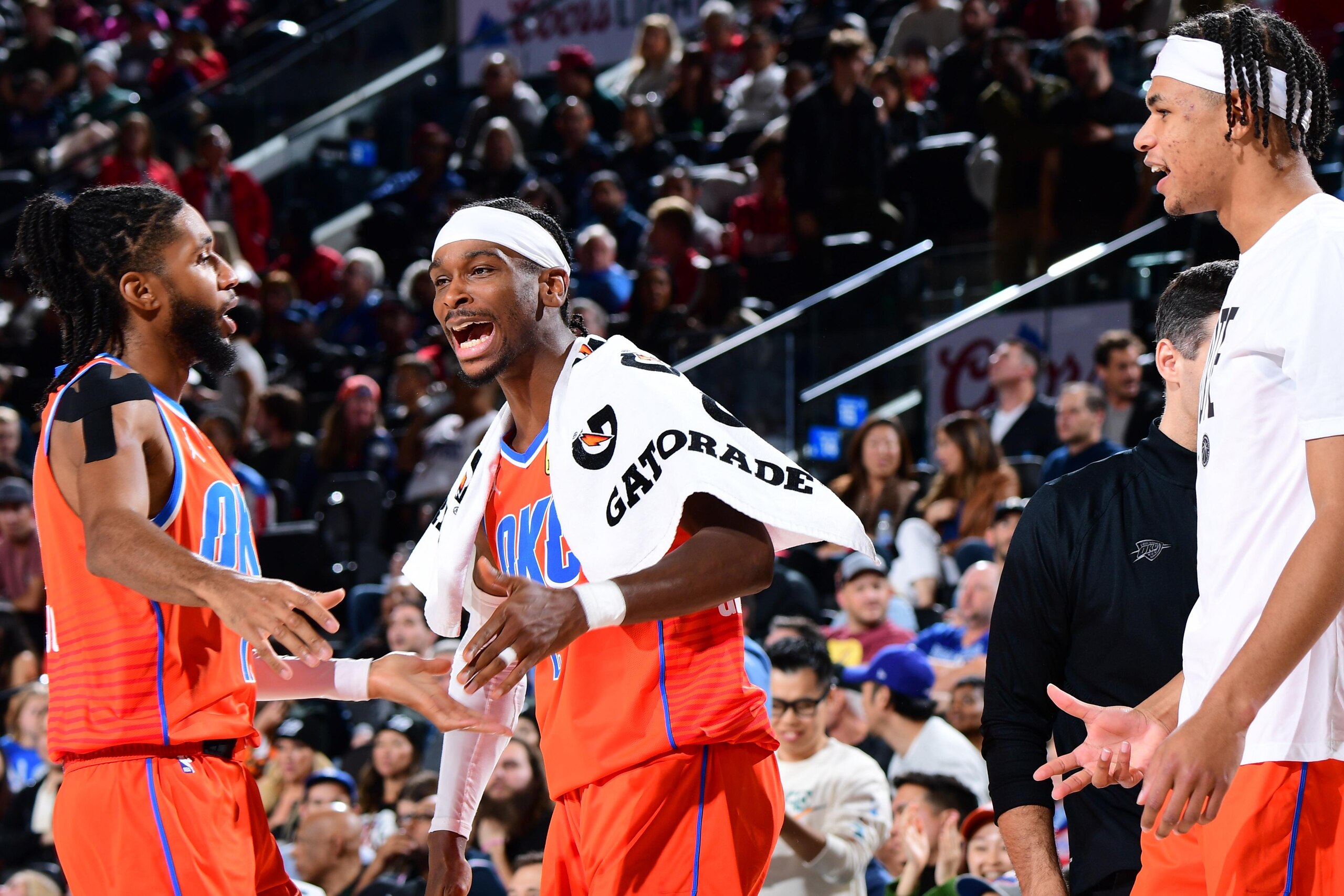
- Ousmane Dieng
- Jaylin Williams
- Kenrich Williams
Barring an epic meltdown during the playoffs, the Oklahoma City Thunder do not profile as a team itching to make major changes. Roster spots are, for now, their primary issue.
All 15 slots are spoken for if you assume they'll guarantee the salaries of Ajay Mitchell and Jaylin Williams. Oklahoma City will need to make way for the one first-rounder it owns.
Unloading the pick itself for selections further out is also on the table. Failing that, Dieng and Jaylin Williams are the most likely collateral damage. The final spot comes down to Isaiah Joe or Kenrich Williams. And though Joe's minutes have dipped a tick since the trade deadline, he fills a more obvious need as a let-'er-rip three-point shooter.
This becomes a different story if the Thunder pursue splashier acquisitions. Joe's larger salary becomes more of an asset in that scenario. Once more, though, nobody should be in the business of forecasting material change here.
Orlando Magic
22 of 30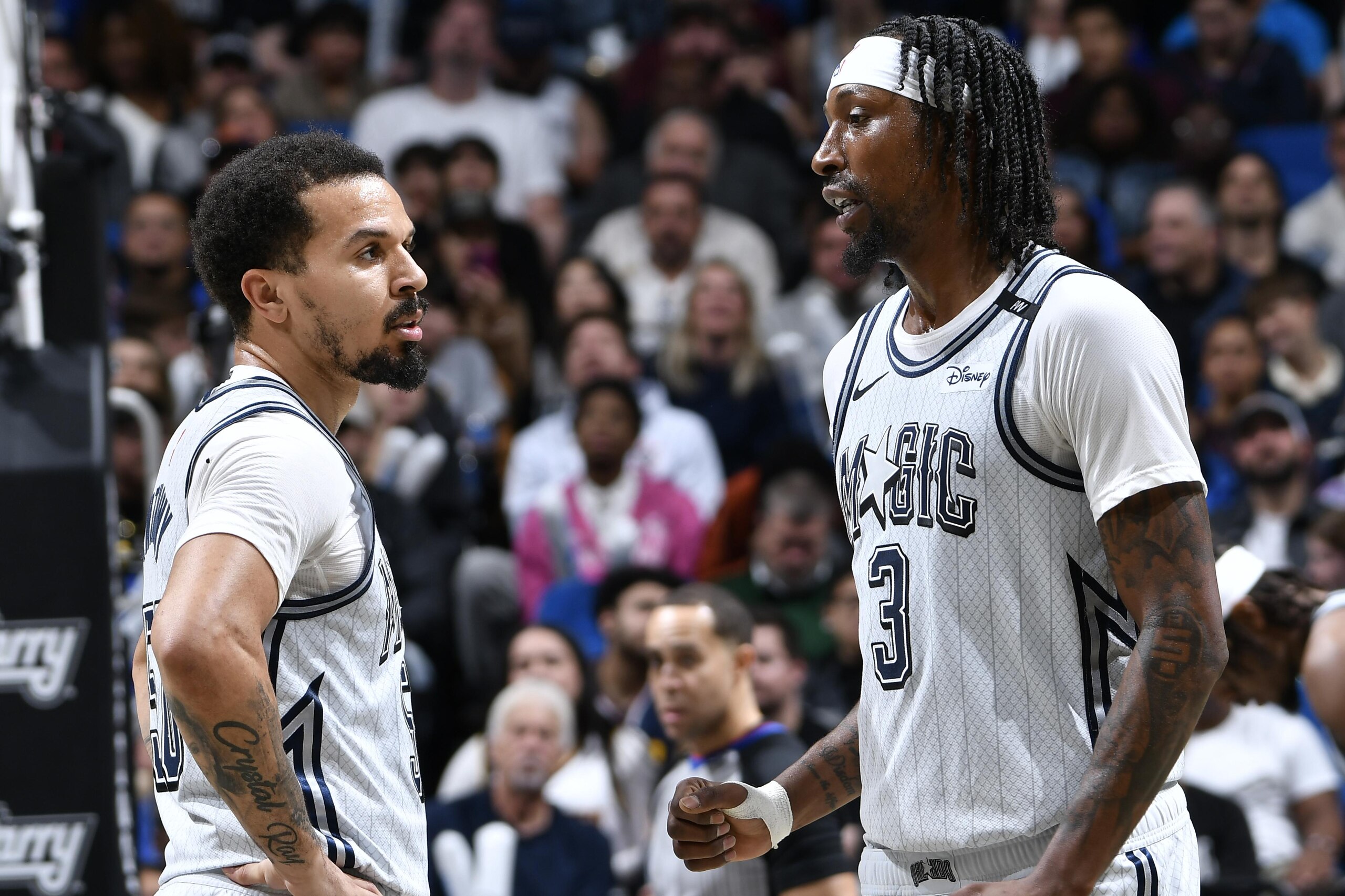
- Kentavious Caldwell-Pope
- Cole Anthony
- Jett Howard
Rest in peace to the days when we could default to the Orlando Magic's smattering of team options.
They will amble into the luxury tax if they keep guys like Moritz Wagner ($11 million) and Gary Harris ($7.5 million) at their current price points. Doing so in 2025-26 seems a year too early. Orlando will surely try skirting the tax once more before Paolo Banchero (extension-eligible), Jalen Suggs and Franz Wagner are all on megadeals in 2026-27.
Caldwell-Pope's offensive fit on the Magic is largely a bust. The two years and $43.2 million left on his contract lack value accordingly. But his single-year salary ($21.6 million) is perfectly sized for making waves without having to take in extra money. Orlando has the requisite sweeteners to tout him as its money-matching anchor.
Anthony lands at No. 2 because of his own conveniently sized salary—$13.1 million, with a 2026-27 team option worth the same—and because the Magic should effectively be looking to acquire a (much) better version of his player archetype. Howard registers as one of those sweeteners referenced earlier. It might be telltale that he can't carve out a bigger role when Orlando is desperate for shooting, but with two years left on his rookie deal, he's an intriguing flier.
Philadelphia 76ers
23 of 30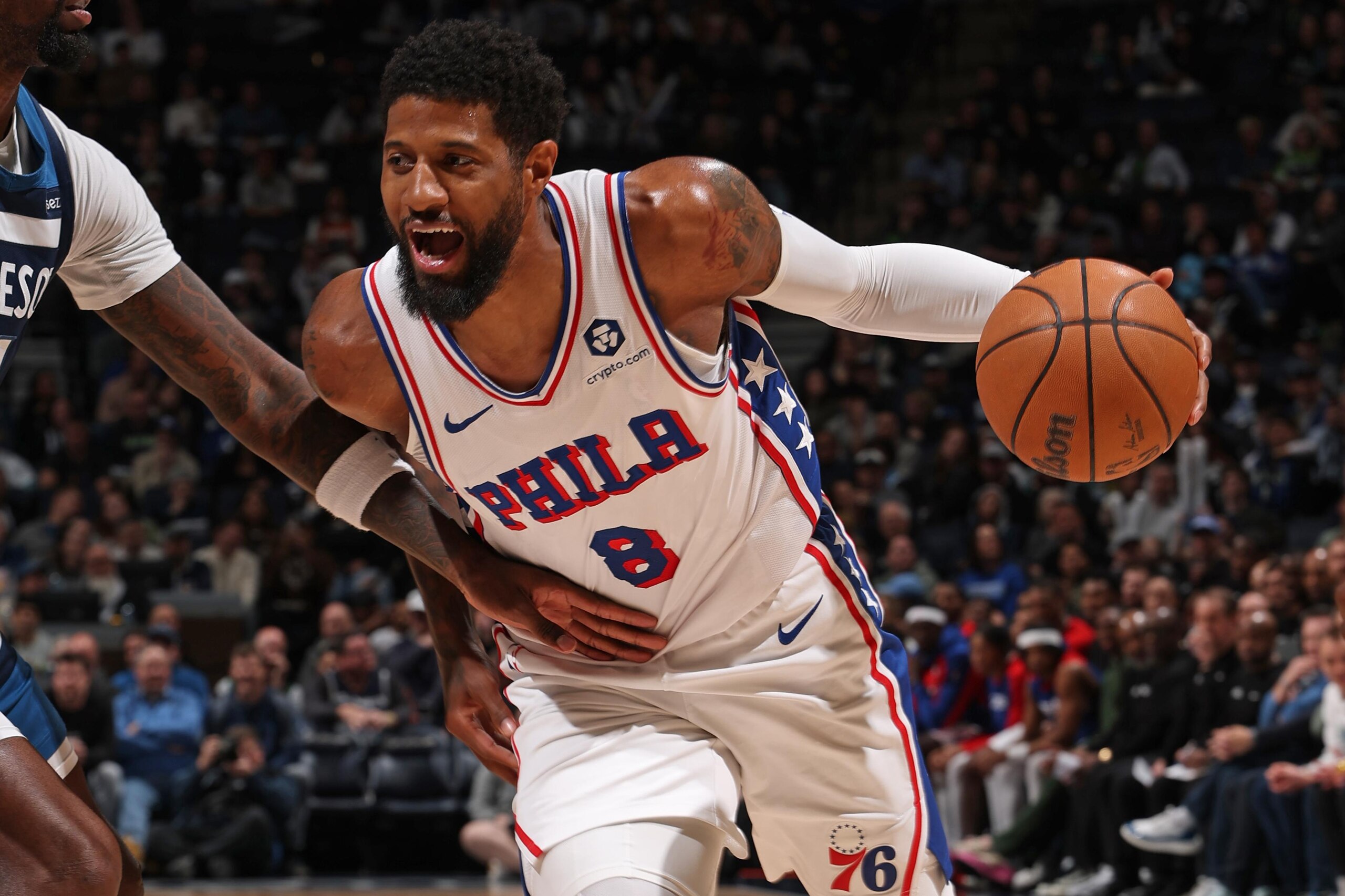
- Eric Gordon (player option)
- Andre Drummond (player option)
- Paul George
A relatively tiny number of guaranteed deals on the Philadelphia 76ers' books almost makes this decision for us.
Neither Gordon nor Drummond has fared well enough to decline his player option and seek a raise or longer-term deal. Philly will almost certainly move one or both to increase its runway below the luxury tax—which could effectively evaporate if it retains this year's first-rounder (top-six protection) and needs to give Kelly Oubre Jr. (player option) more money.
Including Joel Embiid within the top three doesn't make much sense. Moving him signals a full-on rebuild. That is not team president Daryl Morey's modus operandi. Even if it were, the four years and $248.1 million left on Embiid's contract are beyond prohibitive.
Philly would be flipping him at the nadir of his value, likely receiving next to nothing, if not actually nothing, in return for his services. That is no way to springboard into a rebuild. It might as well hold out for lightning in a bottle (i.e., better health).
That essentially leaves George. Teams won't be champing at the bit to bankroll the three years and $162.3 million he's owed, but it shouldn't take additional assets to move him, either. With no equity beyond cap space invested in George, the Sixers could decide short- and long-term savings are worthwhile compensation.
Phoenix Suns
24 of 30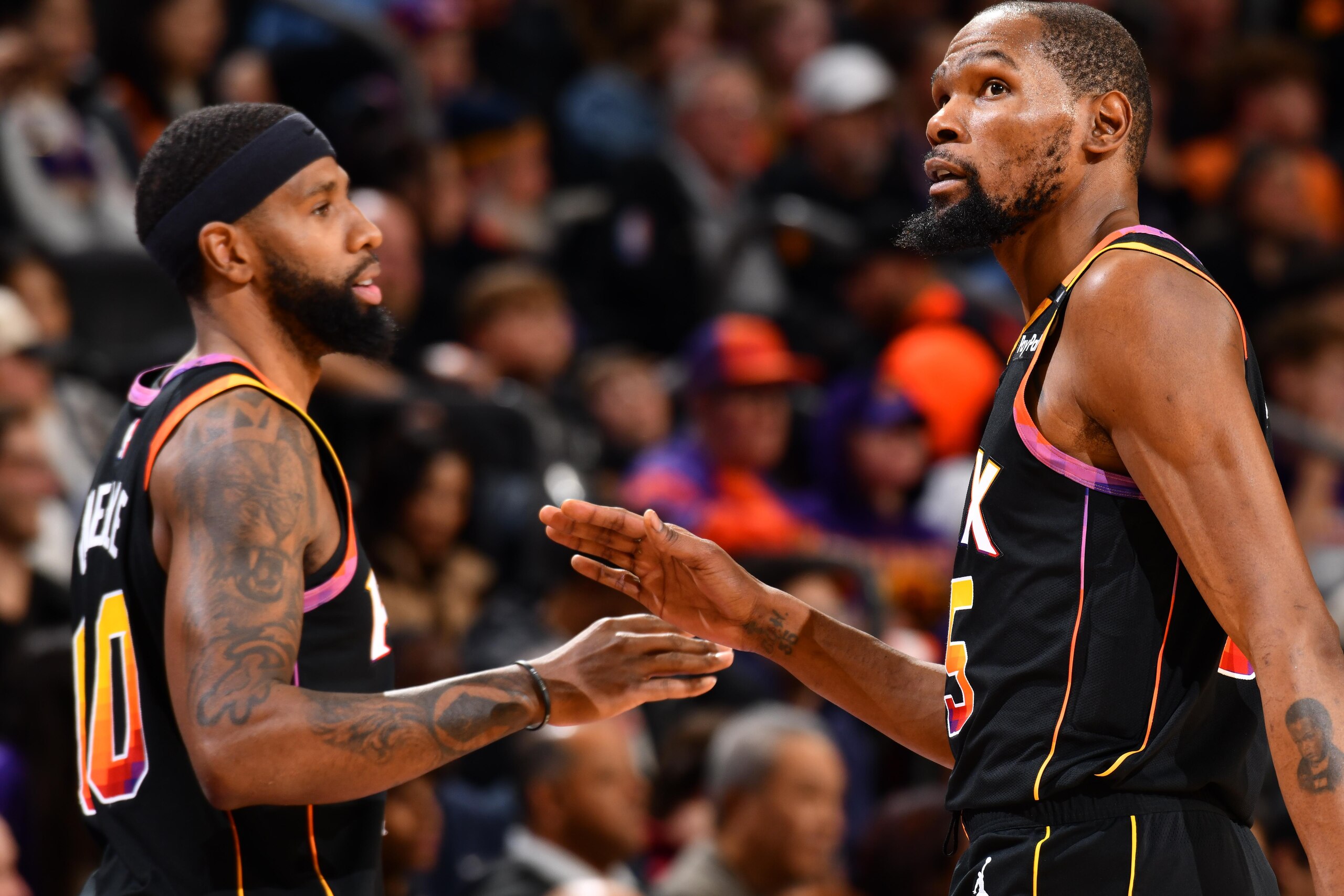
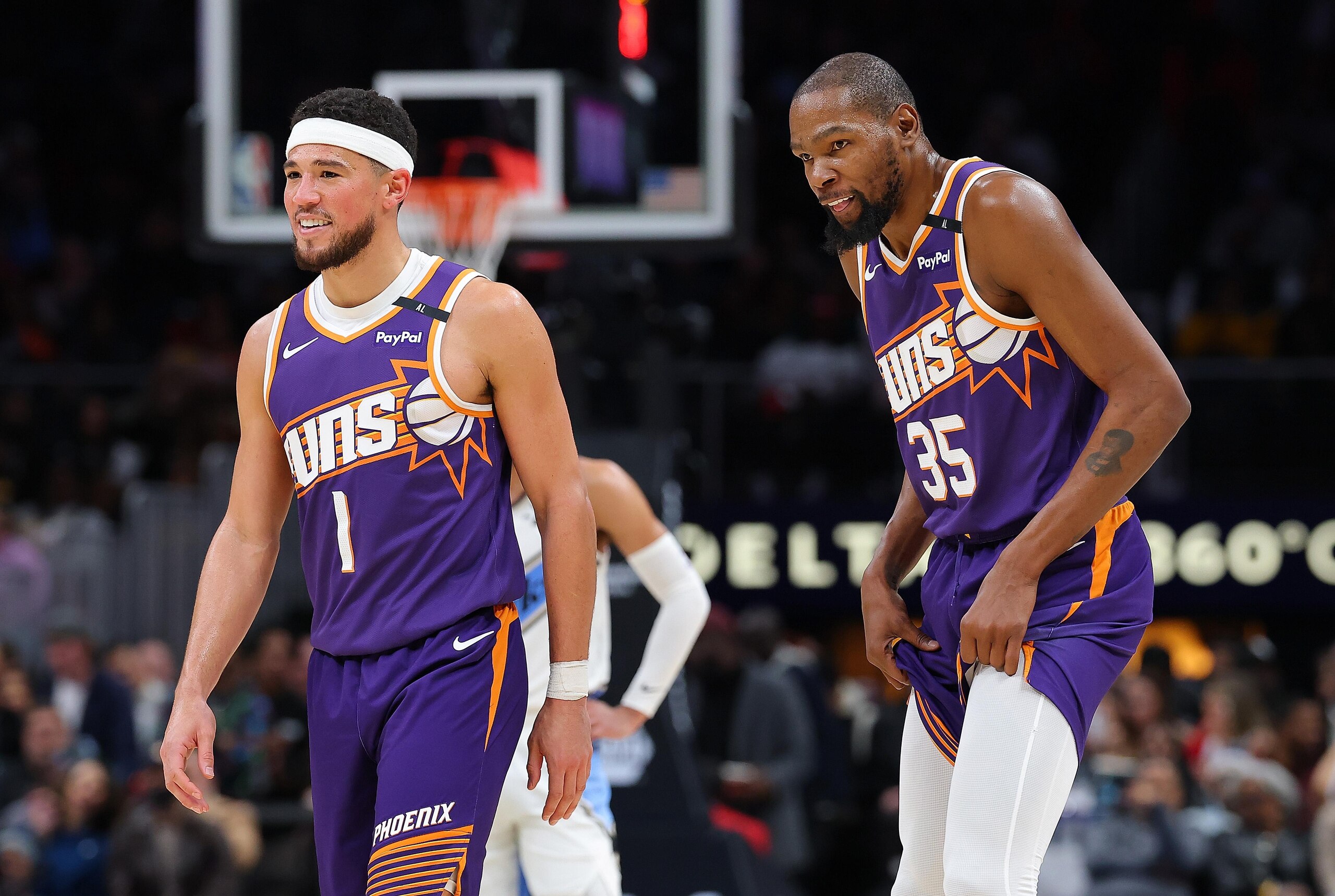
- Kevin Durant
- Royce O'Neale
- Grayson Allen
Putting Durant at No. 1 is an easy call. He and the Phoenix Suns are expected to work together in search of a trade this summer, per ESPN's Shams Charania.
Things get prickly after him. Phoenix has eight other guaranteed contracts currently on its books, including a first-round hold. Roping in Devin Booker will be popular fare, but he is the Suns' future so long as they don't control their own draft pick until 2032. Consider him off-limits unless he initiates a divorce.
Bradley Beal should be considered a long shot as well. You know, the no-trade clause and whatnot.
Allen and O'Neale are the next largest salaries on the docket, and Phoenix may look to cut operating costs independent of a Durant trade after spending time in second-apron hell. Ranking the two is almost an either-or proposition. O'Neale is both cheaper and will be on an expiring contract that can fit into a team's non-taxpayer mid-level exception. Congrats to him on earning the No. 2 spot.
Portland Trail Blazers
25 of 30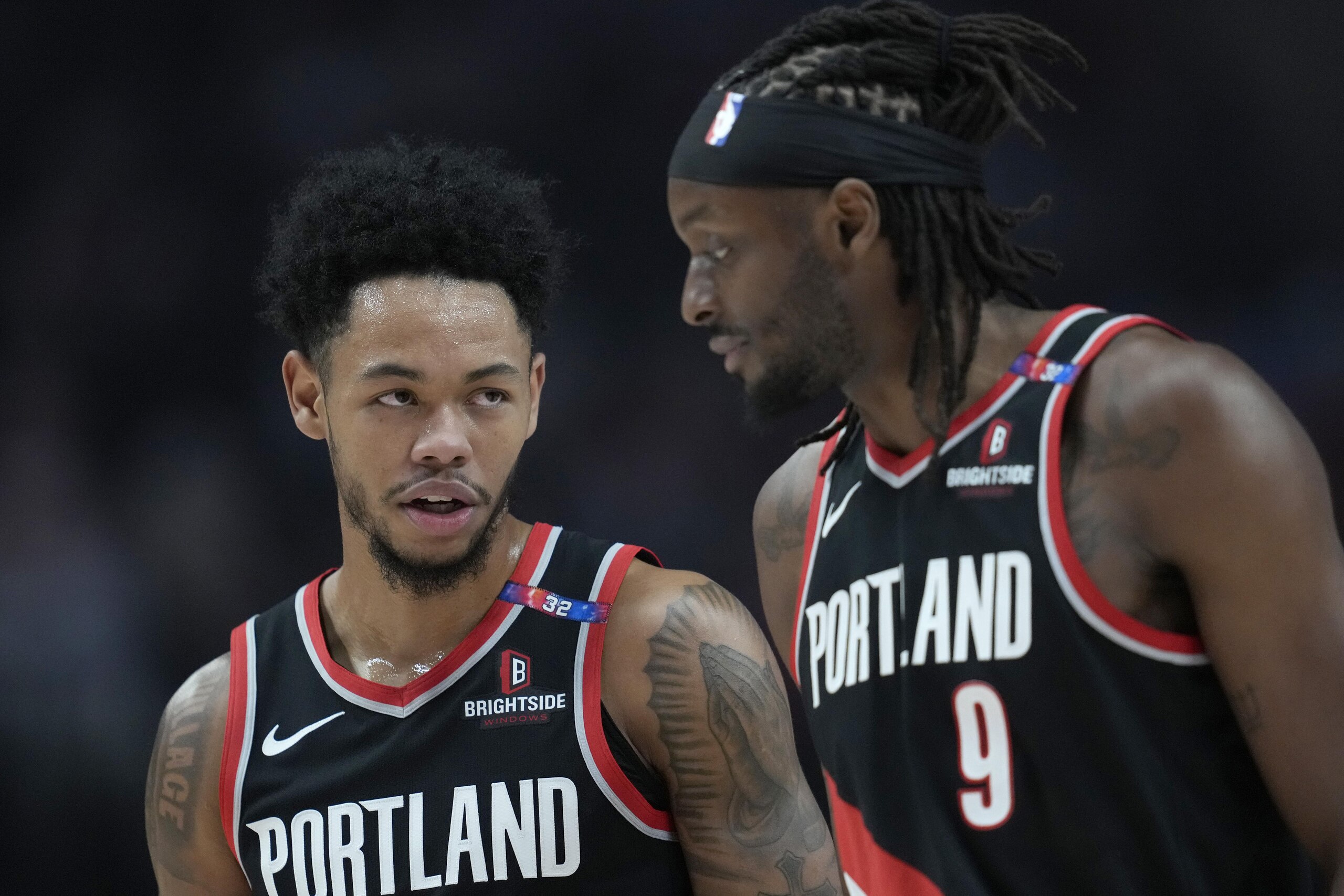
- Anfernee Simons
- Robert Williams III
- Jerami Grant
Kudos to the Portland Trail Blazers for making this waaay harder than it should be. So much so, I can promise you I'll regret the order long before you see it.
Portland's strong closing kick could reinforce Simons' mission-critical on- and off-ball gravity and, in turn, decrease the likelihood he gets traded. The contract-year conundrum still wins out. The Blazers have to plan around new deals for Shaedon Sharpe (extension-eligible this summer) and Scoot Henderson (extension-eligible in 2026), and Simons is the lone veteran aside from Deni Avdija who can net first-round compensation on his own.
Give Portland truth serum, and it may admit to preferring Williams' expiring contract ($13.3 million) over Deandre Ayton's own expiring deal ($35.6 million). But the former is much cheaper and easier to move; he fits into the non-taxpayer mid-level exception.
Grant should be at the tippy top of this list. (Deni Avdija and Toumani Camara exist—and are more important to the future.) The three years and $102.6 million left on his deal beg to differ. Grant is not immovable, but his list of suitors will be more finite, and any trade remains contingent upon the Blazers accepting marginal to absolutely no assets in return.
Sacramento Kings
26 of 30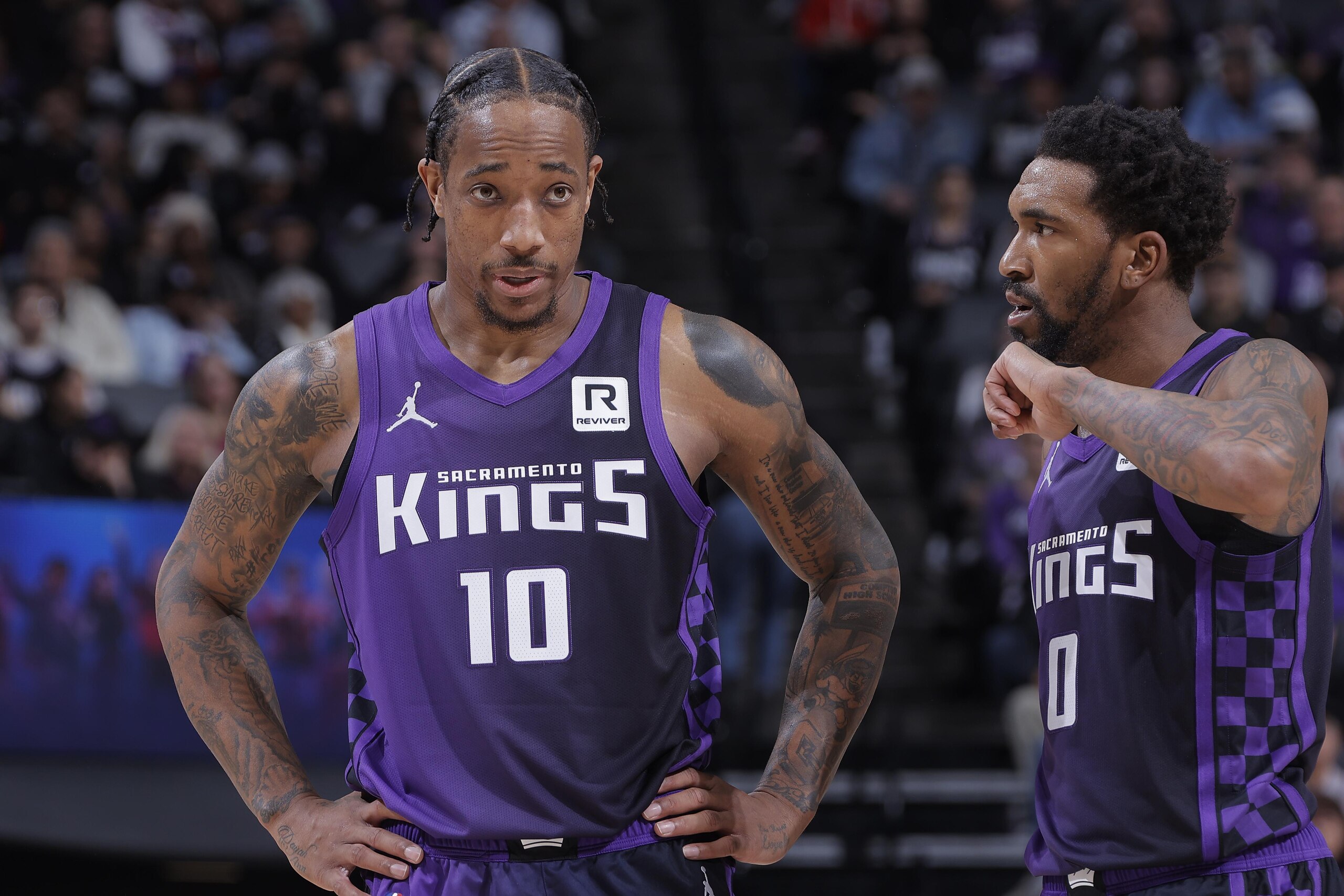
- Malik Monk
- DeMar DeRozan
- Domantas Sabonis
Assume the Sacramento Kings pick up Keon Ellis' team option for next season, and they have eight options from which to choose. (Nine if they keep their first-round pick, which is owed to Atlanta with top-12 protection.) Ellis will be in a contract year and could belong here. But his salary is so darn cheap ($2.3 million) he won't be moved on his own.
Larger salaries will define the shape and scope of whatever the Kings plan to do. That includes a prospective teardown.
DeRozan and Monk are the defaults if Sacramento fancies itself a buyer. At 27, with three years and a reasonable $60.6 million left on his contract, Monk has more standalone value. The Kings will get a better return attaching him to draft picks than if they dangle a soon-to-be 36-year-old DeRozan owed $24.8 million next season and guaranteed at least $10 million in 2026-27.
Tossing in Sabonis at No. 3 is a nod to the rumor mill. He has three years and $140.3 million remaining on his deal, but he's expected to seek "clarity" this summer on Sacramento's overarching direction, according to The Athletic's Sam Amick and Anthony Slater. That is never a promising sign.
San Antonio Spurs
27 of 30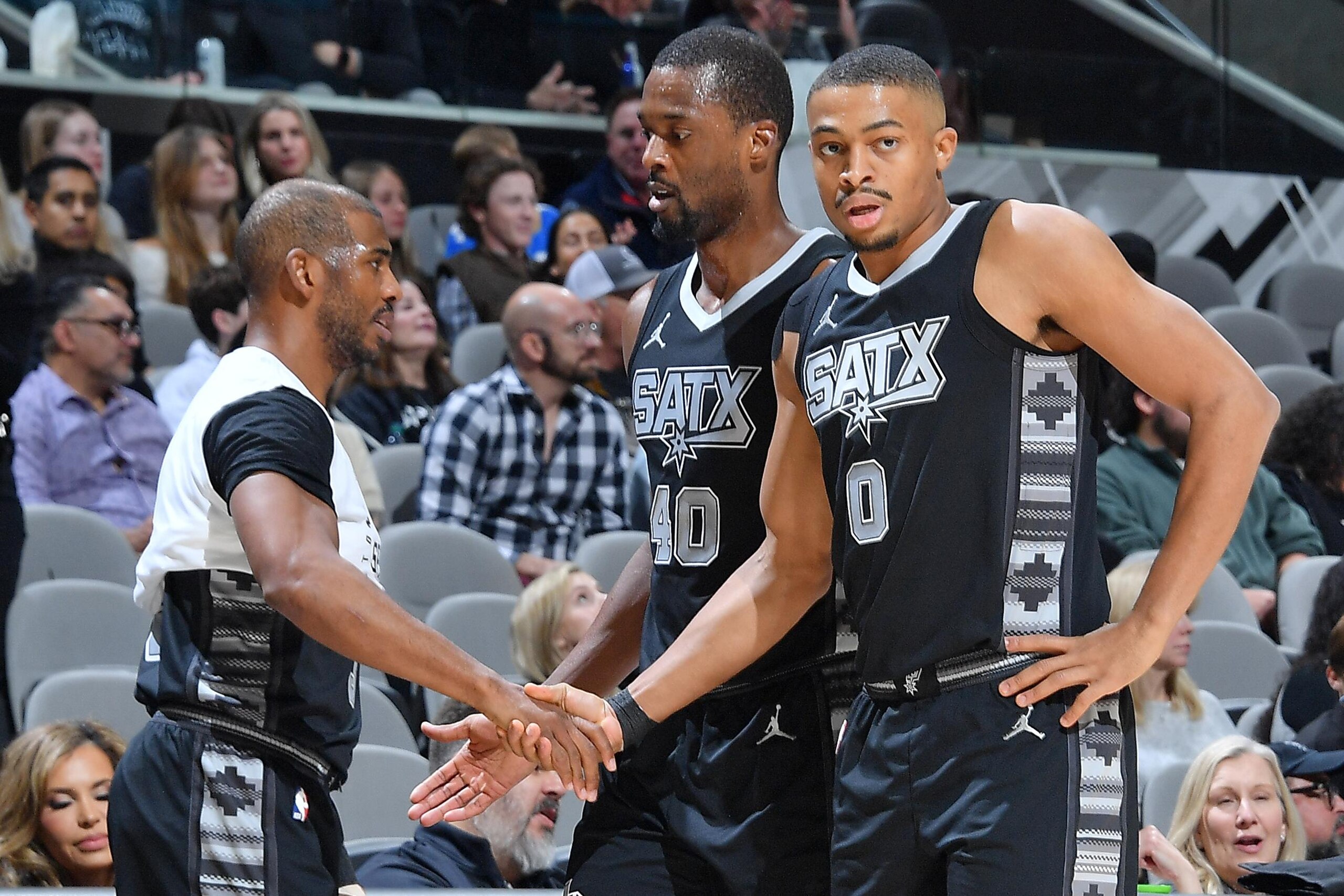
- Malaki Branham
- Blake Wesley
- Keldon Johnson
Harrison Barnes (expiring $19 million) and Keldon Johnson (two years, $35 million) should claim the top spots if you expect the San Antonio Spurs to prioritize a more glittery trade. Fresh off the acquisition of De'Aaron Fox, with two potential lottery picks inbound, less seismic moves are more likely.
Branham and Wesley are both candidates for some routine bookkeeping. The Spurs are not hard-up for roster spots and don't need tax space, but neither factors into their present or future, and both are entering the final year of their contracts.
Barnes and Johnson must take up the third-place mantle relative to other options—unless you think San Antonio will actively shop Jeremy Sochan or Julian Champagnie.
This nod would typically go to Barnes. He's the one on an expiring contract. But Johnson has seen his minutes decline in each of the past three seasons, and despite a recent upswing, he's never established himself as a consistent floor-spacer. Getting off his 2026-27 money may also emerge as a side quest as the Spurs prepare to fund Fox's next deal.
Toronto Raptors
28 of 30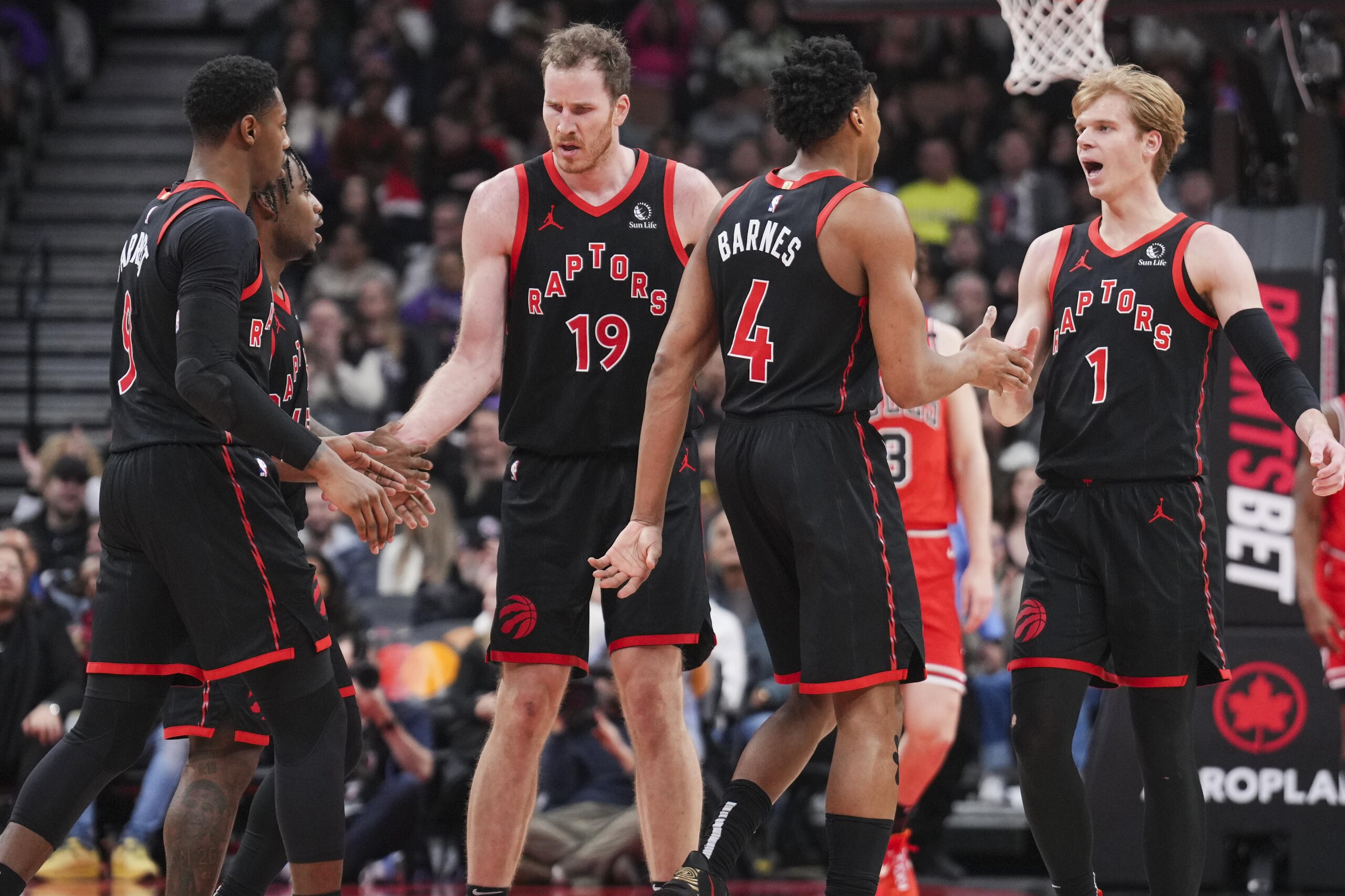
- Jakob Poeltl
- RJ Barrett
- Ja'Kobe Walter
Full disclosure: The Toronto Raptors have no great options here. They are poised to prioritize continuity on the heels of an injury-riddled campaign and the trade-deadline acquisition of Brandon Ingram.
Luxury-tax concerns may creep into the fold, depending on where the Raptors land in the draft lottery. That could prompt them to look at downsizing a singular salary. Poeltl is a good bet to be shopped in that case—and perhaps even outside of it.
Building an offense around Barrett, Ingram and Scottie Barnes necessitates floor spacing across other spots. Poeltl does a lot of good things. Spacing the floor isn't one of them. A big with more range, who's taller than Chris Boucher (unrestricted), might become an area of interest, if not need.
Toronto could also consider jettisoning Barrett. His playmaking, movement and, at times, even his shooting has popped since joining the Raptors. He is nevertheless somewhat redundant alongside Barnes and Ingram. The fit may get thorny if Toronto doesn't move him to the bench or embrace drastic staggering.
Our final spot goes to Walter. This is basically a shrug-emoji selection. At just 20 years old, he's turned in enough tantalizing flashes to stick. But the Raptors are destined to accelerate their timeline after this season. That will entail acting like a buyer on the trade market. Walter is someone they can include as a sweetener and a means of protecting their future first-round picks.
Utah Jazz
29 of 30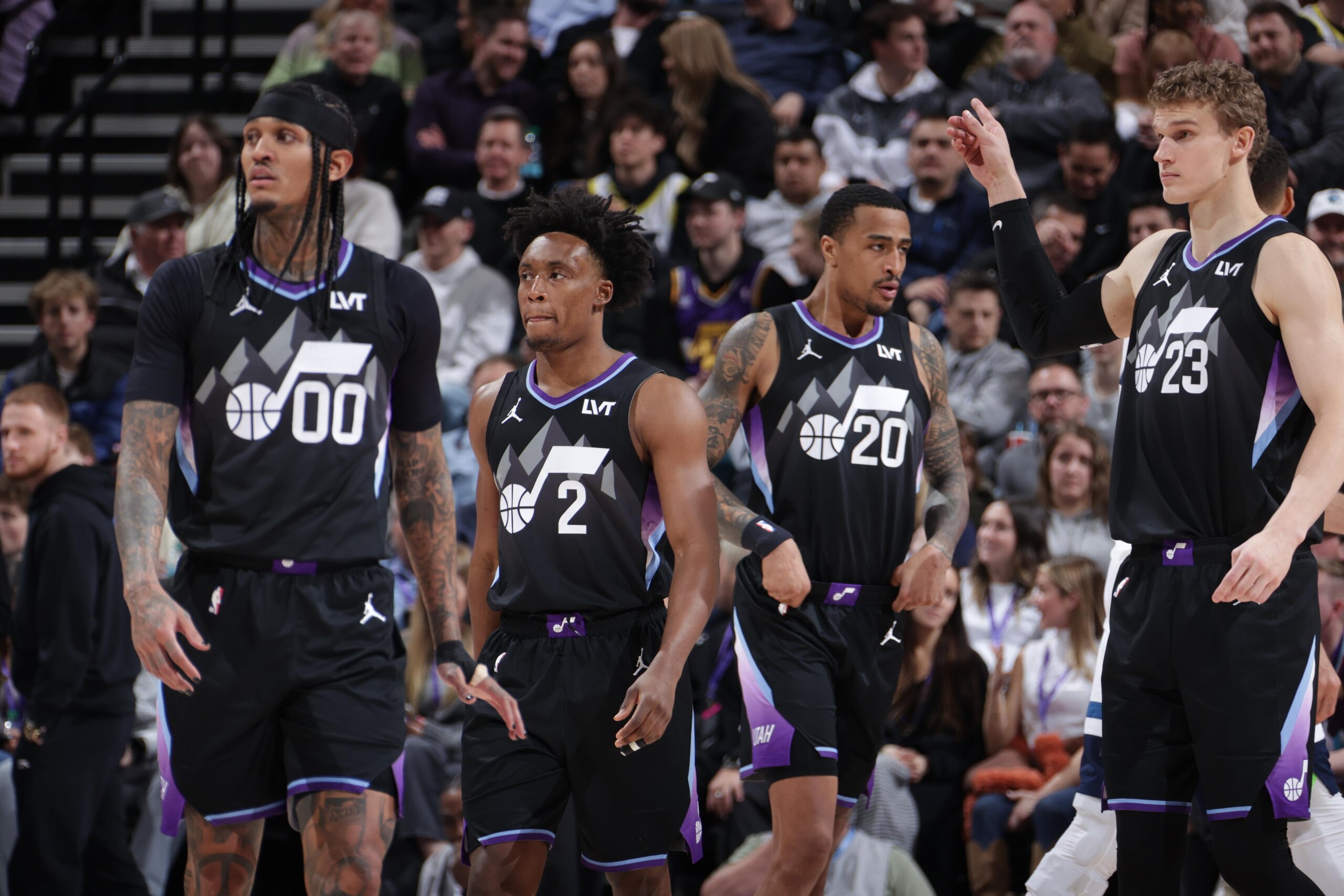
- Jordan Clarkson
- Collin Sexton
- John Collins
Lauri Markkanen will be trade-eligible over the offseason, but stashing his exit among the most likely offseason outcomes is a stretch. He doesn't need to perfectly align with the Utah Jazz's timeline. They are finding a way to develop and lose enough around him, and he fits alongside anyone.
Expiring contracts galore make up the list after removing Markkanen. Both Clarkson and Sexton could be expendable depending on who the Jazz draft and how invested they remain in Keyonte George and Isaiah Collier.
Clarkson goes first, because Utah can justify moving him without netting first-round compensation. It might just let the Sexton situation leak into the deadline or 2026 free agency if just a single first is on the table.
John Collins is the natural nominee for the third spot. He becomes an attractive expiring anchor if he picks up his $26.6 million player option. You can argue he should be higher, too. Yet his exit seems contingent on the Jazz taking back a less attractive deal or seeking out a consolidation trade of their own. Teams aren't going to put him atop their in-a-vacuum wish list.
Washington Wizards
30 of 30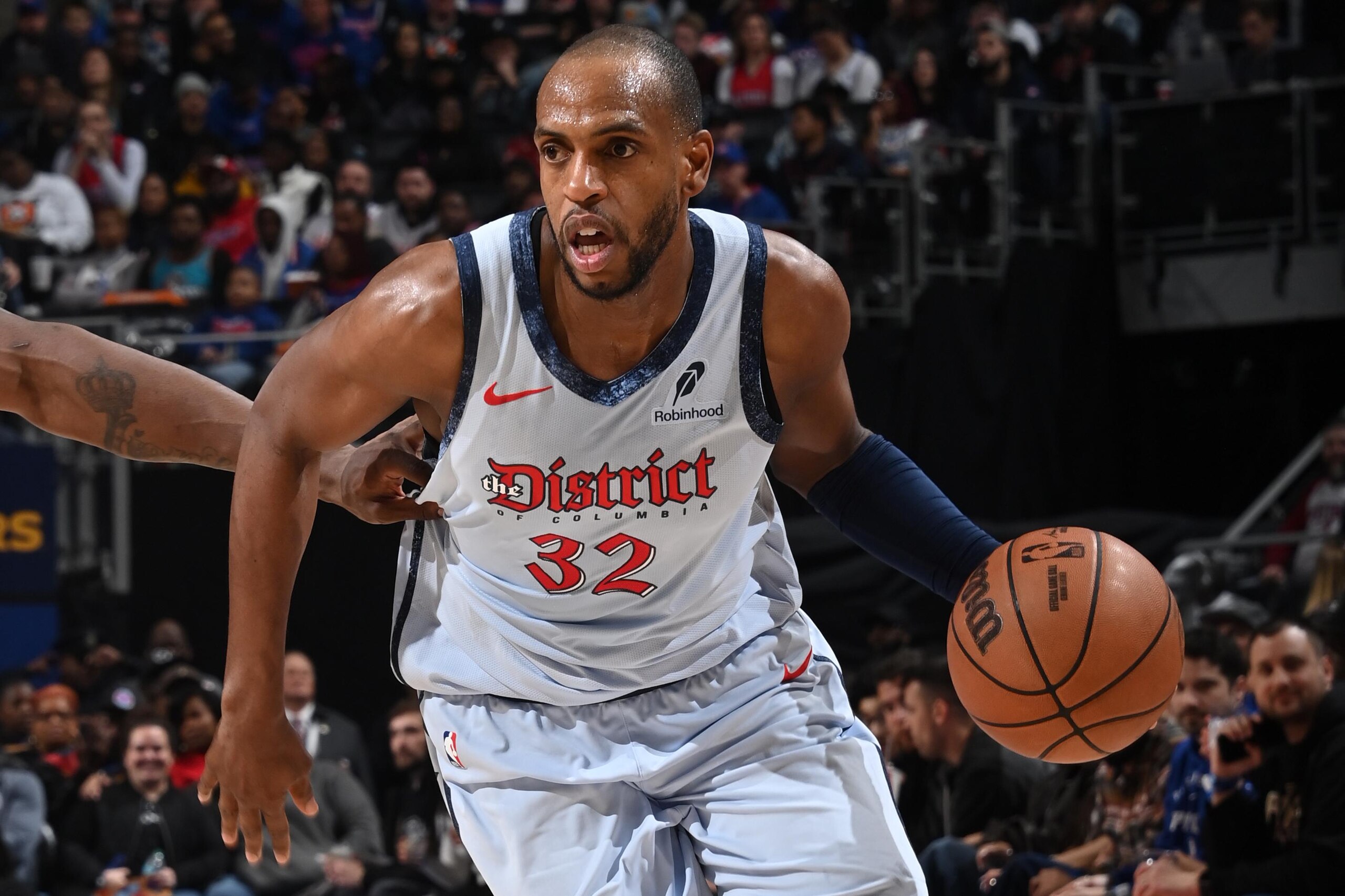
- Khris Middleton (player option)
- Richaun Holmes (non-guaranteed)
- Marcus Smart
More groundwork must be laid before the Washington Wizards exit asset-accumulation mode. For now, they must continue to skulk around the market looking to extract value for placeholder veterans or their willingness to take back money that trickles past next season.
Slotting Middleton at No. 1 is risky. He is the veteran most likely to yield positive value, but he could leave by way of free agency.
Or can he? Hardly any teams have cap space. If he leaves for the non-taxpayer mid-level exception, it'll take him more than two seasons to recoup the value on his $34 million player option. Exiting Washington should require an opt-in-and-trade or sign-and-trade.
Smart could slide into the spot beneath Middleton. But $21.6 million is a lot of money, even for just one year, and he has been nowhere near healthy enough or good enough on offense to return actual value. To be sure, the scenario remains in play. Washington just seems more likely to try rehabilitating his value.
Holmes sneaks in at No. 2. This is another risk. He is not worth anywhere near his $13.3 million non-guaranteed salary. That is, unless he's integral to matching money in a trade.
Washington can guarantee a portion or all of Holmes' salary to grease the wheels of another transaction. It can also straight guarantee his salary in hopes of using him like a Human Trade Exception at February's deadline. Armed with gobs of space beneath the luxury tax, this is an avenue they should keep open.
Dan Favale covers the NBA for Bleacher Report. Follow him on Bluesky (@danfavale), and subscribe to the Hardwood Knocks podcast, co-hosted by Bleacher Report's Grant Hughes.
Unless otherwise cited, stats courtesy of NBA.com, Basketball Reference, Stathead or Cleaning the Glass. Salary information via Spotrac. Draft-pick obligations via RealGM.
.jpg?w=2560 "Top Trade Targets Entering Week 6")


.png?w=2560 "Muncy Sums Up NLCS Offense 💩")

