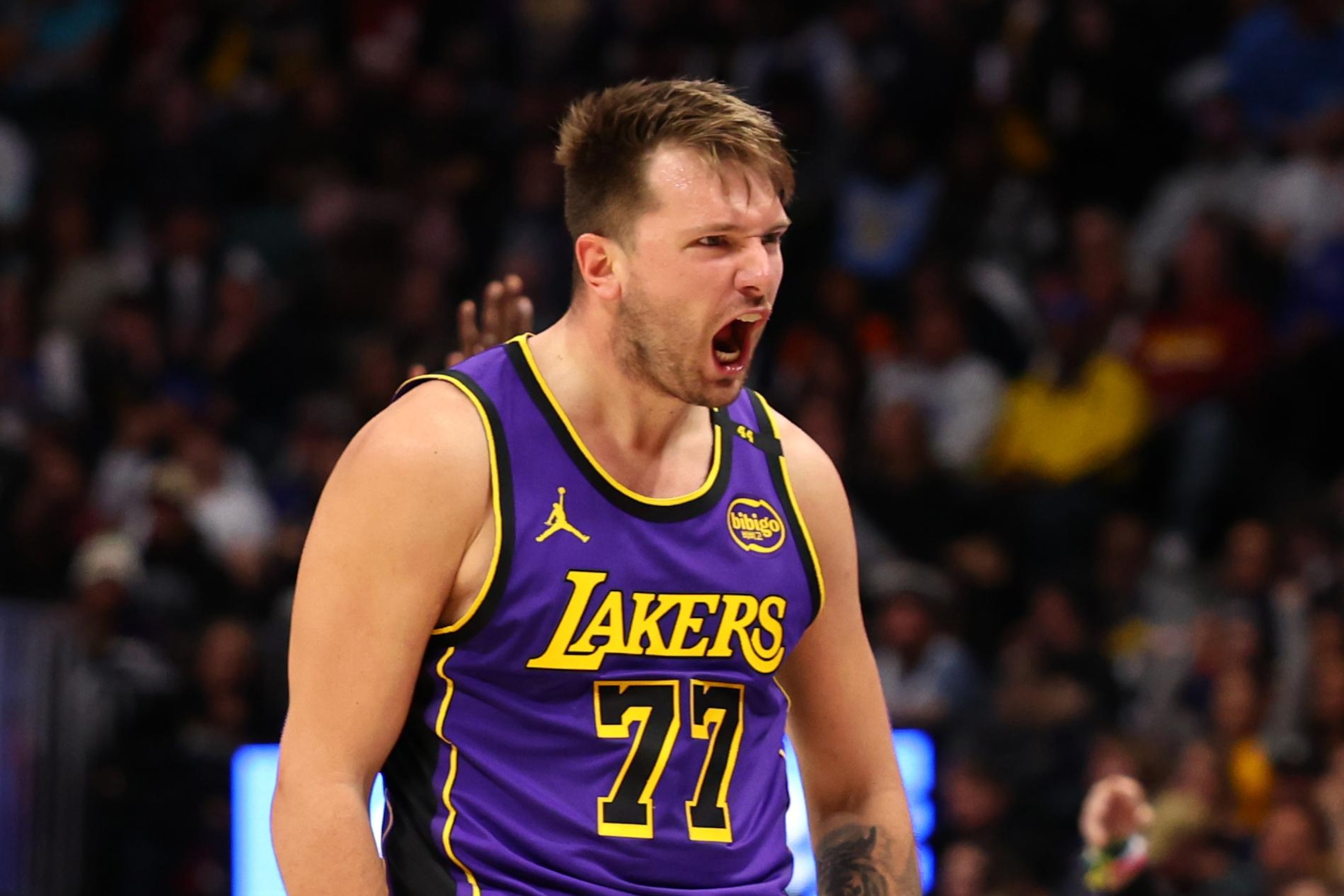

Ranking Every NBA Superstar That's Been Traded to the Los Angeles Lakers
The Luka Dončić trade shocked the NBA, but it probably shouldn't have.
It was just the latest entry on a long list of deals that brought a superstar to the Los Angeles Lakers. Even if the timing of the exchange and the return extracted by the Dallas Mavericks will be forever hard to fathom, Luka's landing spot is the only part of the bargain that felt predictable.
The Lakers have been doing this throughout their history.
In fact, Dončić isn't even close to the biggest name Los Angeles has acquired via trade over the years.
10. Russell Westbrook
1 of 10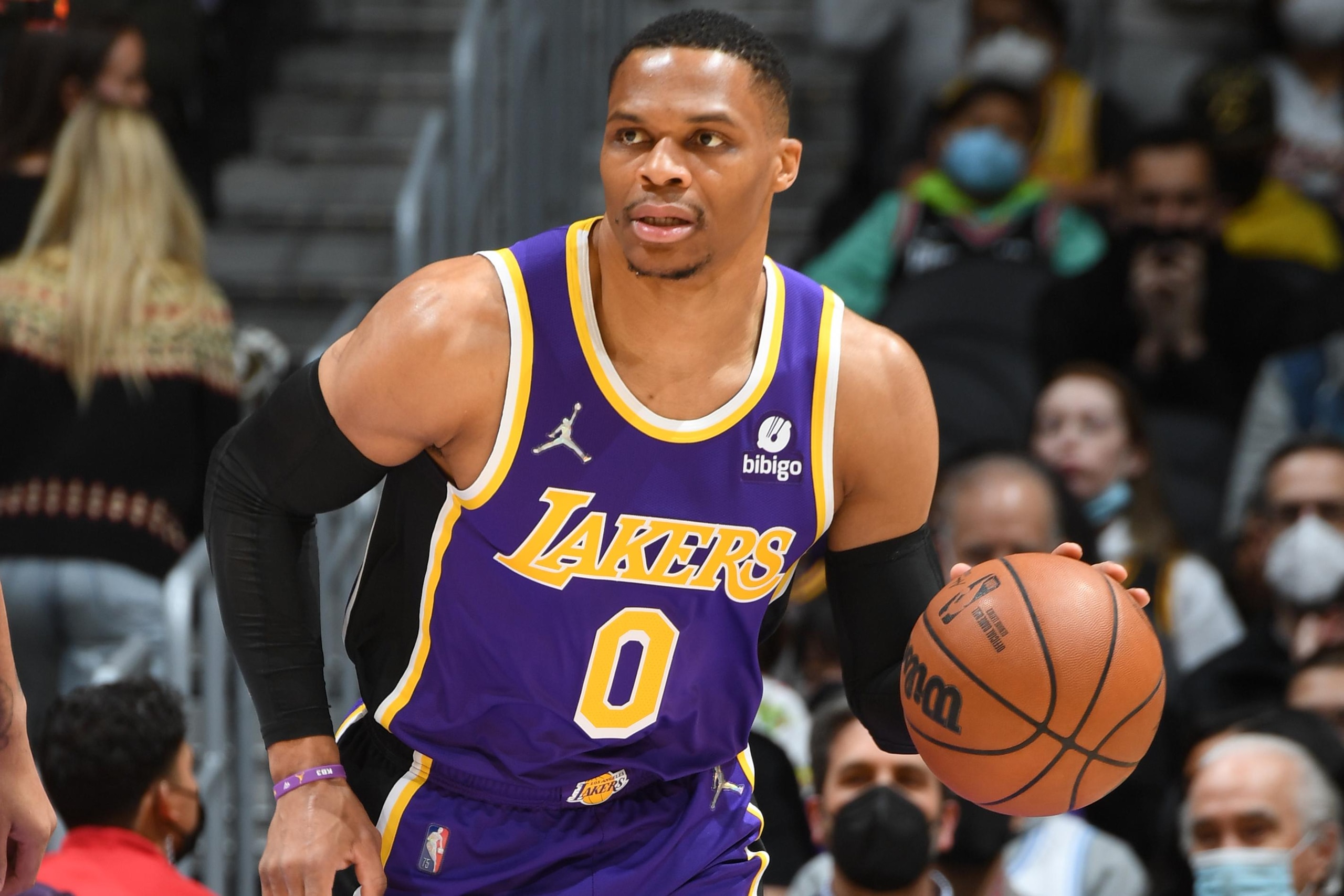
The Trade
Los Angeles Lakers acquire Russell Westbrook, a 2024 second-round pick and a 2028 second-round pick from the Washington Wizards for Kyle Kuzma, Kentavious Caldwell-Pope, Montrezl Harrell and the No. 22 pick in the 2021 draft.
The Result
Westbrook's 2016-17 MVP award was well behind him when the Lakers landed him from the Wizards in 2021. That said, Russ was still wildly productive the year before he went to L.A., coming off his fourth career season averaging a triple-double.
A predictably poor fit next to LeBron James and Anthony Davis resulted in Westbrook's Lakers tenure spanning just a season and a half, but there's no denying his name recognition at the time of the deal. We're rating Russ based on his impact at the time, which was considerably below his peak.
When a surefire first-ballot Hall of Famer is barely among the 10 biggest stars the Lakers landed via trade, it tells you everything you need to know about their history.
9. Steve Nash
2 of 10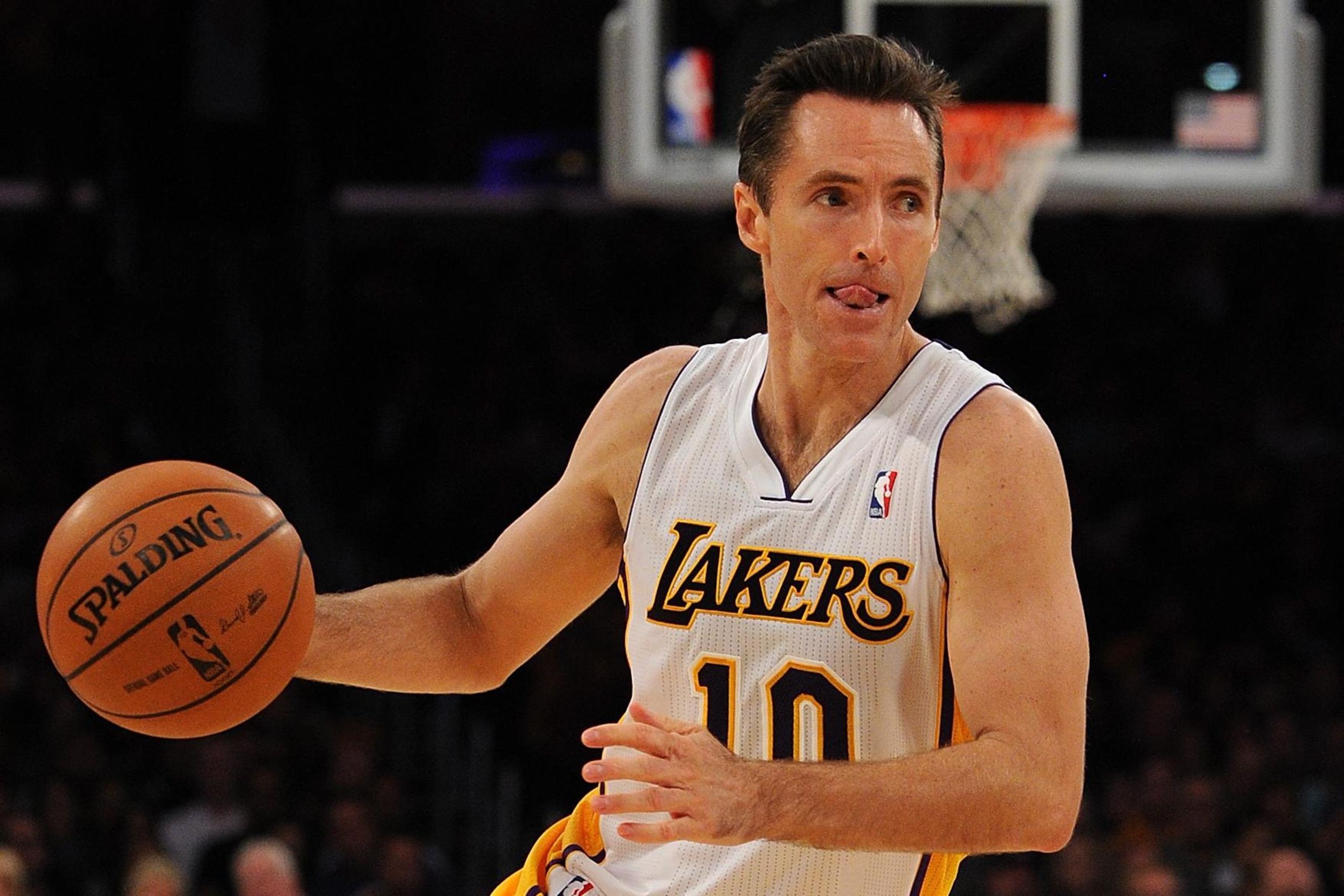
The Trade
Los Angeles Lakers acquire Steve Nash via sign-and-trade with the Phoenix Suns for a 2013 first-round pick, a 2015 first-round pick, a 2013 second-round pick and a 2014 second-round pick.
The Result
Steve Nash will see Russ' MVP award and raise him another.
Although the two-time winner was even further removed from his best days than Westbrook was when the Lakers acquired him, Nash was still probably the more positively impactful player at the time. Coming off a ninth-place finish in MVP voting and his eighth career All-Star season, Nash was still among the league's greatest offensive weapons in the summer of 2012.
Injuries limited him to just 50 games in his first season with the team, but the then-38-year-old averaged 12.7 points and 6.7 assists while posting a 49.7/43.8/92.2 shooting split.
The following year was Nash's last, as a combination of back and leg injuries prevented him from staying on the floor next to Kobe Bryant.
8. Pau Gasol
3 of 10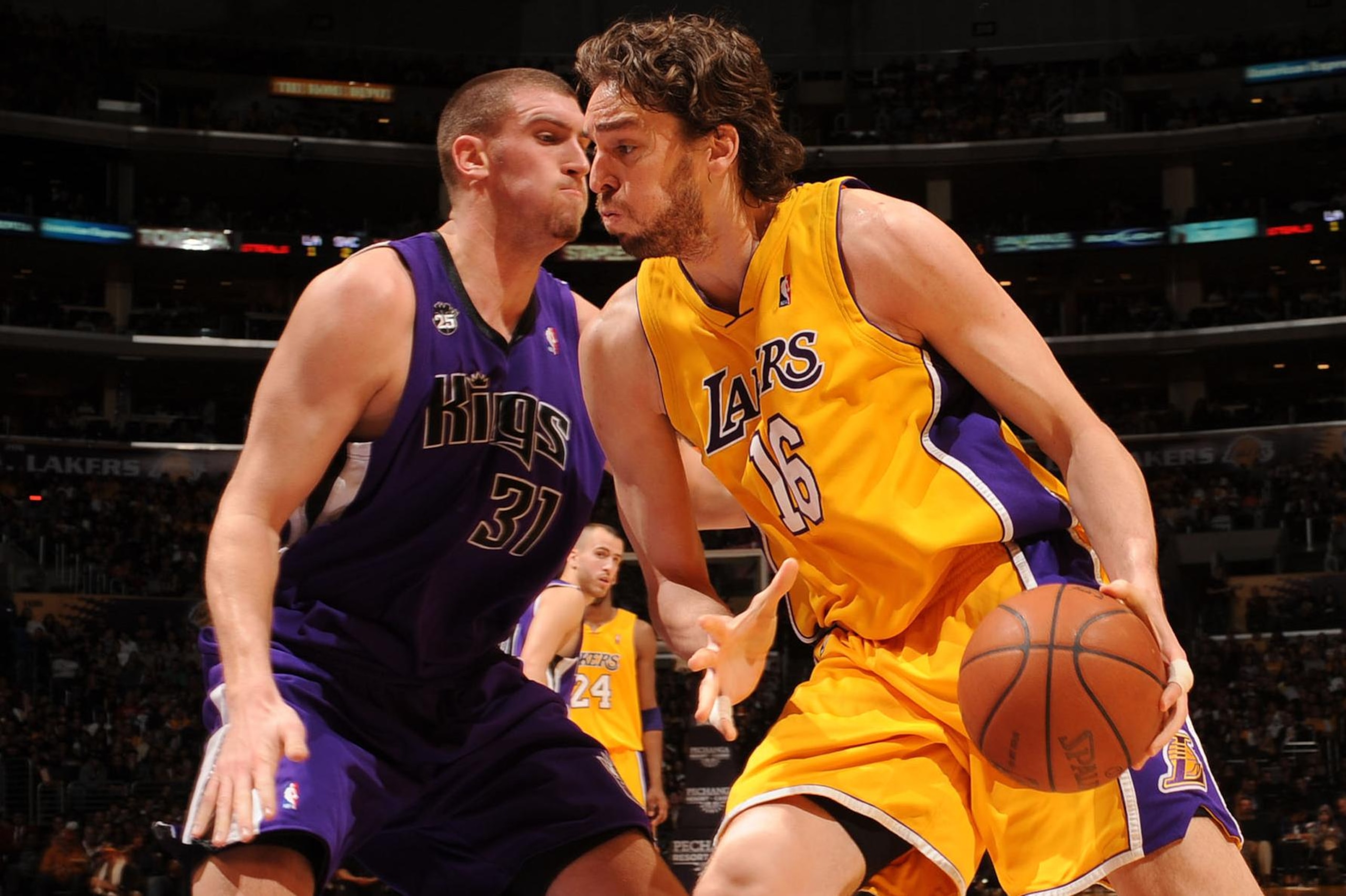
The Trade
Lakers acquire Pau Gasol and a second-round pick from the Memphis Grizzlies for Kwame Brown, Javaris Crittenton, Aaron McKie, draft rights to Marc Gasol and first-round picks in 2008 and 2010.
The Result
Gasol wasn't a former MVP and didn't win one after joining the Lakers, but he did factor heavily in back-to-back championship runs.
He put up 18.6 points, 9.2 rebounds and 2.2 assists in the 2009 Finals victory over the Orlando Magic and backed it up with 18.6 points, 11.6 rebounds and 3.7 assists in 2010, helping the Lakers prevail in a seven-game war with the Boston Celtics.
Three of Gasol's six All-Star nods came with Los Angeles, as did three of his six All-NBA honors. A skilled post technician who could block shots, pass like a guard and gradually developed deep range on his jumper (mostly after his Lakers days, but still), Gasol is yet another Hall of Famer who fell into L.A.'s lap.
7. James Worthy
4 of 10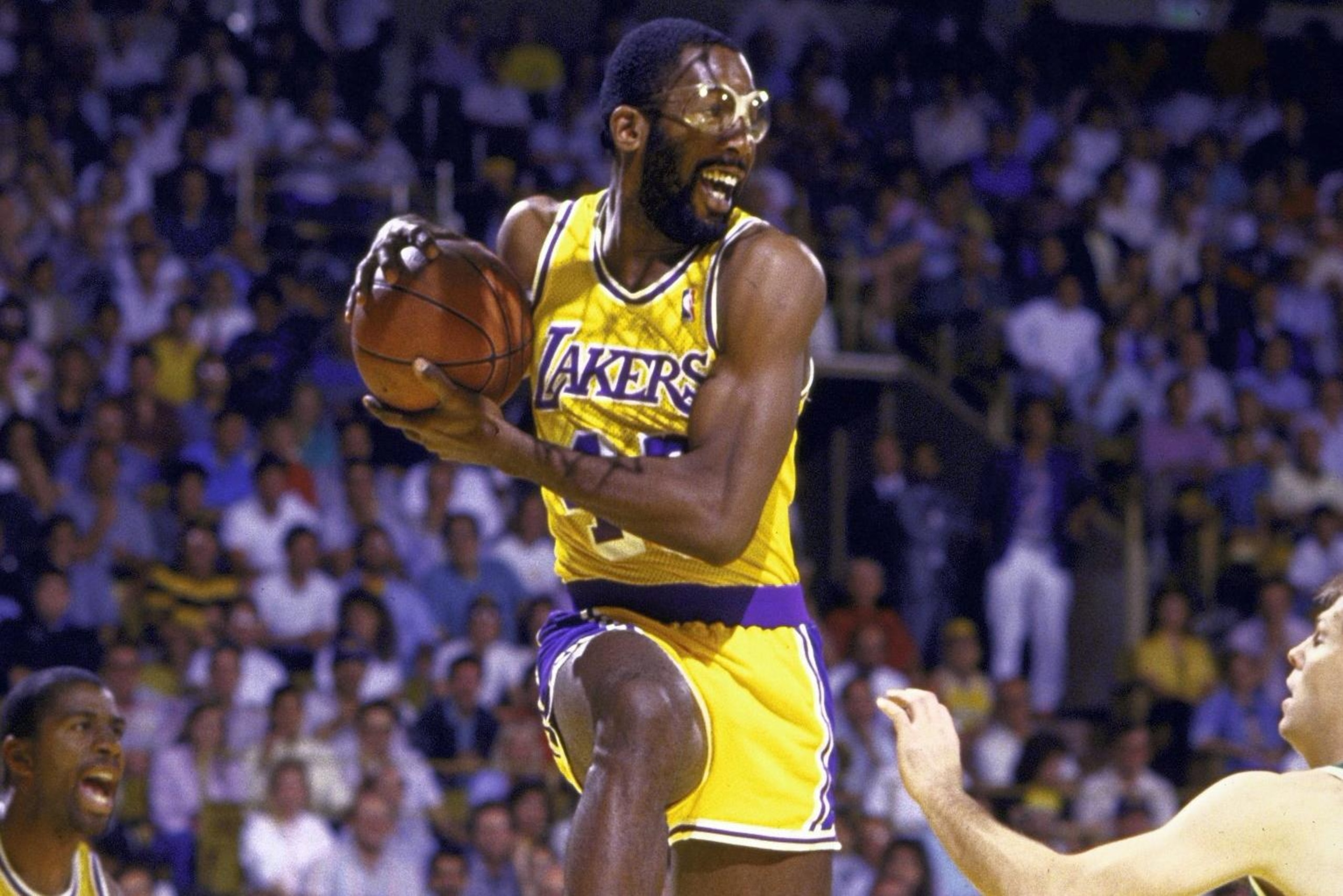
The Trade
Lakers acquire a 1982 first-round pick and Butch Lee from the Cleveland Cavaliers for a 1980 first-round pick and Don Ford.
The Result
In 1980, former Cavs owner Ted Stepien swung a deal that made the 1982 Lakers the only defending champion to select first in the next season's draft. That move also inspired the rule preventing NBA teams from trading first-round picks in consecutive years.
The Lakers used the top overall pick they landed from Cleveland to snag James Worthy out of North Carolina, and the do-it-all forward would go on to play his entire 12-year career with the franchise. In addition to starting for three championship teams (1985, 1987, 1988), Worthy made two All-NBA teams and seven All-Star appearances.
The capper in a career that featured averages of 17.6 points, 5.1 rebounds and 3.0 assists was the 1988 Finals MVP—no great shock for a player whose penchant for stepping up in the highest-leverage moments earned the "Big Game James" moniker.
6. Anthony Davis
5 of 10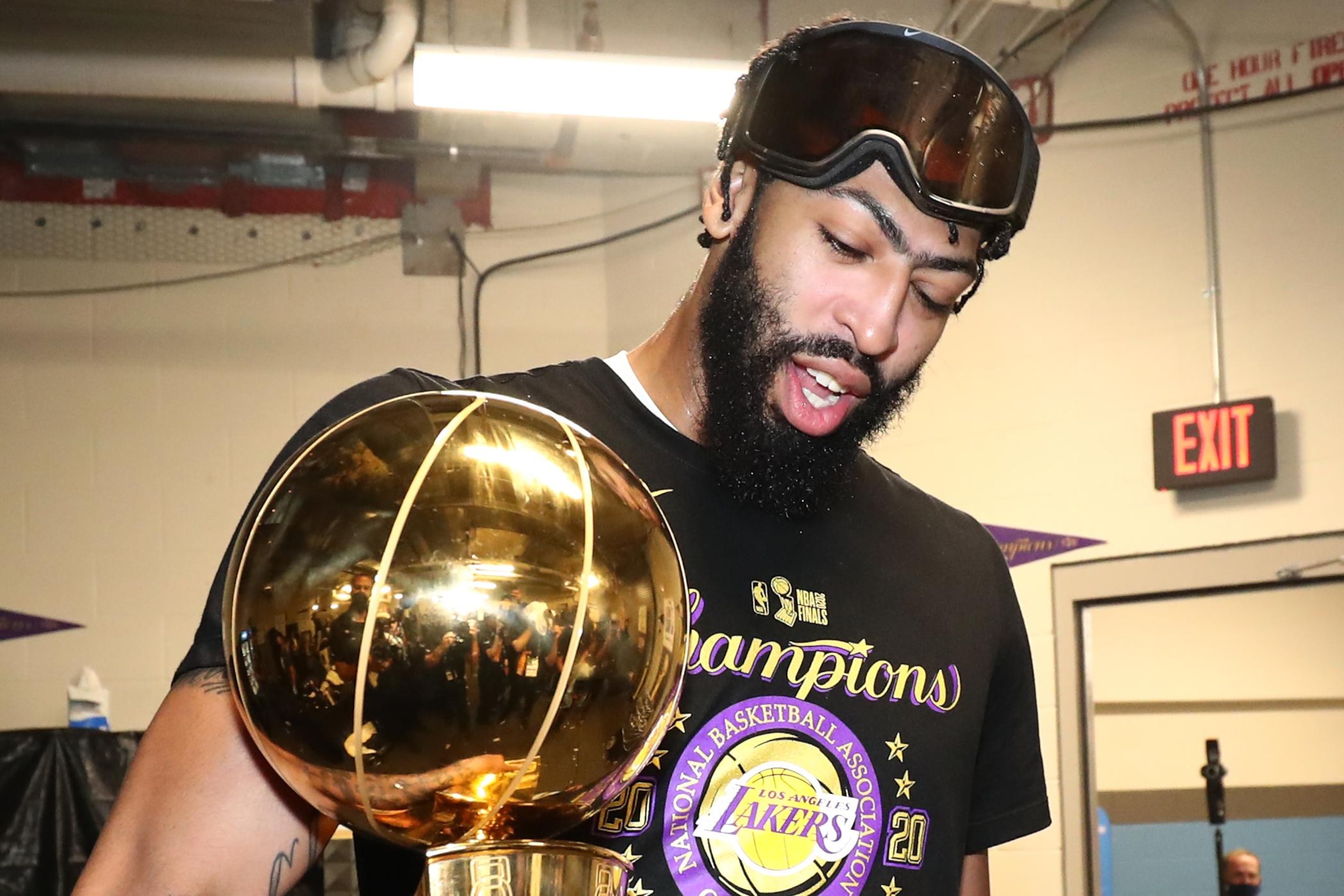
The Trade
Lakers acquire Anthony Davis from the New Orleans Pelicans for Lonzo Ball, Brandon Ingram, Johs Hart, the No. 4 pick in 2019 draft, a 2021 first-round pick, a 2023 first-round swap and a 2024 first-round pick.
The Result
Toss an asterisk next to it if you want to, but the championship Davis helped the Lakers win in the 2020 bubble stil counts.
AD was his best self during that 2020 run, averaging 27.7 points, 9.7 rebounds and 3.5 assists in the playoffs while hitting 38.3 percent of his treys. That version of Davis featured a level of perimeter accuracy never seen before or since, but AD's overall production with the Lakers was stellar—as long as he was healthy enough to stay on the floor.
In five-plus years with Los Angeles, Davis piled up a ring, four All-Star appearances, a pair of top-five finishes in DPOY voting and two All-NBA nods. Most importantly, even if he wasn't the Finals MVP in 2020, there's no way the Lakers collect that title without him playing the best basketball of his life.
5. Luka Doncic
6 of 10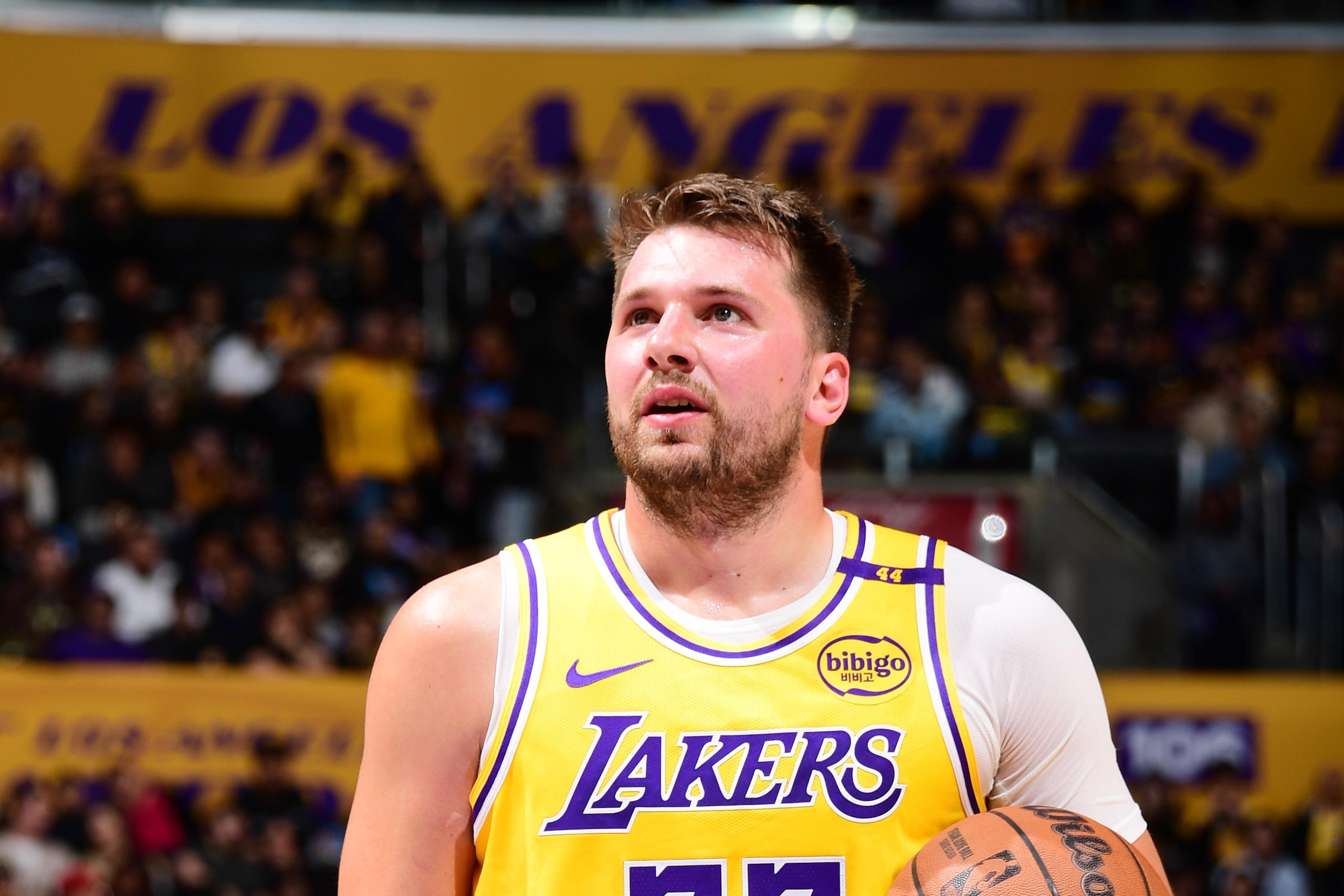
The Trade
Lakers acquire Luka Donċić from the Dallas Mavericks for Anthony Davis, Max Christie and a 2029 first-round pick*.
The Result
Dončić's first six seasons in the league have been as decorated as anyone's, kicking off with a Rookie of the Year award followed by five straight All-NBA first-team appearances. That said, we're comparing him to some all-time greats, and his future accomplishments are purely speculative.
Assuming Dončić puts the lie to Dallas' concerns about his conditioning and commitment, he'll feature heavily in multiple championship and MVP races (he's already been a top-five finisher in three of the latter). But for now, this is as high as we can rank him given the ridiculous competition.
Come to think of it, maybe we should have ranked Davis higher, considering he ultimately netted the Lakers Dončić on the way out.
*The Utah Jazz swooped in and made this a three-teamer, but these are the basics of the exchange for L.A. and Dallas.
4. Wilt Chamberlain
7 of 10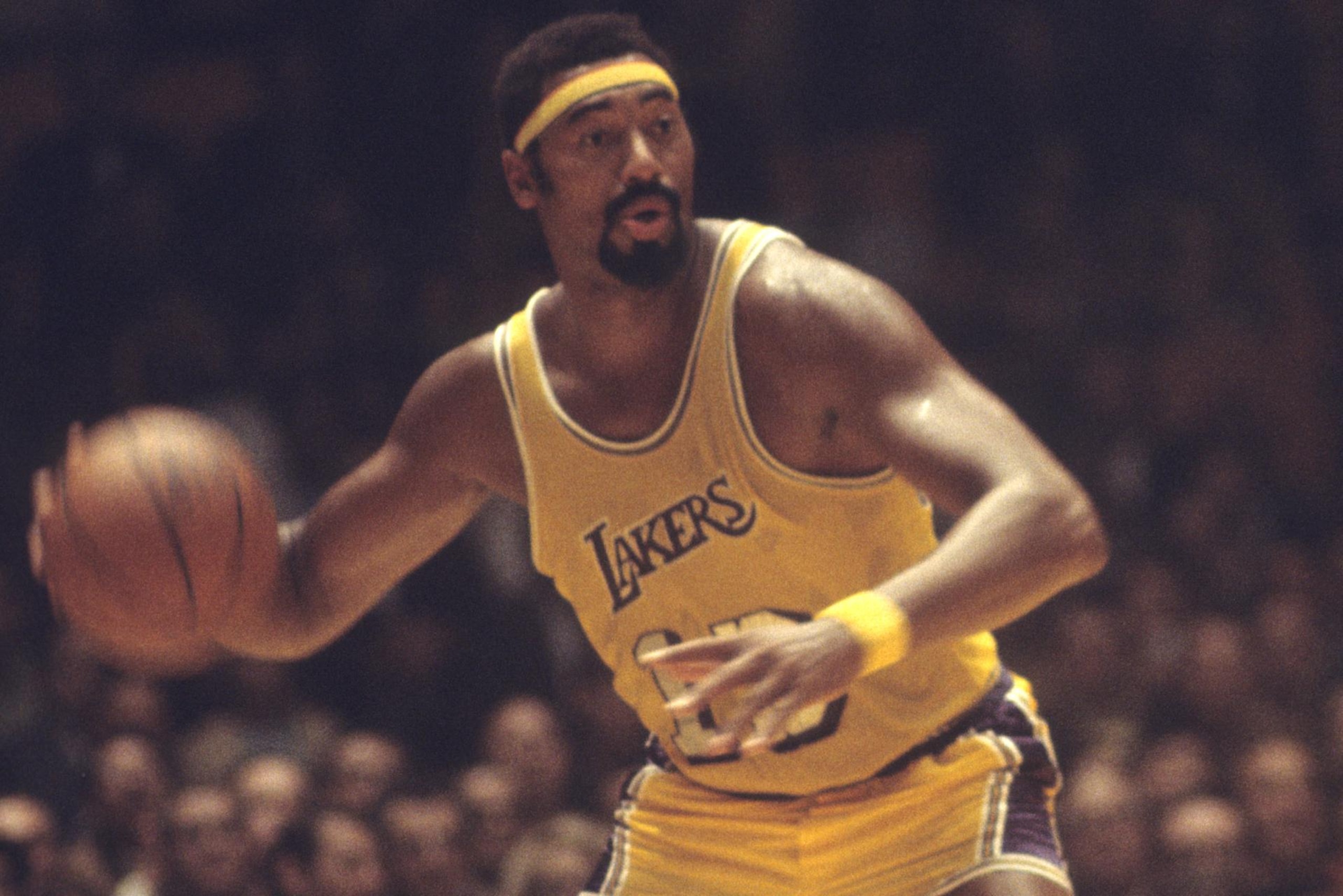
The Trade
Lakers acquire Wilt Chamberlain from the Philadelphia 76ers for Archie Clark, Darrell Imhoff, Jerry Chambers and cash.
The Result
Chamberlain was coming off three straight MVP awards when the Lakers landed him in 1968. Though he failed to win another after the trade, the past-his-prime phase of his career was still spectacular. All he did in his first season with the team was lead the league in minutes (45.3), field-goal percentage (58.3) and rebounds (21.1).
Chamberlain would go on to win the rebounding crown three more times, make a trio of All-Star games, finish among the top five in MVP voting twice and collect a championship ring (plus a Finals MVP) in 1972. The Lakers made the Finals four times in his five seasons with the team.
Maybe he didn't play his best years with the Lakers, but between the sheer star power attached to his name and a major role in a championship season, Wilt can't be ranked any lower than this.
3. Kobe Bryant
8 of 10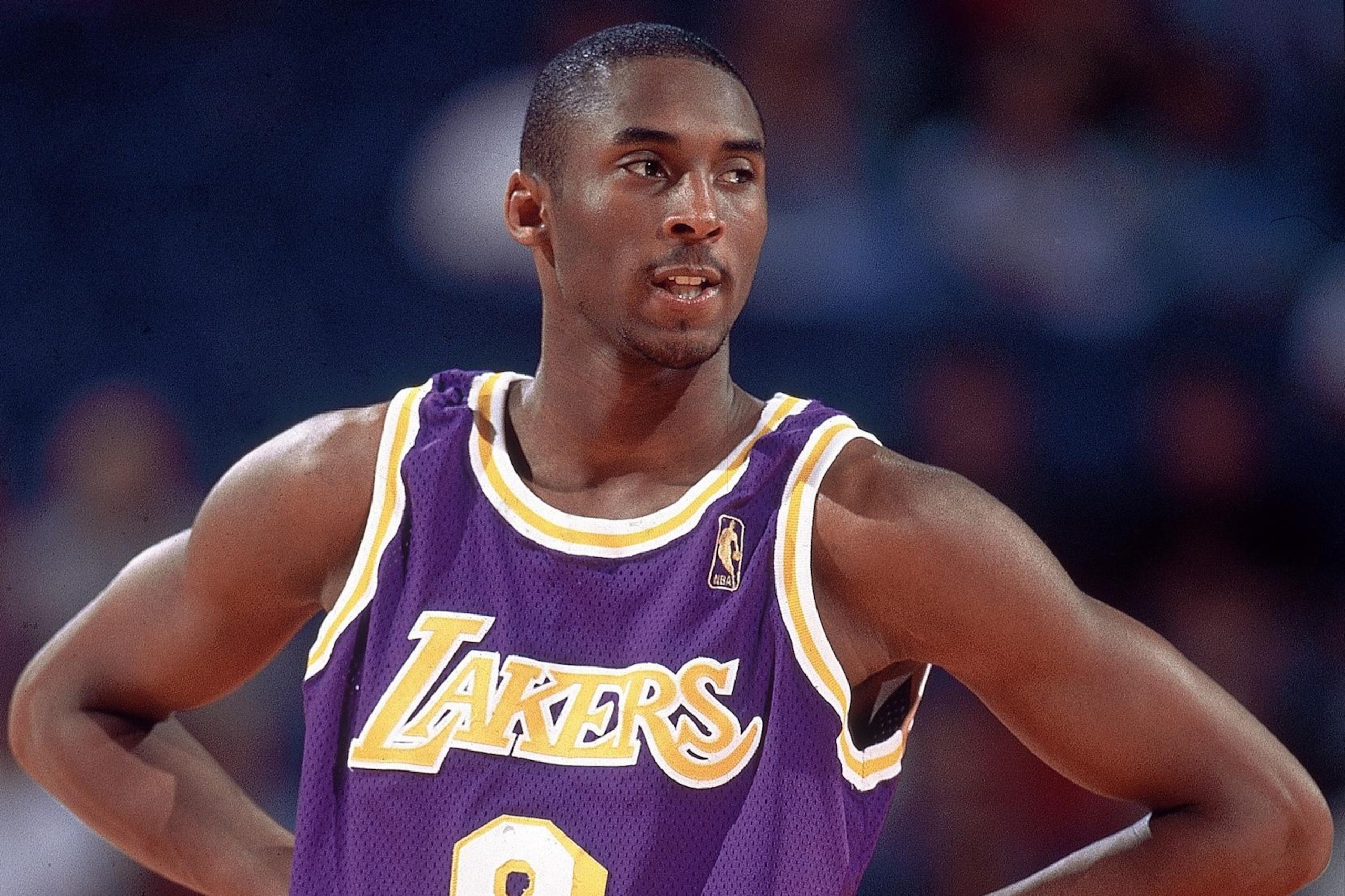
The Trade
Lakers acquire Kobe Bryant from the Charlotte Hornets for Vlade Divac.
The Result
We've reached the "franchise icon" portion of the rankings with Bryant, clearly the most identifiable and beloved member of the franchise since the player ranked immediately ahead of him.
The reasoning for Charlotte sending Bryant, the No. 13 pick in 1996, to L.A. for Divac was complicated. Kobe fell in the draft because he refused to work out for several teams and threatened to play in Italy if not picked by a preferred destination, ultimately steering himself to a Lakers team that also wanted to unload Divac to save money.
Added bonus: Los Angeles used some of the savings to sign Shaquille O'Neal in free agency that same summer.
Bryant's legacy is historic: 18 All-Star Games, 15 All-NBA appearances, five championships, two Finals MVPs, two scoring titles and an MVP award. All that, plus rarefied status as perhaps the player most feared by his peers and emulated by those that came after him.
And somehow, he's only No. 3.
2. Magic Johnson
9 of 10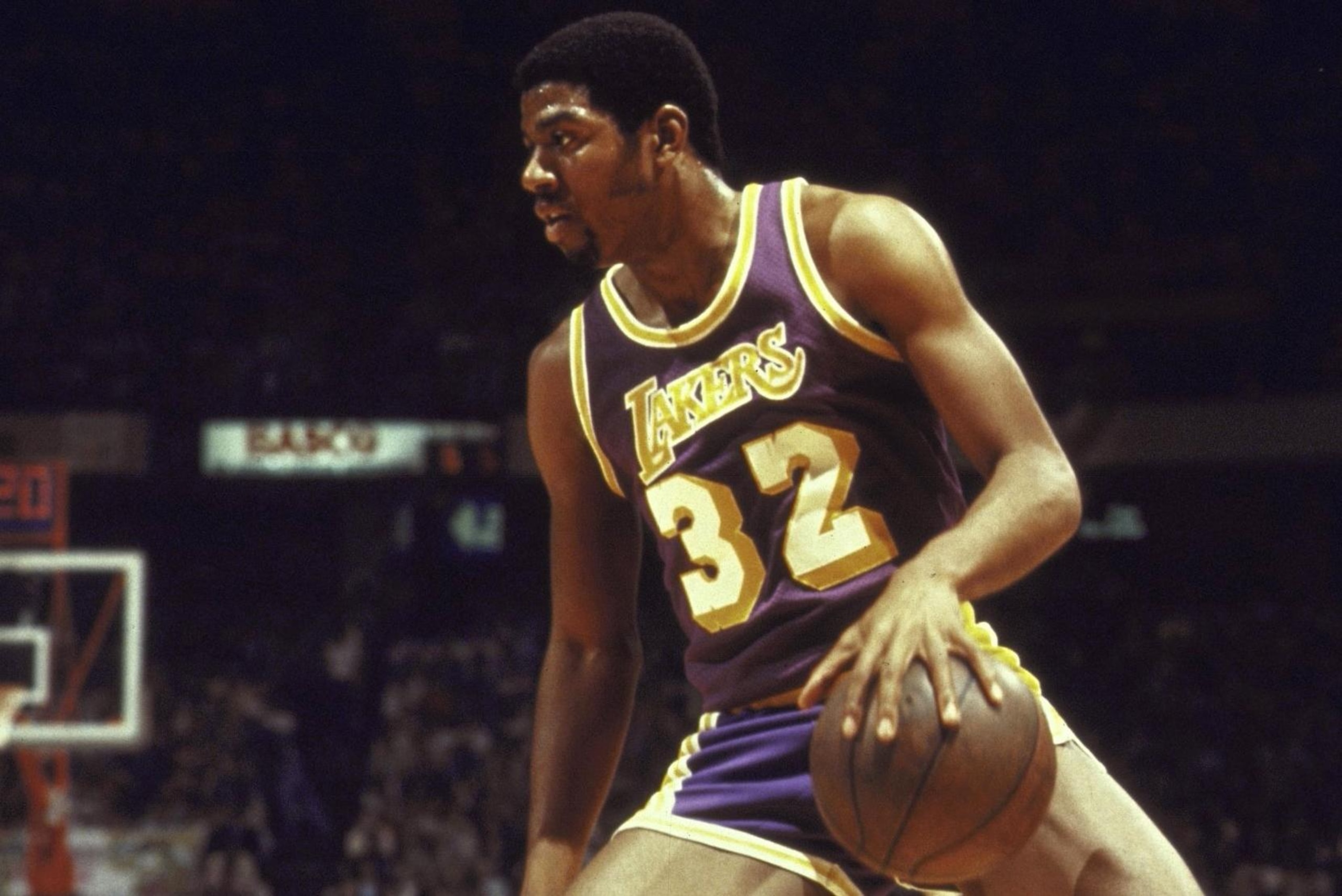
The Trade
Lakers acquire a 1977 first-round pick, a 1978 first-round pick, a 1979 first-round pick (Magic Johnson) and a 1980 second-round pick from the Utah Jazz for Gail Goodrich, a 1977 second-round pick and a 1978 second-round pick.
The Result
In the purest sense, Johnson might deserve to be called the greatest Laker in history, but he lands here because we're focused on the trade aspect of things, and his "acquisition" happened three years before he ever played for the team.
That oddity stemmed from the Lakers and Jazz agreeing to a heap of draft-pick exchanges as part of Utah signing away Gail Goodrich from Los Angeles—one of which, a 1979 first-rounder, became Johnson.
That's distinctly different from the man at No. 1, who was already several years and MVPs into his historic career when the Lakers grabbed him.
Magic defined the Showtime Era, won five rings and snared three MVPs. He was arguably the greatest passer of all time, a five-position offensive threat and one of the most beloved personalities in league history. No discussion of the greatest point guards of all time gets far before his name comes up.
That he accomplished all that while having to settle for second place tells you everything you need to know about the Lakers' history of star acquisitions.
1. Kareem Abdul-Jabbar
10 of 10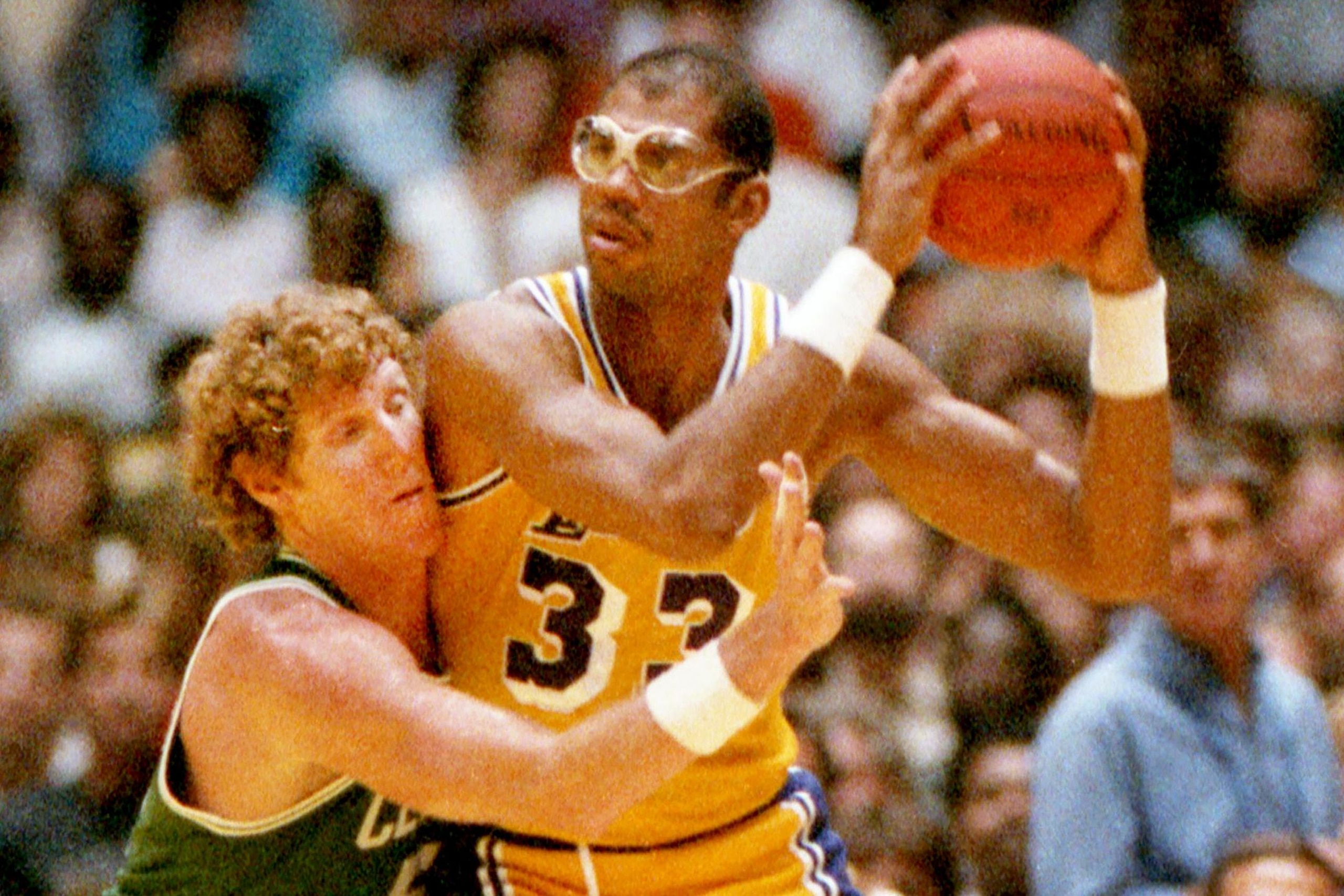
The Trade
Lakers acquire Kareem Abdul-Jabbar from the Milwaukee Bucks for Elmore Smith, Brian Winters, Dave Meyers and Junior Bridgeman.
The Result
Hey, if you think what Dallas got for Luka Dončić was underwhelming, keep in mind the Bucks didn't land a single draft pick or star for Abdul-Jabbar, who had already won three MVPs when he was traded.
Three more MVPs came with the Lakers, as did five championship rings, six All-NBA first-team honors and over 24,000 points—7,000 more than Johnson scored in his entire career. Until LeBron James broke it, Abdul-Jabbar's all-time scoring record of 38,387 points seemed totally untouchable.
Abdul-Jabbar played at least 74 games in every non-lockout-shortened season with Los Angeles, and he averaged 22.6 points and 8.5 rebounds across a whopping 180 playoff games as a Laker.
Johnson may be more beloved and readily associated with Los Angeles, and he might even have been the better player overall (if we only consider his Lakers tenure). But Kareem's acquisition was far more stunning and, in the vein of Dončić's recent arrival, difficult to comprehend.


.jpg?w=2560 "Buzz: MHJ Hired Agents for Trade")
.jpg?w=2560 "AD Trolls Bears WR on IG 😂")
.jpg?w=2560 "Report: Steelers WR to Miss 'Weeks'")
.jpg?w=2560 "Viral Dan Campbell Presser 💙")


.jpg?w=2560 "Cam Ward Says He's Not A Loser")