
Biggest Potential Busts of 2024-25 MLB Free-Agent Class
For as great as the deals given to Shohei Ohtani, Seth Lugo and Teoscar Hernández played out last offseason, there's as many or more contracts from last winter that look questionable at best after a year.
Jordan Montgomery, Mitch Garver, Jeimer Candelario, Marcus Stroman and Eduardo Rodríguez are among those who turned in disappointing results after signing lucrative deals an offseason ago.
What deals from this offseason might look regrettable a year from now? Here are six candidates.
Anthony Santander, Toronto Blue Jays
1 of 6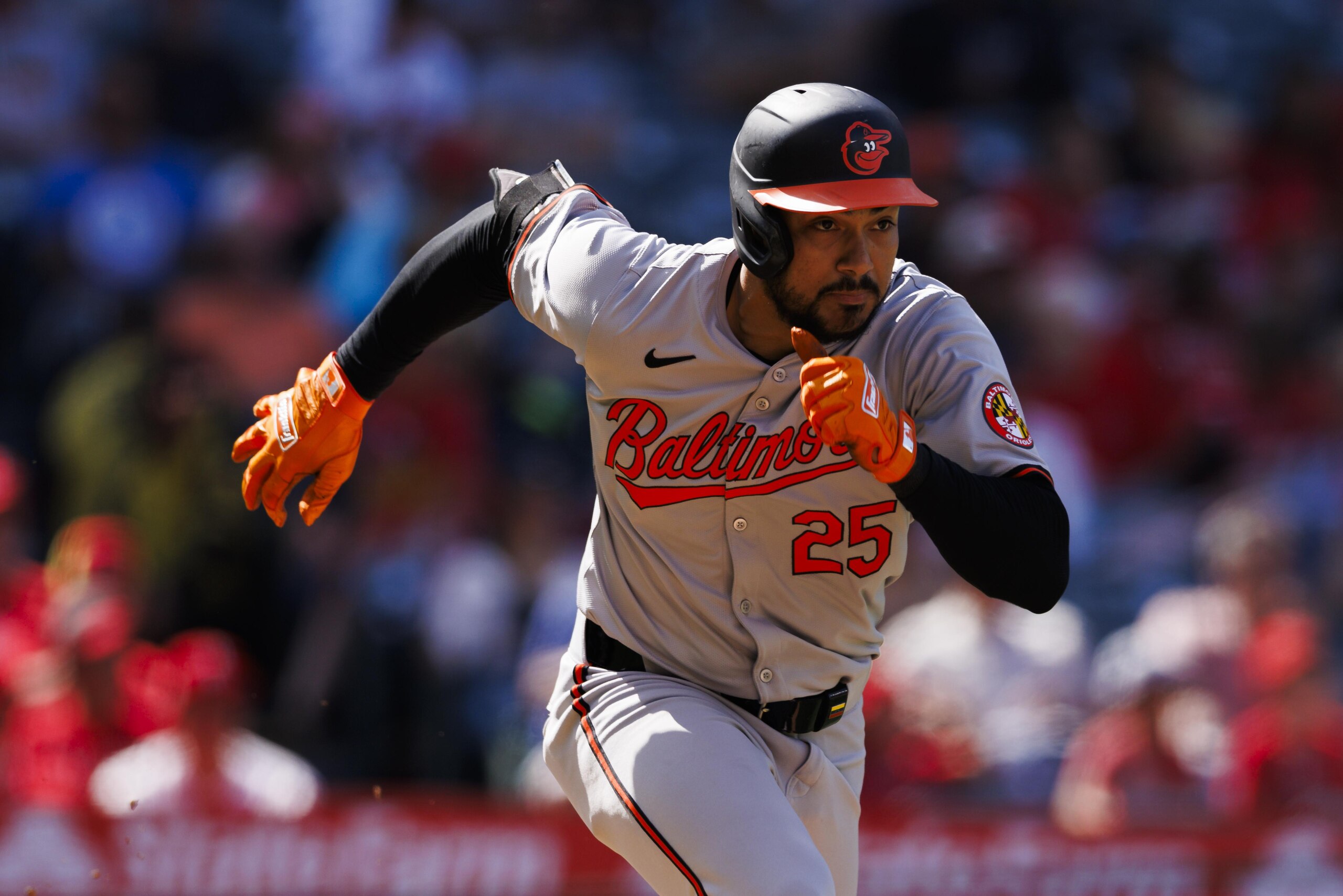
Anthony Santander—affectionally referred to as "Tony Taters"—had a career year just in time for free agency. Still, the Baltimore Orioles extended him a qualifying offer and pretty quickly pivoted to Tyler O'Neill in free agency, ultimately allowing Santander to leave for the division-rival Toronto Blue Jays.
Santander's deal with the Blue Jays is a complicated one. It's technically a five-year, $92.5 million contract, but $68.6 million is deferred. Santander can opt out after the 2027 season, but according to Spotrac, Toronto can void that opt out if they guarantee a 2030 club option that's currently worth $15 million at a $17.5 million value. There's a ton of moving parts.
As a switch-hitter who clubbed 44 home runs and drove in 102 runs last season, you would have thought that Santander, 30, would have had a more robust free-agent market.
The biggest problem with him is there's not much margin for error. If he's hitting 35-40 home runs per year, there's a lot of value. But he's a .246 career hitter. He probably strikes out less than most power hitters, but he also has never walked more than 58 times in a season. In eight MLB seasons, his career on-base percentage is just .307.
The best-case scenario for the Blue Jays is that Santander hits close to 40 home runs this season, allowing Toronto to contend in the loaded AL East and convincing Vladimir Guerrero Jr. and/or Bo Bichette to re-sign.
But when you add in that Santander is—at best—an average corner outfielder, there could be some lean years at the end of this contract if his power production declines, because his offensive value is so tied to it.
Jurickson Profar, Atlanta Braves
2 of 6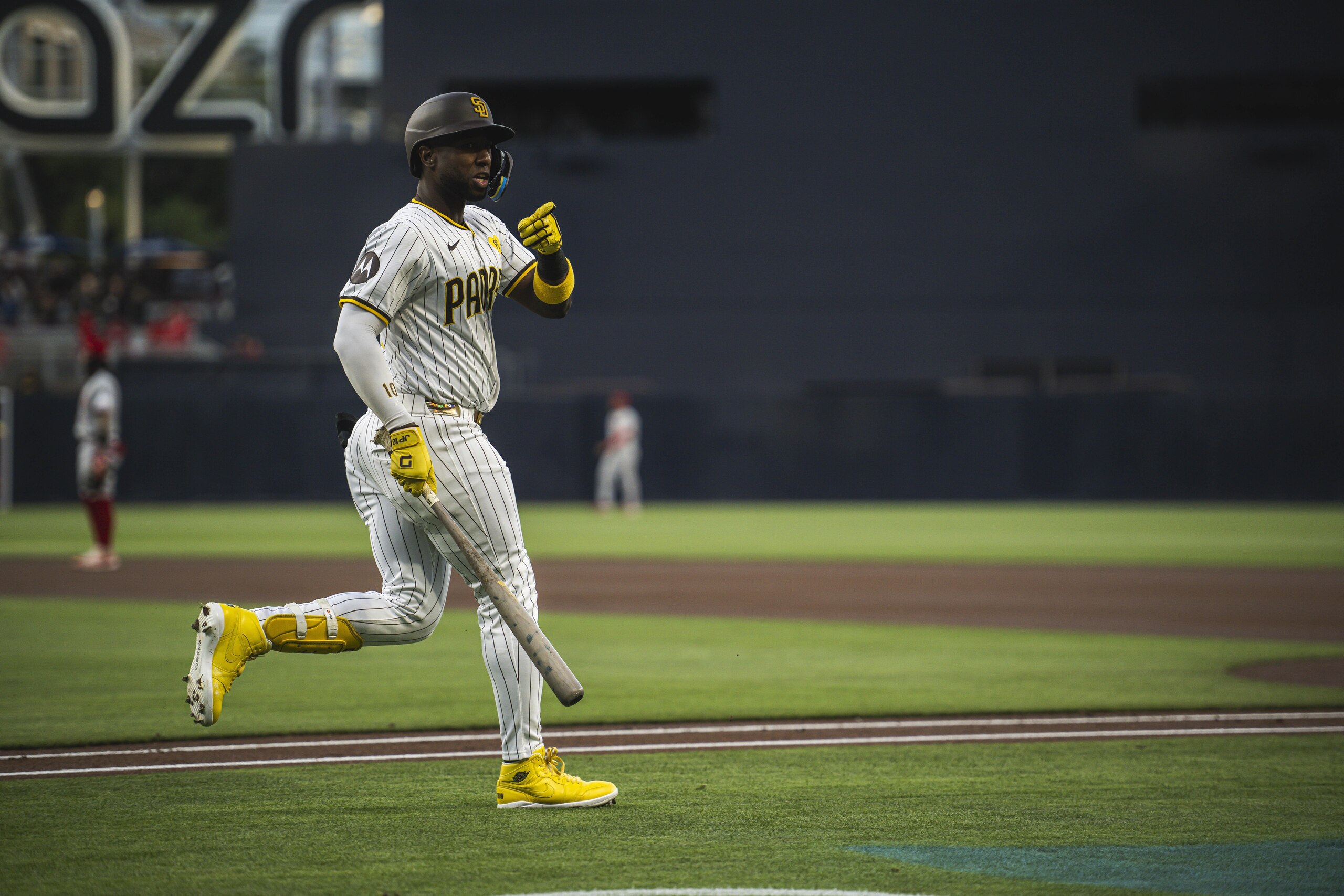
Jurickson Profar was one of the most complete offensive players in baseball a year ago, hitting .280 with 24 home runs, 85 RBI, 76 walks and an .839 OPS. If the Braves get that version of Profar, the three-year, $42 million pact they signed him to will prove to be team-friendly.
The problem when trying to evaluate Profar is that prior to his All-Star campaign in 2024, he posted a .689 OPS and -1.6 WAR in the 2023 season, leading the Colorado Rockies releasing him in late August. The Rockies might not be a model organization, but Coors Field isn't typically a place you associate with players struggling to perform offensively.
Profar was once one of the top prospects in the game as a member of the Texas Rangers, but his age-31 season was the first one in which he really performed at the level that was once expected of him. For his career, he's a .245 hitter with a .726 OPS. He also doesn't provide a ton of defensive value—with minus-19 defensive runs saved over the past two years—and he's now headed to Truist Park, one of the more spacious outfields in baseball.
Again, if Profar is anything like what he was a year ago in San Diego—or even what he was for the 2022 Padres—it will prove to be a tremendous addition to a lineup that includes Austin Riley, Michael Harris II, Ozzie Albies and Matt Olson, with former NL MVP Ronald Acuña Jr. likely to return from a left ACL tear at some point in the first half of the season. Still, it's a bit surprising that he got a third guaranteed year considering how recently he was one of the worst regulars in all of baseball.
Luis Severino, Athletics
3 of 6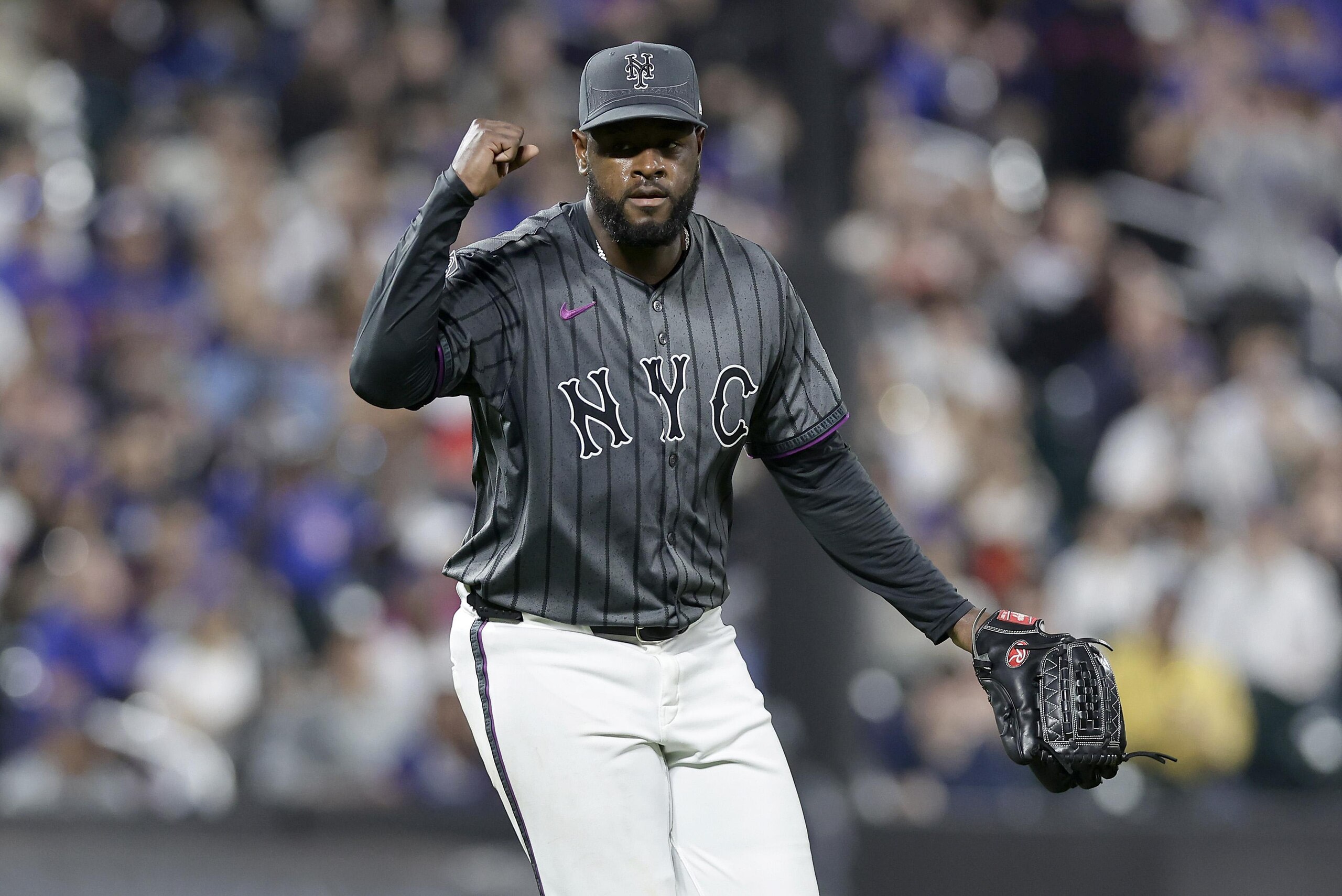
Luis Severino made out as well as anyone this offseason from a financial sense, with the Athletics giving him a three-year, $67 million deal that includes a player opt-out after the 2026 season. The A's also surrendered draft compensation because Severino declined a one-year, $21.05 million qualifying offer from the New York Mets.
It has to be noted that the signing of Severino was more than just a baseball move, because the A's are trying to both get a stadium in Las Vegas and avoid a grievance from the MLBPA for not investing their revenue sharing back into payroll. So they had some incentive to go above and beyond what other teams likely would have.
But if you're just evaluating this from a baseball sense, it's clear why no other team matched this offer—or likely came even close.
Severino looked like a budding superstar for the New York Yankees when he made back-to-back All-Star Game appearances in 2017 and 2018. A year ago, he revived his career when he posted a 3.91 ERA over 182 innings for the upstart Mets. But there were five seasons in between where Severino was limited to just 209.1 innings by Tommy John surgery and other injuries, posting an underwhelming 4.47 ERA.
Most teams likely would have preferred to see another healthy season from Severino, now 31, before making a multiyear commitment like this.


Willy Adames, San Francisco Giants
4 of 6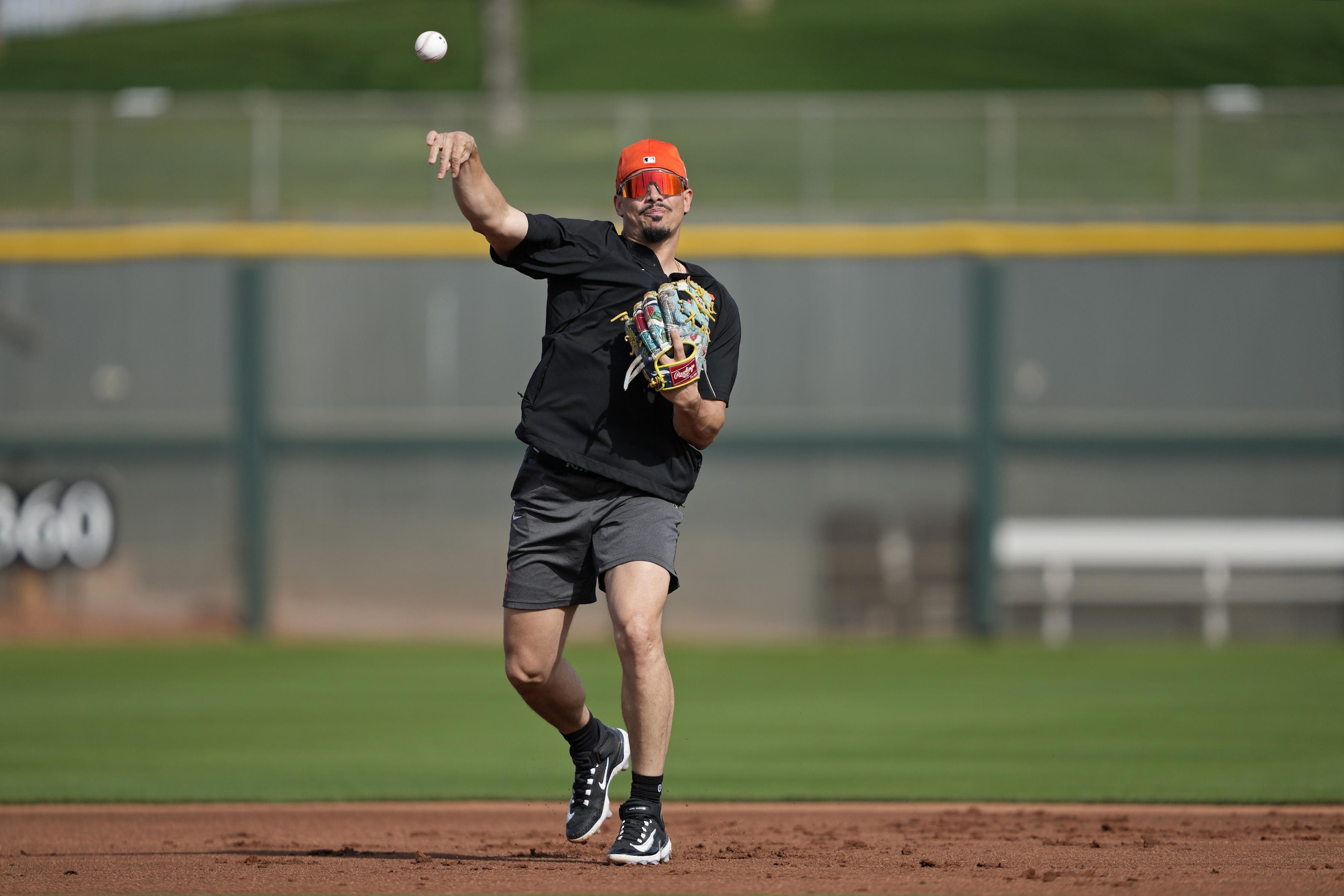
Buster Posey is now the president of baseball operations for the Giants. During his illustrious playing career, the franchise great saw how important having the shortstop position solved can be as he won a pair of World Series titles with Brandon Crawford.
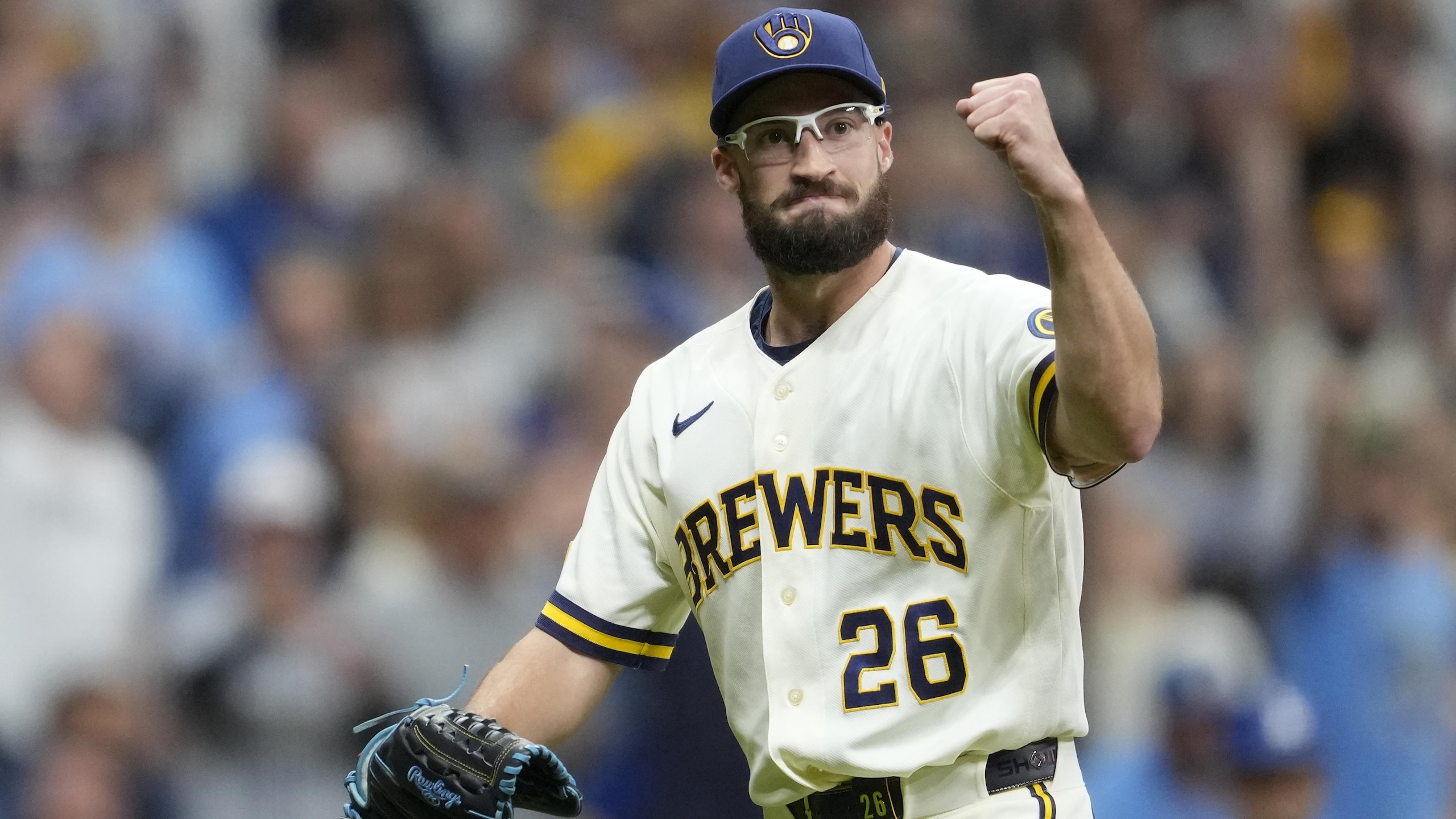
So it makes sense that the Giants spent big on Willy Adames, giving the former Milwaukee Brewer a seven-year, $182 million deal that includes a full no-trade clause.
But while Adames got some down-ballot NL MVP support a year ago, there were some red flags with him as a free agent.
The biggest is that his defensive metrics fell off a cliff last year, which led some teams to wonder whether he would be better suited to play another infield position moving forward. To be fair, Adames had 17 defensive runs saved and 26 outs above average at shortstop between 2022 and 2023, meaning he was one of the best defenders at the position in baseball. But in his contract year, he posted minus-16 defensive runs saved and zero outs above average. Adames is still only 29, and it's not unheard of to have a down year defensively when you're playing for a contract and trying to make sure you stay healthy. This, though, wasn't just a small dip in defensive production, as Adames finished the year with a career-high 20 errors.
Also a reality here is that a lot of Adames' offensive value is tied to the fact that he provides above-average power production for the shortstop position, as he's coming off of a campaign in which he hit 32 home runs and drove in 112 runs. Well, the Giants haven't had a player hit 30 home runs in a season since Barry Bonds in 2004. Oracle Park is beautiful, but it's not exactly a haven for power hitters. And so, the Giants probably had to give Adames a bit of hazard pay to get him to sign up to play 81 games a year by the Bay.
This isn't to say Adames will be a bust in San Francisco. But he's a .248 career hitter, so it would be concerning if he becomes more like a 20-25 home run guy at Oracle Park. Also add in the possibility that he'll spend the bulk of this contract at a position other than shortstop, and it's not hard to see how this deal could go south.
Nick Pivetta, San Diego Padres
5 of 6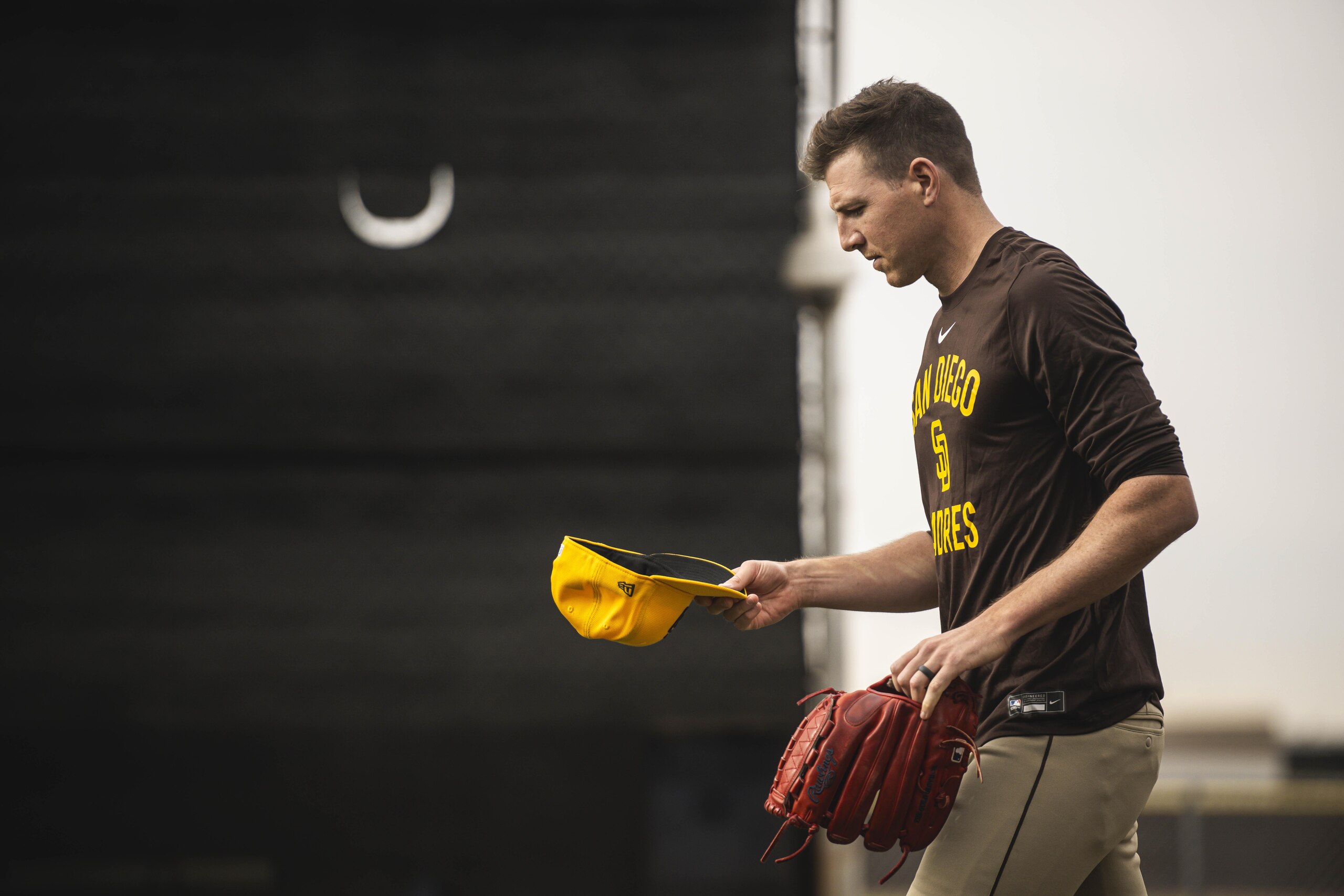
The Padres recently signed Nick Pivetta to a four-year, $55 million contract, a pact that includes a player opt-out after both 2026 and 2027.
While Pivetta will make just $4 million in 2025, he's set to see a bump to $20.5 million in 2026 when the Padres are likely anticipating Dylan Cease and/or Michael King being off the books. Oh, and because Pivetta rejected a one-year/$21.05 million qualifying offer from the Boston Red Sox, San Diego also surrendered draft compensation to sign Pivetta.
It's not that Pivetta doesn't have a high ceiling. But at a certain point, results have to matter. In parts of five seasons with the Red Sox—after beginning his career with the Philadelphia Phillies—Pivetta posted a 4.29 ERA and 4.18 FIP. He did log 140 or more innings in each of the last four seasons, and he's long had a repertoire that's intrigued teams. However, Pivetta is entering his age-32 season and has never really put things together the way it appeared he might. And that's someone that the Padres—a team seemingly strapped for cash—gave four years with multiple player opt outs? In February? With a qualifying offer attached to him?
The gripe here is probably more with the deal than signing Pivetta overall. And in the interest of being fair, there's a scenario where Pivetta outperforms this contract, opts out after two years and all parties involved end up happy with the arrangement. It just feels like signing an innings-eater like Kyle Gibson—which would have only required a one-year commitment and no draft pick compensation—would have made more sense.
Nathan Eovaldi, Texas Rangers
6 of 6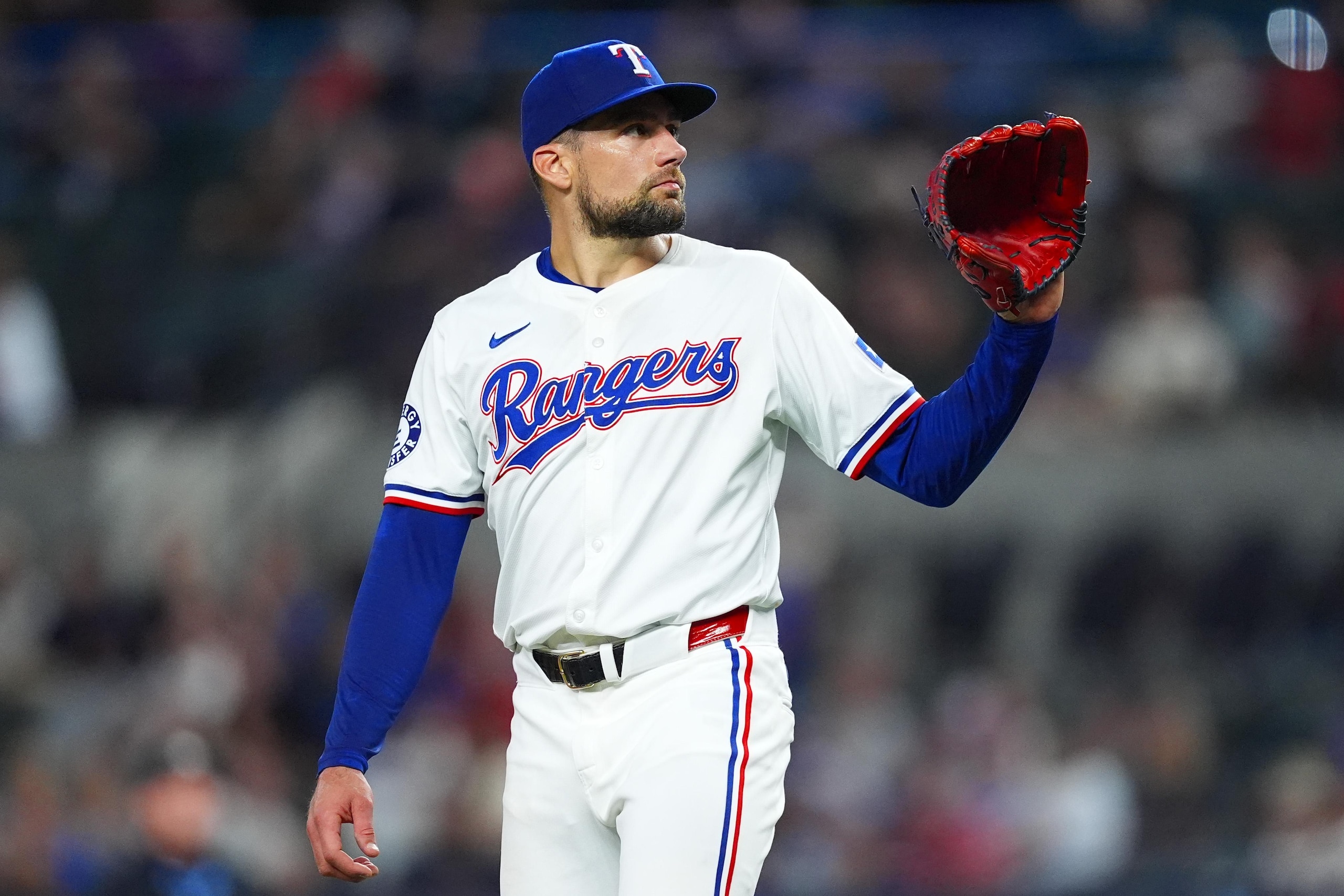
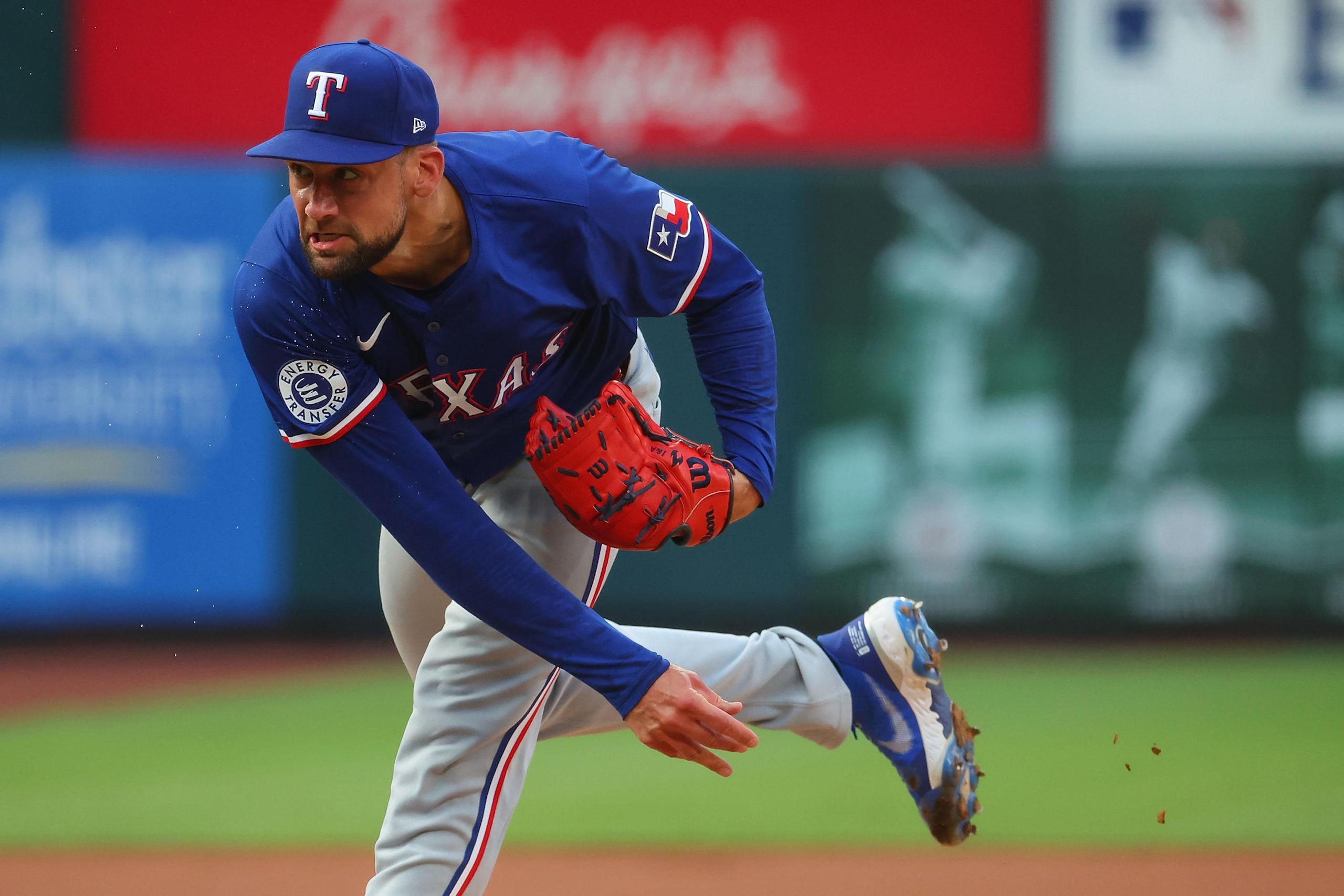
Nathan Eovaldi has proven to be a tremendous pitcher when healthy, having thrived on the postseason stage both as a starter and a reliever.
With that said, Eovaldi has a lengthy injury history. The 170.2 innings that he pitched a year ago mark just the second time in the last eight seasons that he's logged more than 160 frames in a season. He turned 35 last week, and pitchers don't typically get more durable as they get deep into their 30s.
So Eovaldi made out pretty well landing a three-year, $75 million deal in free agency to return to the Rangers. That's a lot of years to commit to any pitcher at that age, let alone one who has kind of been a year-to-year proposition in terms of staying healthy.
The upside of the rotation in Texas is extremely high the next few years. But between Eovaldi and Jacob deGrom—who is 36 and signed for three more seasons—it's not hard to envision a worst-case scenario where the Rangers wind up paying $50 million per season to two once-excellent starters that just aren't consistently available.


.jpg?w=2560 "AD Trolls Bears WR on IG 😂")
.jpg?w=2560 "Buzz: MHJ Hired Agents for Trade")
.jpg?w=2560 "Report: Steelers WR to Miss 'Weeks'")
.jpg?w=2560 "Viral Dan Campbell Presser 💙")
.jpg?w=2560 "Cam Ward Says He's Not A Loser")