

Strengths and Weaknesses of Juventus Transfer Target Mesut Ozil
Residing on the fringe of summer-transfer-window believability, Italian publication Tuttosport—as noted by the Independent's Tom Sheen—has reported Juventus are interested in Arsenal string-puller Mesut Ozil, starting their bidding at €40/£28.8 million.
In the event Paul Pogba or Arturo Vidal leave Turin during this business period (following New York City FC's signing of Andrea Pirlo), the four-time-defending Serie A champions have allegedly earmarked the 26-year-old German as an attacking-midfield option.
Bought nearly two years for Arsenal's record sum of £42.5 million, Juve would have to substantially increase their offer to prise Ozil from the English capital—especially after improved form in 2014/15's final acts. The Italians must suspect something undisclosed to think a loss of £13.7 million would ever be accepted by Arsene Wenger's club.



Nonetheless, the outlandish rumour (because of the principals involved) has predictably caught fire and requires investigation. Our first course of action is parsing through Ozil's strengths and weaknesses, possibly finding reason why Arsenal would consider selling—and Juventus buying.
Weaknesses
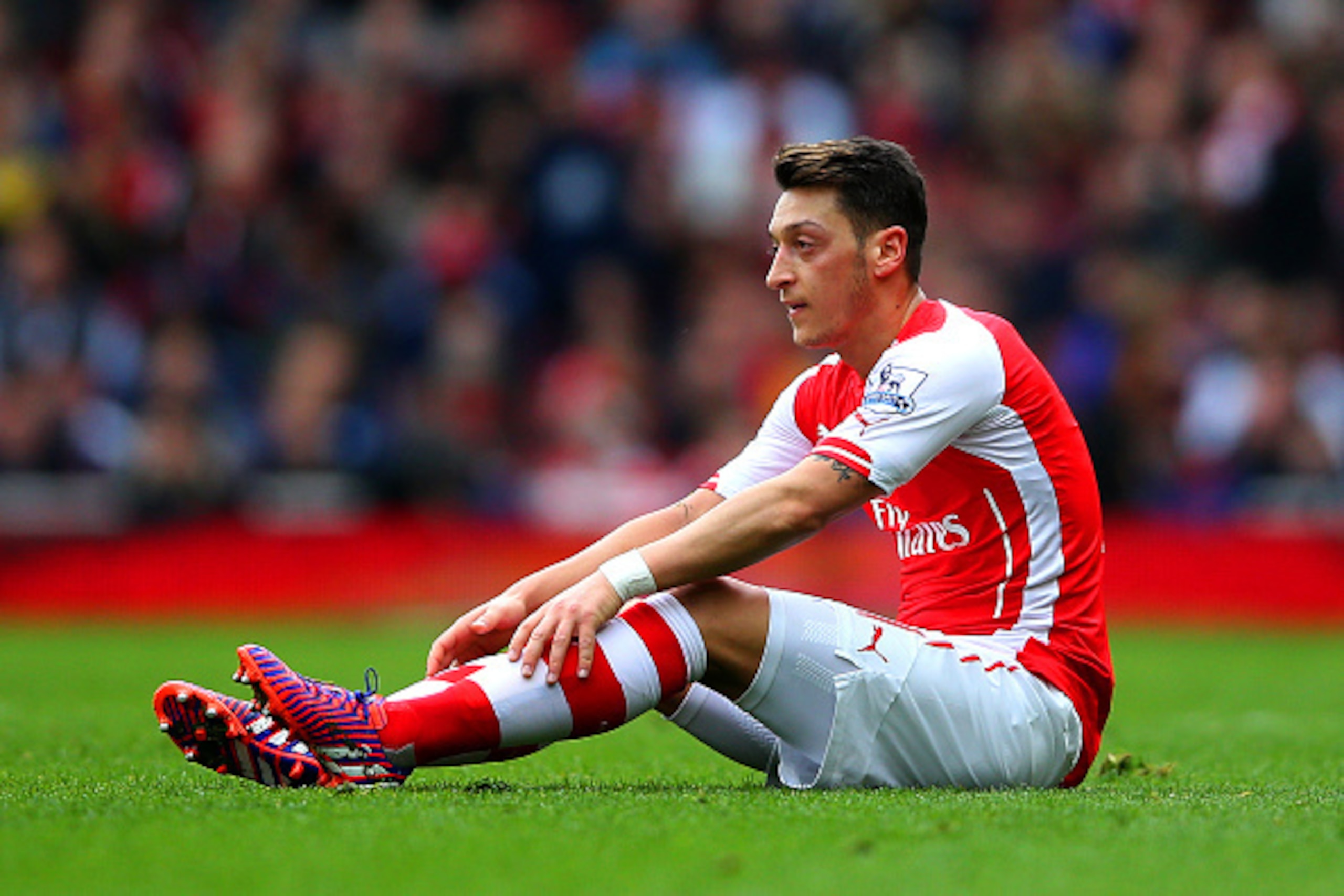
As a World Cup-winning German international and all-round talent, finding chinks in Ozil's armour is difficult—but not impossible.
Many would assert he lacks the physical stature and energy levels to dominate the Premier League, which contribute to his first weakness. He can sometimes disappear. Whether by tactical arrangement from the opposition, his own personal limitations or a combination of both, times come in matches where the player fades to the periphery.
He can just as soon burst from his slumber, but it seems a trend of Ozil to distance himself from proceedings every so often. This, in conjunction with tactics, leads to his second weakness: Ozil plays his best football in one position, the No. 10 role.
Wenger and managers before him have deployed the German into wide areas but never find too much success. To control an Ozil-assisted team, one must simply flood the centre of the pitch and make play go wide—easier said than done, of course, (especially considering the breadth of talent Real Madrid, Arsenal and/or Germany employ), but Ozil's one-dimensional play does create a template to stall matches.
Strengths
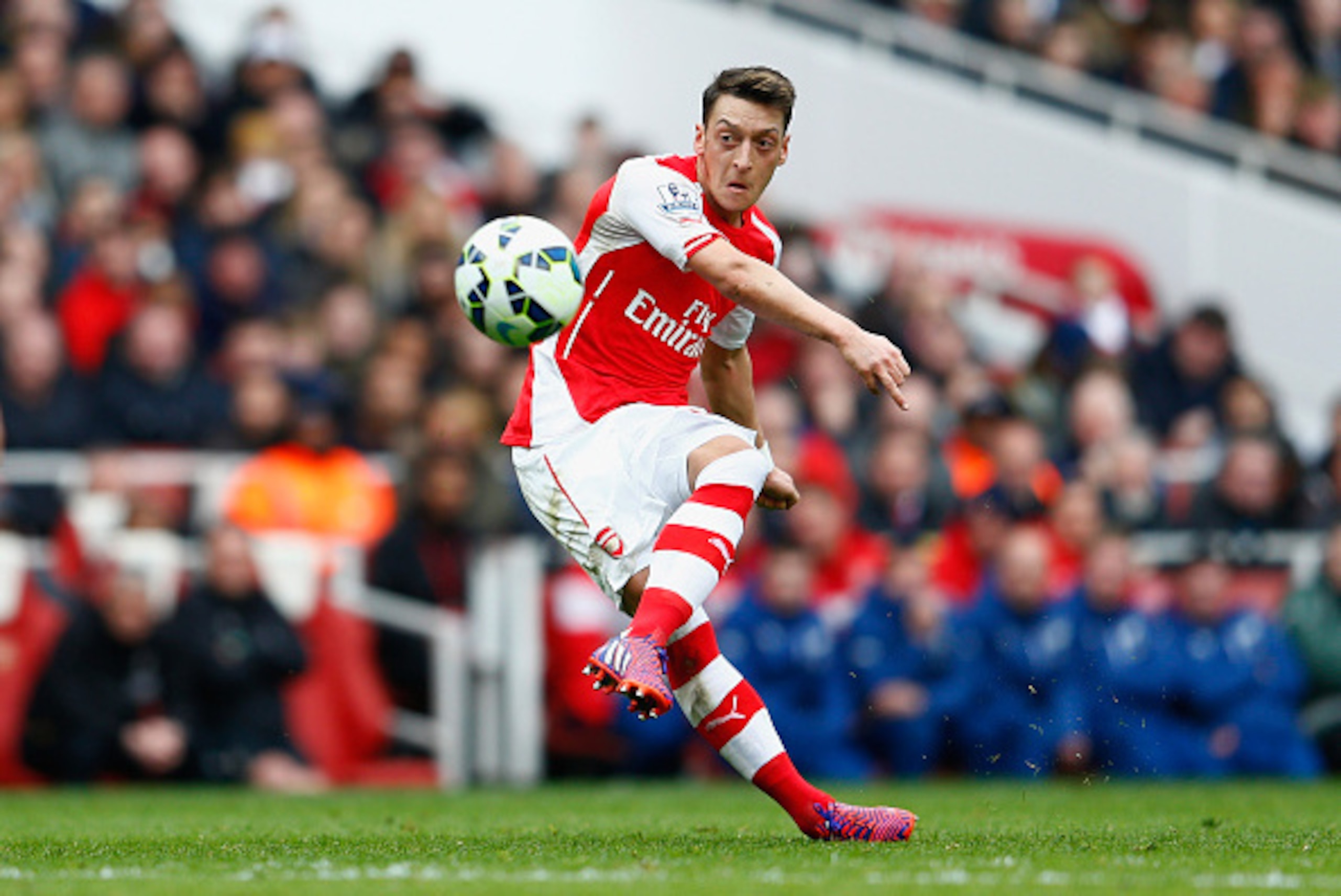
These weaknesses, however, are undone by strengths.
One of the best technical footballers in contemporary football, Ozil is an attacking-midfield genius. Intelligent movement, vision, weight of pass, on-ball decision-making and the confidence to blend them together make the 26-year-old a massive handful for any defence—both domestically and internationally.
While finding Ozil in the No. 10 role is normally simple, with the ball at his feet, he can dictate play with the best in European football.
There is often an over-reliance on statistics. If a player has 15 assists in one season, it was a great campaign, but how does one quantify seeing the entire picture?
Ozil's ability to find the pass before the pass (i.e. the hockey assist) is not mentioned nearly enough. Surveying the pitch and choosing the correct initial pass, creating optimal offence, is just as important as an assist or goal—if not more so—and Ozil is currently one of the best in that department.
Conclusions
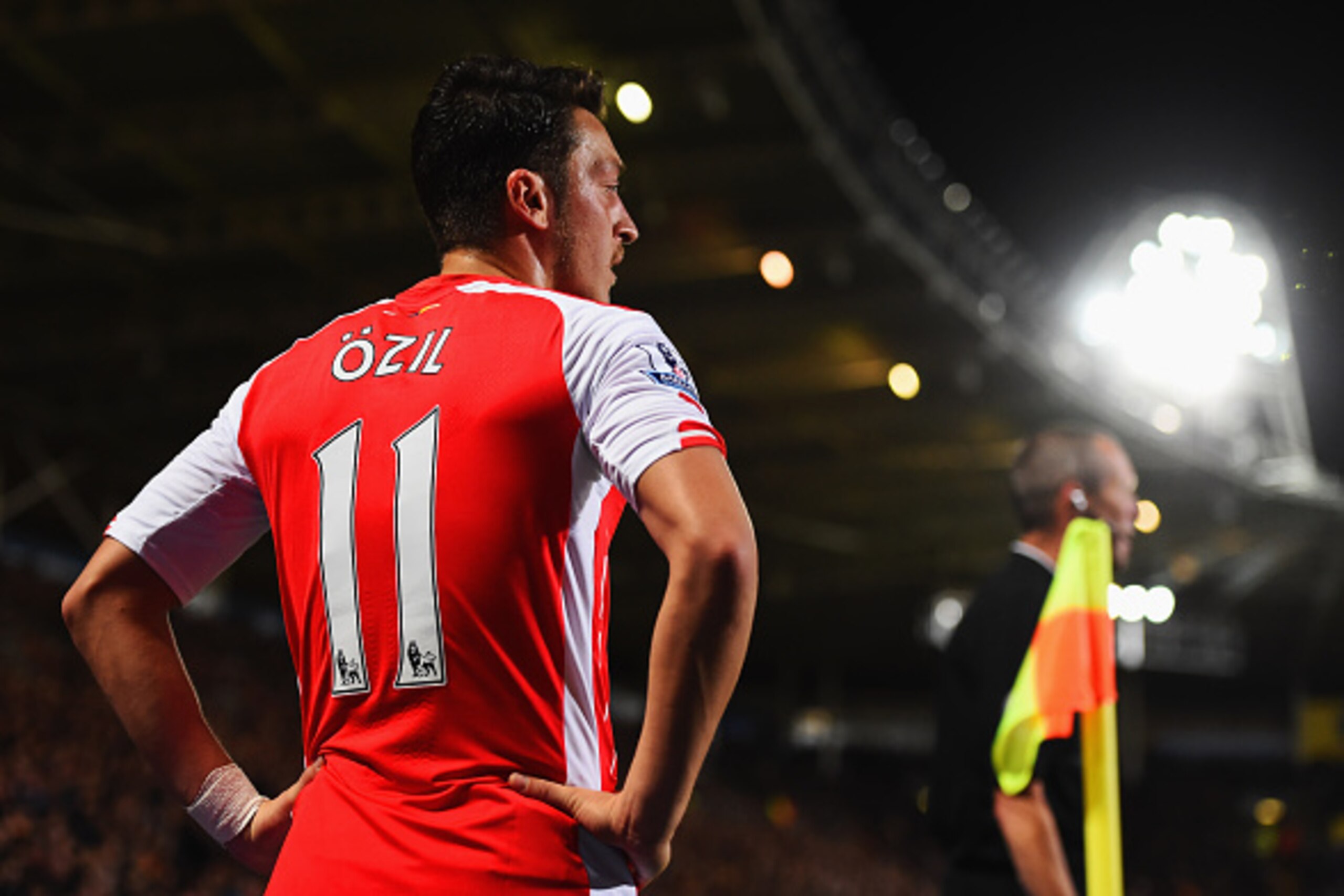
Juventus' interest in Ozil is warranted and generally unsurprising.
Were the Gunners' playmaker in his early-to-mid 30s, the transfer might appear logical, but entering his prime (and now accustomed to the EPL), £28.8 million seems rather disrespectful to both Ozil's talent and Arsenal Football Club's sensibility.
*Stats via WhoScored.com; transfer fees via Soccerbase where not noted.
.jpg?w=2560 "49ers Giants Football")


.jpg?w=2560 "Ertz Returning to Eagles")
.jpg?w=2560 "WWE Raw Live Grades 🔠")
.jpg?w=2560 "Dak Addresses 'Dumb' Old Romo Tweet 🤣")


.jpg?w=2560 "Follow Raw As It Happens 👊")