
Great guard play is a must for any team trying to accomplish much of anything in the men's NCAA tournament, but don't ever downplay the role that an X-factor of a big man can play in a deep run in the big dance.
In looking to identify the frontcourt features who could make a big impact in the tournament, we're not necessarily just searching for 7-footers with three-point range. It's more a question of who has the skill to just take over a game at a moment's notice, but in an under-the-radar sort of way?
We'll start out with a few very much not under-the-radar big men and also highlight a few dominant big men from smaller schools before diving into our X-factors.
Stars You Already Know About
1 of 10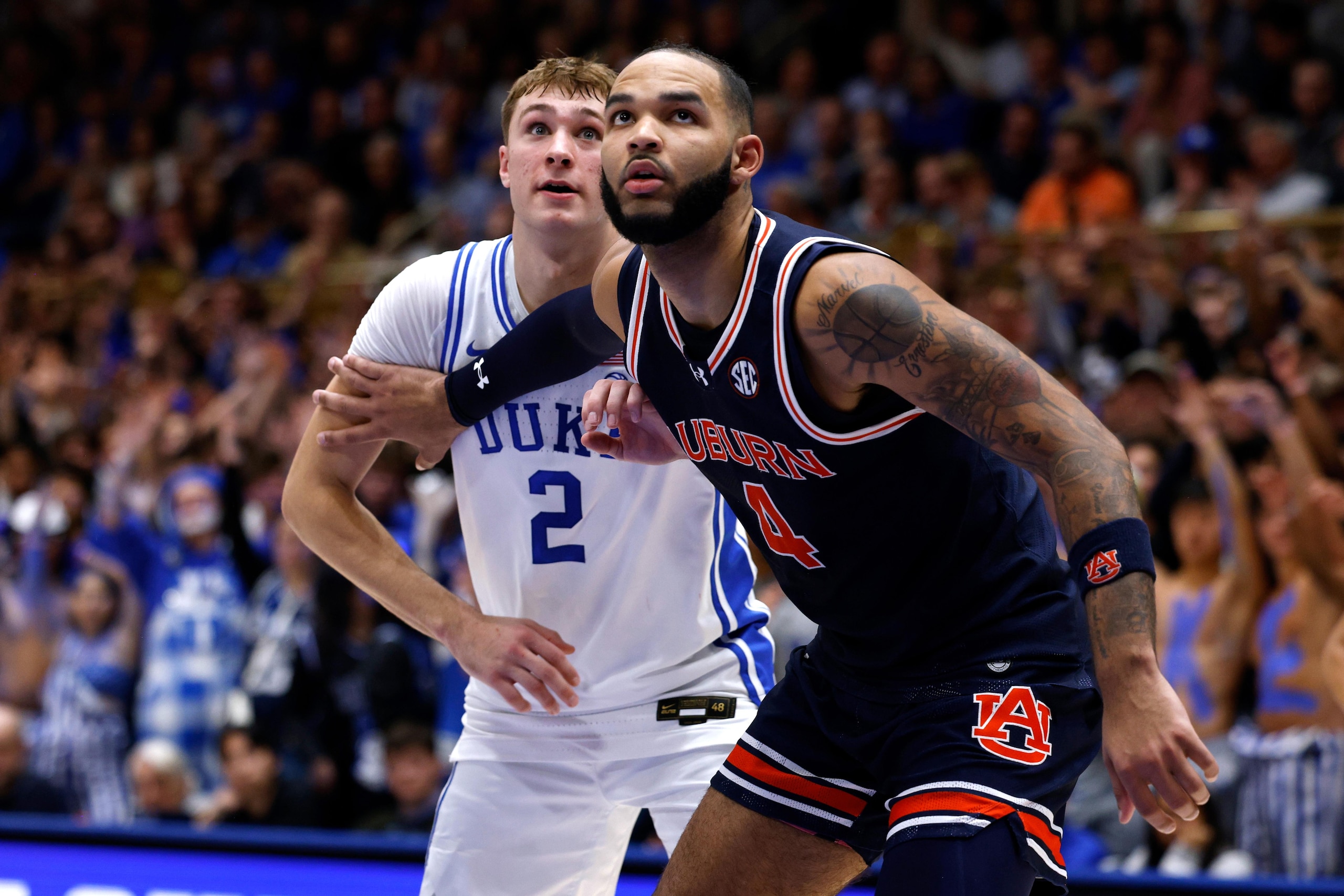
Frankly, you should already know about most of our X-factor big men, as six of the eight play for major-conference programs.
But you definitely know about these guys, as there's a fine line between being really good for Clemson or Mississippi State and being the center of attention (no pun intended) for Duke or Kansas.
These six big men could (and really should) be difference-makers in the NCAA tournament, but they aren't X-factors. They simply are the factors.
Johni Broome, Auburn
18.1 PPG, 10.9 RPG, 3.4 APG, 2.7 BPG, 30% 3PT
Cooper Flagg, Duke
19.8 PPG, 7.5 RPG, 4.0 APG, 1.6 SPG, 1.2 BPG, 38% 3PT
The co-favorites for National Player of the Year on what should be the No. 1 and No. 2 overall seeds in the dance. When they squared off in the ACC/SEC challenge, they combined for 42 points, 23 rebounds, seven assists, three blocks and three steals. And Flagg was still finding his footing back in early December. One more matchup in early April, please and thanks.
Hunter Dickinson, Kansas
16.4 PPG, 9.5 RPG, 2.2 APG, 1.5 BPG, 1.0 SPG
Even in losing efforts, Dickinson usually brings the thunder, a six-point dud at Iowa State the lone exception thus far in 2025. (See: 21 points, nine rebounds and four assists in the recent loss to Kansas State.) The question for the Jayhawks is whether anyone else is going to show up in a given game.
Ryan Kalkbrenner, Creighton
19.0 PPG, 8.5 RPG, 2.8 BPG, 1.5 APG, 42% 3PT
The season averages are impressive enough, but Kalkbrenner was on another level during Creighton's recent nine-game winning streak, averaging 22.6 points and 3.2 rebounds and shooting 10-for-22 from three-point range. If he and fellow fifth-year senior Steven Ashworth get into a groove in March, look out.
Ace Bailey, Rutgers
19.1 PPG, 7.6 RPG, 1.3 BPG, 1.2 APG, 1.0 SPG, 38% 3PT
Eric Dixon, Villanova
23.2 PPG, 5.3 RPG, 2.2 APG, 42% 3PT
Exceptionally skilled bucket-getting power forwards with plenty of range. Could be candidates to go for 40 points in an NCAA tournament game and would be more legitimately in the mix for National Player of the Year...if only their teams didn't already have double-digit losses and minimal hope of an at-large bid.
Small-School Phenoms No Foe Wants to See in the Dance
2 of 10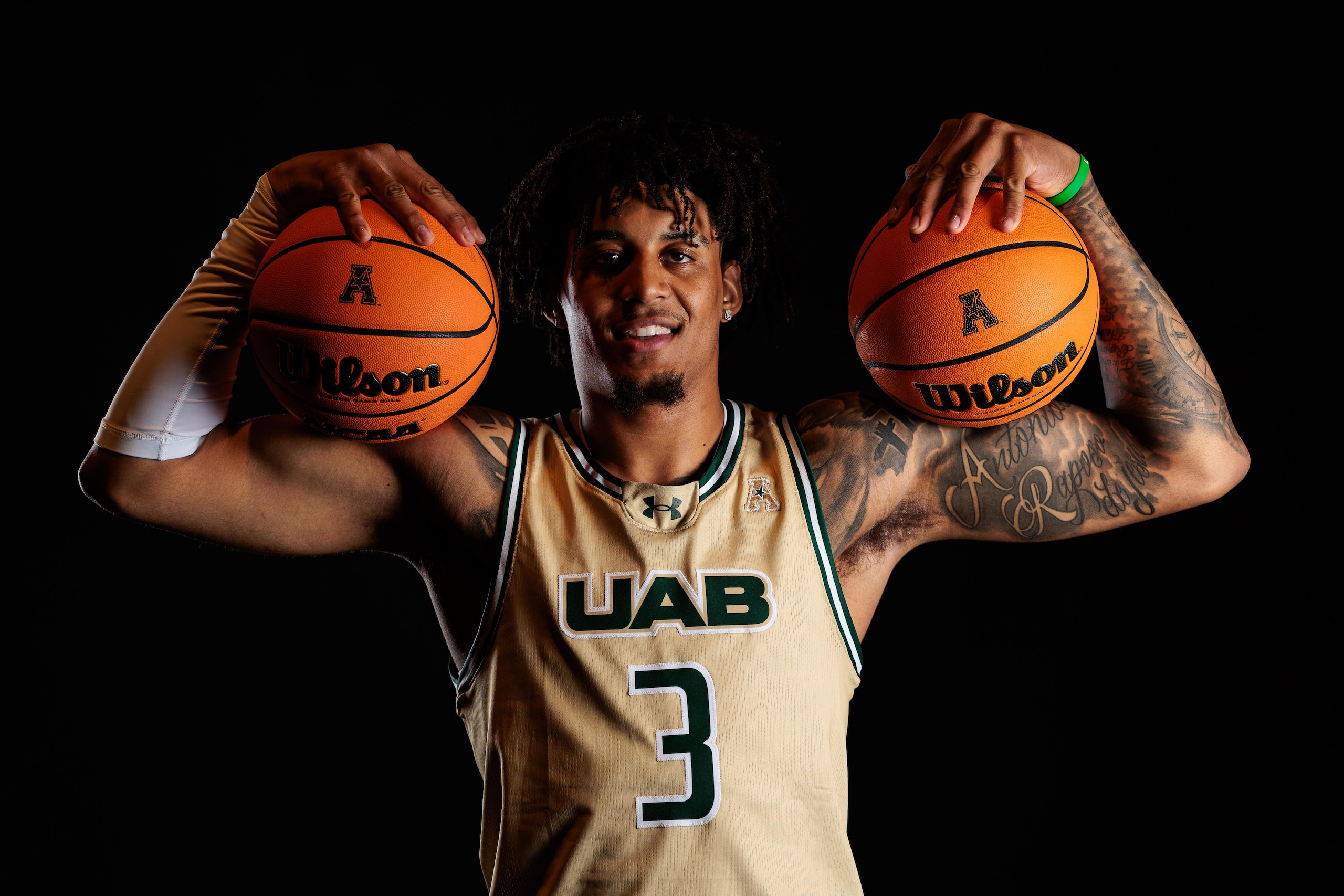
Like the previous bunch, these five big men aren't X-factors so much as they are the obvious main player their team will be leaning on should they make the NCAA tournament.
Add that to the fact that none of these teams has any real case for an at-large bid and it just feels like they should be grouped together as honorable mentions who you are definitely going to want to know about should any of these teams earn their league's automatic bid.
Yaxel Lendeborg, UAB
17.8 PPG, 10.5 RPG, 4.3 APG, 1.7 BPG, 1.6 SPG, 33% 3PT
Lendeborg has 16 double-doubles thus far this season, but it's everything else he does that makes him one of the best bigs in the nation. In January alone, UAB's 6'9" leader averaged 19.9 points, 11.3 rebounds, 6.0 assists and 2.3 blocks. He got shut down by San Diego State in last year's dance, but he could be the driving force of an upset if UAB finds its way into the dance.
Oscar Cluff, South Dakota State
17.3 PPG, 12.5 RPG, 2.9 APG
Remember when the Jackrabbits had Mike Daum? Cluff isn't quite that, as he rarely shoots threes. However, this Washington State transfer is twice the passer Daum ever was and even more of a rebounding machine. SDSU has taken some lumps in Summit League play, but might still be the pick to secure the auto bid behind the strength of Cluff.
Noah Williamson, Bucknell
16.9 PPG, 7.5 RPG, 1.4 APG, 1.1 BPG, 33% 3PT
Another star big man at a school that had one of those not that long ago, Williamson is more of a three-point weapon, less of a shot-blocking force than Mike Muscala was at Bucknell a little over a decade ago. Maybe he can deliver the Bison the NCAA tournament win that Muscala never did.
Daniel Batcho, Louisiana Tech
17.9 PPG, 6.7 RPG, 2.2 BPG
Texas Tech fans will remember this name, but rest assured he is more of a force than he was during his days in Lubbock. Batcho's rate of points per 40 minutes is more than double what it was for his two seasons with the Red Raiders. He went for 24 points, 12 rebounds and three blocks in a key win over Liberty last month.
Jaden Seymour, East Tennessee State
17.0 PPG, 7.1 RPG, 2.3 APG, 1.2 BPG, 33% 3PT
Seymour had one triple-double against VMI (18 points, 10 rebounds, 10 assists) and a near triple-double against Queens (13 points, 11 rebounds, seven assists). He also put up 34 points and 13 rebounds in a win over Western Carolina last month. He gets to the free-throw line a ton, and could be a difference-maker in a physical affair.
8. Magoon Gwath, San Diego State
3 of 10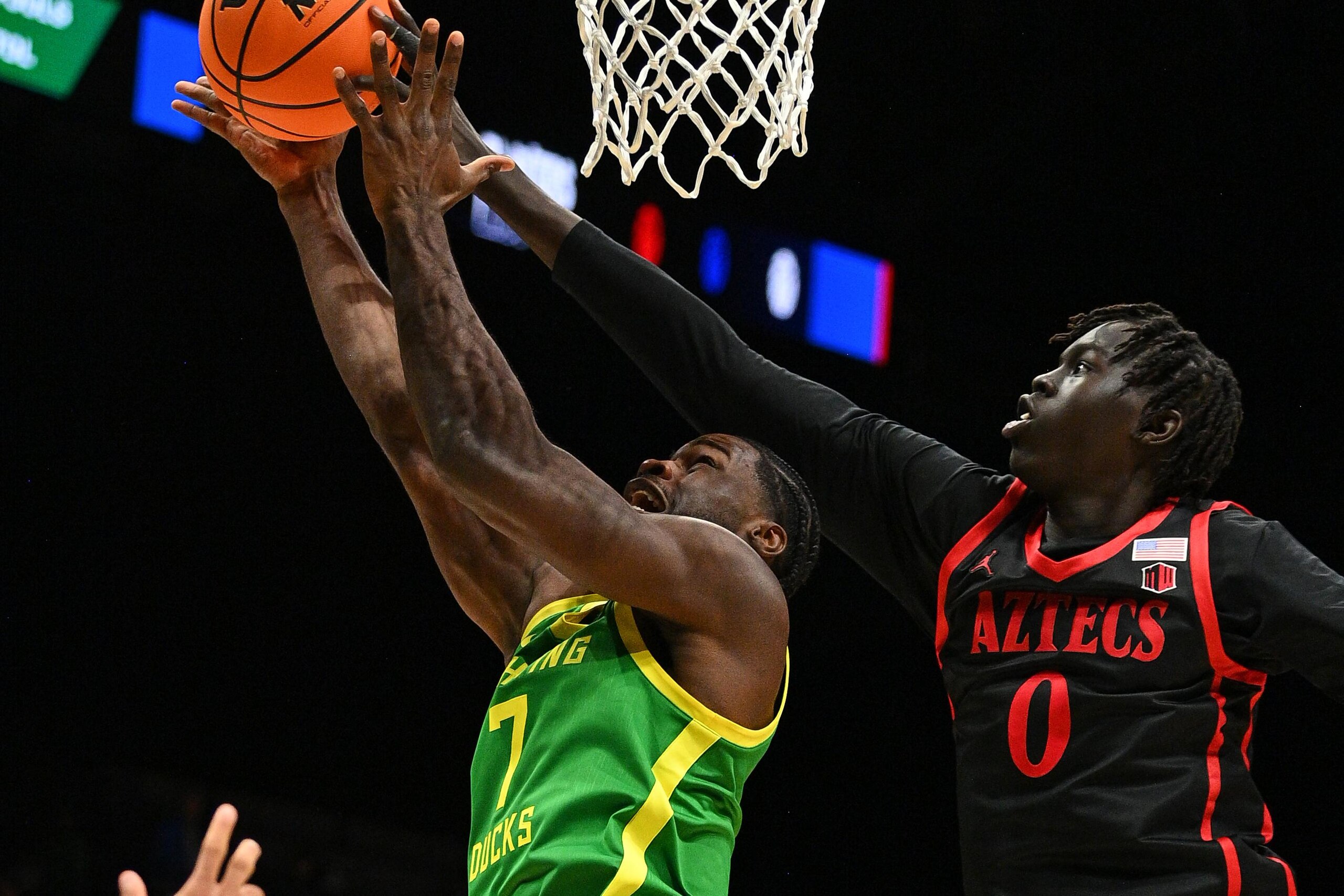
Season Stats: 8.6 PPG, 5.4 RPG, 2.7 BPG, 34% 3PT
Don't look now, but this shot-blocking freshman for the Aztecs is blossoming into a star, pretty much overnight.
Magoon Gwath did go off for 25 points, 10 rebounds and four blocks in an early December rout of Fresno State, but he was mostly a tertiary character for San Diego State through his first 17 games, merely averaging 6.8 points and 4.3 rebounds per game.
In games Nos. 18-20, however, Gwath averaged 17.7 points and 10.3 rebounds, including shooting 5-for-12 from three-point range. He was the KenPom game MVP of all three games.
Not exactly meaningless contributions in blowouts, either. The Aztecs had to rally from significant deficits in the final 10 minutes of games against San Jose State and Wyoming, needing everything Gwath could give them with fellow big man Jared Coleman-Jones sidelined by a shoulder injury for both games.
Elite rim protection is nothing new for SDSU, but it usually comes from a big man who is an afterthought on offense and most certainly not a perimeter weapon. But the Aztecs have something fun brewing in Gwath and become a much more legitimate threat to make another deep tournament run if he continues to shine.
7. Flory Bidunga, Kansas
4 of 10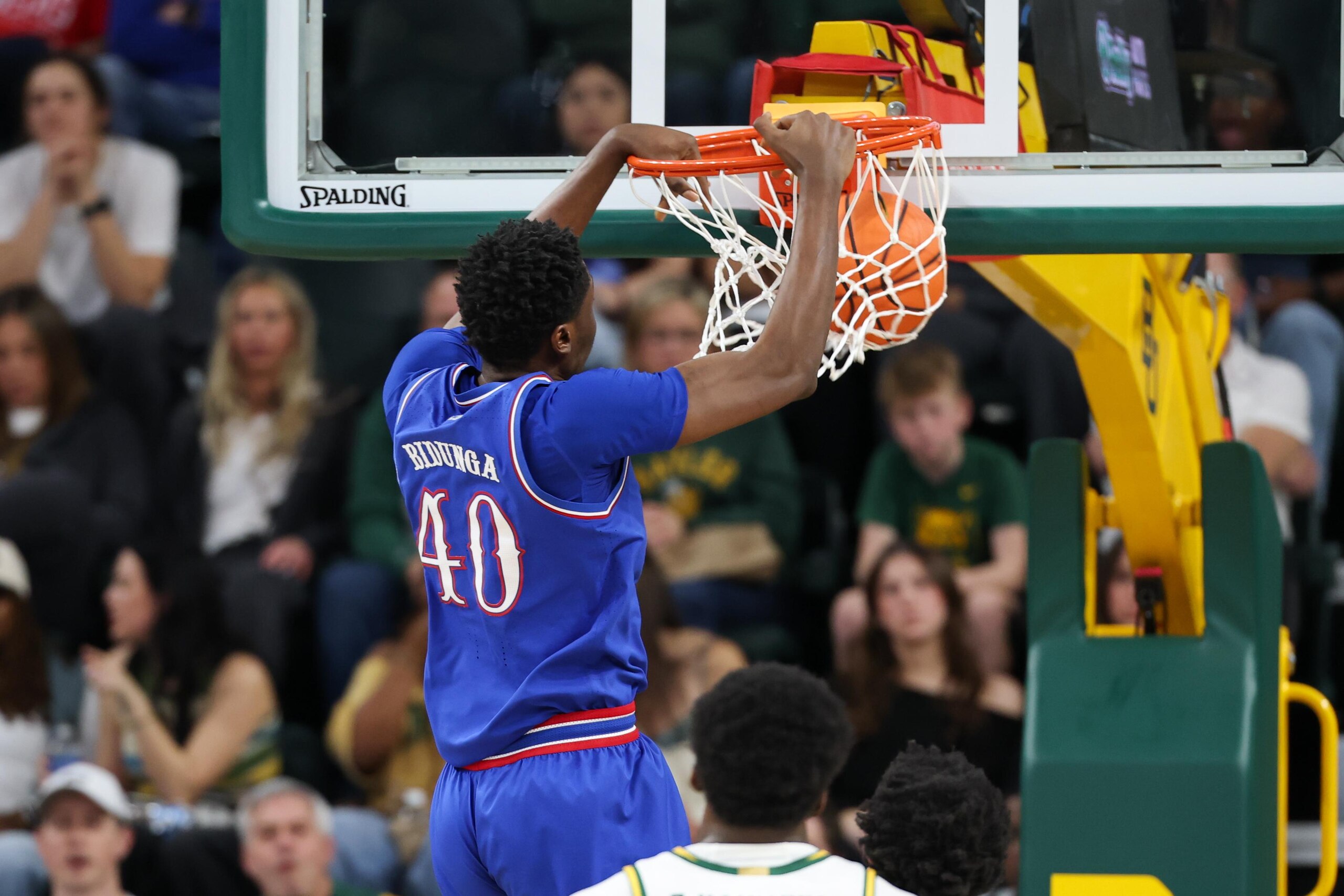
Season Stats: 6.7 PPG, 5.4 RPG, 1.6 BPG
Kansas fans know damn well just how valuable Flory Bidunga is, begging Bill Self to play him more than the 15 or so minutes per game that he gets off the bench.
Among Jayhawks who have played at least 10 minutes this season, he leads the team in Win Shares per 40 minutes and rates only slightly behind Hunter Dickinson in both Player Efficiency Rating and Box Plus/Minus, all those advanced, value-added stats per Sports Reference.
Couple that with KJ Adams' struggles/reluctance to play a more assertive role in this offense and it sure feels like more Bidunga could solve some of Kansas' eight-loss woes.
For however many minutes he gets, though, Bidunga is a spark plug, constantly looking for alley-oops and soul-crushing rejections, as well as crashing the glass with reckless abandon.
His "hair on fire" style does result in more than his fair share of personal fouls, which is likely part of Self's motivation to keep his minutes to a minimum. But when he was set loose against Houston (with Adams sidelined by a shoulder injury), this freshman played 36 minutes with 19 points, seven rebounds and two assists.
That game was sandwiched between double-doubles against TCU and UCF, in which Bidunga had a combined total of nine blocks.
He could definitely take over a tournament game or two for the Jayhawks—if Self lets him.
6. Tarris Reed Jr., Connecticut
5 of 10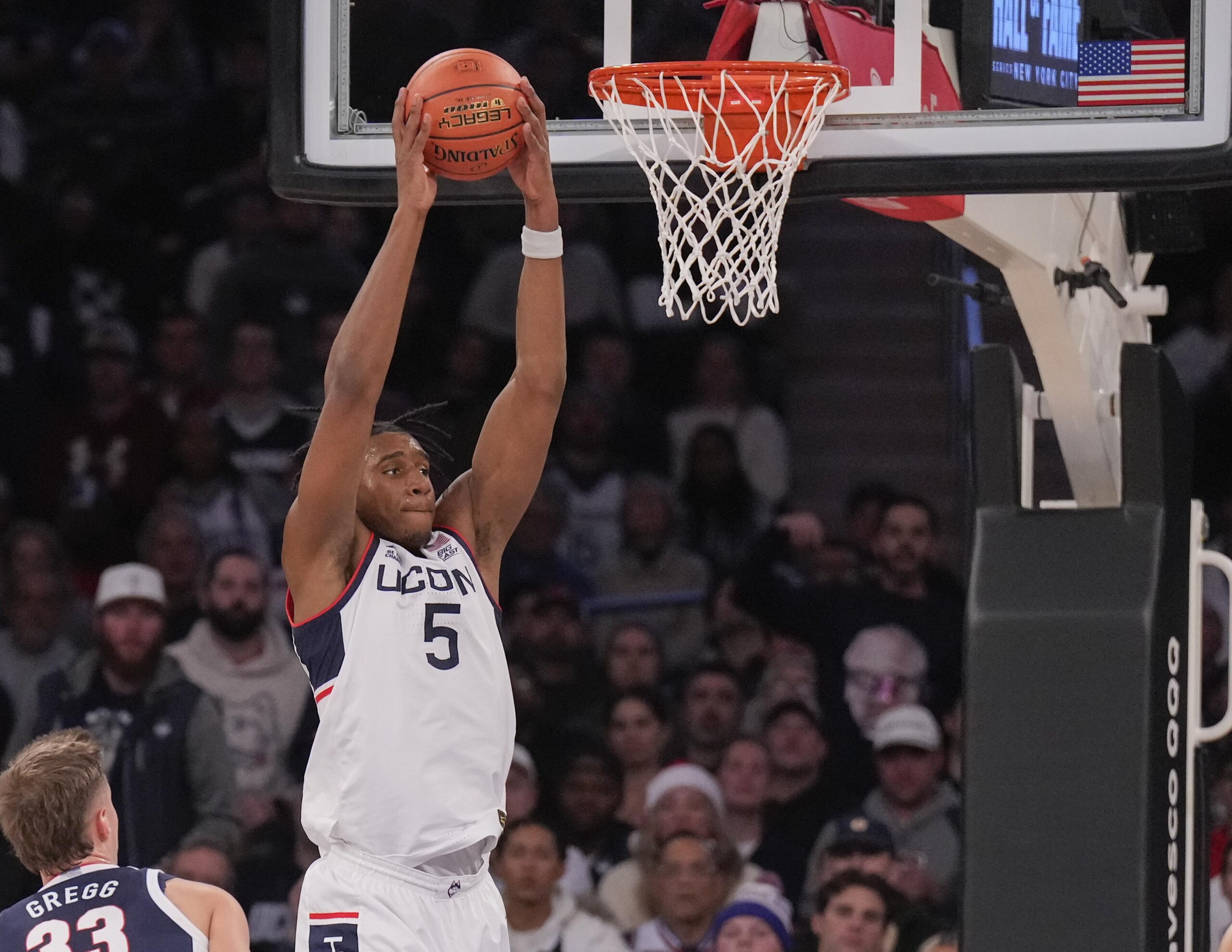
Season Stats: 9.0 PPG, 6.8 RPG, 1.6 BPG
Tarris Reed Jr. and Samson Johnson pretty much split Connecticut's center gig 50/50, with Johnson starting every game except for the Big East opener against Xavier which he missed.
There's really no question, though, that Reed is the more impactful of the Huskies big men.
On both ends of the floor, he's one of the best rebounders in the nation, ranking top 30 on KenPom in both OR% and DR%. He's also comfortably top 50 in block percentage and makes 65 percent of his two-point attempts.
Put it this way: It's certainly not Reed's fault that UConn lost that game against St. John's two weeks ago, going for 12 points, 15 rebounds and three blocks in 32 minutes played—forced into extra action by Johnson committing four fouls in his eight minutes.
(They probably wouldn't have lost the overtime game against Seton Hall if he had played more than nine minutes in that one.)
Aside from the game against the Johnnies, the only other time this season that Reed played at least 30 minutes was the aforementioned one that Johnson missed. He went for 20 and 13 with four blocks, two assists and two steals in that one.
Similar to Flory Bidunga at Kansas, Reed does routinely battle foul trouble. He has been DQ'd three times this season and committed at least three fouls on 16 occasions. That's a lot for someone barely playing 20 minutes per game.
That's also probably somewhat by design, though, both he and Johnson encouraged to go all out for loose balls and block attempts, knowing they have 10 fouls to use between them. Reed is simply better at it.
5. Bent Leuchten, UC Irvine
6 of 10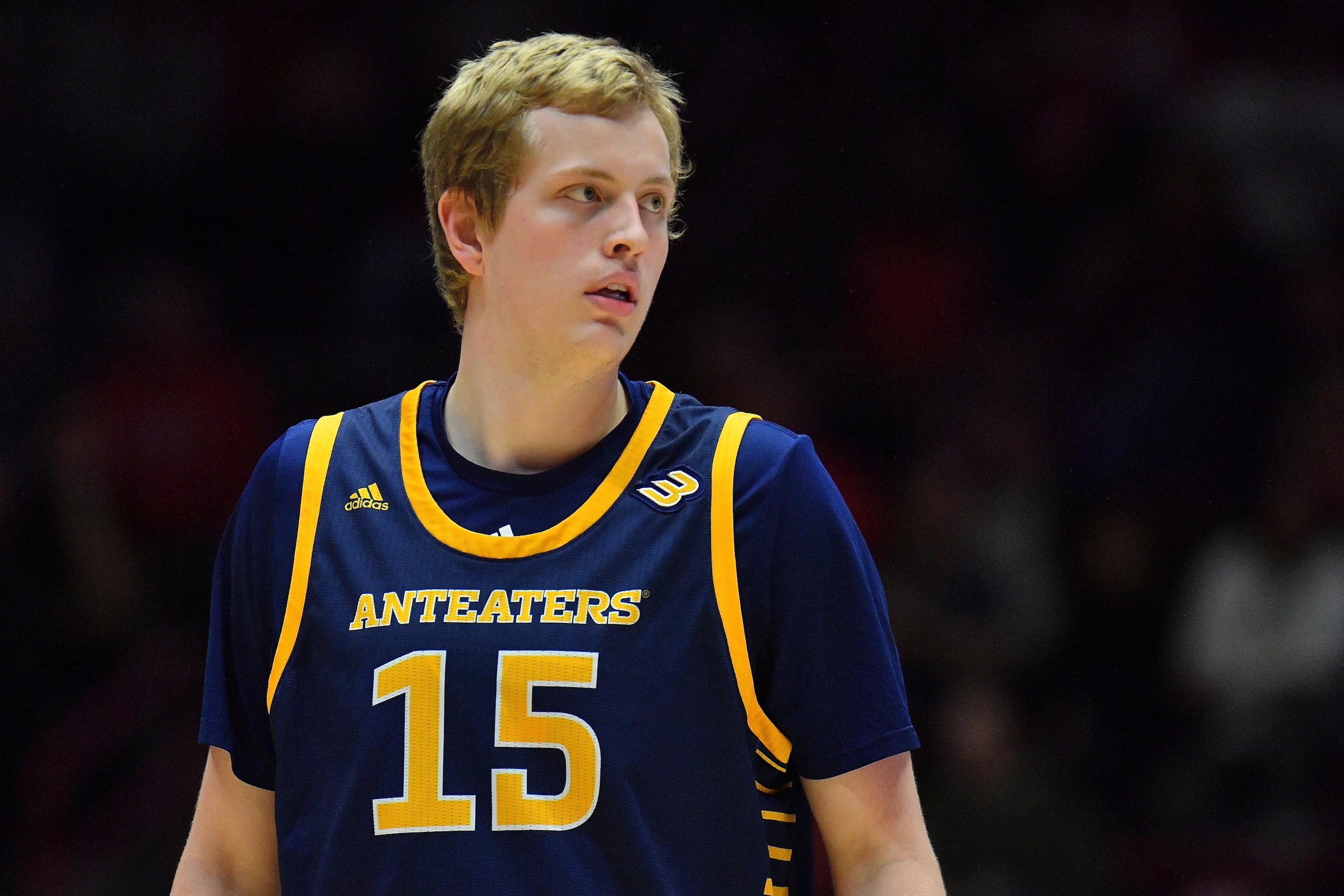
Season Stats: 15.6 PPG, 8.9 RPG, 1.8 APG, 1.2 BPG, 52% 3PT
We could have tossed Bent Leuchten into the "small-school phenoms" section and called it a day, but that would be a disservice to UC Irvine's very real at-large potential.
The Anteaters mostly have Leuchten to thank for that possibility.
In their five biggest wins of the season—at Loyola Marymount, at Northern Iowa, at Belmont, at UC San Diego and at Cal St. Northridge—their 7'1" center averaged 18.4 points and 11.8 rebounds, doing a lot of his damage from the free-throw line, where he is uncommonly lethal for a big man.
In addition to going 15-for-29 from three-point range on the year, Leuchten is an 83 percent free-throw shooter who averages about seven attempts per game.
That's not exactly senior-year Zach Edey territory (11.2 FTA/G), but it's a lot. He's top 10 in the nation in made free throws, with no one taller than 6'6" ahead of him on that list. And his combination of physicality and seeking out contact could be a real problem for a team that doesn't have a ton of frontcourt depth.
He's also a force on the other end of the floor, where UCI boasts one of the most efficient defenses in the country. And while he can get you into foul trouble, good luck getting him into it. Leuchten has been whistled for two or fewer fouls in all but three games this season, only committing three in each of the exceptions to that rule.
4. Cameron Matthews, Mississippi State
7 of 10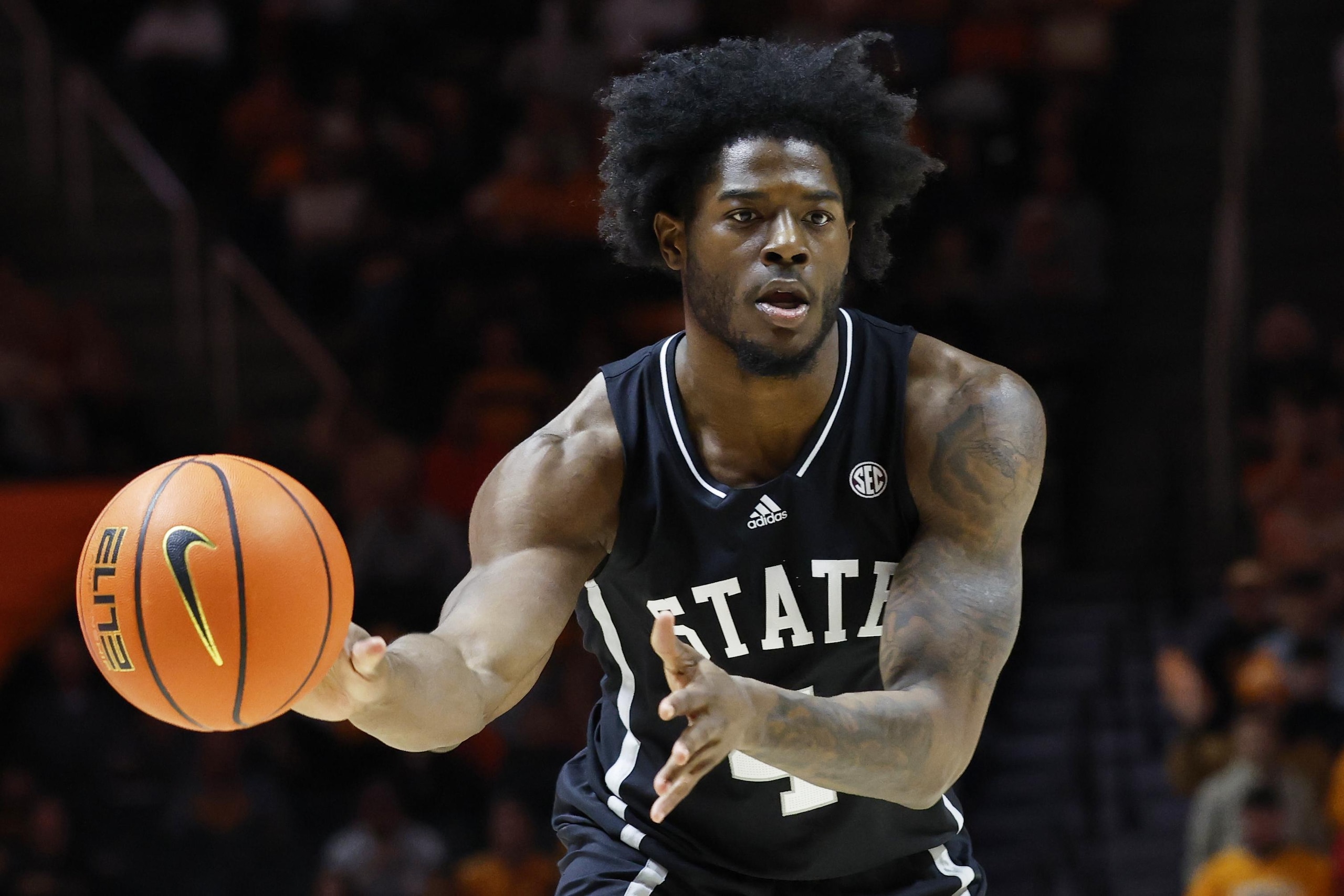
Season Stats: 7.3 PPG, 6.8 RPG, 4.0 APG, 2.5 SPG
At 6'7" and 235 lbs., Cameron Matthews is much more of a Charles Barkley-sized big man than a Shaquille O'Neal-sized big man.
Nevertheless, this power forward is a glue-guy extraordinaire who is even stickier than when he appeared on this list one year ago.
Back then, he was Mississippi State's third-leading scorer at 9.3 points per game. He also wasn't as much of a passer (2.9 APG) nor quite as prolific on the turnover-forcing front (2.2 SPG).
Now, he's as unselfish as they come, ranking sixth among Bulldogs in scoring, second in rebounds, first in assists and first in the SEC in steals.
It's the latter part that makes Matthews such an X-factor, perpetually ready to jump passing lanes or poke the ball away from a loose-handed frontcourt player. He has tallied multiple steals in 20 of 25 games played.
Part of the X-factor, too, is his own giveaways. Matthews committed eight turnovers in the close call against South Carolina a few weeks ago, that ending a seven-game stretch in which he had 30 turnovers. He had nine more turnovers this week against Florida and Ole Miss.
Matthews giveth and Matthews taketh away. Let's see which he does more of for Miss State in the dance.
3. Ian Schieffelin, Clemson
8 of 10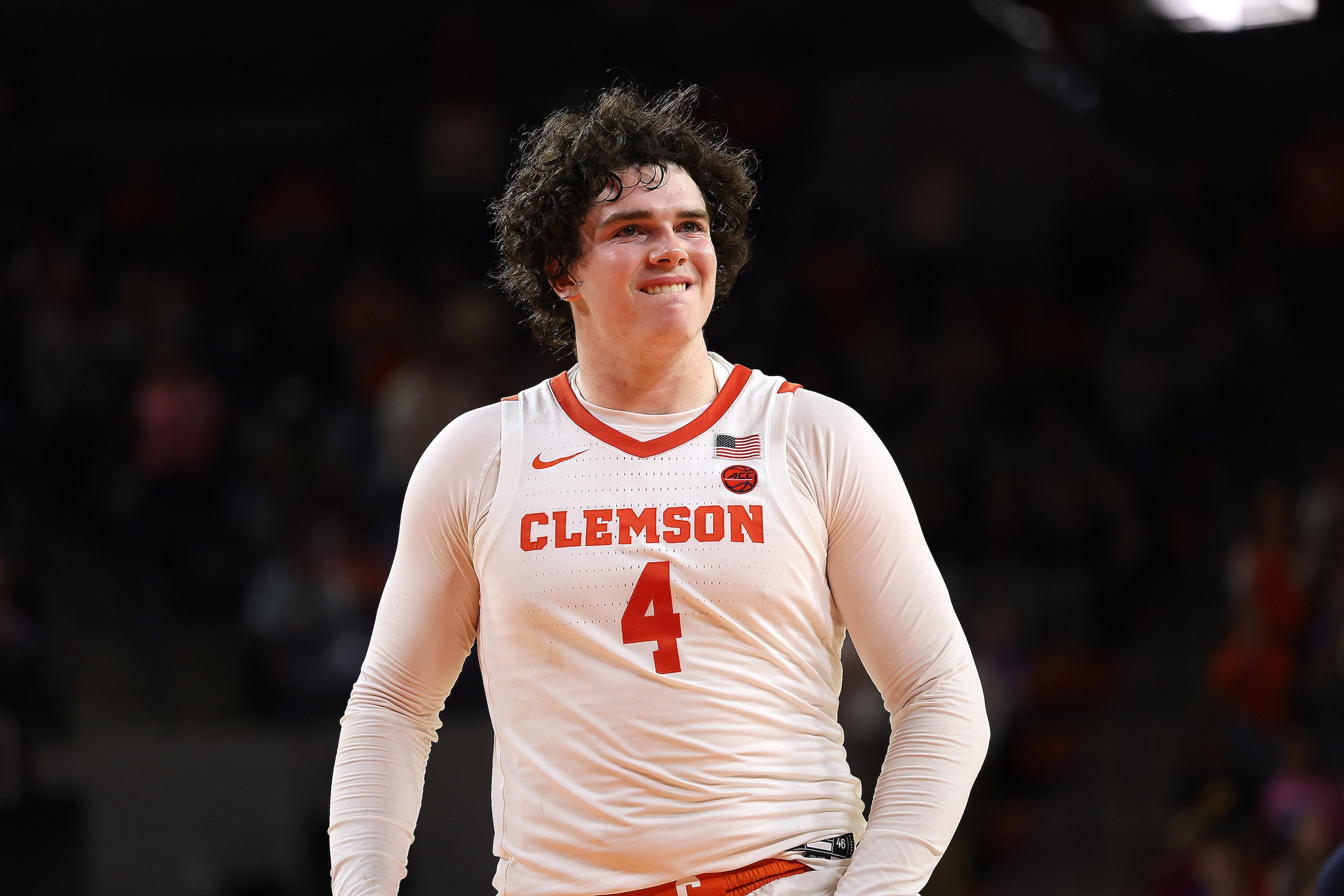
Season Stats: 12.5 PPG, 9.6 RPG, 3.0 APG, 35% 3PT
Before the NCAA tournament begins, we'll need to clear up whether he's "The Chef" or "The Schieff" here, just to make sure we're all spelling the nickname correctly when Ian Schieffelin starts cooking again.
You might remember Ian Schieffelin from last year's dance. As Clemson crashed the Elite Eight, he was the 6'8" Tiger diving all over the place, scoring in double figures in each of their four tournament games en route to posting a pair of double-doubles.
Well, not much has changed, aside from an uptick in playing time.
His style of play remains a combination of maniacal and cerebral, having a knack for knowing where rebounds will go, but also the hustle to correct his error if he misreads the shot's trajectory.
In the marquee win over Kentucky in early December, Schieffelin pulled down 20 rebounds to go along with 11 points and four assists. And in the upset of Duke earlier this month, he had another double-double (12 points, 10 rebounds).
Cooper Flagg is going to be named ACC Player of the Year, but the Chef/Schieff might be the second most important player in the conference. His Energizer Bunny motor could be what carries Clemson to another March Madness run.
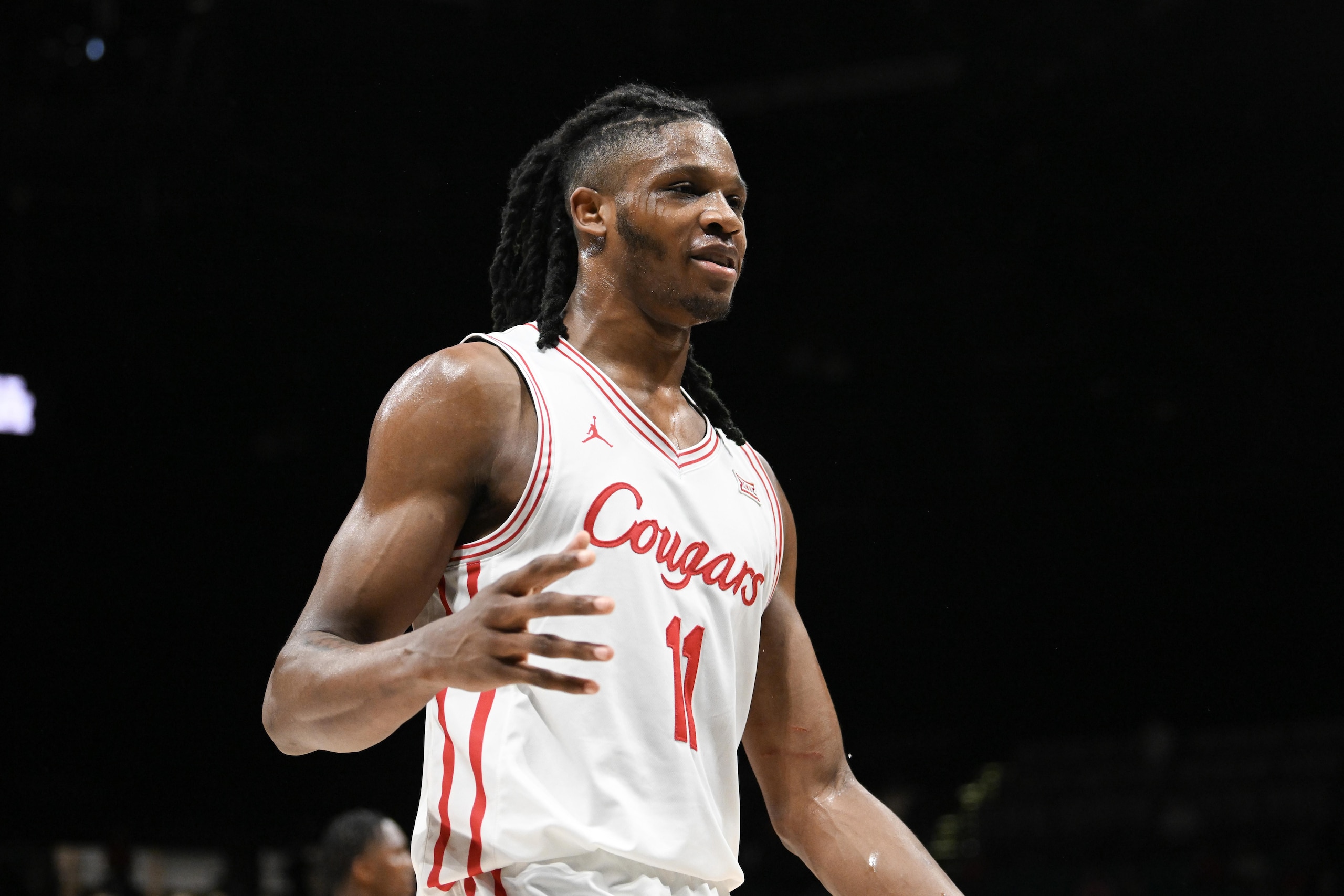
2. Joseph Tugler, Houston
9 of 10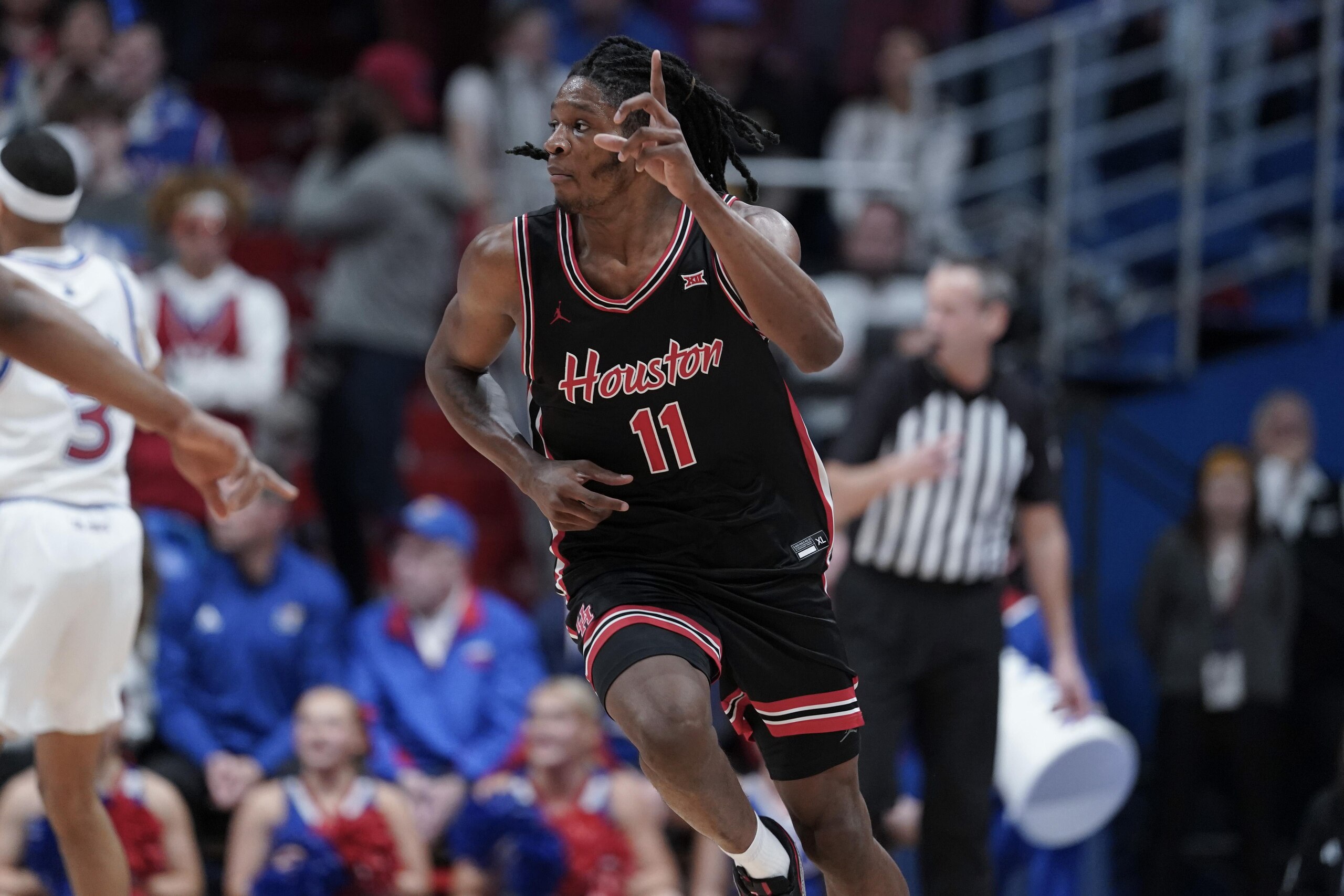
Season Stats: 5.9 PPG, 6.1 RPG, 2.1 BPG
Joseph Tugler doesn't get much national attention because he does very little scoring. In fact, there have been two games this season in which he was held without a single point while logging at least 20 minutes.
In those games, though, he posted a 120 O-rating in the 69-59 win over Colorado and a 152 O-rating in the 70-54 win over West Virginia, because he still crashed the glass (10 offensive rebounds between the two games) while also playing the best defense in the country.
That's not hyperbole, either. Sports Reference Defensive Rating puts Tugler at No. 1 in the country, a good distance ahead of Cooper Flagg at No. 2.
Tugler is also No. 4 in the nation in block percentage, per KenPom, and his presence in the paint often deters opposing guards from even trying to drive to the rim in the first place.
And, you know, he can score. Tugler has been in double figures five times this season and even drained a few three-pointers back in November.
The Cougars can win without him taking a single shot, though, because he impacts the game in so many other ways while on the floor.
1. Danny Wolf and Vladislav Goldin, Michigan
10 of 10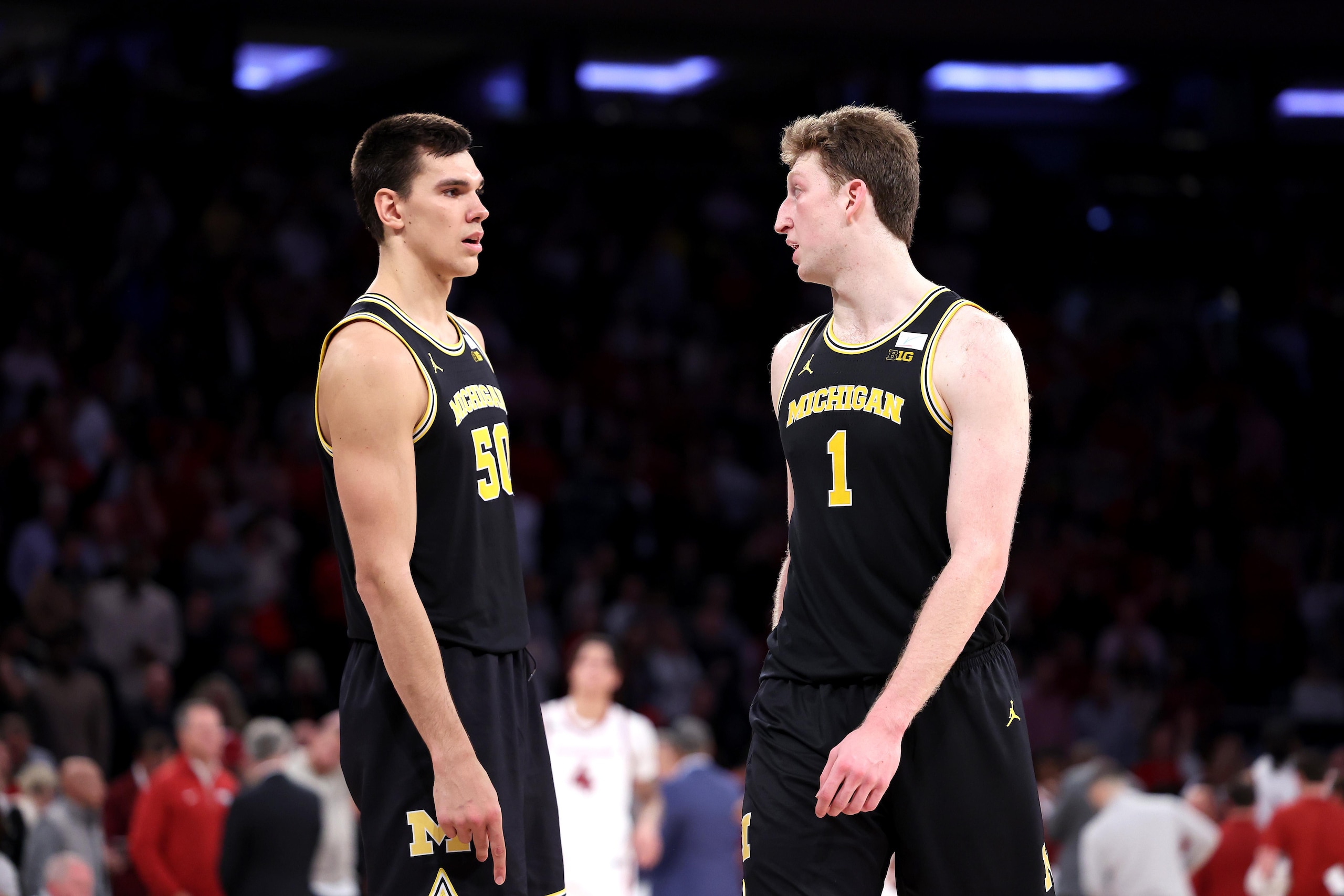
Wolf's Season Stats: 12.8 PPG, 10.0 RPG, 3.6 APG, 1.6 BPG, 37% 3PT
Goldin's Season Stats: 15.5 PPG, 6.0 RPG, 1.5 BPG, 1.2 APG, 47% 3PT
Move over, dual combo guard backcourt.
It's time for the dual combo center frontcourt to shine.
Of Michigan's two giants, Danny Wolf is definitely the bigger individual X-factor. It's not the least bit uncommon to see the 7'0" Wolf doing his darnedest impersonation of a 5'9" point guard, dribbling between his legs at the top of the key while trying to decide whether to drive, dish or just tee one up from distance.
But it's when his 7'1" partner in crime comes up and sets a ball screen that this becomes an X-factor that few teams are equipped to handle.
Vlad Goldin doesn't shoot a ton from the perimeter, but at 9-for-19 for the season, it's just enough that you simply must respect the pick-and-pop.
But if it's a pick-and-roll and you've got two big men barreling down the lane, that might be even more unguardable.
The saving grace for opposing teams is the big bad Wolverines are a bit sloppy with the ball. Wolf has 86 assists on the year, but with 82 turnovers. Goldin also averages more than two giveaways per game in what is easily Michigan's biggest Achilles' heel.
Michigan has won four games this season with a negative-10 (or worse) turnover margin, though, as the Wolf/Goldin tandem is so hard to stop when it isn't making mistakes.
.jpg?w=2560 "Myles Garrett Got Warning 👀")
.jpg?w=2560 "Caleb Williams Starting Sunday")
