Austrian Grand Prix 2015 Preview: Start Time, TV Times, Weather, Schedule, Odds
After a less-than-thrilling outing in Montreal, Formula One returns to Europe for the 2015 Austrian Grand Prix. Held at the beautiful and simple Red Bull Ring, the race will be the eighth round of the season.
Last year's event was the first at the Spielberg venue since 2003; the coming race will be the ninth at this cut-down incarnation of the legendary Osterreichring and the 28th Austrian Grand Prix to form a part of the world championship.
Nico Rosberg is the only current driver to have won at this venue, while Felipe Massa is the sole active competitor to have started a race here from pole position.
It was a tight Mercedes-versus-Williams affair in 2014, but this year's grand prix looks more likely to be a straight duel between the two Silver Arrows.
However, Sebastian Vettel looked very quick in Canada; there's at least a chance that he and Ferrari team-mate Kimi Raikkonen could make this a four-way fight.
Read on for a full preview of the weekend ahead including a circuit map and detailed guide, TV times, session times, tyre and DRS information, current standings, weather and odds.
Current Standings
1 of 6
Lewis Hamilton's lead is up to 17 points following his victory in Montreal. Nico Rosberg remains second with Sebastian Vettel third.
The current top 10 are:
| 1 | Lewis Hamilton | 151 |
| 2 | Nico Rosberg | 134 |
| 3 | Sebastian Vettel | 108 |
| 4 | Kimi Raikkonen | 72 |
| 5 | Valtteri Bottas | 57 |
| 6 | Felipe Massa | 47 |
| 7 | Daniel Ricciardo | 35 |
| 8 | Daniil Kvyat | 19 |
| 9 | Romain Grosjean | 17 |
| 10 | Felipe Nasr | 16 |
In the constructors' championship, Mercedes continue their relentless march toward a second consecutive title. Their lead over Ferrari stands at more than 100 points for the first time this year.
Williams are also extending their lead over their nearest challengers, Red Bull. The Austrian team have fewer than half the points they had at this stage in 2014.
The nine teams with at least one point are:
| 1 | Mercedes | 285 |
| 2 | Ferrari | 180 |
| 3 | Williams | 104 |
| 4 | Red Bull | 54 |
| 5 | Lotus | 23 |
| 6 | Sauber | 21 |
| 7 | Force India | 21 |
| 8 | Toro Rosso | 15 |
| 9 | McLaren | 4 |
Data sourced from the official F1 website.
Red Bull Ring Circuit Guide
2 of 6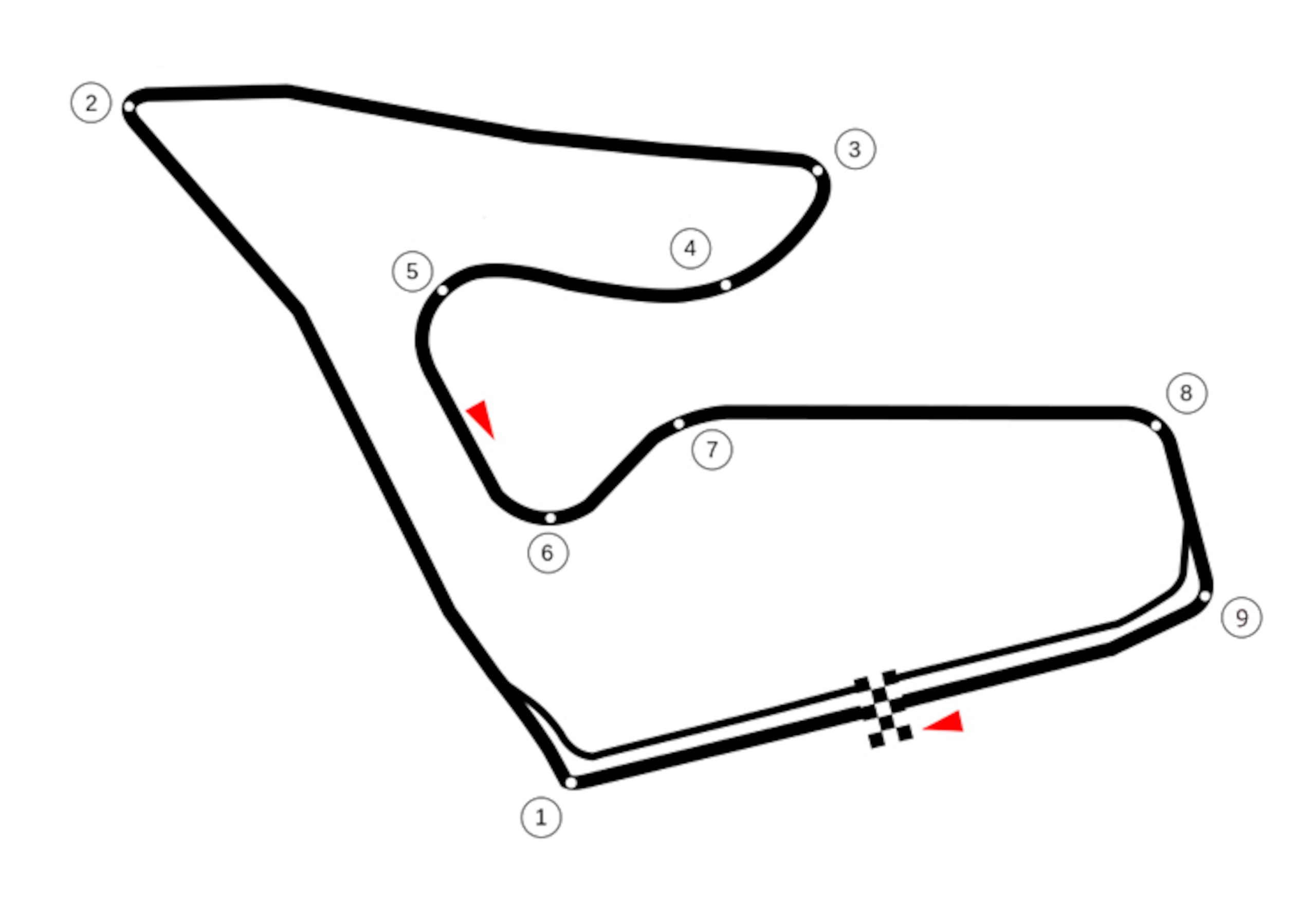
The Red Bull Ring is located close to the eastern edge of the Austrian Alps. The surrounding mountains and significant elevation changes make it one of the most attractive venues Formula One visits; even the TV audience is provided with views that show off its beauty.
The circuit is one of the shortest on the current calendar and has the fewest corners of any modern track. But each turn comes with its own unique challenge, and in the case of this circuit, less is definitely more.
Fewer corners theoretically means closer racing, and many laps—71 of them—equals more trips through the best overtaking zones.
Turn 1
A lap begins on the pit straight with a fairly short run uphill to Turn 1. This right-hander looks tight and slow but is deceptively quick—the pleasant run-off area on the outside allows the cars to attack the corner at speeds of close to 120 kilometres an hour.
Taking as much kerb as they dare on the exit, the drivers put their foot to the floor and head out onto the circuit's longest straight.
Turn 2
The straight isn't entirely straight—it curves first right, then left, downhill then uphill toward the braking zone of Turn 2. This tight right-hander is the circuit's slowest corner and arguably the best opportunity for overtaking.
However, passing is made slightly harder because the braking zone has a fairly steep uphill slope—with the assistance of gravity, the drivers can slam on the anchors a touch later than they would on a flat or downhill piece of track.
The corner lies on the crest of a hill; as soon as they're through it, the drivers begin to speed downhill again onto a slightly shorter straight.
Turns 3 and 4
At the end of the straight (which again isn't entirely straight) is Turn 3, a very tricky, slow right-hander.
The braking zone for this corner is downhill, so gravity is now working against the car and the drivers need to brake a little earlier than they ordinarily would. They tap the apex at around 100 kilometres an hour before feathering the throttle through the exit as the turn opens out.
It leads straight into Turn 4, a flat-out right-hander that is almost an extension of the previous corner.
Turns 5, 6 and 7
Now into the infield section, the drivers exit Turn 4 and stay to the right-hand side of the circuit before braking and throwing the car into Turn 5.
This difficult medium-speed left-hander—the first left of the lap—requires a committed turn-in and careful throttle-management throughout. Downhill from entry to exit, this is one of the few corners on the lap to give the front tyres a hard time.
The track continues to slope downhill at the exit and into the braking zone of Turn 6, another medium-speed left. Very similar to Turn 5 aside from the elevation changes, the corner leads into the flat-out right-hand kink of Turn 7.
Providing this section was safely navigated, the drivers are done with the infield and head out onto a shorter straight.
Turns 8 and 9
After hitting speeds in excess of 300 kilometres an hour for the fourth time in the lap, the cars approach the tricky right-hander of Turn 8.
Featuring a downhill braking zone, this corner requires the drivers to brake and turn all the way to the apex before immediately getting back on the throttle.
It's easy (and sometimes beneficial) to run wide at the exit—expect a "track limits" edict from the race director and tough penalties for going off the circuit here during qualifying.
Now approaching the end of the lap, the drivers brake again for the final corner—a deceptively quick but tight right-hander. The corner has two parts—the abrupt early apex is followed by a slightly more open exit.
Back onto the pit straight, it's flat-out to the line and the start of another lap.
Pit Lane
The pit lane entry is on the inside between Turns 8 and 9, and the exit is just after Turn 1.
Slide image: Creative Commons.
Tyres and DRS
3 of 6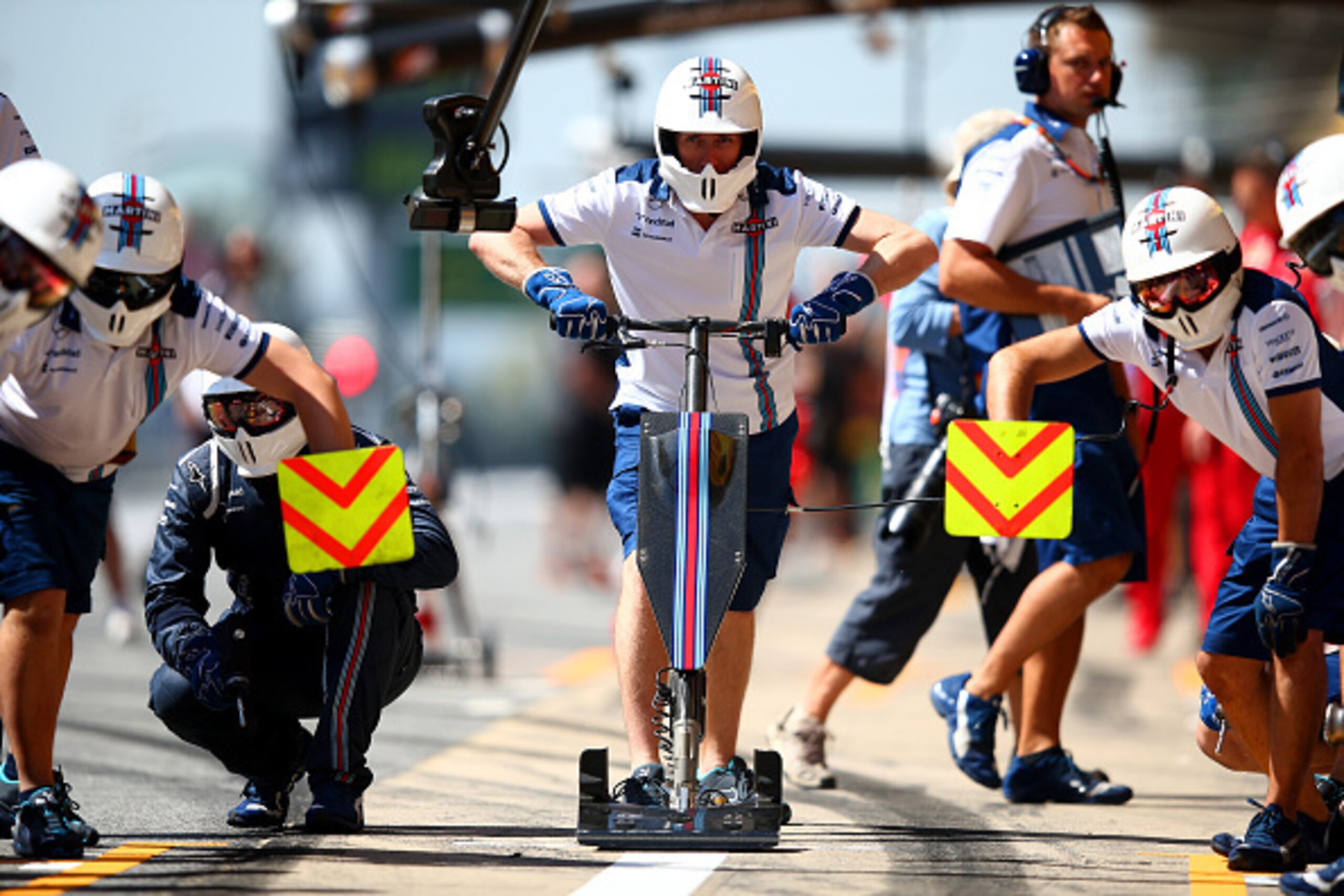
The Red Bull Ring is simple circuit dominated by straights and traction zones. The corners are mostly of the slow variety and the rear tyres take most of the punishment.
Per Pirelli's race preview, the track surface is low grip and relatively non-abrasive. This—along with the relatively benign nature of the corners—makes it a perfect place for the red-marked super-soft and yellow-marked soft compound tyres.
The Italian tyre maker expects a performance gap between the two of less than a second, so the quicker teams should be able to make it through to Q2 without needing to burn a set of the faster compound.
On the strategy side, track temperatures will be key. Warmer weather would see a higher chance of two-stop strategies; cooler conditions would indicate one-stop races for most of the drivers.
DRS Zones
There will be two DRS zones at the Austrian Grand Prix, but unusually neither of them will be on the circuit's longest straight.
The first zone has its detection point just before the kink on the approach to Turn 2. The activation point is shortly after the exit of Turn 2 and the zone runs the length of the straight, ending with braking for Turn 3.
The second zone's detection point is between Turns 8 and 9. The activation line is just after the exit of the final corner and the zone runs the length of the pit straight, ending at Turn 1.

.jpg?w=2560 "Seahawks Chiefs Football")

Weather Forecast
4 of 6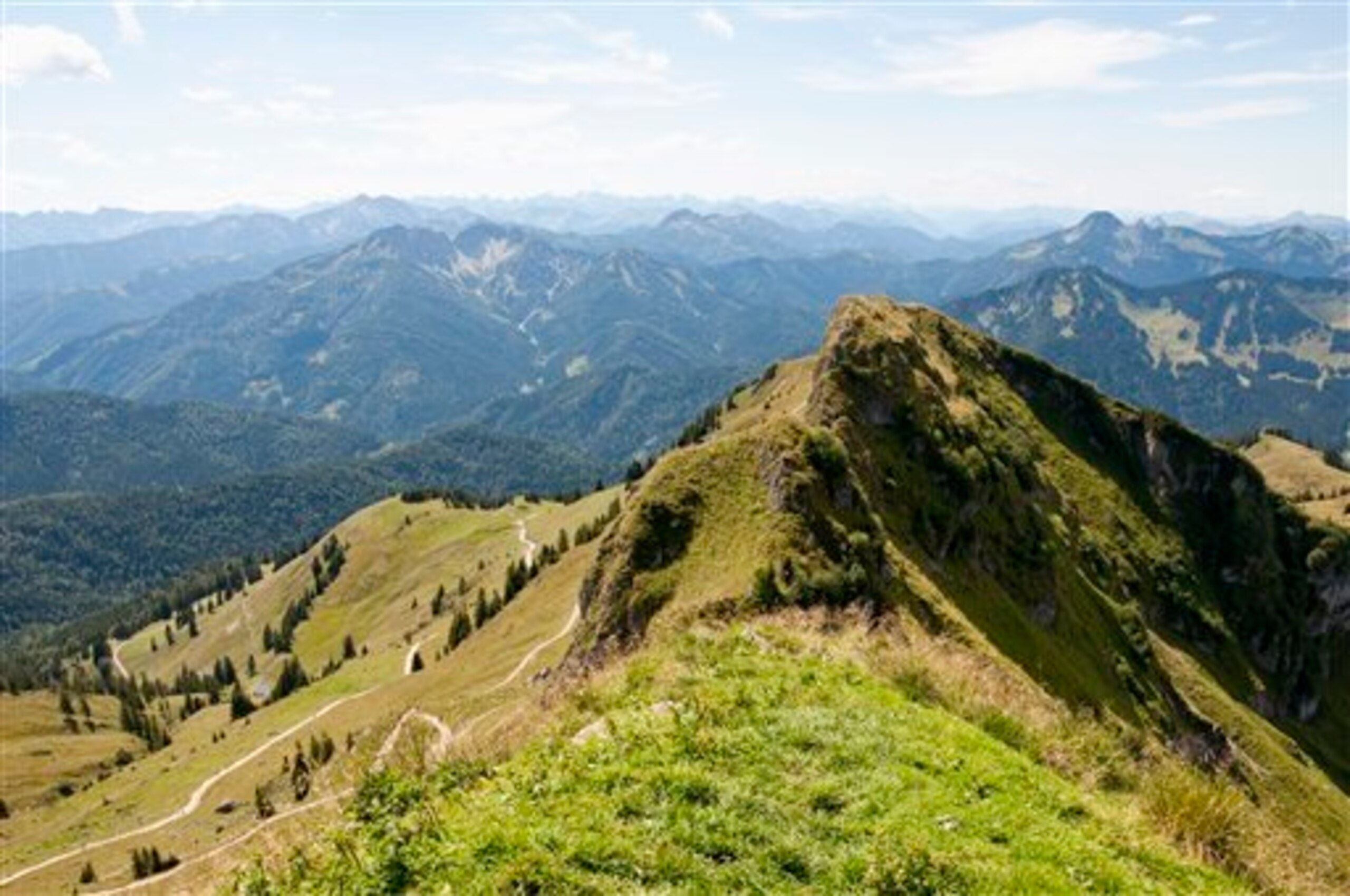
Spielberg has a humid continental climate, with cold winters and occasionally warm summers. Average June temperatures are in the low 20s degrees Celsius, and rainfall is common.
The coming weekend is set for temperatures a touch below the average; the coolest conditions of the meeting are forecast for the race and qualifying. However, there should be plenty of clear skies, and the spring sun will see track temperatures rise to respectable—though not "high"—levels.
Rain is possible on Friday and Saturday, but Sunday currently looks clear.
The circuit's remote location means the nearest location covered by BBC Weather is Graz, around 35 miles away. Accuweather will have the latest for Spielberg.
Odds
5 of 6
Lewis Hamilton is again the pre-qualifying favourite to win, a position he has occupied for every race since the start of 2014. Nico Rosberg is, as always, second-favourite.
The top 10 favourites are:
| Lewis Hamilton | 6-11 |
| Nico Rosberg | 11-4 |
| Sebastian Vettel | 11-1 |
| Kimi Raikkonen | 25-1 |
| Valtteri Bottas | 50-1 |
| Felipe Massa | 66-1 |
| Romain Grosjean | 250-1 |
| Pastor Maldonado | 400-1 |
| Nico Hulkenberg | 1000-1 |
| Sergio Perez | 1000-1 |
Selected Others
Interestingly, all the top 10 favourites are powered by Mercedes or Ferrari engines. This highlights how difficult the race is expected to be for the Renault-powered teams; Red Bull's Daniel Ricciardo and Daniil Kvyat are both 1250-1 for the win, the same odds as the two Toro Rossos.
The safety car has only been out once in the last three races, and the bookies are split as to whether it'll be seen in Austria. One or more appearances is 10-11, with a no-show 4-5.
And in our pre-race predictions, we backed Lewis Hamilton to take a hat-trick of pole, win and fastest lap. It would be only the eighth of his career, but the odds are short—just 5-2 he achieves the feat. Nico Rosberg is 12-1.
All odds sourced from Oddschecker.com and correct at the time of publication.
TV Times and Session Times
6 of 6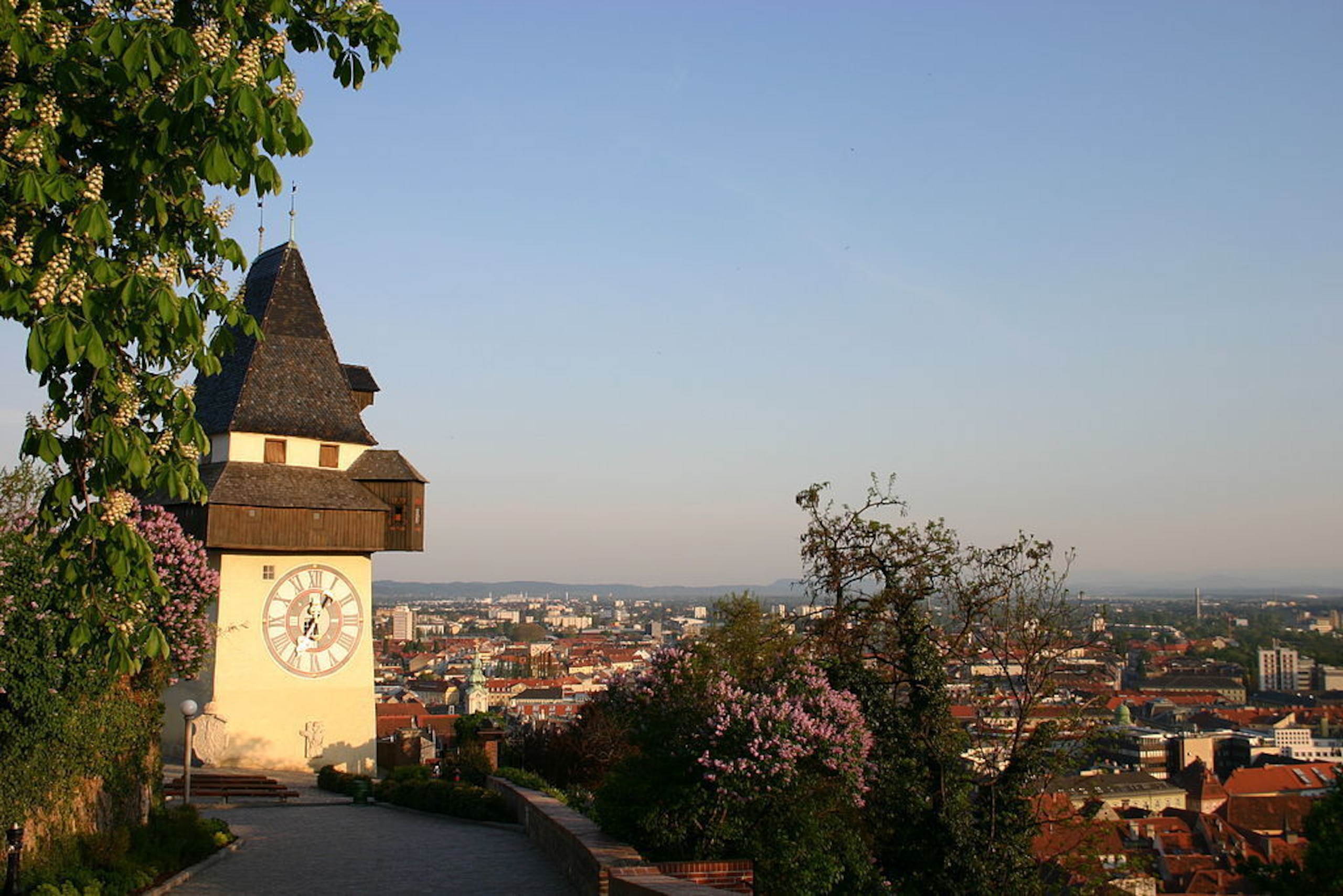
As always, the Austrian Grand Prix weekend will consist of three free practice sessions, qualifying and the race.
The session times are as follows:
| Practice 1 | Friday | 10 a.m. |
| Practice 2 | Friday | 2 p.m. |
| Practice 3 | Saturday | 11 a.m. |
| Qualifying | Saturday | 2 p.m. |
| Race | Sunday | 2 p.m. |
All times given are Austrian local time (CEST, UTC +2). The official Formula One website has a useful tool on its homepage to convert them to your own time zone.
TV Times
In the United Kingdom, live coverage of all sessions will be provided by Sky Sports F1. The programming times are as follows (all times BST):
| Practice 1 | Friday | 9 a.m. | 8:45 a.m. |
| Practice 2 | Friday | 1 p.m. | 12:45 p.m. |
| Practice 3 | Saturday | 10 a.m. | 9:45 a.m. |
| Qualifying | Saturday | 1 p.m. | 12 p.m. |
| Race | Sunday | 1 p.m. | 11:30 a.m. |
Free-to-air highlights of qualifying and the race will be shown by the BBC.
In the United States, live coverage is provided by the NBC network across NBCSN and NBC Sports Live Extra (SLE). The times are as follows (all times EDT):
| Practice 1 | Friday | 4 a.m. | 4 a.m. (SLE) |
| Practice 2 | Friday | 8 a.m. | 8 a.m. (NBCSN) |
| Practice 3 | Saturday | 5 a.m. | 5 a.m. (SLE) |
| Qualifying | Saturday | 8 a.m. | 8 a.m. (NBCSN) |
| Race | Sunday | 8 a.m. | 7:30 am (NBCSN) |
Enjoy the weekend!
Follow me on Twitter for occasional updates on new stories and thoughts about the F1 world, or if you have any questions.
Slide image: Creative Commons.