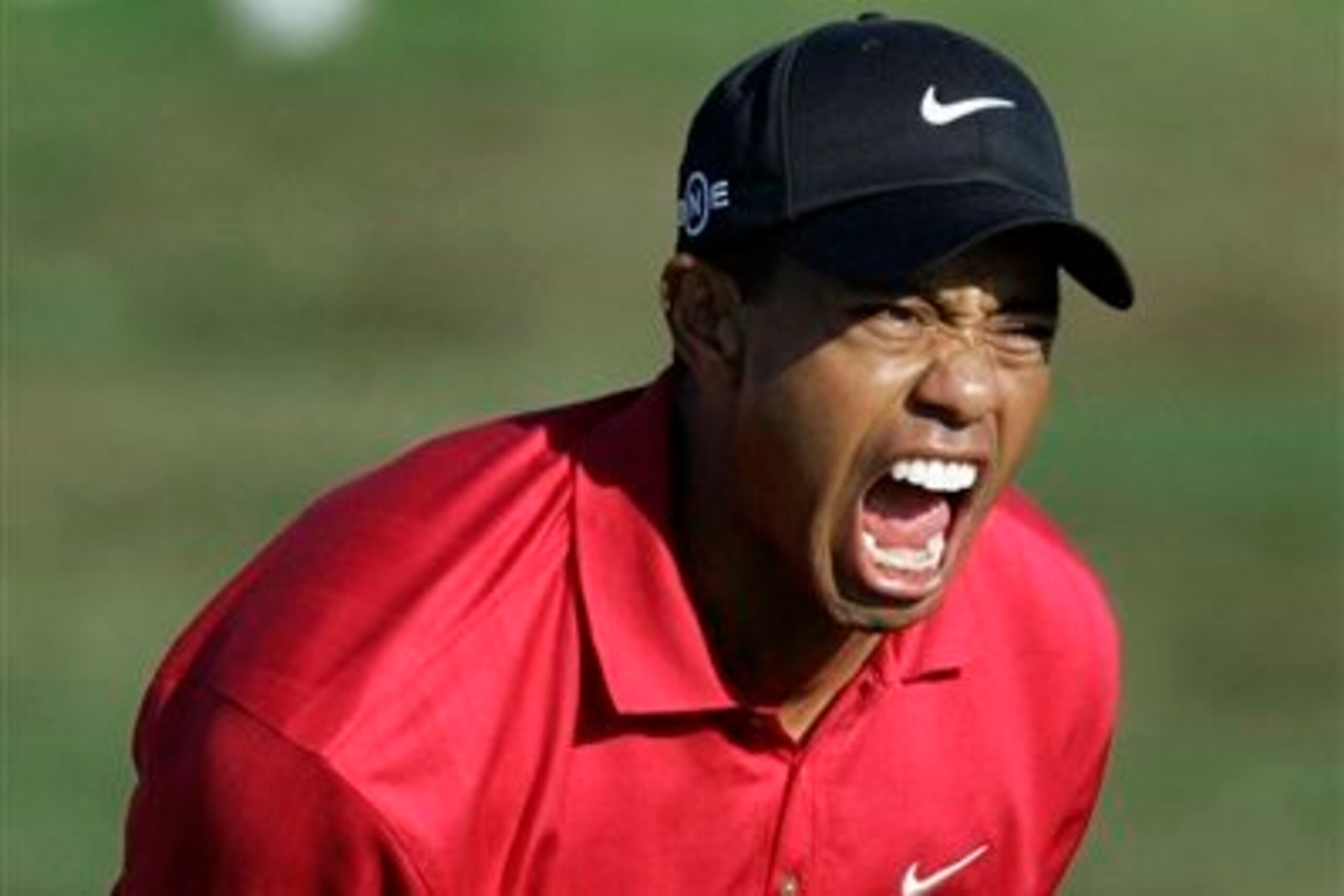

10 Moments That Have Defined the US Open
The 115th U.S. Open gets underway this week at Chambers Bay and, like many of its 114 predecessors, promises to have its defining moment (or two or three). Time will tell how it ranks with the others.
For over a century, the U.S. Open has delivered indelible moments on two legs, and sometimes one. Maybe only the Masters has as many iconic images, moments and impressions that rival what happens over Father’s Day weekend.
It's a tournament that is of particular sentimentality due to the significance of that final day, but that's not what defines or enshrines a particular U.S. Open. No, it comes down to shear dominance or perseverance for four days (or more) toward the end of June enduring tight fairways and ball-devouring rough, where even-par earns you titles.
Read on for some of the most defining moments, in chronological order, from the United States Open.
Horace Rawlins Wins First US Open
1 of 10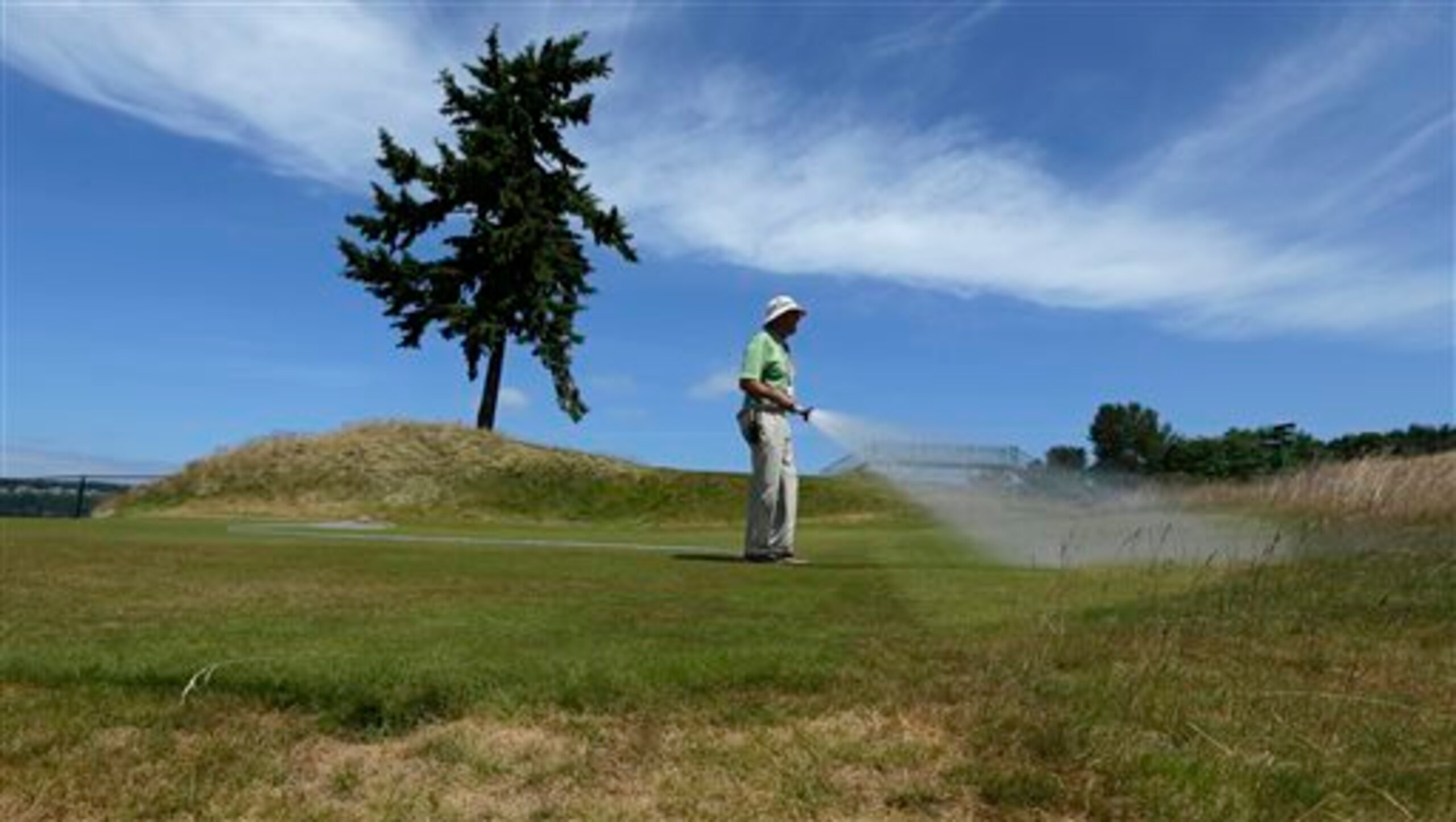
Horace Rawlins played 36 holes over four days at Newport Country Club in Rhode Island and has the distinction of being the first winner of the U.S. Open.
Only 14 golfers took part, and four withdrew. They never heard that Tiger Woods would win one of these on a broken leg. What were they thinking? Hadn't the space-time continuum broken down in June of 2008?
Rawlins won the 1895 tournament by two strokes over Willie Dunn and earned a gold medal and $150. So before you say, "My cell phone bill is $150," just remember that in $150 in 1895 amounts to $4,285 today. Rawlins may gladly trade in his horse-drawn buggy for a 2007 Honda Civic.
Rawlins, though not dominant and by no means rich, earned a defining moment by being the first in a long line of winners that will have a 115th in a few days' time.
Billy Burke Needs 144 Holes in 1931
2 of 10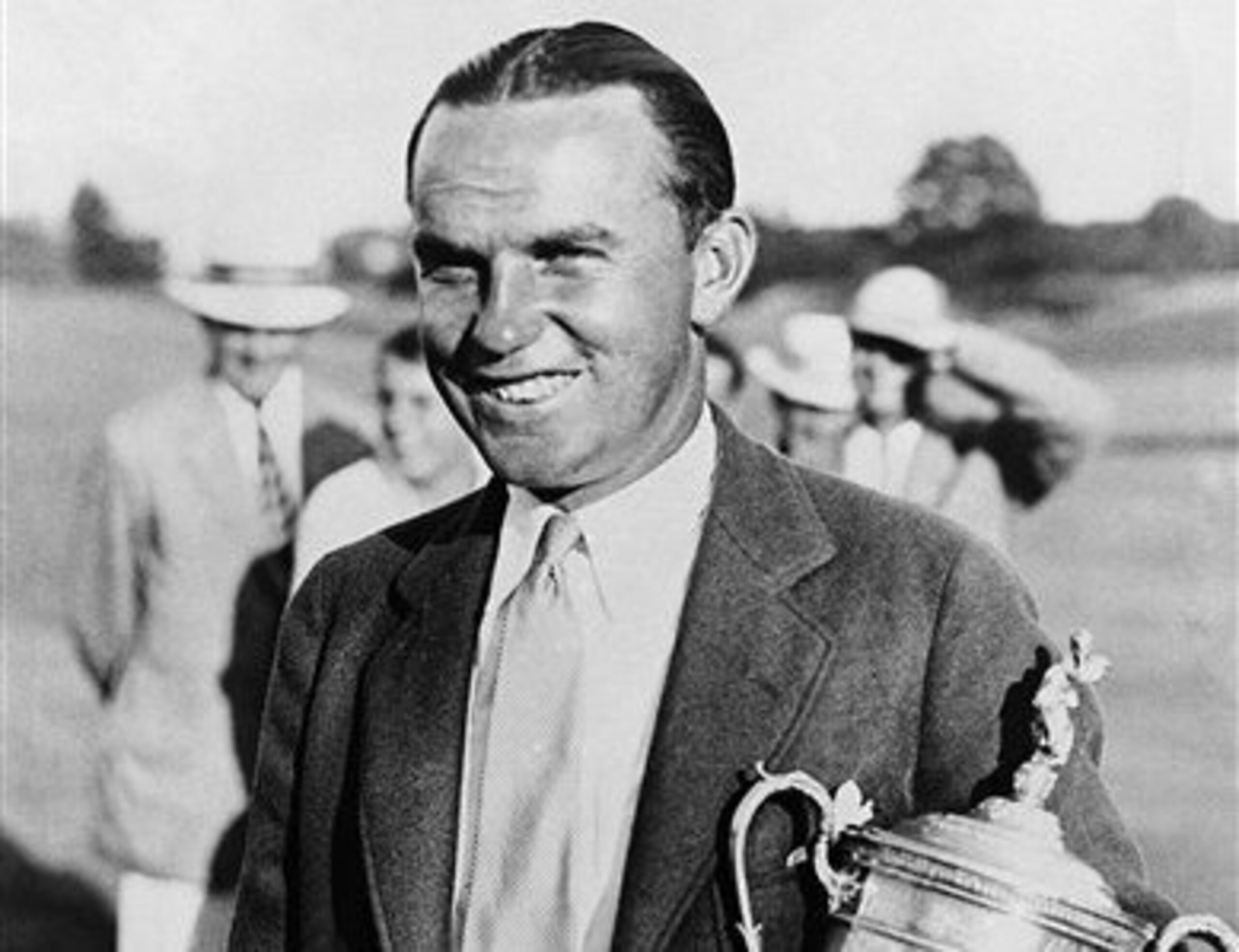
Billy Burke didn't just win the 1931 U.S. Open—he played so much golf he should have won two trophies.
Against George Von Elm, Burke tussled for 144 holes to win the tournament at the Inverness Club in Toledo, Ohio.
It went on for five days, four regulation rounds, one 36-hole playoff and another 36-hole playoff. After 1,179 combined strokes, Burke won by a single stroke, 589-590.
"I'm sorry it had to end this way," Burke said, looking directly at Von Elm, as written by Golfweek's Jim McCabe.
But maybe it had to end that way. After that much golf, what could possibly have separated the two?
Playing all those holes was in no small way a ploy for attention, for in the gallery stood Bobby Jones, then retired and still fresh off becoming the only golfer to win all four majors in a single season. His arresting presence stole from the ultramarathon playing out at Inverness.
The next time you're tired or bored or dehydrated after playing nine holes of golf, imagine trying to tack on another 135 and remember the year 1931.
Ben Hogan's 1-Iron
3 of 10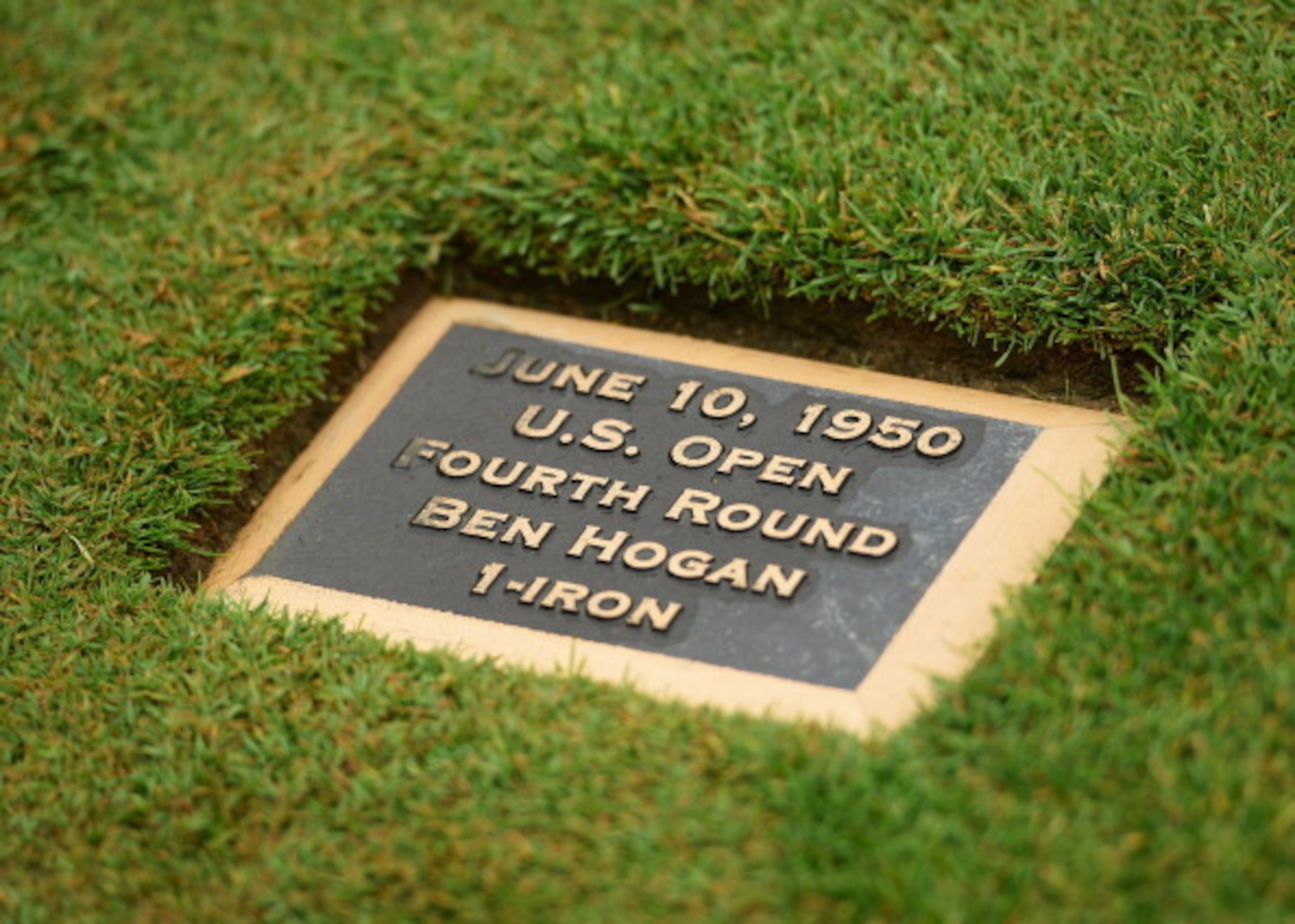
Ben Hogan didn't just come back to win the 1950 U.S. Open. He came back to win the 1950 U.S. Open. This was, of course, the return of lore after Hogan survived a near-fatal car accident to then blaze that most-famous 1-iron. It taps into a carnal vein in golf fans.
"He lives on in the memory of the people who saw him, those who snapped his picture, those who chronicled his swing, those who marveled at the mystique and majesty that were Ben Hogan. In the history of golf, no player embodied the pursuit of perfection like Hogan did, digging a game's answers out of practice range soil, curing a wicked hook to become the greatest ballstriker ever.
"
Sixteen months after that car accident, he needed to save par on No. 18 at Merion to force an 18-hole playoff with Lloyd Mangrum and George Fazio. It was a tipping point of sorts for those who may not believe golfers to be athletes (something that is still a matter of debate today).
Look no further than the physiques of Tiger Woods, Rory McIlory and Gary Player. The foundations of that athleticism took root on Hogan's battered legs in the 1950 U.S. Open.
.jpg?w=2560 "Seahawks Chiefs Football")


Golden Bear Uncaged
4 of 10
Jack Nicklaus, a 22-year-old rookie, stared down an army, Arnie's Army, and won the 1962 U.S. Open over Arnold Palmer.
Few golfers that young could have thwarted a golfer of Palmer's status at the time. Palmer was 10 years older, the defending British Open champion and fresh off his third Masters win. He could not have been playing more confident golf.
Yet along came Nicklaus ignoring the "Hit It Here" signs and the "miss it" taunts. He said in a Gerry Dulac Pittsburgh Post-Gazette story from 2007:
"I had no idea what the gallery was doing. A 22-year-old kid wouldn't even have a clue. I didn't know the gallery was cheering for Arnold and all that stuff. It's hard for people to believe that, but it's true.
When you're that age and you got something on your mind you want to do, you don't pay much attention to what's going on on the outside.
"
It was Nicklaus' first of 18 majors he would win over the next 26 years. It's the benchmark for those who wish to be the greatest of all time. Woods still has a shot at it. McIlroy has a chance, as might Jordan Spieth.
For Nicklaus, it all started 53 years ago at Oakmont when an army fought like hell to hold back a Golden Bear.
Ken Venturi's Salt Tablets
5 of 10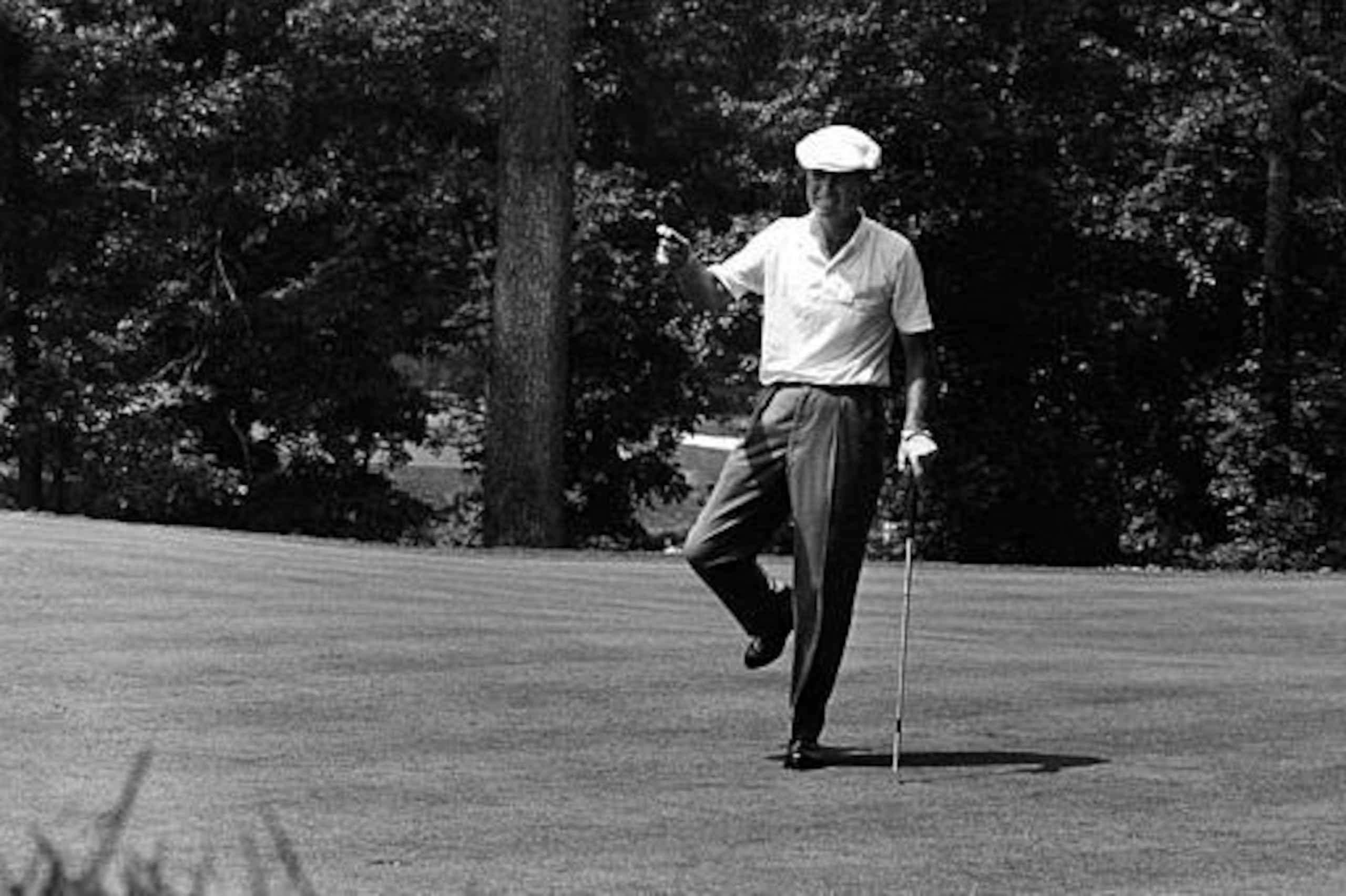
It reeks of hyperbole, but Ken Venturi almost killed himself winning the 1964 U.S. Open. As Tom Mackin wrote for Golf Magazine, Venturi lost eight pounds and took 18 salt tablets during the a 36-hole final in the heat of Congressional.
"I know they make a lot of money today," said Venturi, who took home $17,500 for the win. "But I wouldn't trade my era for anything in the world. It was the greatest time of not only golf, but sports. Friends and handshakes, that's what we lived by. And that was a great time."
Venturi needed a Sherpa that day at Congressional. A doctor followed him with ice packs and salt tablets, a marshal provided an umbrella to shield Venturi from the sun and another armed himself with a first-aid walkie-talkie.
It was a dramatic feat of endurance, which seems have been to be a theme at the U.S. Open through the years.
Gary Player Snaps Foreign-Born Drought
6 of 10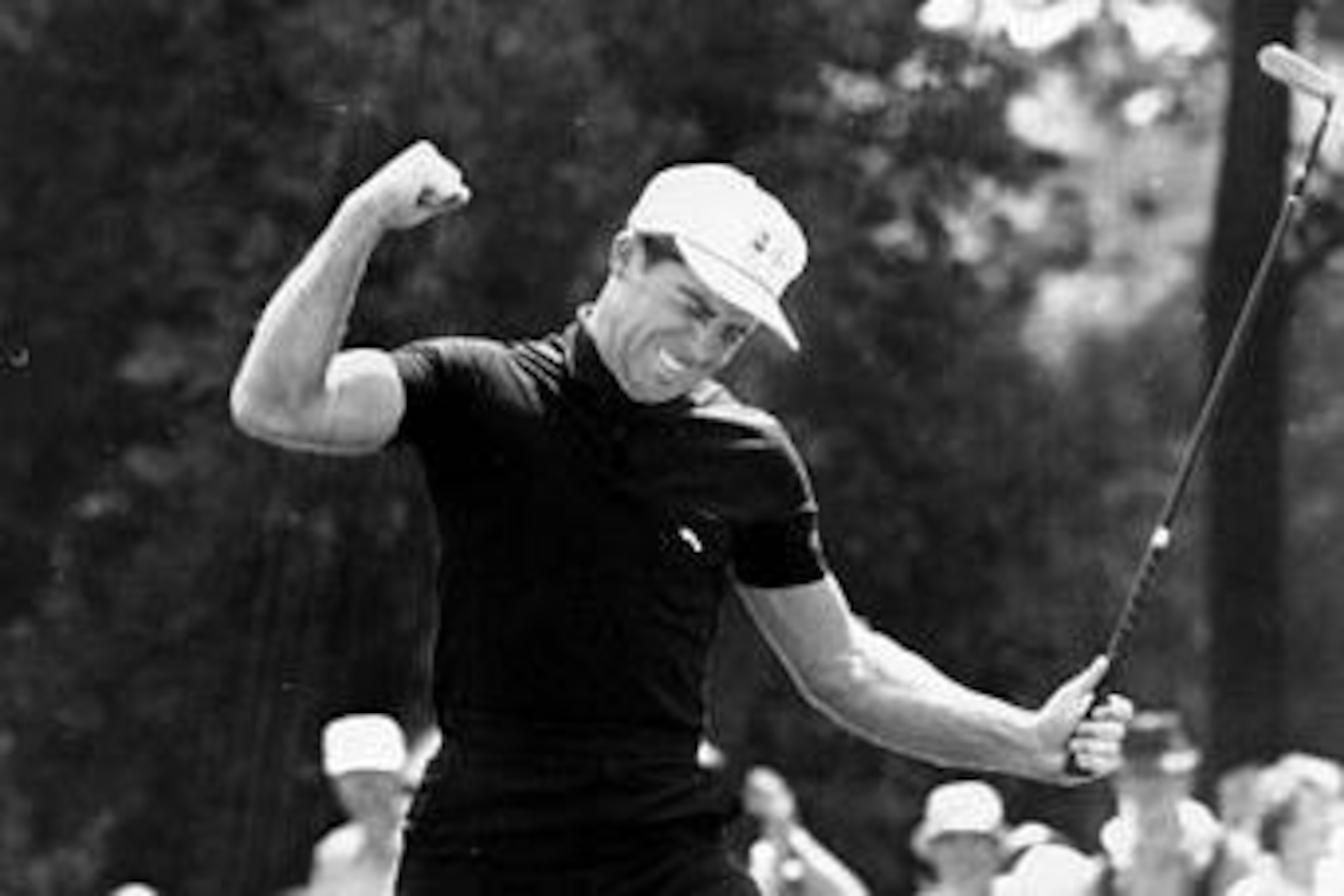
Gary Player, a South African-born talent, has been a quality man, not to mention golfer, for decades. After missing out on a playoff with Nicklaus and Palmer in the 1962 U.S. Open, Player vowed he would donate his winnings—should he ever win the U.S. Open—to charities.
In 1965, he endured an 18-hole playoff with Kel Nagle at Bellerive Country Club to become the first non-American to win the U.S. Open in 36 years, a drought only horse racing fans hungry for Triple Crowns can understand. And, yes, he did donate the money to charity (but kept the trophy).
"I am a foreigner here," Player said, via Michael Trostel of USGA.org. "The American people have treated me so well I wanted to give something back."
Player has been a modicum of endurance and fitness in golf for decades and an ambassador for the game and more for just as long.
Tiger Woods' fist pumps through the years have energized an otherwise complacent sports culture when it came to golf. Fist pumps have been happening for decades. See the above photo, not to mention the free admission to the gun show.
Tom Watson 'Sinks It' at Pebble Beach
7 of 10Twenty years after Nicklaus won his first U.S. Open, he found himself in a battle with Tom Watson at Pebble Beach in 1982.
Nicklaus, a few holes ahead of Watson, was in the clubhouse tuned into Watson's action on No. 17. Watson's approach was in the rough on a nasty downhill lie, and his caddy, Bruce Edwards, told Watson to get it close.
"Close, hell. I'm going to sink it," Watson said, per Jay Busbee of Yahoo Sports.
Watson followed that with a birdie on No. 18 to beat Nicklaus by two strokes.
Nicklaus was just four years away from his final major victory at Augusta, and this stab in the heart was the rude, painful reality that all good things and great athletes meet their end at the hands of another.
Payne Stewart Super Cool at Pinehurst
8 of 10If one gets past the haunting images of Payne Stewart's final moments aboard an ill-fated plane flight, the lasting impression is that knickerbocker-clad fist pump on No. 18 at Pinehurst in 1999.
Stewart played his way into the final pairing with Phil Mickelson. Lefty, then waiting for his wife, Amy, to deliver their first child, stuck a beeper* into his caddie's pocket. If it went off, Mickelson planned on taking off—mid-swing, if need be.
Moving Day saw Stewart and David Duval in the final group with Tiger Woods and Mickelson in the penultimate pairing. Come Father's Day, Mickelson (E) moved into the final pairing with Stewart the only player under par at minus-one. Woods was at one-over along with Tim Herron, also at one-over.
On a raucous Sunday, Stewart sank a 30-footer for par on No. 16 that kept the tournament within his grasp. Woods, a hole ahead, missed a putt on No. 17 that would have made him the biggest threat of the tournament. It elicited this from Paul Azinger, via Alan Shipnuck of Golf Magazine: "That's the last important putt Tiger missed for a decade."
After a Mickelson bogey, Stewart took a one-shot lead to No. 18. On the green, Mickelson read too much break on his putt, and Stewart had 18 feet to win the U.S. Open and delivered.
"I kept my head still on that putt," Stewart said afterward, per Shipnuck. "And when I looked up, it was about two feet from the hole, and it was breaking right in the center, and I couldn't believe it. I couldn't believe that I'd accomplished another dream of mine."
And maybe the greatest moment of this final round was when Stewart took Mickelson's face in his hands and said, "Good luck with the baby. There's nothing like being a father;" this just 20 seconds following that putt.
*: People in the late 90s kept beepers, or pagers, in their pockets that buzzed when someone tried to call. The paged person would then find a payphone**, or some other phone, and dial the number on the pager.
**: Prior to the 21st century, people would put a quarter into a phone booth situated near a shopping center or on the side of the road.
Tiger Woods Wins the US Open on a Broken Leg
9 of 10Rocco Mediate can always say he had a front-row seat to perhaps the greatest test of physical endurance in U.S. Open history, when Tiger Woods made a Monday out of the 2008 U.S. Open at Torrey Pines on a torn ACL and a stress-fractured knee.
Every swing nearly brought Woods to the ground in pain, yet he found that extra something to win his 14th and, as of yet, last major golf tournament.
Hank Haney, Woods' former swing coach, said this in Bob Harig's ESPN.com story:
"I always believe in Tiger and never think that anything is out of reach when he puts his mind to something. I knew that he was determined to win the U.S. Open. I didn't really see how it was logically possible that he would have a chance, but I kept thinking to myself that Tiger said he was going to win, so he must believe somehow he can pull it off.
"
Woods had a 15-footer to force a playoff over a bumpy green that chewed players apart all weekend. Lee Westwood had just left his putt short and Woods followed with pace.
"I kept telling myself make a pure stroke. If it bounces in or out, so be it, at least I can hold my head up high and hit a pure stroke," Woods said. "I hit it exactly where I wanted it to and it went in."
The putt curled around the inside right edge, and Woods went into double-fist-pump mode and let loose a Woodsian F-bomb to his then-caddy Steve Williams (no Ph.D. in lip reading required).
The playoff took 19 holes with Woods, at last, eclipsing Mediate for the win and No. 14.
Rory McIlroy's Sign of Things to Come
10 of 10Everybody knew Rory McIlroy was good, but just how good? He won his first of four majors (and counting) in 2011 with his record-setting 16-under-par performance at the U.S. Open at Congressional.
It wasn't an anomaly. He'd go on to be one of the best front-runners in golf, and he ranks as the world's unequivocal No. 1 player.
It was an effort further validated by how he's played since. With four majors by age 25, we can ask the question of who will have more majors when he retires: him or Tiger Woods.
Jack Nicklaus told Lawrence Donegan of the Guardian after the 2011 U.S. Open:
"Rory is going to have a great career, there is no question about that. He has got all the components. He is a great kid. He is humble when he needs to be and confident when he needs to be confident. He's a got a great swing. He looks a little cocksure when he walks, which you need to have. I like it.
"
The magnitude of this win sent shock waves through the field that there finally was either a rival to Woods, or, at the very least, a worthy heir to the throne.




.jpg?w=2560 "Raiders Sticking with Cousins")