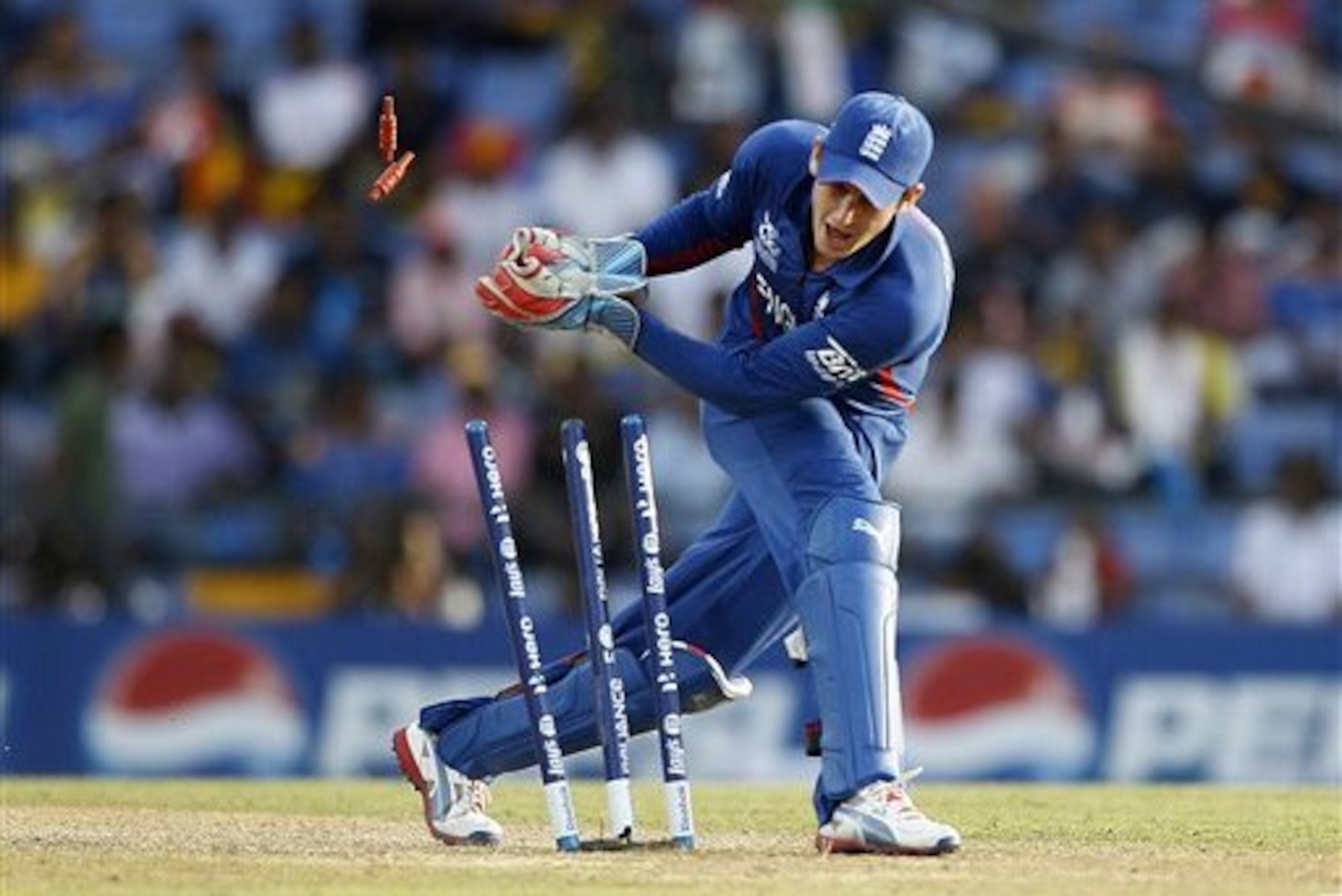

Retiring Craig Kieswetter's Attacking Approach Is Sadly Missed by England
Craig Kieswetter was forced into early retirement on Friday, as reported by ESPN Cricinfo. Kieswetter suffered a horrific eye injury last season, and after deciding to take this year off in order to try and recover, he said calling an end to his career was the right decision after taking time to reflect.
He has not played international cricket since 2010, but Kieswetter was a maverick during his relatively short career. Formed out of the Adam Gilchrist mould of big-hitting wicketkeeper-batsmen, Kieswetter’s approach was far from what England were used to.


.jpg?w=2560 "Seahawks Chiefs Football")
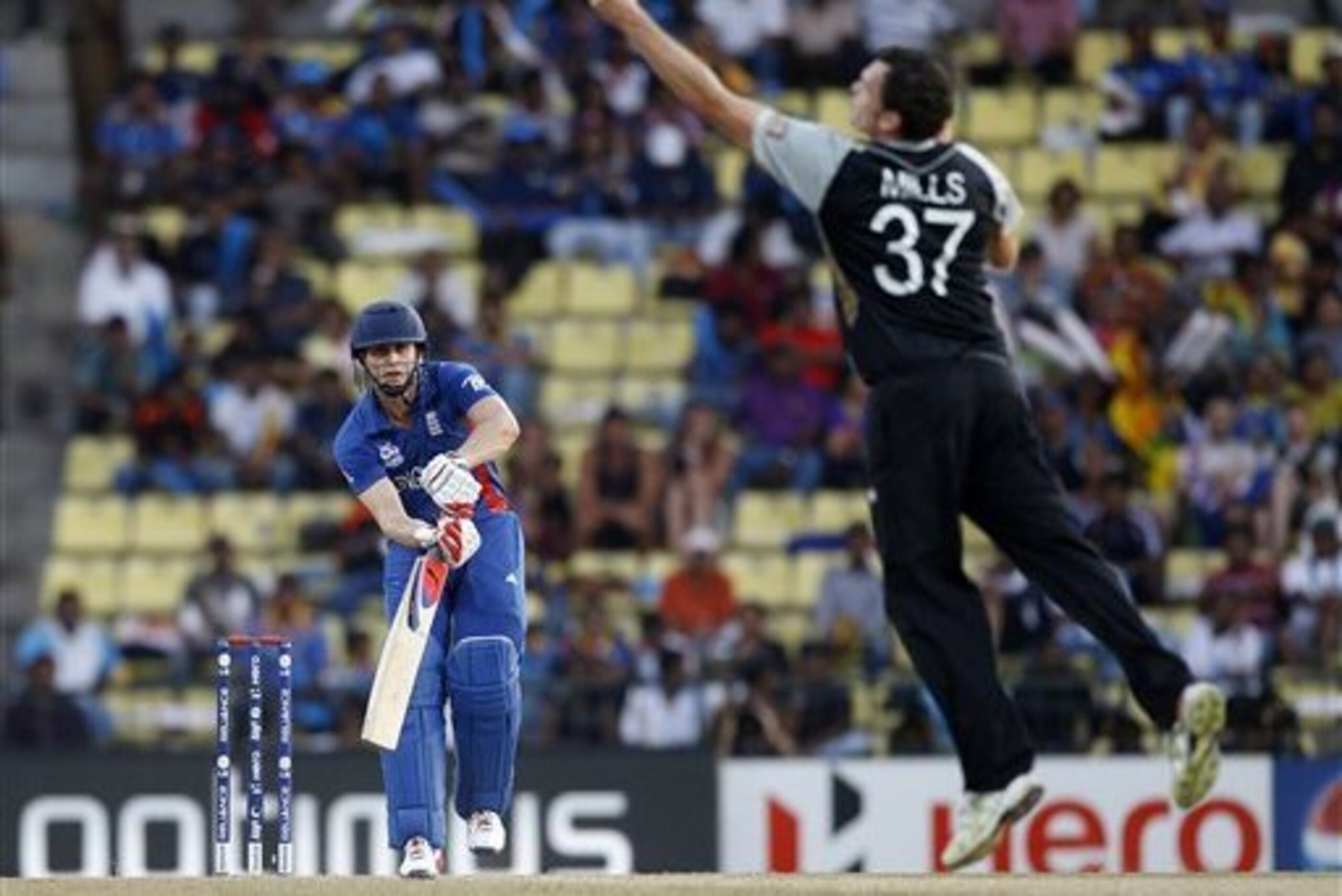
During the 2010 World Twenty20, Kieswetter played a crucial role in helping England reach and eventually win the final. His 63 runs off 49 balls in the climactic match might not sound revolutionary in this day and age, where players like AB de Villiers invent shots for fun, but it was something new and different for England and blended perfectly with Kevin Pietersen.
Kieswetter’s form sadly took a dip not long after that stint. The next 18 T20is brought him just two half-centuries, and he was dropped from the side in 2012.
He sprang back into life on the domestic circuit, and were it not for the horrific eye injury that has now ended his career, who knows what he could have brought to the England side? We might never know, so perhaps the question is: Would England have allowed him to contribute to the team ever again?
England as a cricket team are widely regarded as being conservative. There is little time for maverick players who don’t follow the rule book and who can, sometimes, make foolish decisions.
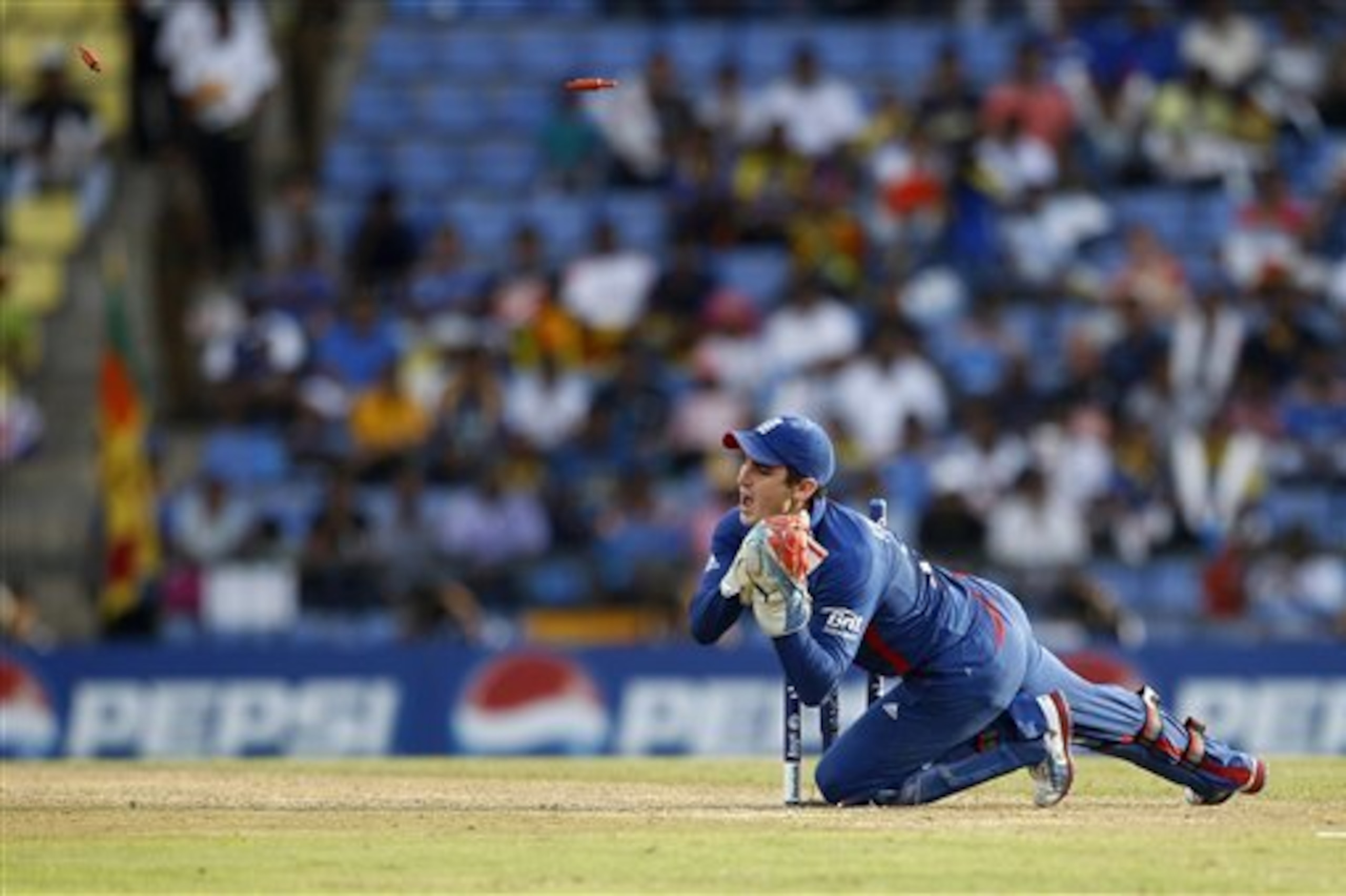
Kieswetter was special in that he was fearless in his approach. He had confidence in his attacking play, even if he knew it was risky. He was always willing to attack bowlers, even when that kind of thinking was still talked about in hushed tones.
In the current England setup, very few players in the limited-overs squad come close to this kind of batting. Jos Buttler is one, but one only has to wonder how long he has to go before England coach that sort of thing out of him. In fact, it’s a wonder England persisted with Kieswetter for as long as they did, but it doesn’t rid one of the wondering what could have been were it not for this awful eye injury.
Back in 2012, when Kieswetter was going through a particularly bad patch of form, the Guardian observed the following:
"Kieswetter has six appeal in spades. He has hit 30 of them in 42 ODIs, and is already eighth on England's ODI six-hitting list, even though everybody above him has played many more games.
He has spanked a six every 35 balls, which compares favourably to some other English big-hitters: Andrew Flintoff (every 40 balls), Sir Ian Botham (every 61), Eoin Morgan (every 65 in his England ODI career), Kevin Pietersen (every 67).
Even around the world, few can beat Kieswetter's six ratio. Chris Gayle hits one every 52 balls, Virender Sehwag every 58; Adam Gilchrist managed one every 67. Shahid Afridi clears the ropes every 21 balls, as does Kieron Pollard, but there's no shame being behind them.
"
It's exactly that kind of random statistical nugget that made Kieswetter such a special player. There was never any sort of guarantee that he would get the big runs, but there was a guarantee that he would at least be entertaining.
Back in 2012, Kieswetter had coolly and calmly driven Dale Steyn down the ground for six. It was unthinkable that anybody would have that kind of audacity. Kieswetter had a special spark. A spark that never fulfilled its full shine and one England will miss the next time they lament just how distinctly boring their limited-overs squad seems to be.
All information obtained firsthand unless otherwise stated.



.jpg?w=2560 "Latest Peyton-Colts Rumors")