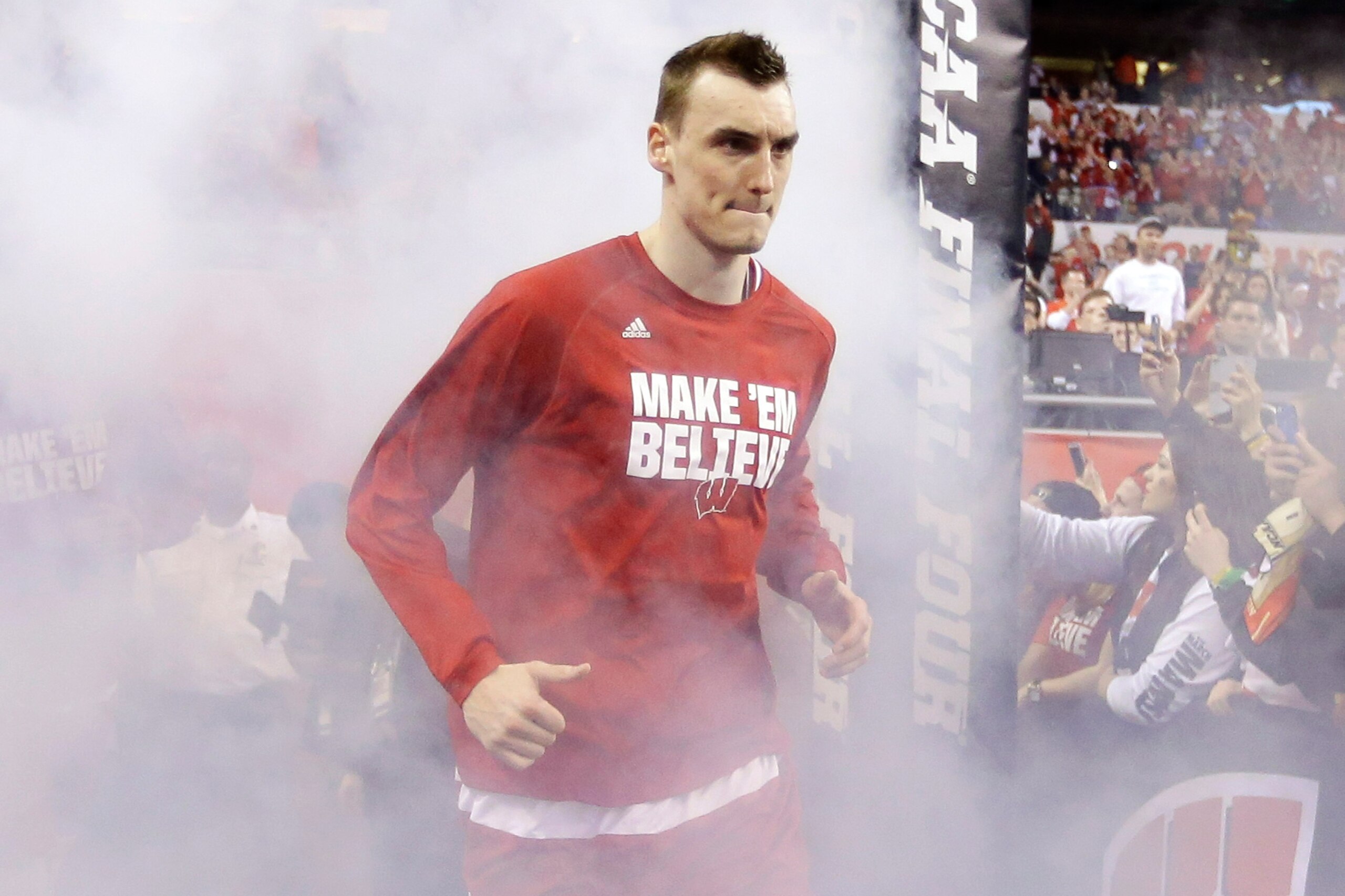

Ranking the Top 2015 NBA Draft Prospects at Every Position
We're past the NBA combine and deep into workout season, so it's time for fresh rankings of the top 2015 draft prospects at every position.
While evaluations and long-term projections are inexact endeavors, this year's talent pool and hierarchy have become clearer. Both forward spots and center are stuffed with talent, so it wasn't easy to narrow things down to a top five.
Our rankings aim to illustrate how each young candidate stacks up against peers with similar NBA roles and tasks. The order is based on overall draft value, which includes collegiate production, translatable skill demonstration and potential.
A lot has transpired since our last positional piece in February. Which prospects shuffled spots, and which ones helped themselves during the NCAA postseason and combine?
Point Guard No. 5: Tyus Jones, 6'1"
1 of 25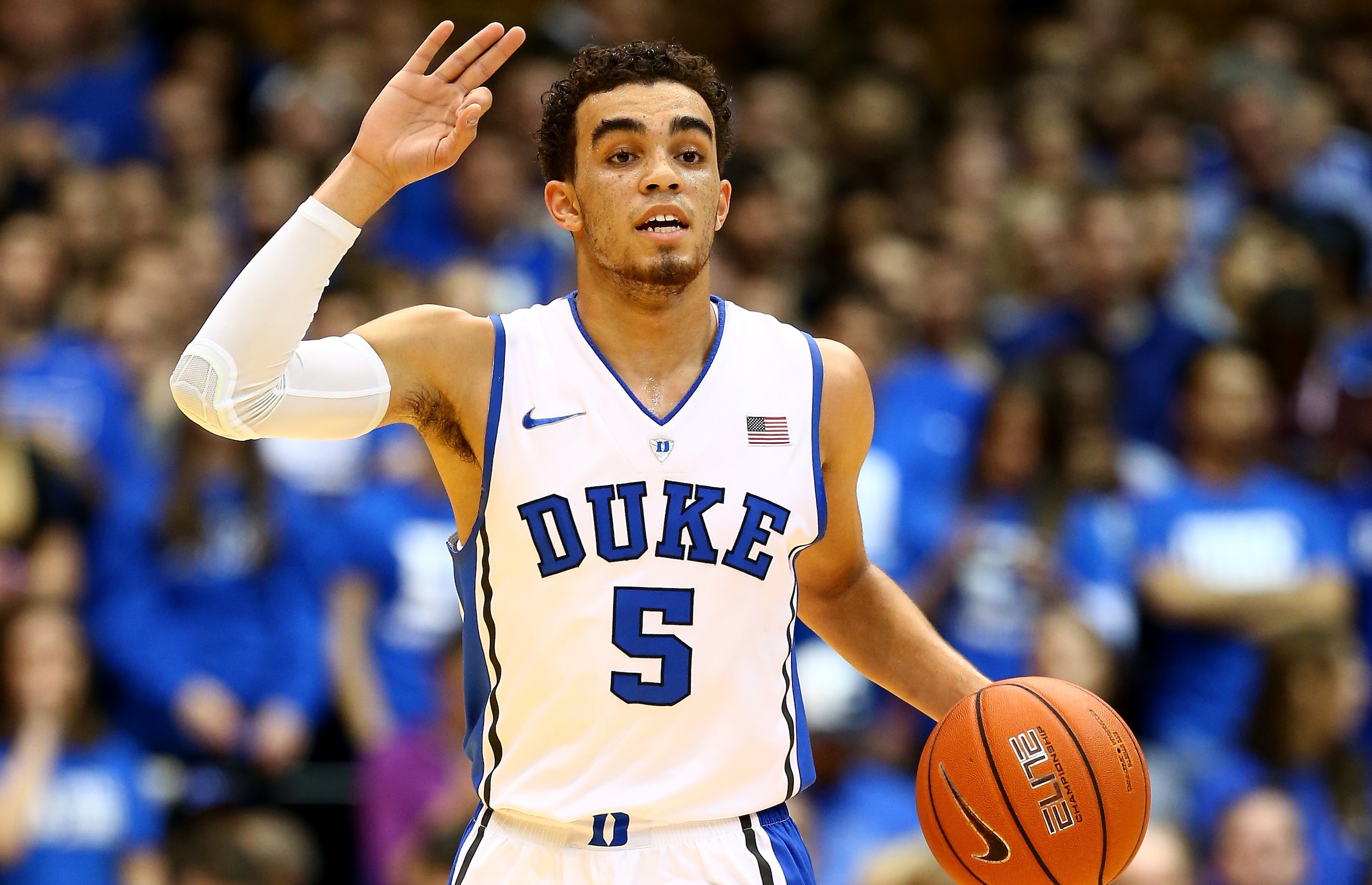
School/Year: Duke, Freshman
With a diminutive stature and unspectacular agility, Tyus Jones didn't seem like an NBA candidate when he arrived at Duke.
But his floor command became too good to ignore, as was his shooting prowess.
Jones' championship run at the reins of the Blue Devils offense highlighted his playmaking potential and leadership savvy. He's not incredibly athletic, but he's shifty and patient enough to find the right shots for himself and teammates.
Not only did he dish 6.6 assists per 40 minutes, but he committed just 2.3 turnovers. He'll excel in the NBA's pick-and-roll schemes, and he'll space the floor with dependable three-point shooting.
The biggest question about his game is whether he can consistently defend athletic guards. Jones has below-average size, and he also posted underwhelming speed and agility results at the combine.
Point Guard No. 4: Cameron Payne, 6'2"
2 of 25
School/Year: Murray State, Sophomore
Cameron Payne's jump from mid-major competition to the NBA will be fueled by craftiness and playmaking instincts. Murray State's star point guard is ready to bring pick-and-roll proficiency and overall creativity to the pro ranks.
He stuffed the stat sheet for the Racers last season, improving his assist-to-turnover ratio while scoring 20-plus points and shooting 37.7 percent from distance. When Payne is not busy pushing the ball up the floor as a quarterback, he's finding creases to score with jumpers and floaters.
Payne edges out Tyus Jones for fourth in our point guard rankings because he's longer and more athletic. Although his defense isn't a sure thing, he projects to compete more effectively with a 6'7" wingspan and superior lateral quickness.
As his decision-making matures and he adapts to the speed of the Association, he'll grow into a productive all-around point guard. Ed Isaacson of Hoops Habit explained the youngster's draft value and career outlook.
"Payne’s natural ability as a scorer and passer, especially with his comfort in the pick-and-roll, should have him coveted by many teams," Isaacson wrote. "His first year or so may be a tough adjustment, but I have little doubt he will eventually be a long-term starter in the NBA."
Point Guard No. 3: Jerian Grant, 6'5"
3 of 25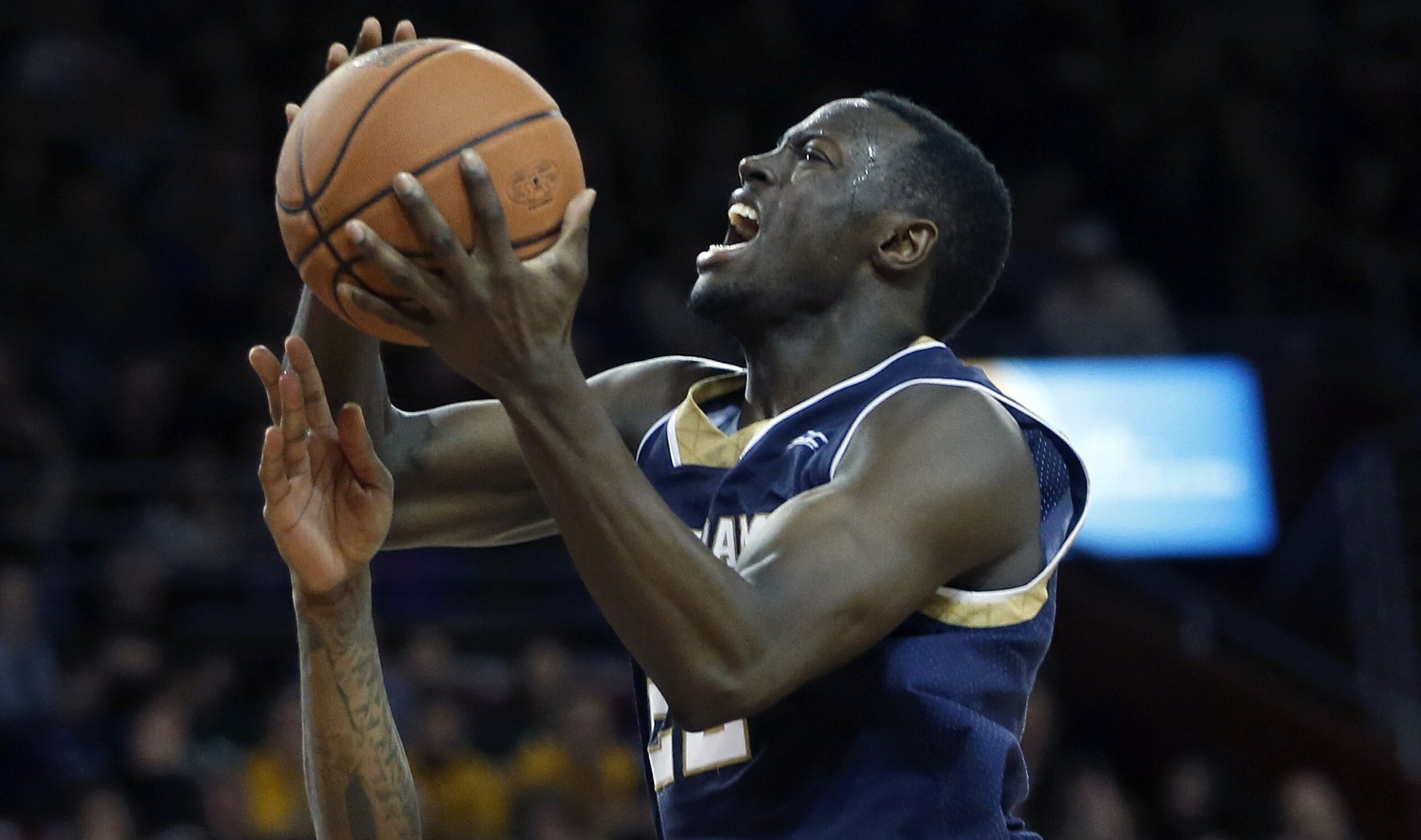
School/Year: Notre Dame, Senior
Few players in this draft possess Jerian Grant's speed and precision.
Notre Dame's agile senior unleashed a devastating blend of slashing and adroit skills during 2014-15, catapulting the Irish to the ACC crown and NCAA Elite Eight. His ability to penetrate and coolly make plays helped him rack up 7.2 assists per 40 minutes while committing just 2.3 turnovers.
He shot only 31.6 percent from three-land, but suitors shouldn't worry about his scoring potential. Grant hit 40.3 percent on two-point jumpers, per Hoop-Math.com, and his range should expand. His length and athleticism also enabled him to convert 73.1 percent of field goals at the rim.
The 22-year-old enhances his value by his compatibility with teammates. He spent a lot of time alongside fellow point guard Demetrius Jackson, and he proved he can operate on or off the ball.
This versatility and sky-high basketball IQ make him an attractive option for nearly every club in the mid-first round.



Point Guard No. 2: Emmanuel Mudiay, 6'5"
4 of 25
Country/Year: China, 1996
While it's tricky to pinpoint Emmanuel Mudiay's NBA production level, his general strengths and weaknesses are no mystery.
He loves to attack the middle of opposing defenses off the bounce. It's readily apparent that he'll generate a ton of opportunities via the pick-and-roll, where his agility, size and instincts will shine. Chris Herring of the Wall Street Journal explains:
"For American scouts, gauging the level of competition he faced in China...is challenging...But Mudiay clearly excels at using the screen-and-roll, and at forcing defenses to collapse. He’s a skilled, unselfish player who can put defenses on their heels with his explosive first step, even without the help of screens."
The most frequently discussed deficiency in his arsenal is his jumper, and it's what prevents him from landing No. 1 on our point guard charts. He needs to exhibit more balance and uniformity in order to notch reliable numbers.
Mudiay is young and error-prone at this stage, but his noticeable upside should keep him in the top-five range.
Point Guard No. 1: D'Angelo Russell, 6'5"
5 of 25
School/Year: Ohio State, Freshman
D'Angelo Russell is a combo guard who could spend significant time at the 2, but he'll likely operate as a primary ball-handler for most of his lottery suitors.
He's perched atop the point guard heap because he owns the most prolific blend of vision, passing accuracy and scoring touch.
Ohio State's one-and-done stud took the Big Ten by surprise with his natural innovation and quick-strike scoring. The Buckeyes relied on him to fill up the hoop, and he obliged with 19.3 points and 41.1 percent three-point shooting. But he also spread the wealth with five assists per contest, exuding more calmness and confidence at the helm than most freshmen.
Russell is not an impressive athlete or defender, so his transition to the NBA won't be a cakewalk. He must also learn how to protect the ball better and cut down on sloppy passes and drives. Fortunately, his 6'9 ¾" wingspan and growing court awareness will help him compete at a high level.
Even though he's a potential top-three pick, he won't single-handedly transform his team. He will, however, streamline the offense and provide valuable backcourt versatility.
Shooting Guard No. 5: Norman Powell, 6'4"
6 of 25
School/Year: UCLA, Senior
UCLA's top dog Norman Powell has plenty to offer as a bench contributor at the next level.
He probably won't land in the first round due to his age (22) and shaky three-point efficiency (31.9 percent), but he'll bring athleticism, scoring and defense to an NBA rotation this fall.
Powell's strength, fearlessness and 6'10 ¾" wingspan will allow him to attack the basket aggressively like he did in college. Those same three attributes will also make him a stout 2-guard stopper. But his shooting during the season and at the combine left something to be desired.
Fortunately, he had an impressive workout last week, according to Mike Schmitz of Draft Express. Schmitz said Powell "showed off his athleticism and made enough shots from the perimeter."
He must continue to show shooting progress if he wants a substantial role.
Shooting Guard No. 4: Michael Frazier, 6'4"
7 of 25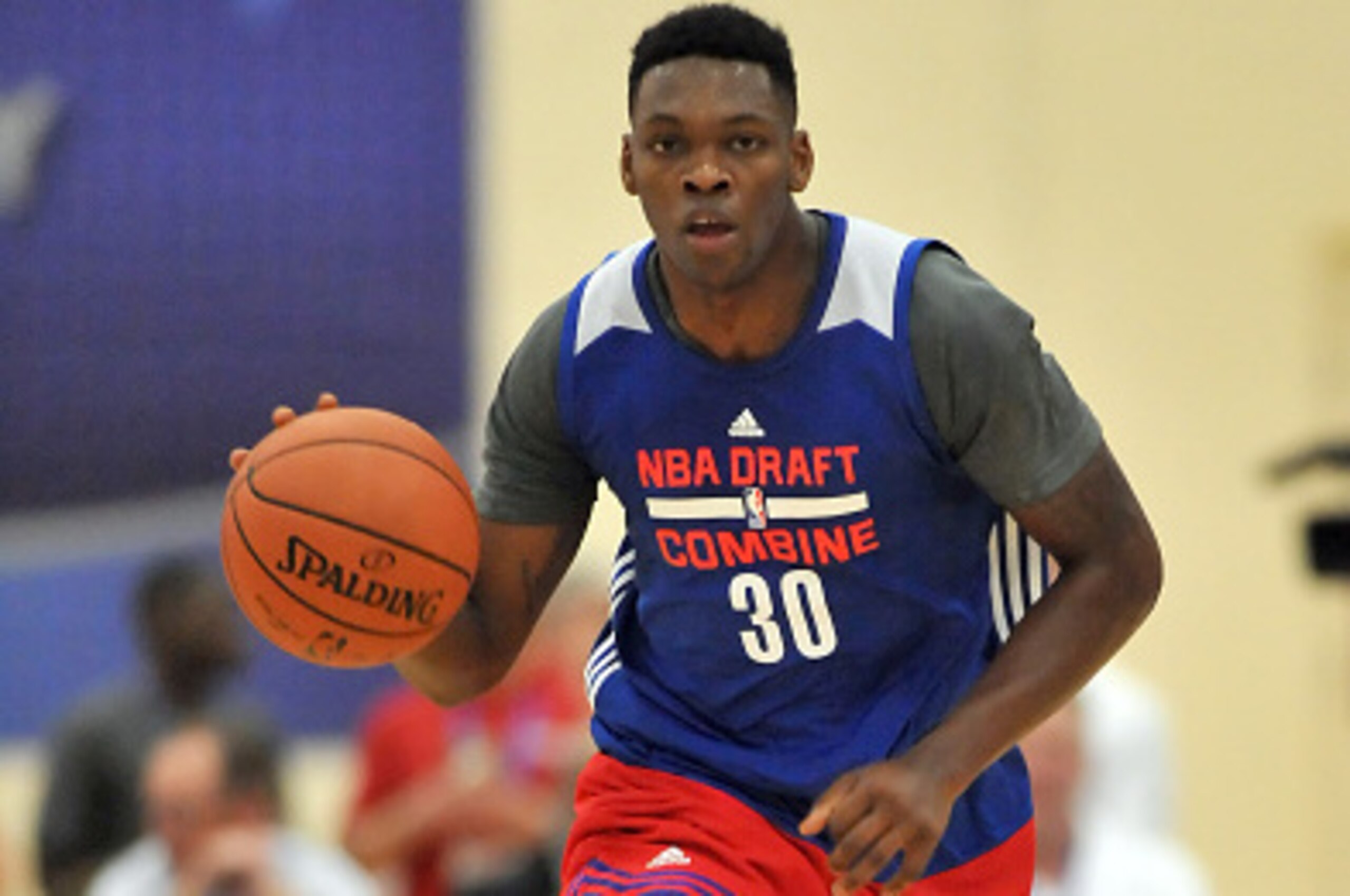
School/Year: Florida, Junior
Michael Frazier's NBA draft resume doesn't include much more than shooting. And that's fine, because long-range aptitude (43.2 percent in his career) is a talent that almost always justifies playing time.
Florida's standout wing grabbed a spot in our 2-guard rankings thanks to a noteworthy combine performance.
In addition to notching double figures and looking the part in both scrimmages, Frazier shot the lights out during drills and tested well athletically. He also measured at 6'4 ¼" in shoes with a 6'8" wingspan, so he's big enough to shoot over NBA defenders.
Factor in his defensive hustle and sporadic plays off the bounce, and you have a promising shooting guard prospect. He's gifted enough as a shooter and capable enough in the other areas to flirt with the first round.
Shooting Guard No. 3: Rashad Vaughn, 6'6"
8 of 25
School/Year: UNLV, Freshman
UNLV's disappointingly turbulent season prevented Rashad Vaughn from getting maximum national exposure, but NBA decision-makers have kept a close eye on him.
He exhibited an abundance of scoring skills, although he wasn't always the most consistent decision-maker. The teenage standout poured in 22.1 points per 40 minutes, dicing up foes with graceful shot-creating moves and a picturesque shooting delivery.
In recent workouts, he's polished his strengths and addressed some of the concerns surrounding his game. ESPN.com's Chad Ford explains:
"He put on a shooting show, effortlessly knocking down shots from everywhere on the floor, outshooting two of the better shooters in the draft — Notre Dame's Pat Connaughton and Stanford's Anthony Brown. Vaughn was in great shape, showed off more athletic explosion than he's shown in a while and quieted some concerns about the left knee he injured toward the end of the season.
"
Vaughn should be considered an absolute steal if he falls past No. 30.
Shooting Guard No. 2: R.J. Hunter, 6'6"
9 of 25
School/Year: Georgia State, Junior
Many fans know R.J. Hunter as the clutch shooter who helped Georgia State upend Baylor in the NCAA tourney.
Scouts and analysts, on the other hand, know he's much more than a one-shot wonder. They've kept tabs on him since 2014, because his swift shooting stroke and elite feel for the game warrant attention in the mid-first round.
He's not going to break down opponents with intricate ball-handling or outstanding leaping. Instead, Hunter will shoot over them with his size (8'8" standing reach) and quick trigger. He'll also attack closeouts and find the sweet spots away from the ball.
Hunter's length and intelligence will aid him defensively as well. He has enough quickness and footwork to contain drivers, while his reach and timing foil would-be scorers.
Shooting Guard No. 1: Devin Booker, 6'6"
10 of 25
School/Year: Kentucky, Freshman
Devin Booker's shooting stroke and all-around instincts are miles ahead of most prospects his age.
He displayed enough fluidity, skill and defense in one year at Kentucky to earn widespread lottery consideration. The 6'6" gunner could land anywhere in the 10-20 range on draft night.
Bleacher Report National NBA Columnist Adam Fromal explained why Booker is often likened to a top-tier 2-guard: "Booker is being compared to Danny Green—not just any sharpshooter. That's because he's also able to lock down on defense, use his size to cover multiple positions and make good on his athleticism when he's darting toward the rim."
He contributed to one of the greatest college squads of this era, hitting 41.1 percent from deep in the process. That's phenomenal when you consider he's just 18.
Small Forward No. 5: Sam Dekker, 6'9"
11 of 25
School/Year: Wisconsin, Junior
During back-to-back trips to the Final Four, Wisconsin forward Sam Dekker proved he's one of the premier two-way players in this draft.
He's not skilled enough to be a featured offensive asset. But he makes all the right plays, executing efficient passes, cuts and slashes to the tin. He also showed stretches of long-distance shooting during the NCAA tourney.
The result was top-10 placement for the Big Ten in points produced, offensive rating, offensive win shares and effective field-goal percentage. Dekker also led the conference in turnover percentage, committing giveaways at a clean rate of 7.3 percent.
As a stopper, his 6'9" frame and above-average athleticism will help him check shooting guards, small forwards and many power forwards. NBA opponents are going to hate his range and acute awareness on that end.
Small Forward No. 4: Kelly Oubre, 6'7"
12 of 25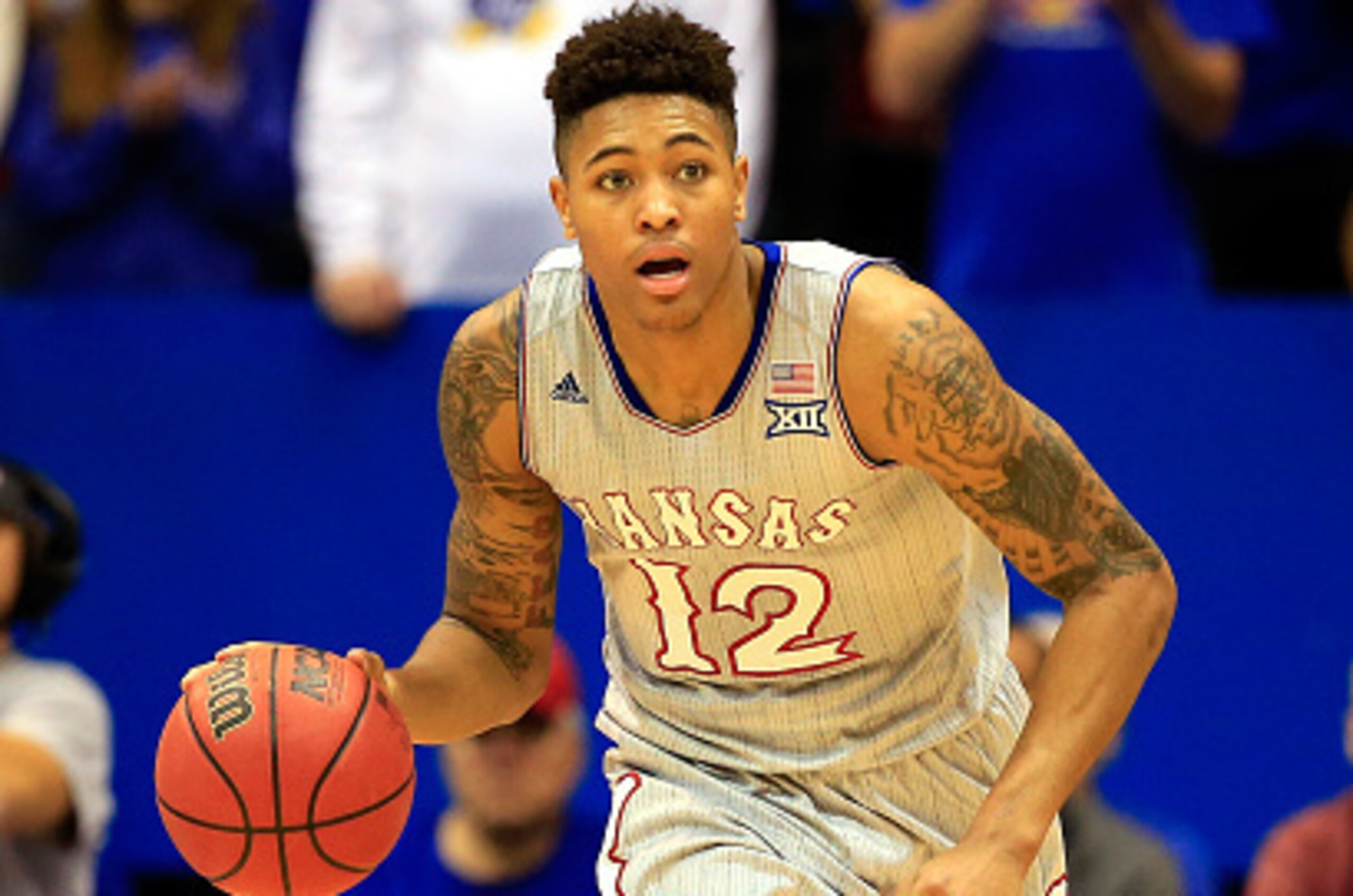
School/Year: Kansas, Freshman
Kelly Oubre isn't as comprehensively impactful as Sam Dekker is right now, but his ceiling is much greater. He has the edge in our positional rankings because his draft value is higher.
It took a while for him to earn Bill Self's trust at Kansas. Once he gained the skipper's confidence, though, he frequently flashed the extraordinary potential he possesses as a scorer, rebounder and swingman defender.
Despite his raw ball-handling skills and inconsistent shooting, there's a fluidity that suggests he'll successfully attack the rim and connect from deep in the NBA. Oubre averaged 17.6 points per 40 minutes even though he was often the third scoring option on the floor.
As a defender and rebounder, his tools and sharp instincts indicate he'll be a splendid asset on and off the ball.
"I think he could be a terrific defender in the NBA," one NBA general manager told ESPN.com's Chad Ford. "Bill (Self) really gave him a gift by demanding that he learn how to play defense. And to Oubre's credit, he figured it out."
Oubre will be a borderline star if he even comes close his full capability.
Small Forward No. 3: Stanley Johnson, 6'6"
13 of 25
School/Year: Arizona, Freshman
Although a couple of small forwards are ahead of him on the food chain, Stanley Johnson could be a steal for the late-lottery squad that scoops him up.
He's more NBA-ready than most freshmen because he's built like a locomotive and mature for his age. The Arizona star will solve mental and physical hurdles more smoothly than his rookie counterparts. Thanks to his work ethic and diligent approach to the game, the skills are quickly catching up as well.
Johnson's outside shooting is improving, but it's still a work in progress, and he's not an advanced creator off the bounce. Nevertheless, he'll make an impact early in the NBA with simple, strong drives and in-rhythm jumpers. His abilities to drive and dish and crash the offensive glass also enhance his impact.
He also owns the tools and smarts to be an upper-echelon defender. He's not a finished product on that end, but he'll be a versatile stopper once he sharpens his fundamentals.
Small Forward No. 2: Mario Hezonja, 6'8"
14 of 25
Country/Year: Croatia, 1995
Even though Croatian prodigy Mario Hezonja hasn't seen consistent playing time for Barcelona, he's second on our small forward board due to his mix of proven skills and long-term upside.
He hasn't shot efficiently lately, but his mechanics and track record suggest he'll become a lethal perimeter threat in the NBA. When defenses are too occupied with strong-side action or step back to contain his drives, he'll torch them off the catch or dribble.
Hezonja will likely spend some time at the 2 spot, but his explosiveness and size will allow him to play above the rim and defend forwards. He has enough handles and agility to attack closeouts and sprinkle in some facilitating as well.
One Southeast Division executive is highly tempted by the youngster's future as a two-way swingman, per NBA.com's David Aldridge:
"He's got a little swagger to him...He's awfully gifted. He can guard okay, and he's a capable shooter and a good passer. He checks off a lot of boxes that you're looking for in a wing. He allows how he's playing on the offensive end to determine how much effort he's going to give you defensively. But he's big. Agile for his size. He has a little nastiness to him that will serve him well if he decides to compete at the defensive end.
"
If he's plugged into the right rotation, he could quickly become one of the most dazzling young wings in the league.
Small Forward No. 1: Justise Winslow, 6'6"
15 of 25
School/Year: Duke, Freshman
There wasn't a clear-cut leader among the draft's top wings prior to the NCAA tournament.
But Justise Winslow's do-it-all performance throughout the Big Dance nudged him to the top, and now he's nearly a lock to land in the first half of the lottery.
On college basketball's most pressure-packed stage, he uncorked a torrent of slashing, passing and disruptive defense. And perhaps most importantly, he showed that he can dial long distance.
His three-point production (8-of-14) during Duke's title run solidified his offensive draft stock and showed he'll be a legitimate inside-out weapon in the NBA. On the other end of the court, his range and tenacity will make him hard to bench.
Winslow's skills and tools will likely transcend a positional label in the Association. If he reaches stardom, it will be because he flourishes as one of the league's most priceless role players.
Power Forward No. 5: Montrezl Harrell, 6'8"
16 of 25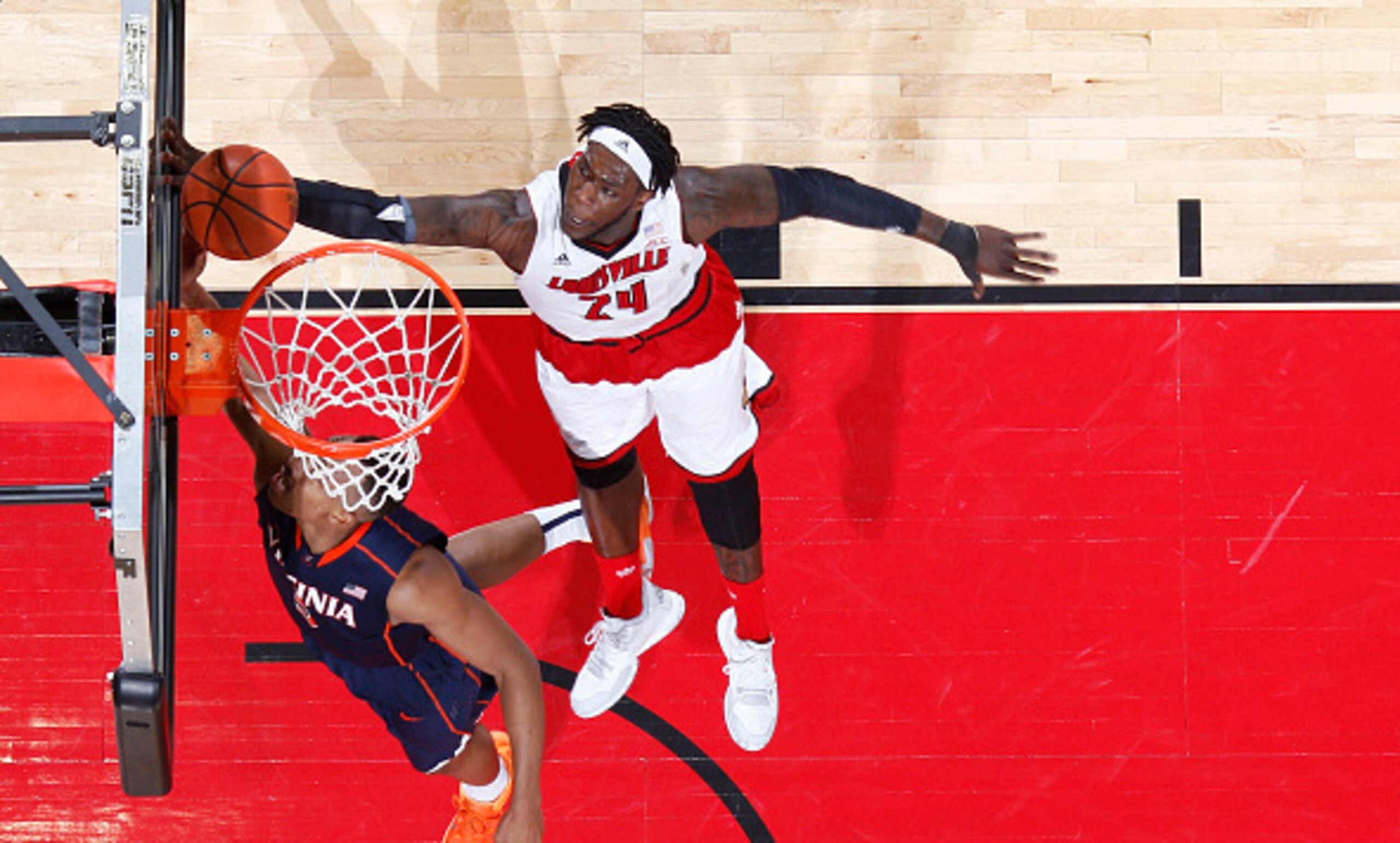
School/Year: Louisville, Junior
It wasn't easy to place Montrezl Harrell ahead of Christian Wood for the No. 5 power forward spot. Wood has so much length and upside if he's able to access it (the key word there is "if").
Louisville's rim-rattling enforcer is just too much of a known commodity.
We know he's going to win battles for position. We know he's going to cover as much vertical and horizontal space as possible on every possession. And we also know he'll finish plays aggressively and defend the basket like a territorial lion.
Sure, he didn't blossom into a skilled post-up threat or finesse player during his three seasons under Rick Pitino. But he proved at Louisville that he'll make the most of every opportunity as a pick-and-roll finisher, offensive rebounder and transition athlete.
He remains a rock-solid value in the 20s because he'll serve as an energetic, blue-collar role player who keeps his team brimming with electricity.
Power Forward No. 4: Bobby Portis, 6'11"
17 of 25
School/Year: Arkansas, Sophomore
Like Montrezl Harrell, Bobby Portis is a driven competitor who works hard on every possession.
What Portis lacks in comparative athleticism, he compensates with superior size and skill. He's not yet masterful as a low-post operator, but his positional awareness, footwork and touch are all promising.
He won SEC Player of the Year honors by stuffing the stat sheet, and he boosted his draft value by acing the analytics test. Portis piled up huge per-40 minute marks in the traditional categories (23.4 points, 11.9 rebounds, 53.6 percent shooting), and he also notched some elite advanced stats (58.2 true shooting percentage, 13.6 offensive rebounding percentage, 122.0 offensive rating).
Portis' NBA numbers won't be that gaudy, but his all-around production at Arkansas indicates he'll make the most of his pro opportunities. He's going to make his opponents sweat on every possession at both ends of the court.
Power Forward No. 3: Kevon Looney, 6'9"
18 of 25
School/Year: UCLA, Freshman
So many aspects of Kevon Looney's game aren't ready for the rigors of an NBA frontcourt.
His ball-handling isn't tight enough to consistently create shots, and he lacks a post-up repertoire and polished defense. He's also rail-thin (220 lbs) and has drawn concerns over his endurance. The 6'9" project won't step into the league and regularly generate offense or slow down power forwards.
However, he's displayed glimpses of lofty upside in several areas. Looney's length (7'3 ½" wingspan) and shooting will eventually translate, as will his rebounding range and instincts. He also draws comparisons to a poor-man's Kevin Durant or Lamar Odom because he's comfortable putting the ball on the deck at the wing.
"At UCLA, I don’t think I showed everything I can do. I just showed what I can do inside,” he told Mark Medina of the Los Angeles Daily News. “I have a lot of potential. I think I have a lot of talent. I’ll be able to help coming in. In the future, I’ll be able to be a great player."
He's a risk-reward commodity, but one general manager will likely gamble on his ceiling before No. 20.
Power Forward No. 2: Trey Lyles, 6'10"
19 of 25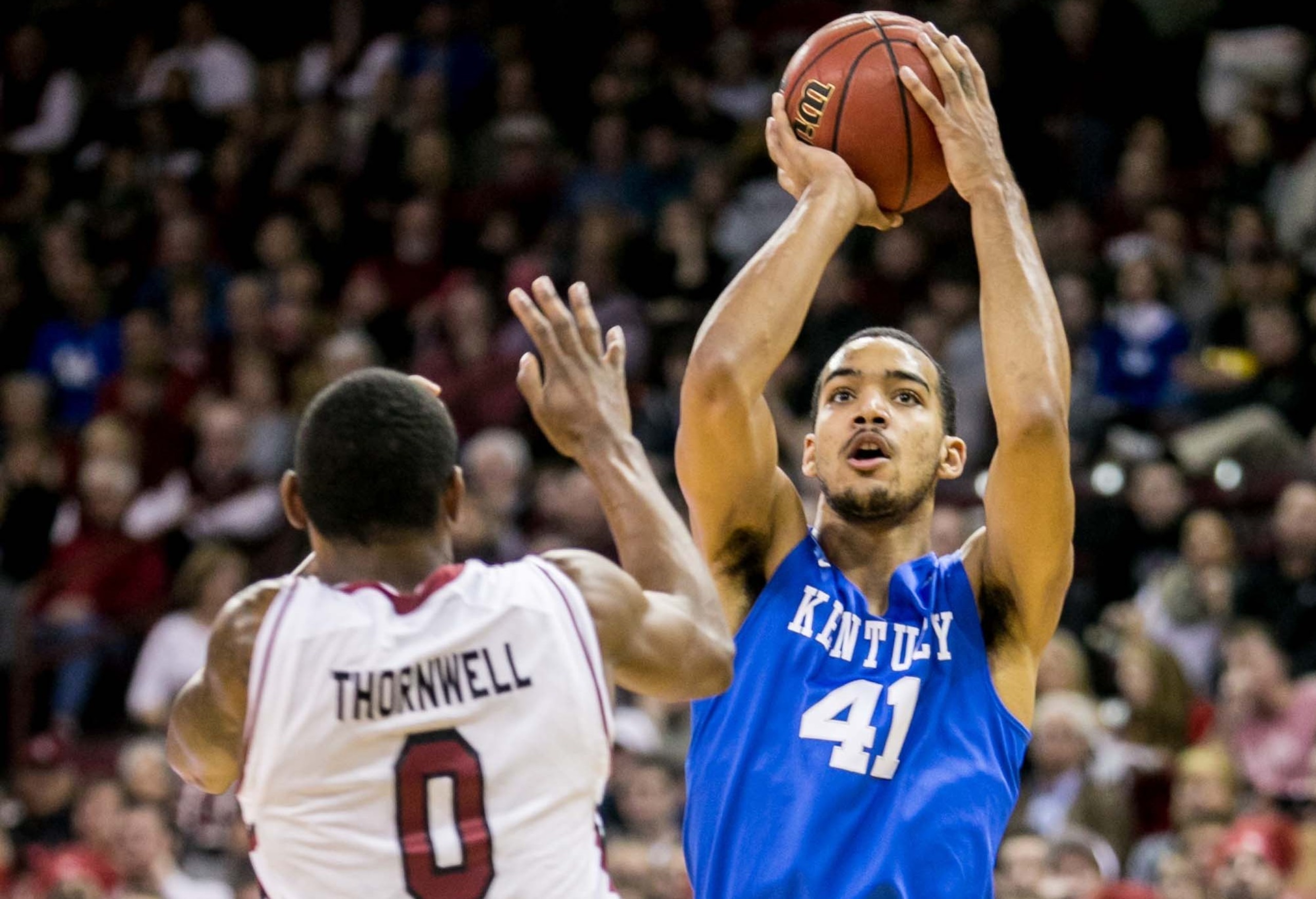
School/Year: Kentucky, Freshman
Trey Lyles flew under the radar for much of Kentucky's dominant season, and he could wind up outperforming most of his mid-first-round peers, if not all of them.
His polish and fluidity as a 6'10" teenager are phenomenal. He already shows good footwork, awareness and touch around the rim. And he possesses the agility and shooting talent to become a perimeter threat. Lyles' range doesn't truly extend beyond the three-point line yet, but his form and delivery suggest he'll get there.
He's slotted behind fellow Wildcats Karl-Anthony Towns and Willie Cauley-Stein on every mock draft, yet he's more refined offensively than both of them.
As his versatility continues to blossom, he's going to be a tough matchup for any opponent. Lyles' skill set and instincts away from the ball could make him a steal.
There are understandable doubts about his defense, because he didn't shine on that end in Lexington. But those questions should be limited to his decision-making and fundamentals, not his athleticism or physical capability. Lyles isn't explosive, but he's bouncy enough to be an effective 4-man stopper.
Power Forward No. 1: Kristaps Porzingis, 7'1"
20 of 25Country/Year: Latvia, 1995
Towering above the other power forward contenders is Latvian big man Kristaps Porzingis.
His all-around potential is so tantalizing. Armed with a dangerous three-point stroke and abundant mobility, he can stretch opposing defenses while playing above the rim on both ends.
Like many 19-year-olds entering the NBA, Porzingis must become stronger in order to carve out position for rebounds and post defense. But USA Today's Derek Bodner explains that the youngster has a great chance to be more than just a finesse player who's an offense-only contributor:
"Big men who have that ability to shoot from deep, who force the opponent's bigs to step out 20 feet from the basket and defend in space, are at a premium and have been for some time. But while many of these perimeter big men struggle to contribute on the defensive side of the ball, Porzingis has shown the potential to be a force there as well. Add the ability to alter shots at the rim and defend ball-handlers coming off of pick-and-rolls to that ability to shoot from the perimeter, and you have yourself a real commodity.
"
Porzingis was an attractive mid-first-round prospect last year before withdrawing from the draft. That ended up being an excellent decision, as he'll flirt with the top five suitors leading up to this year's draft.
Center No. 5: Frank Kaminsky, 7'0"
21 of 25
School/Year: Wisconsin, Senior
Frank Kaminsky will operate as a stretch 4 at times, but we'll keep him in the 5 group due to his size and defensive outlook.
The fact that he's fifth in our center rankings tells you how deep the pool of big men is.
He established himself as college hoops' best player in 2014-15 by outmaneuvering challengers inside and out. Wisconsin's star created and made shots beyond the arc, and he just as easily took the rock to the post and went to town. Considering his mobility, size and IQ, Kaminsky's versatility should translate to the NBA, albeit in a smaller role.
Despite the increased attention from opponents, he filled up the hoop efficiently from all three levels. According to Hoop-Math.com, Kaminsky shot 70 percent at the rim, 45.5 percent on two-point jumpers and 41.6 percent on three-pointers.
Underwhelming explosiveness will prevent him from wowing us defensively, but his quick feet and timing will help him compete.
The lack of elite athleticism and his age (22) dent his draft value compared to younger centers. But he's still an outstanding option if he's available late in the lottery.
Center No. 4: Myles Turner, 6'11"
22 of 25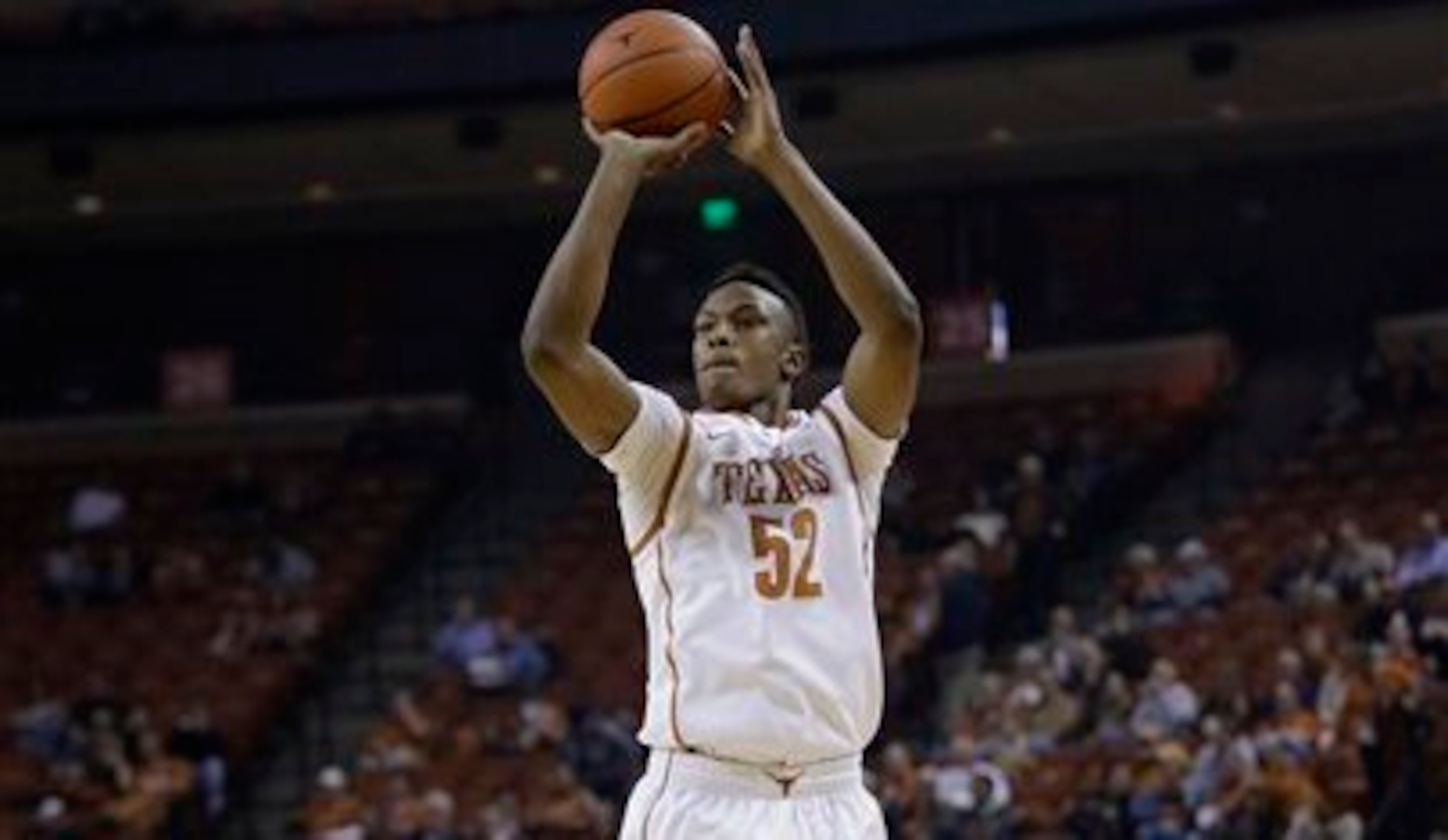
School/Year: Texas, Freshman
Texas' enigmatic big man Myles Turner edges out Frank Kaminsky for fourth place because he's younger (19) and has higher two-way upside.
He only played 22 minutes per game and didn't get the Longhorns past the first round of the Big Dance. Nevertheless, he turned heads with his mid-range shooting and rim protection.
He clearly has the chops to thrive as a pick-and-pop big man, using his height and quick release to shoot over defenders. If he adds some bulk and continues to work on his movement and agility, he could also do some damage in the post.
As a guardian of the paint, Turner registered 4.7 blocks per 40 minutes and the Big 12's top defensive rating at 86.3. His 7'4" wingspan and constant vigilance will make life difficult for NBA slashers as well.
If his running issues are indeed being addressed effectively and he plays end-to-end with no problems, he's worth a top-10 pick.
Center No. 3: Willie Cauley-Stein, 7'0"
23 of 25
School/Year: Kentucky, Junior
Everyone knows Willie Cauley-Stein isn't in the same offensive universe as Frank Kaminsky or even Myles Turner. Yet he's ranked ahead of them on our list because he's that influential defensively.
His quickness will diminish opponents' ability to create opportunities in pick-and-roll scenarios. Cauley-Stein can corral guards coming off screens, rotate quickly from the weak side and guard the bucket with spring-loaded athleticism.
"He is going to change the game on the defensive side of the ball at times," a Southwest Division executive told NBA.com's David Aldridge. "A 7-footer with that kind of athleticism? I don't think he's ever going to be a great offensive player, but there's no question he's going to have an impact."
As long as he can rebound, finish pick-and-roll dump-offs and supply end-to-end energy, his offensive shortcomings won't be an issue. His skills in neutralizing the other team's scoring chances and stymieing multiple positions make him a highly coveted asset.
Center No. 2: Jahlil Okafor, 6'11"
24 of 25
School/Year: Duke, Freshman
Just because Jahlil Okafor lost his throne atop the draft class doesn't mean he's suddenly a shaky prospect.
Sure, he needs to remedy that awful free-throw shooting (51 percent), and the jury is still out on his defensive aptitude. But the big fella can flat-out punish people in the post, and his fluidity and hands are unlike most center prospects you'll ever see.
He remains a strong challenger to land No. 1 overall in June, and he'd be a No. 1-type talent in almost any draft. Okafor poured in 23 points and 11.3 boards per 40 minutes as a freshman, and his passing skills and overall awareness were also impressive.
The counter moves, drop steps and unpredictable finishes force coaches to double-team him. That's a huge part of what makes him valuable, despite his old-school style.
He won't contribute much away from the basket, but most clubs would relish the chance to add someone whose offensive game is a blend of Tim Duncan and Al Jefferson.
Center No. 1: Karl-Anthony Towns, 6'11"
25 of 25
School/Year: Kentucky, Freshman
Karl-Anthony Towns checks all the important boxes. He's a strong back-to-the-basket player, has a smooth jump shot and is a rebounding vacuum. His defensive range is outstanding, and he's a great passer for a big man.
He could eventually grow into an inside-out power forward, and we know he'll immediately be a competitive center in all phases.
Towns leapfrogged past the talented Jahlil Okafor because he's quicker and bouncier on defense, and he also shows more promise as a pick-and-pop shooter. In an era when interchangeable and position-less players are cherished, he has a clear advantage over guys like Okafor.
Whether he lands with the Minnesota Timberwolves or Los Angeles Lakers, Towns will gradually transform the production of the frontcourt. It will take time to refine his creativity and defensive discipline, but all the foundational traits for stardom are there.
Unless otherwise noted, all statistics are gathered from Sports-Reference.com and Basketball-Reference.com.
Dan O'Brien covers the NBA draft for Bleacher Report. Follow him on Twitter: @DanielO_BR

.jpg?w=2560 "Raiders Could Start Mendoza")

.jpg?w=2560 "Rodgers Iced Out on Plane 💎")
.jpg?w=2560 "Packers Safety Slams Refs 🤬")
.jpg?w=2560 "🚨 Week 8 AP Top 25 Poll")
