Sports Figures Who Had Huge Shoes to Fill
Pete Myers is no Michael Jordan. Then again, no one could ever be Michael Jordan. In fact, it's next to impossible to fill the shoes of legends. But things happen—things like injuries and retirement eventually remove even the best of the best from their thrones.
The following 20 people were each given the daunting task of replacing an icon. Just how big were the shoes they had to fill? That depends on the situation and, of course, the person wearing them.
Honorable mention to Aaron Rodgers. Brett Favre's shoes in Green Bay were definitely big, but one could argue many of the Packer faithful were off put by the Favre retirement drama and ready for the new era.
Matt Cassel
1 of 20
Replaced: Tom Brady
Tom Brady was already a three-time Super Bowl champion and an NFL MVP when he went down with a season-ending injury in Week 1 of the 2008 NFL season.
Matt Cassel was the New England Patriots' backup quarterback at the time, and he stepped in to play fairly well. The fourth-year pro out of USC threw for over 3,600 yards and 21 touchdowns in 2008 and earned himself a starting job in the process. Cassel signed a six-year, $63 million deal with the Kansas City Chiefs in July 2009.
Chris Mihm
2 of 20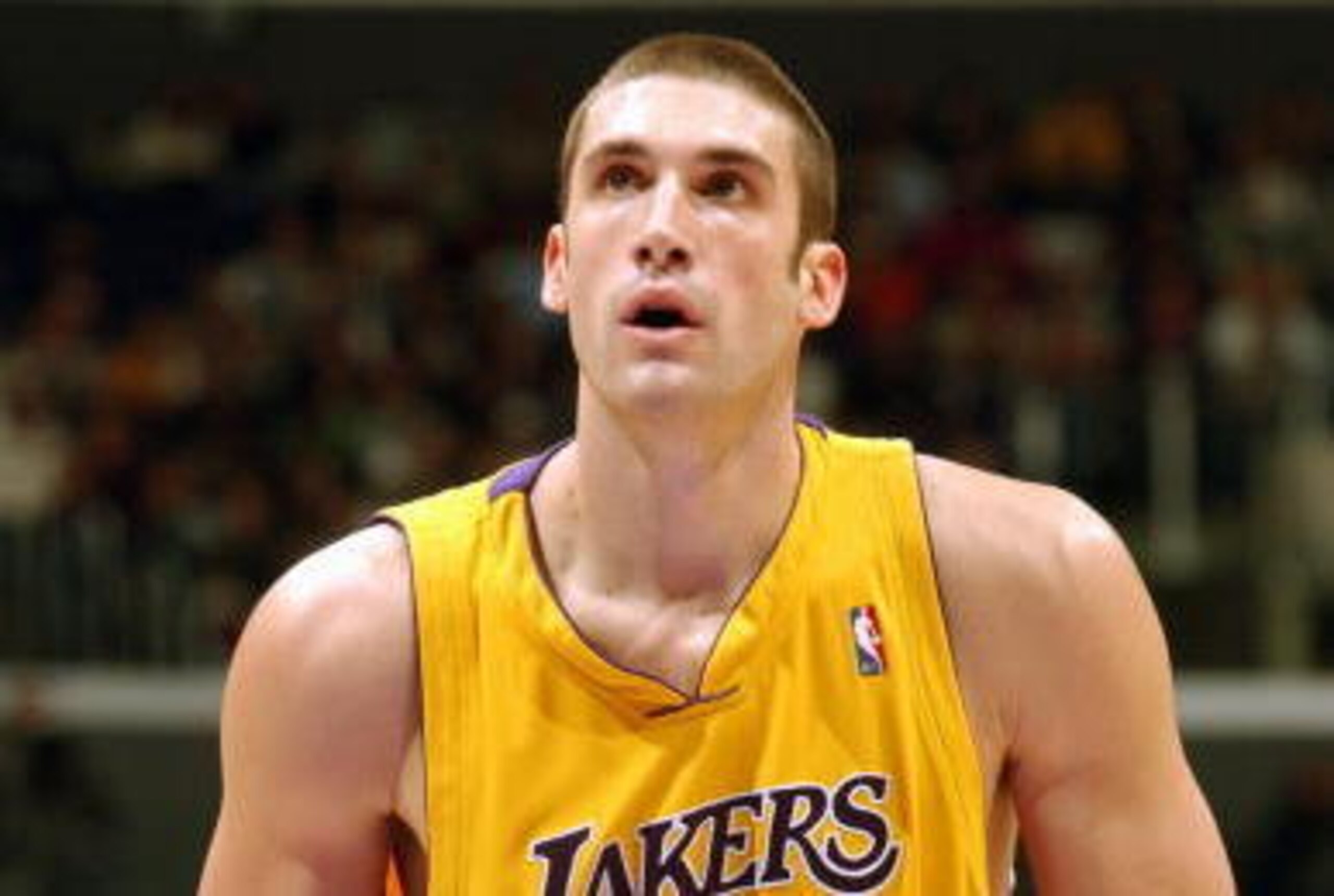
Replaced: Shaquille O'Neal
The Los Angeles Lakers traded Shaquille O'Neal to the Miami Heat in 2004. This, of course, came after years of turmoil between O'Neal and the Lakers' other cornerstone, Kobe Bryant.
During the same offseason, the Lakers acquired 7'0" center Chris Mihm via a sign-and-trade with the Boston Celtics. Mihm told Steve Springer of the Los Angeles Times, "Shaq and I are totally different. There has never been a player like Shaq before, and who knows if there will ever be one like him again. I would never claim to be Shaq. But I feel I can bring a lot to this team."
Kerry Collins
3 of 20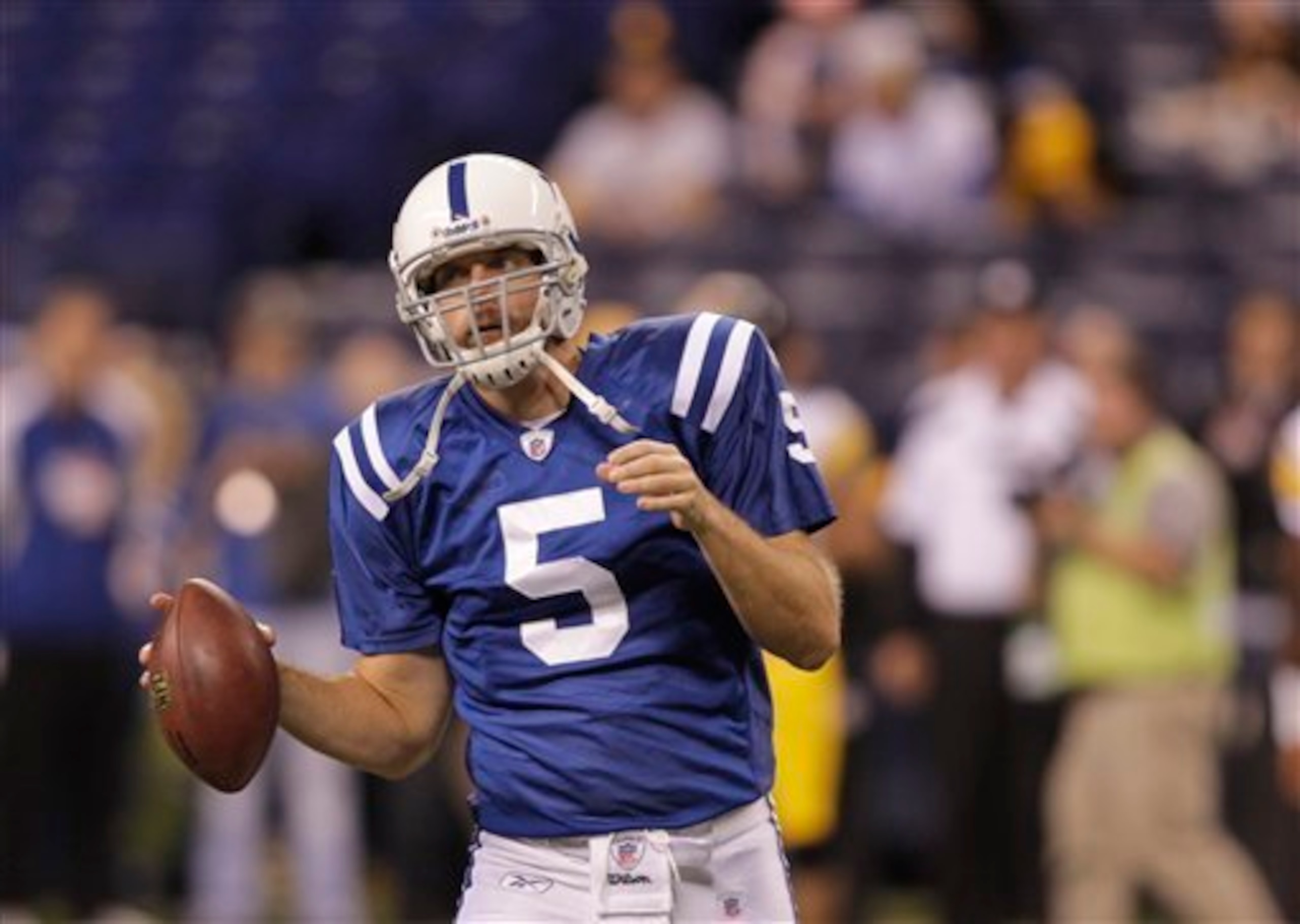
Replaced: Peyton Manning
In September 2011, Peyton Manning (then with the Indianapolis Colts) had his third neck surgery in 19 months. At first it was unclear how much time he would miss, and the Colts called Kerry Collins out of retirement to replace him.
Collins later told Bill Pennington of the New York Times, "That offense has evolved around a special guy. Peyton has a football IQ that is off the charts and a physical gift as well. There is no way to go in there and run the offense like he does."
Manning's absence eventually lasted all season, but Collins' stint as his replacement did not. Collins suffered lingering concussion issues, and Curtis Painter eventually took over the starting quarterback role.

.jpg?w=2560 "Rams Raiders Football")

Jimmy Garoppolo
4 of 20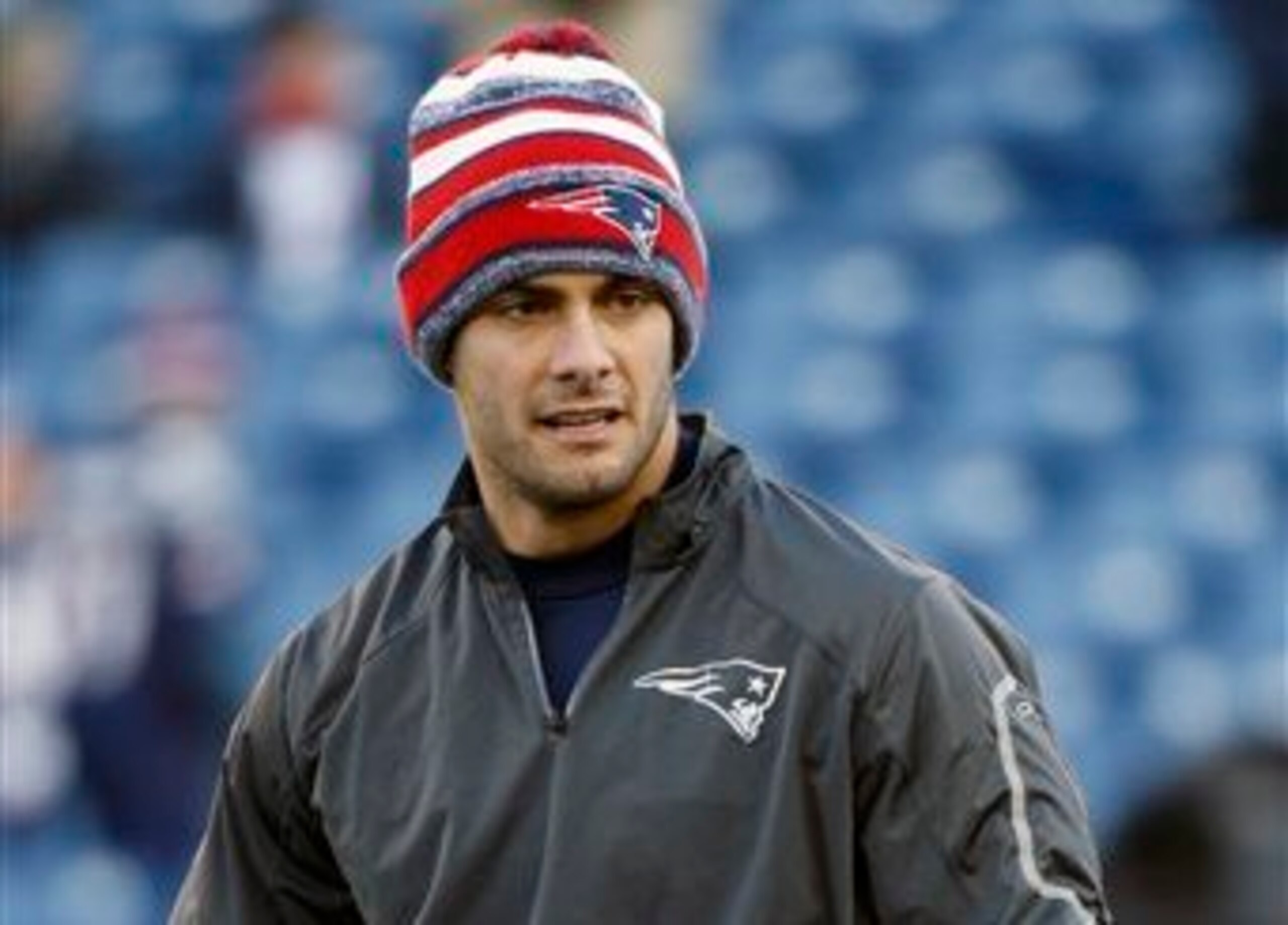
Might Replace: Tom Brady
Jimmy Garoppolo is No. 2 on the New England Patriots' quarterback depth chart. Who knew?
It's not likely a lot of people did know of Garoppolo until QB1 was handed a four-game suspension for his alleged involvement in Deflategate. Brady is appealing the decision with the league, but if he does end up missing any action, the world will get to see Garoppolo up close and personal.
Garoppolo played his college ball at I-AA Eastern Illinois University, and the Patriots took him with their second-round pick in 2014. His NFL experience is limited to 27 pass attempts for 182 yards and one touchdown.
Mike Cameron
5 of 20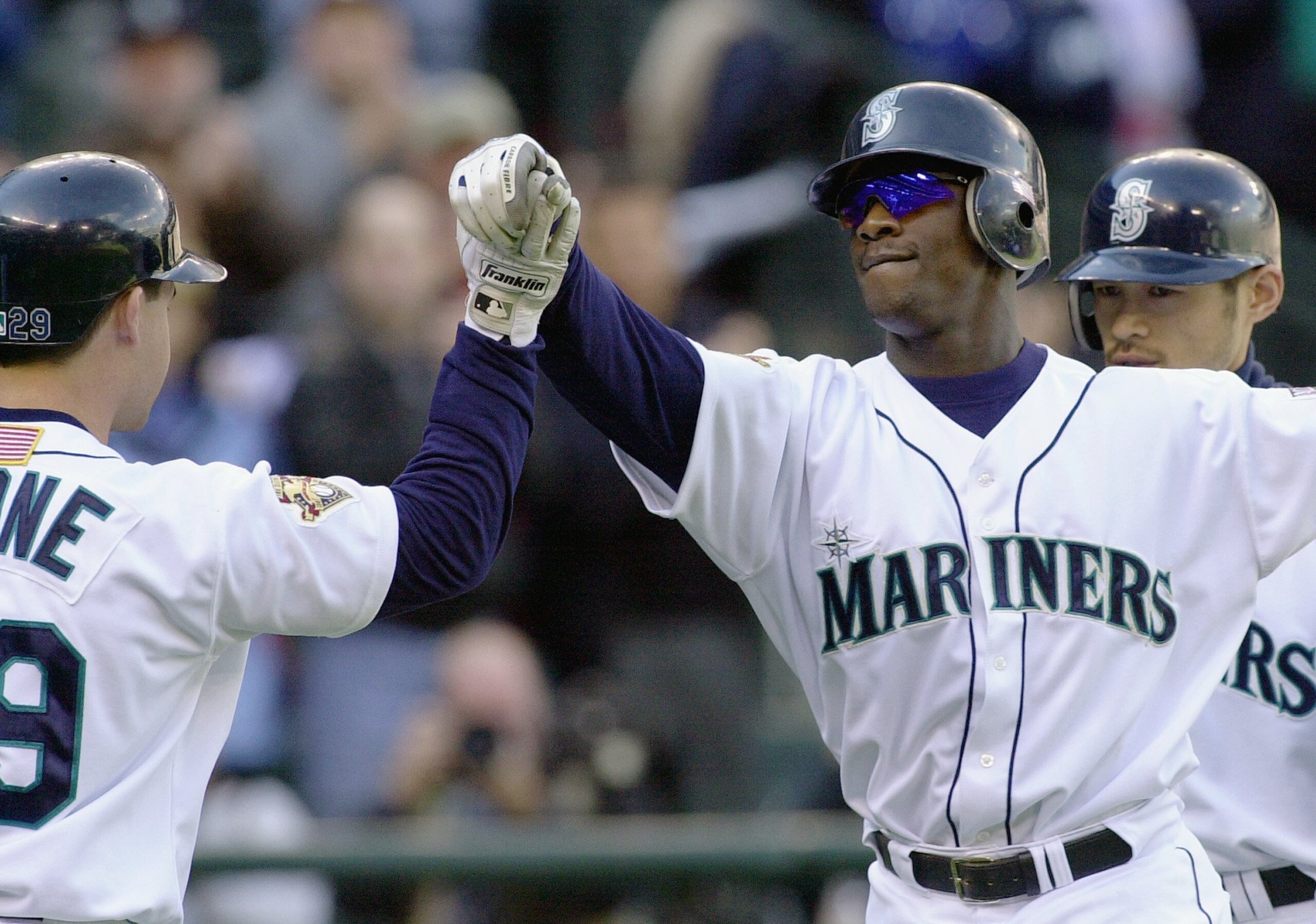
Replaced: Ken Griffey Jr.
Ken Griffey Jr. made every American League All-Star team of the 1990s and won the AL MVP award in 1997. He was one of the best players in baseball when the Seattle Mariners traded him to the Cincinnati Reds in 2000. Griffey had requested a trade, according to the Cincinnati Enquirer, in order to be closer to family.
Mike Cameron, who came to Seattle in the Griffey deal, was tasked with replacing the All-Star center fielder. He had a decent year in 2000, hitting .267/.365/.438 with 19 home runs and 78 RBI.
Jeff Garcia
6 of 20
Replaced: Steve Young
Just as Steve Young once replaced the massive shoes of Joe Montana, Jeff Garcia eventually found himself in the same situation. This time, it was Young's shoes that needed filling.
Since taking over for Montana in 1991, Young made seven consecutive Pro Bowls and helped the San Francisco 49ers win Super Bowl XXIX. Concussion issues sidelined him in 1999 and eventually forced his retirement in 2000.
In 1999, his first NFL season, undrafted Garcia was tapped to replace yet another great 49ers quarterback. Garcia ended up throwing for 2,544 yards and 11 touchdowns in just 10 starts that year.
Andrew Luck
7 of 20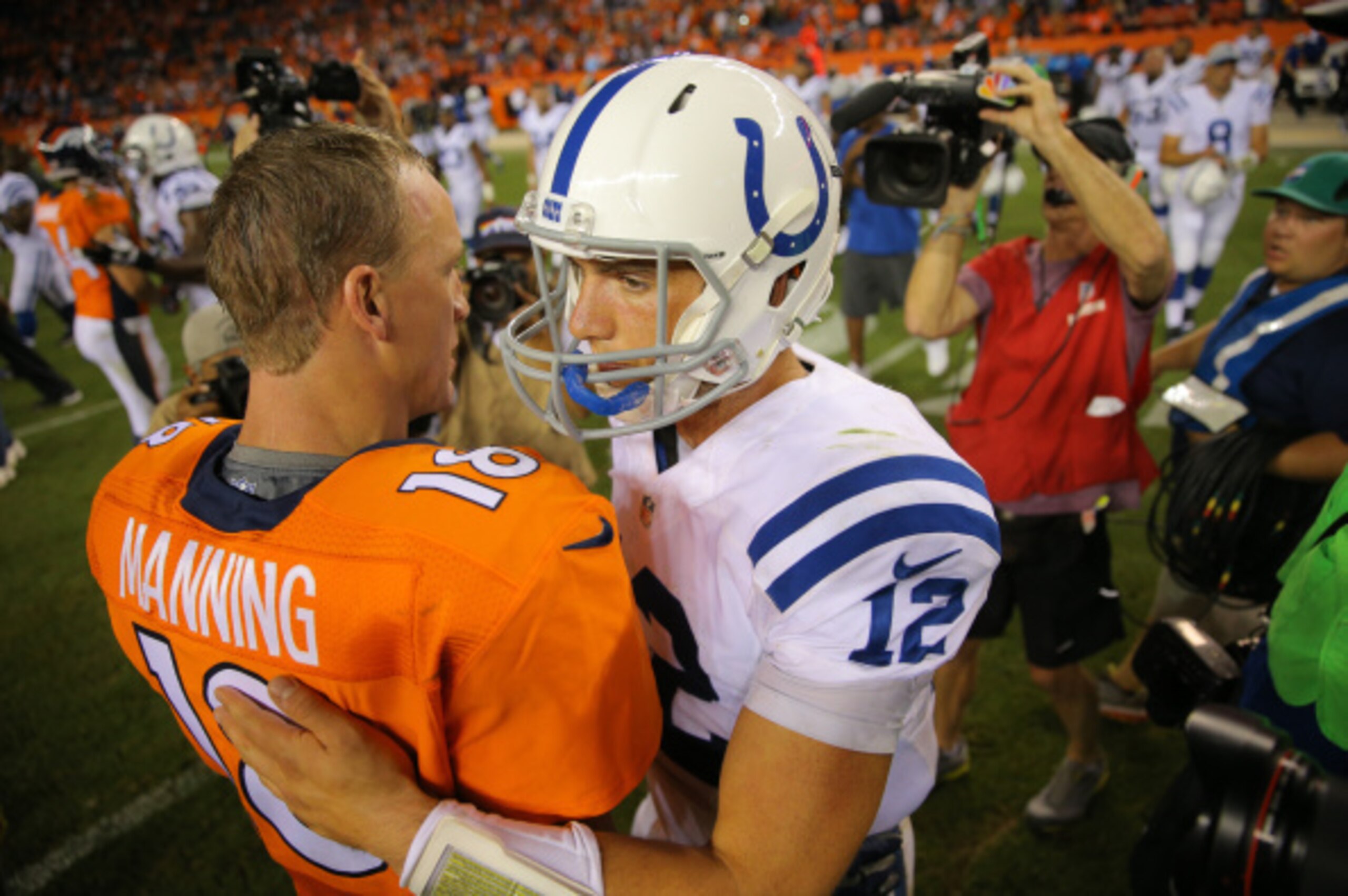
Replaced: Peyton Manning
Peyton Manning was (and is) beloved in Indianapolis. Lucas Oil Stadium is affectionately referred to as "The House That Manning Built." He is still the career passing leader in Indianapolis Colts history and brought home a Super Bowl victory in 2006.
While Manning's replacement was strategic on the part of the Colts, it certainly wasn't easy. After missing significant time due to injury, and with looming concerns over his health, the Colts released Manning in 2012, and he eventually signed with the Denver Broncos.
A big reason the Colts completed this move was because Stanford's Andrew Luck was waiting to be drafted. Luck was hyped to be one of the best quarterback prospects in years, maybe decades. The Colts took him No. 1 overall in 2012, and he hasn’t disappointed.
David Robertson
8 of 20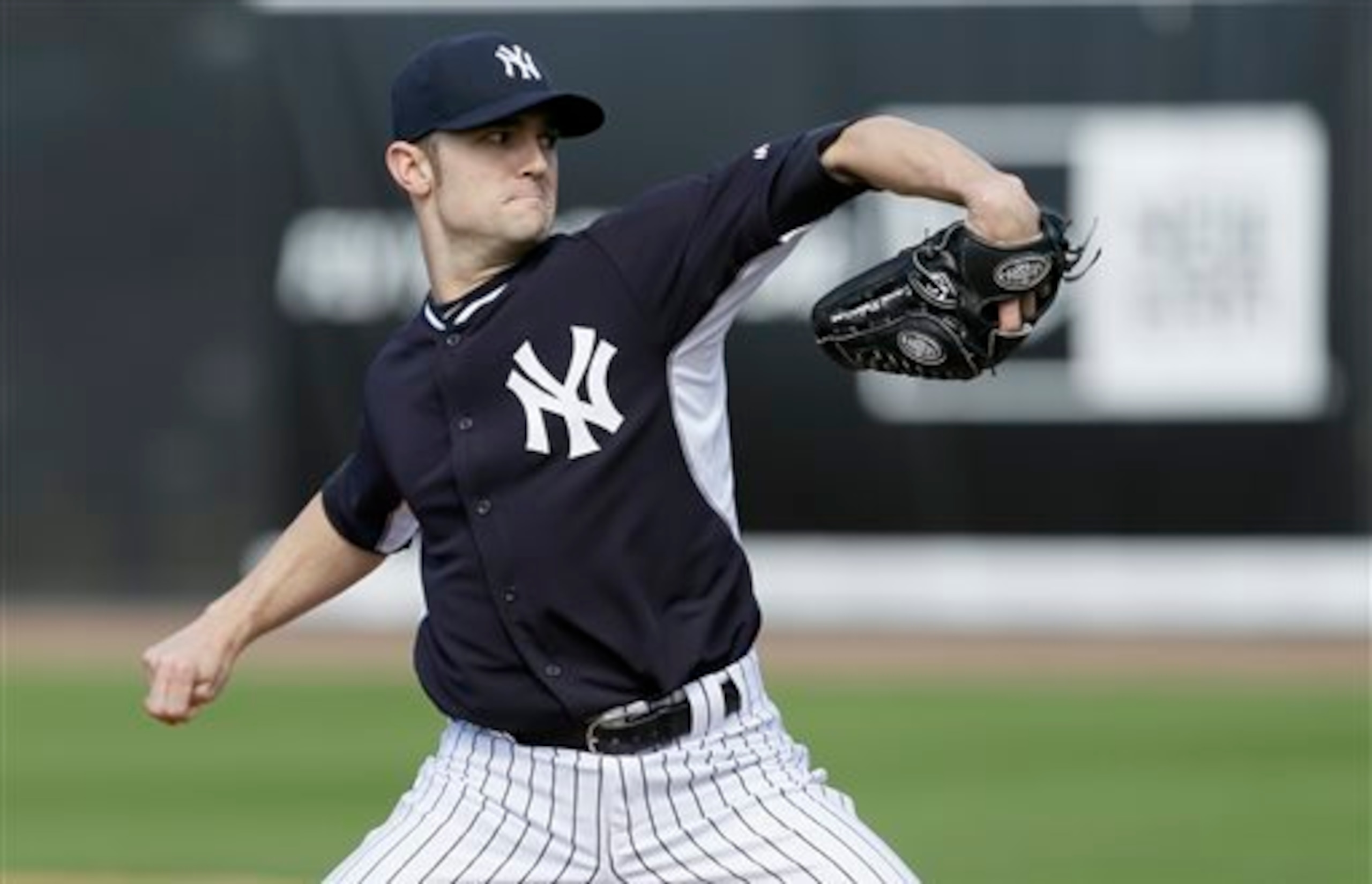
Replaced: Mariano Rivera
Mariano Rivera is MLB's all-time saves leader and arguably the greatest closer in history. He recorded a career ERA of 2.21, and even in his final season he still notched 44 saves.
David Robertson had been Rivera's setup man, and in 2014 the Yankees tried him out as the new closer. According to Bob Nightengale of USA Today, Robertson said, "You can't replace legends. Somebody like Mo, you may never see again [in] the game of baseball." He added, "Just like Michael Jordan. Just like Derek (Jeter). Nobody replaces those guys, but somebody is going to have to take over their jobs."
Robertson did pretty well for himself, recording 39 saves with a 3.08 ERA. However, he signed with the Chicago White Sox via free agency after just one season as the Yankees closer.
Jay Fiedler
9 of 20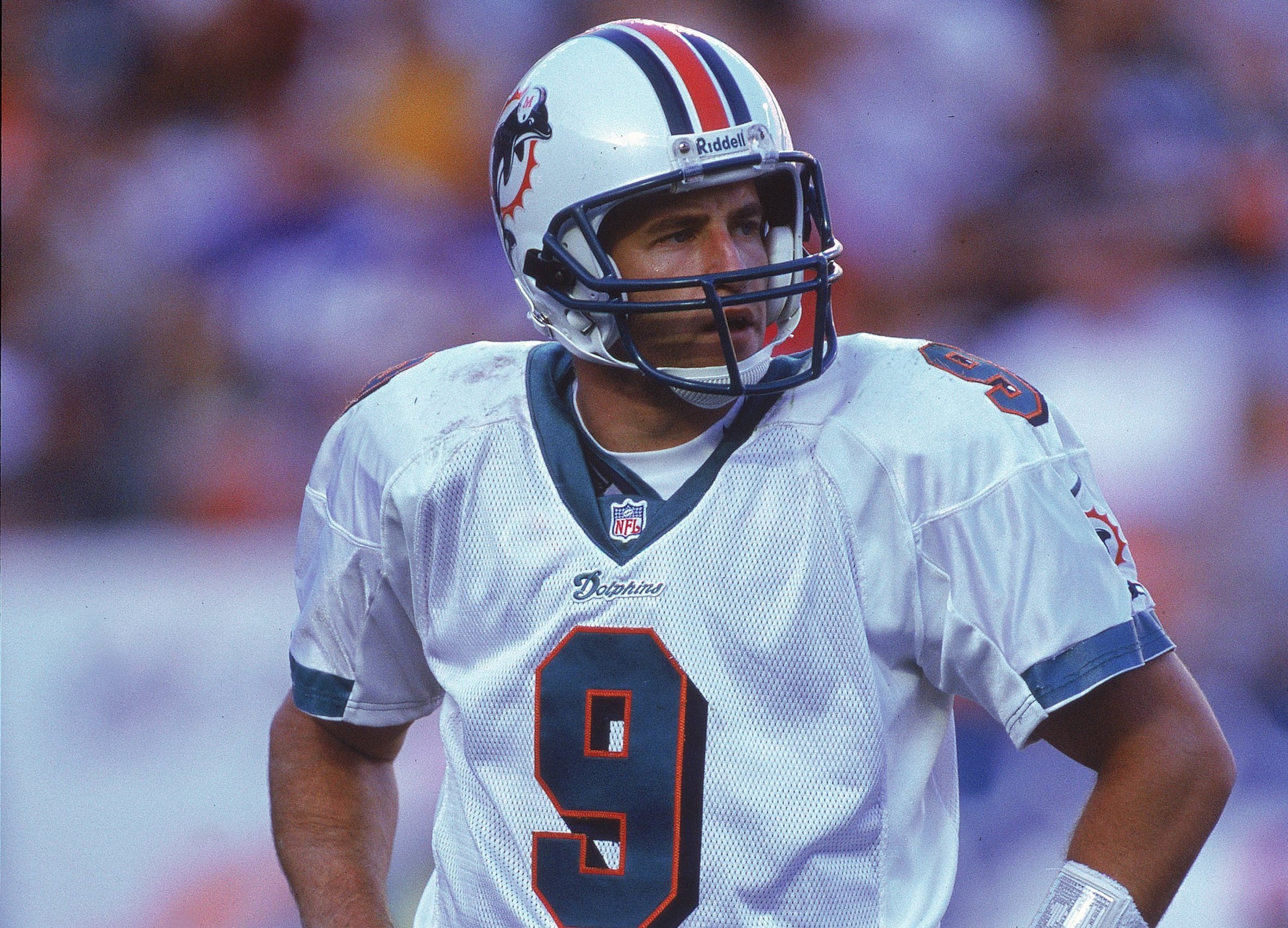
Replaced: Dan Marino
Dan Marino quarterbacked the Miami Dolphins for 17 seasons. He is a nine-time Pro Bowler and was elected into the Pro Football Hall of Fame in 2005.
Marino retired after the 1999 season, and Jay Fiedler succeeded him as the starting QB in Miami. Fiedler threw for 2,402 yards and 14 touchdowns in 2000. Fiedler spent five seasons in Miami and remains the last QB to win a playoff game for the Dolphins, a feat he accomplished in the 2000 postseason.
Brian Griese
10 of 20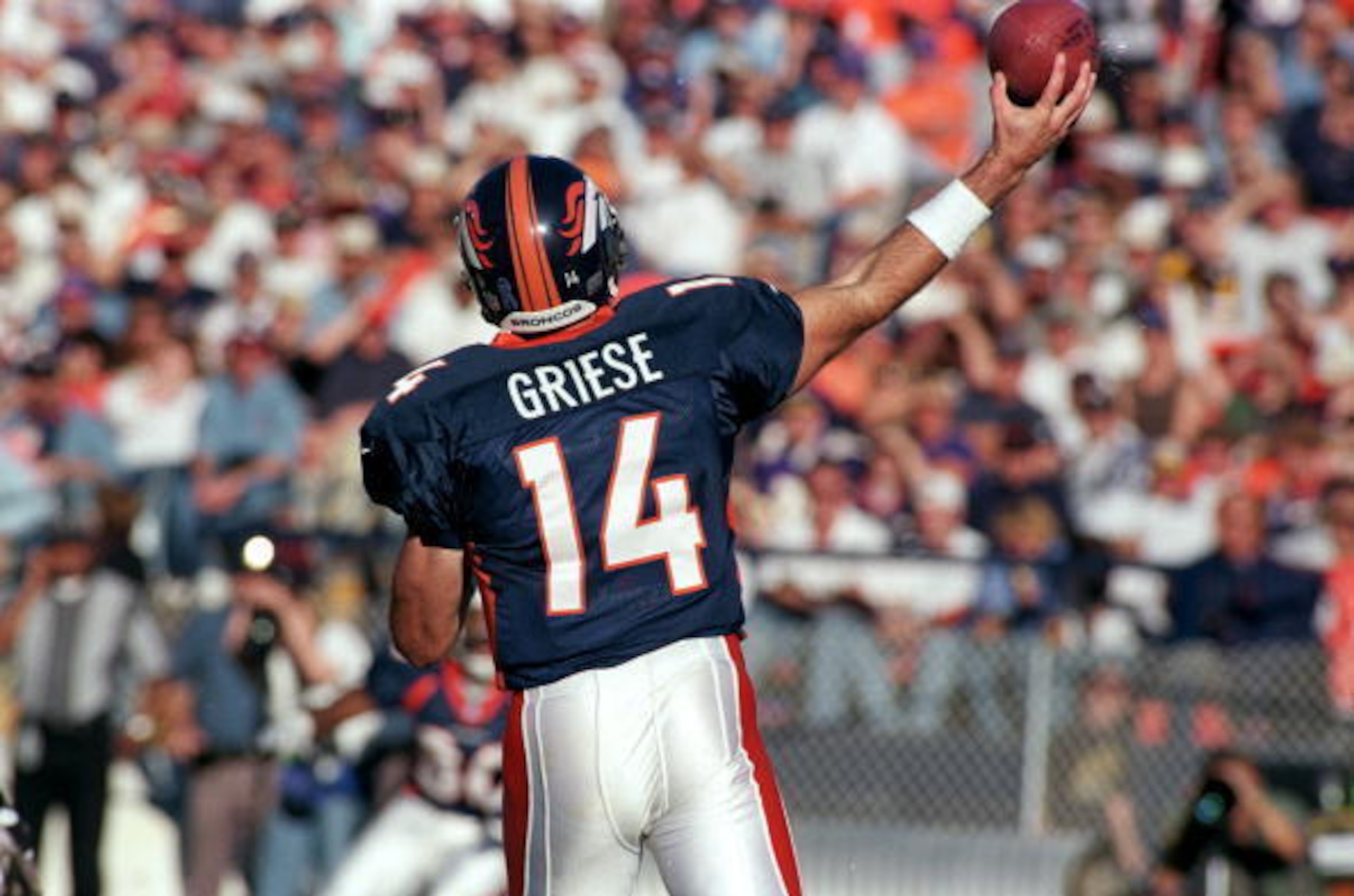
Replaced: John Elway
John Elway did what few iconic athletes get the opportunity to do—he went out on top. The nine-time Pro Bowler and the Denver Broncos won Super Bowl XXXIII, and Elway was named MVP. He retired afterward, leaving the Broncos without a clear-cut quarterback for the first time in 16 years.
The Broncos' 1998 third-round draft pick, Brian Griese, ended up getting the nod for the 1999 season. He held onto the job for four seasons, compiling a 27-24 record as a starter.
Kevin Gamble
11 of 20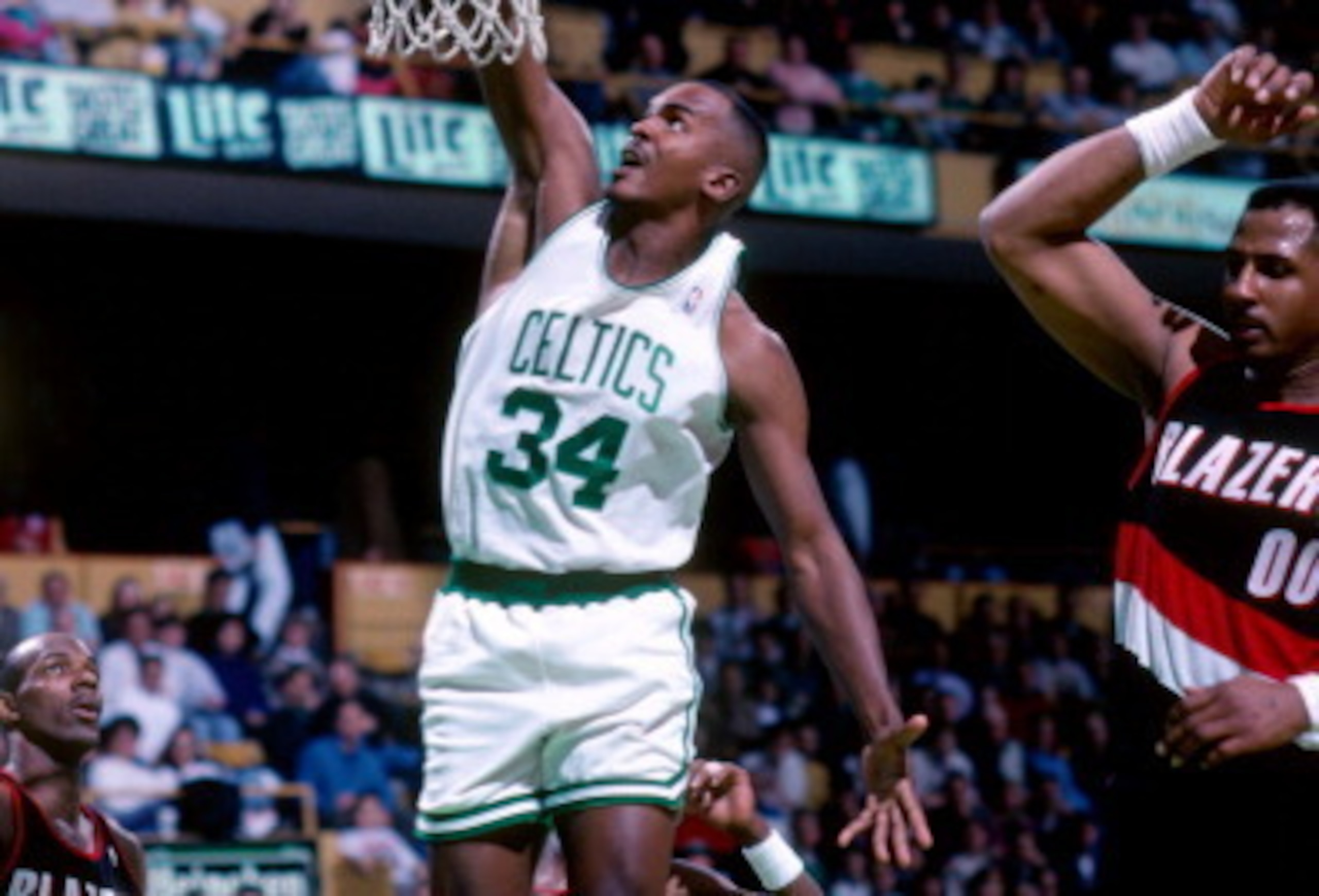
Replaced: Larry Bird
By 1989, Larry Bird of the Boston Celtics was already a living legend. At that point, he was a three-time MVP and had been selected for nine consecutive All-Star teams.
After playing in just six games of the 1988-89 season, Bird elected to have season-ending surgery to correct bone spurs in his feet. The Celtics went out and signed the Continental Basketball Association's leading scorer to take over his roster spot, according to the New York Times.
Kevin Gamble, a 6'5" forward out of Iowa, played sparingly the first two seasons, but he eventually landed a starting role in 1990-91.
Tim Floyd
12 of 20
Replaced: Phil Jackson
Phil Jackson is the most successful championship coach in NBA history. The legend began in Chicago, when Jackson led Michael Jordan and the Bulls to six NBA titles by way of two three-peats.
Jackson left Chicago when Jordan did, after the 1998 championship, and Tim Floyd was chosen to replace him. The Bulls were Floyd's first pro job—his previous experience was all college, most recently with the Iowa State Cyclones.
Unfortunately for Floyd, big shoes are especially tough to fill when three core players are gone from the team (Jordan, Scottie Pippen and Dennis Rodman). Floyd coached the Bulls to a 49-190 record in four seasons, failed to make the playoffs and resigned in 2001.
Greg Hill
13 of 20
Replaced: Barry Sanders
Barry Sanders is one of the NFL's all-time leading rushers. The Detroit Lions legend is third on the list of career yards and fourth in single-season yards. He accomplished all this despite famously retiring at age 31, seemingly still at his peak, just 1,457 yards shy of the career rushing record at the time.
Since then, the Lions have yet to employ a dominant running back. Since Sanders retired in July, so close to the 1999 season, the team had few options in finding a replacement. Greg Hill and Ron Rivers shared the running back duties that year, and it didn't exactly go well. Hill got more carries (144 to Rivers’ 82), for a total of just 542 yards and two touchdowns.
Didi Gregorius
14 of 20
Replaced: Derek Jeter
Derek Jeter is a New York Yankees legend. He played shortstop for the iconic franchise for 20 years, won five World Series and acted as one of the few team captains in Yankee history. Jeter's retirement after the 2014 season brought much fanfare, as well as speculation as to who would replace him.
The Yankees traded for Arizona Diamondbacks shortstop Didi Gregorius in December, but the jury's still out on whether he will be the long-term solution at short.
Steve Young
15 of 20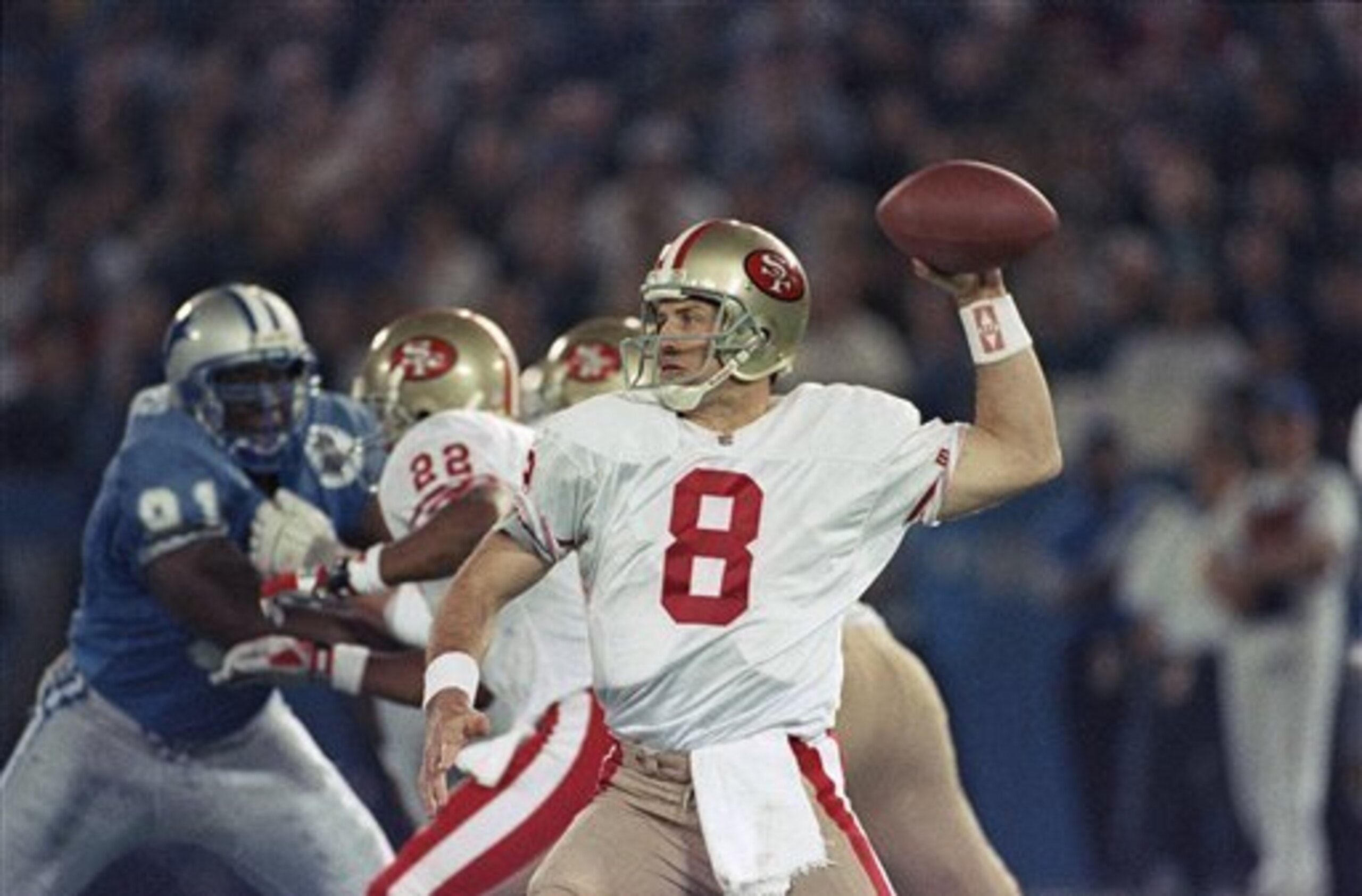
Replaced: Joe Montana
Joe Montana led the San Francisco 49ers to four Super Bowl victories, and the eight-time Pro Bowler was elected to the Hall of Fame in 2000.
Steve Young served as Montana's backup from 1987 until 1991, when Montana suffered an elbow injury in the NFC Championship Game. Montana’s injury sidelined him for all of the 1991 season and most of 1992.
The situation eventually turned ugly when Young performed well in Montana’s absence—so well in fact, he won the NFL MVP in 1992. Amid one of the league's greatest quarterback controversies, Montana ended up demanding a trade to Kansas City in 1993.
Abby Wambach
16 of 20
Replaced: Mia Hamm
Mia Hamm is a U.S. soccer icon. She played on the U.S. national team for 17 years, won two world championships, two Olympic gold medals and scored 158 international goals before her retirement in 2004.
Abby Wambach didn't replace Hamm directly. In fact, Wambach and Hamm played together for a few years. Rather, Wambach eventually filled Hamm's shoes as America's star female soccer forward and dynamic goalscorer. In 2013, she replaced Hamm as the all-time leader in international goals.
Wambach joined the women's national team in 2001. She had her coming-out party in 2004, scoring four Olympic goals and earning the title of U.S. Soccer Female Athlete of the Year.
Sedale Threatt
17 of 20
Replaced: Magic Johnson
Magic Johnson is a five-time NBA champion, 12-time All-Star and often mentioned in the conversation of best NBA players ever. Johnson's first retirement from basketball in November 1991 was a powerful moment in sports. The Los Angeles Lakers point guard announced he was HIV-positive and would retire immediately.
The unexpected news gave Sedale Threatt the impossible task of replacing Magic. In December 1991, he told Phil Jasner of the Philadelphia Daily News, "I can't replace Magic. No one can. He's 6'9", won all those (NBA) championships. I'm 6'2", haven't won any championships. I can only be me."
Threatt started all 82 games at point guard for the Lakers in the 1991-92 season and averaged 15.1 points and 7.2 assists per game.
Holly Warlick
18 of 20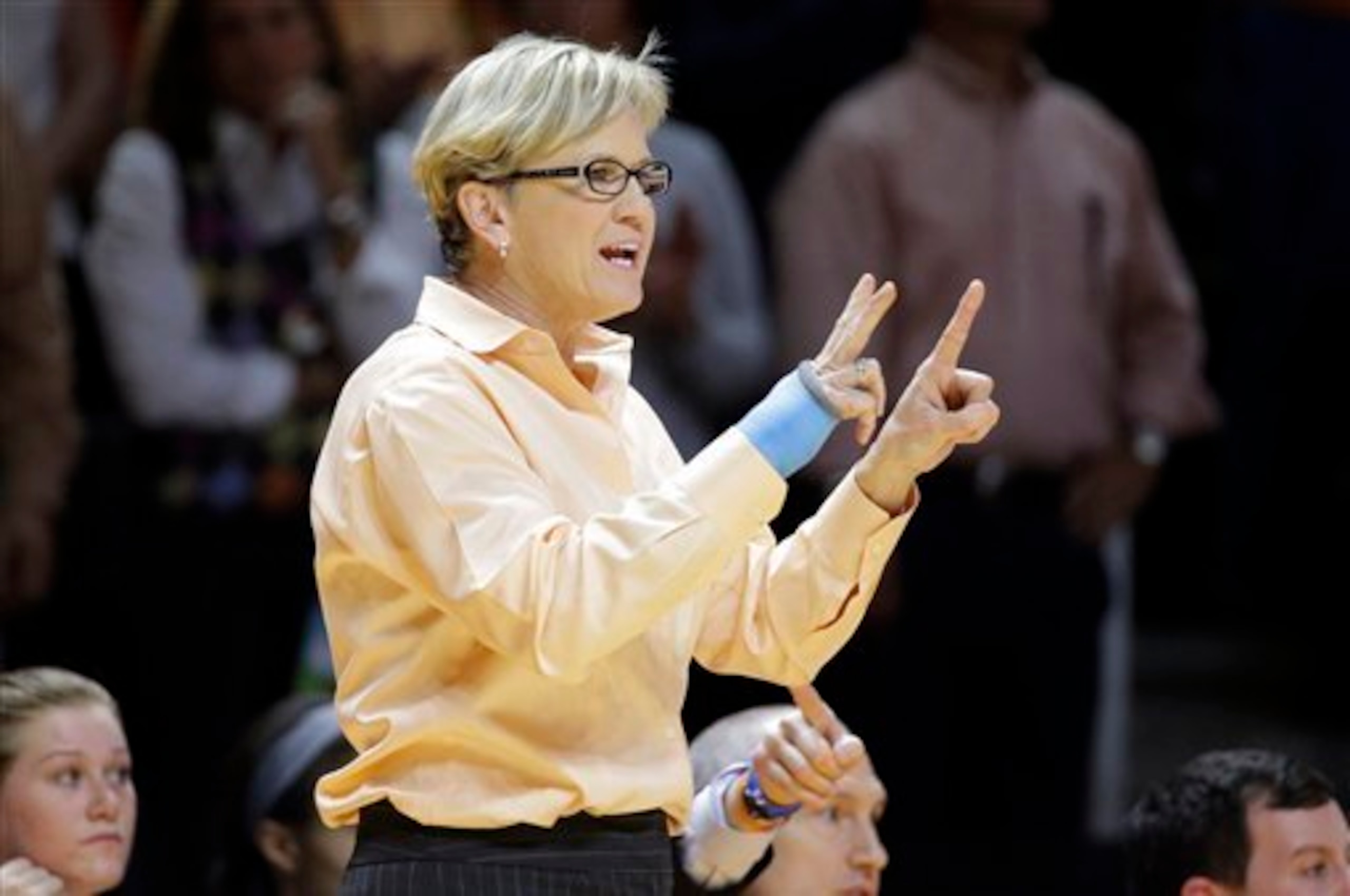
Replaced: Pat Summitt
Pat Summitt is the all-time winningest head coach in the history of NCAA basketball. She amassed a record of 1,098-208 during 38 years as head coach of the Tennessee Lady Volunteers. She was the NCAA Coach of the Year seven times and named the Naismith Coach of the Century in 2000.
Early-onset Alzheimer's prompted Summitt's retirement in 2012, and she was succeeded by her longtime assistant, Holly Warlick. Warlick told Liz Clarke of the Washington Post, "She is my coach, mentor and great friend, and I am honored with the opportunity to continue and add to the great tradition of this program."
Mark Messier
19 of 20
Replaced: Wayne Gretzky
Mark Messier is a hockey legend in his own right, but at one point he did have the tough job of replacing "The Great One" as captain of the Edmonton Oilers.
Gretzky was famously traded to the Los Angeles Kings in 1988, and Messier stepped in to fill his shoes as Edmonton's official leader. He proved fit for the role and went on to become the only player in history to captain two teams to Stanley Cup championships.
Pete Myers
20 of 20
Replaced: Michael Jordan
Michael Jordan is generally thought to be the greatest basketball player in history. So, yeah. Big shoes.
He retired for the first time following the 1993 season and his third NBA championship. While Jordan could certainly not be replaced, someone had to play shooting guard in 1993-94.
That someone was Pete Myers. He played in all 82 games, but no one expected him to even approach the offensive output of Jordan. According to Melissa Isaacson of the Chicago Tribune, Myers was tasked with playing impeccable defense.
At the time, Isaacson reported Scottie Pippen said of Myers, "He's getting very comfortable with the system, and we've gotten very comfortable knowing his style of play. He's a guy that people pretty much underestimate, but he does a lot of good things."
.jpg?w=2560 "Steelers Saints Football")

.jpg?w=2560 "Packers Safety Slams Refs 🤬")
.jpg?w=2560 "🚨 Week 8 AP Top 25 Poll")