Why a Late Start to 2016 Formula 1 Season Could Be a Blessing in Disguise
Has this been the poorest start to a Formula One season in recent times?
Not so much in terms of competition, as three different winners in the opening five grands prix of 2015 is encouraging, or the standard of the racing—the exploits of Max Verstappen in China and Nico Rosberg in Bahrain alone have made the campaign worthwhile—but the sheer, raw quality of the teams.
The mid-point of the campaign is fast approaching, yet only three outfits, Mercedes, Ferrari and Williams, could argue with any confidence that they have operated at, or close to, their full potential thus far (the latter may suggest they have underperformed if anything).

.jpg?w=2560 "Steelers Saints Football")
.jpg?w=2560 "Rams Raiders Football")
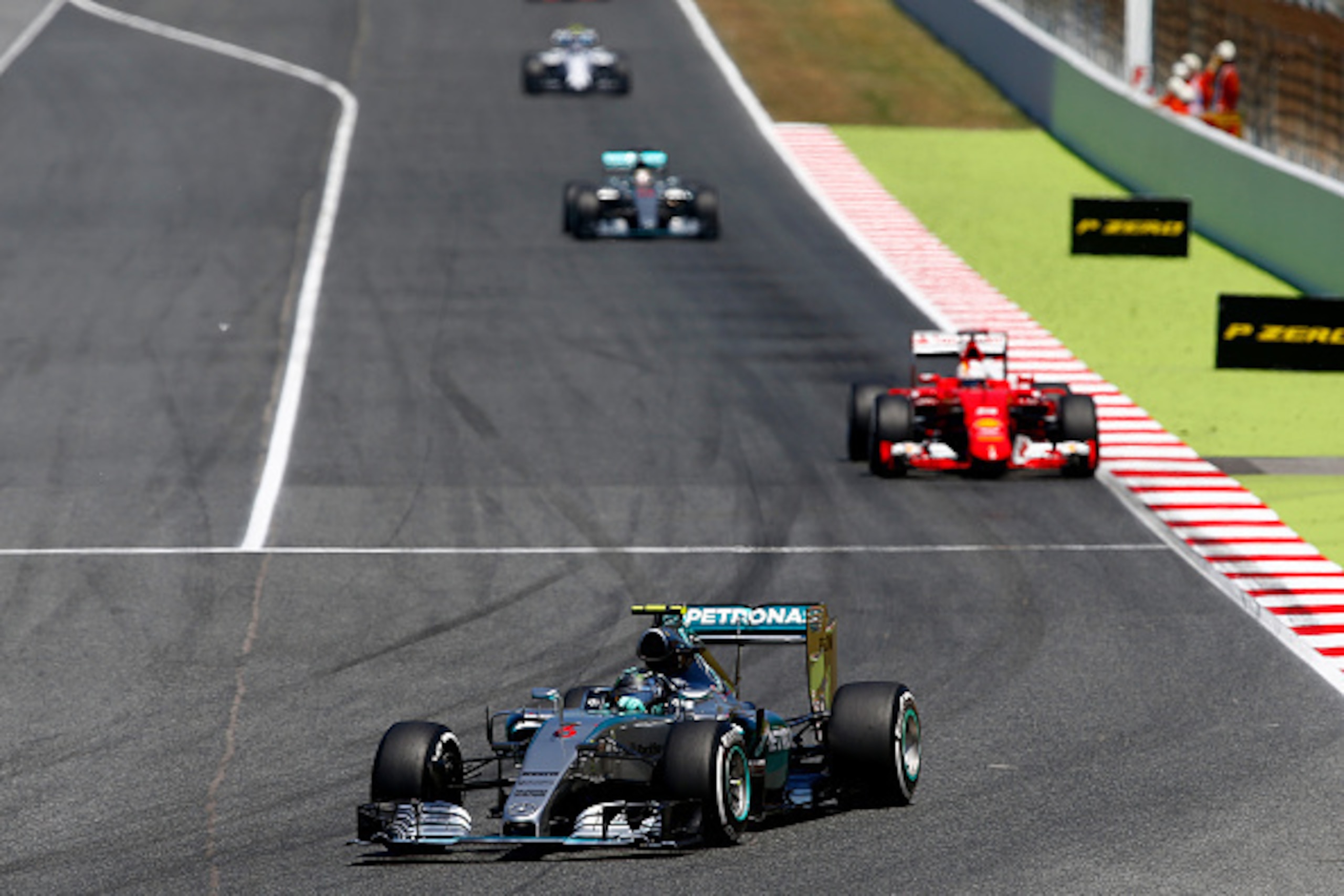
And the Big Three's stranglehold is reflected in the constructors' standings.
Williams, in third—who started the season-opening Australian Grand Prix with a single car after Valtteri Bottas' back injury—currently enjoy a substantial, perhaps already insurmountable 51-point advantage over fourth-placed Red Bull Racing, who are just 19 points ahead of Force India, the lowest-ranked point-scorers in eighth.
Although in years gone by a tight midfield battle would be used as evidence of just how thrillingly competitive F1 was—take the 2012 season, for instance, when seven different drivers won the opening seven races and a total of 13 drivers reached the podium—it is very much the opposite in 2015, when the sight of a Red Bull fighting a Sauber is symptomatic of a wider problem.
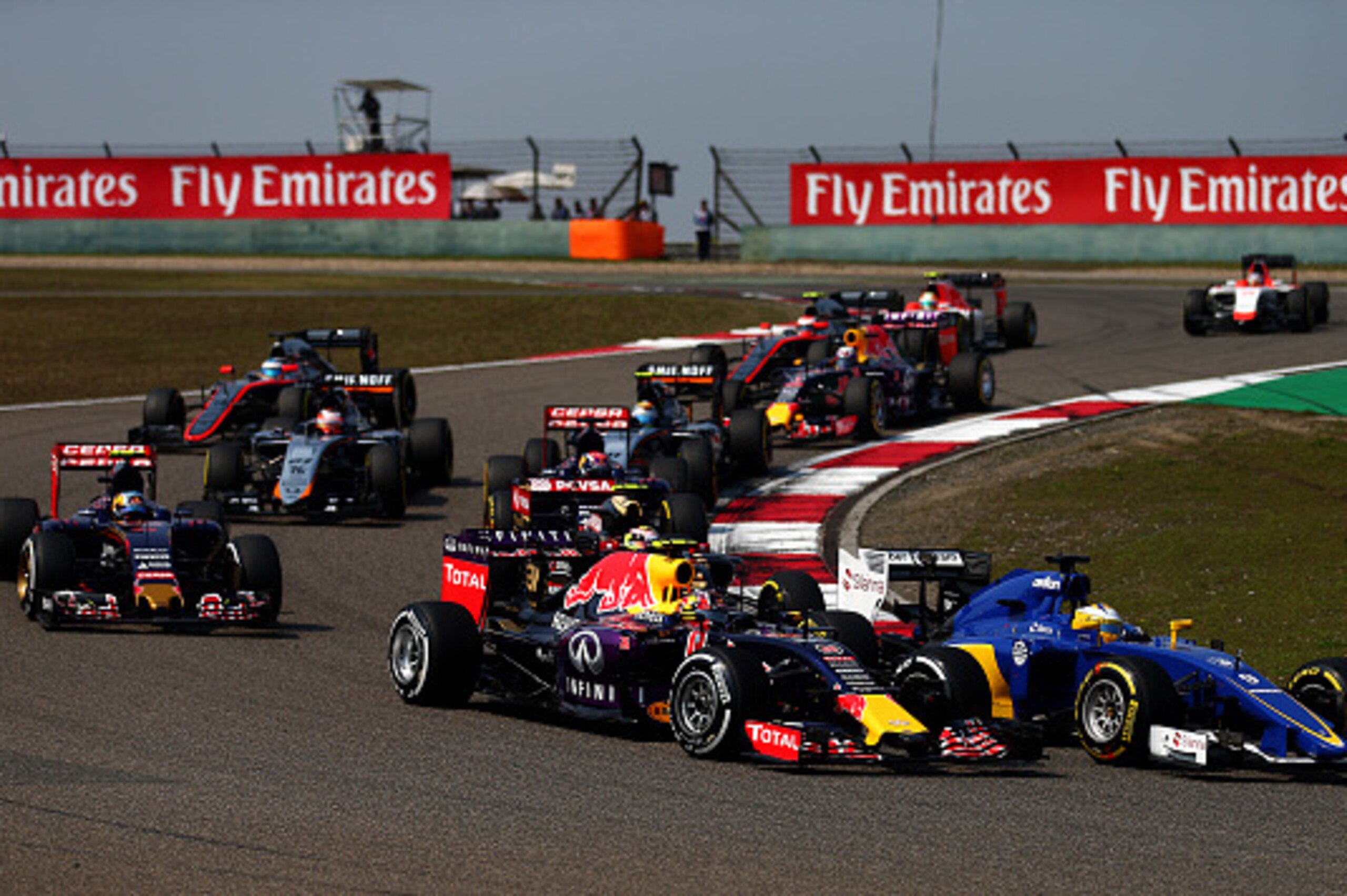
For it appears that the issues suffered by the bottom seven teams, from four-time world champions Red Bull to the pointless Manor outfit, at the start of this season can be directly linked to either the performance, reliability or cost of the V6 turbocharged power units, first introduced at the beginning of 2014.
Red Bull and their sister outfit, Scuderia Toro Rosso, have been handicapped by the underpowered and unreliable Renault engine, which has left both teams staring in the face of inevitable grid penalties for component usage.
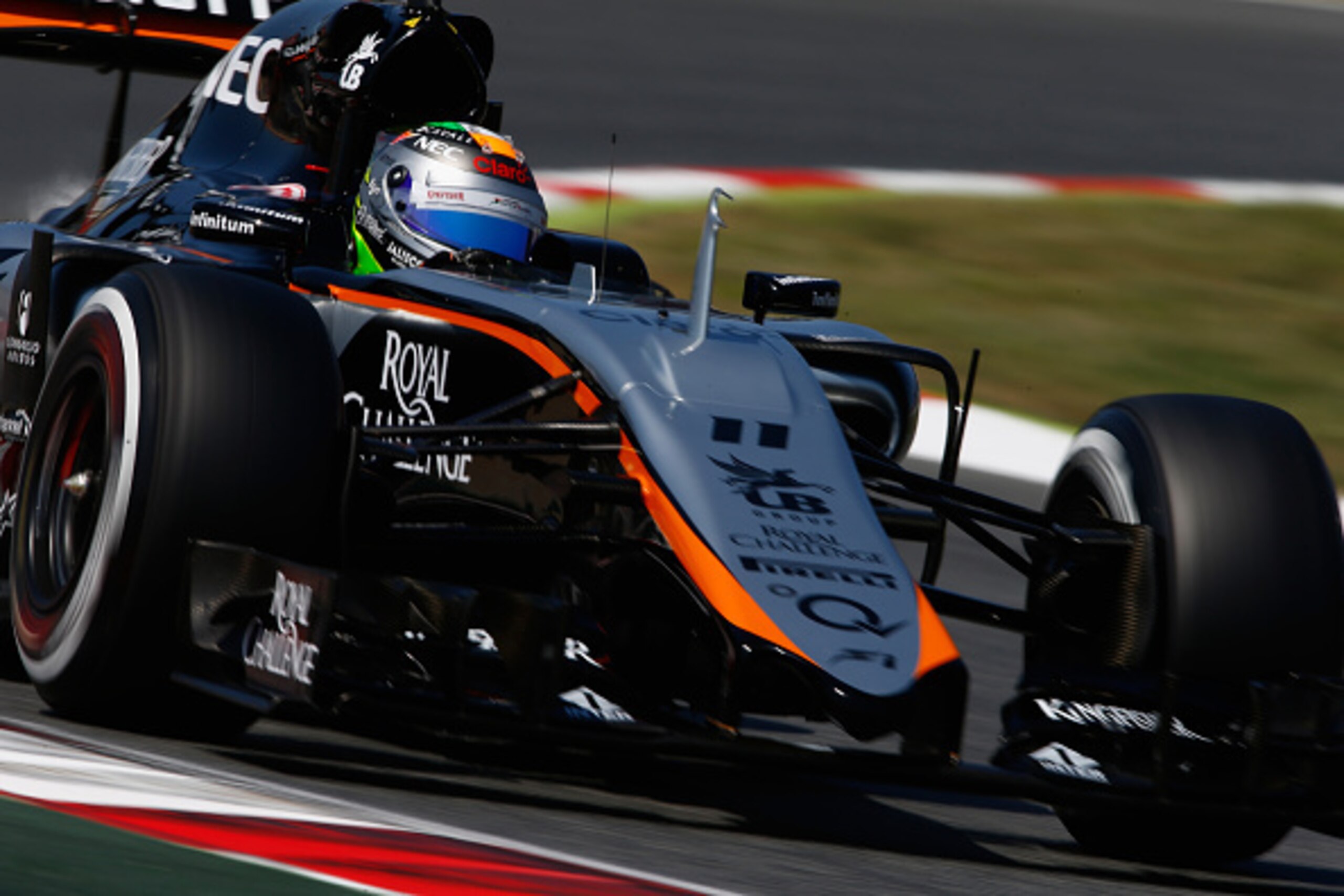
With limited resources compared to the major outfits, the likes of Lotus, Sauber, Force India and Manor—the latter owed £16.6 million to engine supplier Ferrari when the team, under the name of Marussia, entered administration toward the end of last year, according to Sky Sports—all appear to have felt the pinch of the new regulations.
And McLaren have fallen dramatically at the start of this season. The eight-time constructors' title winners are waiting around for new power-unit manufacturer Honda to address the persistent teething troubles with their RA615H engine, which was first jolted into life over 12 months after the V6 engines of Mercedes, Ferrari and Renault.
Perhaps all of this is a natural by-product of the complexities of modern-day Formula One, where engine performance is no longer just about brake horsepower—an area in which the V8 manufacturers were virtually equal—but defined by the harvesting and deployment of energy and the effectiveness of brake-by-wire.
Or maybe we are now realising how small the margin for error really is in this new formula after a year of Mercedes dominance in 2014, where those who get it right get it right, and those who get it wrong get it disastrously so.
Either way, it looks increasingly obvious that the 2015 campaign, which commenced just 16 weeks after the final round of 2014, came too soon for much of the grid.
That is precisely why F1 ringmaster Bernie Ecclestone's latest bright idea could be one of his shrewdest for some time.
Eyebrows were raised in April when the official website of the Australian Grand Prix, the traditional season opener since 1996, announced the Albert Park race is to be moved back three weeks from its usual mid-March slot to April 3.
And if the Albert Park event retains its rightful place as the first race of the year, as the Australian Grand Prix Corporation chief executive officer Andrew Westacott said, 2016 will be the latest campaign to begin since 1988.
After a 2015 Australian GP that—with one team stuck in the garage all weekend, two cars failing to survive the reconnaissance lap, 15 cars starting the race and only 11 making it to the finish—was arguably the most farcical event since the infamous six-car race at Indianapolis '05, a delayed start can only be positive for the teams and F1 itself.
Even if governing body FIA go ahead with its plan to reduce the number of pre-season tests from three to two for 2016, as reported by Sky Sports' James Galloway, the teams will have the best part of a month to prepare for the first race instead of a less than a fortnight—should testing continue to conclude at the beginning of March.
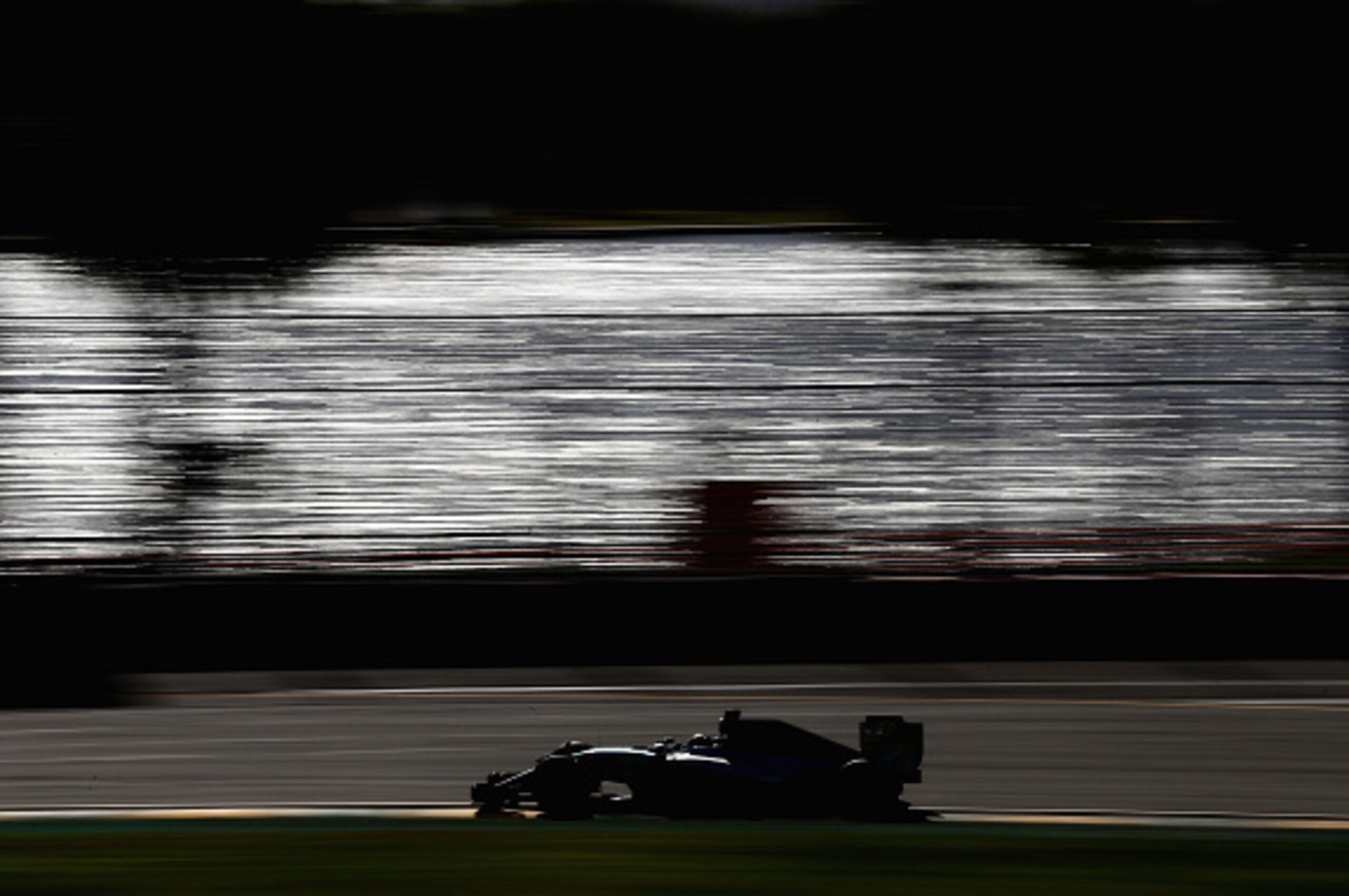
In that time, they will have the opportunity to learn (and for a change, immediately act upon) the lessons from testing, which should ensure the cars arrive on the Melbourne grid in the best possible condition.
The show hit the road before the script had even been written in 2015, and F1 has paid the price.
And although next winter will be a struggle for the sport's enthusiasts—the skies will be particularly gloomy, the cold will bite harder than ever before—Formula One should spring into life next April.
That, we think, is worth the wait.
.jpg?w=2560 "AP Poll Top Five Week 9")
.jpg?w=2560 "Chiefs Giants Football")
.jpg?w=2560 "Lamar Being Out Shocked Ravens")

.jpg?w=2560 "Packers Safety Slams Refs 🤬")