

Vinny Del Negro: How to Win a Game 7 in the NBA Playoffs
Earlier this week, former NBA head coach Vinny Del Negro told B/R NBA columnist Grant Hughes his thoughts on what it's like to coach and play in a winner-take-all Game 7.
The tension and intensity are heightened in the playoffs, but there's nothing like a Game 7.
When I was coaching the Los Angeles Clippers team that won a Game 7 on the road against the Memphis Grizzlies in 2012, I knew we had to break down the pressure to relieve it.


That meant ignoring the fact that the home team wins Game 7 80 percent of the time, and it meant taking whatever pressure was on us and making them feel it. We put relentless pressure on them on both ends. Defensively, by making them feel us, making them uncomfortable.
And then offensively, it's always about execution. We knew we had to make them earn everything.
The players had to make plays—just like any other game. You hear coaches talk about how it's a make-or-miss league all the time, and that's what it comes down to. We only shot 38.5 percent against Memphis in Game 7, but we held them to 32.5 percent.
You can't go into a situation like that worrying about it being Game 7 or that you might miss a shot or a free throw. You have to get to the next play.
Remembering What Works
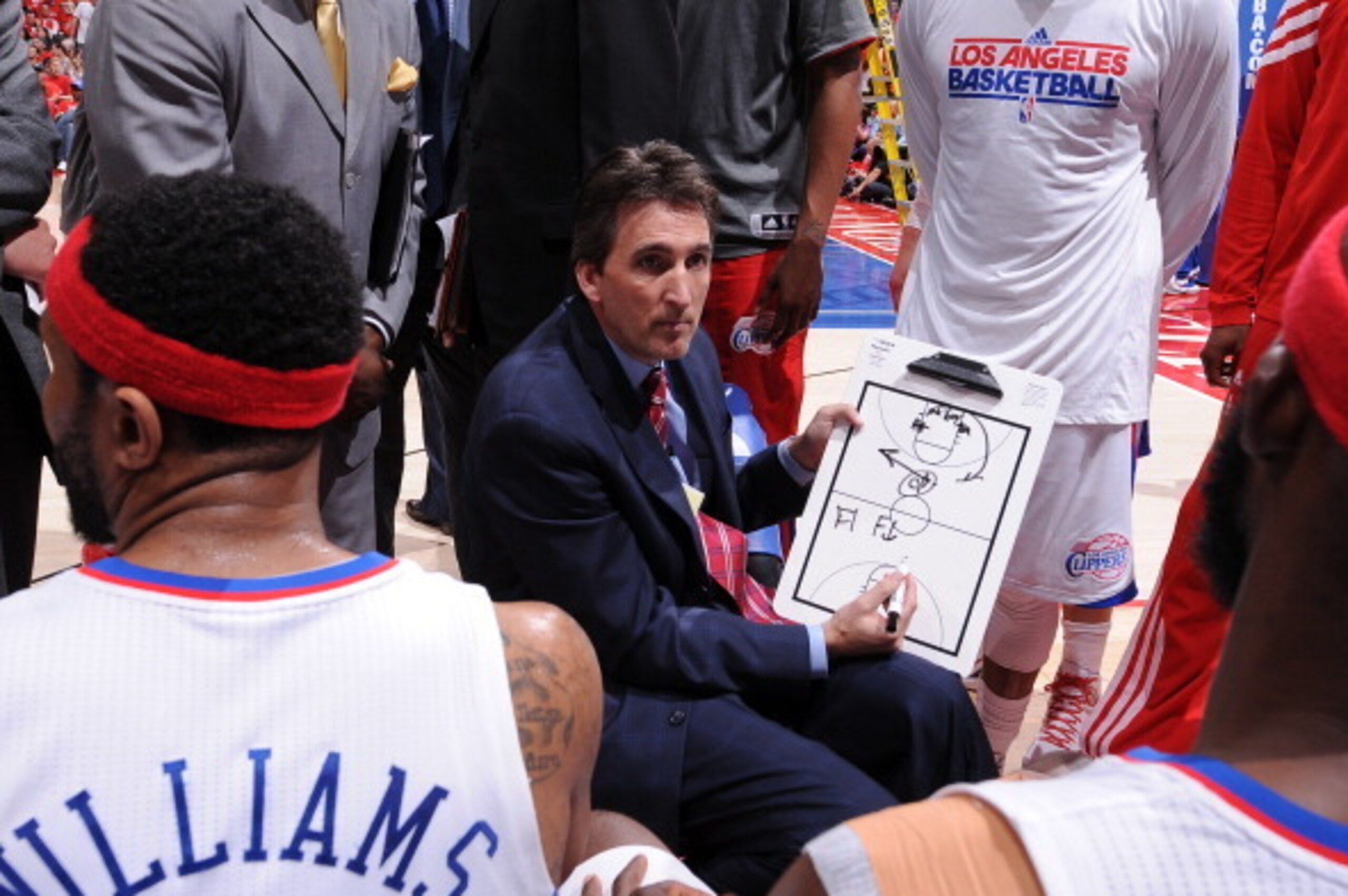
You can't change who you are in Game 7. You played a certain way all year, and if you start thinking too much under the pressure, your feet get slow, which can't happen in a read-and-react sport.
If you're in a Game 7 in the first place, it's because you've won three games already, and it's easy to forget that sometimes.
You've got to remind your players they've beaten this team three times, so there's no mystery about what you have to do to get that fourth win.
And you also know what to be ready for. You've seen this same team six times in the series and probably a few times back in the regular season. So make sure to prevent them from doing the things that have caused you problems in the past.
In the playoffs, it's all about executing the details. Focusing on those smaller things is one of the best ways to keep pressure out of the picture.
Controlling What You Can
From a player's perspective, it's critical to focus on what you can control. If you do your job, don't play out of character and have belief in what you're doing, you'll wind up in a position to succeed.
And that approach has to be consistent from the second the ball goes up. Crunch time matters, but a missed shot or turnover in the first quarter could affect the outcome of the game.
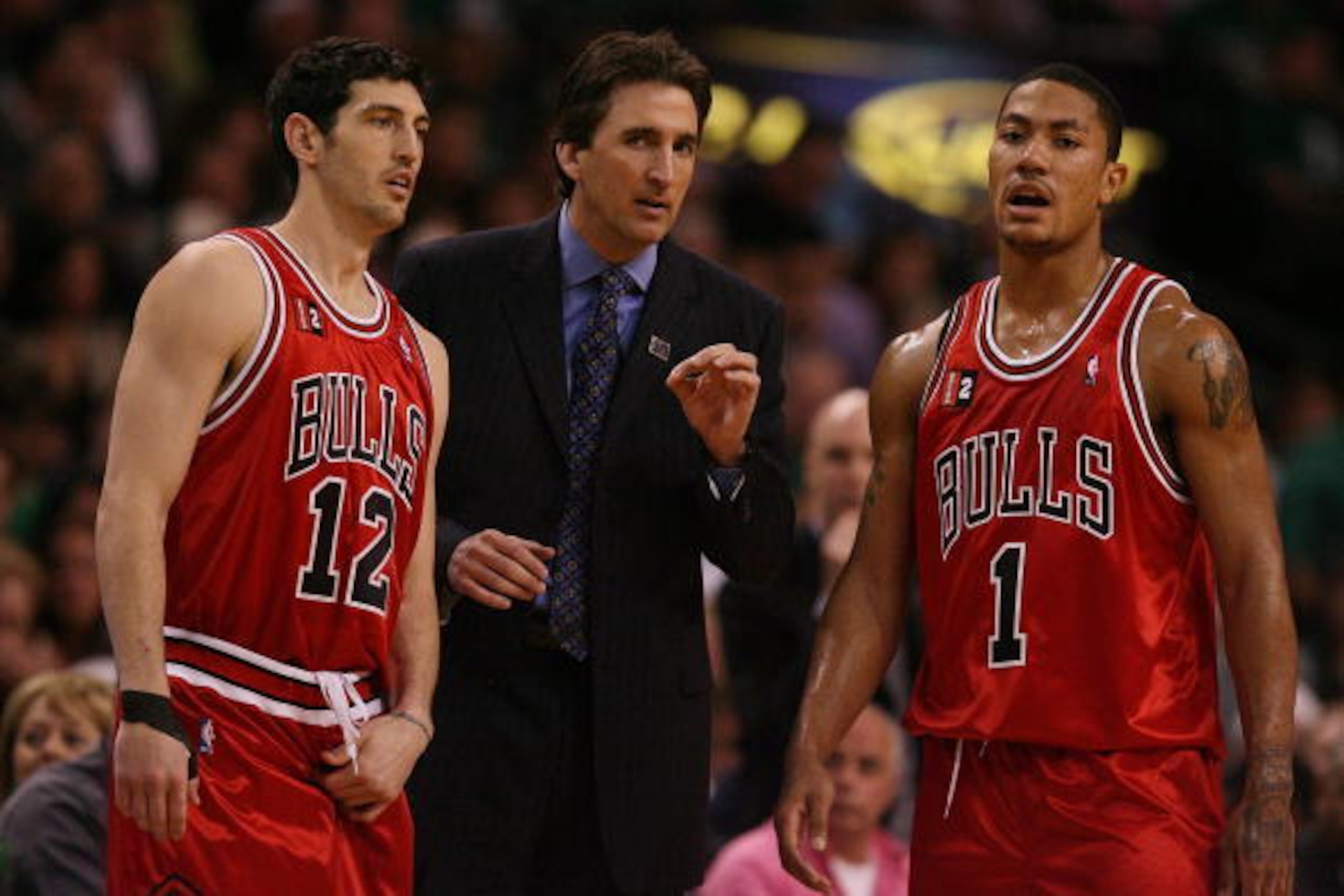
I coached a Game 7 when I was with the Chicago Bulls against the Boston Celtics in 2009 in the Boston Garden. There were some tough calls against us, but the Celtics made plays down the stretch. They stayed focused, and that's why they came out on top.
If you're in these situations, you have to be telling yourself, This is what I practice for. This is what I play for. These are the moments I want.
Preparing Your Players
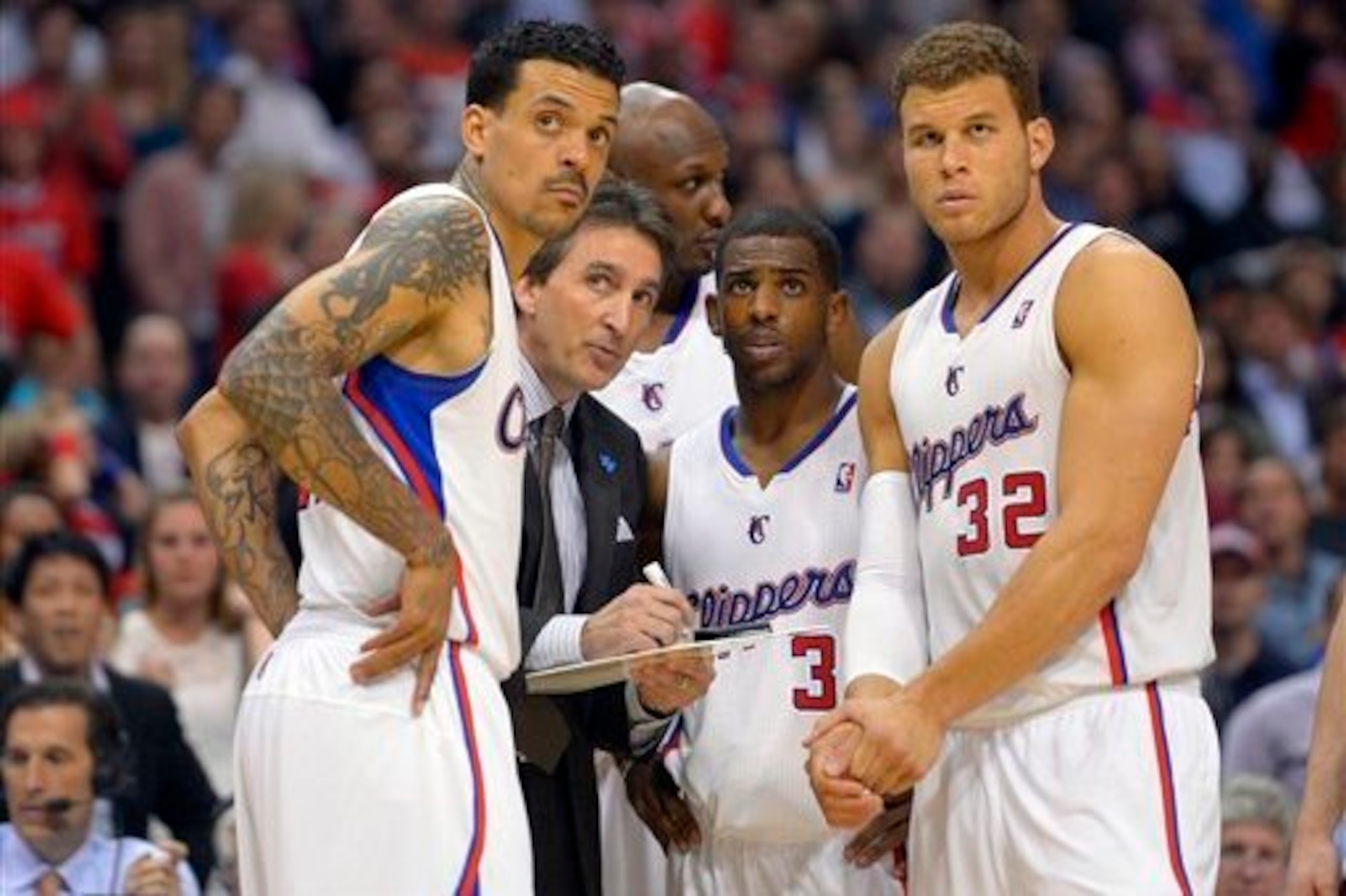
Because you've had other close games, you learn over the course of the year which of your players handle pressure better than others. Everyone has to be ready to go because you never know what's going to happen—injuries, foul trouble, an off game from one of your main guys—so it's your job as a coach to relieve as much pressure as possible.
Some guys are more experienced than others, but that experience doesn't always translate into comfort during the moment.
But you still emphasize that everyone has to be ready.

You can't get into the numbers, either. If you're playing a Game 7 at home and you start talking to your team about how the home team wins 80 percent of the time, that just puts added pressure on them. Referencing things like that takes you out of the moment.
And on the road, you're certainly not going to tell your guys that the road team loses 80 percent of the time because they're then going to feel like they've got to play a perfect game.
A playoff game, and especially a Game 7, is all about how your mind is, how your heart is, how your focus is. And controlling your emotions is key. You'll get bad calls, and you'll miss shots, so it becomes all about focusing on the game plan and keeping a next-play mentality.
That's how you keep those emotions in check, and that's how you filter out all the noise.
Vinny Del Negro played 12 seasons in the NBA and was the head coach of the Chicago Bulls from 2008 to 2010, and the Los Angeles Clippers from 2010 to 2013. Del Negro is currently an analyst with NBA TV.



.jpg?w=2560 "Rodgers Iced Out on Plane 💎")
.jpg?w=2560 "Raiders Could Start Mendoza")
.jpg?w=2560 "🚨 Week 8 AP Top 25 Poll")
.jpg?w=2560 "Packers Safety Slams Refs 🤬")
.jpg?w=2560 "Lamar Being Out Shocked Ravens")
.jpg?w=2560 "Mahomes Told Teammate to Leave Meeting")

