

Boxing Will Still Have Big Problems Once Mayweather vs. Pacquiao Passes
If you’re a boxing fan, you already know this: Boxing is the absolute worst.
The systemic issues that plague the sport are the same ones that have been around for decades now, the same ones that have led to the sport’s slow decline over the last 50 years and the same ones that will still be around once the Floyd Mayweather vs. Manny Pacquiao superfight is finished with and long gone.
Don’t get me wrong. Boxing is also the best. There is no sport like it, and nothing that happens within the confines of a football field or a basketball court or any other mainstream sport that doesn’t suffer from boxing’s particular set of ills, can ever match the intensity, drama and poetry that boxing captures in something fans refer to as the sweet science.
TOP NEWS
Emanuel Navarrete vs. O'Shaquie Foster
.jpg?w=2560 "Chiefs Giants Football")
Mahomes Told Teammate to Leave Meeting
.jpg?w=2560 "Titans Colts Football")
5 Teams Eyeing Jonathan Taylor
It’s precisely boxing’s goodness which magnifies the calamities of the sport. Perhaps this is also why Mayweather-Pacquiao, the biggest fight of probably all of our lifetimes, has served as a spotlight to boxing’s longstanding and perhaps even unfixable issues.
Boxing’s biggest problem is the fragmentation of its power structure.

Floyd Mayweather and Manny Pacquiao should have fought six years ago when both men were at or near their prime. But Mayweather and Pacquiao didn’t have to in order to earn millions of dollars so they didn’t. It’s just that simple. Unlike other sports, where league rules would naturally include a pathway to the best teams or players competing against each other to determine who is the best, boxing amounts to nothing more than rival circus acts hoping to hold your attention long enough to bilk you out of a few more dollars.
Whatever side you take in why Mayweather-Pacquiao never came to fruition until 2015, the systemic issue that allowed such a debacle is the same one that almost made a mockery of the promotion last week when the two sides had still yet to hammer out mundane trivialities like who gets how many tickets to the fight and where.
Let that last point sink in a little. These guys couldn’t get on the same page about tickets.
Mayweather and Pacquiao are represented by different managers and different promotional companies. To add to the complexity, both fighters are signed exclusively to rival television networks. The reality of the situation is that it’s truly a miracle the sides could come together to produce the fight at all, especially after six long years of wretched turmoil.
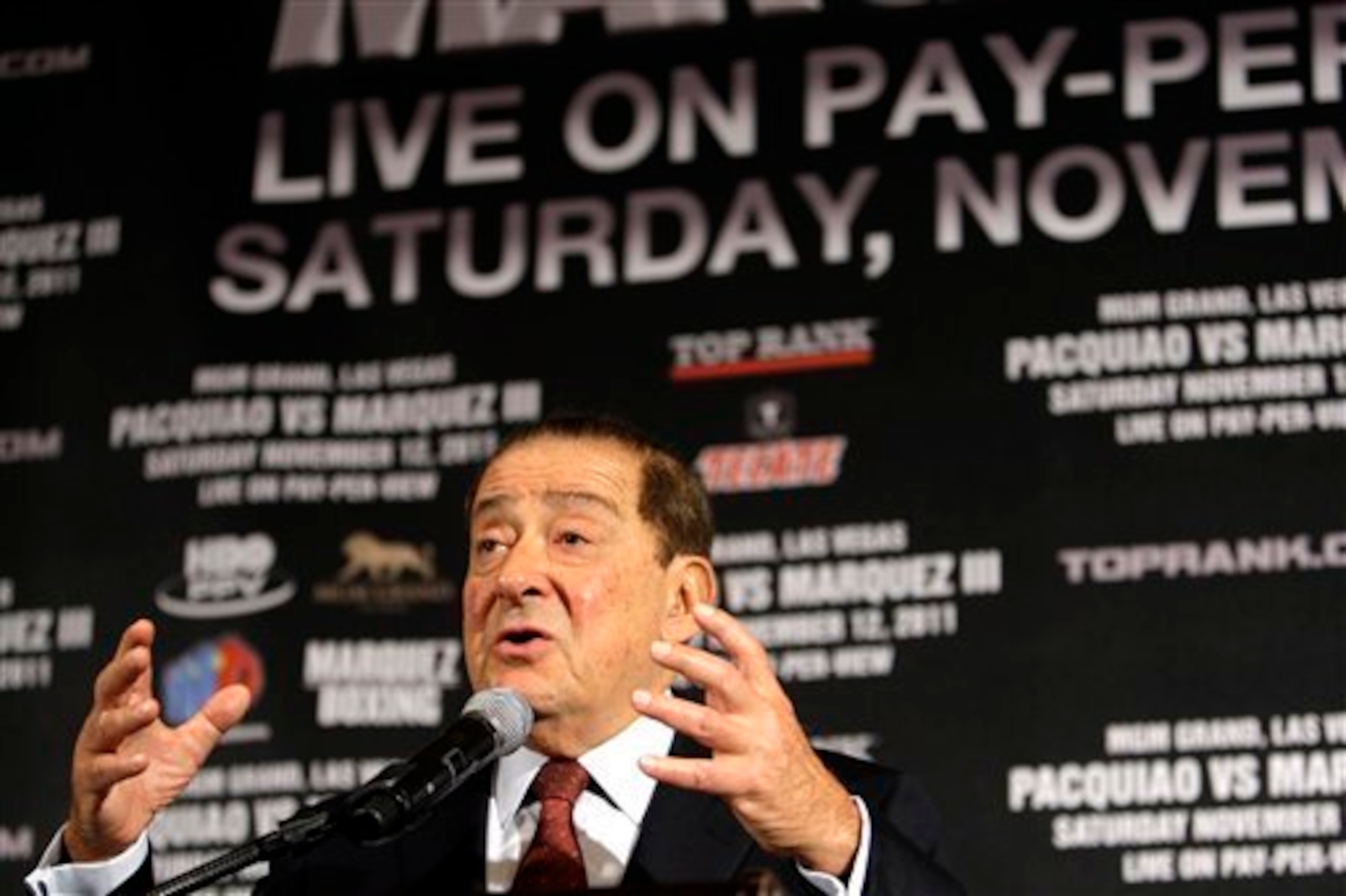
But boxing is full of these cases and there is nothing on the horizon to indicate it’s on its way out the door anytime soon. Ask any boxing fans which fights he or she would most want to see in a perfect world, and they’re sure to reel off a laundry list of bouts that the fundamental politics of the sport keep unmakeable.
Sergey Kovalev vs. Adonis Stevenson. Leo Santa Cruz vs. Vasyl Lomachenko. Danny Garcia vs. Terence Crawford. These fights are not happening anytime soon, as well as a slew of other fights fans might want to see, because political landscapes will keep these things in stasis.
Even when fights do get made, it’s hard to tell if anyone actually won them sometimes. Boxing history is littered with egregious judging controversies. Whether it’s systemic corruption, general incompetence or a mixture of both doesn’t really matter. The fact remains that judges at ringside get fights wrong often enough that it’s almost become embarrassing for fans to tell other people how things work.
Picture this: A brand new boxing fan comes to your house to watch Mayweather-Pacquiao and asks how Timothy Bradley defeated Manny Pacquiao in their first fight back in 2012. What is it that you say? That Pacquiao lost but almost everyone else thought he won so we all just pretend as if he got the nod?
That the sanctioning body who put up the welterweight title for the bout, the World Boxing Organization, had five of their judges review it afterward and admitted Pacquiao should have won but ended up having no power to really do anything else about it anyway?
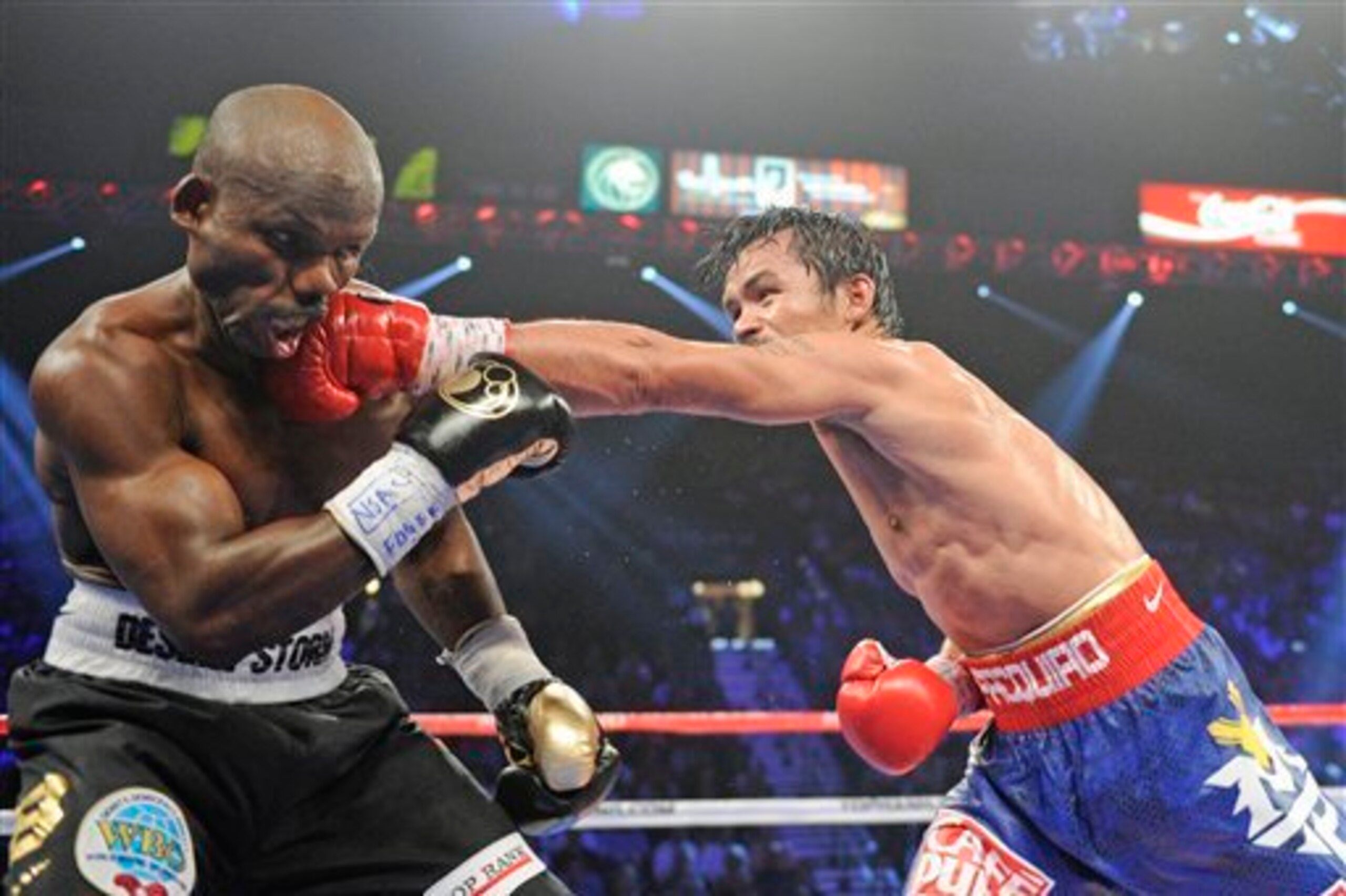
That a post-controversy countermovement of fans and writers rewatching the bout over and over again without sound somehow reversed popular opinion back to the judges side by a small but vocal segment of the boxing world, therefore legitimizing the judges original scores?
And what of the sanctioning bodies, the multitude of so-called world champions in all 17 weight divisions, which has simply become something almost not worth tracking at all?
If someone asks you who the heavyweight champion of the world is today, do you tell them there are technically two but really just one because many, such as the Transnational Boxing Rankings Board, consider Wladimir Klitschko the lineal champion?
What do you tell them when they see WBC heavyweight titlist Deontay Wilder on an NBC promo for its Premier Boxing Champions series saying otherwise?
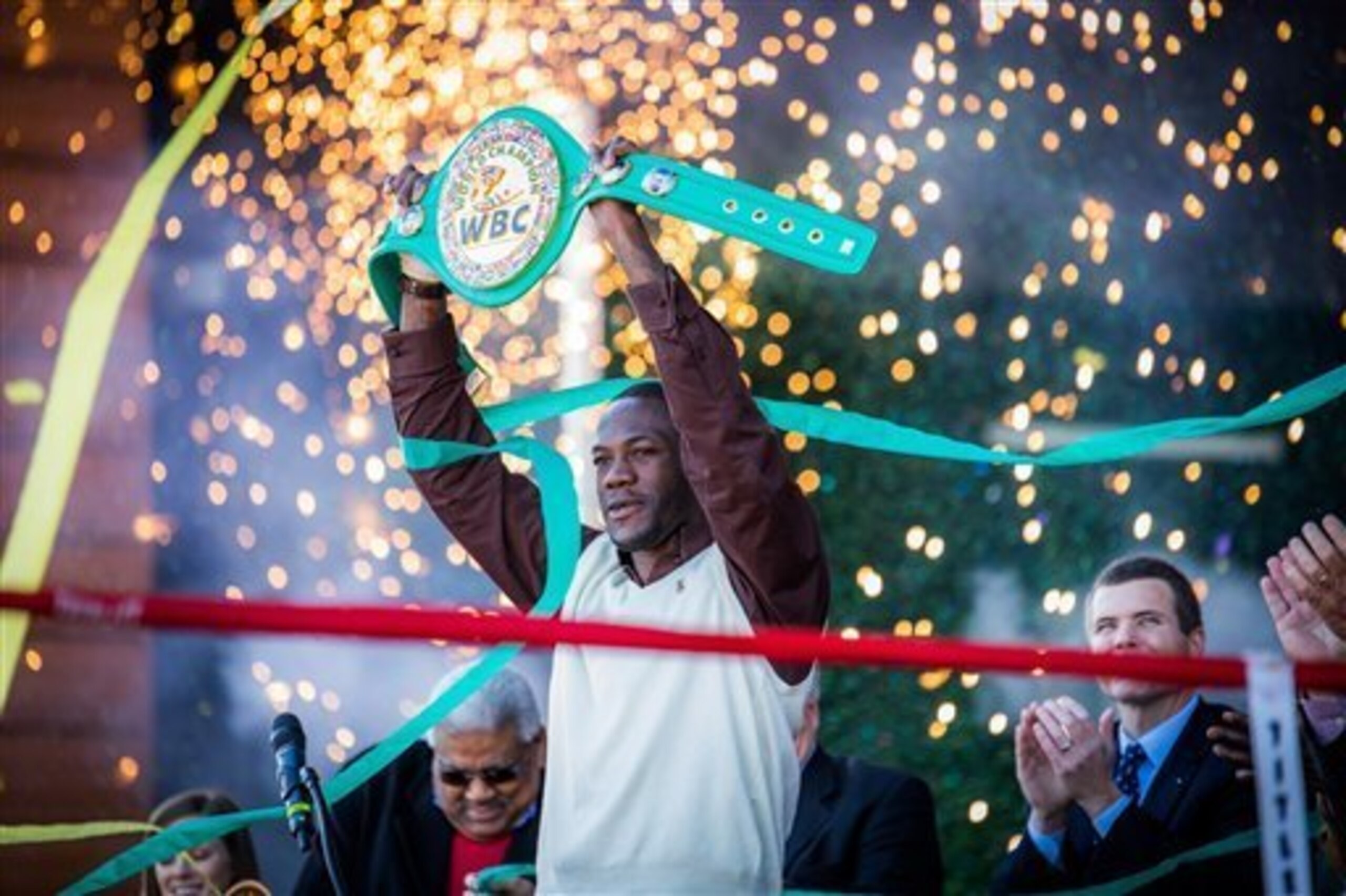
Do you explain the existence of the alphabet gang: the WBO, WBC, WBA and IBF? And what of Ring Magazine and TBRB championships?
Yes, boxing is the worst and there isn’t anything coming on the horizon that might fix it.
The two most conceivable options are dead in the water. The Muhammad Ali Boxing Reform Act was enacted in 2000 to offer fighters some sort of protection via federal law but the scope of the act is limited and rarely, if ever, enforced.
Other than that, promoters must only follow the rules governed by local state boxing commissions. As you might imagine, the rules vary by jurisdiction and seem wildly out of date and wholly inadequate in some cases.
Some of them don’t even seem to know what their own rules are. In 2013, the Texas Department of Licensing and Regulation told me for a report at The Sweet Science that their Combative Sports Program did not test fighters for most performance-enhancing drugs such as anabolic steroids.
The same entity told me something different one year later without explanation.
And what of the intrepid boxing media? Shouldn’t it be the guardian of the sport, using journalistic integrity to sort through the messes left in boxing’s circus tents to help lead a reform?
If you believe that to be the case, you’ve never set foot at a boxing press conference. There is perhaps a sign of the times within. It is a place where professionalism has given way to part-timers and wannabes, the majority of which anxiously hold sharpies in hopes of snagging their favorite fighter’s autograph.
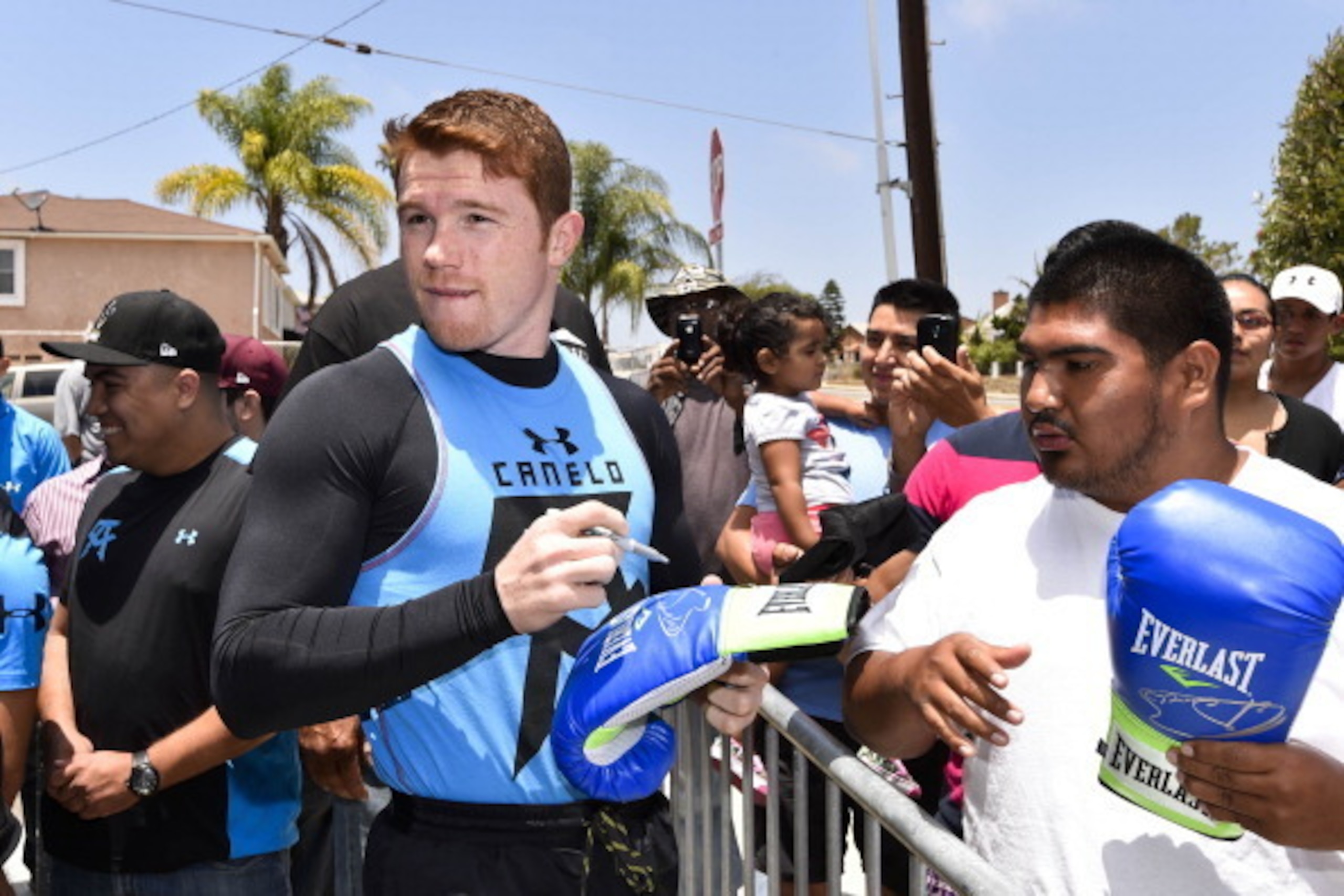
One of those part-timers is me, of course. And while I arrive to these gatherings Sharpie-less and full of professional intent, is there any real hope of someone with a full-time day job doing the same job a full-time journalist could do?
Boxing writing gigs are hard to secure and harder to keep, and performing like a full-fledged journalist who has 40 hours or more to devote to the craft while holding another job is a monumentally difficult task.
Don't get me wrong. There is some good journalism that comes from part-timers and bloggers, too. But all too often the community as a whole produces a vast tumor of work which is devoid of anything resembling actual journalism.
These people profess to know all sorts of dirty secrets, but never interview anyone involved in them, do not attend fights with any sort of regularity and substitute innuendo for hard facts and credible sources. This is not journalism and does not help the sport advance.
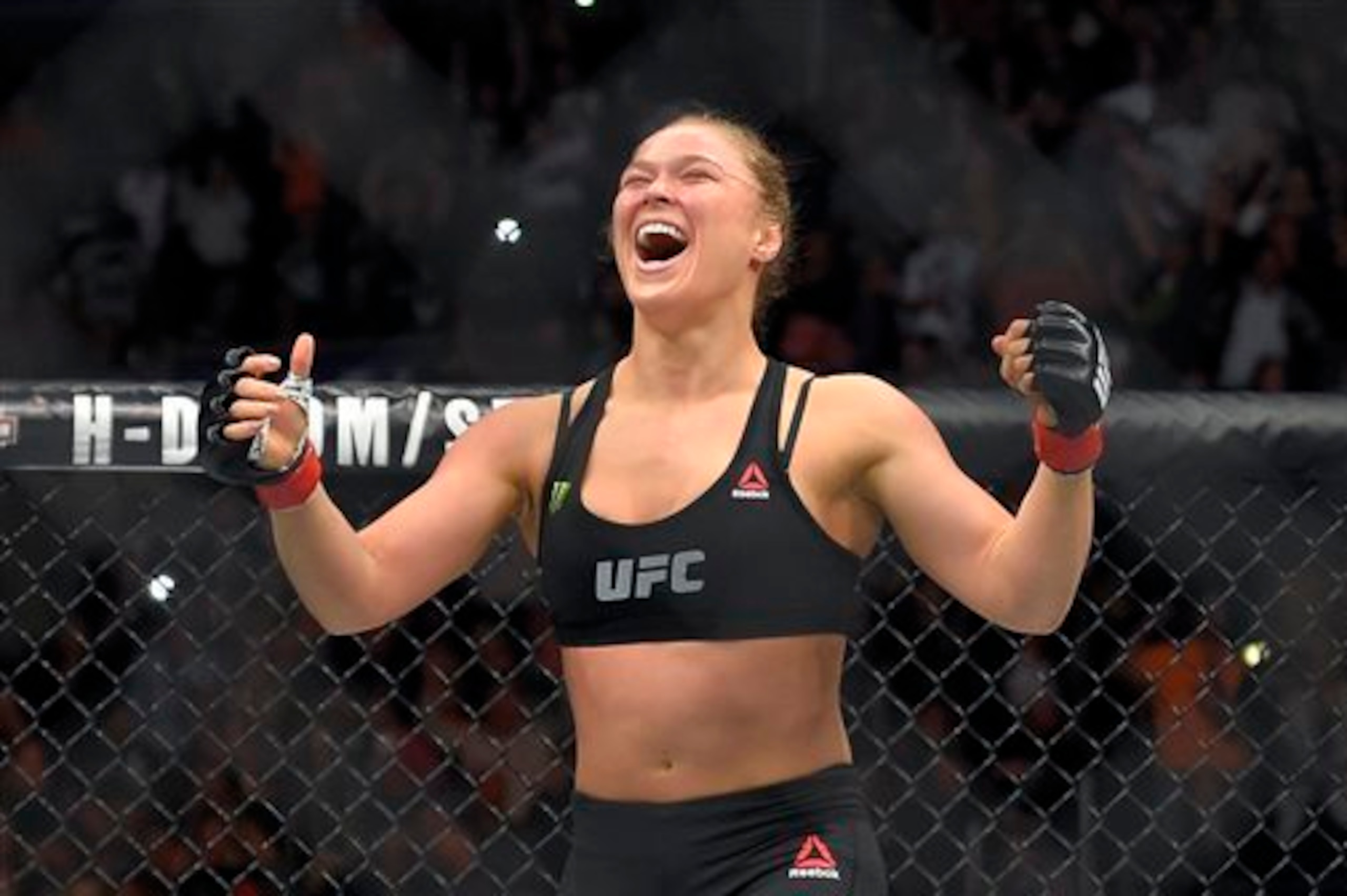
And all the internal issues the sport is mired in, the ones that keep boxing from advancing to what it could be like a hamster running in place on a wheel in its cage, are augmented by the rise of another combat sport in an ever more competitive entertainment landscape: mixed martial arts.
External pressure from organizations like UFC hinder boxing's potential for growth, as does an ever-increasing knowledge of the long-term health issues fighters face after they hang up the gloves.
Think about this: The enduring image for many of boxing's most famous fighter, Muhammad Ali, doesn't have anything to do with what he achieved inside the ring. Rather, some, particularly young people, see only his struggle with Parkinson's disease as evidence of boxing's outrageous physical toll.
But while boxing might very well be the absolute worst, its redeemable qualities are good enough to keep it afloat. Mayweather-Pacquiao is good evidence that boxing is not dead or dying, or that if it is dying, it has always been dying, and is truly the undead zombie of the sporting world.
So if you’re a boxing fan, you should enjoy Mayweather-Pacquiao for all that it is: Its glitz, glamour and ethereal qualities will dazzle before the mainstream media’s eye like a rebirthed specter from the past. It will be lauded for being a gargantuan spectacle because it is one, the type of which no other sport can produce.
This is one of the better aspects of pugilism.
To be in love with boxing is to be in love with history. Boxing is tied to its past in a way and it cannot be severed from it. And perhaps boxing is tied to us in that way, too.
Boxing will still be around after Mayweather-Pacquiao. Many folks won’t notice or care, but it will be here. It isn’t going anywhere. We may not see it in our lifetimes, but there will be another Mayweather-Pacquiao superfight again someday.
But the systemic issues of the sport, the ones any boxing fan can list equally as well as may have been done here, will continue on with it. So long as the sport endures, so too do its ailments.
And boxing will always endure.



.jpg?w=2560 "NFL investigating Eagles")
.jpg?w=2560 "Jonathan Taylor Landing Spots 📍")


