

Sacking of ECB's Paul Downton the First Step in Repairing England Cricket
So the World Cup debacle was the last straw. The one that broke, well, you know how it goes.
On Wednesday, an official statement announced that Paul Downton had been sacked from his position as managing director of the England and Wales Cricket Board following a review of the England team-management structure by ECB chief executive, Tom Harrison.
Of course, Downton didn't face or bowl a ball at the tournament in Australia and New Zealand. He didn't conduct a coaching session. He didn't make embarrassing comments after a loss to Bangladesh. He never conceded 44 runs in 10 balls to Brendon McCullum.
TOP NEWS

New NFL contenders starting to emerge after Week 4

Deion Playbook Found at Hotel
.jpg?w=2560 "Cardinals Giants Football")
NFL investigating 2 referees for separate viral exchanges
But Downton, in 14 months in his position, did oversee one of the most tumultuous and farcical periods in England's cricketing history.
Under Downton, Andy Flower was ridiculously repositioned at the head of youth development at England's academy straight after departing his position as head coach. Peter Moores was then appointed as his replacement despite having been sacked from the very same position five years earlier. The uneasy removal of Alastair Cook as one-day captain came next, with the timing of the ultimately correct decision appalling.
And as we'll never forget, Downton was hugely responsible for the Kevin Pietersen saga that refuses to go away—a polarising issue handled so ineptly, dipping into playground levels of pettiness, that it has left the reputations of everyone concerned immeasurably damaged, most of all Downton and the ECB.
Harrison had no choice; a key figure at the top had to go.
Downton was it.
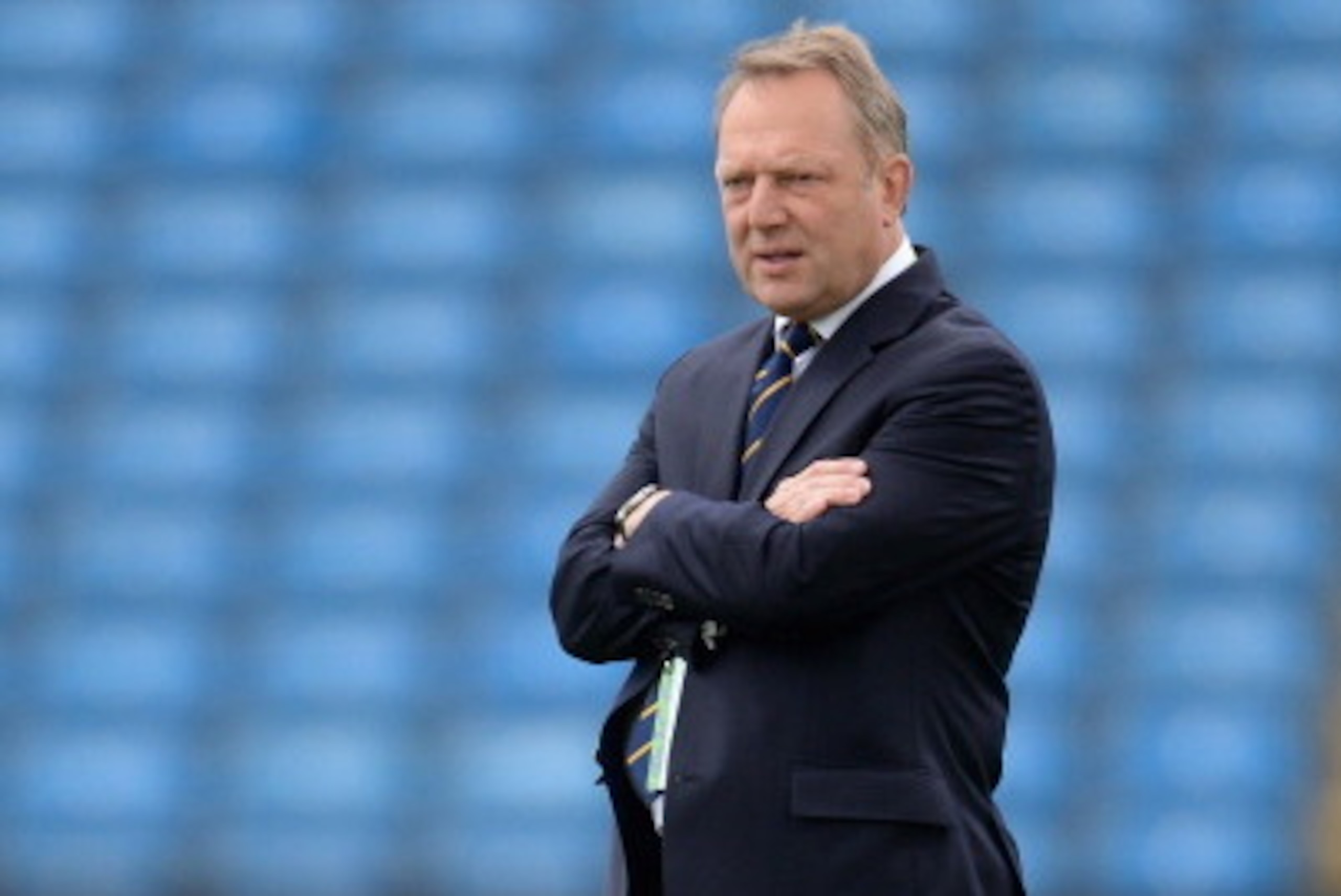
Naturally, a host of former players are already considered the front-runners to replace the departing managing director, among them are three recent captains in Michael Vaughan, Andrew Strauss and Nasser Hussain.
Writing for The Telegraph, Vaughan, an Ashes winner in 2005, has already indicated his interest in meeting with the ECB to discuss the role:
"For the first time since retiring six years ago I am open to a conversation with the ECB. I am passionate about English cricket. I love the game and I always want England to move forward and be successful.
I have a vision for the game and I think I will be one of many ex-players who will be more than willing to talk to the ECB to see what exactly the role is and how much influence it will wield over the future structure of our game.
The brief has to be wider and more powerful than Paul’s to have any real impact on England.
"
What's important to note is that Downton's exact role won't be replaced. Instead, the ECB is looking for a director of England Cricket following Harrison's review of the management structure.
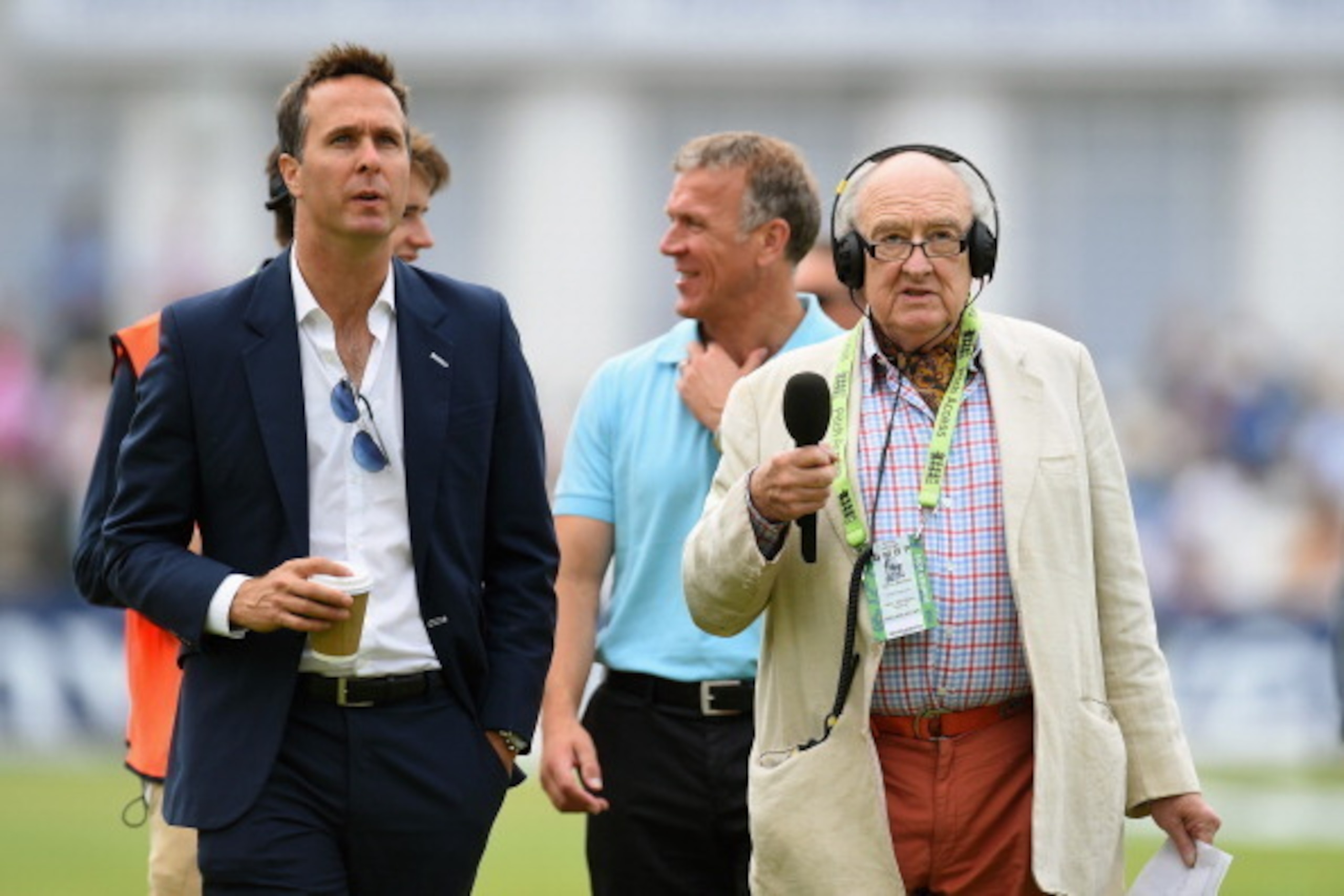
It's not yet clear what the specifics are for such a position, but one senses the role would be similar to the high-performance ones existing in Australia, which focus almost exclusively on the senior team.
If that is the case, Vaughan's suitability for the position would become clearer. As a managing director, there would be doubts about the former captain; Downton's duties extended well beyond England's first XI, covering women's cricket, disability cricket and the game's grassroots.
It's why, arriving with a strong background in business and management, Downton was initially appointed—the ECB wanted a figure to oversee more than just the senior team.
Such an all-encompassing position might not cater to Vaughan's strengths. But a high-performance role could. A vibrant personality and a strong advocate for an aggressive, proactive and modern approach to cricket, Vaughan could be capable of helping the ECB and the England team escape their frustratingly dated existence.
And that's crucial. The need for modernity is central to the necessary overhaul.
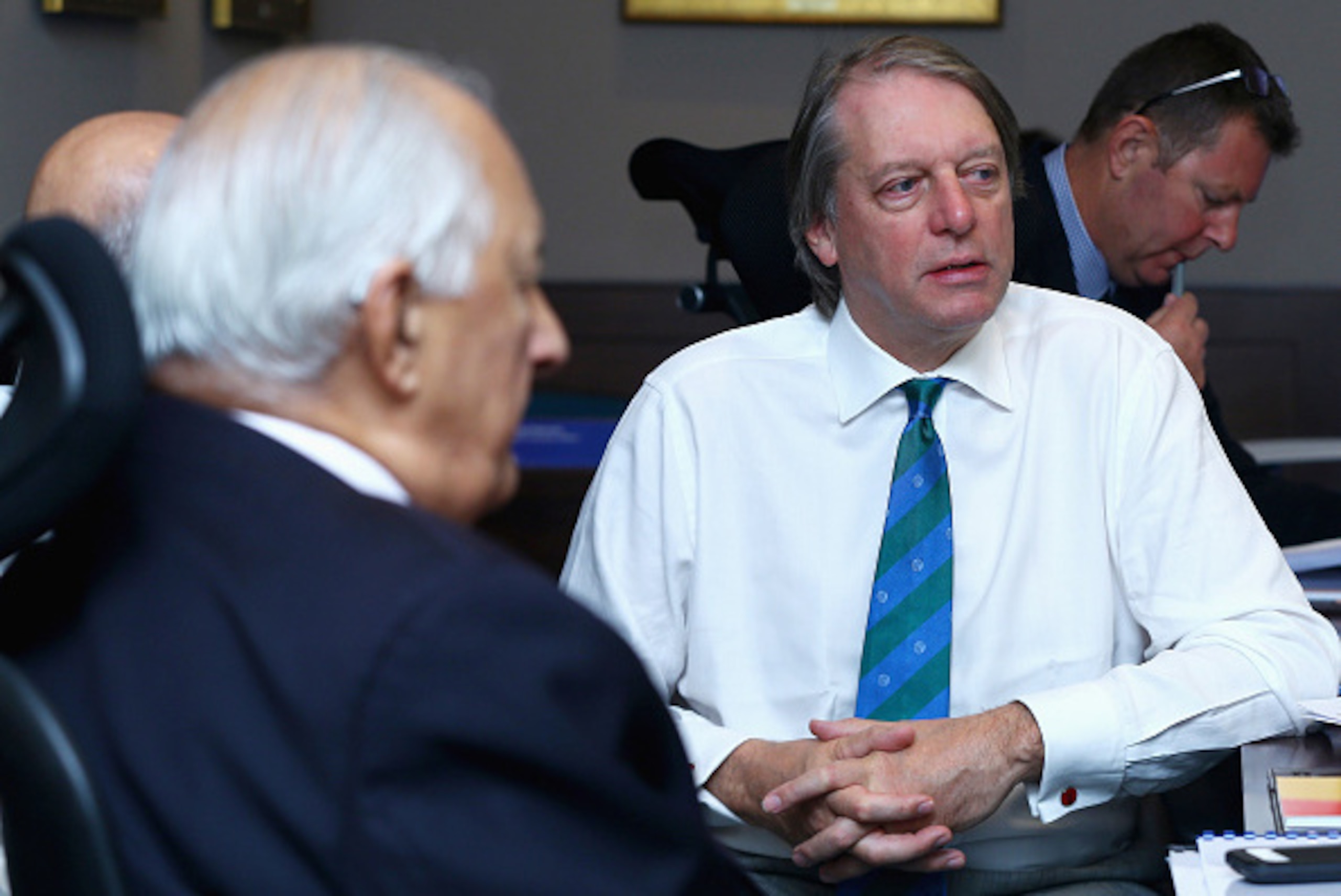
Lawrence Booth, editor of Wisden, cricket's bible, recently gave a scathing review of the last 12 months in English cricket, which was highlighted by BBC Sport:
"In 2014 English cricket repeatedly lost touch—not just with things it wished had never happened, but with the basic idea that the national team belongs to us all.
The power brokers indulged in mutual backslapping. ... It was a nexus of self-preservation—yet, as the wagons circled, the wheels kept threatening to come off.
"
It's a telling summary from Booth, one that reflects the drastic image problem that cricket in England has. Whether right or wrong, the UK public's perception of the game is that it's a snobby pastime for the financial elite that's not at all welcoming to "the people"—a point that was spectacularly reinforced when ECB chairman Giles Clarke stated that Alastair Cook and his family "are very much the sort of people we want the England captain and his family to be."
The banishment of figures who don't readily conform has only hammered it home further.
However, the sacking of Downton is the first step toward changing that.
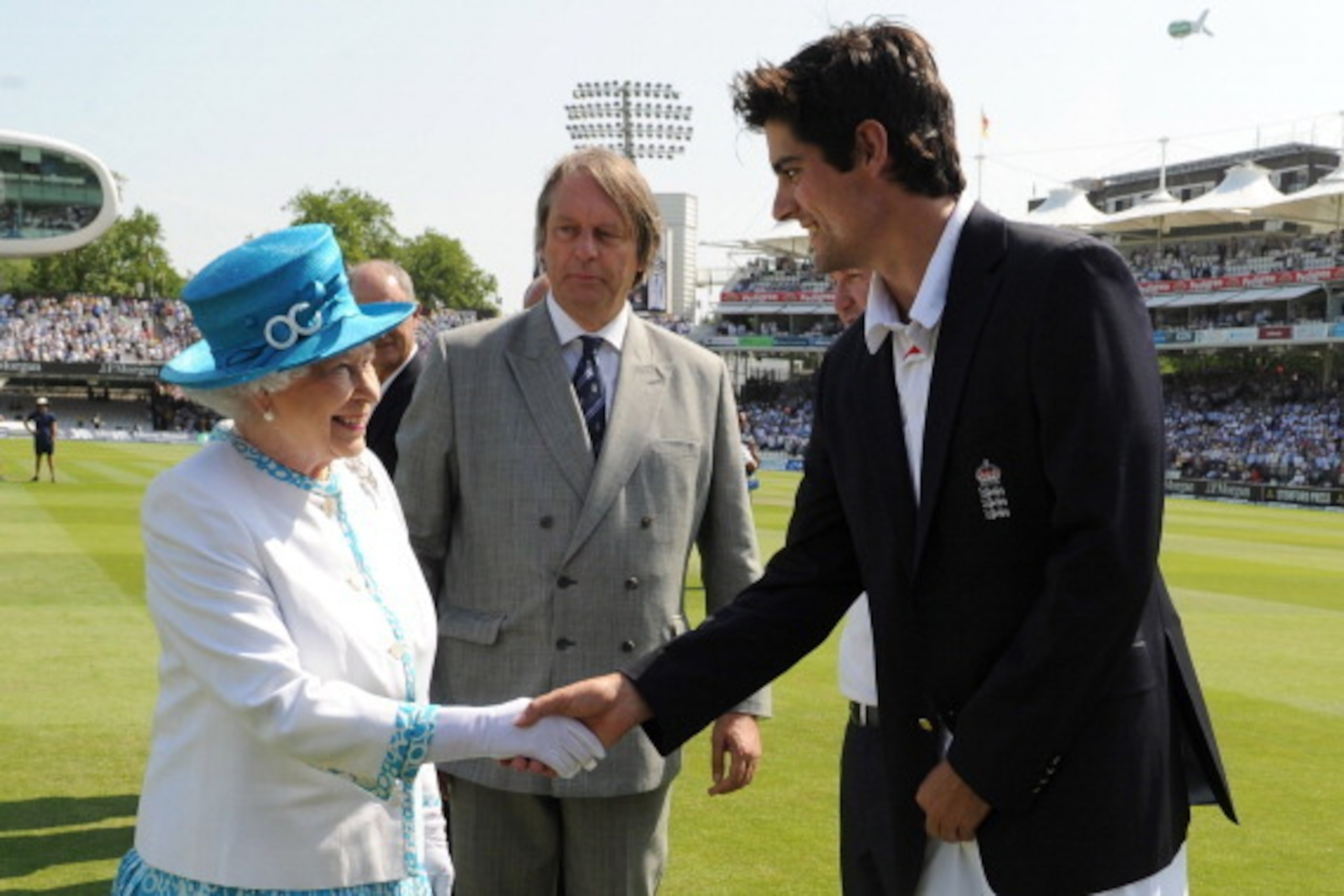
Inevitably, his axing also places pressure on other figures within the England setup.
Having been appointed during Downton's tenure, Moores, in his position as head coach, is now precariously placed following the team's disastrous World Cup campaign. And if Vaughan were to be appointed as the director of England cricket, it would almost certainly signal the end for the current coach, given Vaughan's insistence that Moores should be sacked.
National selector James Whitaker is also expected to follow Downton out of the exit door, which could put an end to a selection policy built on archaic conservatism.
Evidently, change is coming to England and the ECB. It's both necessary and painfully overdue. The process will also be arduous, given the list of items that need to be addressed, such as the domestic Twenty20 format, the academy, the coaching structure, Pietersen, the Indian Premier League, sponsorship and TV rights.
But at least the first step in the repair process has been taken.
.jpg?w=2560 "Titans Giants Football")



.jpg?w=2560 "Ward Nearly Walks Out of Presser 😳")
.jpg?w=2560 "Tyreek makes another cryptic post amid Chiefs rumors")