

World Cup Stars Steven Smith and Mitchell Starc Taking Australia into New Era

Triumphant, elated and deserving, Australia climbed onto the presentation podium. Another comprehensive victory had just been secured. Another World Cup had been won. Another array of opponents had been swatted aside.
Underneath the night sky, trophy again in hand, dominance had been reinforced.
But this wasn't in Melbourne on Sunday having just beaten New Zealand. No, instead it was in Bridgetown, Barbados, the site of the 2007 World Cup final. A special place in Australia's history, the venue where, amid chaos, the nation made it three titles running.
.jpg?w=2560 "Chiefs Giants Football")
.jpg?w=2560 "AP Poll Top Five Week 9")

Powering them to that final had been Matthew Hayden and Glenn McGrath, who topped the tournament's runs and wickets charts, respectively. Once there, it was Adam Gilchrist who powered them to the trophy.
At the time, McGrath was 37 and was playing his final international game. Hayden was 35 and would play his last one-day international less than 12 months later. Ditto for Gilchrist.
Though Ricky Ponting would soldier on and would take Michael Clarke, Michael Hussey and Shane Watson with him, that 2007 World Cup winning side had been underpinned by three veterans who were preparing to walk away.
Thus, that World Cup final, like they often do (think India in 2011), represented the culmination of an era. A final achievement. A parting gift.
Though it wasn't absolutely certain the moment the trophy was held aloft, history has shown Australia were entering transition. Decline.

In that sense, Australia's reclaiming of their World Cup title in Melbourne on Sunday stands in stark contrast to the one secured eight years earlier. Though the country's path to the latest world crown was similarly dominant, the current Australian team is at a very different point on its timeline than that 2007 side.
On home soil in 2015, Mitchell Starc finished as the tournament's leading bowler. In the runs column, Steven Smith led the host nation.
In the competition's finale, both men were exemplary. Both men were match winners. Standouts in their respective disciplines.
But here's the key point: they're both just 25.
Trophy in hand, Australia's two biggest stars are still in the first half of their international careers.
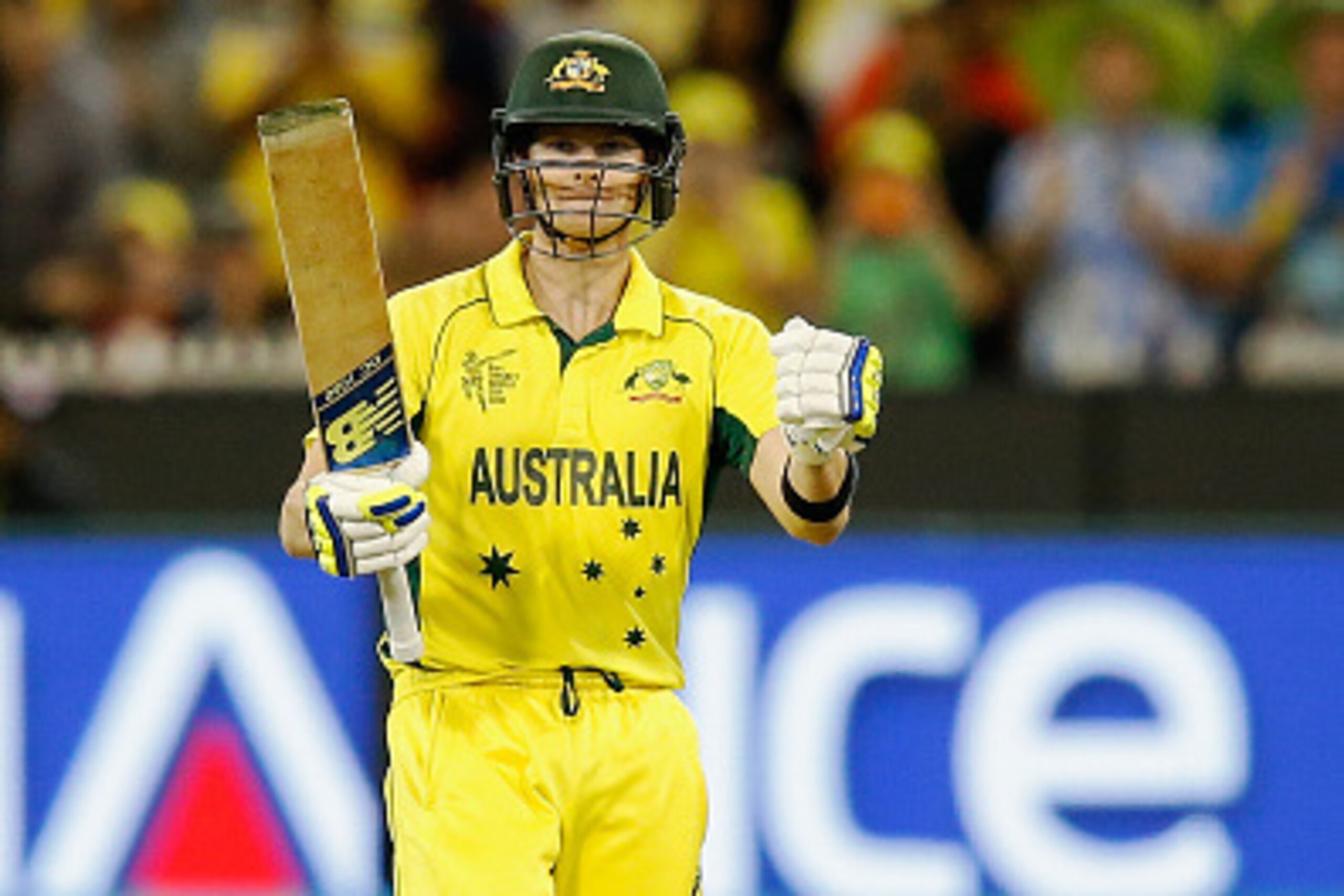
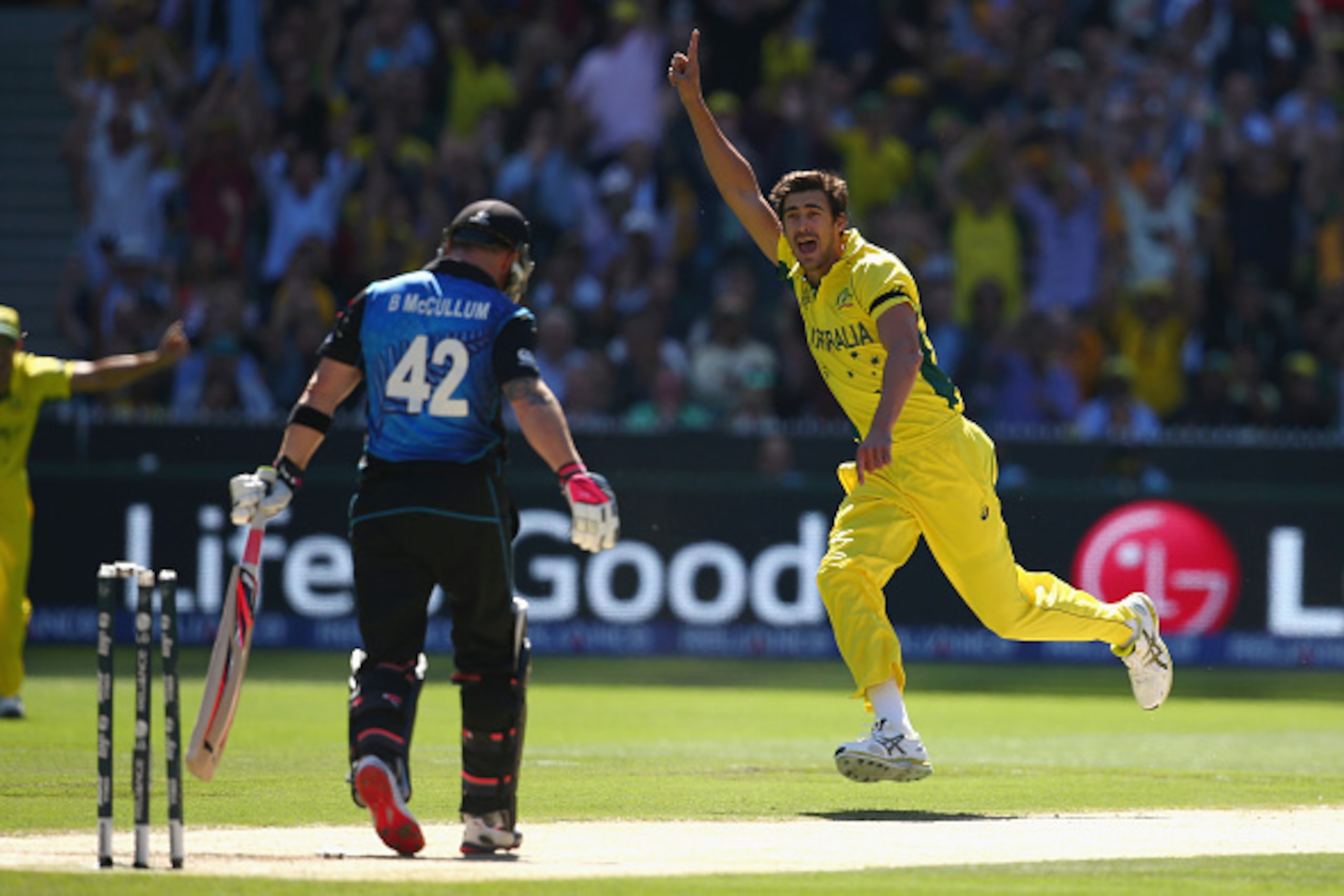
For both men, the rise has been coming. But equally, their ascension to their current status hasn't always been certain.
Remarkably, when Australia commenced their home summer with a limited-overs campaign against South Africa last November, neither Smith nor Starc were even in the national side. Across three Twenty20 outings, Smith, returning from the UAE, watched on as Cameron White, Nathan Reardon and Nic Maddinson occupied the middle order, while Starc witnessed Doug Bollinger, Pat Cummins, Sean Abbott and Kane Richardson form the attack.
When a five-game one-day campaign followed, the theme continued. Both men sat out the series opener in Perth.
Though only four months ago, that game at the WACA Ground feels like it belongs to a different era. It feels part of a distant history. Like it was played in a previous century.
Think about it: Just 137 days ago, Smith and Starc weren't in the side; now, at the end of the very same summer, it is their side.

For Australia's selectors, it's a dream scenario. Typically, international outfits are built around a captain and a collection of experienced heads. It's rare for a team's cornerstones to still have the better part of a decade in the game.
Of course, Australia will be losing Clarke and Brad Haddin, but neither departure will be a significant blow in the one-day arena—Clarke has been in and out of the 50-over side for a number of years; Haddin, playing as a wicketkeeper-batsman but coming in at No. 8, has hardly performed a leading role.
As we've witnessed in the 2015 World Cup, Smith and Starc are both the now and the future. And what—or, more precisely, who—they'll have around them in the coming years is ominous for the world's other sides.
Indeed, Aaron Finch and David Warner, entering the prime years of an international batsman's career, are still only 28. Glenn Maxwell is 26. James Faulkner and Josh Hazlewood are 24. Mitchell Marsh is 23. Cummins is only 21.
Led by Starc and Smith, that group, right now, appears on track to defend the nation's title in England and Wales in four years' time. And what's more, it's a group that is likely to get even better.
Thus, Australia's 2015 World Cup title, unlike the previous one in 2007, isn't the culmination of era. Instead, it's the beginning of a new one. An era Smith and Starc will lead Australia into.
.jpg?w=2560 "Steelers Buccaneers Football")
.jpg?w=2560 "Steelers Saints Football")

.jpg?w=2560 "5 Teams Eyeing Jonathan Taylor")
.jpg?w=2560 "NFL investigating Eagles")
.jpg?w=2560 "Updates from EVERY Game")