Cristiano Ronaldo's Carb-Based Diet vs. Tim Howard's Fat-Based Paleo Diet
Can the world of sports nutrition offer the perfect diet for a professional footballer—an optimal nutritional protocol that can fuel peak human performance for 90 minutes or a meal plan that serves as a dietary blueprint for footballing success?
As you can imagine, the answer is a little complicated, and it is perhaps made even more so by the questionable food endorsements many of the world’s best sports personalities add to their sponsorship repertoire.
But in an attempt to sift through the nutritional minefield that is the diet industry, here we explore a brief snippet of the science while putting the fridges of Cristiano Ronaldo and Tim Howard under the microscope to see how their differing food choices will have a contrasting impact on their bodies.
TOP NEWS

Ranking Season's Worst Kits 🫣

Live Latest World Football Highlights ⚽

Live All the Action: Fulham vs. Chelsea 🔥
First things first, contrary to popular belief—and despite what diet "gurus" may tell you—there is no perfect diet plan. It is a mythical scripture, and anyone who tells you that there is a "perfect diet" is lying. How can one diet optimally cater for everyone's needs? It simply can’t.
A one-size-fits-all diet is a diet that helps no one. There are far too many variables and genetic differences to take into account. Height, weight, medical history, ancestry and physical activity are just some of the easier ones determine.
Throw the relatively new field of research they call “nutrigenomics” into the mix—the study of how our genes interact with our nutrition—and consider that can of worms opened. The reality is every person processes and assimilates nutrients differently.
If we’re to believe statistics from the Mirror, detailing the height of Premier League players, 6'6" Arsenal centre-back Per Mertesacker will, of course, require a completely different meal plan to Everton’s on-loan 5'5" winger Aaron Lennon.
This isn’t science—it’s just common sense.
So why do the diets of Ronaldo and Howard differ so much? Also, despite being completely different, why have they still produced world-class athletes? To understand this, we first need to understand two different schools of thought surrounding the body’s primary source of energy.
Traditionally, it was believed that a footballer’s best dietary friend was carbohydrates. This is because carbohydrates are easily stored in the body as muscle glycogen and can be readily used for energy. This is why—again, traditionally—endurance athletes, such as those in the Tour de France, would be seen chowing down on carbohydrate-dense foods at every opportunity.
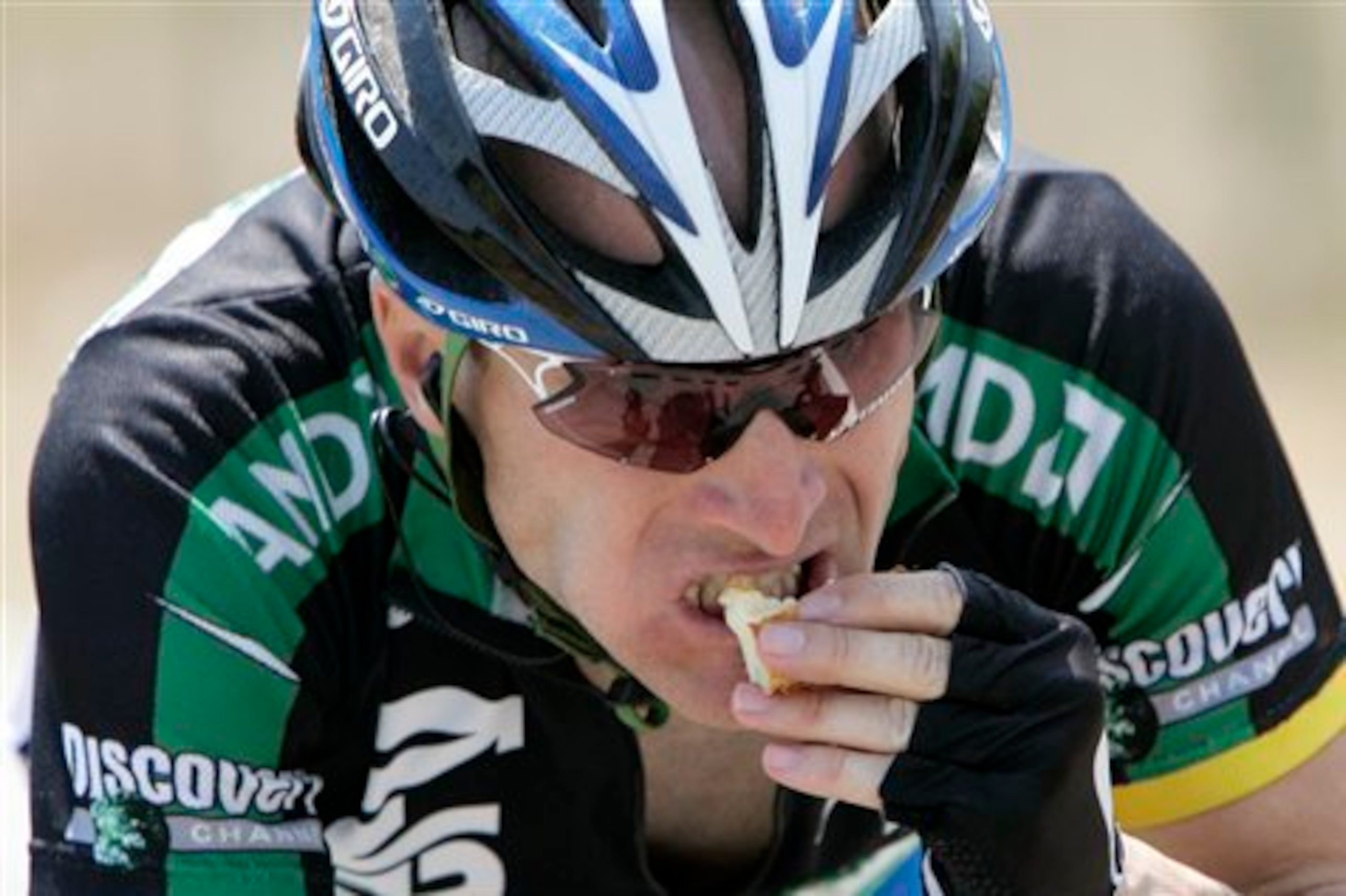
It’s all based on research published in the European Journal of Physiology in 1998, which found the demands of intense cycling training were so high that the scientists behind the study recommended ingesting carbohydrates mid-training. It is an idea supported by scientists at Loughborough University, who wanted to quantify the difference carbohydrate intake makes to a runner’s performance.
After collecting data from seven days of training—experimenting with high- and low-carbohydrate nutrition protocols—they found 30 kilometre treadmill time trials were 10 per cent quicker on high-carbohydrate days. The research concluded: “Performance time for a 30 kilometre road race is improved after ingesting a five per cent carbohydrate solution.”
All of this, it seems, Ronaldo knows. Coming from the paradisiacal island of Madeira, Portugal, his diet was always rich in carbohydrate-heavy fruit. What’s more, according to the website Esportes (Portuguese), his favourite dish is Bacalhau a Bras—a famous Portuguese recipe that consists of salt cod, eggs and lots of potatoes.
In summary, it’s fair to say Ronaldo adheres to the tried and tested method of carb-loading.
But one man who doesn’t share his approach is USA international Howard. According to the website of health and fitness magazine Shape, “He’s adhered to a strict paleo diet for over a year.” This means he tries to eat like our Palaeolithic ancestors did on a diet that’s high in protein and fat, but he places much less emphasis on carbohydrates.
Why? Well, it’s believed—through research in the fields of biology, biochemistry and ophthalmology—that this is the healthiest way for us humans to eat since our biology hasn’t changed for thousands of years, yet our diets have. The result is—again, in theory—our modern diets that are full of refined foods, trans fatty acids and sugar are the cause of many degenerative diseases.
This, of course, goes against the more commonly used carb-loading protocol adopted by footballers such as Ronaldo, but is there any science to support it? Although our understanding of high-fat—keto—diets is still evolving, amazingly it seems there is. Take ultra-marathon runner Timothy Olson as an example.
In 2011, he came sixth in the Western States 100-mile Endurance Run fuelled on a high-carbohydrate diet. The problem was, he was plagued with stomach cramps, which led to 20 "bathroom" breaks in the latter stages of the race, as told to Jimmy Moore on the Livin' La Vida Low-Carb podcast. Now, it must be pointed out, Olson may have been suffering from a gluten intolerance, therefore carbohydrates should definitely not be vilified in this situation.
But, amazingly, this led him to cut out wheat and most carbohydrates in favour of a high-fat diet. When the Western States 100 rolled around in June 2012, Olson was ready to take on this challenge of running such a long race fuelled mainly by fat. The result? A victory in record time (21 minutes faster than the previous course best).
So which one is better? Ronaldo’s carb-rich Portuguese recipes or Howard’s high-fat Paleo alternative? The answer: it depends on the situation.
Research published by Nutrition Focus New Zealand Limited found, "The number of gruelling events that challenge the limits of human endurance is increasing. Such events are also challenging the limits of current dietary recommendations."
Scientists concluded that although carb-loading has been favoured for years, "There are some situations for which alternative dietary options are beneficial."
One of these circumstances is perhaps best described in the nutritional journal entitled, “Human Muscle Fatigue: Physiological Mechanisms.” Sports scientists stated the energy needed to sustain exercise for a long period of time comes from the oxidisation of two fuels: glucose—carbohydrates—and long-chain fatty acids.
Interestingly, they observed the latter is a more sustainable fuel source and provides the “largest energy reserve in the body” that can provide enough energy to last about five days. What this means is fuelling a footballer for 90 minutes on fat should be easy. In contrast, muscle glycogen reserves—carbohydrates stored in the body—are limited and, at most, could provide energy to sustain 100 minutes of exercise.
Granted, this is an extreme example, but for those who aren’t aware of what happens to the body when completely depleted of carbohydrates and muscle glycogen, take a look at this video of the 1997 Ironman World Championship featuring Sian Welch and Wendy Ingraham. It’s aptly titled “The Crawl,” and you’ll see why.
Something researchers from the Centre for Human Nutrition at the University of Colorado agreed with, claiming, “Glycogen storage capacity in man is approximately 15 g/kg body weight.” This means a smaller player such sa Lionel Messi—who, according to ESPN, weighs 67 kilograms—would only be able to store 1,005 grams of carbohydrates at the very most; he could rapidly burn through that amount during a fast-paced 90 minute match that heads into extra time.
So, to come back to my original question, is there a perfect diet for footballers? The answer is yes; you just have to personally find it and decide whether it’s to be based on carbohydrates or fat.



.jpg?w=2560 "Joey Porter Jr. Trade Packages 📦")





.jpg?w=2560 "Players with Shocking Career Earnings 😳")