

Brendon McCullum's Brilliance Helps New Zealand Reach World Cup Final
With one almighty swing of his bat, Grant Elliott etched his name into New Zealand cricket folklore.
When he hit South Africa’s Dale Steyn for six from the penultimate delivery of the first Cricket World Cup semi-final, Elliott instantly became a national hero.
His maximum over the rope at mid-wicket sent New Zealand, his adopted homeland, through to their first final at the expense of the country in which he was born and raised.
.jpg?w=2560 "Chiefs Giants Football")
.jpg?w=2560 "AP Poll Top Five Week 9")

Elliott was the man who took centre stage in the closing moments at Eden Park in Auckland, becoming the latest hero for the Black Caps during the tournament.
Martin Guptill had made history when he became the first Kiwi to hit a double century in ODI cricket, finishing up with 237 not out in the quarter-final triumph over West Indies.
The bowlers also enjoyed their moments in the spotlight.
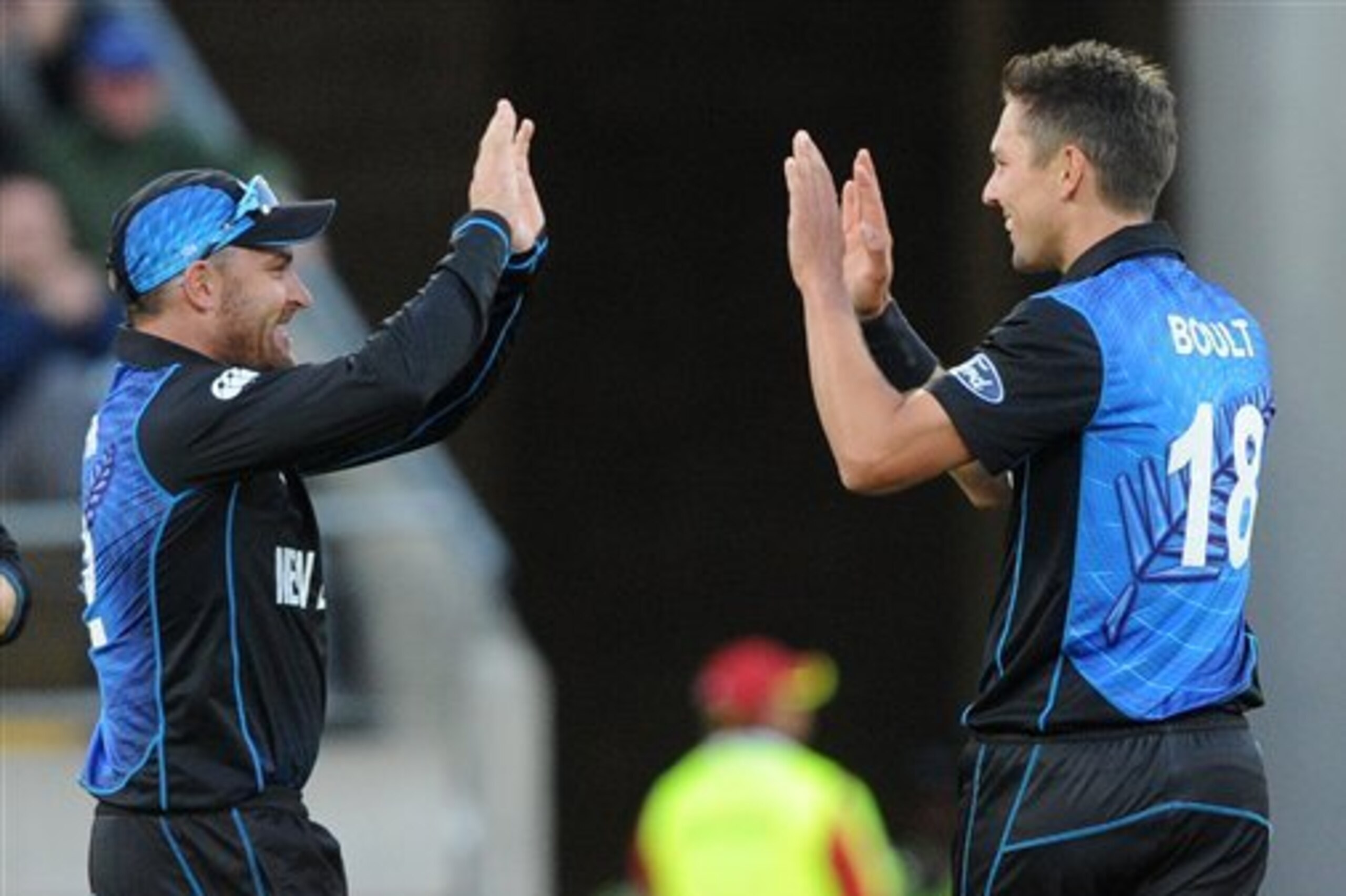
Tim Southee’s seven-wicket haul flattened England in Wellington in the group stage, and then Trent Boult claimed five for 27 in the next fixture to help edge out Australia in a low-scoring thriller in Auckland.
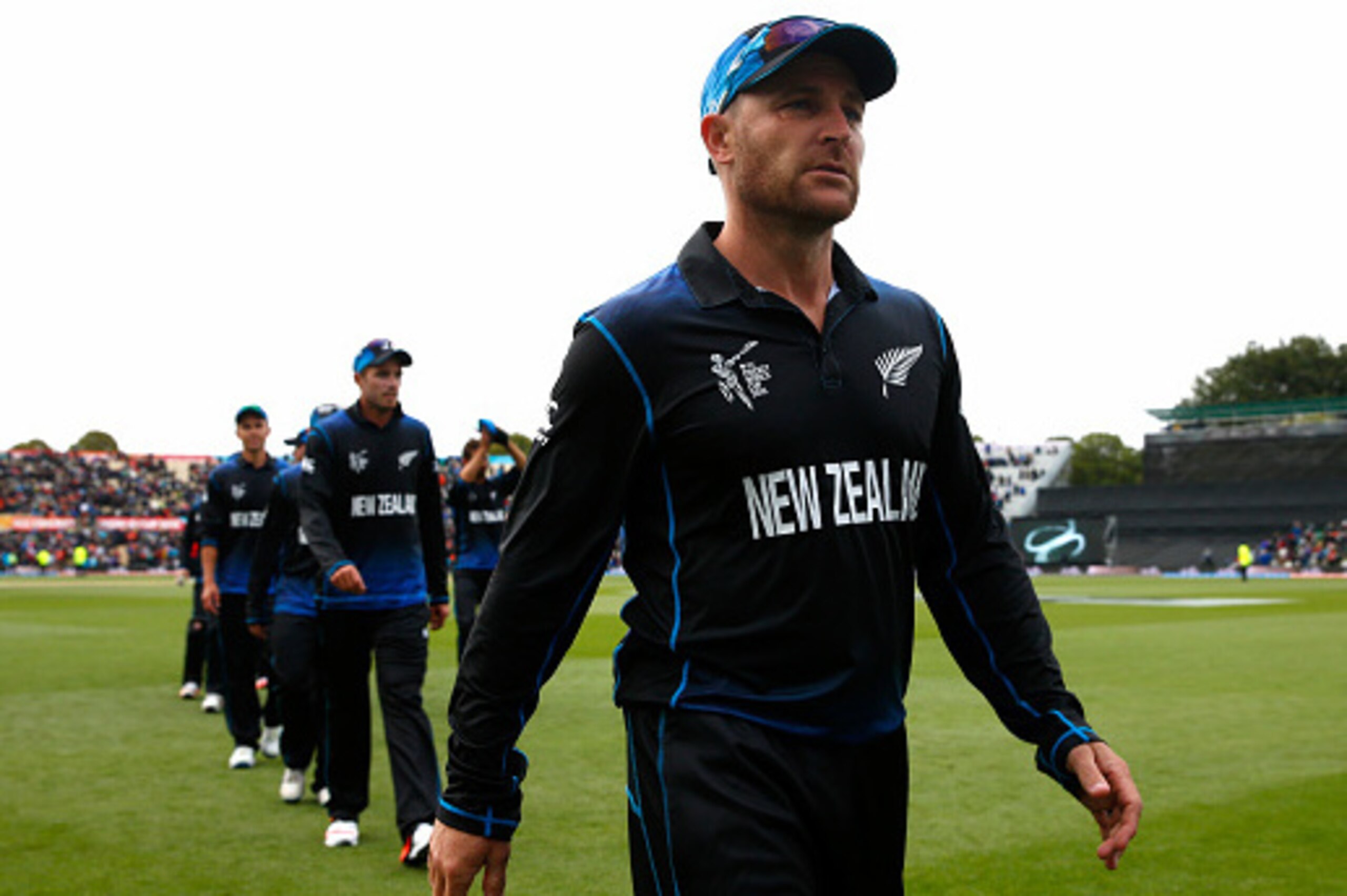
And then there is their captain, Brendon McCullum.
A player who causes chaos for opposing teams when he's in the middle but exudes calmness when controlling things in the field, the 33-year-old has been outstanding during the World Cup.
Scyld Berry, writing in The Telegraph, described McCullum rather perfectly when he wrote: "New Zealand’s cricketers used to be dour and defensive underdogs, forever overshadowed by their neighbours across the Tasman. McCullum, bold and attacking, has pumped his team with self-belief and made them as aggressive as Australia, without boorish excesses."
McCullum, though, can perhaps be summed up best in one word: aggressive.
The right-hander has built himself a reputation as a dangerous opening batsman in the short formats. He hit the first century in the Indian Premier League and has a career strike rate of 94.51 in ODI cricket.
So far he has made 328 runs at an incredible strike rate of 191.81 in this World Cup. There have been four half-centuries along the way, including a crucial knock of 59 against the Proteas on Tuesday.
While Elliott steered the side home at the end of the semi-final, McCullum was the one who had ignited their pursuit of a revised target of 298 from 43 overs.
He laid into Steyn from the outset, hitting the third ball he faced for six over cover. In the fifth over, he proceeded to take one of the world’s premier fast bowlers, ranked second in the ICC ODI rankings, for two more sixes, as well as three fours.
All Steyn could do in the face of such a brutal onslaught was offer a wry smile.
When Morne Morkel had McCullum caught at mid-on at the start of the seventh over, New Zealand already had 71 runs on the board. In 32 minutes, he had changed the game completely.
His attacking intent is not just limited to his batting, either.
Ex-England skipper Michael Atherton, for one, is a huge fan of his style of captaincy:
He has also received praise from Stephen Fleming, a former New Zealand captain who was in charge when they lost to Pakistan in the 1999 semi-final. He admitted, via Jesse Hogan of Stuff.co.nz, to having reservations about McCullum's captaincy style at first, but he has since been won over:
"We were pretty measured and pretty understated, trying to overachieve, whereas this team is not arrogant but a bit more confident in their thoughts and the way they play.
I think if anything we, the New Zealand public, were uncomfortable with how aggressive he was. Usually we (captains) are, 'Slowly, slowly, safety first,' but he's really taken it to a new level.
I personally admire that, and he's got a lot of admiration from the cricket fraternity in New Zealand, so he's done a great job.
"
McCullum's positivity has been demonstrated in the fields he has been willing to set.
Against South Africa, after taking two early wickets, new man Rilee Rossouw was greeted with this collection of close catchers on his arrival to the middle:
It is a brave approach, but it is also the right one. McCullum understands that the only certain way to slow down an opposing team’s scoring rate is to take wickets.
Containment can be done at a later stage; he views the opening powerplay period as a time when the fielding side can be just as aggressive in their approach as the batting team.
It helps, of course, that McCullum has some excellent bowlers at his disposal, and there are moments when a desire to dominate can backfire to some degree.
South Africa managed to weather the early storm at Eden Park and were gaining momentum before the weather cut short their progress.
They had reached 216 for three after 38 overs when rain halted play, and a reduction in overs denied them the chance to fully cash in on the platform they had set for themselves after recovering from 32 for two.
The Duckworth-Lewis system did increase the target for New Zealand, but a shorter chase played into their hands.
However, New Zealand’s achievement should not be overshadowed by the rain rules working in their favour.
In an intense atmosphere and in front of a huge crowd who were vicariously living every delivery as the finishing line approached, they held their nerve and found a way to win.
Speaking in the post-match press conference, per ESPN Cricinfo, McCullum made clear his delight that the World Cup run would go on a little longer:
"I've said it time and time again, this is the greatest time of our lives as players.
We're enjoying the experience, it's been an incredible ride all the way through, the crowds that we've had turn up in New Zealand to support this team, the brand of cricket we're trying to play, has been phenomenal.
I hope they're all dreaming as much as we are, we've got a huge occasion in a few days' time, and jeez it would be nice to win it.
"
No one has done more to make New Zealand dream than McCullum, a leader who has embraced the pressure that comes with playing in a major event on home soil.
His predecessors in the job—including Fleming and Martin Crowe, who was in charge in 1992 when they last cohosted the World Cup with Australia—never made it beyond the semi-finals.
They will head out on the road for the first time in the 2015 edition, with either Australia or India their opponents in the final in Melbourne.
Which team it ends up being in the opposing corner won't make a difference to McCullum. He will come out swinging at the MCG on Sunday because that is the only way he knows how to play.

.jpg?w=2560 "Steelers Buccaneers Football")

.jpg?w=2560 "Updates from EVERY NFL Game 🏈")
