20 Reasons Sports Were Better in the 1990s
Sometimes it's possible to secure a moment—when all the sports and athletes you love are free from the burden of archaic collegiate rules, concussions, violent crimes or any one of the countless antagonisms that haunt sports fans.
But it's always fleeting, because Twitter and the 24/7 boundless news cycle crush any remaining resistance and flood your smartphone and mind with an overwhelming awareness of everything that is and of sports.
Of course, these same things can be as awesome as they are exhausting. As the world changes in on the heels of progress, it's inevitable that sports will evolve, too. And though it's easy to idealize the past and vilify the present, there's nothing wrong with taking a trip down memory lane and acknowledging that some things aren't better.
For those of us who grew up in the '90s and are grown up today, there's a lot to miss: the unapologetic flat-top, movies headlined by huge sports stars, fashion that never quite relented the neon of the '80s and myriad of definitively 1990s things.
And the '90s had no shortage of larger-than-life stars: Michael Jordan, Andre Agassi and others who are still important to sports today. Maybe it's just the comforting fog of nostalgia, but these are 20 reasons sports were better in the '90s.
High-Top Fade Ruled the Roost
1 of 20
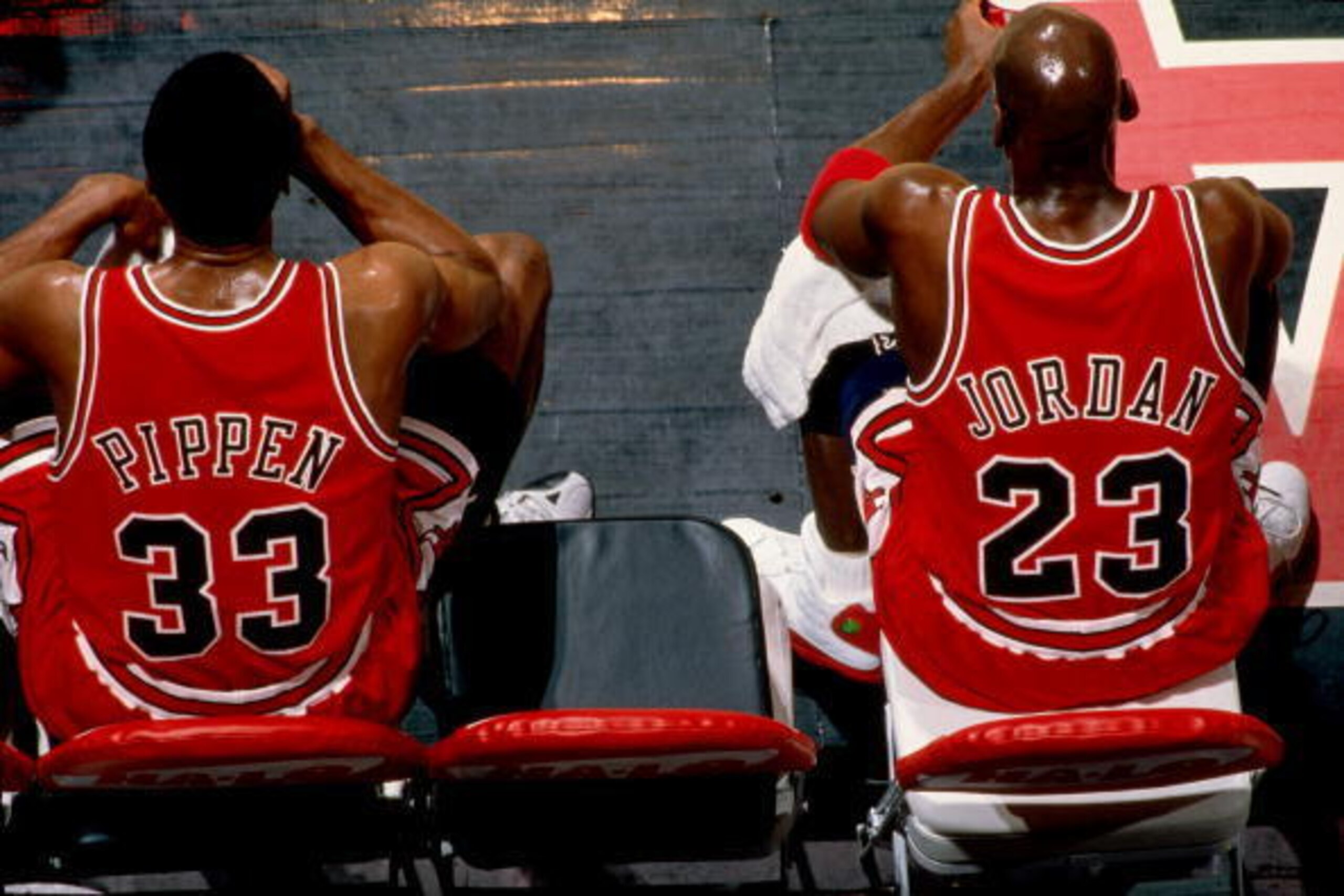
The high-top fade was born during the golden age of hip-hop in the mid-80s—they were hardly Run—D.M.C., but Kid of Kid ‘n Play’s ‘do was one of the defining of a decade.
Athletes in the '90s never quite matched the height, but guys like Patrick Ewing, Robert Horry, Sam Perkins, Scottie Pippen, J.R. Reid, Charles Smith, Kendall Gill, Mark Macon and Kenny Walker all rocked the look.
A World Without Roger Goodell
2 of 20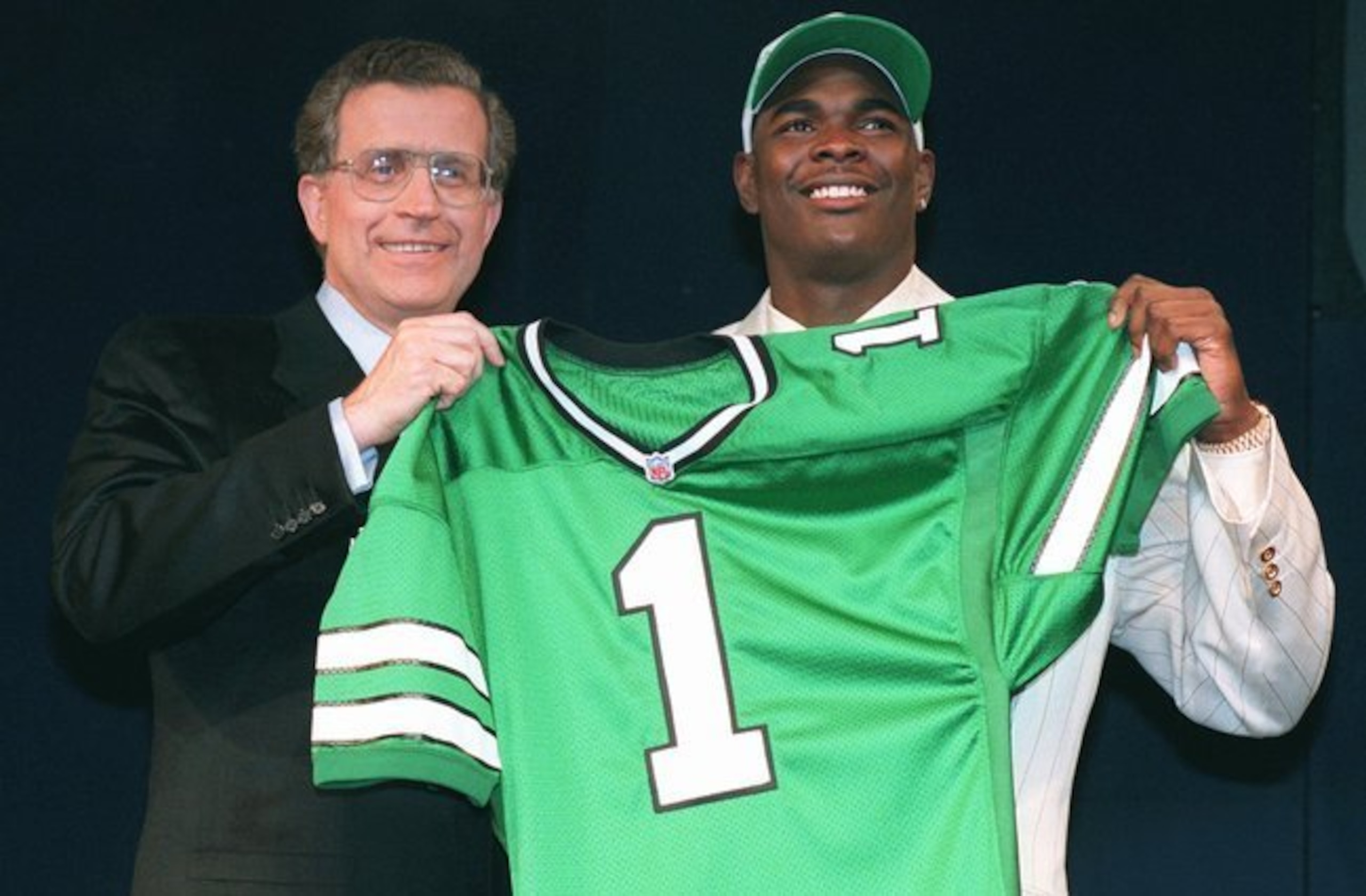
Roger Goodell’s reign as NFL commissioner has meant an unprecedented financial boom for owners, but outside front offices, you’d be hard-pressed to find many people (outside immediate family and close friends) with a positive perception of the current commish.
In addition to continuously legislating the fun of the game, paying particular attention to player celebrations, Goodell has ushered in a era emphasizing law and order. One in which he plays favorites, picking and choosing crusades, seemingly at random.
The 1992 Dream Team
3 of 20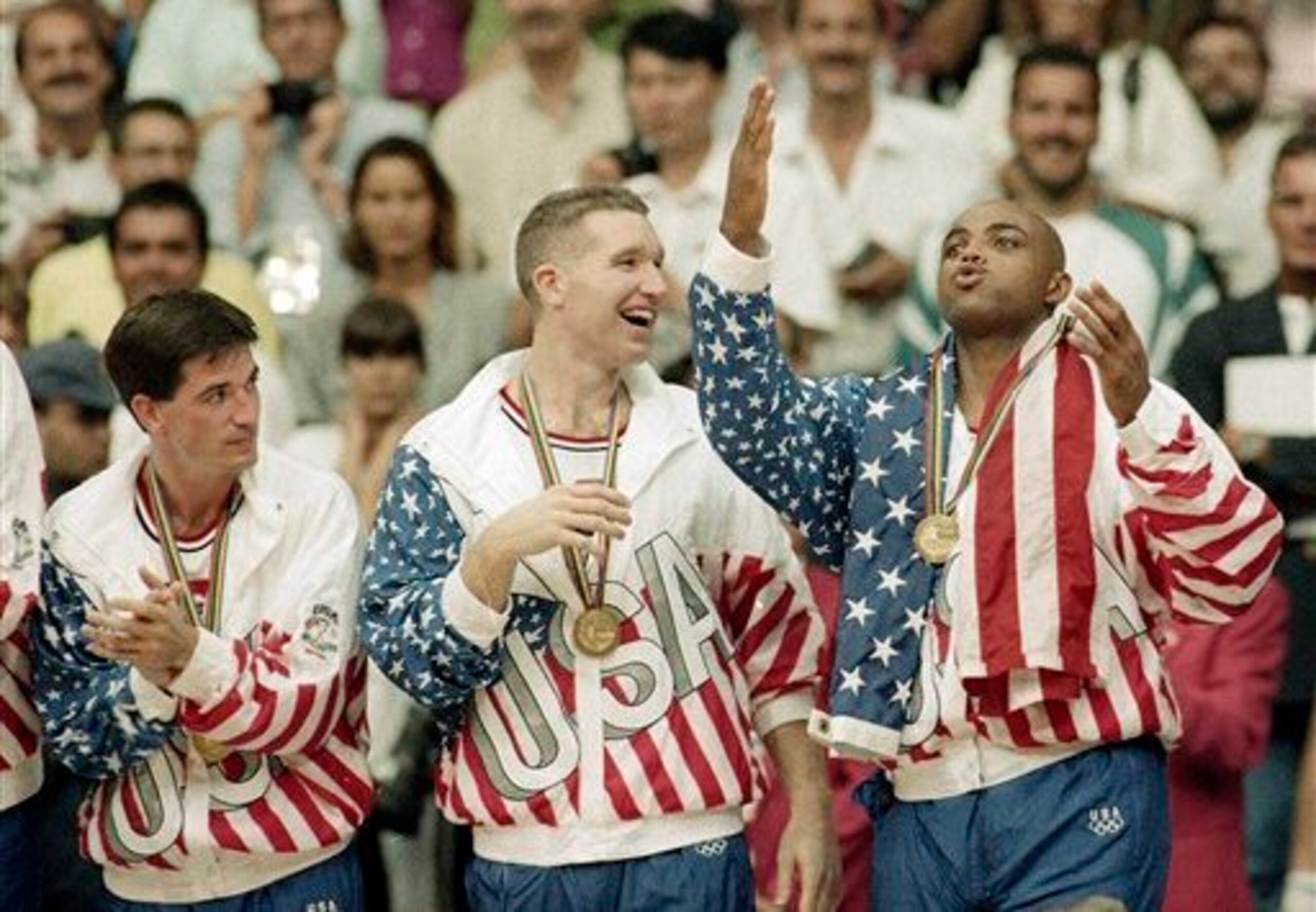
The American men’s basketball team that competed at the 1992 Olympics in Barcelona is widely regarded as the greatest team ever assembled. And not just in basketball—in any sport, ever. Aside from Christian Laettner, we’re talking about an embarrassment of NBA Hall of Fame riches.
Led by all-time greats like Michael Jordan (the all-time great), Magic Johnson, Larry Bird, Charles Barkley and Patrick Ewing, the Dream Team defeated each opponent by an average of 44 points. It was, quite simply, the best in the world, and nobody else even had a chance.
It was a simpler and more innocent time, nearly a decade before 9/11, when America’s place in the world wasn’t controversial in the same way it is today.
.jpg?w=2560 "Chiefs Giants Football")
.jpg?w=2560 "AP Poll Top Five Week 9")
American Men's Tennis Was Tops
4 of 20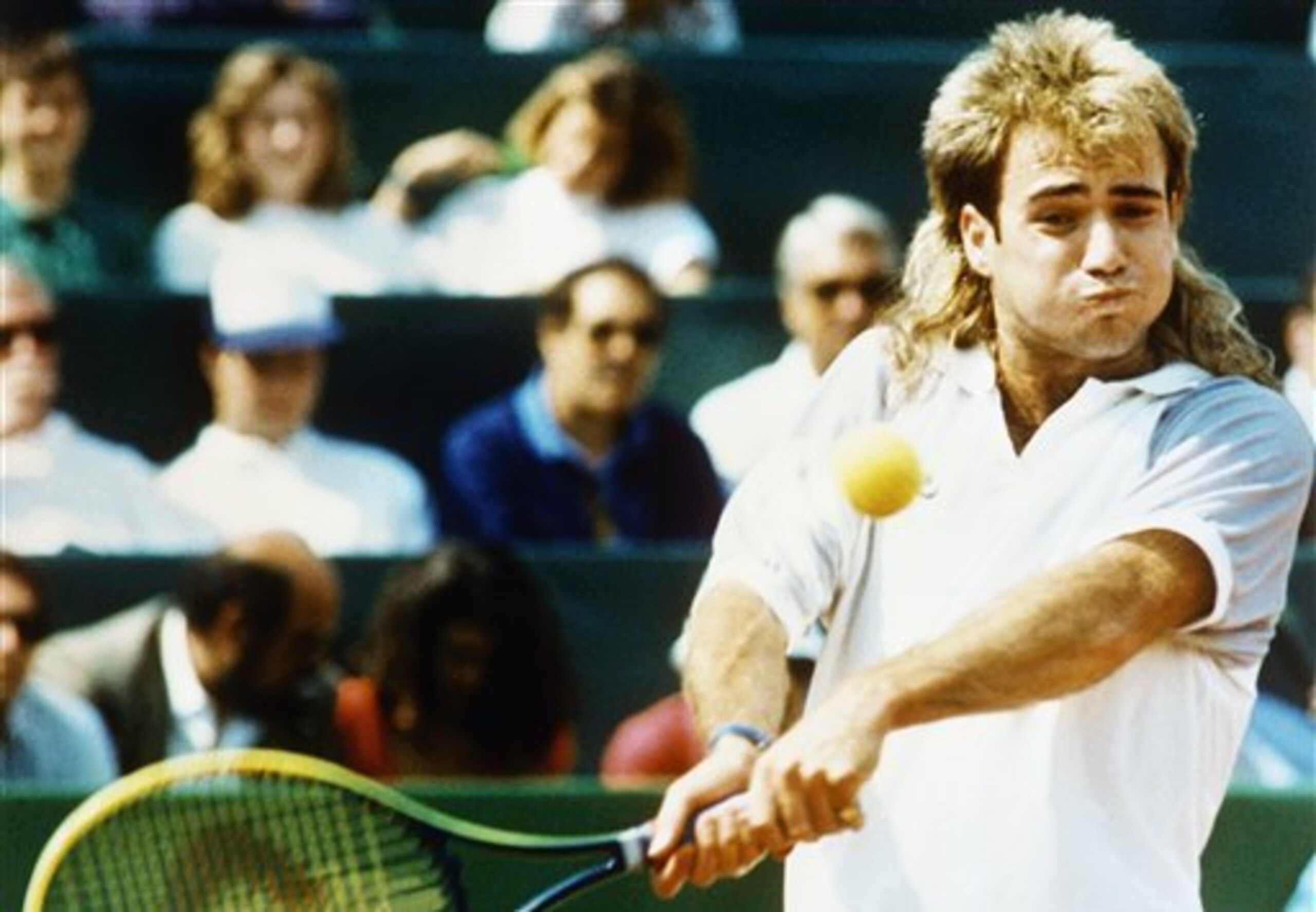
Although Serena Williams has been as dominant an athlete as women’s tennis has ever seen throughout her career, and remains so to this day, American men haven’t been competitive internationally since Pete Sampras and Andre Agassi retired more than a decade ago. The two of them combined for 18 Grand Slam victories in the '90s and 22 overall.
Andy Roddick showed promise as a successor when he won the U.S. Open in 2003 at the age of 21, but it turned out to be the first and last Grand Slam of his career. The American men have been in the gutter ever since.
Lance Armstrong Was an American Hero
5 of 20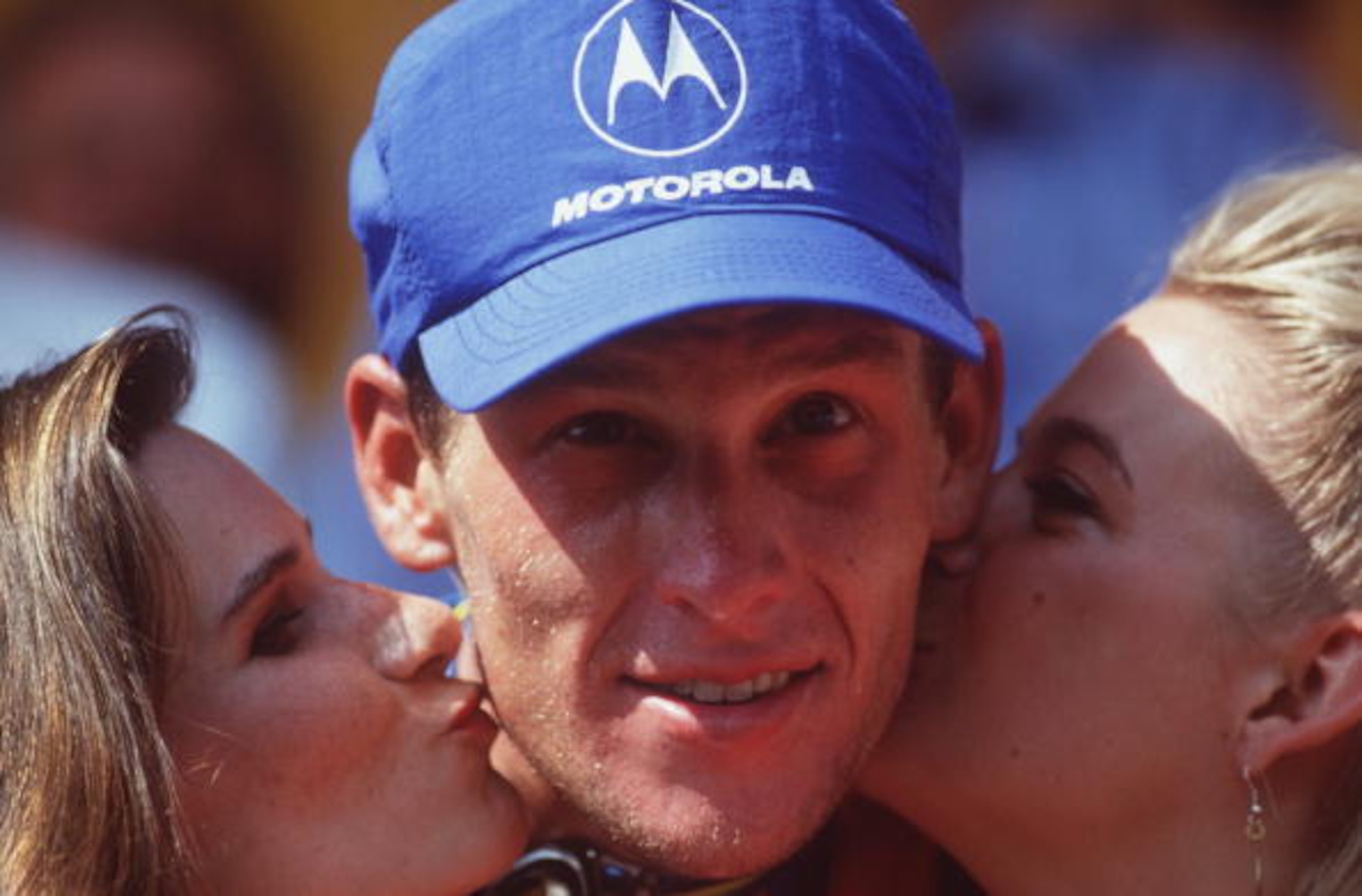
Lance Armstrong didn’t win his first (of seven consecutive) Tour de France title until 1999, but his star had been on the rise throughout the '90s, having won stages of the race in the years prior. Armstrong’s hero status in those days stemmed, at least partially, to a very public battle with cancer. In 1996 he was diagnosed with stage three testicular cancer, which had spread to his lungs and brain.
Despite being given just a 50 percent chance of survival, Armstrong ultimately beat the disease and was cycling again a year later. He founded the Lance Armstrong Foundation, which would become the Livestrong Foundation, in 1996. Remember those plastic yellow bracelets everyone on earth was sporting for a while? The sale of those things alone raised over $50 million in eight years.
These days it’s hard to reconcile the memory of Armstrong from the '90s with the man we now know him to be. The lying, cheating, life-ruining, dead-eyed, soulless sociopath who says he would probably do it all again if given the opportunity. Even though the Armstrong we all loved in the '90s was a complete and utter fraud, it’s always nice to have something to believe in.
American Women Win World Cup...Twice
6 of 20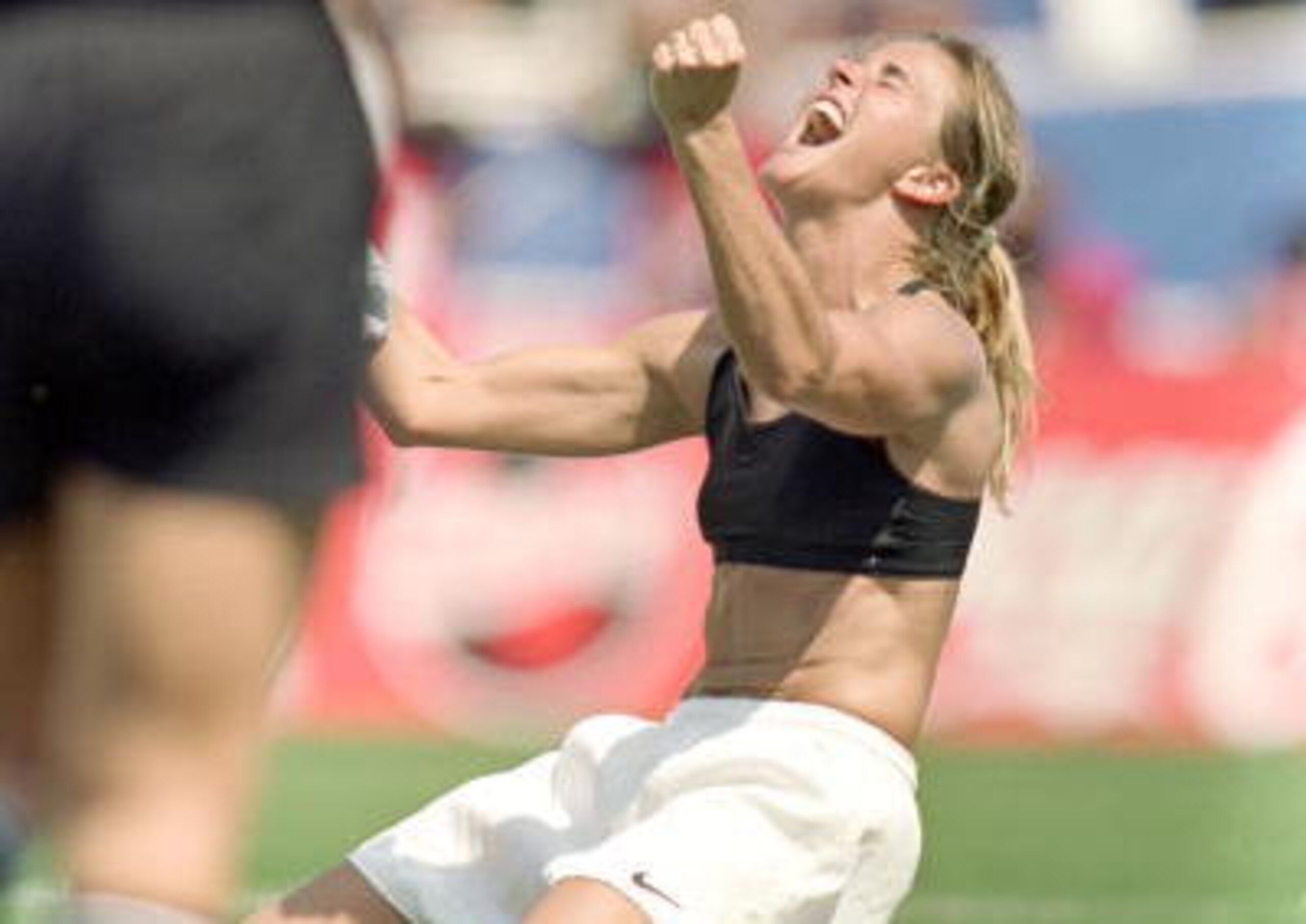
In 1992 the U.S. had the Dream Team at the Barcelona Olympics. One year prior the American women’s soccer team, led by Michelle Akers, Carin Jennings, April Heinrichs and 20-year-old Mia Hamm, defeated Norway to win the inaugural FIFA Women’s World Cup in China.
The U.S. came in third in 1995, before wowing the world by defeating China 5:4 in penalty kicks in 1999. The fact that we were the host nation made the 660,000 live spectators and the 40 million domestic viewers all the more impressive for a country that is still warming to the most popular sport in the world.
Brandi Chastain’s jersey-ripping moment following the win against China has become one of the most iconic moments in American sports history. Oddly controversial for what was obviously just a euphoric and iconic display of raw emotion.
Floyd Mayweather Who?
7 of 20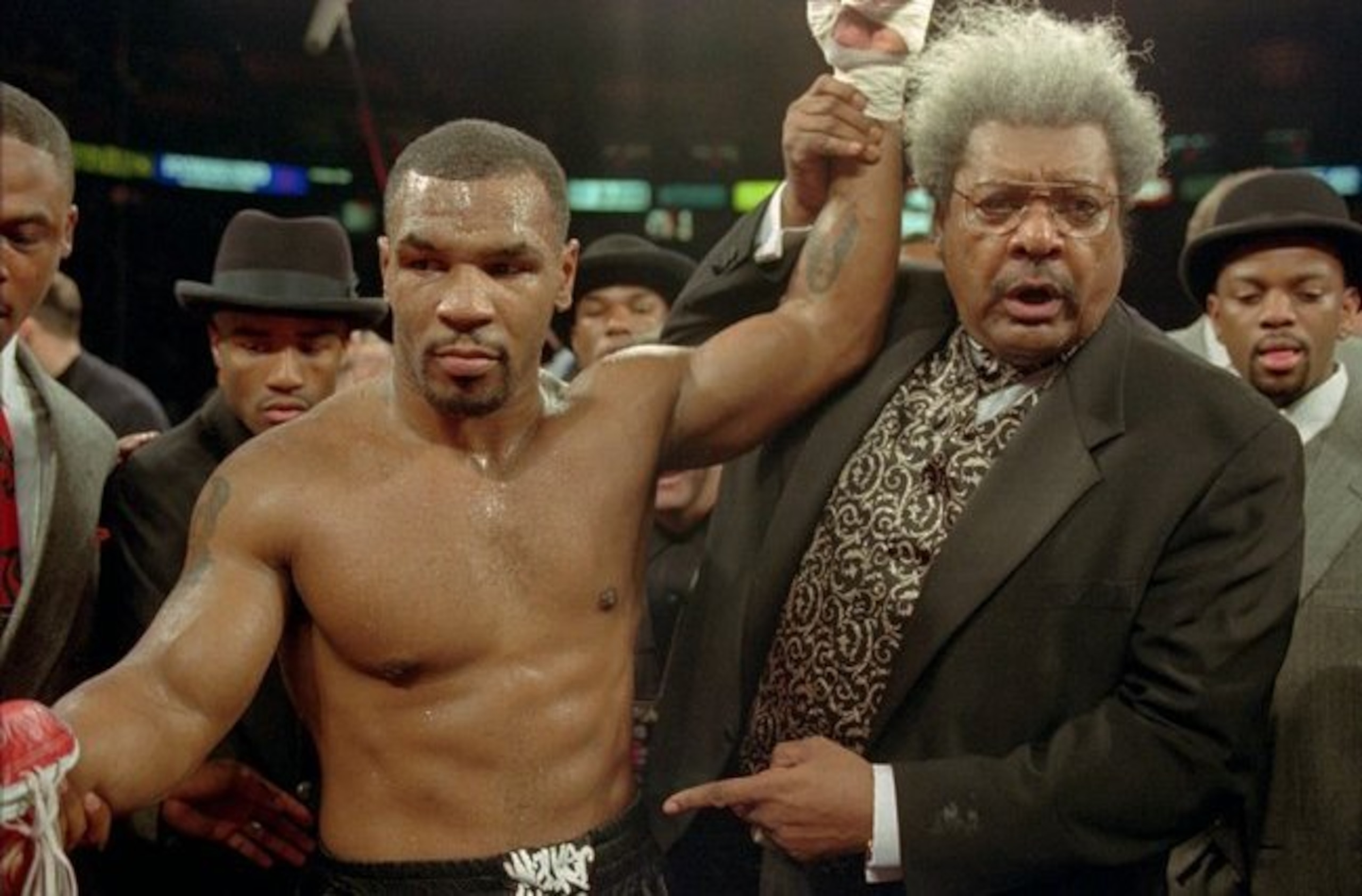
For way too long, it seems, undefeated middleweight Floyd Mayweather has been the only name in boxing. The only other name? Middleweight Manny Pacquiao, Mayweather’s next opponent, who we were all eager to see fight about five years ago.
In the United States, the once-glorious sport of boxing has a storied history yet seems to be dying (outside anything that involves 38-year-old Mayweather), but it was still thriving through much of the '90s. Even with Mike Tyson’s legendary career having peaked in the '80s.
Still in the ring outside Tyson were George Foreman, Oscar De La Hoya, Evander Holyfied, Lennox Lewis, Roy Jones Jr., Felix Trinidad and Shane Mosley.
Magnificent Seven Stun in Atlanta
8 of 20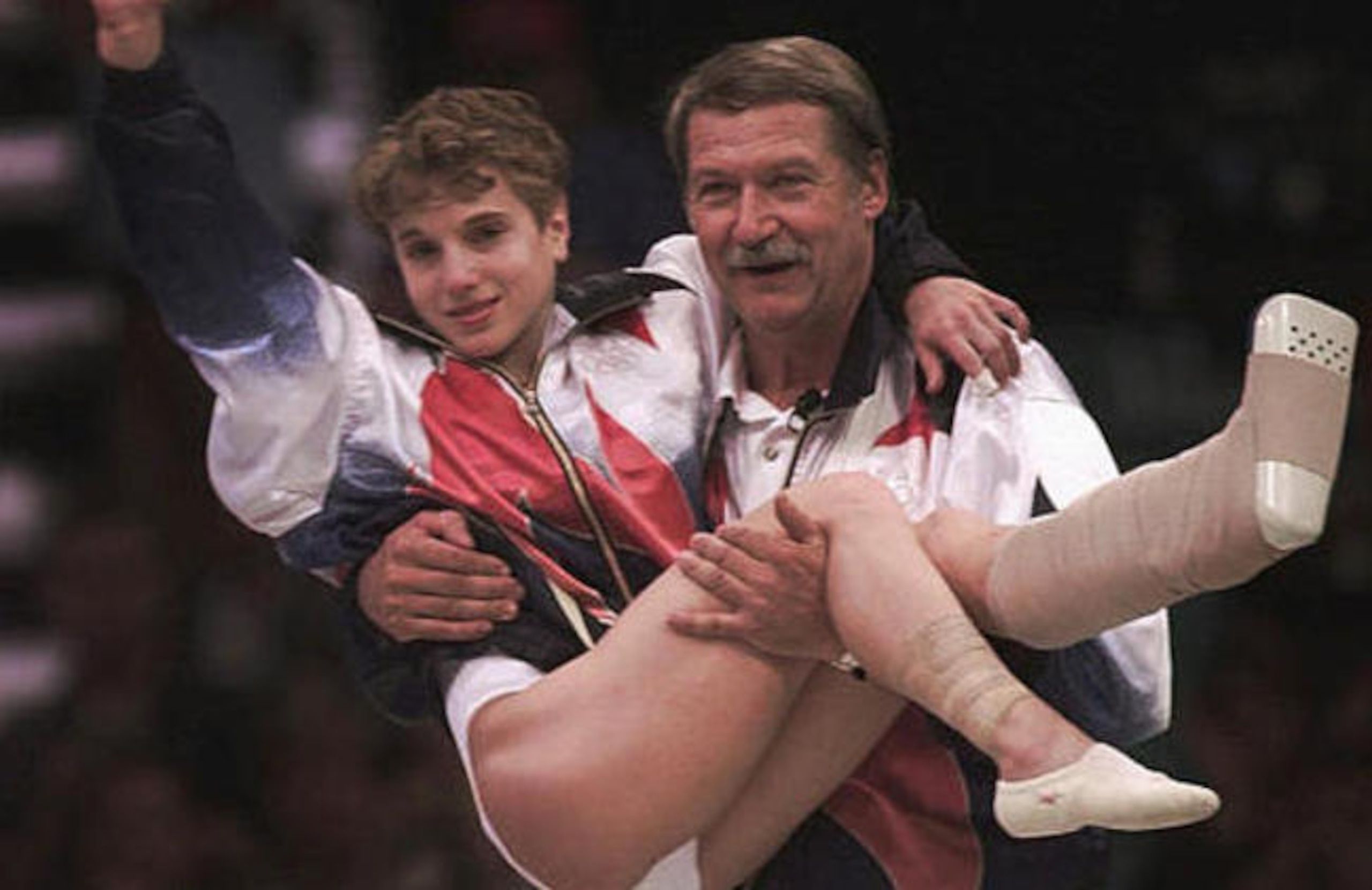
These days the American women are international power-players in gymnastics, having won all-around gold at the 2012 Olympics in London, all-around silver in Beijing and Athens and all-around bronze at the 2000 Sydney Games.
But prior to the Atlanta Olympics in 1996, the Americans had been barely a footnote in a sport that had long been dominated by Eastern European juggernauts like Romania, Czechoslovakia, Hungary and the Soviet Union/Russia. Building on the bronze-medal success four years earlier in Barcelona, the Magnificent Seven stunned the world, beating out Russia and Romania, each by less than a point.
An achievement made all the more stunning by its dramatic finale, which came down to the second vault performed by the diminutive Kerri Strug, who suffered two torn ankle ligaments on the first. The moment was so epic that ESPN ranked it No. 51 on its list of the 100 Most Memorable Moments of the past 25 years.
There Was No Tom Brady
9 of 20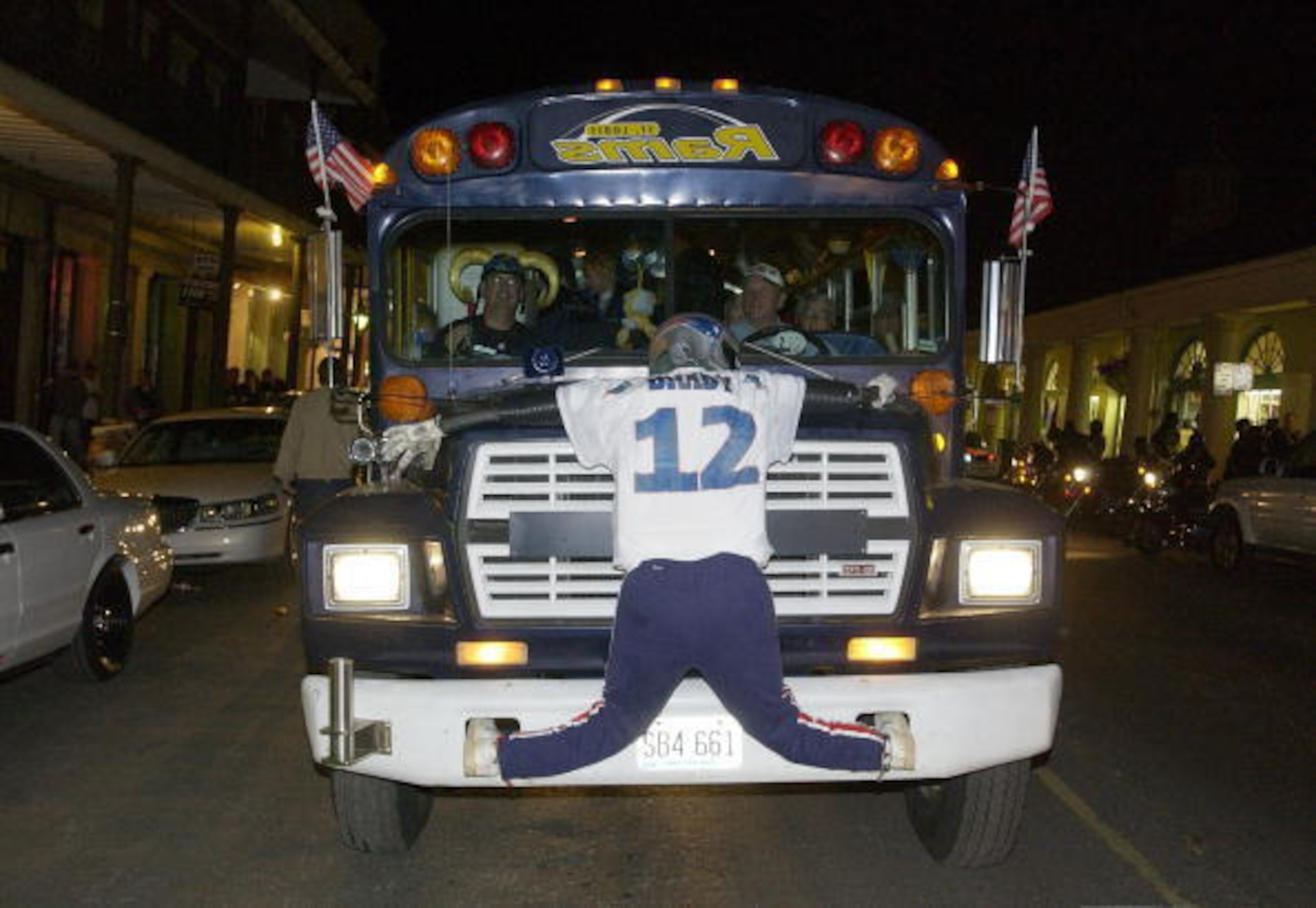
Obviously this one doesn’t apply to Patriots fans, but to everyone living outside of New England, the world was a decidedly better place before Tom Brady and Bill Belichick teamed up in 2001. It was certainly better for fans of the rest of the teams that make up the AFC East.
Second only to the Cowboys, the Pats are easily among the most hated teams in the NFL, attracting more ire than the Bears, Giants and Steelers, who round out the top five. Making up their list of grievances, Brady/Belichick-bashers have had no shortage of controversies and scandals over the years to fuel the fire.
However, all that drama aside, their ridiculous success is the real reason we all hate them. Since 2002, the Patriots have won four Super Bowls and lost two others, which means Tom Brady has appeared in almost 50 percent of all championship games played over the course of his career to date.
At least the Cowboys and the Niners took turns in the '90s!
Anna Kournikova
10 of 20
Believe it or not, ravishing Russian stunner Anna Kournikova was once a very promising young talent in the tennis world. Sure, she was beautiful, but the global obsession with her just felt more justified when she was doing something other than frolicking in the sun with Enrique Iglesias.
Though she would turn in a few noteworthy singles performances in Grand Slams early on, Kournikova had her greatest success in the doubles game, having won at the Australian Open in 1999 and 2002. Having turned pro in 1995, Kournikova’s injury-plagued career was largely over seven years later—she made it official in 2007.
Despite her marginal success, Kournikova was a force of nature for a while, so much so that the fame she earned in the '90s was still helping her gain employment well over a decade later. At least she’s no longer infecting your operating system!
Tiger Woods Was the Future
11 of 20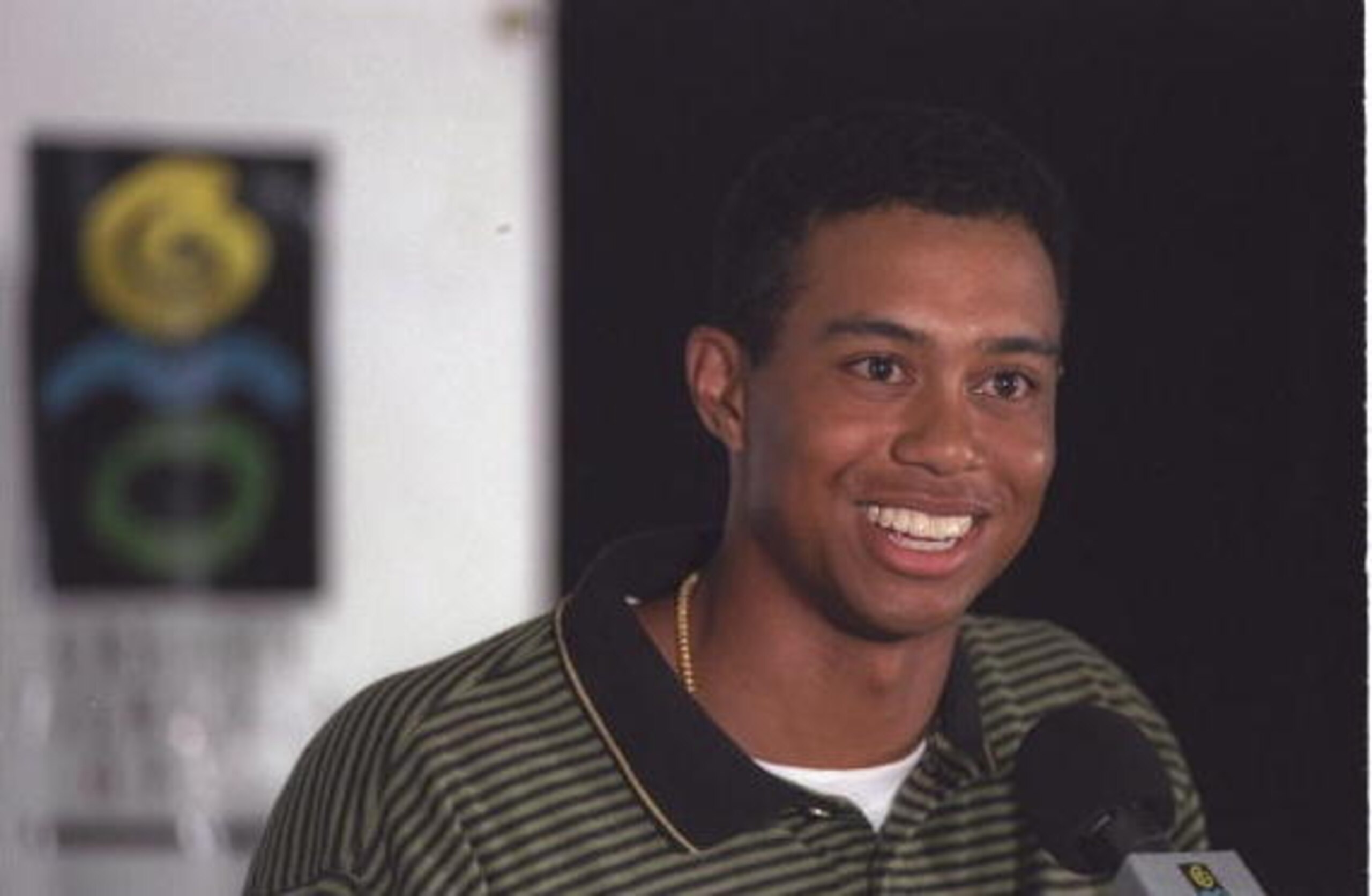
It’s hard to believe, but for the most casual sports fans born around or after 2000, they probably find themselves wondering what all the fuss surrounding tragically mediocre golfer Tiger Woods is all about. With a drought of major championships that is approaching eight years, there’s an entire generation that knows him best as a fidelity-impaired, surly old man who occasionally plays golf in between back injuries.
The rest of us used to know him as the only thing relevant about golf. Though Woods’ legendary career wouldn’t peak until the early-mid 2000s, he was already a bona fide superstar by the time he won his first major in 1997.
Woods didn’t just win the Masters Tournament that year, he crushed the damn thing. Not only was the 21-year-old the youngest winner in the tournament’s history, he defeated the field by an epic 12 strokes. Back then the sky, it seemed for Woods, was the limit. Today his best days seem to be long behind him, with nothing but a continuing parade of failure and indignity ahead. Woods is no longer the PGA's future, but rather its past.
Cards Were King
12 of 20
Good luck finding a young sports fan in the very early '90s who didn’t have at least a modest collection of cards for the sport(s) of their choice. Collecting cards had long been a hobby of memorabilia dealers and hardcore fans, particularly of baseball, but its popularity exploded among the masses between 1986 and 1992.
Trading cards with friends and speculating with dad about the futures market for that Jaromir Jagr rookie card—it’ll totally fund my retirement, right?—was the source of countless hours of entertainment back in the day. Even if the market being flushed with cards to meet the demand completely devalued nearly every card issued at the time.
Not that it really matters though. While it may have been fun to speculate about making money down the line, the memories from our brief national foray into card collecting are positively priceless.
Drama Was Defined
13 of 20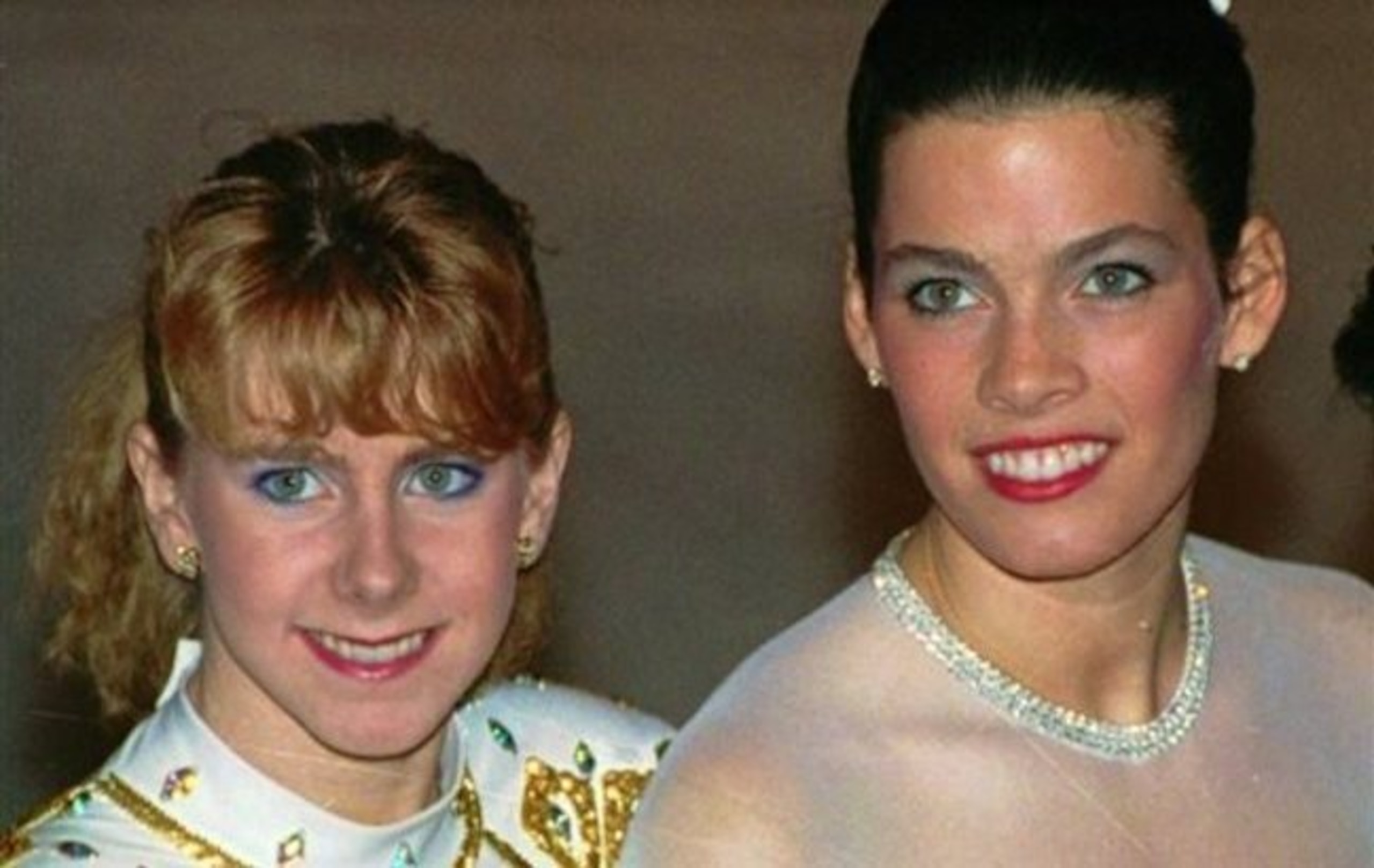
Drama is in no short supply when it comes to international athletic competitions like the Olympics, but has there ever been anything more dramatic or more confrontational than the epic showdown between American figure skaters Tonya Harding and Nancy Kerrigan?
Although she has always denied any direct involvement in the plot to cripple her biggest competition, Harding has always been suspected in the ridiculous plot to disable Kerrigan, her only significant American rival in 1994.
Superstars...
14 of 20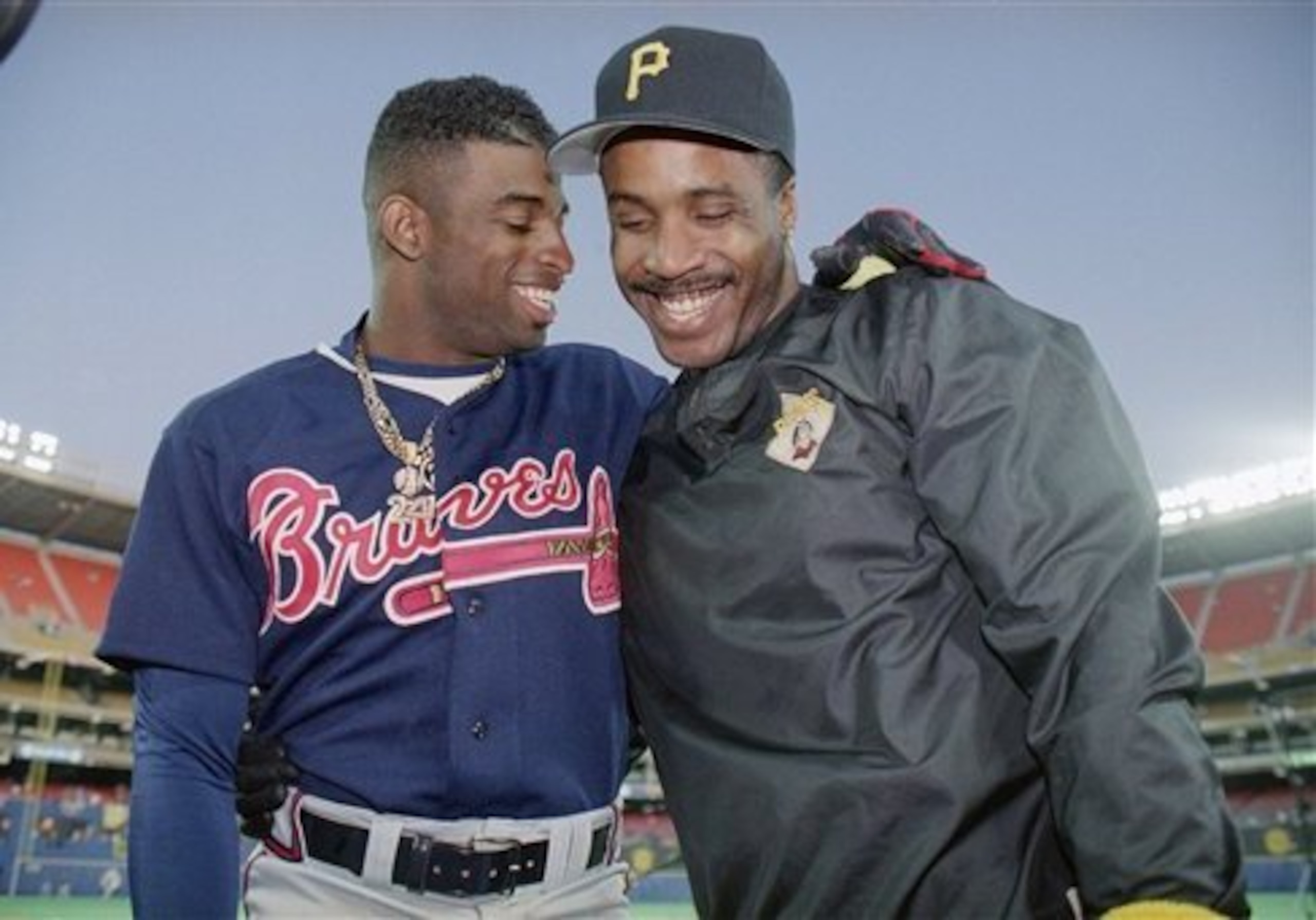
A complex and comprehensive examination would be necessary to (at least) attempt to determine which decade has a legitimate claim to having the best athletes. But it doesn’t take a scientific study to see the '90s was the era of the superstar athlete.
Crossover athletes like Bo Jackson and Deion Sanders reached new heights in terms of marketing and mass appeal, while superstar teams like the Yankees, Bulls, 49ers and Cowboys amassed championship after championship.
On Top of Superstars...
15 of 20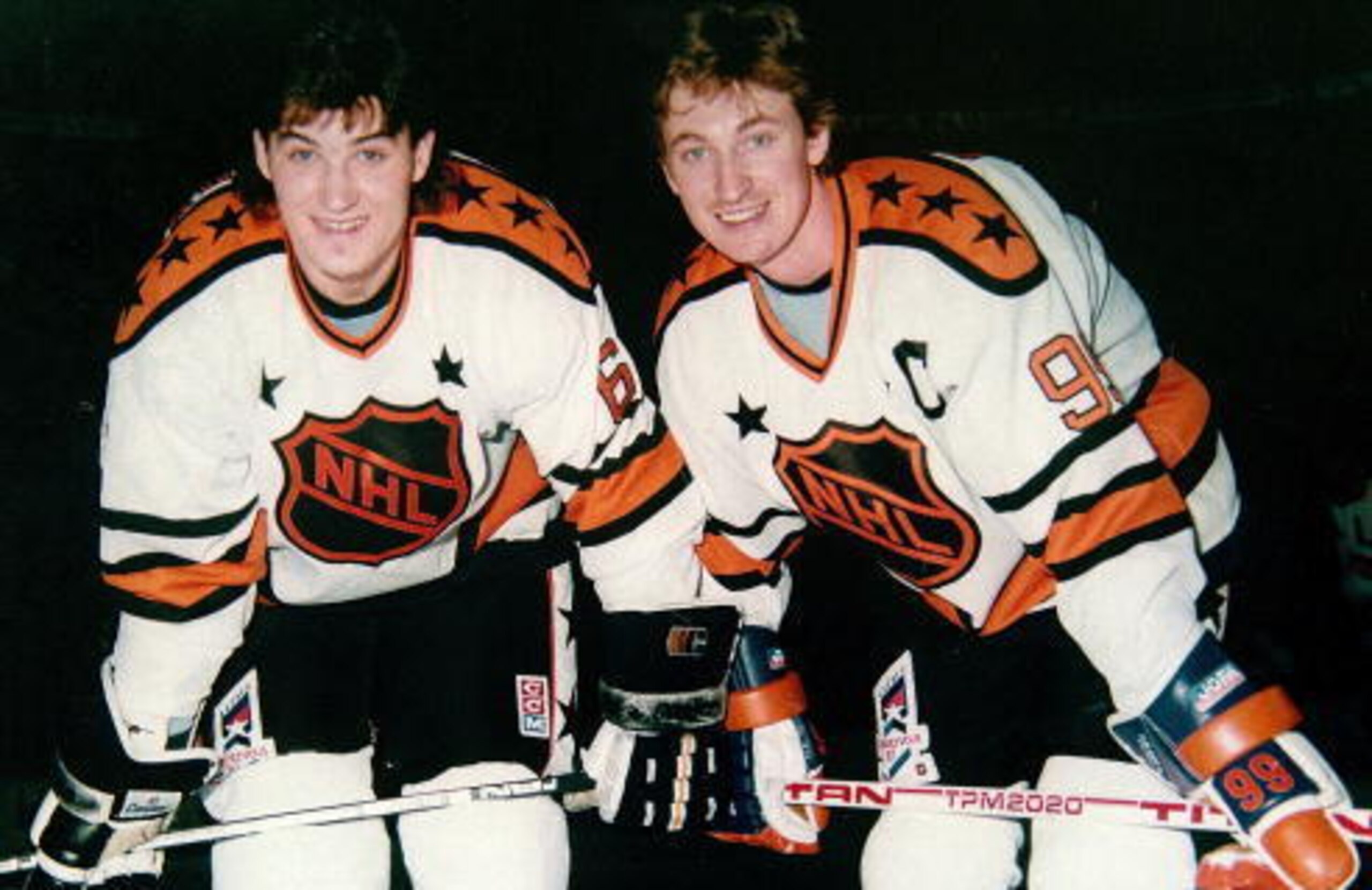
The NHL of the '90s wasn’t dominated by dynasties as were most decades prior, but instead was dominated by the play of the largest contingent of superstar players on the ice at one time the league had ever seen.
Despite an awful era of clutch and grab hockey and rampant goonery, the 1992-93 season was offensively historic, with a record 21 players reaching the century mark in scoring. Though the talent was hardly limited to offense.
Among the decade’s greats: Wayne Gretzky, Mario Lemieux, Patrick Roy, Ray Bourque, Steve Yzerman, Mark Messier, Dominik Hasek, Nicklas Lidstrom, Joe Sakic, Jaromir Jagr, Paul Coffey, Ron Francis, Brett Hull, Peter Forsberg, Martin Brodeur.
On Top of Superstars!
16 of 20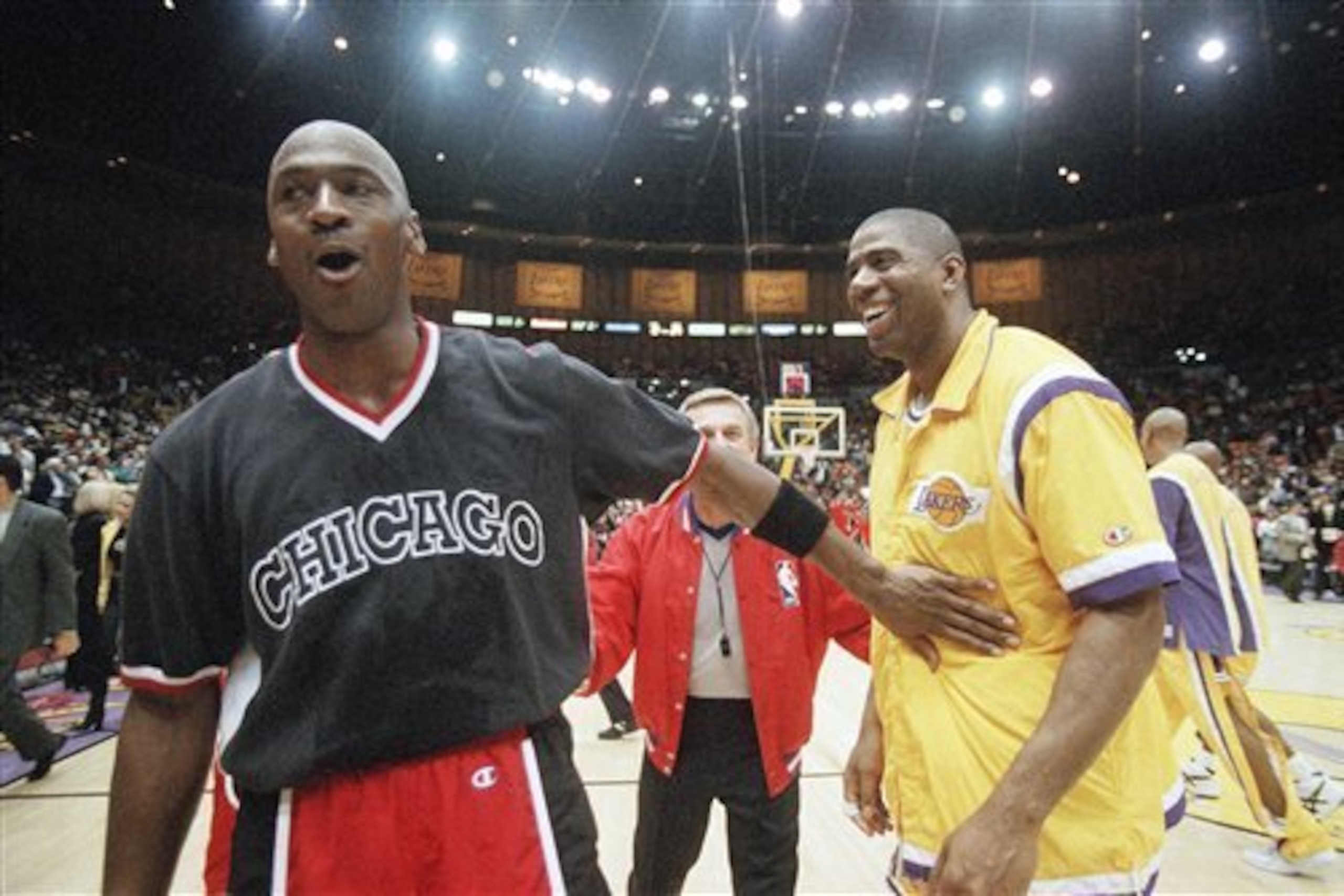
More than any other sport, the NBA can claim the '90s as its golden years. Though it’s always been a league dominated by superstars, the 1992 Dream Team providing a prime example, at no point in time were basketball stars more super than in the '90s.
Not only were some of the greatest players in the game’s history (like Magic Johnson) still hanging around early on from the 1980s, and some of the 2000's biggest stars (like Kobe Bryant) were just getting their starts, a whole new generation of superstars were coming into their prime.
Among the '90s greats: Michael Jordan, Hakeem Olajuwon, Scottie Pippen, Karl Malone, Patrick Ewing, David Robinson, Shaquille O’Neal, Charles Barkley, Reggie Miller, Penny Hardaway, Shawn Kemp, John Stockton and Grant Hill. What the what?! That's not even fair.
Steroids Hadn't Fully Polluted MLB
17 of 20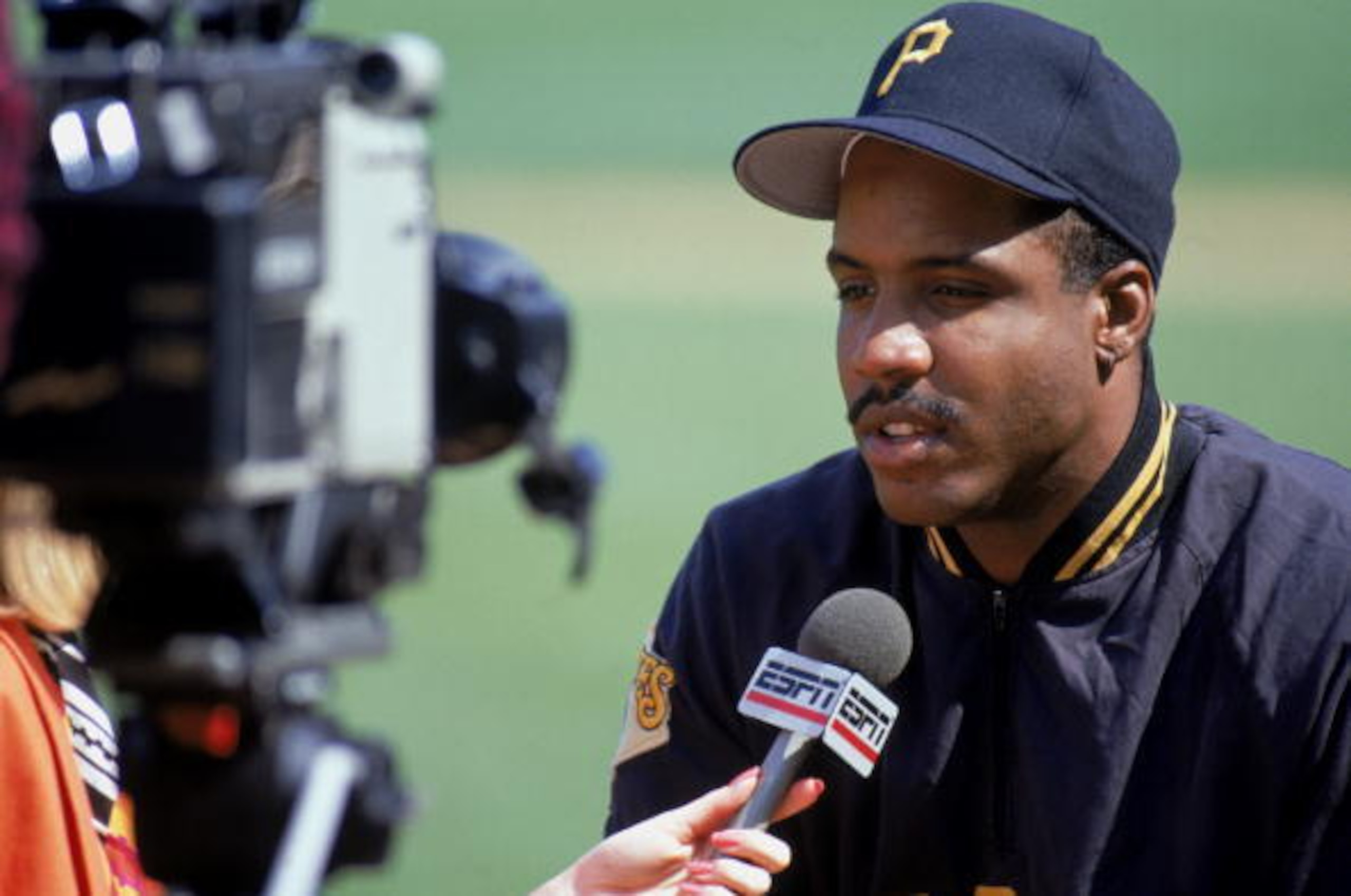
Although the “steroids era” of MLB is “generally considered to have run from the late 80s through the 2000s,” it wasn’t until those epic home run races that the issue really started to take center stage.
Between 1998 and 2001, Barry Bonds, Mark McGwire and Sammy Sosa had all more than doubled their average home run totals per season from early in their careers—athletes suddenly peaking and breaking all-time records in their mid-30s was more than a little suspicious. They also doubled a couple of other things that were hard to ignore—their head and neck sizes!
Even though the steroid issue was staring the country straight in the face, we just weren’t quite ready to accept reality. Living in denial was easy because MLB didn’t implement league-wide testing for PEDs until 2003.
In 1998 McGwire actually admitted to using androstenedione, which was already banned by the NFL and NCAA, but that didn’t stop Sports Illustrated from naming him and Sosa co-“Sportsman of the Year." Eventually they would all leave the game in disgrace, with everything they accomplished polluted by the stink of steroids. But those races in the late '90s sure were amazing.
The Mullet Was King
18 of 20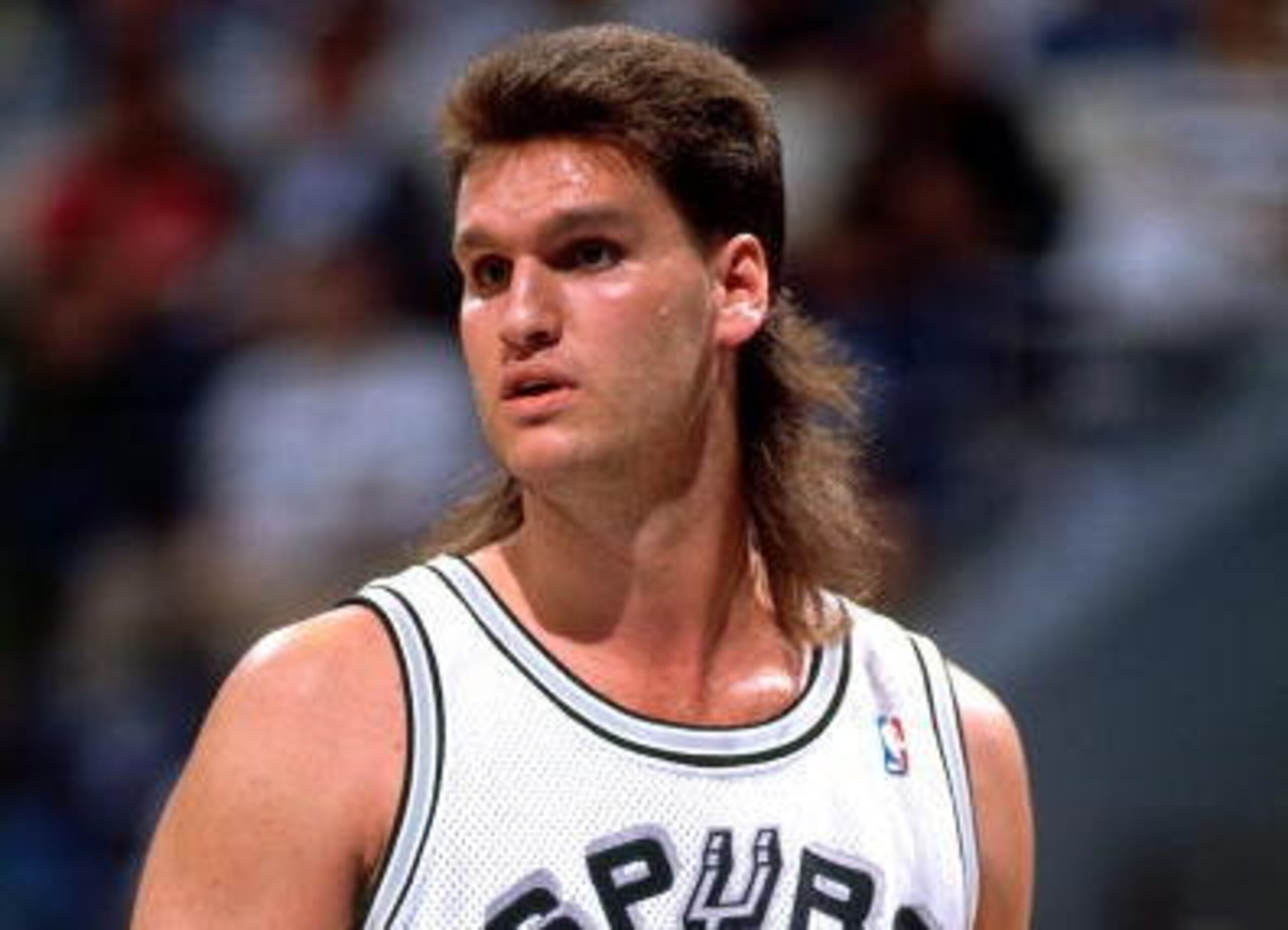
Back in the early-mid '90s, one of the most buzzed about hairstyles in world history was enjoying a few final years on top, before suffering a dramatic decline. These days mullets are the subject of mockery, unless worn ironically, which is still kinda iffy, but that wasn’t always the case.
Popularized by rock gods like Rod Stewart, Paul McCartney and David Bowie in the '70s, people all around the world were proudly and unapologetically sporting the “business in the front, party in the back” until Billy Ray Cyrus came along and single-handedly killed it two decades later.
Plenty of athletes have embraced the mullet in its heyday (and more than a few after), including some of all-time greats. Wayne Gretzky, Martina Navratilova, Randy Johnson, Jaromir Jagr, and, of course, Andre Agassi are among the mullet’s greatest ambassadors.
An NFL Without Consequences
19 of 20
Without consequences…or so it seemed. In recent years the extreme physical toll playing in the NFL tends to take on players is finally coming to light. For decades the risk of repeated concussions posed to players was downplayed, if not outright denied and covered up, by the league.
Though the role CTE has played in the death of a number of former players, and in the current health struggles of others, is still being studied, there is now absolutely no questioning the link between the game and traumatic brain injuries. And it has profoundly altered the game.
Nobody in good conscious could seriously advocate a return to the past. In terms of the newfound focus on player safety, it’s easy to romanticize the way things used to be—back when getting one’s "bell rung" was no big deal and bone-crushing hits were celebrated, not fined.
That’s not to say it was right. In fact, we’re just starting to get an idea of just how wrong it was. But you know what they say about ignorance being bliss.
Teen/Tween Sports Movies Ruled
20 of 20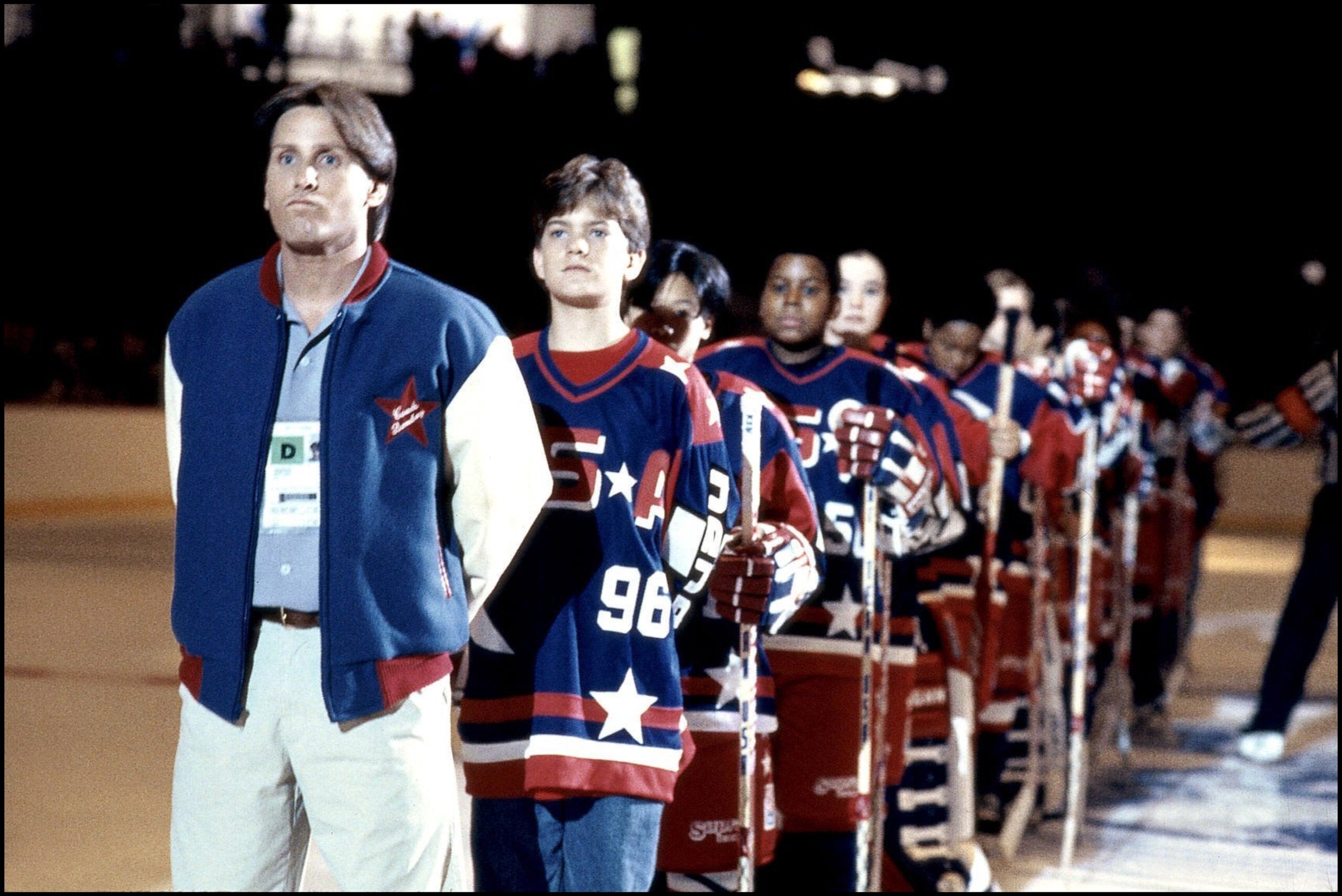
Sports movies aimed at a younger audience started to gain momentum in the '80s, with releases of films such as The Karate Kid, Lucas and Teen Wolf. Though popular with teens and tweens, they were largely just an offshoot of the traditional, more grownup, sports fare.
It wasn’t until the '90s that the teen/tween sports movie became, essentially, a genre unto itself. The Mighty Ducks trilogy, The Sandlot, Ladybugs, Little Big League, Rookie of the Year and Little Giants are among the many classics released early in the decade.
While some of those movies have stood the test of time better than others, most are still beloved by an entire generation of kids who came of age back then.
.jpg?w=2560 "Steelers Buccaneers Football")
.jpg?w=2560 "Titans Colts Football")
.jpg?w=2560 "Steelers Roll Saints in Paris")
.jpg?w=2560 "NFL investigating Eagles")
