Most Surprising Retirements in Sports History
Retirement is an inevitable part of an athlete's career; the significance of it is tied to when and why. If an athlete manages to avoid a career-ending injury, or old-fashioned failure, then eventually age will render the final verdict.
But, sometimes an athlete—even one of the biggest stars—retires for the most unexpected reasons. The event often rocks the sports world, because the idea that a rare talent would just walk away from a career he/she is born to do is incompatible with the world the rest of us live in.
The stories behind surprise athlete retirements can be infuriating, uplifting, tragic or even amusing but always compelling.
These are the 15 most surprising retirements in sports history.
Chris Borland
1 of 15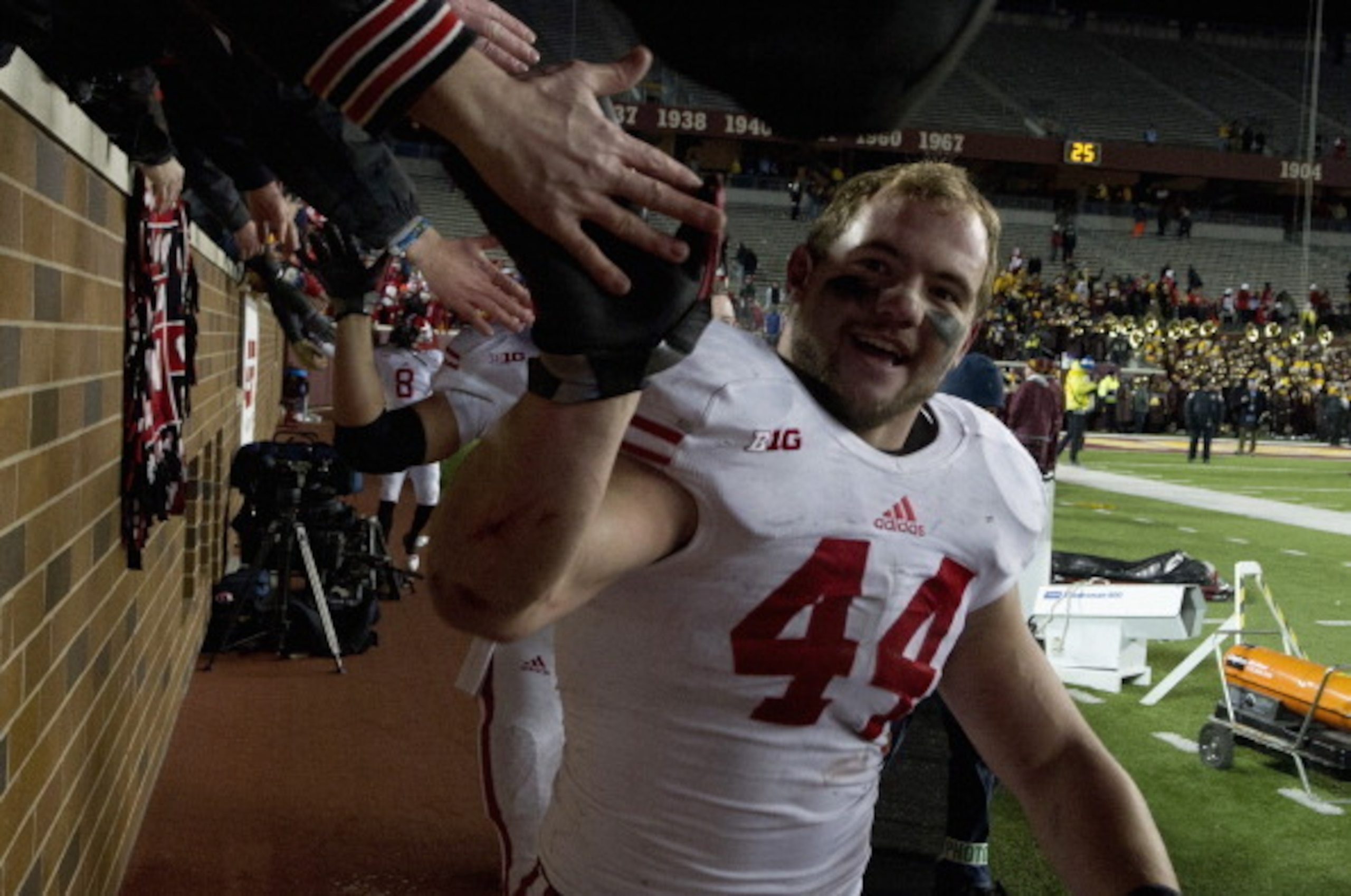
Career Span: 2014
Retirement Age: 24
After just one season as a pro, former 49ers linebacker Chris Borland announced his retirement due to concerns about long-term effects of football on the brain. One of the most impressive defensive rookies last season, Borland replaced injured All-Pro linebacker Patrick Willis and tallied 107 tackles and sacks in 14 games.
During an interview on ESPN's Outside the Lines, Borland explained his decision to walk away from a promising pro career: "From what I've researched and what I've experienced, I don't think it's worth the risk."
Lou Gehrig
2 of 15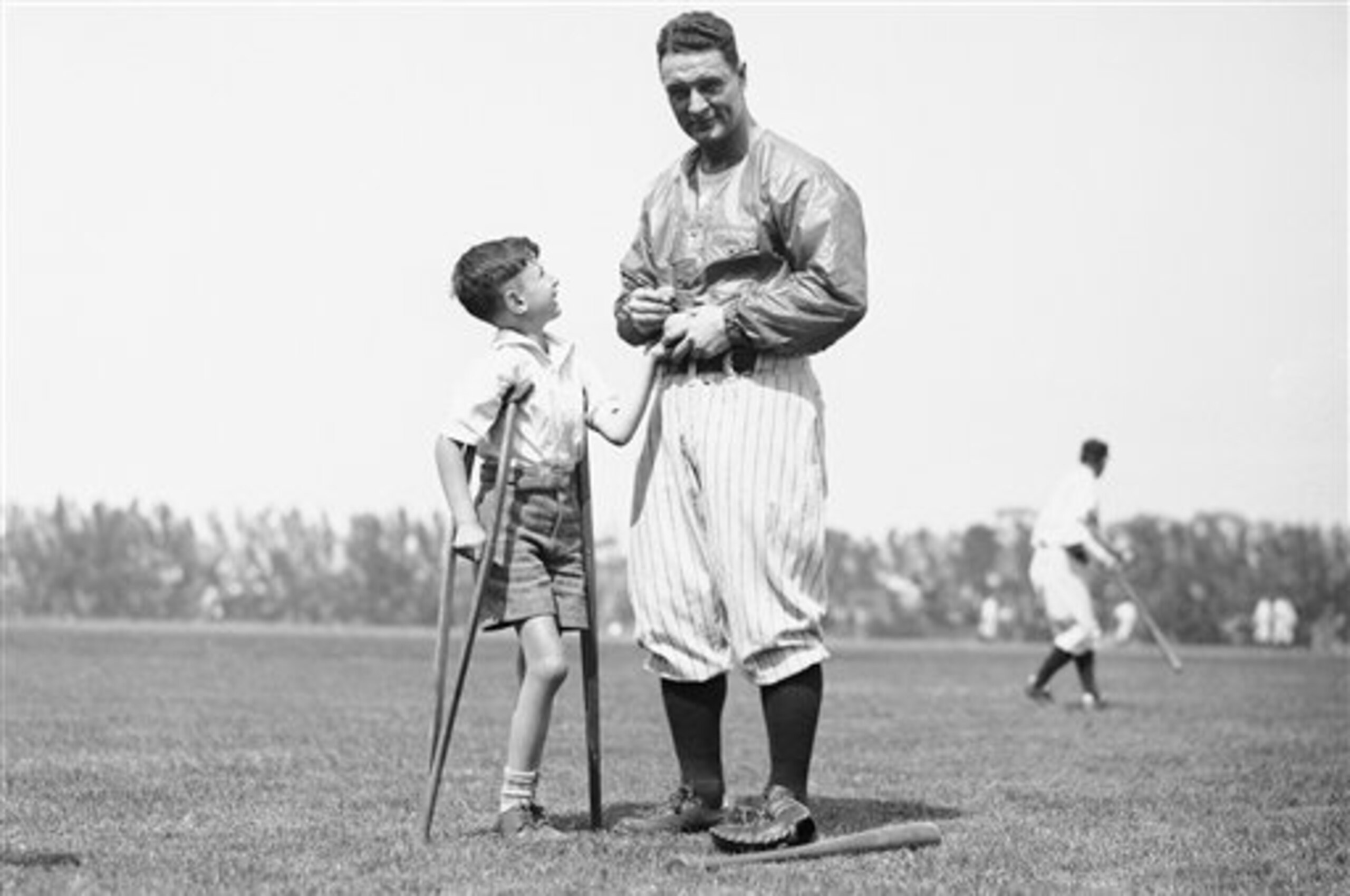
Career Span: 1923-1939
Retirement Age: 36
Father Time still hadn’t caught up to legendary Yankees first baseman Lou Gehrig by 1937. That season, he led the AL in games played, on-base plus slugging, on-base percentage and offensive wins above replacement. He finished second in batting average, third in runs scored and home runs and fourth in slugging percentage. In 1938 there was a noticeable decline, but Gehrig was still producing at a high level.
Less than a year later, it would all be over. On July 4, 1939, Gehrig was being honored on the field at Yankee Stadium in between games of a doubleheader. Two months prior he had been diagnosed with ALS, a devastating disease with which his name will forever be linked. High-profile friends spoke glowingly of him to the 61,000 fans on hand, and teammates showered him with gifts.
An emotional Gehrig struggled initially with his prepared speech, opting instead to speak from the heart: “For the past two weeks you have been reading about a bad break I got. Yet today, I consider myself the luckiest man on the face of the earth.” Gehrig succumbed to the disease on June 2, 1941.
Ilya Kovalchuk
3 of 15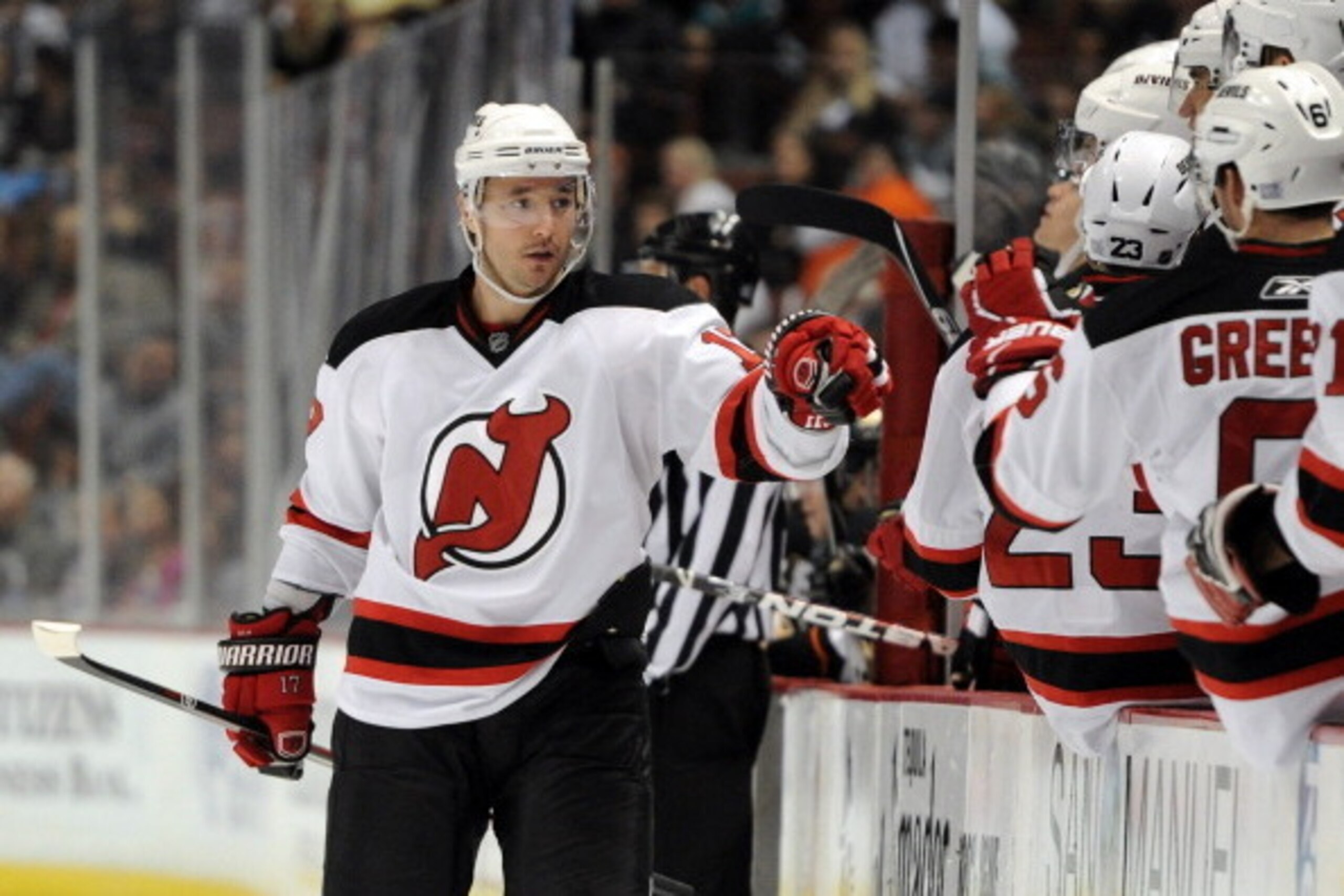
Career Span: 2001-2013
Retirement Age: 30
Following the lockout-shortened 2012-13 season, Devils star winger Ilya Kovalchuk left New Jersey in a lurch when he announced his retirement from the NHL one month into the offseason. He left $77 million on the table, walking away from a contract with 12 years remaining.
Kovalchuk’s decision stemmed from his desire to return permanently to his native Russia, which was further solidified while playing in the KHL during the lockout. Kovalchuk abandoned the U.S. but not hockey itself; days after the announcement, he signed a lucrative four-year deal with the KHL’s SKA Saint Petersburg.

.jpg?w=2560 "Commanders Eagles Football")
.jpg?w=2560 "Texans-Mixon Released Football")
Sandy Koufax
4 of 15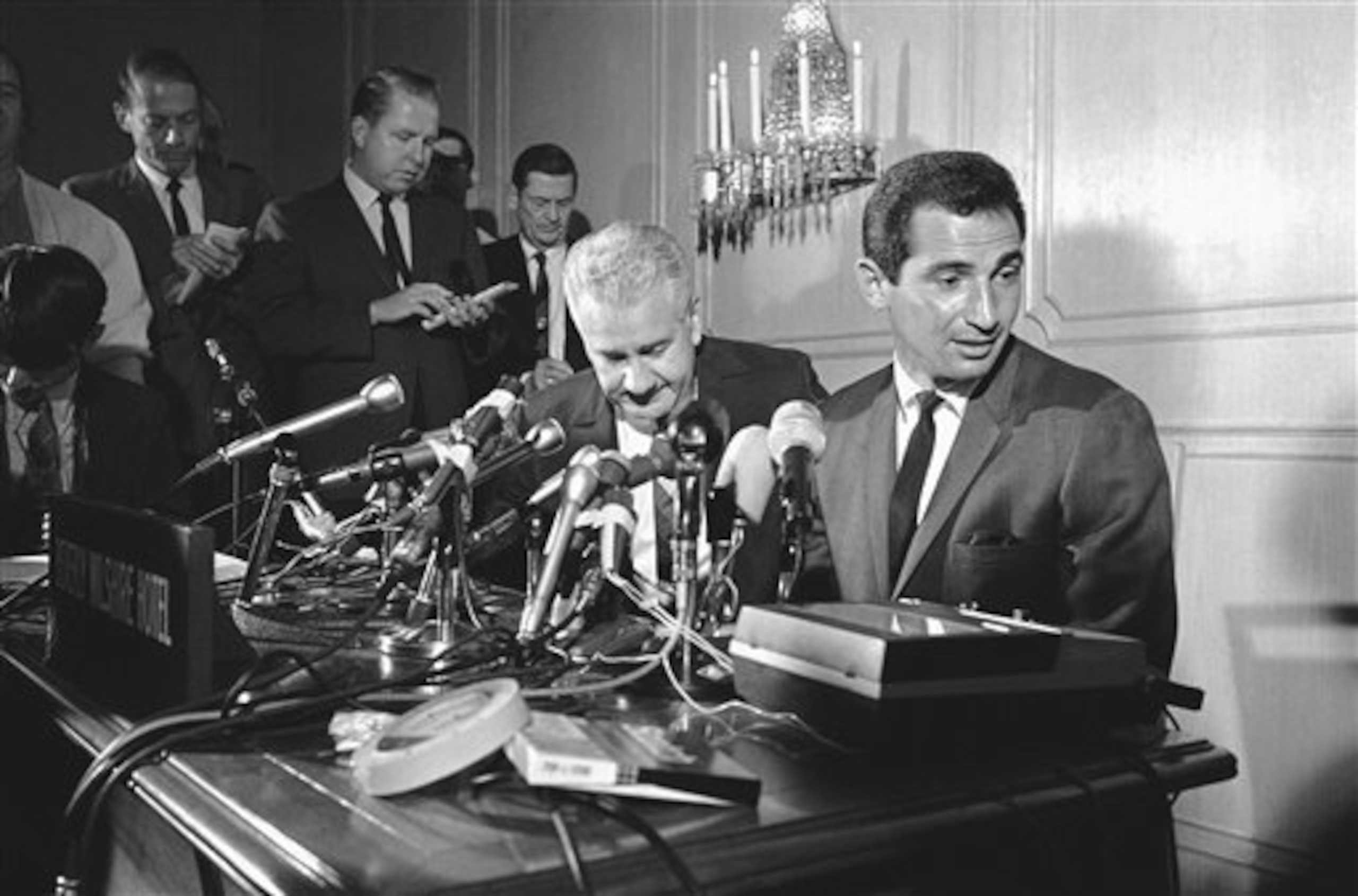
Career Span: 1955-1966
Retirement Age: 30
Dodgers pitching great Sandy Koufax got off to a slow start in the majors but really came into his own in 1961, going 18-13 and leading the league in strikeouts, a feat he would repeat three more times. In six seasons “he led the league three times in wins and shutouts, and twice he threw more complete games than any other pitcher.”
Despite struggling with an arthritic elbow in his pitching arm, Koufax was still in peak form in 1966, turning in the second-best season of his career, after which he promptly retired. The enigmatic Koufax was always a reluctant superstar, making his decision to walk away easier to comprehend in retrospect. But at the time it was an absolute stunner.
Justine Henin
5 of 15
Career Span: 1999-2008
Retirement Age: 25
A superstar on the rise, Belgium’s Justine Henin was ranked No. 1 in the world, and riding high on a win streak stretching 32 matches, when she matter-of-factly announced her retirement at a press conference in 2008. The shock of the announcement was compounded by its unemotional and frank delivery from the seven-time Grand Slam winner.
Said Henin, “It’s a page that’s turning; I don’t feel sadness, it’s more relief. I know it’s a shock for many people, but it’s a decision I’ve thought long and hard about.” Apparently not long enough, though, as she attempted a comeback not two years later. Henin suffered (what would be) a career-ending elbow injury at Wimbledon in 2010 and announced she was retiring for good the following January.
Ricky Williams
6 of 15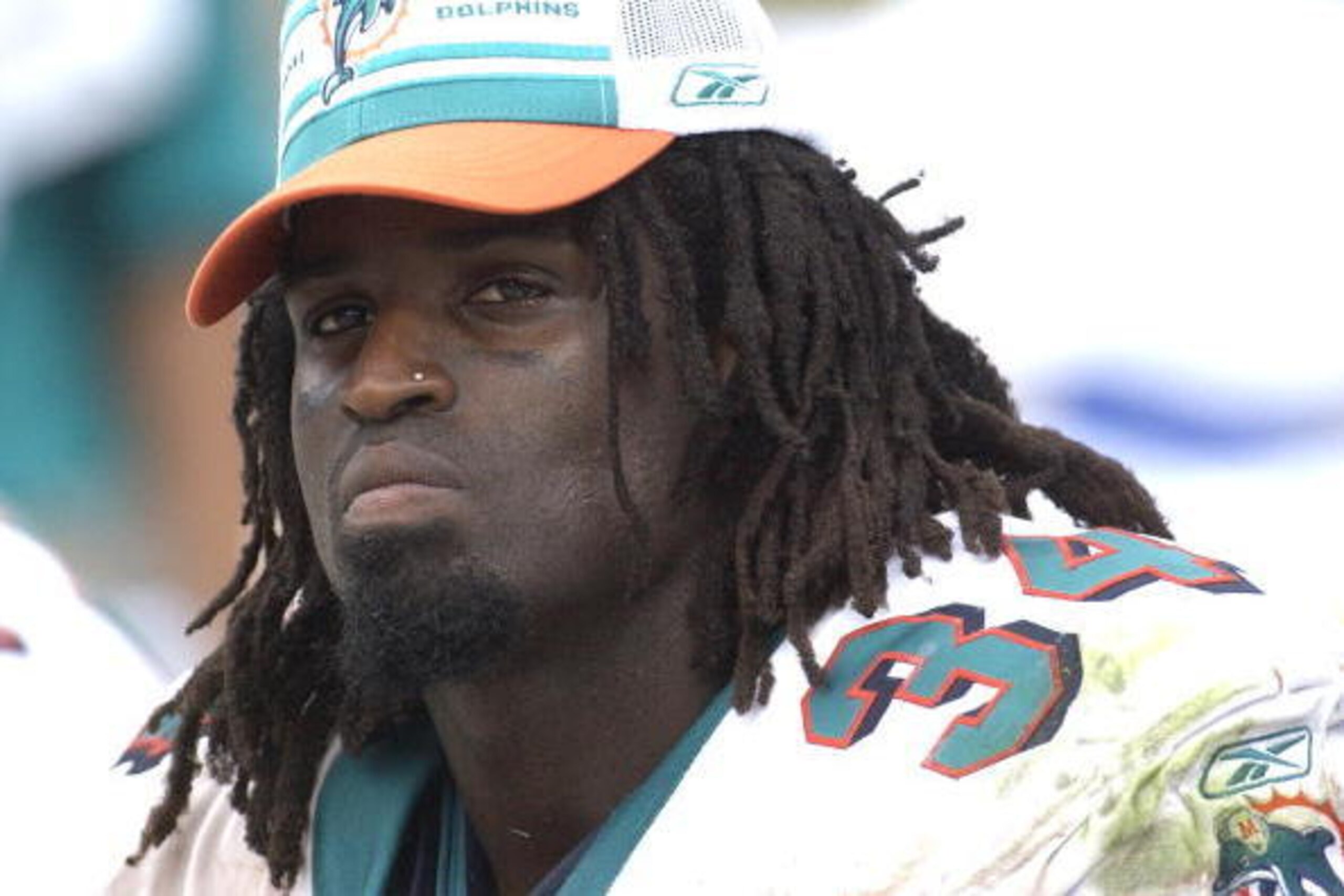
Career Span: 1999-2003
Retirement Age: 27
After a solid rookie campaign in New Orleans, running back Ricky Williams went on to four consecutive 1,000-plus-yard rushing seasons, two with the Saints and two with the Dolphins. His 2002 campaign was particularly impressive, finishing with a league-leading 1,853 yards. By the time he tested positive for marijuana in 2004, Williams was a bonafide superstar, which is why we were left dumbfounded when he suddenly announced his retirement just a week before training camp.
At the time, Williams said he simply didn’t want to be in the “business” anymore, adding, “I’m finally free. I can’t remember ever being this happy.” Although in 2014 he changed his tune significantly, pinning the decision on the Dolphins poor quarterback play during an interview with the NFL Network.
Finances compelled a comeback in 2005, but he missed the entire 2006 season after being suspended for another positive drug test. Williams returned the following year and played for five more seasons before finally calling it quits in 2011.
Rocky Marciano
7 of 15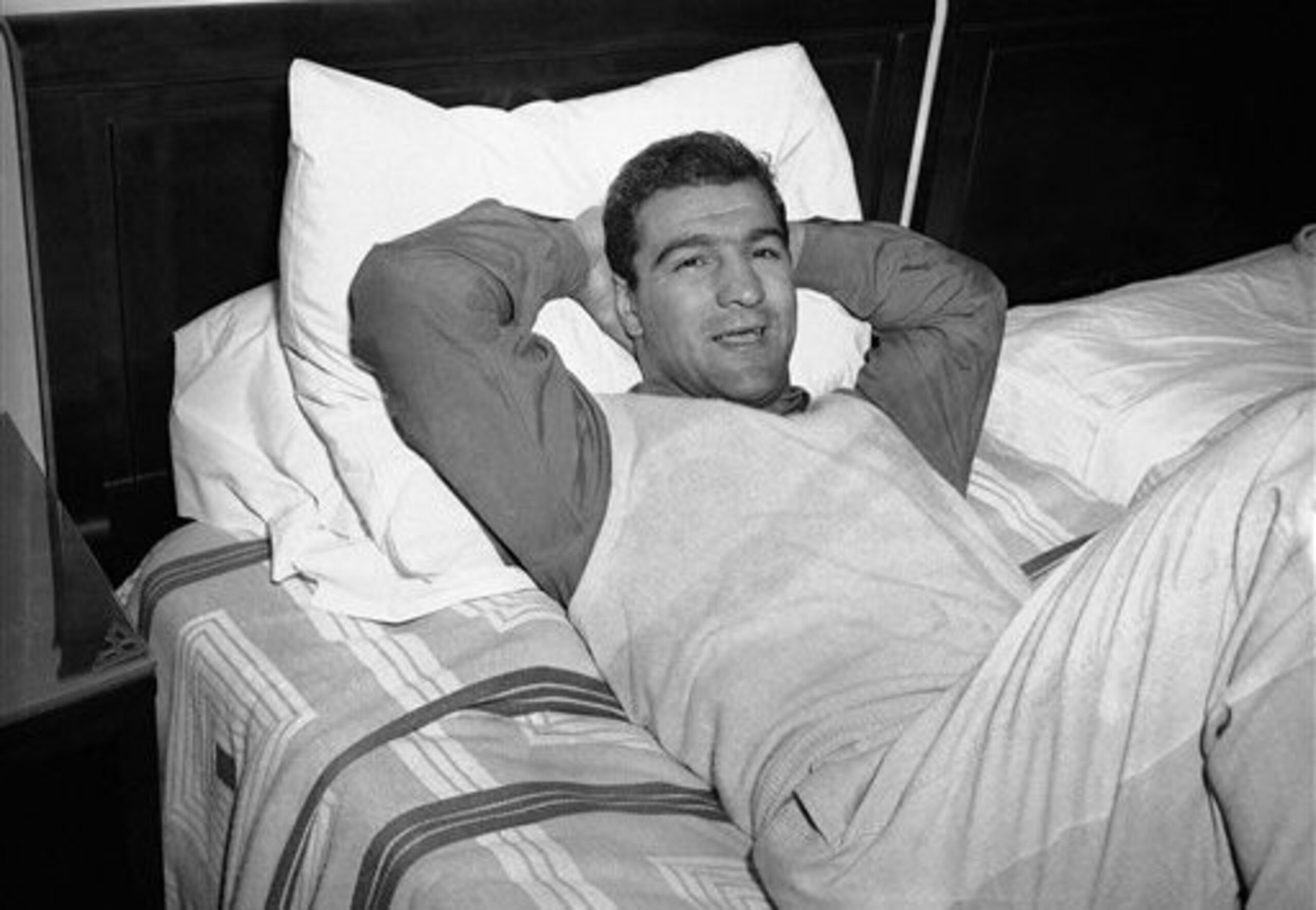
Career Span: 1948-1955
Retirement Age: 31
After completing his stint in the Army in 1946, legendary boxer Rocky Marciano decided to pursue his dream of playing baseball. It wasn’t meant to be, though; he tried out for the Cubs but failed to make the team. Marciano then turned back to boxing, defeating Lee Epperson in his first professional match in March 1947.
Seven years and 48 fights later, Marciano retired a perfect 49-0, the only undefeated heavyweight champion in history. Said biographer Everett Skehan of the achievement, “He wasn’t aware of the importance of the legacy. But he knew he wouldn’t end his career with a loss.” Tragically, Marciano’s life ended in a plane crash the day before his 46th birthday in 1969.
Ken Dryden
8 of 15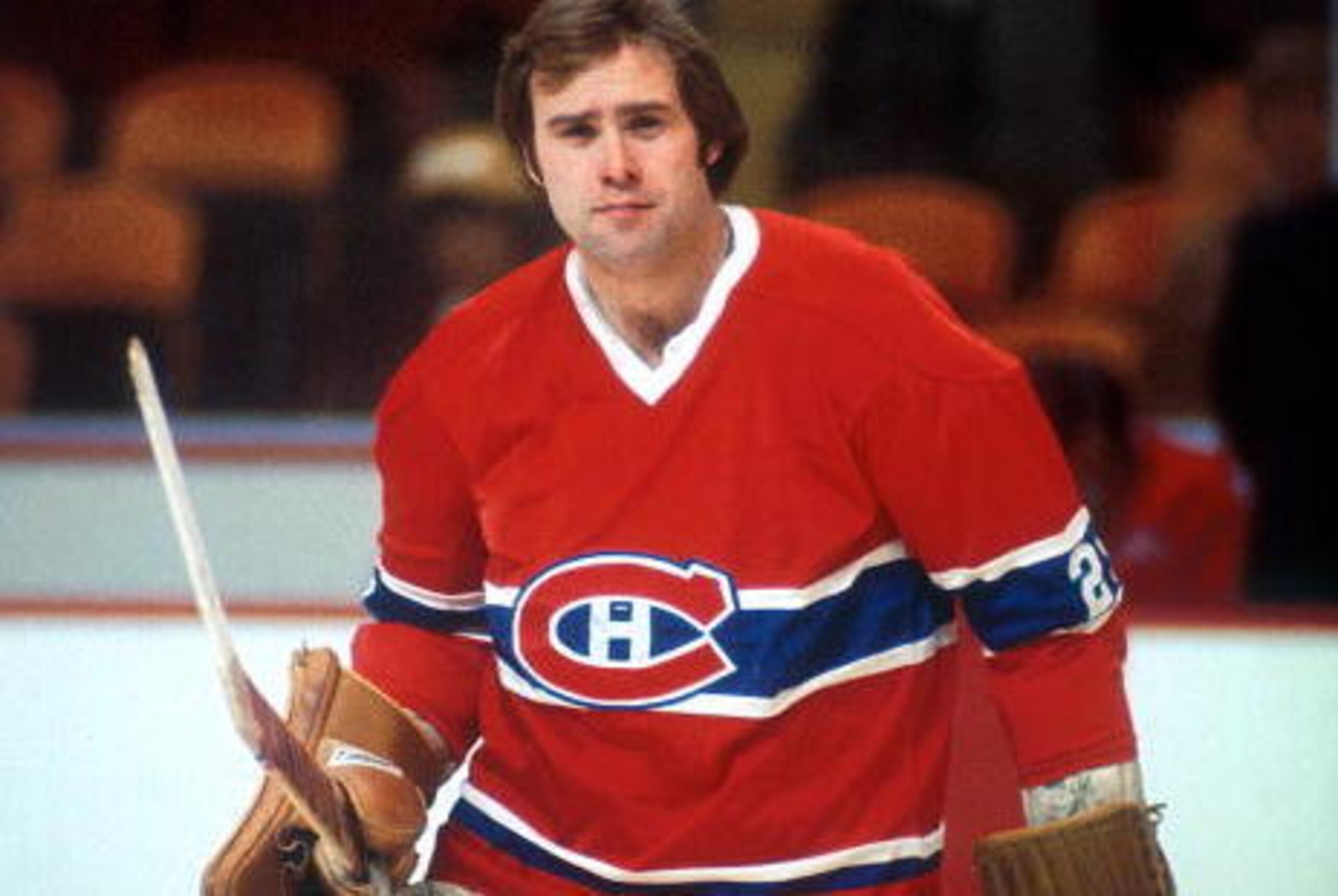
Career Span: 1970-1979
Retirement Age: 31
Few athletes have enjoyed more concentrated success over eight seasons than Hall of Fame Canadiens goaltender Ken Dryden. He won six Stanley Cups in Montreal and was awarded the Vezina Trophy, which is given to the NHL’s top goalie, in five of those six championship seasons. A five-time All-Star, Dryden also earned the Calder Memorial Trophy, as the league’s top rookie, for the 1971-72 season. His accomplishments continued off the ice.
Along the way, Dryden took time off from the Habs to complete his law degree, and during his last season in the league he penned his memoir The Game, considered among the best sports books ever written. Dryden spent seven years serving in the Canadian Parliament but has since returned to game he left behind, raising awareness about head injuries in hockey.
Barry Sanders
9 of 15
Career Span: 1989-1998
Retirement Age: 31
In 1999, Detroit Lions running back Barry Sanders walked away from the game; just before the start of training camp and with four years remaining on a $36 million contract. Sanders needed just 1,457 yards to break Walter Payton's NFL rushing record, and the future Hall of Famer was the most electrifying player in the game.
Despite speculation about Sanders using retirement as leverage for a trade, he never played again and in interviews since has said that he simply grew frustrated by the Lions' losing ways—something he said not in so many words at the time: "My desire to exit the game is greater than my desire to remain in it."
Mark Spitz
10 of 15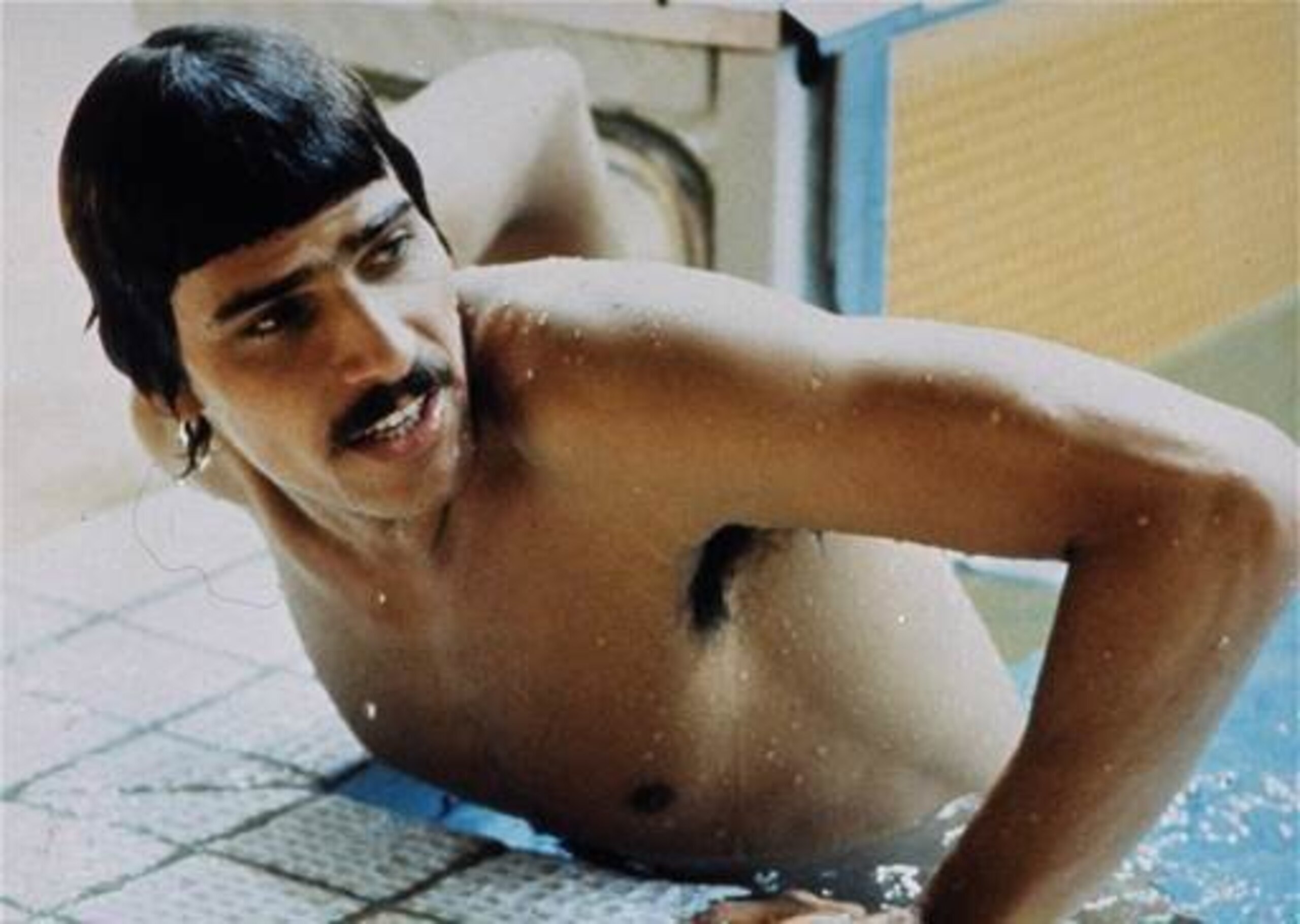
Career Span: 1965-1972
Retirement Age: 22
Talk about going out on a high note. After winning four medals (two gold, one silver and bronze) at the 1968 Olympics in Mexico City, swimmer Mark Spitz would astonish the world just four years later. At the Munich Olympics he won an unprecedented seven gold medals in individual and team events, setting a world record that would stand until 2008, when Michael Phelps bested it by one in Beijing.
The only thing more astounding than Spitz’s achievement at the time was, perhaps, his decision to immediately retire. Initially his plan was to become a dentist, but Spitz was unable to walk away from the many lucrative endorsement deals that would net him millions over the next several years.
Jim Brown
11 of 15
Career Span: 1957-1965
Retirement Age: 29
Legendary Browns Hall of Fame running back Jim Brown was a force of nature during his nine seasons in Cleveland. Obviously we know he never won a championship there, but he made nine straight Pro Bowls, led the league in rushing nine straight times, was named first-team All-Pro eight times and was the consensus MVP no less than four times.
Perhaps at that point Brown figured there was nowhere to go but down. Coming off the second-best season of his career to date in 1965, he announced he was leaving the NFL to pursue acting. Despite walking away in his prime, the 12,312 yards Brown amassed stood as the all-time rushing record for nearly two decades before Bears great Walter Payton broke it in 1984.
Bjorn Borg
12 of 15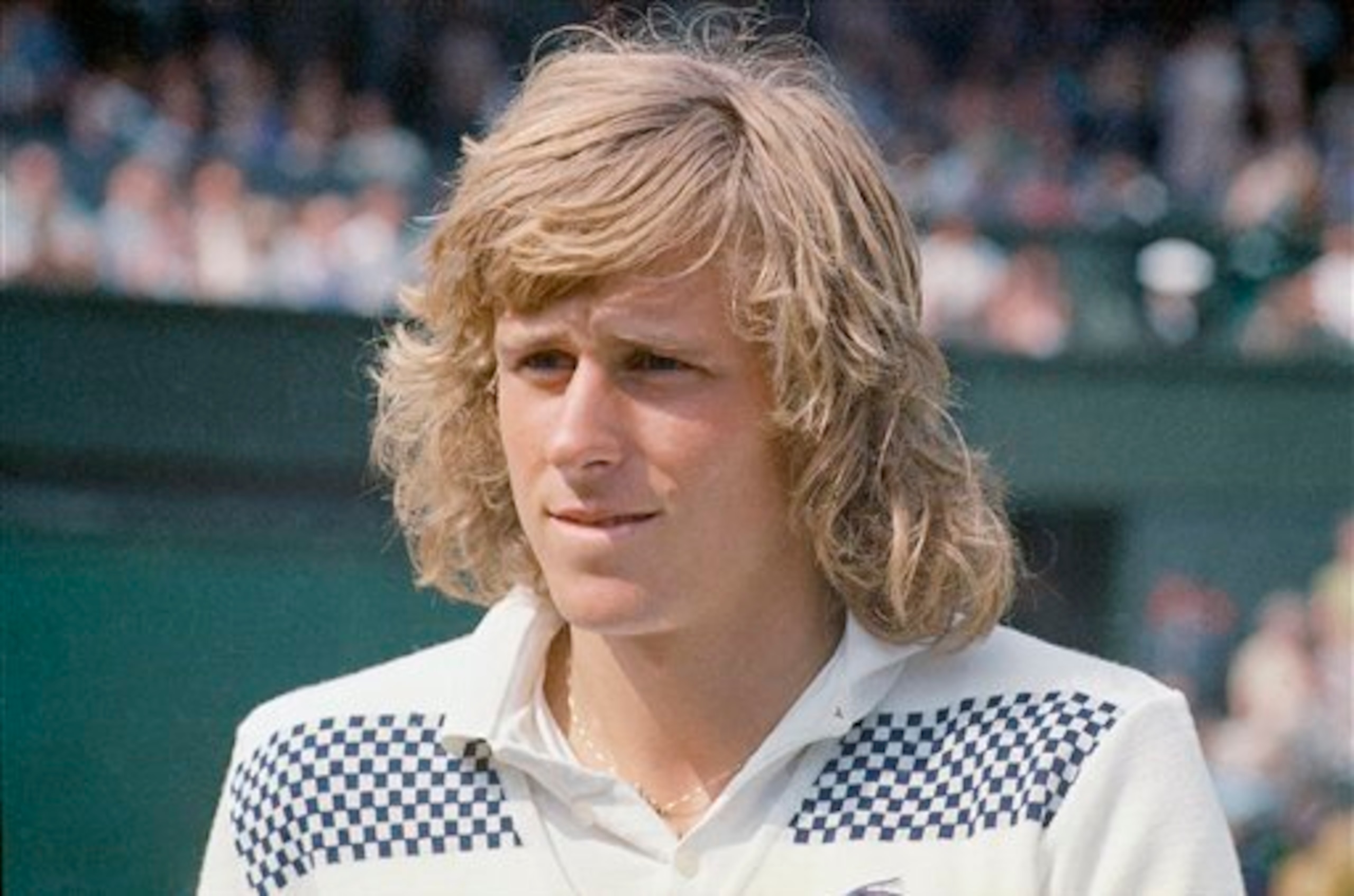
Career Span: 1973-1983
Retirement Age: 26
The stellar career of Sweden’s Bjorn Borg barely spanned a decade, but a meteoric rise and unprecedented success, coupled with that rockstar persona of his, made him one of the most famous athletes of a generation. While playing exhibitions in Thailand in January 1983, Borg left the world wondering when he responded to a routine press question by announcing his retirement.
Asked about upcoming competitions, Borg responded, “I have no comment, except that I’m going to retire,” basically the exact opposite of not commenting. At the time he was coming off his fifth straight victory at Wimbledon, having amassed a total of 11 Grand Slams. Borg said he decided to walk away because tennis simply stopped being fun, and he could no longer give 100 percent to the game.
The only thing crazier than Borg’s sudden retirement was his ill-fated comeback attempt eight years later, which was an abject disaster—like a slow-motion car crash playing out over two tedious years.
Michael Jordan
13 of 15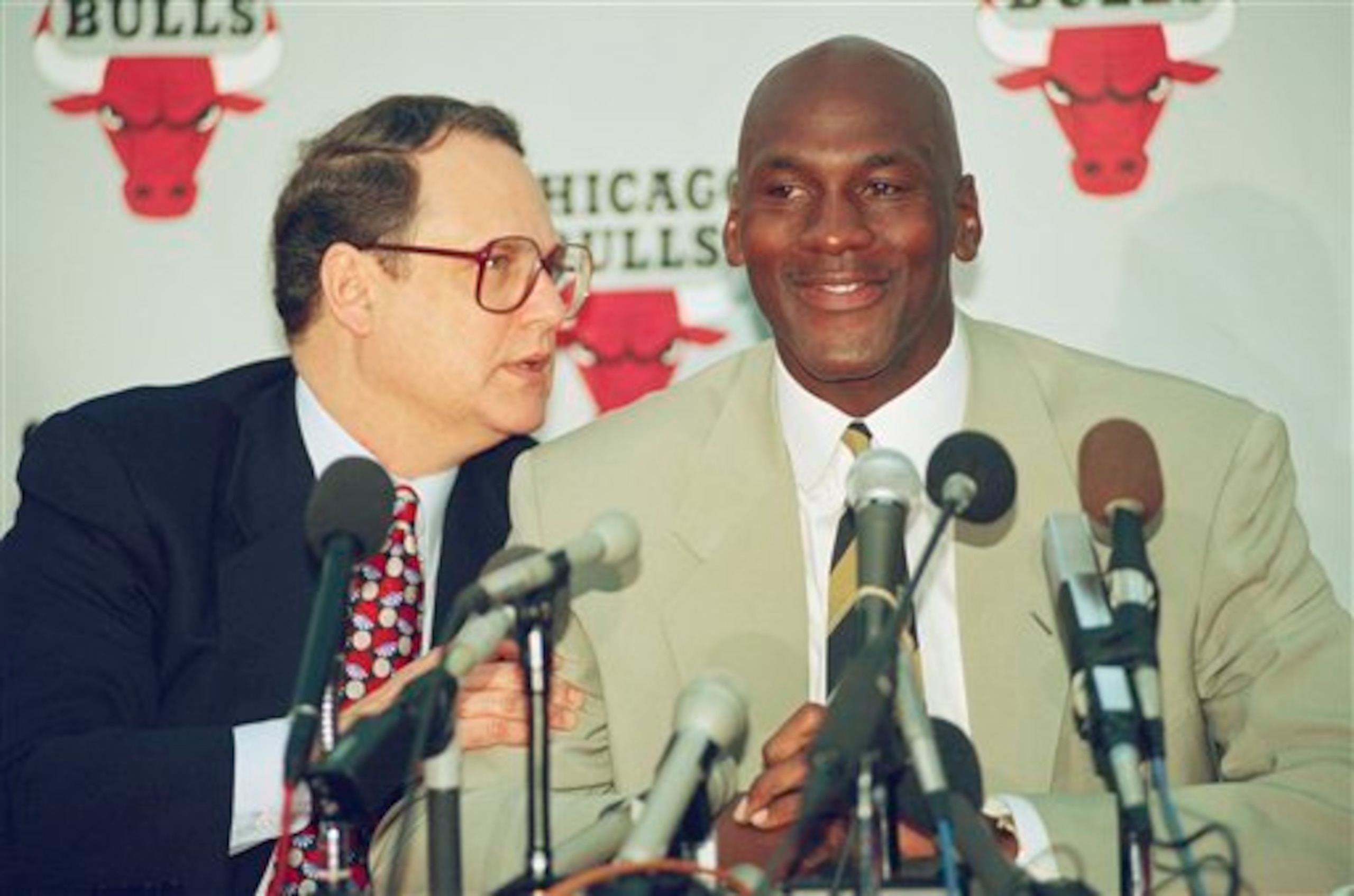
Career Span: 1984-1993
Retirement Age: 30
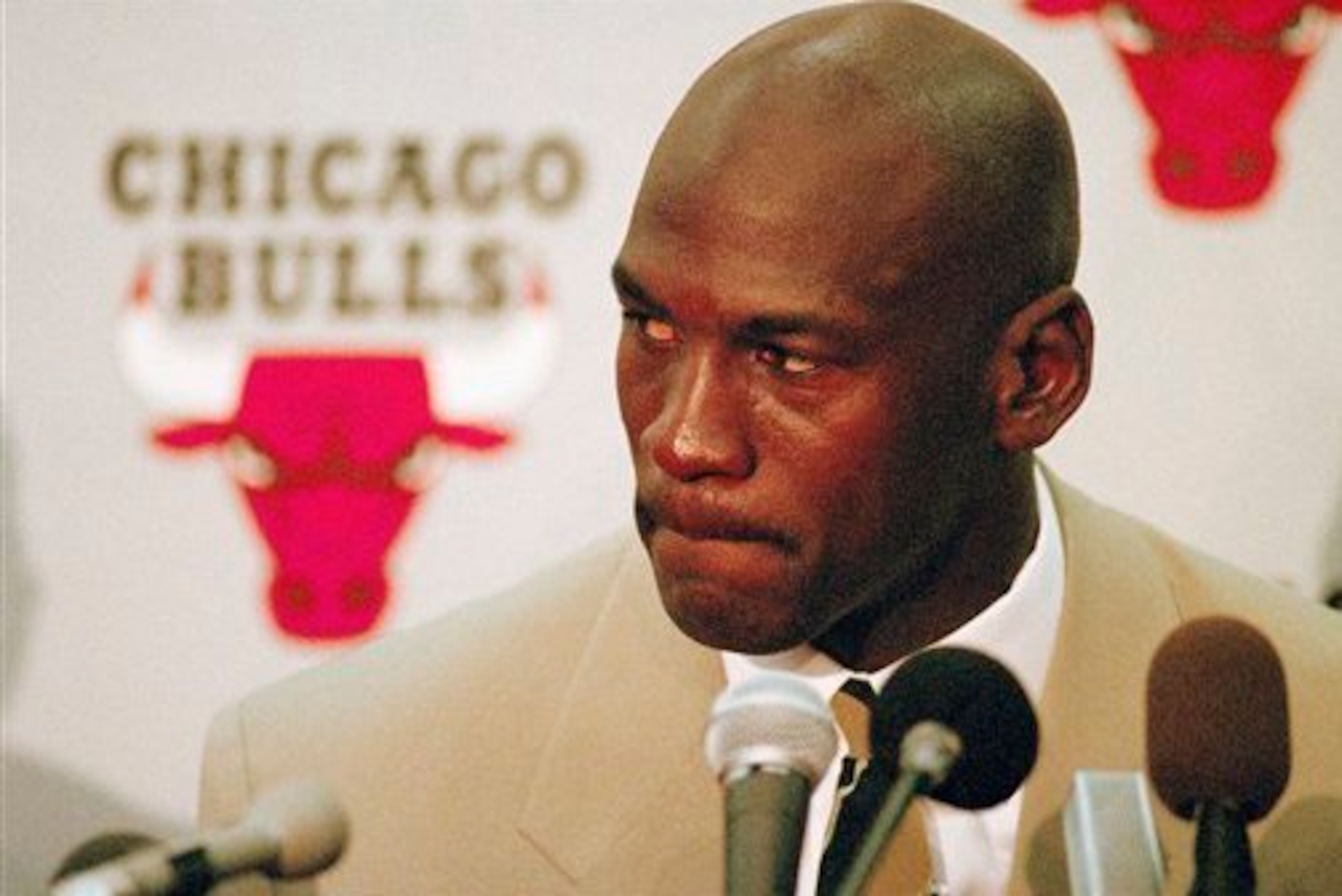
Coming off his third consecutive championship with the Bulls, three-time MVP and nine-time All-Star Michael Jordan stunned the sports world when he announced his retirement just ahead of the 1993-94 season. The decision paved the way for His Airness to pursue his dream of playing in MLB, which thankfully didn’t go well, paving the way for his return to the NBA in March 1995.
Jordan went on to win three more championships in Chicago and earned two more MVP honors before retiring for good in 2003, which was his third retirement overall. MJ’s second and third retirements paled in comparison to the shock-and-awe drama of the first.
Pat Tillman
14 of 15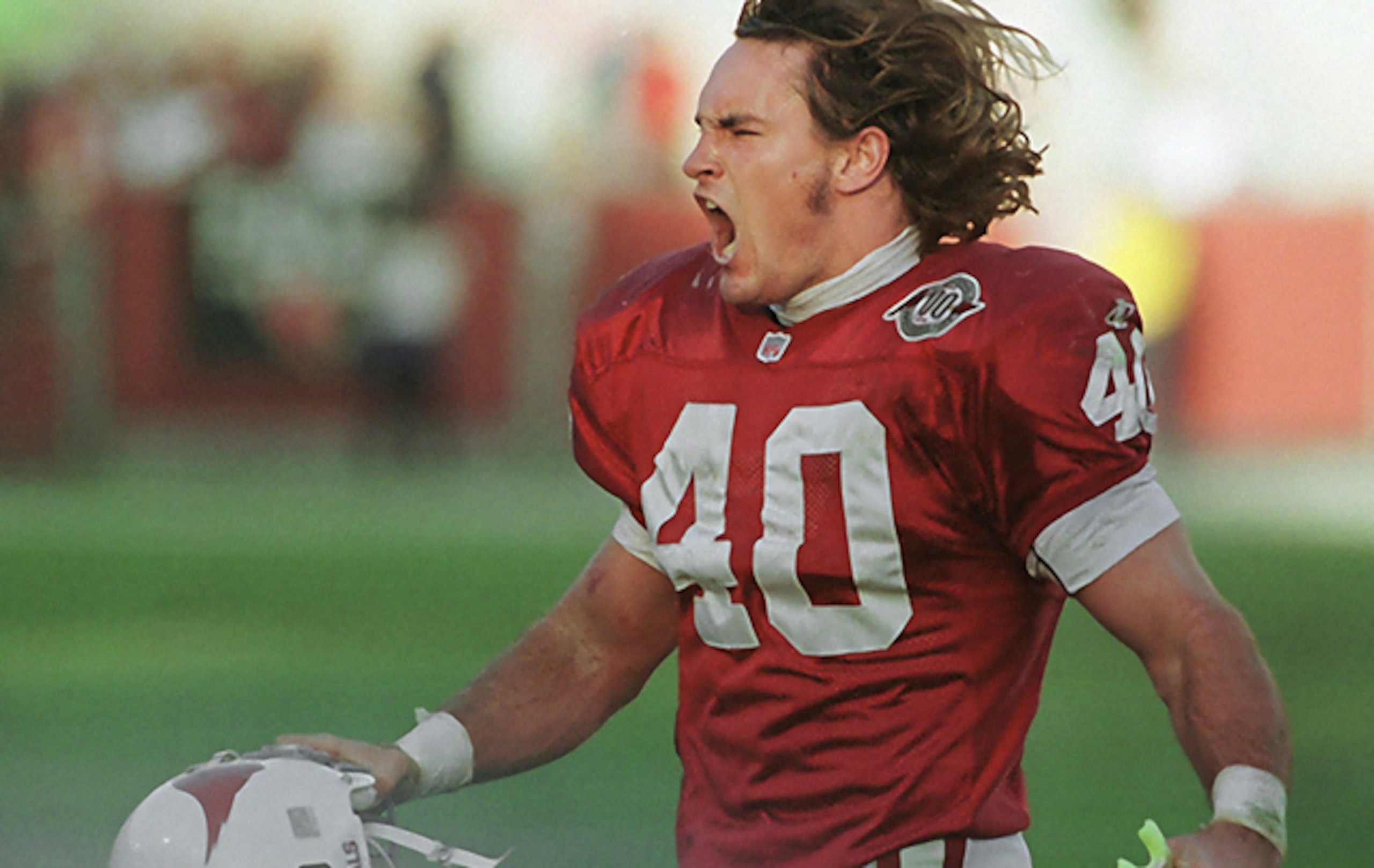
Career Span: 1998-2001
Retirement Age: 25
Just one year after breaking the franchise record for tackles in a single season, and eight months after 9/11, Cardinals defensive back Pat Tillman walked away from a $3.6 million contract in Arizona to join the Army. Tragically, Cpl. Tillman died in Afghanistan after coming under (what was later to be determined) friendly fire in April 2004.
Magic Johnson
15 of 15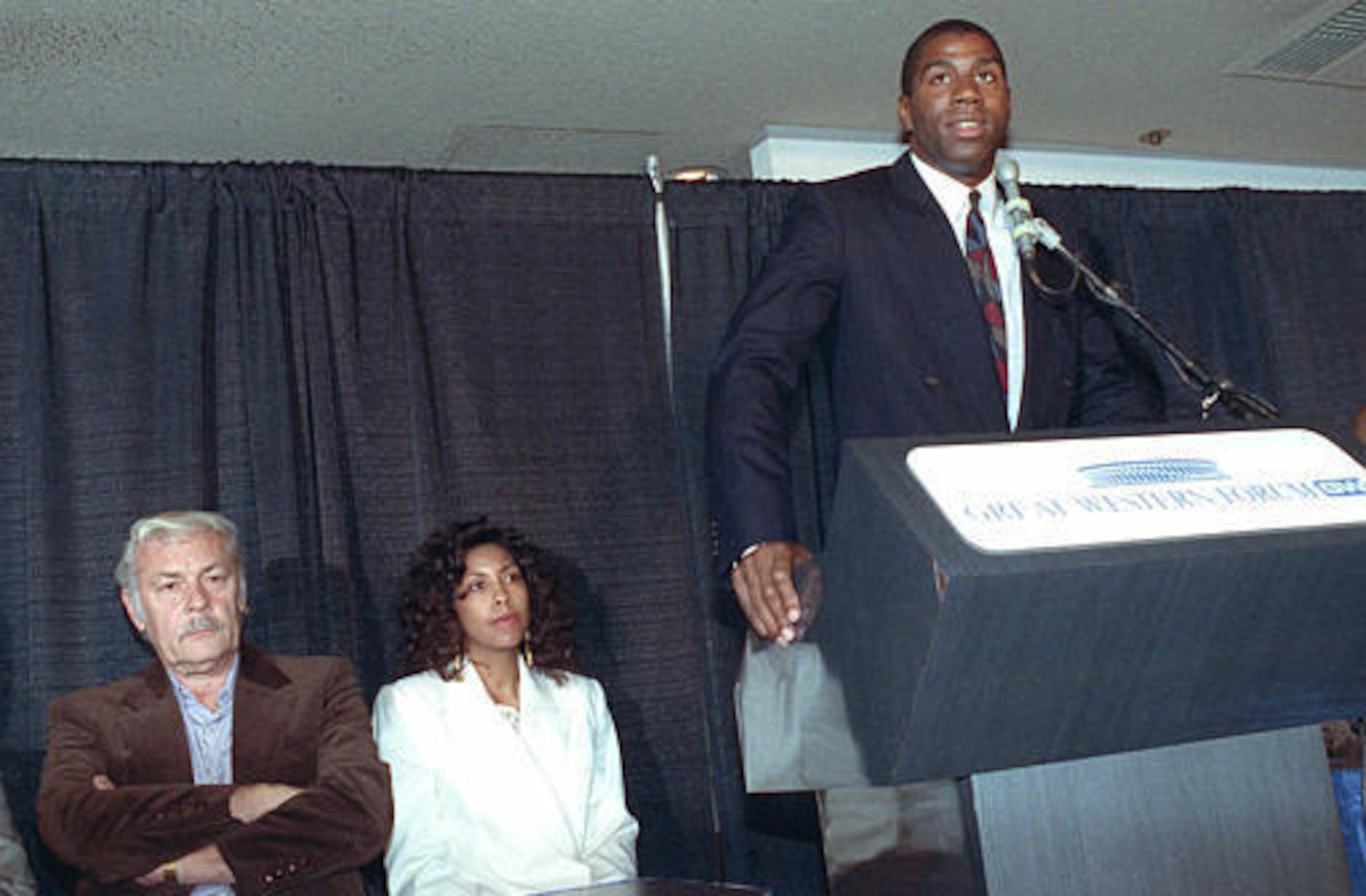
Career Span: 1979-1991
Retirement Age: 32
In 12 seasons with the Lakers, legendary point guard Magic Johnson easily established himself as one of the greatest players in NBA history. The three-time MVP won five championships in Los Angeles (reaching the Finals a total of nine times) by the time he stepped up the podium to deliver two jaw-dropping announcements on November 7, 1991.
Not only did Johnson retire that day, but he revealed to the world his HIV-positive status. After a brief comeback attempt during the 1995-96 season, his career was over. In recent years, Johnson has expressed regret over his decision to retire immediately.


.jpg?w=2560 "Mahomes' Wife Trolls Kubiak 💀")