
Australian Grand Prix 2015: 5 Key Facts About Albert Park Circuit
The semi-permanent Albert Park circuit has been the host of the Formula One Australian Grand Prix every year since 1996.
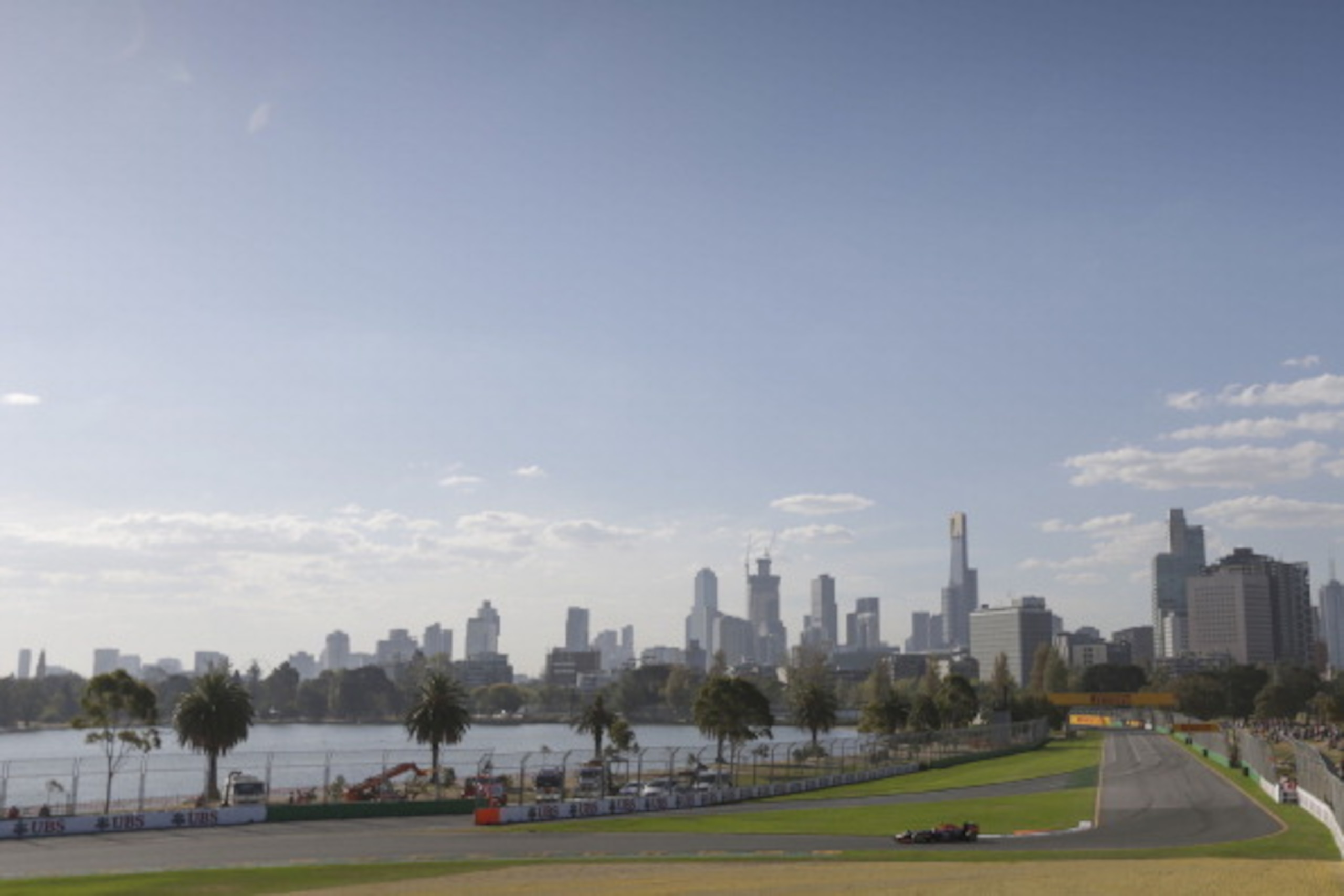
Nestled within the grounds of one of Melbourne's beautiful city parks, the track—officially the Melbourne Grand Prix Circuit—is made up of public roads which encircle Albert Park Lake.
Every year the organisers spend months transforming this usually tranquil island of urban greenery into a fully functioning race track. The difference between Albert Park before and after is staggering; indeed, it's difficult to believe it's the same place.
But the same place it is, and this year hundreds of thousands of fans will descend on the park for the opening race of the 2015 F1 season.
As we look forward to bidding a welcome farewell to our F1 withdrawal symptoms, here are five key facts about one of the sport's most interesting venues.
All the Numbers
1 of 5
The Melbourne Grand Prix Circuit is 5.303 kilometres (3.295 miles) in length. The drivers are scheduled to complete 58 laps of the 16-corner track for a race distance of 307.574 kilometres (191.071 miles); including the pit lane entry, they'll tackle 928 turns.
It has held 19 world championship grands prix, the first of which was in 1996.
The lap record around Albert Park is one minute, 24.125 seconds, set by Michael Schumacher in 2004. As proof of how much slower modern F1 cars are relative to the V10 beasts back then, the quickest race lap in last year's Australian Grand Prix was 1:32.478.
Nico Rosberg set it, but his Mercedes was very much in cruise control and the 2015 cars are substantially quicker. Expect to see a time closer to 1:29.000 in Sunday's race.
You Can Drive Around It Yourself
2 of 5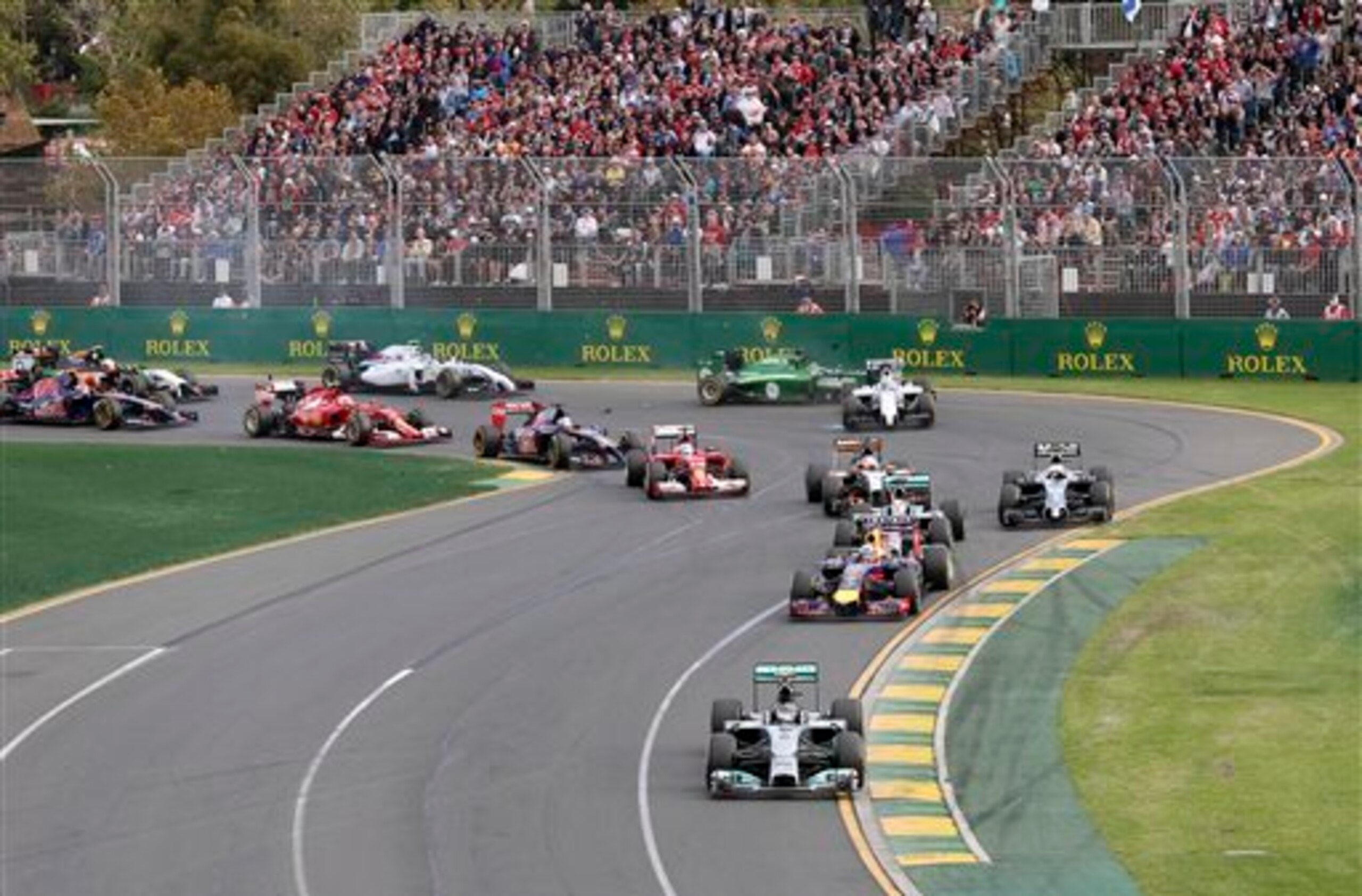
The Albert Park circuit is semi-permanent, meaning it's not a full-time racing venue. For most of the year, the roads that make up the bulk of the race track are open to the public and anyone can drive on them.
Google Street View has been around the park, and it has some very interesting views of places like the pit straight, the middle of Turn 4, the exit of Turn 10 and the pit lane entry.
Sadly, as the images show, Turn 4 is a car park, speed limits apply and the racing line is badly compromised by road markings, bollards and stray cyclists.
Oh, and watch out for ducks at the exit of Turn 2...
Legends in the Stands
3 of 5
The circuit features a curious variation on corner names—instead of just giving each turn a famous driver's moniker, the organisers award names to the grandstands.
A host of greats are immortalised at various locations around the track, as shown by the circuit map on Formula1.com. Fans watching on the start-finish line will head to (Juan Manuel) Fangio, while Turn 1 is surrounded by (Stirling) Moss, (Jack) Brabham and (Alan) Jones.
The overtaking spot at Turn 3 is overlooked by (Nelson) Piquet; (Jim) Clark watches over the slightly less prolific braking zone at Turn 10.
Later in the lap, fans at the penultimate corner sit in the (Michael) Schumacher grandstand, and the final turn has (Ayrton) Senna and (Alain) Prost; as the cars exit and head towards the line, they pass the final stand—(Mark) Webber.
The only grandstand featuring a name fans may be unfamiliar with is Waite, located at the quick Turn 11/12 chicane. This is named for Colonel Arthur Waite, son-in-law of car maker Arthur Austin.
Waite used one of his father-in-law's most famous creations, the Austin 7, to win what is considered to be the very first Australian Grand Prix—all the way back in 1928.
.jpg?w=2560 "Chiefs Giants Football")
.jpg?w=2560 "AP Poll Top Five Week 9")

It Has Held Races Since 1953
4 of 5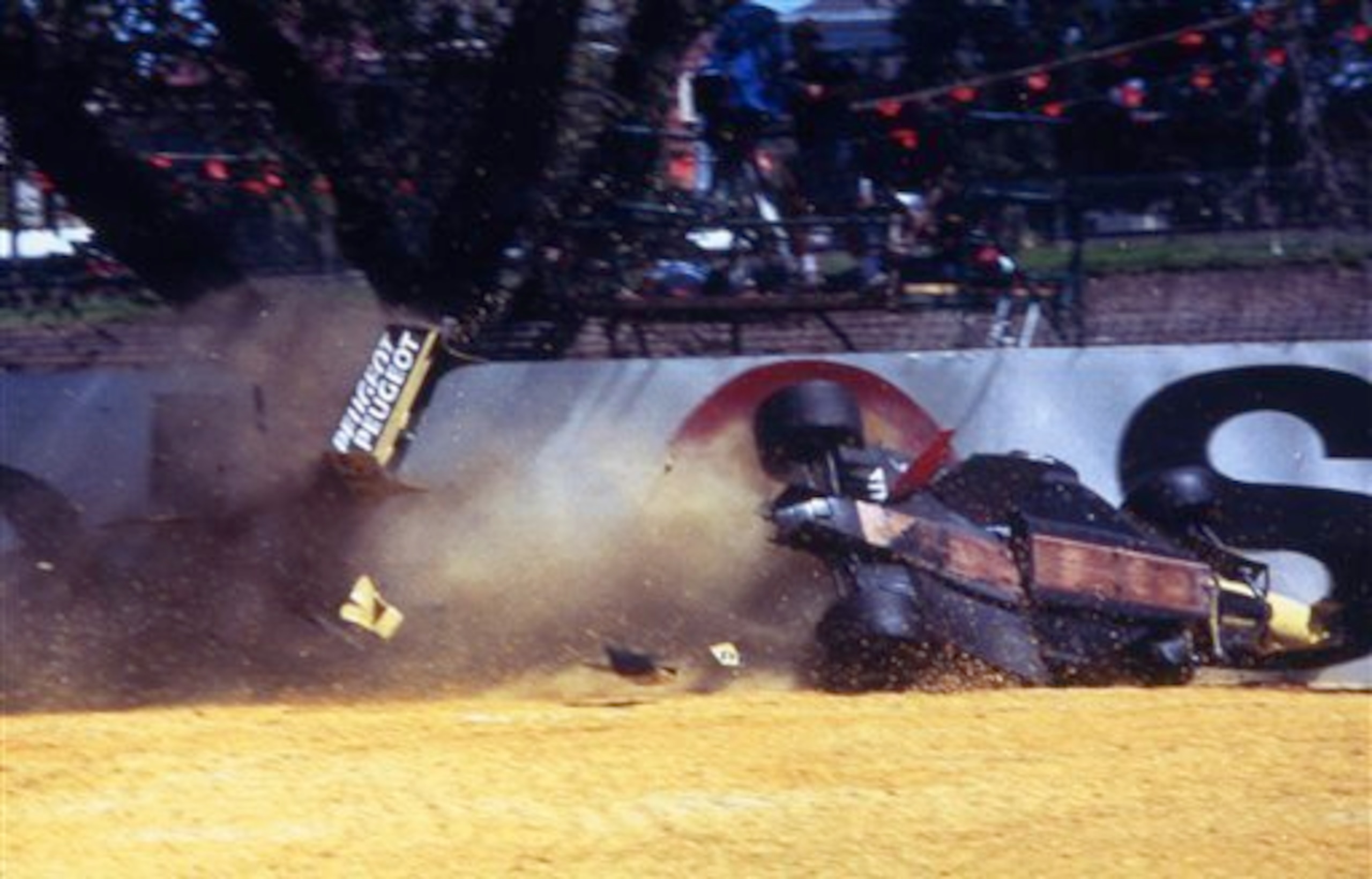
Albert Park first hosted a grand prix in 1953. This non-championship affair was hosted to Formula Libre rules and all 40 competing drivers were Australian. Per a reproduction programme published by the official Australian Grand Prix website, Doug Whiteford won by a margin of five laps.
The layout used (seen on Page 5 of the programme) was similar to the one we see today but run in the opposite direction. It hugged the lake a little closer and was quicker, the most notable difference being a long, curving straight running from what is now Turn 14 all the way to the current Turn 3.
Another non-championship grand prix was held in 1956, with a number of Formula One stars taking part and Stirling Moss emerging victorious.
The Australian Grand Prix stayed away for many years thereafter, visiting a number of venues around the country. It joined the world championship in 1985 at Adelaide, and in 1996 returned once again to Melbourne's Albert Park.
The redesigned circuit has remained essentially the same ever since—and the race has never left.
It Runs Around a Lake, but the Drivers Would Never Guess
5 of 5
As the drivers navigate the Melbourne Grand Prix Circuit, they're rarely more than a stone's throw from water—but from where they sit in the cockpit, they'd never know it.
Albert Park Lake dominates the park when the sport isn't in town. For the race it's (by necessity) hidden away behind walls and high fencing, and often even the TV cameras do not capture just how close it comes to the circuit.
For example, its less than 10 metres away as the cars approach the braking zone for Turn 3.
But we do see how close it is when the cars stream down the aptly named Lakeside Drive, which runs from Turn 8, through two chicanes and the back straight, all the way down to Turn 13.
The lake is host to a wide variety of animals and birds, and an unfortunate side-effect of the race is that these creatures are not really F1 fans. A 2012 University of Melbourne study of one species, the black swan, revealed heightened stress levels during the grand prix weekend.
So though, per Sky Sports, the lack of a meaty roar from the new V6 engines gets Bernie Ecclestone and the race organisers down, it's not all bad news.
Mr. and Mrs. Swan are probably delighted.
.jpg?w=2560 "Steelers Buccaneers Football")
.jpg?w=2560 "Titans Colts Football")

.jpg?w=2560 "Steelers Roll Saints in Paris")
.jpg?w=2560 "NFL investigating Eagles")
