

India Impress in the Early Stages of the Cricket World Cup
Hands up if India had you fooled.
Mahendra Singh Dhoni’s side went into the World Cup with concerns over their form, fitness and mental state due to the length of the time they had been away from home.
Now, two games into the competition, it turns out they might have been playing possum all along, as hinted on this site prior to the tournament.

.jpg?w=2560)

Victory over Pakistan in their opening outing gave them the chance to savour the rare feeling of success—it was the first time they had triumphed since arriving on Australian soil last November. Still, the result was perhaps expected, as Pakistan has never beaten their archrivals in a World Cup fixture.
However, the demolition of South Africa at a raucous MCG in Melbourne on Sunday was a real statement of intent from India.
The 130-run triumph—their first over the Proteas in their World Cup history—puts them in complete control of Group B with games against West Indies, Zimbabwe, Ireland and United Arab Emirates to come.
The two wins recorded so far have followed a similar format: They win the toss and bat first, get a century from one player in the top order and let the rest work around him to engineer a total of 300 or more.
With the ball, India were able to get early strikes from the seam bowlers, allowing their spinners to strangle the life out of their opponents in the middle stages of the innings.
It is a recipe for success that they cannot expect to follow throughout the event, simply because the law of averages suggests that an opposing captain might eventually put them in the field first.
But considering they have won eight of the last 10 one-dayers when they have batted second, India hold no fears when being asked to chase.
India’s power is in their batting; Virat Kohli returned to form with 107 against Pakistan, while Shikhar Dhawan rewarded the faith shown in him by the selectors by making 137 against South Africa.
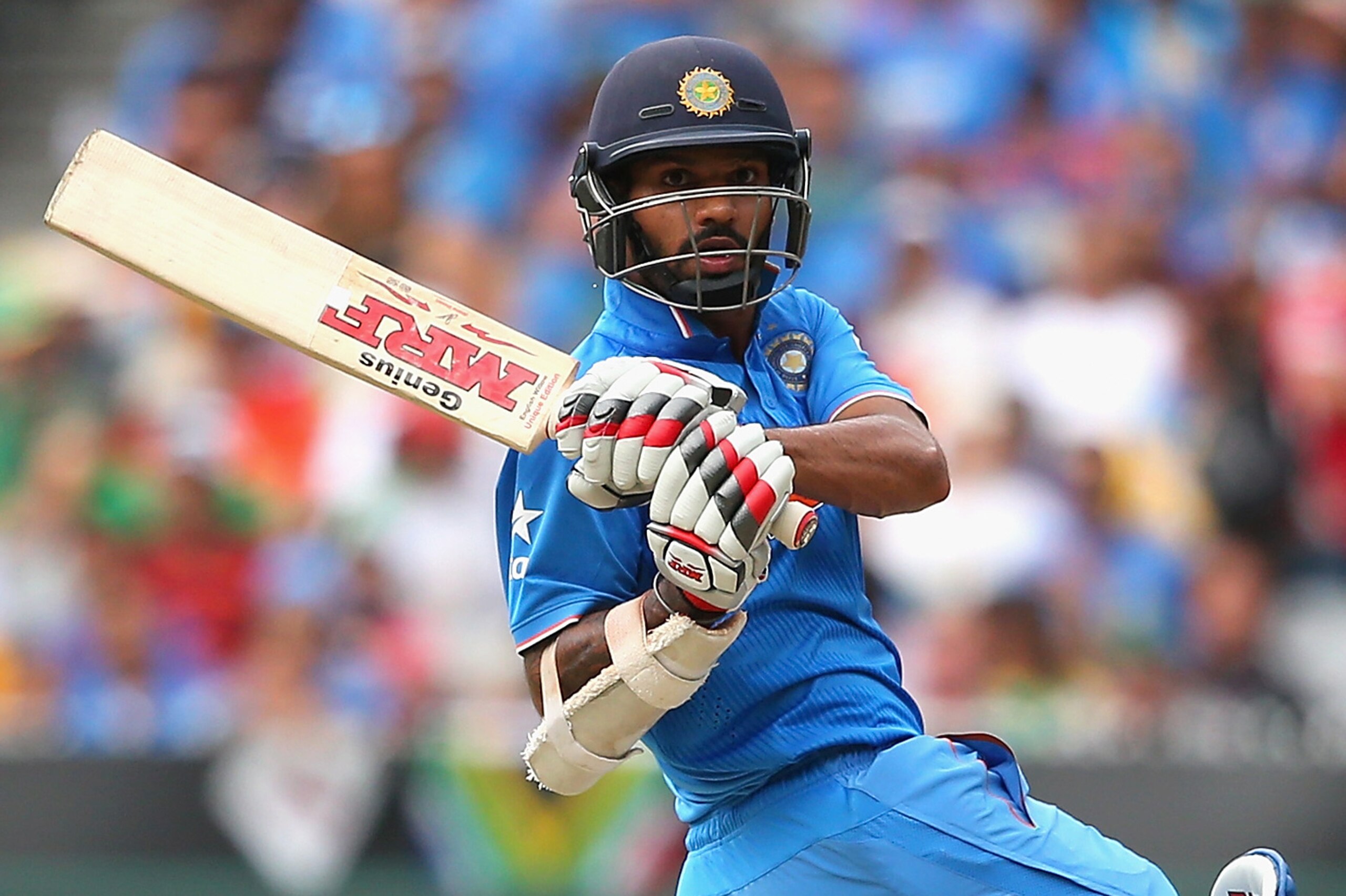
Dhawan endured a miserable time of it against Australia in Test cricket, averaging 27.83 in three matches. The left-hander went on to muster a grand total of 49 runs in the Carlton Mid One-Day International Tri-Series that followed, with India failing to win a match and missing out on a place in the final.
But now that the World Cup has started, Dhawan has delivered. His seventh ODI hundred came off the back of his 73 versus Pakistan.
Worryingly for future opponents, Dhawan’s opening partner—Rohit Sharma—has yet to get going. In two knocks so far he has managed a total of 15 runs. He will have further opportunities to find some form before it comes around to the knockout stages.
Captain Dhoni has also yet to have a chance to fire with the bat. He has, though, sparkled as a leader.
India lost paceman Ishant Sharma to injury before a ball had been bowled in the competition, while fellow seamer Bhuvneshwar Kumar has yet to feature after being bothered an ankle problem (Kumar did take part in a nets session prior to the South Africa game, per The Times of India, albeit on a limited basis).
Yet despite the absence of the duo, the bowling attack has still looked full of pace and penetration.
Mohit Sharma—the man selected to replace Ishant in the squad—has claimed two wickets in both outings while brilliantly backing up the opening pairing of Umesh Yadav and Mohammed Shami. The seamers' admirable job up front has allowed India to use off-spinner Ravichandran Ashwin as an attacking option in the middle overs.
Dhoni understands the importance of taking wickets in one-day cricket.
He will often post close fielders for Ashwin, who Javagal Srinath noted in his exclusive column for the ICC is showing a “willingness to bowl it slow and toss the ball up."
In the article, former India paceman Srinath added that the bowlers were reaping the benefits of their batsmen putting big scores on the board:
"Pressure is an extremely undesirable aspect of the game but as in life, something that cannot be avoided.
However, when your batsmen are good enough to transfer some of that onto the opposition, then it’s time to cash in, something the India bowlers have done twice now.
When faced with totals of 300 and above, the approach of the batsmen is different, the score being enough to weigh them down more than a bit.
"
The last time the World Cup was held in Australia and New Zealand, Pakistan’s cornered tigers found form at the right time to triumph. India looked more like lame ducks than cornered tigers heading into the 2015 edition.
Now? The reigning champions seem in little mood to surrender their grip on the trophy.
.jpg?w=2560 "Falcons Saints Football")
.jpg?w=2560 "Rams Eagles Football")
.jpg?w=2560 "Injury-stricken Seahawks signing veteran RB")


.jpg?w=2560 "2 NFL Officials Suspended")
