

Darren Lehmann Bullish, but Red-Hot New Zealand a Genuine Threat to Australia
Do it against us and we'll take notice.
That was the essence of Darren Lehmann's message for New Zealand and Brendon McCullum in the aftermath of the Kiwis' demolition of England at the 2015 Cricket World Cup.
"He does hit them a long way, doesn't he?" Lehmann, Australia's coach, told Adelaide radio station 5AA, per Daniel Brettig of ESPN Cricinfo. "He took the game on and he certainly does that, he plays a high-risk game, but there's a bit of a difference between 135 kph and 145 to 150 kph coming at him."

.jpg?w=2560)

Of course, Lehmann is a direct sort of guy. Since taking his current position, the former Test batsman has rarely been shy to challenge his team's opponents. And at times, he's gone further than just challenging them.
But, for the most part, Australia's coach has had good reason to be bullish. Throughout his tenure, his team has claimed emphatic Test-series victories over England, South Africa and India, while the nation's one-day international form during his reign has been outstanding.
Opponents, one by one, have been swept aside. Dismantled. Humiliated.
Lehmann's buoyant words have been backed by the performances of his players time and time again.
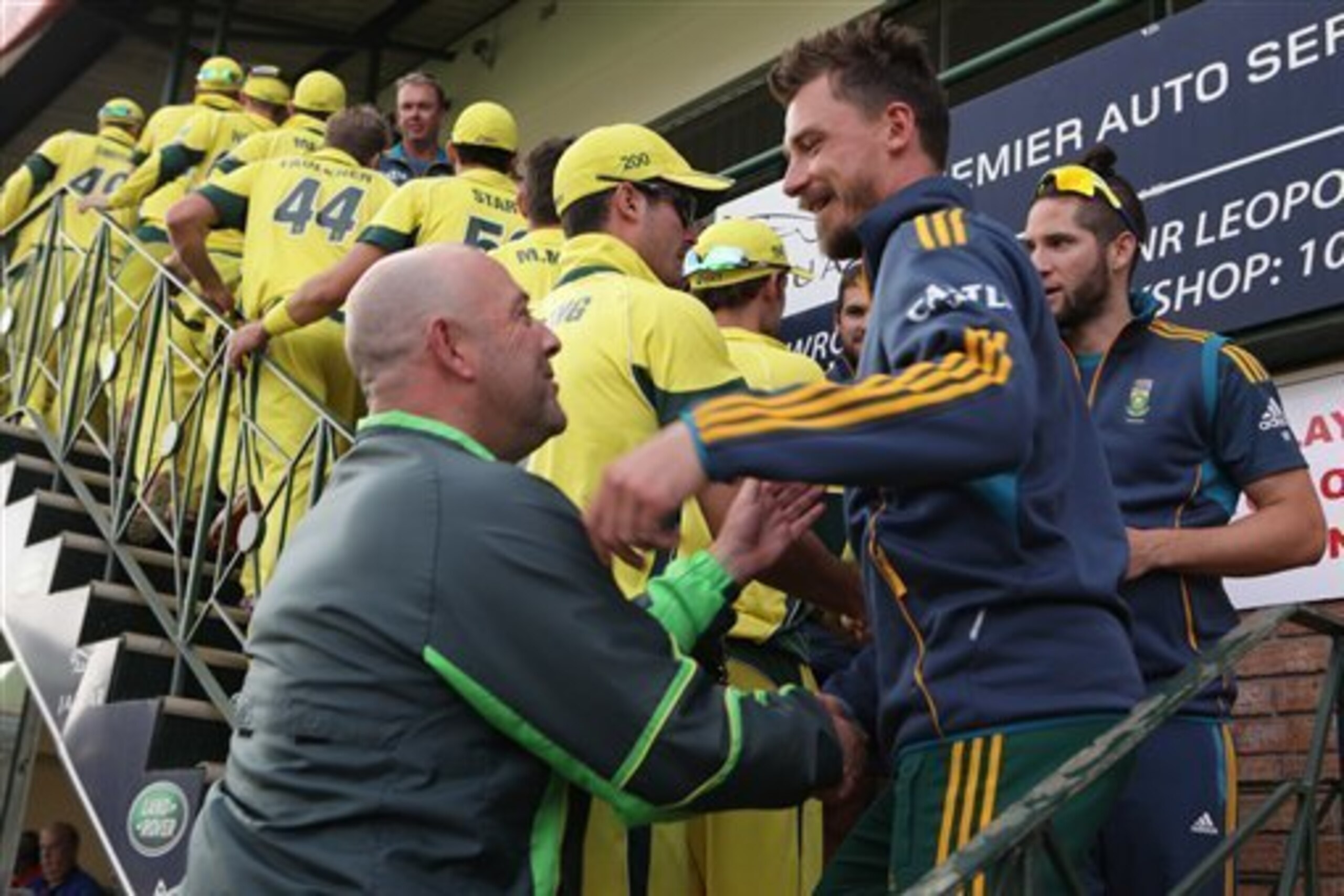
Yet, Australia's next challenge looks set to be among the sternest they've faced during Lehmann's time at the helm. Particularly in the 50-over game.
Since his ascension to the head-coaching position, Australia have thrashed England, South Africa and India at home in the one-day arena. They've also made short work of Pakistan in the UAE.
The only blips have come in India and Zimbabwe, the second of which saw the Australians beaten by South Africa in a triangular series in late 2014.
But that record won't daunt Australia's next opponents, New Zealand. Not at home. Not in Auckland. Not in their current mood.
Right now, New Zealand in New Zealand is among the game's most intimidating tasks. Just ask England. Or Sri Lanka. Or India. Or the West Indies.
As good as Australia are, New Zealand will enter next weekend's trans-Tasman clash as equals. For some, possibly many, they might even be considered favourites.
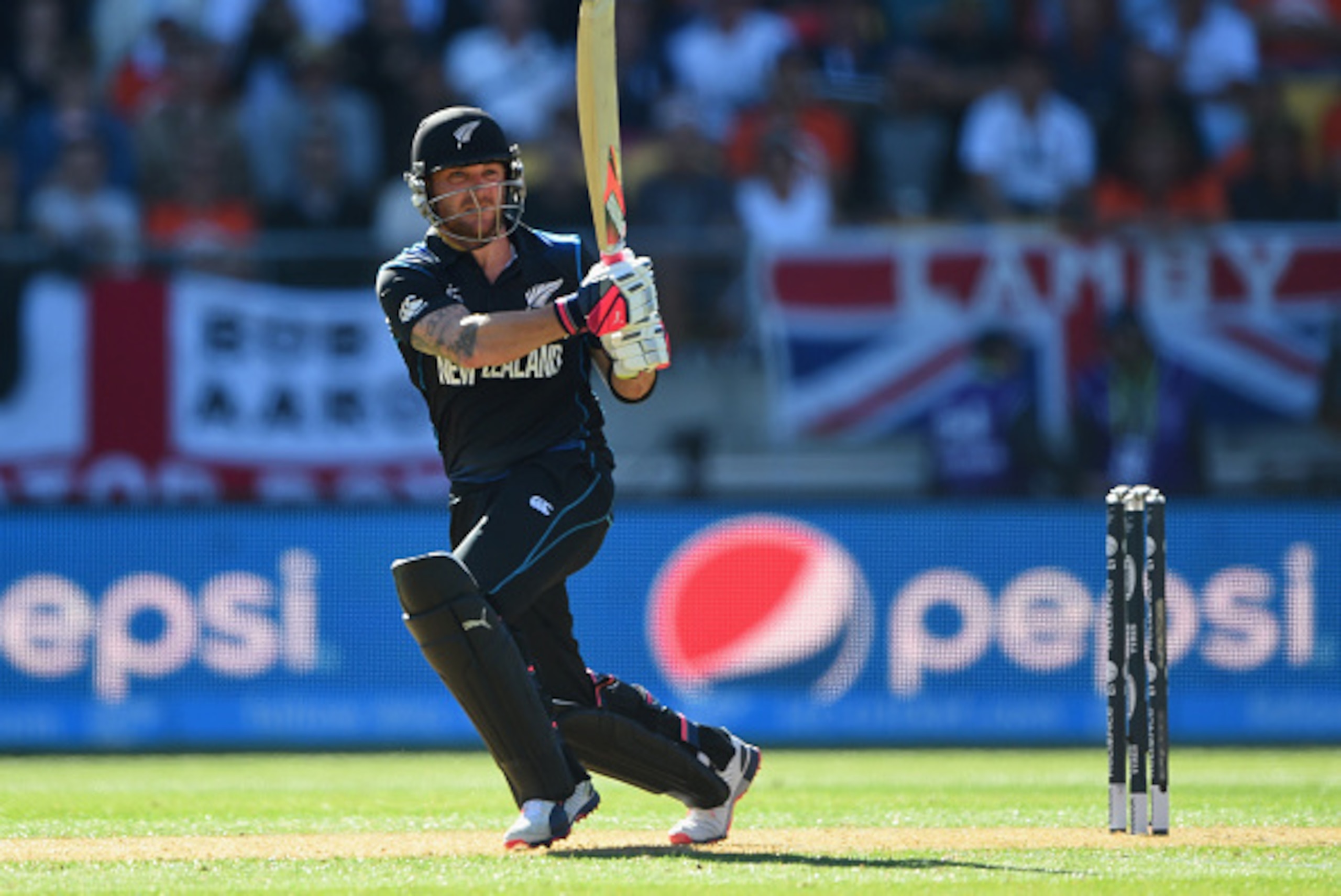
Since the beginning of 2014, McCullum's men have completed 21 ODIs on home soil.
They've lost just five of them. And won eight of their last nine.
Though the Australians have been victorious in 12 of their last 13 games in this format, the bulk of those have come at home. And many against sides out of their depth against them on Australian soil.
But next weekend's task is different; New Zealand, as a side, are unrecognisable from the outfit Australia know.
The last time these nations met was at the 2013 Champions Trophy, but on that occasion the game was abandoned in the second innings due to rain.
Thus, the last time Australia and New Zealand completed an ODI was four years ago at the 2011 World Cup. That day in Nagpur, Kane Williamson wasn't present. Neither was Trent Boult. McCullum wasn't captain—or the force he is now.
Tim Southee lacked a high-quality partner. The unspectacular James Franklin and Scott Styris formed a large portion of the middle order. And Martin Guptill was still two years from hitting his peak.
That seven-wicket victory for Australia now feels as though it belongs to a different lifetime. Australia are still at the game's pinnacle, but New Zealand are now their peers. Rivals. A force to be reckoned with.
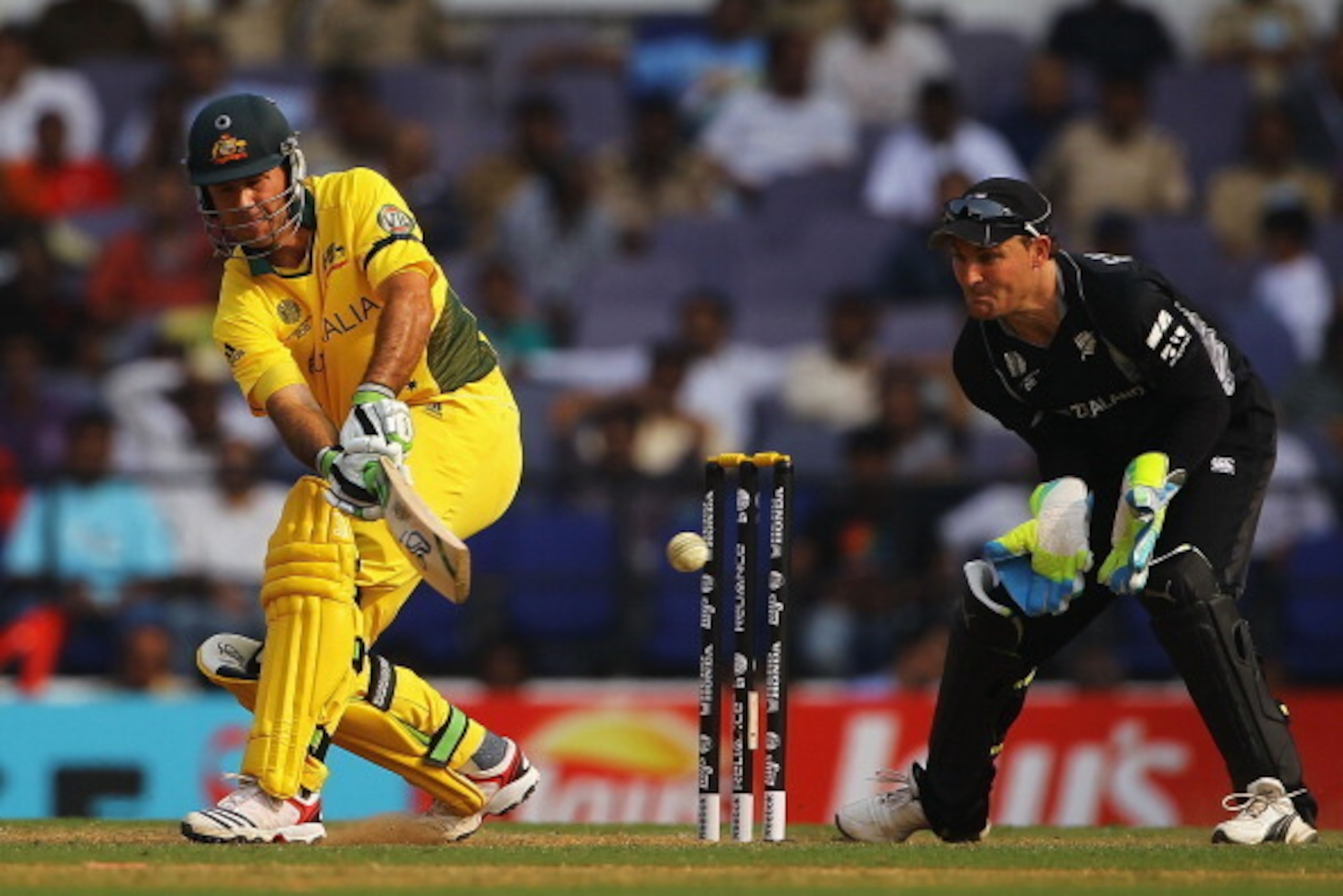
Naturally, Lehmann's confidence and conviction is based upon two things: his team's strength and the fact that New Zealand, as impressive as they've been, haven't proved it against Australia. Haven't proved it against a batting lineup that contains as much—or more—explosive power as their own and against a bowling attack often boasting three men capable of touching 150 kph.
You might say Lehmann's message is that New Zealand have beaten up the teams that are easy to beat up.
Australia, for their part, believe they can get better, that their recent form and opening World Cup victory can be built upon further.
"We want to keep getting better throughout this tournament, we want to play perfect cricket," Mitchell Johnson said, per Daniel Brettig of ESPN Cricinfo. "We've been playing very good one-day cricket for a while now. The guys' confidence is up."
But Australia head into next weekend's clash with New Zealand in Auckland with preparation that is hardly ideal. After thrashing England in Melbourne on February 14, the trans-Tasman contest will be the team's first outing in two weeks after the washout in Brisbane for the game against Bangladesh—one of the side's longest breaks of the summer.
Any tiny loss of touch, a drop that might otherwise feel meaningless, could be exposed by New Zealand in their current mood.
And make no mistake, New Zealand will feel they're capable of heaping more pain at Eden Park.

Of course, a loss next weekend wouldn't be disastrous for either side. Both look certain to progress in a weak-looking Pool A. But the victor of the meeting between the two host nations will likely claim top spot in the group—a critical factor when considering the tournament's format.
Indeed, finishing first in Pool A will be rewarded with a quarter-final against the fourth-ranked qualifier from Pool B. At this stage, that looks like being Ireland, Zimbabwe or a woefully out-of-sorts Pakistan. Finishing second will most probably mean a quarter-final meeting with India, South Africa or the West Indies.
It's why New Zealand are a genuine threat to Australia at this World Cup: not only do the Black Caps look capable of tussling with Australia; they're also capable of making Australia's path through the tournament more arduous.
Lehmann, through his words, has shown he's still very bullish. But his team has never faced this rampant incarnation of New Zealand. McCullum and his team, right now, in their current form, at home, might be Australia's toughest challenge.
If it wasn't obvious before, it is now: New Zealand are a genuine threat to Australia's quest for a World Cup title.
.jpg?w=2560 "Falcons Saints Football")
.jpg?w=2560 "Rams Eagles Football")
.jpg?w=2560 "Injury-stricken Seahawks signing veteran RB")


.jpg?w=2560 "2 NFL Officials Suspended")
