The Most Influential Sports Figures You Forgot About
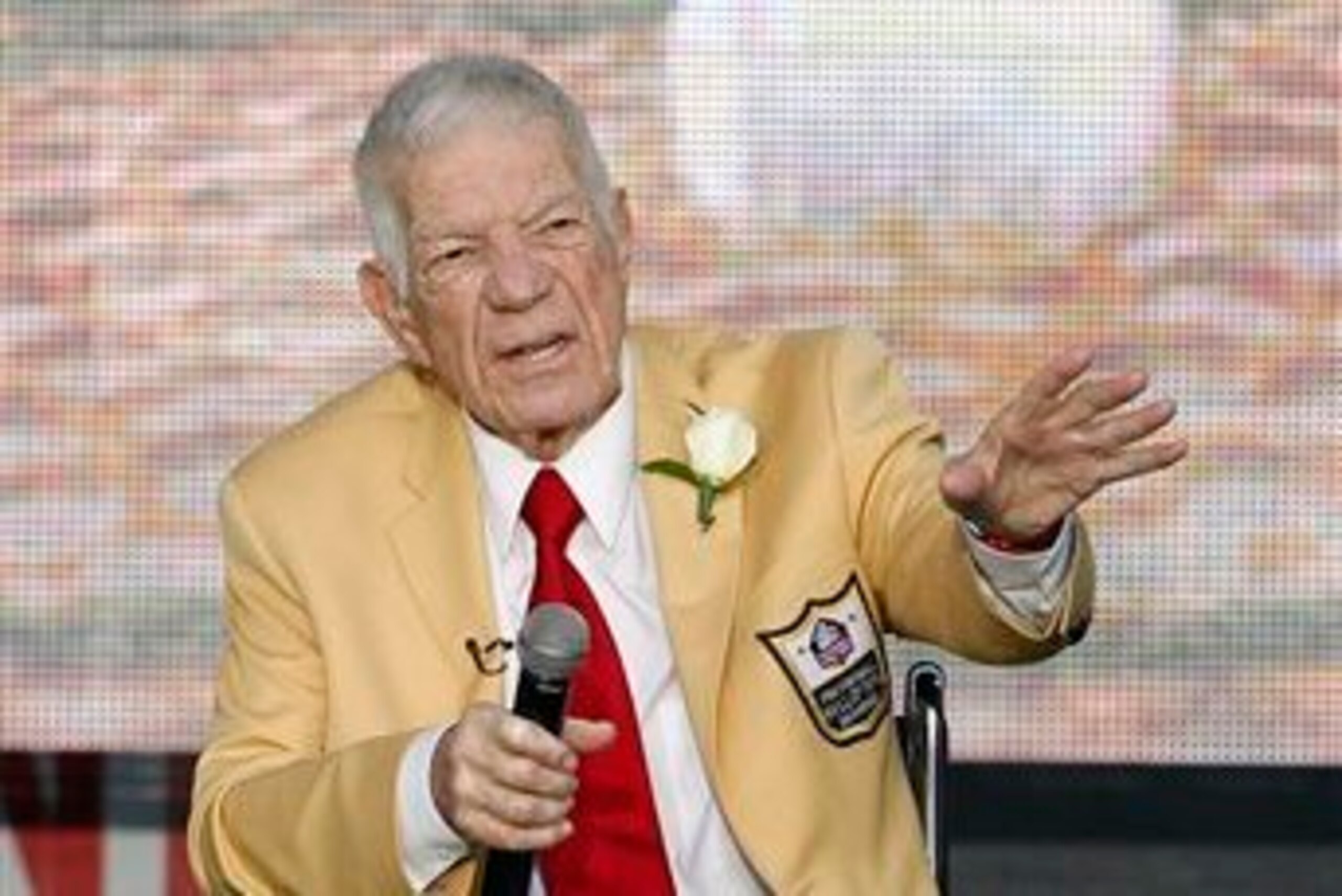
Marvin Miller was one of the most influential people in baseball, but have you heard of him?
We remember impactful athletes like Jackie Robinson and Muhammad Ali, but what about Charlie Sifford? In fact, sometimes the most influential people in sports aren’t athletes at all but executives, doctors or union heads.
Here are 15 of those people who changed the face of sports. Maybe you forgot about them, or maybe you never knew about them at all. Or maybe you’re a sports history genius and this is all old news to you.
Regardless, enjoy.
Larry O'Brien
1 of 16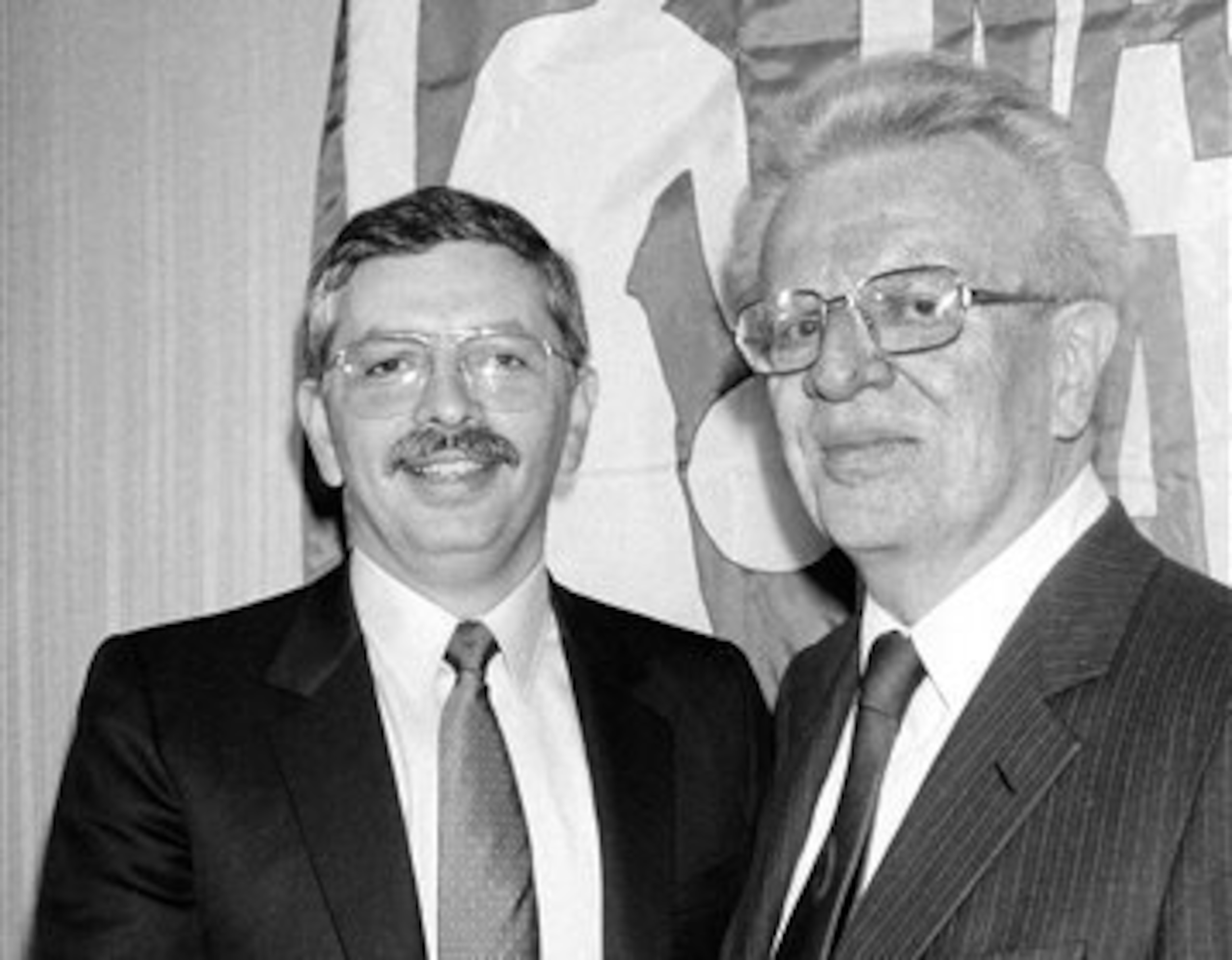
We know about what David Stern did for basketball, but let’s talk about his predecessor.
Larry O’Brien’s pre-NBA experience was in politics—he held titles such as adviser to President John F. Kennedy, national chairman of the Democratic Party and Postmaster General.
O’Brien came on as commissioner in 1975. He oversaw the ABA-NBA merger and was instrumental in the negotiation of a groundbreaking collective bargaining agreement in 1983. The agreement is recognized for providing stability during a chaotic time in league history—among the highlights were the modern salary cap and revenue sharing with players.
O'Brien retired in 1984, and the NBA championship trophy is named after him.
Dr. Frank Jobe
2 of 16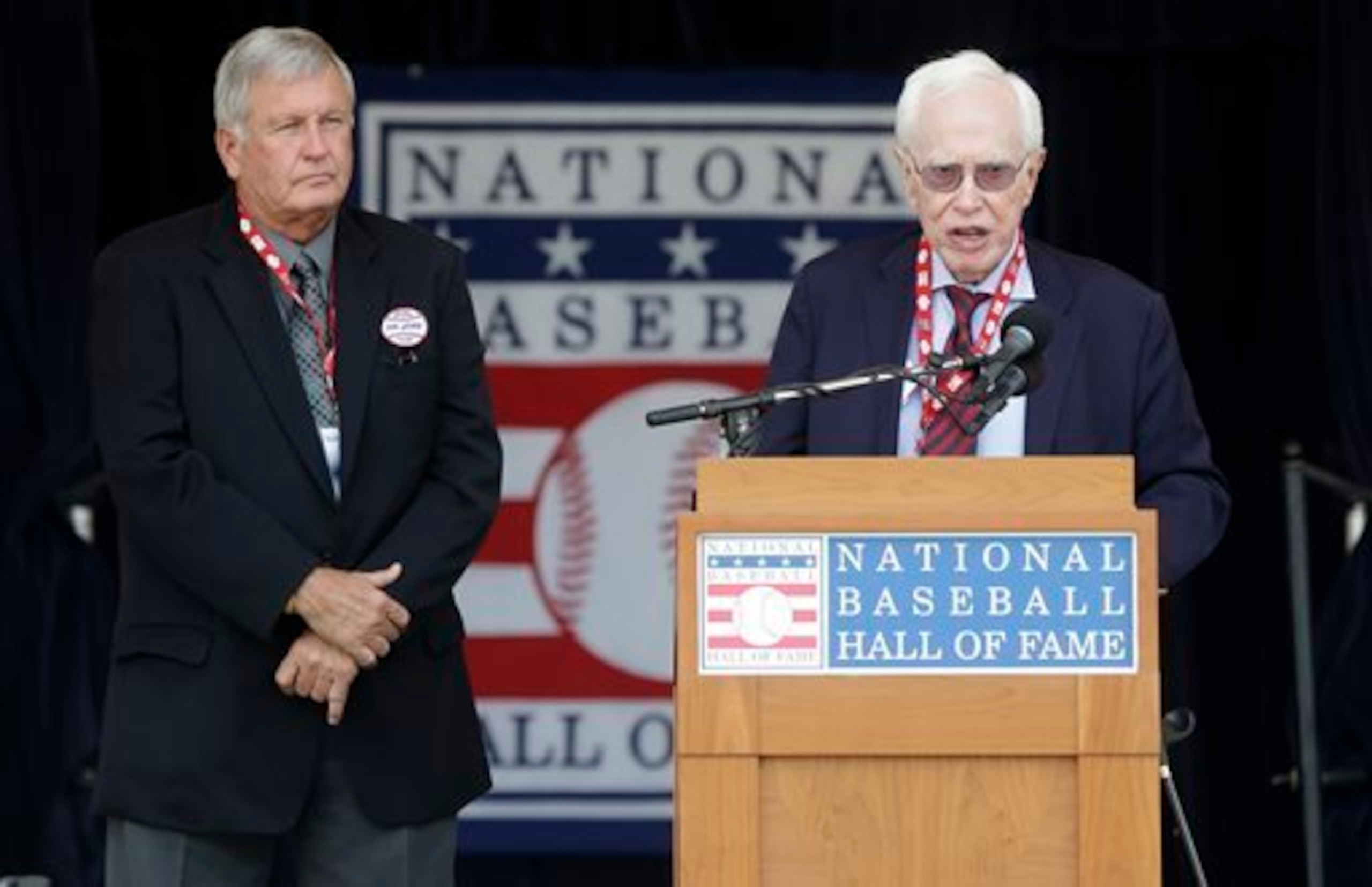
Only one name was made famous by the medical procedure known as Tommy John surgery, and it wasn’t Dr. Frank Jobe.
Jobe was a doctor for the Los Angeles Dodgers for over 50 years. Before Jobe, a torn elbow ligament usually meant the end of a pitcher’s career. But when Dodgers lefty Tommy John tore one in 1974, Jobe developed a procedure to replace it with ligament from John’s forearm. John went on to pitch 14 more seasons.
The procedure became known as Tommy John surgery, and hundreds of pitchers have had it performed on them since.
Violet Palmer and Shannon Eastin
3 of 16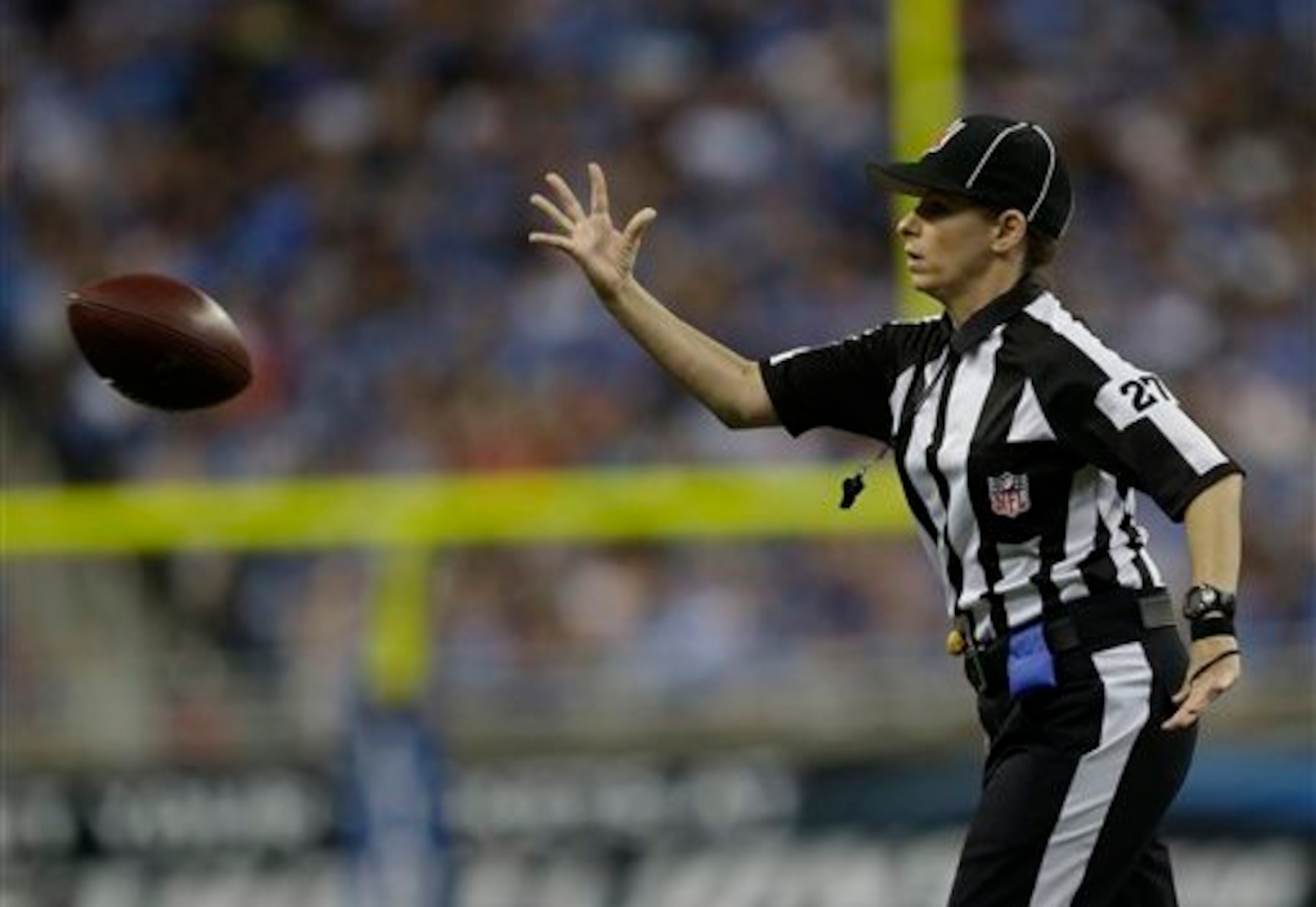
Referees and officials in men’s professional sports have traditionally been men themselves. However, in 1997, Violet Palmer and Dee Katner became the first female officials in the NBA. Palmer later became the first woman to officiate a playoff game in 2006.
It took a bit longer in the NFL. Shannon Eastin became the first female to referee an NFL game in 2012. According to Eliza Murphy of ABC News, Eastin told reporters, “I’m excited. Every step is hope that I can continue to show it really doesn’t matter male or female, as long as you work hard.”

.jpg?w=2560 "Rams Raiders Football")

Bill James
4 of 16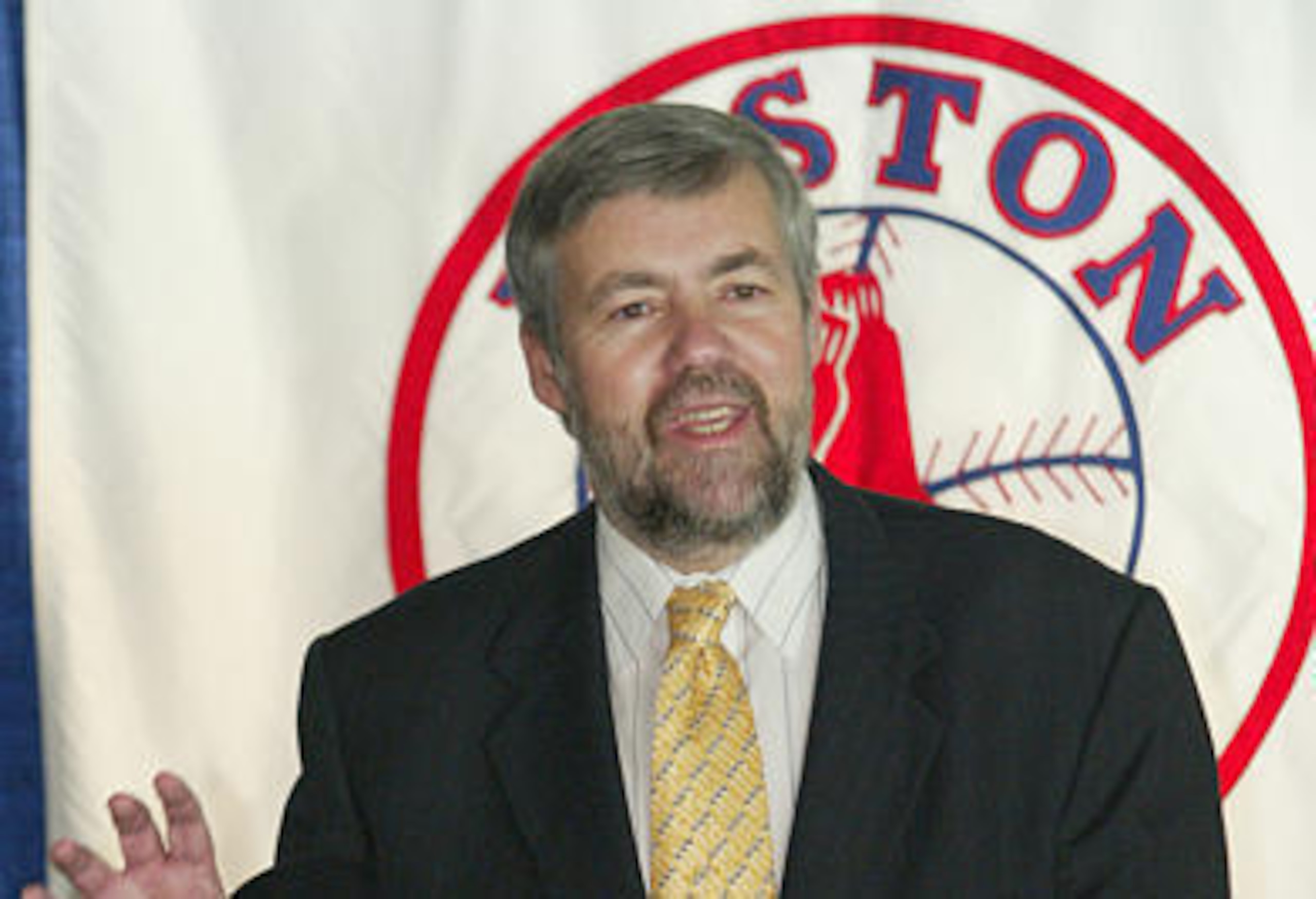
Bill James is a baseball historian and statistician, and he works as a senior advisor of baseball operations for the Boston Red Sox.
James coined the term “sabermetrics” and changed the way baseball is analyzed from a statistical perspective. His concepts inspired Michael Lewis’ well-known book, Moneyball, and as of 2013, every MLB franchise had staff dedicated to sabermetric analysis.
Bill Veeck
5 of 16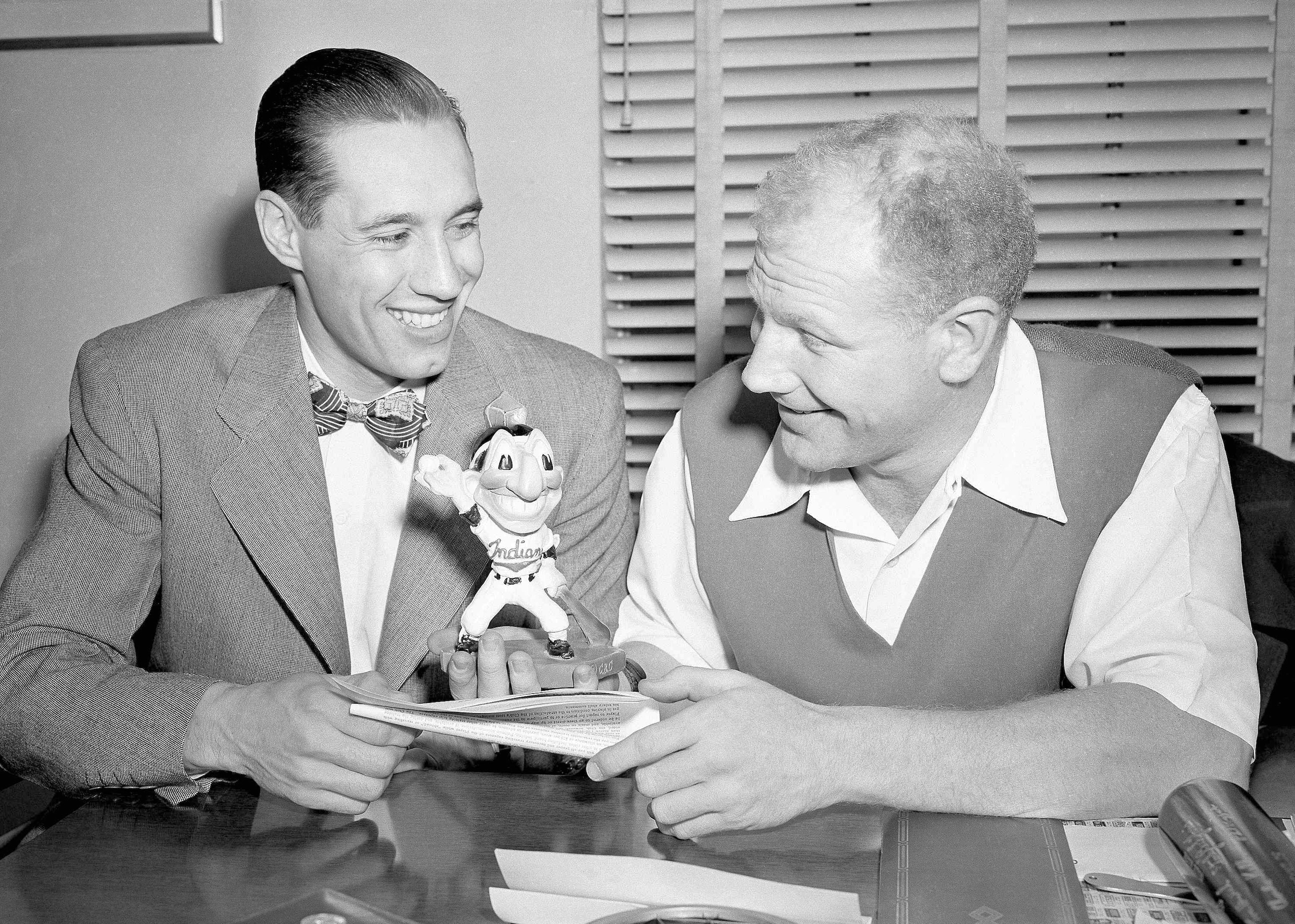
Bill Veeck was the OG of newsworthy team owners. A Chicago native, Veeck owned a piece of several teams at one point or another—the Triple-A Milwaukee Brewers, Cleveland Indians, St. Louis Browns and Chicago White Sox.
Veeck was one of the game's most creative promoters, and he is best known for his innovative tactics. According to Nick Acocella of ESPN, Veeck gave away live animals and held wedding ceremonies at home plate.
One of his most famous stunts occurred in 1951 when Eddie Gaedel came to the plate as a pinch hitter for the St. Louis Browns. Gaedel was 3'7" tall, and he wore the uniform No. 1/8. He made his entrance into the game by bursting out of a paper-mache cake then proceeded to draw a walk.
According to the National Baseball Hall of Fame, Veeck once said, "I try not to break the rules but merely to test their elasticity."
Wilma Rudolph
6 of 16
Wilma Rudolph was a sprinter and the first American woman to win three Olympic gold medals in the same Games. In the 1960 Rome Olympics, Rudolph became the “fastest woman in the world.”
Rudolph’s is an inspiring story. She was born prematurely and battled scarlet fever, measles and whooping cough as a child. She also contracted polio and wore leg braces for three years. After all that, Rudolph eventually began to play basketball and run track.
A university track coach discovered her, and the rest is history. Rudolph was an inspiration to African-American and female athletes as well as an American icon.
Ed Sabol
7 of 16
So much of sports has to do with how they are presented to the fans. That was where Ed Sabol was a true visionary.
As the founder of NFL Films, Sabol’s work helped bring football to life on the screen and increased ratings and revenue for the NFL. He was inducted into the Pro Football Hall of Fame in 2011.
Following Sabol’s death in 2015, NFL.com writer Chris Wesseling reported that Commissioner Roger Goodell said, “Through his determination and innovative spirit, Ed Sabol transformed how America watched football and all sports.”
Curt Flood
8 of 16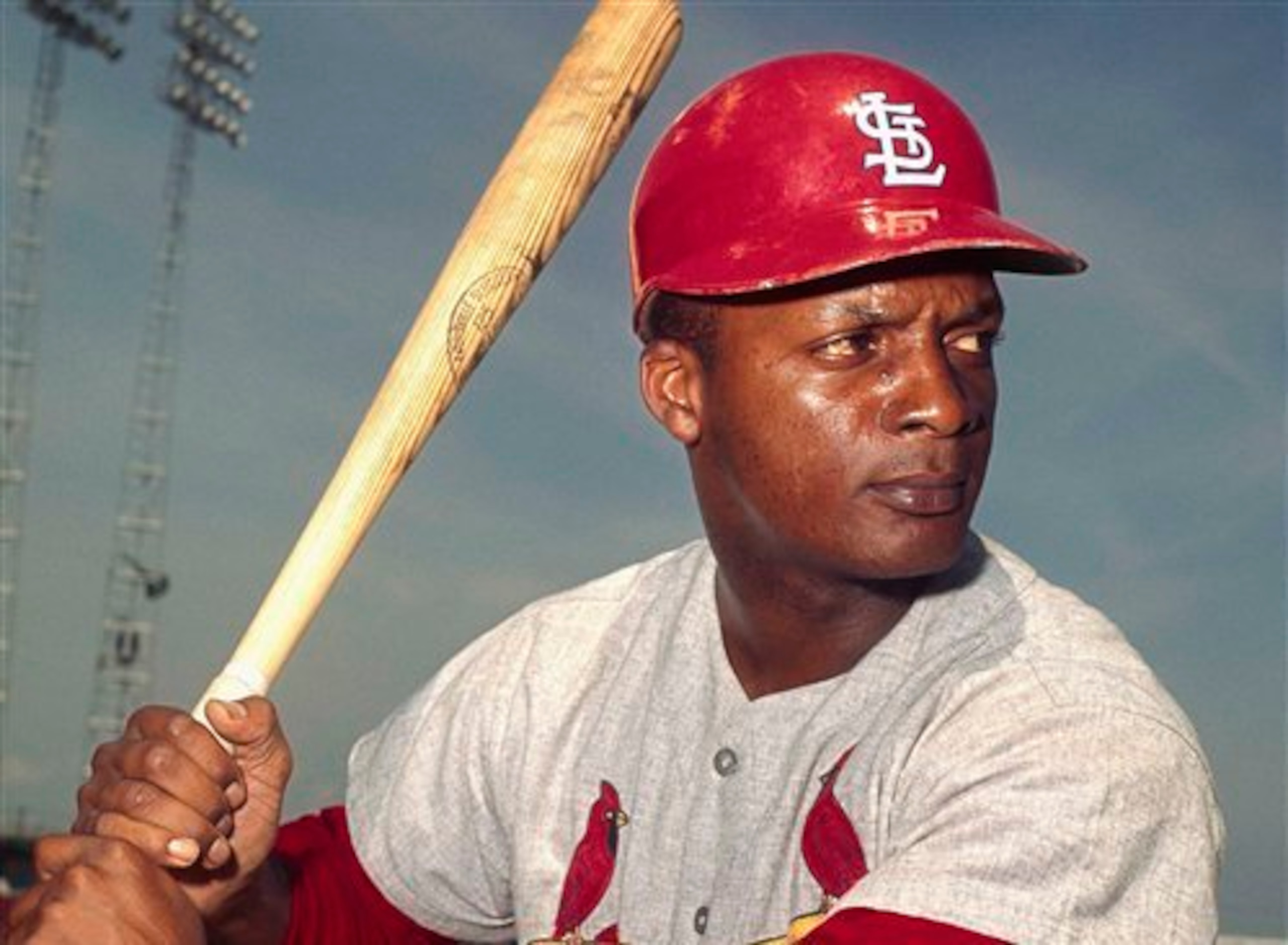
In 1969, Curt Flood, a St. Louis Cardinals outfielder, challenged baseball’s reserve clause with the help of Marvin Miller and the MLB player’s union. The reserve clause basically meant that the only way a player could switch teams was to be traded.
Flood sued the commissioner and MLB on the grounds that the reserve clause was a violation of anti-trust laws and that it constituted a form of slavery. The Supreme Court eventually ruled against Flood in 1972, but his brave actions laid some important groundwork.
In 1975, independent arbitrator Peter Seitz ruled that the reserve clause did not give teams the right to keep players indefinitely, and free agency was born.
Shout out to Andy Messersmith and Dave McNally, two more players who were brave enough to stand up to baseball in this critical time in the game’s history.
Pete Rozelle
9 of 16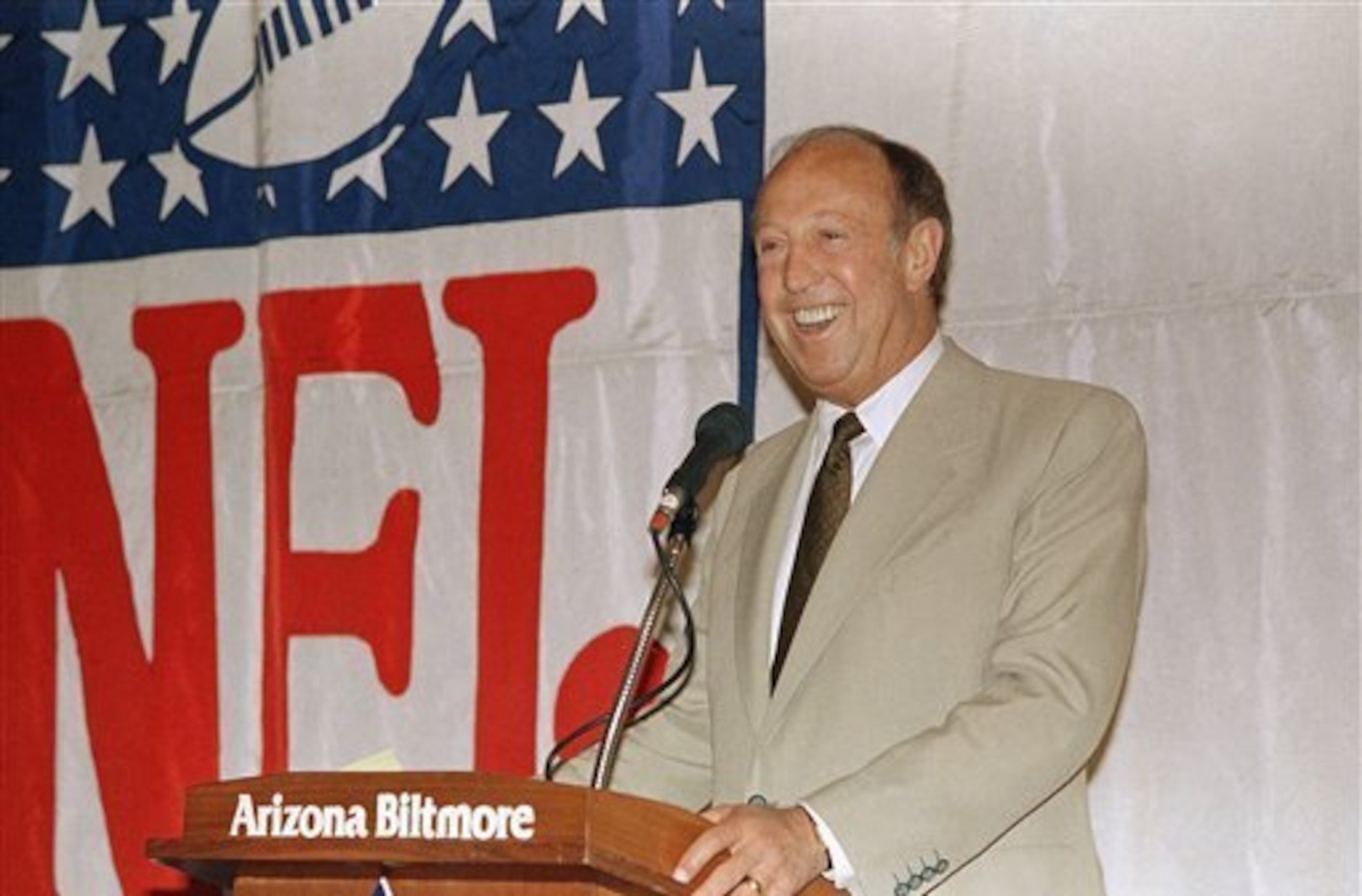
Pete Rozelle was the commissioner of the NFL from 1960-89. Among his many achievements as commissioner were expanding the league from 12 to 28 teams, overseeing the AFL-NFL merger, negotiating the first league television contract and transforming the Super Bowl into one of sports’ greatest events. He was inducted into the Pro Football Hall of Fame in 1985.
William N. Wallace of The New York Times reported that Rozelle said, “The most fun thing was watching the development of the Super Bowl because the game is what it's all about. I really felt a high at every Super Bowl with all the glitz and the spectacular halftime shows.”
You know what that means. Without Rozelle, there might have never been a left shark.
Arthur Ashe
10 of 16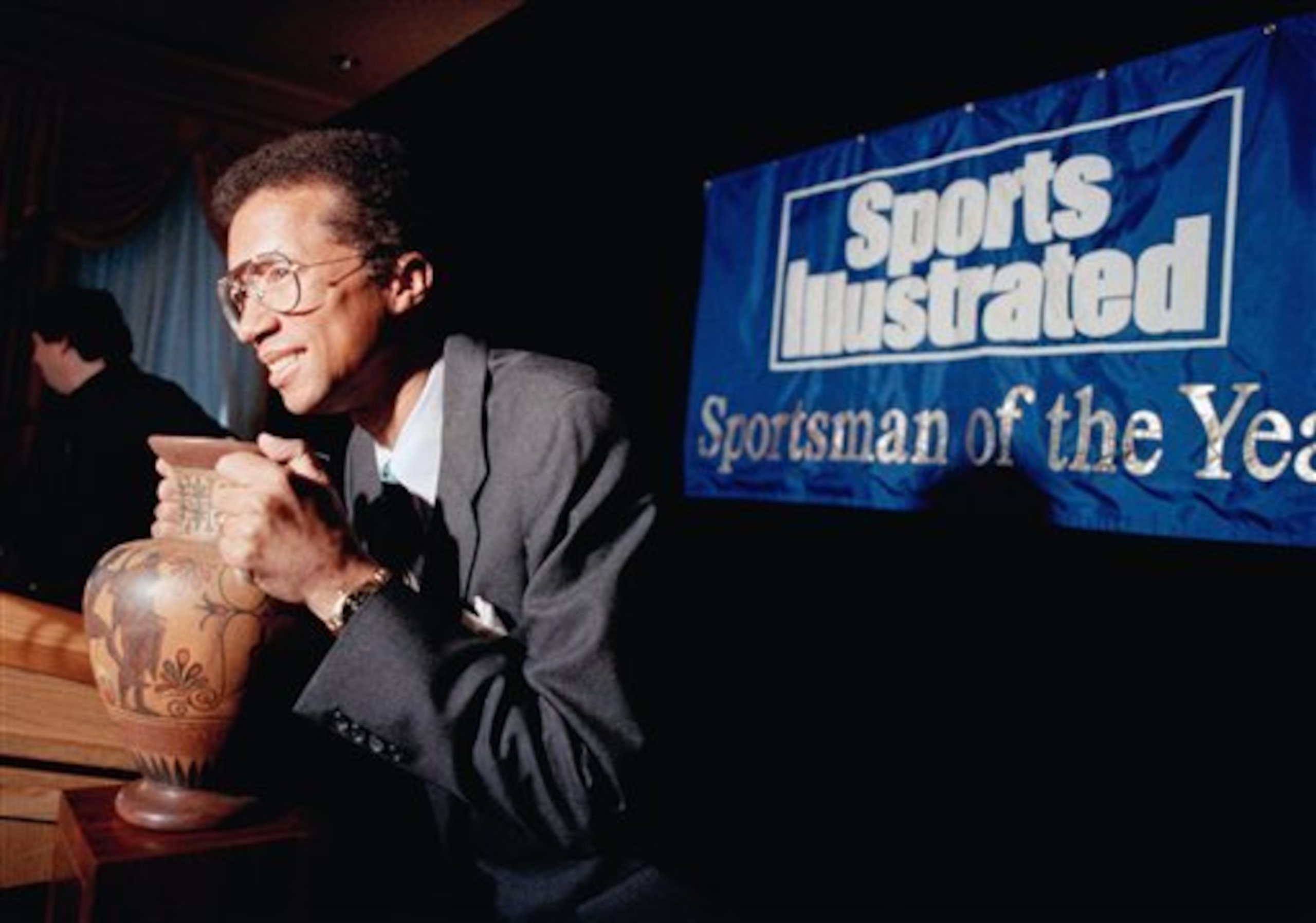
You’ve heard of the Arthur Ashe Courage Award at the ESPYs? The man it was named after was a pioneer and an inspiration.
Ashe was the first African-American male to win a tennis Grand Slam—the 1968 U.S. Open. Upon his retirement from tennis in 1980, Ashe had won two more Grand Slams and compiled 818 career wins, 260 losses and 51 titles.
Like Muhammad Ali, Ashe was both a great athlete and an advocate for social change. According to his obituary in The New York Times, Ashe devoted countless hours to battling poverty, racism and AIDS. He died of AIDS-related pneumonia in 1993, but Ashe's legacy lives on through his philanthropic efforts to this day.
Ted Lindsay
11 of 16
Each year, the National Hockey League Players Association selects the league’s most outstanding player, and that person receives the Ted Lindsay Award.
Ted Lindsay played professionally from 1944-65, and he later became the general manager of the Detroit Red Wings. He was a great left wing on the ice, but one of Lindsay’s most impactful accomplishments came off the ice.
He was responsible for organizing players and forming the first NHL players association in the 1950s. The NHLPA as we know it today wasn’t established until 1967, but Lindsay was one of the first crusaders for players’ issues such as minimum salaries and the pension fund.
Janet Guthrie
12 of 16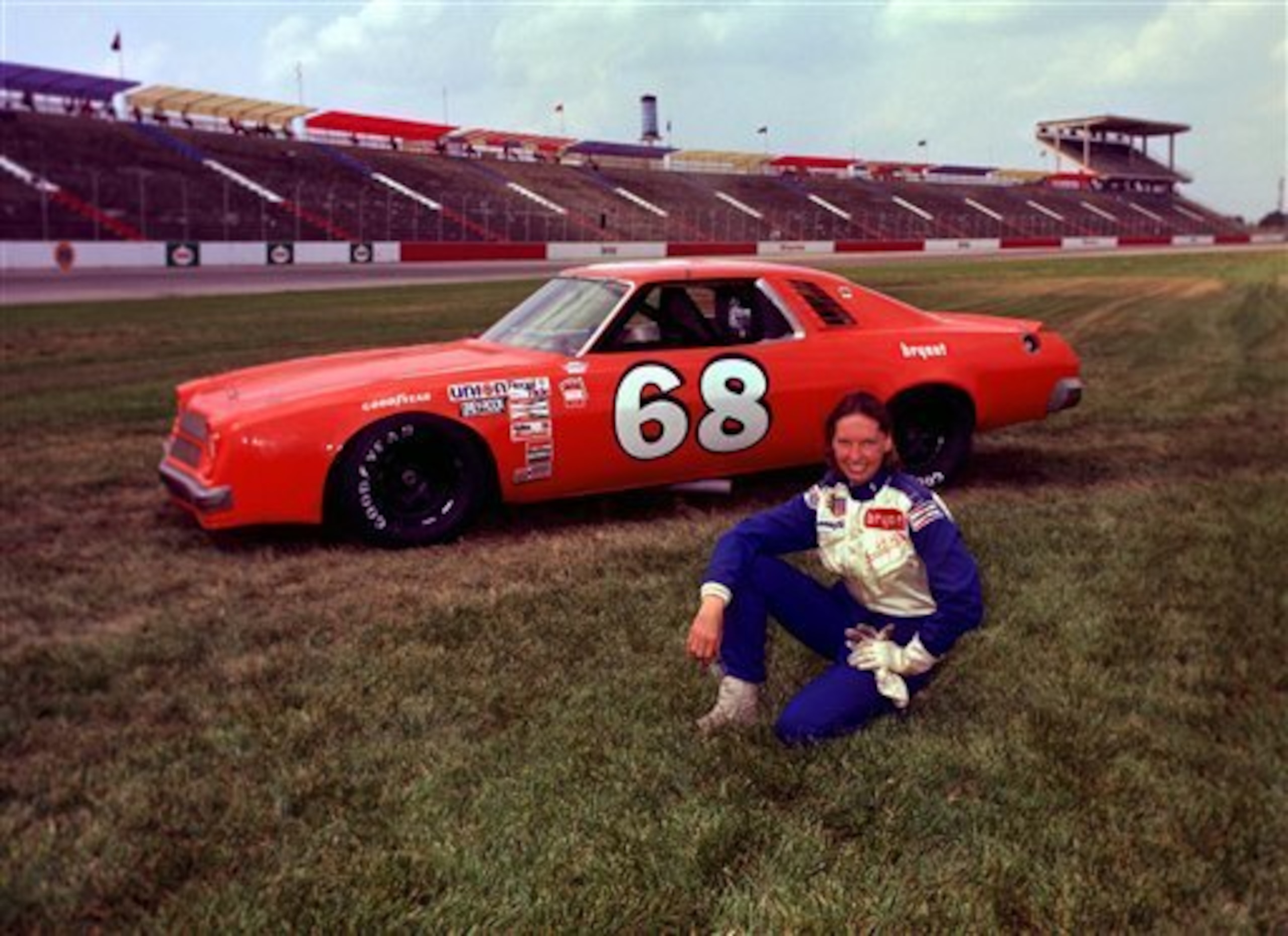
Before there was Danica Patrick, there was Janet Guthrie. Guthrie was the first woman to compete in the Indianapolis 500 in 1977. That same year, she competed in 19 NASCAR Winston Cup rookie season races and had 10 top-12 finishes.
As a female pioneer in a male-dominated sport, Guthrie sometimes faced harsh treatment at the race track. Ryan McGee of espnW reported that Guthrie once said, “People have always asked how we kept going. As we went along we found that for every person who was ready to hurl an insult, there was also someone to shout support.”
Bert Bell
13 of 16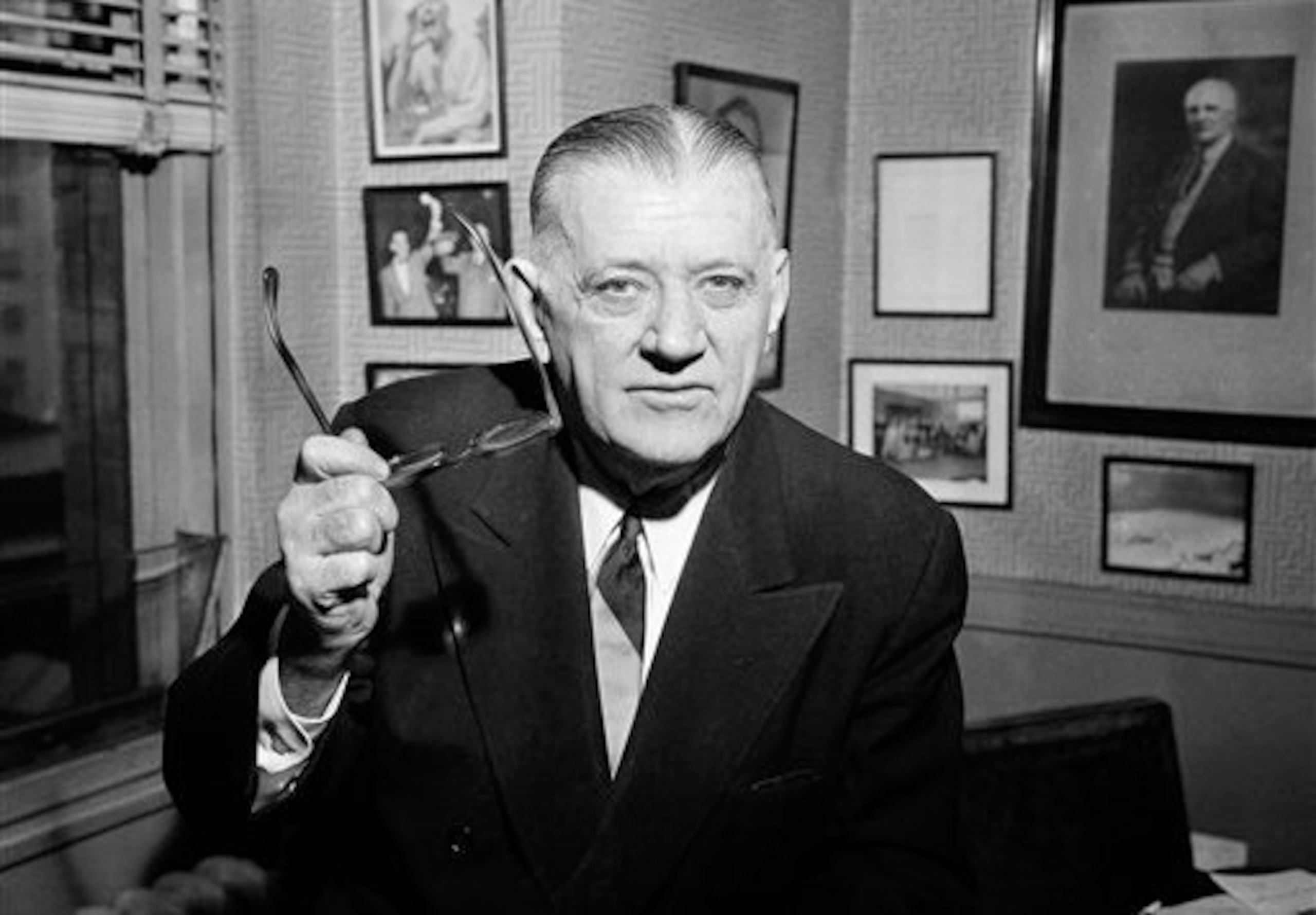
Imagine there were no NFL draft. In fact, imagine there were no drafts in professional sports, period.
That was the case before Bert Bell came along—teams recruited players on college campuses, and the biggest, best teams seemed to always get their man.
Bell was an owner of the Philadelphia Eagles, and he was also league commissioner from 1946-59. He wanted a system in place that allowed teams equal opportunities to secure players, and he wanted the league to have more competitive balance.
So, Bell made the first draft happen in February 1936. Heisman Trophy winner Jay Berwanger was the first pick.
Charlie Sifford
14 of 16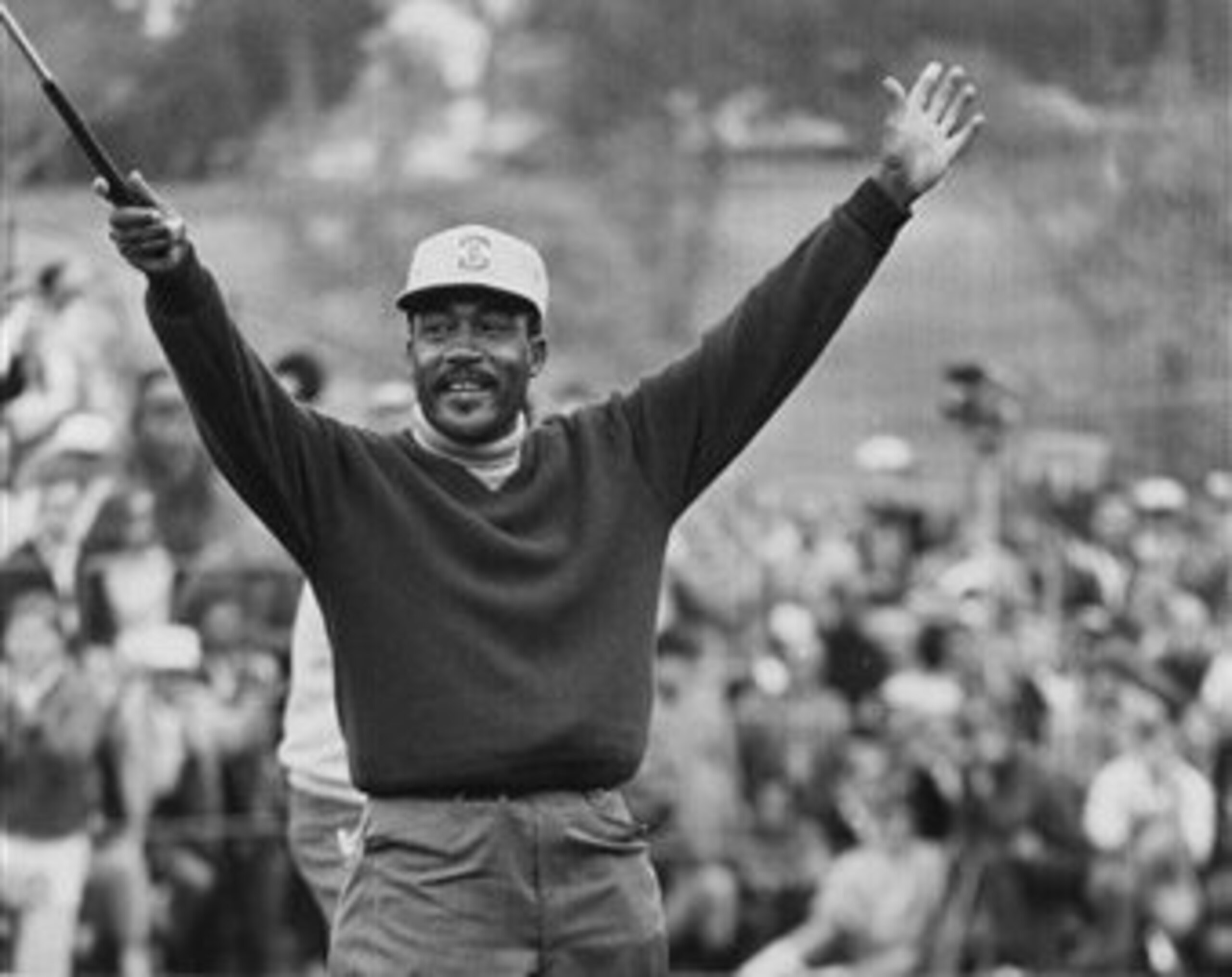
Charlie Sifford became the first black player on the PGA Tour in 1960, but it wasn’t an easy road. He faced his share of adversity along the way.
After serving in WWII, Sifford set his mind to a career in golf. Not allowed in PGA tournaments, Sifford played in a negro league and in Canada. He won five consecutive Negro National Open titles from 1952-56.
In 1959, the California Attorney General took an interest in Sifford and advocated for his right to play on the tour. Finally, the PGA relented.
Merlene Davis of the Lexington Herald-Leader reported that Sifford once said, “If I hadn't acted like a professional when they sent me out, if I did something crazy, there would never be any blacks playing. I toughed it out. I'm proud of it.”
Babe Didrikson
15 of 16
Babe Didrikson was sort of like the female Jim Thorpe. She is most famous for golf and track and field, but Didrikson also played basketball, baseball, tennis, volleyball and more. According to Larry Schwartz of ESPN, Didrikson once said the only thing she didn’t play was dolls.
Didrikson competed in several track and field events at the 1932 Olympics Games and won the U.S. Women's Open in golf three times. The Associated Press named her the Greatest Female Athlete of the first half of the 20th century.
Marvin Miller
16 of 16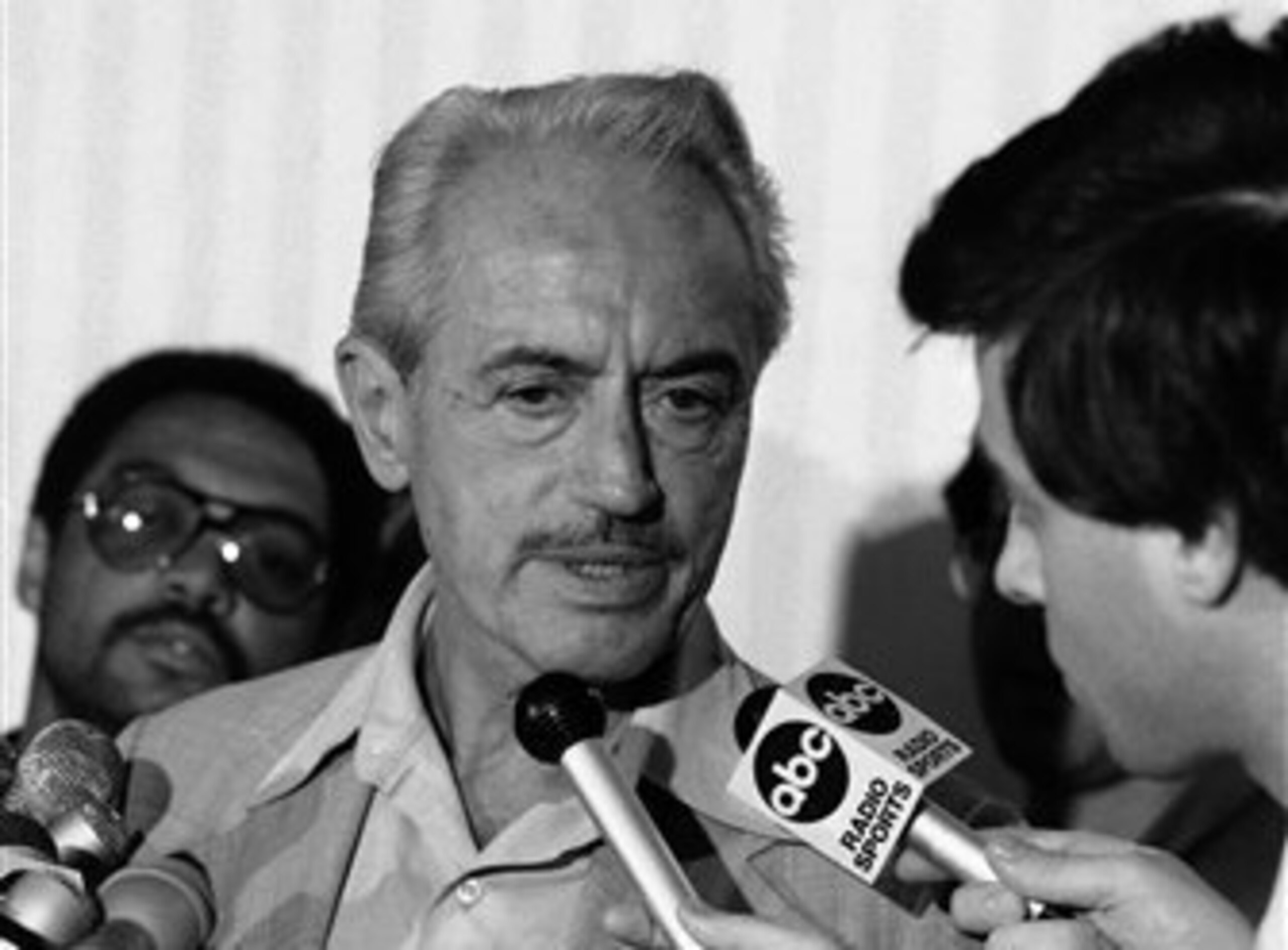
According to Maury Brown of Forbes, MLB broadcaster Red Barber once said of Marvin Miller, “Marvin Miller, along with Babe Ruth and Jackie Robinson, is one of the two or three most important men in baseball history.”
Miller was the first executive director of the MLB Player’s Association, a post he held from 1966-82. He was directly involved in some of the most significant advances the business of baseball has ever seen. These include drastic increases in average salary and player benefits, salary arbitration and the discrediting of the reserve clause.
In a nutshell, players making millions on today’s free-agent market have Marvin Miller to thank.


.jpg?w=2560 "Rodgers Iced Out on Plane 💎")
.jpg?w=2560 "🚨 Week 8 AP Top 25 Poll")
