
What Professional Golf Will Look Like After Tiger Woods
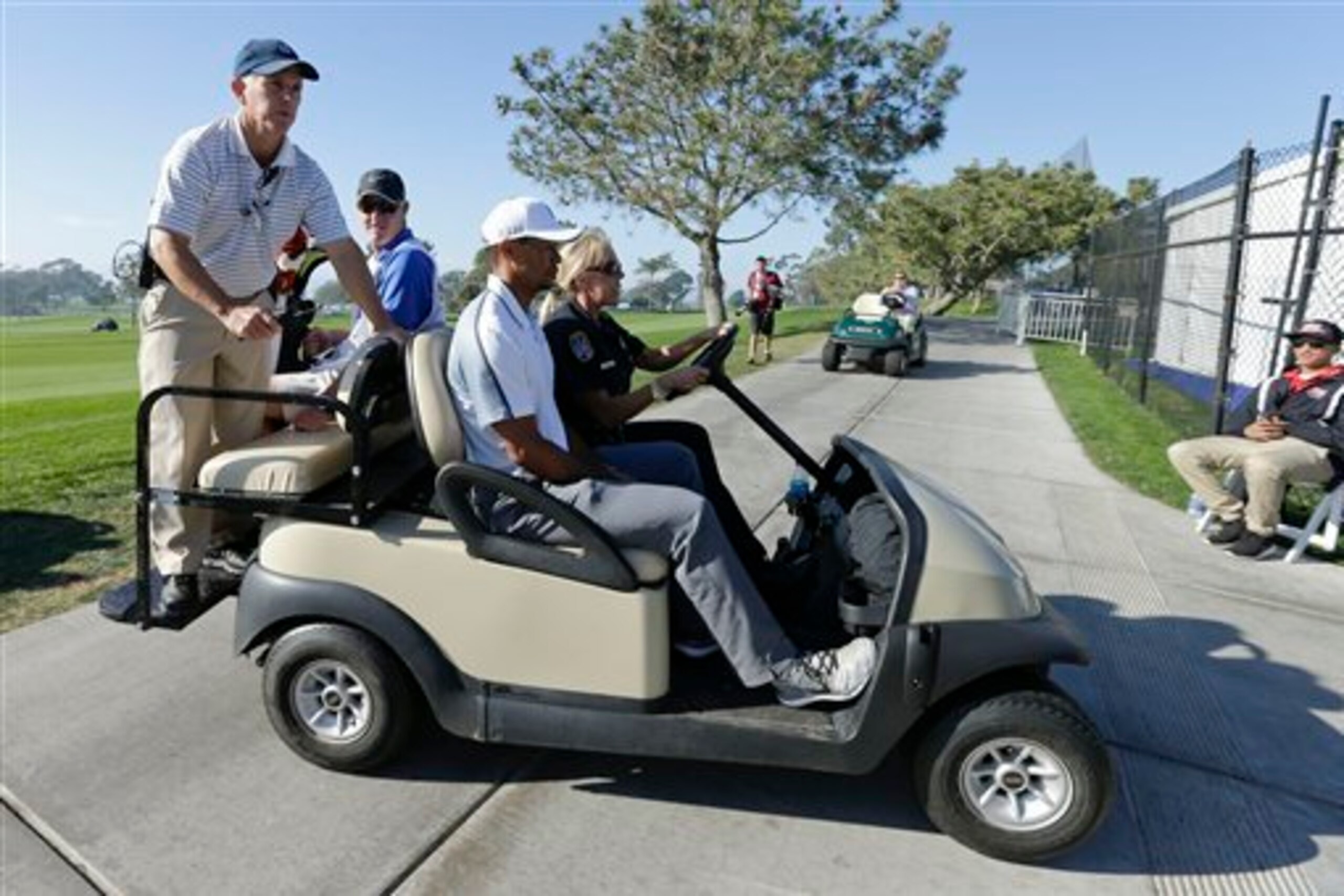
Last Thursday, we witnessed the all-too-familiar sight of Tiger Woods being carted off the golf course due to an injury.
In Woods’ past nine events, he has had six missed cuts or withdrawals and two last-place finishes.
Woods hasn’t won a PGA Tour event in 17 months and hasn’t won a major championship in more than six years.
Add an injury report that more closely resembles that of an NFL lineman than a professional golfer and combine that with what appears to be a case of the chipping yips, and it is easy to see why many experts are concluding that the Woods era has officially ended.
While it might be slightly early to predict that a 39-year-old golfer will completely fade into oblivion, it’s clear that Woods' days of winning at golf’s highest level are numbered.
But what happens once Woods does leave the game of golf for good?
This is a question that absolutely terrifies anyone that in any way depends on professional golf for a paycheck.
Here are five areas of the professional game that will be greatly impacted once Woods drives his golf cart off into the sunset.
Television Ratings Will Decline
1 of 6
The decline in television ratings at events where Tiger Woods is either not present or not in contention has been well documented through the years.
Woods missed the 2014 Masters due to back surgery, and despite exciting storylines such as Jordan Spieth attempting to become the youngest-ever Masters champion, Fred Couples attempting to become the oldest Masters champion and the long-hitting Bubba Watson looking to win his second green jacket in three years, the weekend television ratings hit their lowest level since 1957, which was the year before Arnold Palmer won his first Masters.
The former president of CBS Sports Neal Pilson told thewire.com that Woods typically contributes a 30-35 percent ratings increase when he is in the field at the Masters.
Pilson went on to describe how when Woods missed part of the season in 2009, the ratings for the tournaments Woods missed were cut in half.
The Wire also did a study on Woods’ impact on the Masters' television ratings since 1997, comparing events when Woods was within five shots of the lead to events where he was not in contention (outside of five shots of the lead).
This study concluded that Woods draws an average of 1.2 million more viewers to the Masters' telecast when he is within five strokes of the lead.
According to Sports Media Watch, the overnight ratings for the final round of the 2014 U.S. Open were down a staggering 46 percent from 2013 and hit its lowest level since at least 1996.
Executives at Fox Sports must be scratching their heads at this point trying to figure out exactly whose idea it was to pay $1 billion to cover an event that no one seems to watch unless Woods is in contention.
Despite Rory McIlroy and Rickie Fowler battling it out for the 2014 Open Championship, ESPN’s ratings for the event decreased by 26 percent from 2013 when Woods was in contention, hit its lowest level since the network took over coverage back in 2009.
So why is this such a big deal?
Well, at least 99 percent of the viewers for any given golf tournament will tune in through their television sets. Only about one percent (and typically less than that) of the total eyeballs focused on a PGA Tour event will actually attend that event in person.
So, these dramatic decreases in television ratings when Woods is not in the field or not in contention essentially mean that significantly fewer individuals are watching golf when Woods is not present.
Once Woods decides to leave the game for good, millions of viewers will almost certainly leave along with him, and this will have a negative ripple effect through every single aspect of professional golf.
Ticket Prices Will Drop
2 of 6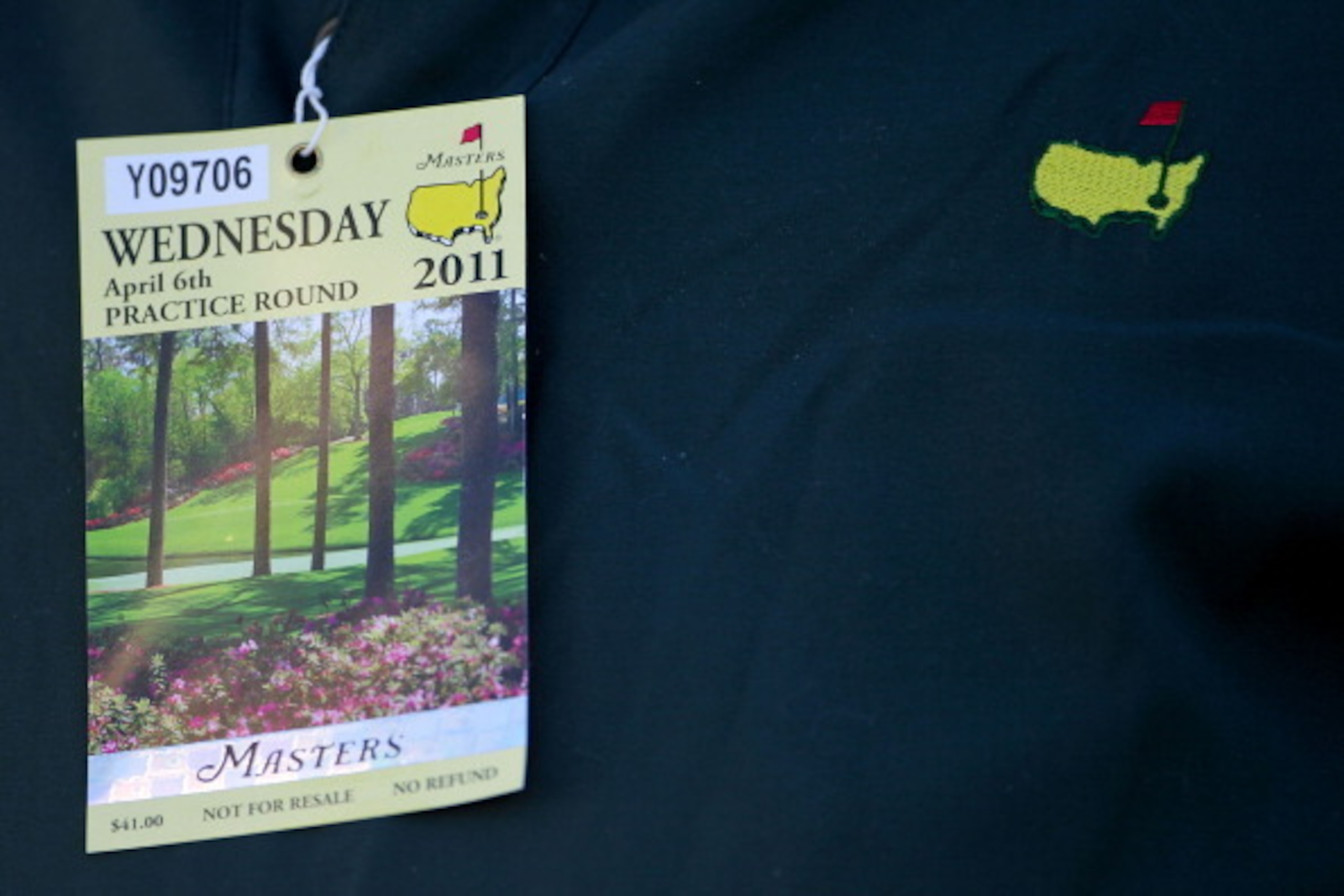
If you have ever dreamed of attending tournaments such as the Masters or U.S. Open but had previously been prohibited by the cost of tickets, now is the time to get out and attend these events.
When Woods announced that he would not be attending the 2014 Masters due to back surgery, ticket prices plunged by 22.5 percent the very next day.
A week-long ticket for the 2013 U.S. Open at Merion averaged around $1,400, but prices dropped to as low as $424 for the 2014 U.S. Open when it was determined that Woods would not be attending. That is a 30.29 percent drop on ticket prices based almost solely on one man’s absence from the event.
Once Woods decides to leave the game for good, ticket prices for virtually all events, particularly on the secondary markets, will more than likely continue to decline.
It’s a simple case of supply and demand.
The same number of tickets will be available for most PGA Tour events and major championships, but there will be far less demand for those tickets. This will inevitably result in a decline in ticket prices.
This is, of course, good news for many diehard golf fans, although irrelevant news for the millions that had only attended tournaments to see Woods.
Purses Will Remain Stagnant or Even Decrease
3 of 6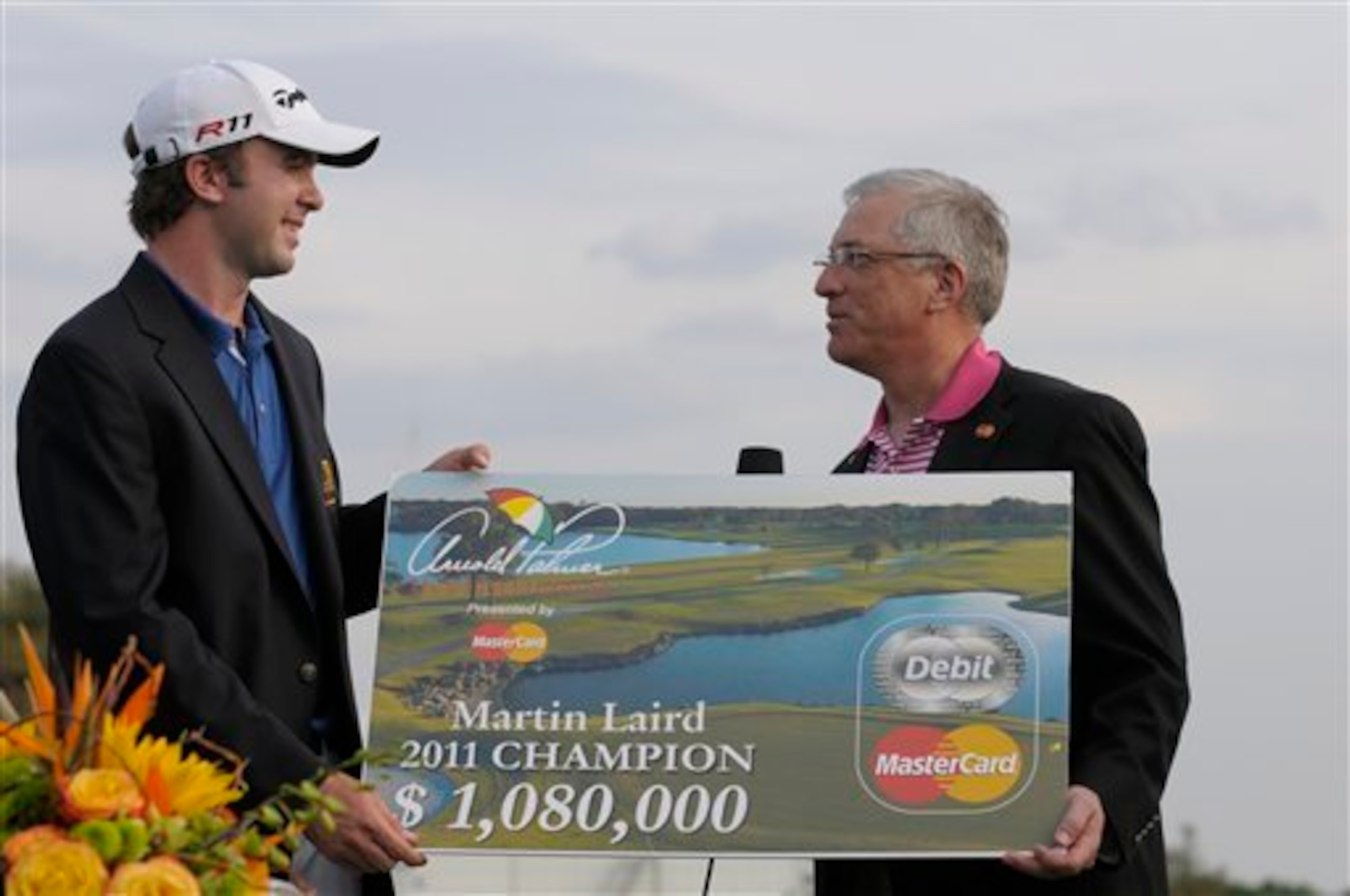
Prior to Tiger Woods’ arrival on the PGA Tour in late 1996, the Tour handed out a total of $101 million in prize money.
The Tour’s total purse had also been increasing at a respectable rate of 3.4 percent per year between 1990 and 1996.
Enter Woods.
Between 1997 and 2008 (Woods’ prime years) the total prize money handed out by the PGA Tour increased by an average of 9.3 percent per year, bringing the Tour’s total purse to $292 million by 2008.
According to Robert Pielke Jr. of SportingIntelligence, the PGA Tour distributed $3.1 billion in prize money between 1997 and 2008. However, had the Tour’s purse increased at a rate of 3.4 percent per year, as it had during the six years prior to Woods’ arrival, that number would have been cut by 52 percent to $1.5 billion.
The financial impact Woods has had on professional golf is absolutely mind-boggling and had never really been experienced in any other era of the game, or within any other sport, for that matter.
Last August, Pielke published a study on what he termed the “Tiger Effect” in professional golf.
This study essentially calculated the amount of additional money players on the PGA Tour earned between 1997 and 2008 due to the “Tiger Effect.”
Pielke examined the earnings of 176 players that earned a paycheck on the PGA Tour during the 2013 season. He then viewed those players' earnings between 1997 and 2008 in order to determine what their earnings would have been had the Tour’s total purse continued to increase at a rate of 3.4 percent. Based on that number, Pielke was able to calculate exactly how much money could be attributed to Woods and the 9.3 percent purse increases he created each year between 1997 and 2008.
Pielke concluded that the 176 players he examined earned around $1.7 billion between 1997 and 2008, with $876 million due to the “Tiger Effect”
The biggest beneficiaries of the “Tiger Effect” were:
- Vijay Singh - $36.35 million
- Phil Mickelson – $29.06 million
- Jim Furyk - $22.75 million
- Ernie Els – $19.41 million
- Davis Love III - $18.97 million
- David Toms - $18.06 million
We must also keep in mind that these are on-course earnings only.
If Woods had been accounting for between 30 and 50 percent more viewers per PGA Tour event, one could only assume that the endorsement earnings of these other golfers were at least 50 percent higher during the Woods era than they otherwise would have been.
Many believe that the Woods era officially ended when he struck that fire hydrant outside of his Isleworth home in November of 2009, and the impact is already being felt.
“Further evidence for the 'Tiger Woods effect' can be seen in the fact that since Woods’ infamous car crash in 2009, and subsequent loss of form, purses have decreased by 2.3 percent per year,” Pielke said. “It was a remarkable run, but one that now appears to be over.”
As Woods’ image and golf game have declined in recent years, we have seen:
- Purses decrease by an average of 2.3 percent per year.
- Dick’s Sporting Goods close down their golf-equipment operations.
- Golf Channel (which was essentially built by the attention Woods brought to the game) sold to NBC Sports.
- NBC Sports allow themselves to be outbid by Fox Sports for USGA Championship coverage.
- Golf courses closing at a staggering rate.
All signs are pointing to a rather steep decline in the game of golf in general, and particularly the professional portion of the game.
Looking back at the Tiger era now, two things have become abundantly clear:
- Woods was the sole catalyst in the tremendous growth the professional game experienced between 1997 and 2008.
- The growth fostered by Woods was never going to be sustainable. Any form of growth that is built upon the back of a single athlete is never sustainable in the long run, because all athletes decline and ultimately retire from the game.
Woods created a financial whirlwind for the game of golf over the past two decades, and in the process he made anyone that was in any way associated with the game exponentially more wealthy than they otherwise would have been.
Woods giveth, and his exit from the game will inevitably taketh away.

.jpg?w=2560)

The PGA Tour’s Schedule Will Begin to Shrink
4 of 6
In 1993, there were 43 PGA Tour events. Today there are 46, with all events leading to Masters invitations and a FedExCup season finale with a total purse of $67 million, including bonuses.
It is unlikely that we will see some kind of dramatic contraction of PGA Tour events after Woods decides to leave the game. But it is quite possible that at least a handful of events will drop off the schedule in the years following Woods’ departure, as it will become increasingly difficult for companies to justify spending millions of dollars to sponsor sporting events that no one is watching.
Since 1996, 12 events have fallen off the PGA Tour calendar:
- Chrysler Classic of Tucson (1945 – 2006)
- AT&T Classic (1967 – 2008)
- Kemper Open (1968 – 2006)
- Buick Classic (now the Barclays but was moved away from Westchester Country Club in 2008 for the first time since 1967)
- Michelob Championship at Kingsmill (1968 – 2002)
- Buick Open (1958 – 2009)
- The International (1986 – 2006)
- Air Canada Championship (1996 – 2002)
- U.S. Bank Championship (1968 – 2009)
- B.C. Open (1971 – 2006)
- Buick Challenge (1970 – 2002)
- Walt Disney World of Golf Classic (1971 – 2012)
So what did all of these now-extinct PGA Tour events have in common during the late 1990s and 2000s?
Here’s a hint: The man formerly known as Eldrick rarely made an appearance at any of these events.
Woods’ second career win came at the Disney event back in 1996, but he stopped attending the event in 2003, and nine years later the event was gone.
Woods attended the Buick Classic at Westchester Country Club a couple of times, but it quickly became apparent that Woods didn’t particularly like the course. So, just one year after Barclays took over sponsorship of the event, the tournament was moved away from Westchester Country Club with the sole intention of enticing Woods to attend the event more often.
Woods rarely, if ever, attended the other 10 events that have closed their doors since 1996.
Meanwhile, the events that have been staples on Woods’ calendar each year, such as the WGC-Cadillac Championship, the Arnold Palmer Invitational and The Memorial Tournament have thrived over the past two decades.
Tournaments that Woods regularly attends are significantly more valuable for sponsors, because more attendees, more television viewers and more attention focused on the event all increase the value of the sponsorship.
On the other hand, the events that Woods does not regularly attend will almost always receive far less attention and produce significantly lower television ratings, which, of course, diminishes the overall sponsorship value.
PGA Tour events will not start closing up shop one after another in the years after Woods leaves the game. However, it is almost a certainty that at least a few tournaments will close their doors as the popularity of professional golf declines along with Woods’ exit from the game.
Shelling out huge sums of money to sponsor sporting events that no one watches and that receive very little media attention will simply not be a viable investment for many companies.
While the PGA Tour’s ability to replace many of the events that closed down over the past 19 years has been nothing short of miraculous, that miraculous run will likely end the moment that fella in the red shirt walks out the door.
The Days of Huge Endorsement Deals Will End
5 of 6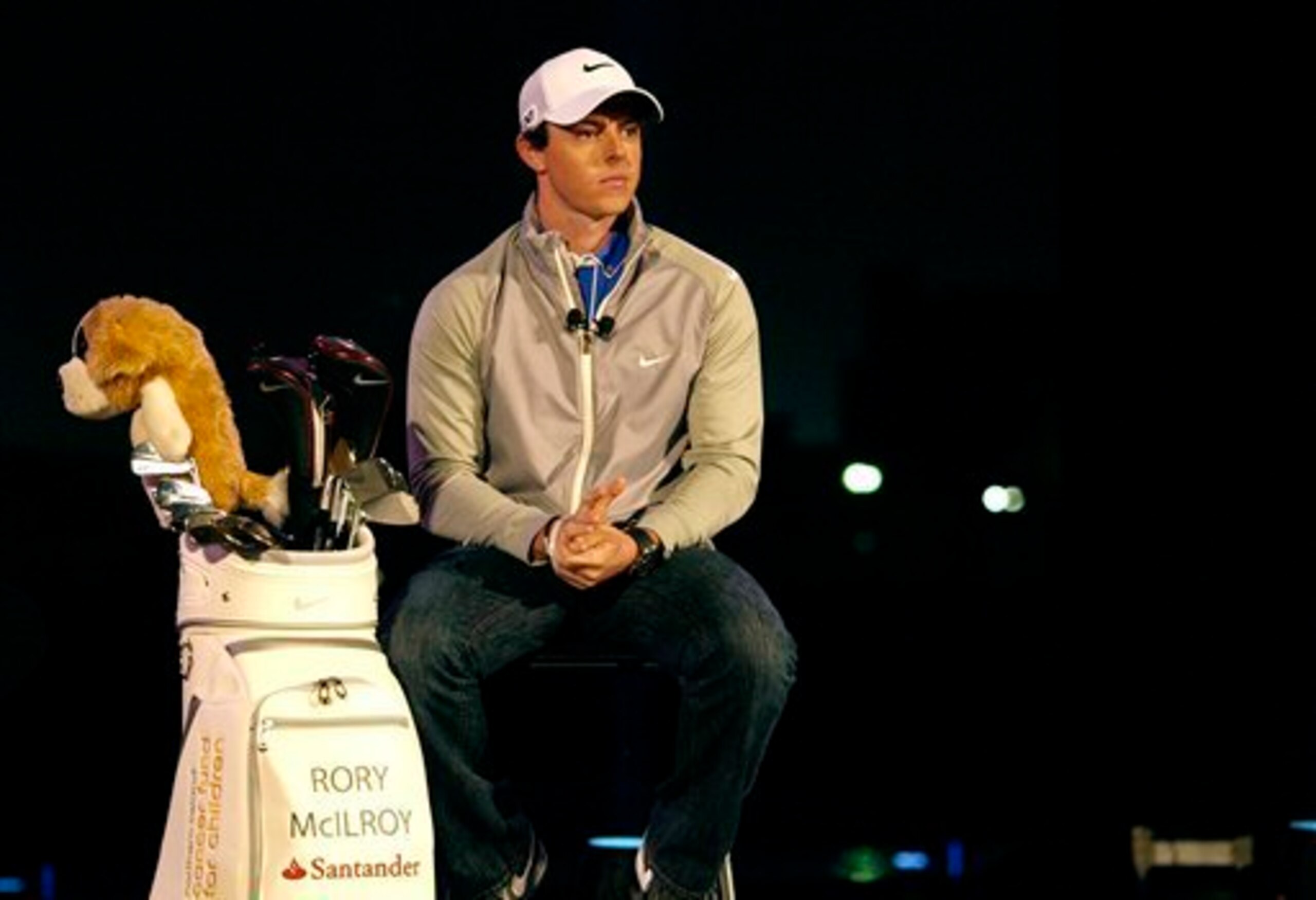
Rory McIlroy’s $200 million Nike deal is more than likely going to be the last of its kind that we will see for a very long time in the game of golf. And the vast majority of professionals will almost certainly see a decrease in their endorsement earnings in the years after Woods has departed from the game.
According to the former president of CBS Sports Neal Pilson, television ratings typically drop by between 30 and 50 percent when Tiger Woods is not in the field or not in contention.
We must also keep in mind that these decreases occurred while Woods may have been out with an injury or was simply not playing well, but they were during a time when Woods was still an active member of the PGA Tour.
Remove Woods from professional golf completely, and the ratings are likely to dip even further.
Lower ratings, of course, mean that fewer eyes are focused on various golf telecasts throughout the season.
Fewer eyes on golf telecasts means less value for sponsors that are currently paying large sums of money for players to use their equipment and wear their logos.
If you consider that the television ratings for most PGA Tour events will be cut by somewhere in the vicinity of 50 percent after Woods has left the game, one can only assume that the sponsorship values of professional golfers will also be cut by at least 50 percent.
Why in the world would any company continue paying golfers large sums of money to wear their logos when the sport’s audience has been cut in half?
It simply won’t happen.
The days of massive golf endorsement deals will be a thing of the past once Woods officially departs from the game.
Woods has single-handedly made a great deal of money for everyone involved in the game of golf over the past 20 years, and a good chunk of that money will almost certainly follow Woods into retirement when that day finally arrives.
Golf Will Survive, but It Will Not Thrive
6 of 6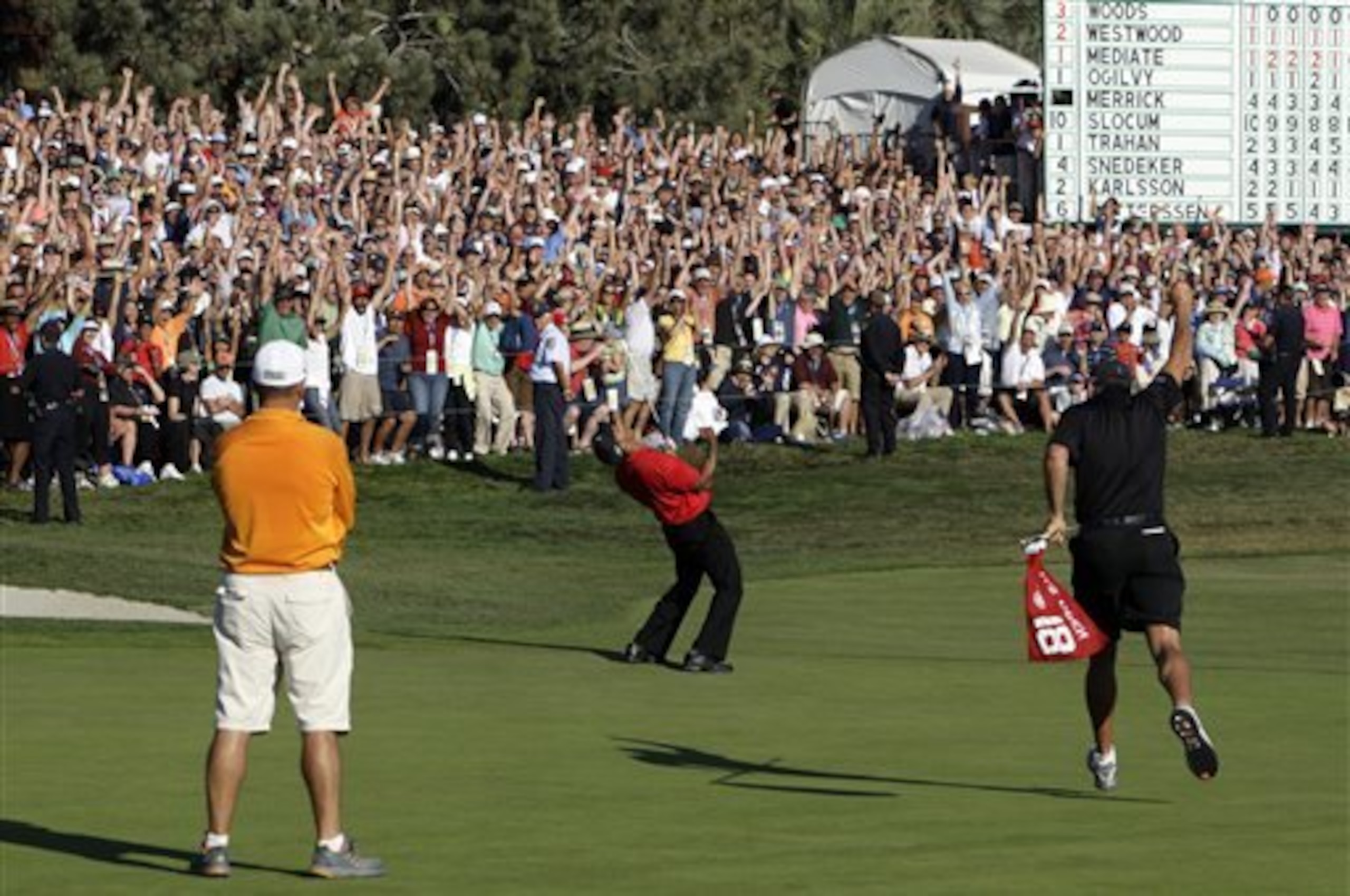
This article is not meant to serve as some kind of doom-and-gloom, end-of-days prediction for the game of golf.
Golf has been played in a somewhat professional capacity for more than 150 years.
Great players have come and gone throughout the game’s history.
Golf has survived world wars, globalization, financial recessions and even the Great Depression.
The PGA Tour existed 30 years ago, it exists today and will almost certainly exist 30 years from now.
Plain and simple, golf isn’t going anywhere.
However, there is a big difference between a sport that is surviving and a sport that is thriving.
The NFL is thriving, while sports such as heavyweight boxing and horse racing are simply surviving.
Boxing and horse racing are by no means extinct, but one would certainly not describe them as thriving sports either, at least not in America.
Golf has thrived over the past 20 years and reached a level of popularity that no one thought was possible for a “fringe” sport.
The next 20 years will likely look a lot different for the game of golf.
Golf will survive, but it may be a very long time before we see the game thrive in a manner even remotely close to the way it in which it did during the Tiger Woods era.
.jpg?w=2560 "Falcons Saints Football")
.jpg?w=2560 "Rams Eagles Football")
.jpg?w=2560 "Injury-stricken Seahawks signing veteran RB")


.jpg?w=2560 "2 NFL Officials Suspended")
