

Australia's Biggest Headache at the 2015 Cricket World Cup Is the Captaincy
Michael Clarke, Steven Smith and George Bailey: Three fine batsmen, three fine captains, one awkward situation.
The trio's predicament is perhaps Australia's only headache entering the 2015 Cricket World Cup on home soil. Everything else is falling into place for coach Darren Lehmann and his players: They blew away South Africa in November, they've just done the same to India and England, the squad is packed with depth and dynamism and they hold the ICC's No. 1 ranking in this format.
Yet still there lingers an uncomfortable leadership quandary—one that some will argue is just a natural consequence of the strength of the side; one that others will suggest is a potential cause of friction and distraction.

.jpg?w=2560)
It could go either way. It might even go both ways. But this is the thing: When entering a World Cup, the last place where you want your problems to start is at the top.
And that's where Australia's sole issue rests.
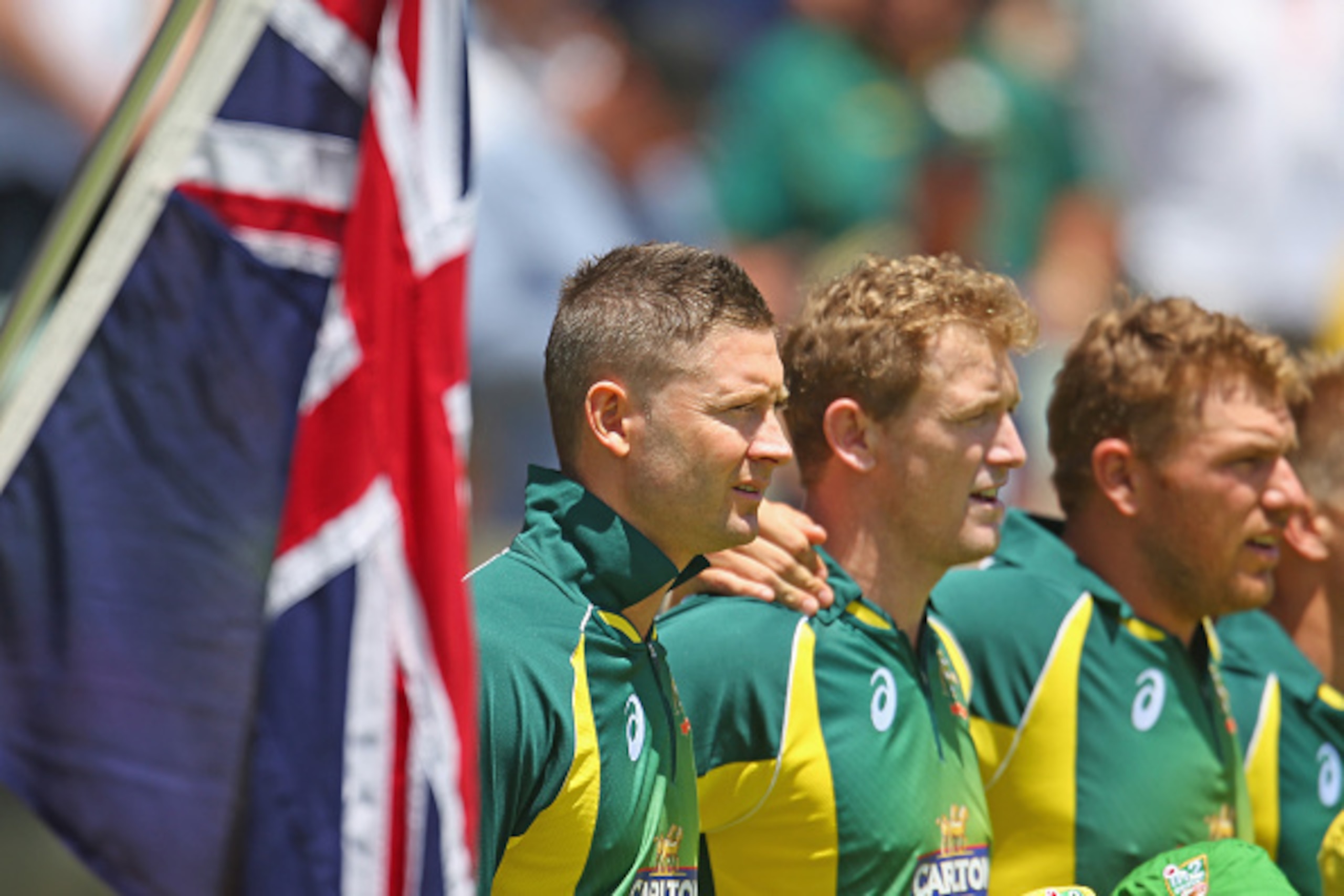
Of course, the major factor is Michael Clarke's uncertain status ahead of the tournament's opener against England in Melbourne on Saturday. And the concern surrounding the Australian captain is multidimensional, with doubt surrounding (a) the exact date of his return, (b) the sort of form he's carrying and (c) how long his recovering body will last.
"Michael, if he gets through training tomorrow, hopefully he'll play the trial game on Wednesday," Lehmann told Fox Sports on Monday, per Brydon Coverdale of ESPN Cricinfo, despite suggesting it would be unlikely for Clarke to make his full return for Saturday's opening clash with England.
"So that's a pleasing thing for us. He's trained the house down ... now it's a case of getting up to speed with the fielding and away he goes from there."
If the 33-year-old does line up in Australia's warm-up match against the UAE this week, it will be his third outing since surgery on his hamstring, having played grade cricket in Sydney and an unofficial one-day game against a Bangladesh XI in Brisbane last week.
But that would mean—assuming he's still targeting Australia's second World Cup match against Bangladesh on February 21—that Clarke will enter the tournament with only minor batting practice and without a single innings in first-class or top-level one-day cricket in more than two months.
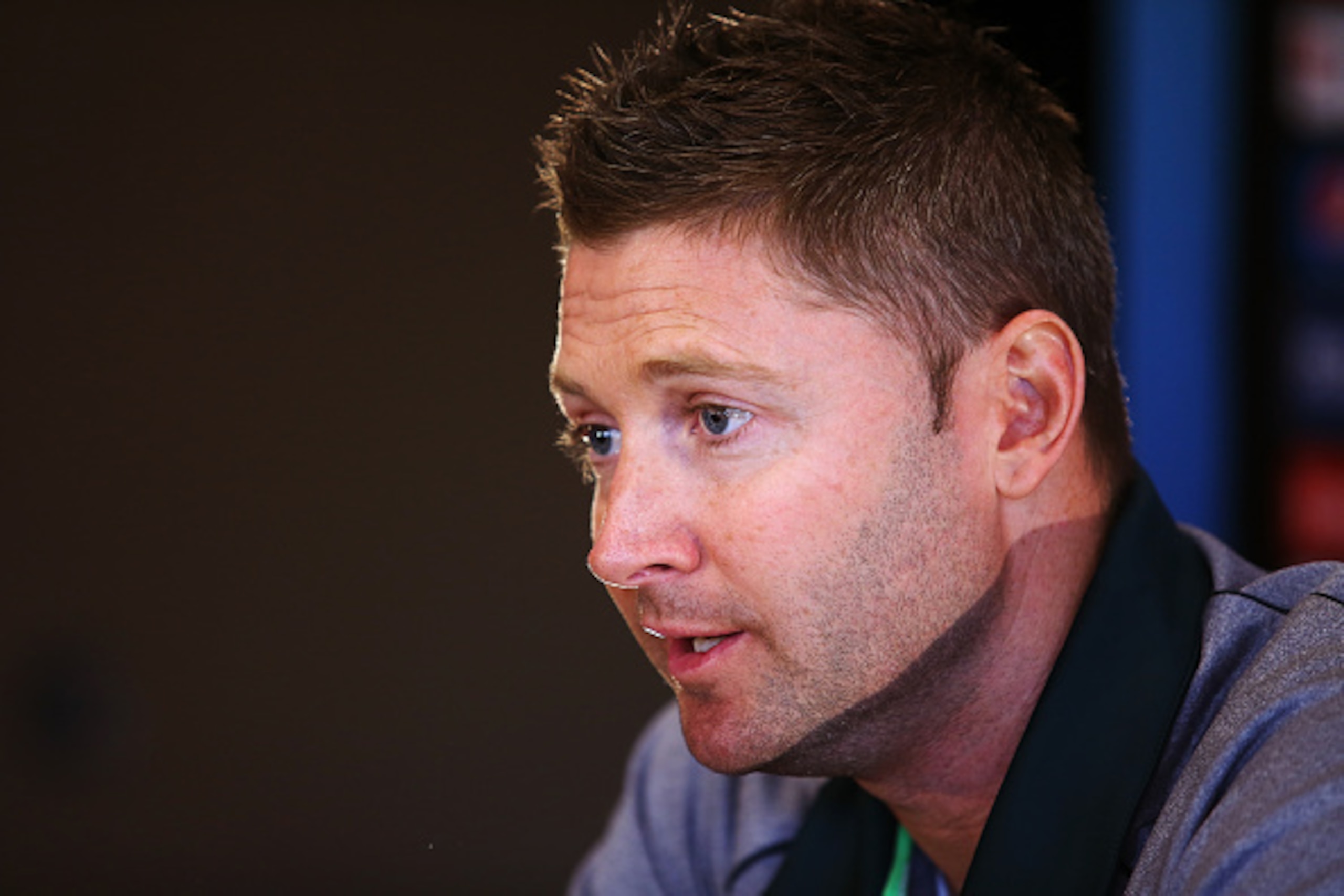
Is that really enough? Does such a small amount of cricket really prove his readiness? What happens if he suffers a recurrence?
That's where it gets sticky. In Clarke's likely absence for the tournament opener, Bailey, named vice-captain, looks like the man who'll lead the hosts. But the Tasmanian's form has deserted him—he scored just 17 runs in the recent triangular series and has just one half-century in his last 14 one-day international innings.
For Bailey, that sparkling tour of India in late 2013 feels like a lifetime ago. And should Clarke return for the clash with Bangladesh, it will be Bailey who makes way, the captain will replace his deputy.
In the event of Clarke's return, Australia's stand-in leader will go from calling the shots to running the drinks—an undesirable outcome for all parties.
It's a captaincy conundrum that looks awkward, and one that will only be further complicated if Clarke's surgically repaired hamstring doesn't last the duration of the World Cup.

On current form, it's entirely possible that Bailey might be overlooked for a recall to the XI even if Australia's usual captain were to go down with injury once more at some point.
As middle-order options, the hosts have Smith, Shane Watson, Glenn Maxwell and Mitchell Marsh all available and currently prospering with the bat. How would the out-of-form Bailey force his way back in?
He might, maybe, but it seems improbable right now.
That would leave Smith to take the reins from Clarke, given that the 25-year-old is currently enjoying a truly spectacular summer.
But that would mean three different captains in one tournament for Australia. It's a number that would be two too many.
Despite the hosts' form line heading in, success in international cricket is heavily pinned to stability and continuity. Dominance is rarely associated with reshuffling.
Australia are still the team to beat in this World Cup, yes. But unnervingly, the team's headaches start and end at the top.



.jpg?w=2560 "Viral Rams Coach Vid 🖕")

.jpg?w=2560 "Injury-stricken Seahawks signing veteran RB")
