

Cricket World Cup 2015: Why India's Key Player Is Virat Kohli
Virat Kohli was just 22 when he helped India win the World Cup in 2011.
Still relatively wet behind the ears having played only the 45 one-day games, the batsman made 35 from 49 balls in the final against Sri Lanka in Mumbai.
Perhaps, though, the more memorable contribution he made to the day came after the match had finished.

.jpg?w=2560)
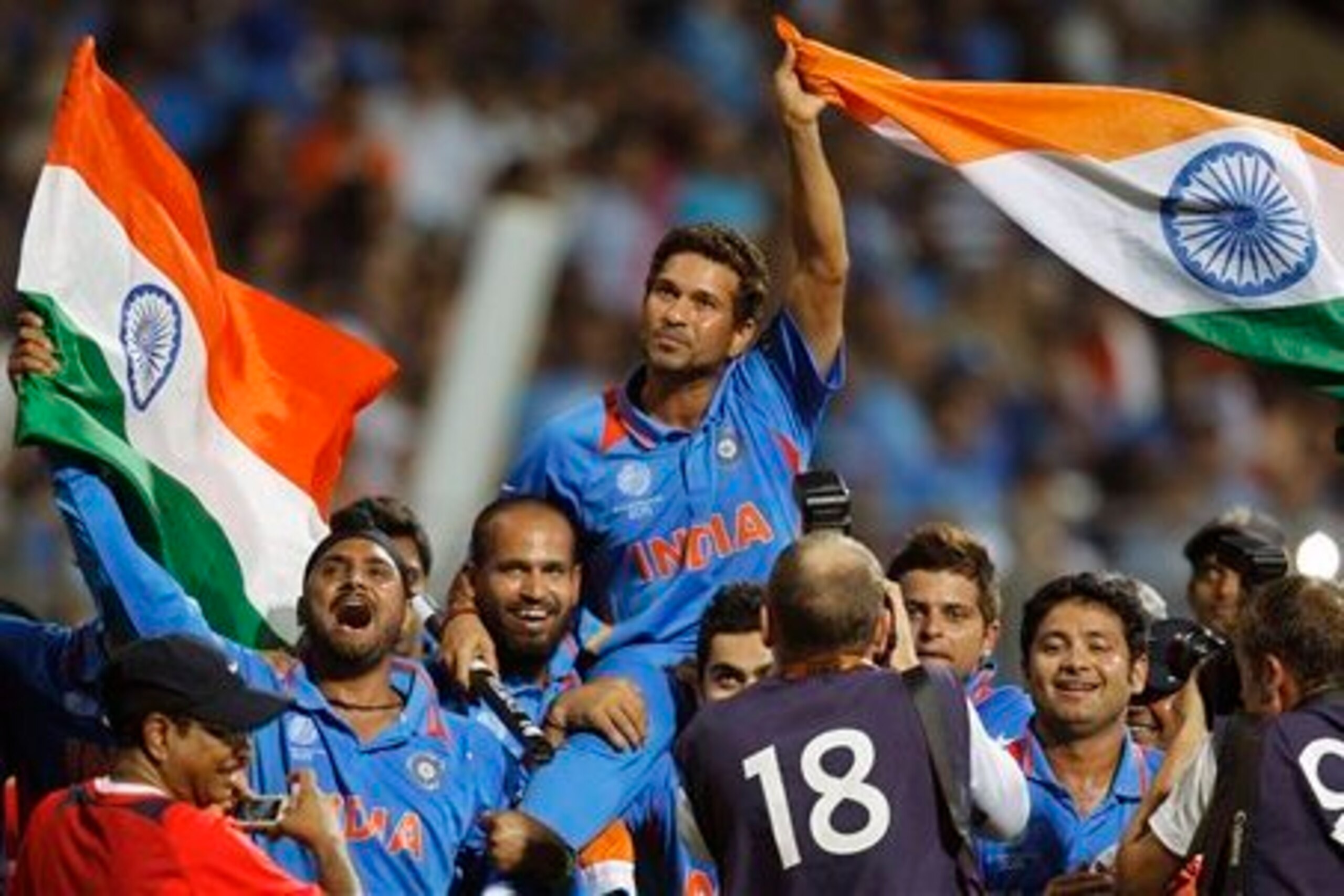
The great Sachin Tendulkar made just 18 with the bat but still ended up as a World Cup winner at the sixth, and final, attempt.
During the celebrations, Kohli helped carry his compatriot aloft during a lap of honour around the Wankhede Stadium, Tendulkar's home ground.
When asked about his actions, Kohli responded (h/t cricketcountry.com): “Tendulkar has carried the burden of the nation for 21 years. It is time we carried him on our shoulders.”
His quote, so soon after India had triumphed in a match they were under immense pressure to win in front of their own supporters, was rather poetic. He understood the importance of Tendulkar for more than just the runs he scored.
Now, though, that burden no longer sits on the shoulders of the Little Master.
Instead, Kohli is the centre of attention. He is the darling of India's besotted fans. The young man who spoke so eloquently after the last final is the one carrying the hopes of a cricket-mad nation.
In the four years since that 2011 final, Kohli has continued to blossom as an international star.
He has already scored over 6,000 runs and hit 21 centuries in one-day cricket; an astonishing number considering he’s 26. It is quite possible that, as a batsman, he’s only just entering his prime.
There is a long way for him to go to catch Tendulkar's career tally of 18,426 runs but records are there to be broken.
Kohli's form is understandably better on the Indian pitches he is more accustomed to, but he is not just a back-yard bully: He averages 49.09 when playing abroad in 50-over cricket, while only one of his five highest scores in the format has come on home soil (h/t ESPN Cricinfo):
| Score | Opponents | Venue |
| 183 | Pakistan | Dhaka |
| 139 n/o | Sri Lanka | Ranchi |
| 136 | Bangladesh | Fatullah |
| 133 n/o | Sri Lanka | Hobart |
| 128 n/o | Sri Lanka | Colombo |
He has also developed a wonderful reputation for being the master of a run chase; he has made 14 of his 21 ODI centuries in such circumstances, averaging 64.27 when India bat second.
To go with the classical technique there is a ruthless streak running through Kohli. He is alive to the match situation but never succumbs to scoreboard pressure.
Speaking to NDTV, former India coach Gary Kirsten—who was in charge during the 2011 World Cup—underlined the importance of Kohli to the current team: “Virat is the key from India's point of view. The way he is batting, his approach, the way he understands the situation and reacts, that is the key.”
Kohli’s one-day performances of late have been a little concerning; he made just 24 runs in four games in the Carlton Mid One-Day International Tri-Series.
However, it is not long ago that the right-hander hit 692 runs, including four centuries, in the four-Test series against Australia.
India need him to get somewhere near that kind of form again; they also have question marks over their bowling, not helped by the loss of Ishant Sharma, per the Guardian.
There are also concerns over the construction of the top order, meaning it is not quite known yet if Kohli will bat at three or four in the order.
Rohit Sharma has had his injury problems, while his usual opening partner, Shikhar Dhawan, has found scores tough to come by during a long, arduous tour that now climaxes with a long, arduous World Cup.
No matter when he comes in, though, Kohli is the key man. His wicket is the one opposing bowlers value the most.
If he can play a starring role in helping India retain their crown, perhaps he will be the one being carried around the MCG in Melbourne on Mar. 29.




.jpg?w=2560 "2 NFL Officials Suspended")

.jpg?w=2560 "Viral Rams Coach Vid 🖕")