

World Cup 2015: Why the Associate Nations Deserve Our Support
Sports fans often gravitate towards supporting the underdog at major tournaments. It is a natural human instinct.
The UAE, Afghanistan, Ireland and Scotland are all competing at the upcoming World Cup and will be hoping for some positive performances on the biggest stage. For many fans, this will be a first opportunity to see them play.
Supporting the underdog is understandable, but the so-called minnows of international cricket deserve support for more important reasons.

.jpg?w=2560 "Rams Raiders Football")

The international cricket calendar is weighted heavily toward the major Test playing nations. The ICC have always had financial considerations at the forefront of their mind, and it shows.
We, the fans, are treated to series after series involving the same teams. Variety should be something to strive for, yet the stranglehold the “Big Three” of India, Australia and England has over the sport is absolute. Decisions are made to increase revenue, not to further the smaller sides’ growth.
ICC chief executive David Richardson recently spoke to ESPN Cricinfo of the move to a ten-team World Cup format for 2019.
He emphasised the need for “competitiveness,” but it is really another step toward reinforcing the traditional elite’s dominance. This reduction of sides is undoubtedly a step in the wrong direction. It will make associate nations’ qualification much tougher in the future.
If the associates put on a good showing in the World Cup Down Under, it will certainly further their cause for recognition. There is every reason to believe that they will do so.
While Test playing sides Bangladesh and Zimbabwe have stagnated recently, many associate nations have come on leaps and bounds. Despite this, there are still widespread misconceptions about some of these teams.
"Graeme Smith says "a lot of these guys will be amateur cricketers" about Scotland. It's a fully professional squad
— Tim (@timwig_cricket) February 7, 2015"
The World Cup is a valuable opportunity to put right preconceptions.
There will be a difference in quality. There will be batting collapses. There will be ineffectual bowling. But these teams are better than most people think.
Scotland and Ireland contain established English county cricket professionals. Ireland’s 36-year-old Sussex batsman Ed Joyce was one of the best players in England last season.
Scotland’s Calum MacLeod is a bright talent plying his trade at Durham and hit two brutal centuries in qualification for the tournament.
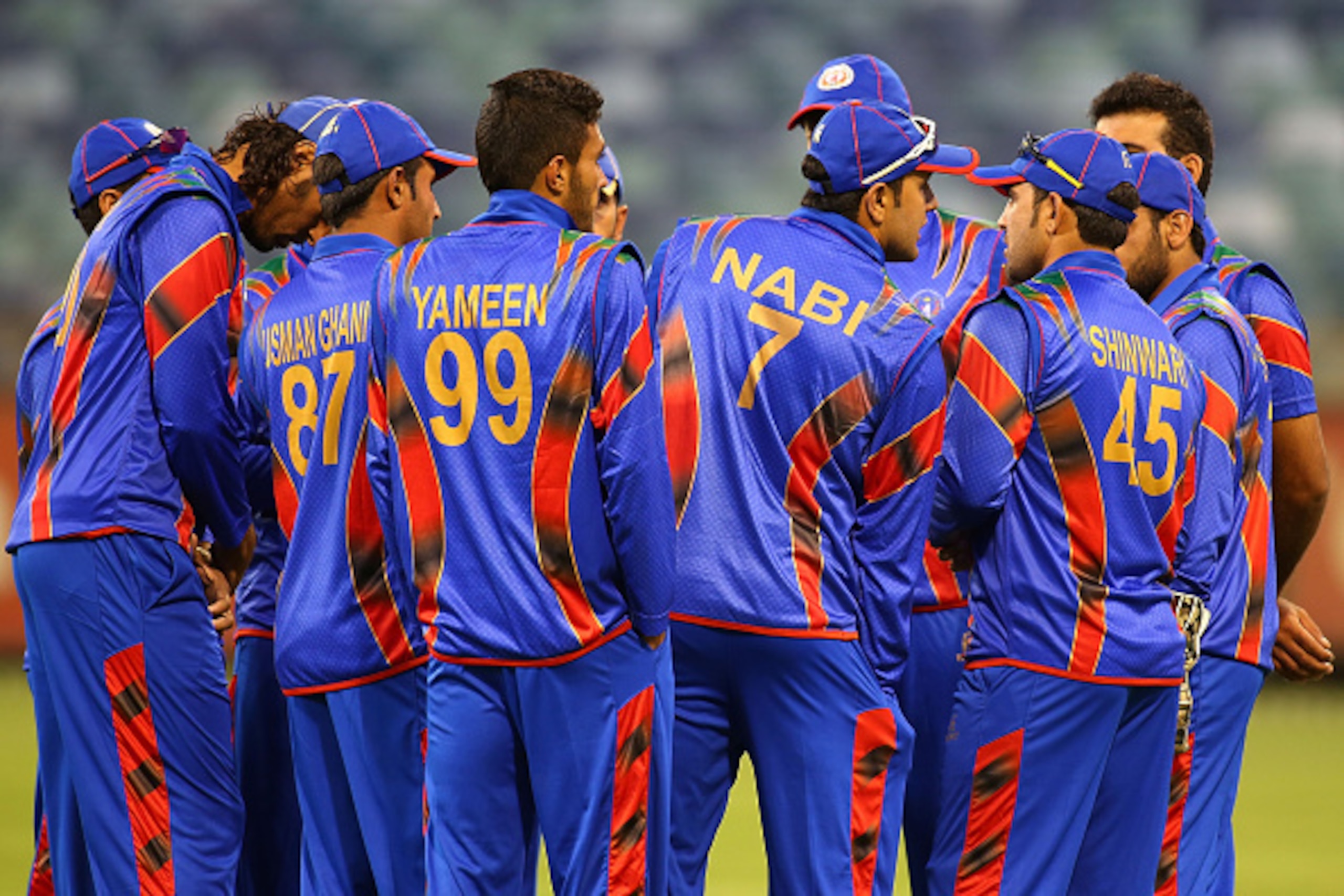
Afghanistan travel to Australia and New Zealand with the second youngest squad in the tournament. They only became an affiliate member of the ICC in 2001 and have prospered as a team despite perpetual war.
Their rise has been impressive, and their presence at the World Cup should be celebrated.
Think of your favourite sporting moments. Many have probably come at major tournaments. Many have probably been upsets. The thrill of underdogs upsetting the odds, too, is unparalleled.
Think back to last year. The Twenty20 World Cup provided a shock for England fans when the Netherlands bowled them out for just 88. In doing so, they became the first associate to beat a Test team twice in T20 internationals.
However, Ireland have provided the most shocks. Their performance at the 2007 World Cup was as unexpected as it was brilliant. Ireland beat Pakistan to progress from the group before also defeating Bangladesh in the next round.
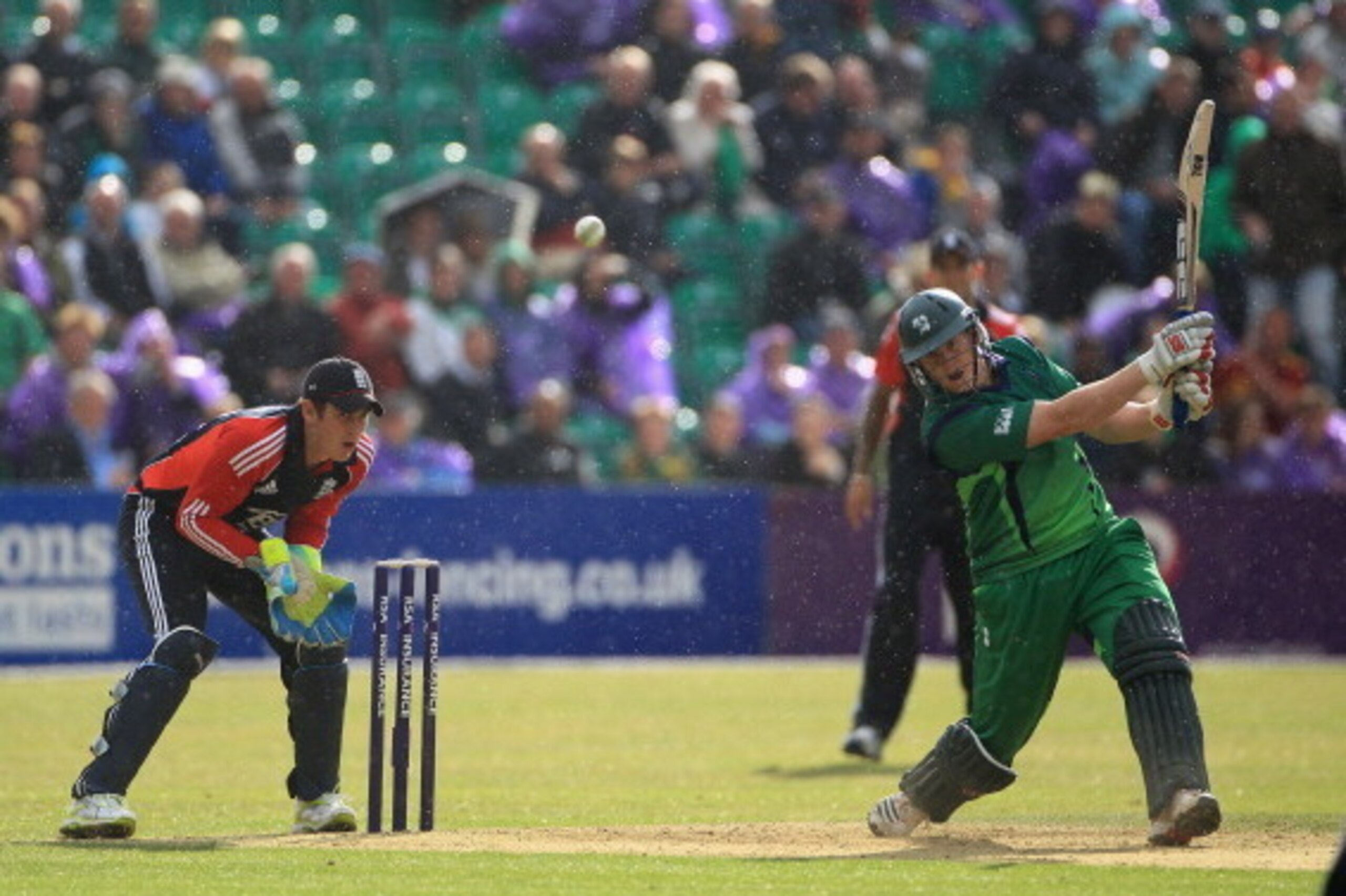
At the 2011 World Cup, they chased 328 to beat England in Bangalore and provide the pinnacle of associate upsets. Kevin O’Brien smashed 100 off just 50 balls, the fastest century in World Cup history. The innings almost singlehandedly challenged the ICC’s stance on associates at the World Cup.
Could there be a similar performance at the 2015 World Cup?
Well, Ireland and Afghanistan, in particular, stand a genuine chance of beating established sides. The West Indies are in internal disarray. Bangladesh and Zimbabwe are weak.
Meanwhile, Scotland and the UAE stand a chance of surprising a few people, and that is what international tournaments should be about.
Our support for the associate nations should be more than a mere underdog affiliation. These sides represent the essence of cricket—of a sport open to anybody.
The ICC’s continual safeguarding of the Test playing nations' dominance needs challenging. A strong performance from the so-called minnows could act as the basis of such resistance.
If the World Cup is truly representative of the whole world, then the associate nations deserve our support, and their moment in the limelight.



.jpg?w=2560 "Rodgers Iced Out on Plane 💎")

.jpg?w=2560 "🚨 Week 8 AP Top 25 Poll")
