
Highs and Lows Only Pittsburgh Sports Fans Would Understand
Every town has an identity—and I don't mean the "identity" the rest of the world gives it through stereotypes and bad gift shop T-shirts. I mean the identity that those who have the town in their blood know, whether they were born there or adopted.
And a significant part of any community's identity is its sports history. The athletes who call the town home, the big wins and losses, the teams themselves—these are all part of the fabric of a community.
Every place has its own uniquely painful lows and joyous highs.
As a historically iconic sports town, Pittsburgh suffers from a disease that many cities understand well: the curse of success. The Steelers are the only NFL franchise with six Super Bowl wins. When you factor in the championships and timeless athletes of the Pirates and Penguins, failure is an especially painful reminder of what was, rather than what is.
Pittsburgh is a sports town defined by black and gold—the people who love sports and call it home know what it means to live and die by the outcome on the field.
These highs and lows only Pittsburgh sports fans would understand.
High: Three (Relatively) New Stadiums
1 of 20
Considering what an abject disaster getting stadiums funded has been around the country, a relatively small city like Pittsburgh is very fortunate to have three top-notch facilities. They’re all easily accessible, located within the city limits, and in a responsible manner that does not threaten to drag the county down financially for decades.
A stark contrast to what Miami-Dade County will be dealing with for a very long time, having been duped into financing Marlins Park by one of the worst owners in professional sports.
Low: Saying Goodbye to the Igloo
2 of 20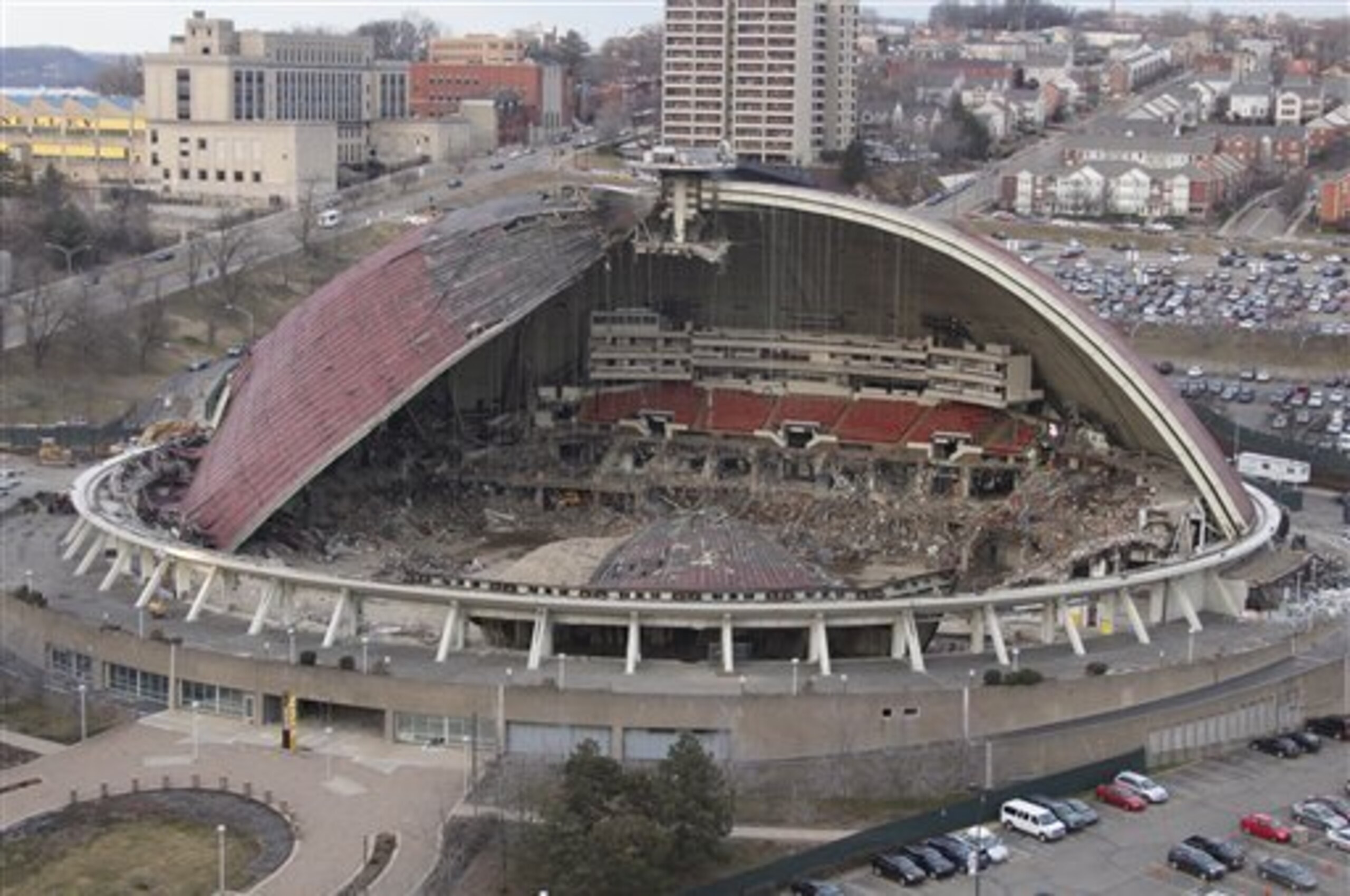
Although a new home for the Penguins was long overdue, especially from the team’s perspective—getting a deal done for a new arena was vital to keeping the franchise from relocating to Kansas City in 2007—many longtime fans were not ready to say goodbye to their old home.
High: Mario Jr.
3 of 20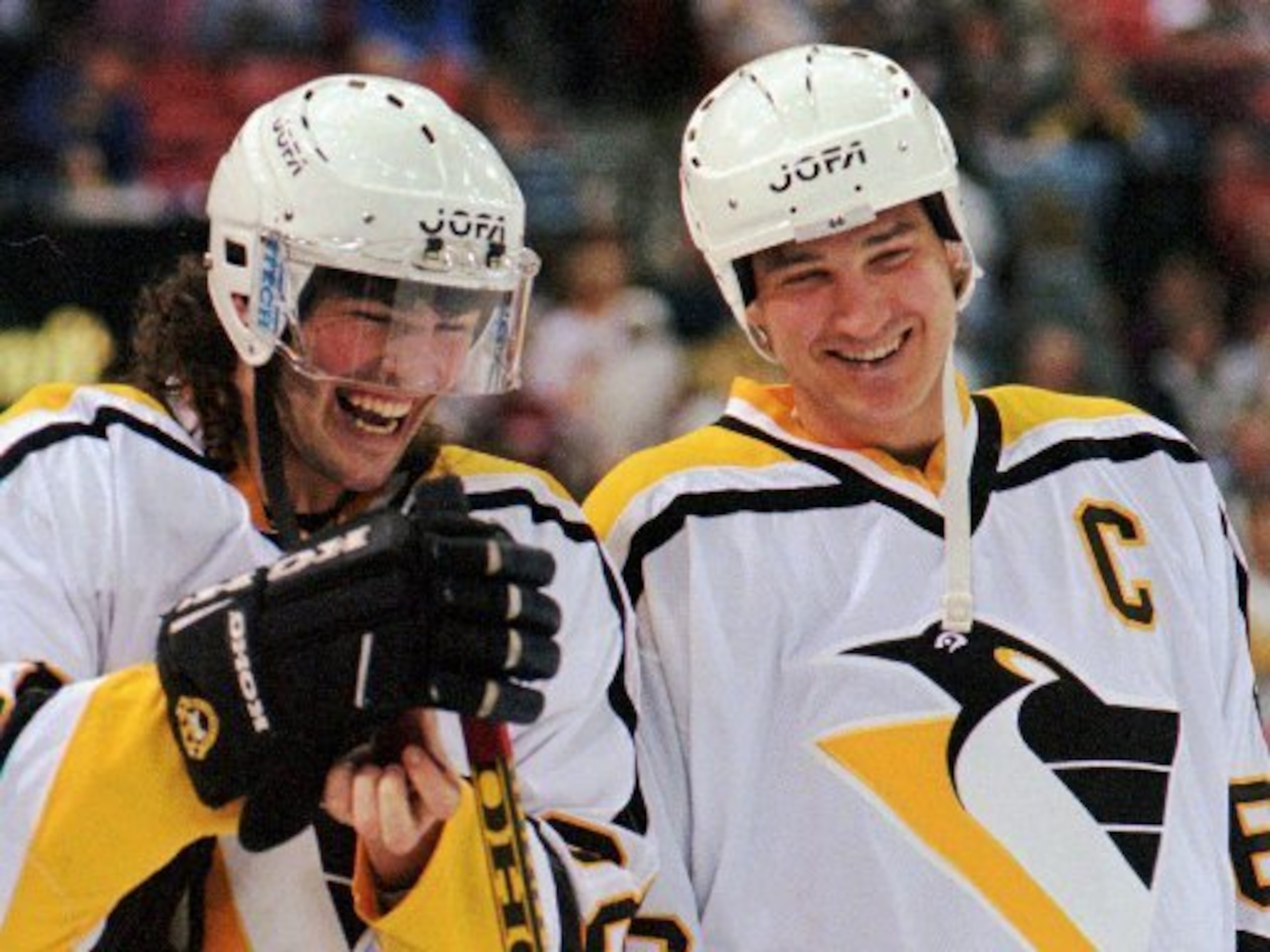
When Mario Lemieux was healthy in the '90s, there was no more dynamic duo in hockey, or any other sport, than he and Jaromir Jagr. “Jaromir,” after all, is, as all Penguins fans know, an anagram for “Mario Jr.”
Jagr played the first decade of his career in Pittsburgh, where he quickly emerged as one of the NHL’s preeminent superstars. He was absolutely beloved by fans, who were left heartbroken when the financially struggling franchise was forced to trade him in 2001.

.jpg?w=2560)
Low: Jaromir Jagr
4 of 20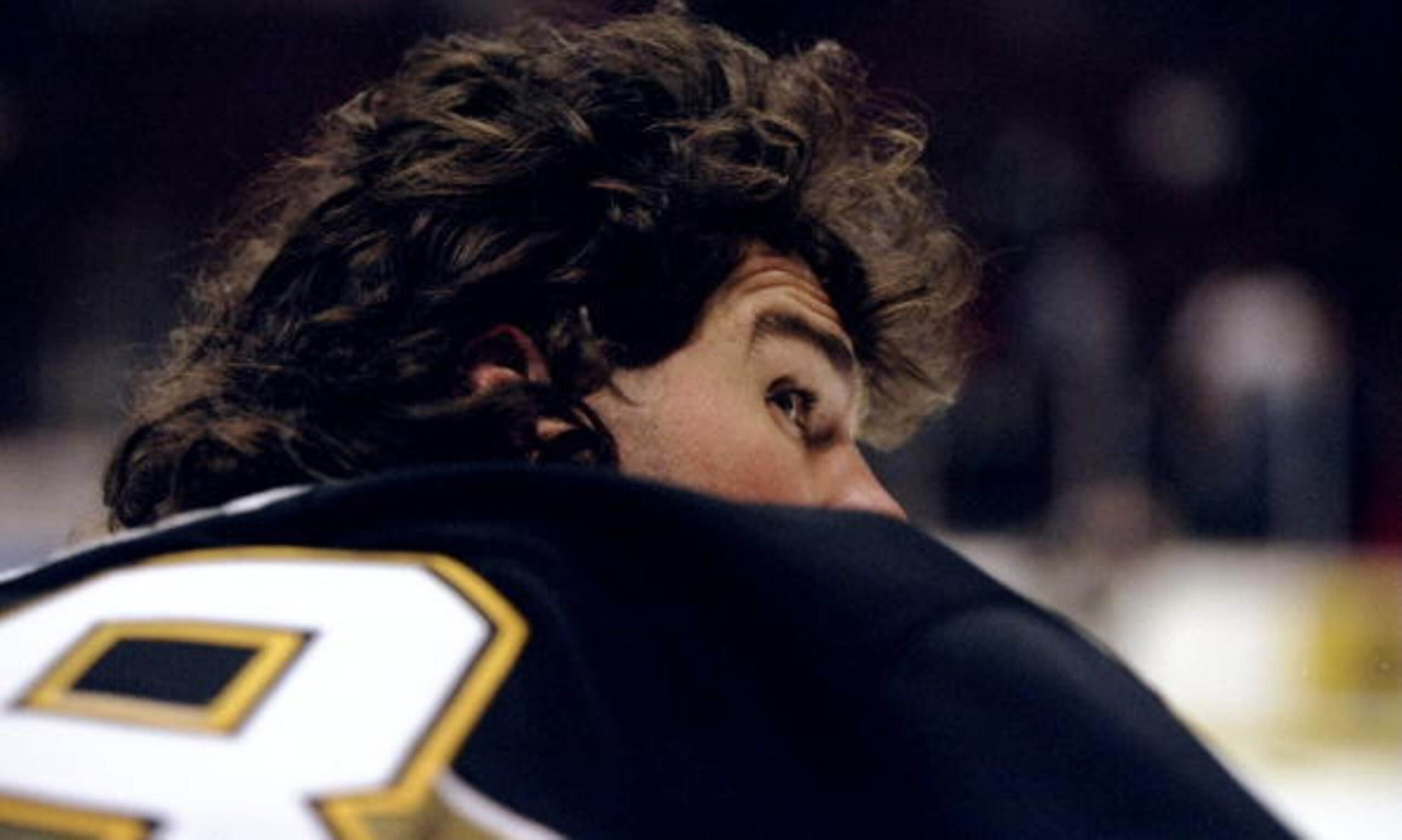
The loss of Jaromir Jagr was a tough pill to swallow for Penguins fans, but what made it worse was the way he left. Having won two Stanley cups by the age of 20, in 1992 Jagr told Sports Illustrated, “If they have no money, trade me. I want to be traded where there’s beaches. I have two Stanley Cup rings. I don’t need more rings. I just need money and beaches and girls.”
Largely ignored by fans as long as he was still in Pittsburgh, Jagr’s obvious lack of loyalty and irritatingly casual attitude about the game really started to fester after he was traded in 2001. For many the sadness quickly turned to hate, perhaps because we should’ve seen it coming for a very long time. Jagr was always very clear about his priorities back then—we were just blinded by all that offensive production.
The latest chapter in the Penguins fans vs. Jaromir Jagr drama was written in 2011, when Pittsburgh didn’t just decide to forgive and forget, but also became obsessed with getting him back via free agency. The city became immersed in #JagrWatch. The frantic buzz it generated in the ‘Burgh eventually led to what was basically cyberstalking on a massive scale. Our desperation was palpable, which is why the whole thing felt doomed from the start. And it was, it really, really was—instead he signed with the Flyers.
You’d think we would have learned our collective lesson by now (personally, I have never wanted this guy back), but apparently fans in Pittsburgh are even more masochistic than had previously been believed. As of January, #JagrWatch is official back on, amid speculation that the Pens may try to acquire the 42-year-old from the Devils before the trade deadline.
High: 1974 Steelers Draft Class
5 of 20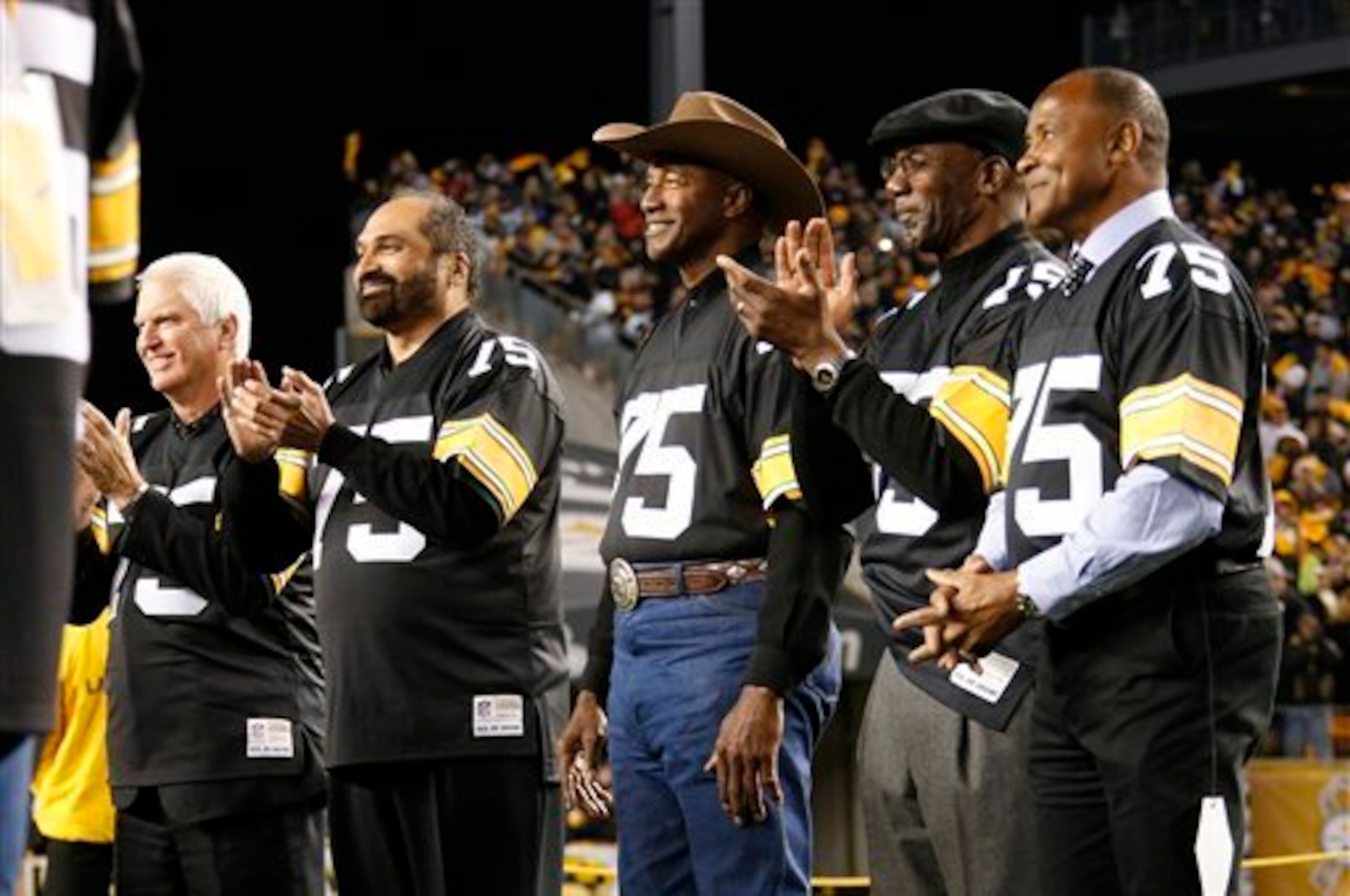
Everyone knows the stars aligned for the Steelers in the 1970s. They won four Super Bowls in six years and nine players from the era, as well as coach Chuck Noll, went on to be inducted into the Hall of Fame. An epic accomplishment in and of itself. What is, perhaps, more impressive is that four of those nine players came from a single draft class.
In 1974, the Steelers drafted Lynn Swann (No. 21 overall), Jack Lambert (No. 46), John Stallworth (No. 82) and Mike Webster (No. 125). Poor Jimmy Allen (No. 100 overall) was the only Steeler selected in the first five rounds who isn’t enshrined in Canton—he was traded to the Lions in 1978.
Pittsburgh’s 1974 draft class is widely considered “the single greatest draft class in NFL history.”
Low: Steelers Pass on Dan Marino
6 of 20
Steelers fans are often described not so affectionately as “spoiled,” especially by fans of the teams in Ohio that Steelers fans often describe not so affectionately as “endlessly and comically terrible.” That being said, those Ohioans aren’t necessarily wrong.
Despite having won an NFL-leading six Lombardi Trophies, fans in Pittsburgh seem to be increasingly obsessed with the team’s decision to pass on Hall of Fame quarterback Dan Mario in 1983.
Terry Bradshaw had been in decline for several years at that point and played in just one game that season, retiring at its conclusion. Born and raised in the ‘Burgh, Marino was a standout superstar at Pitt, which makes the decision to take Gabriel Rivera, who played just one season in the NFL, even more difficult to understand in hindsight. Of course, all decisions would be easy if we had the benefit of hindsight—stupid foresight is nothing but guesswork.
The Marino “what if” scenario has been endlessly discussed and debated in Pittsburgh over the years (Google “Steelers should have drafted Dan Marino” and you’ll see it’s become an annual affair), with team owner Dan Rooney having felt obligated to explain the decision-making process on more than one occasion.Rooney’s explanation actually differs from the account of Rivera, who has said Art Rooney “urged coach Chuck Noll to draft Marino.”
These days, all of the parties directly involved are at peace with the past. Marino may not have won a Super Bowl with the Dolphins, but things worked out pretty well for him. Rivera is at peace with his part in the discussion and the car accident that effectively ended his football career. It’s the fans that just can’t seem to let go, especially those of us born after 1980.
The Steelers played an awful lot of mediocre, and often downright awful, football over the next two decades, largely because they were either unwilling or unable to seriously address the quarterback position. Had they drafted Marino, there is simply no telling just how drastically the course of history would have been altered.
But, yeah, those Ohioans probably have a point.
High: Roberto Clemente
7 of 20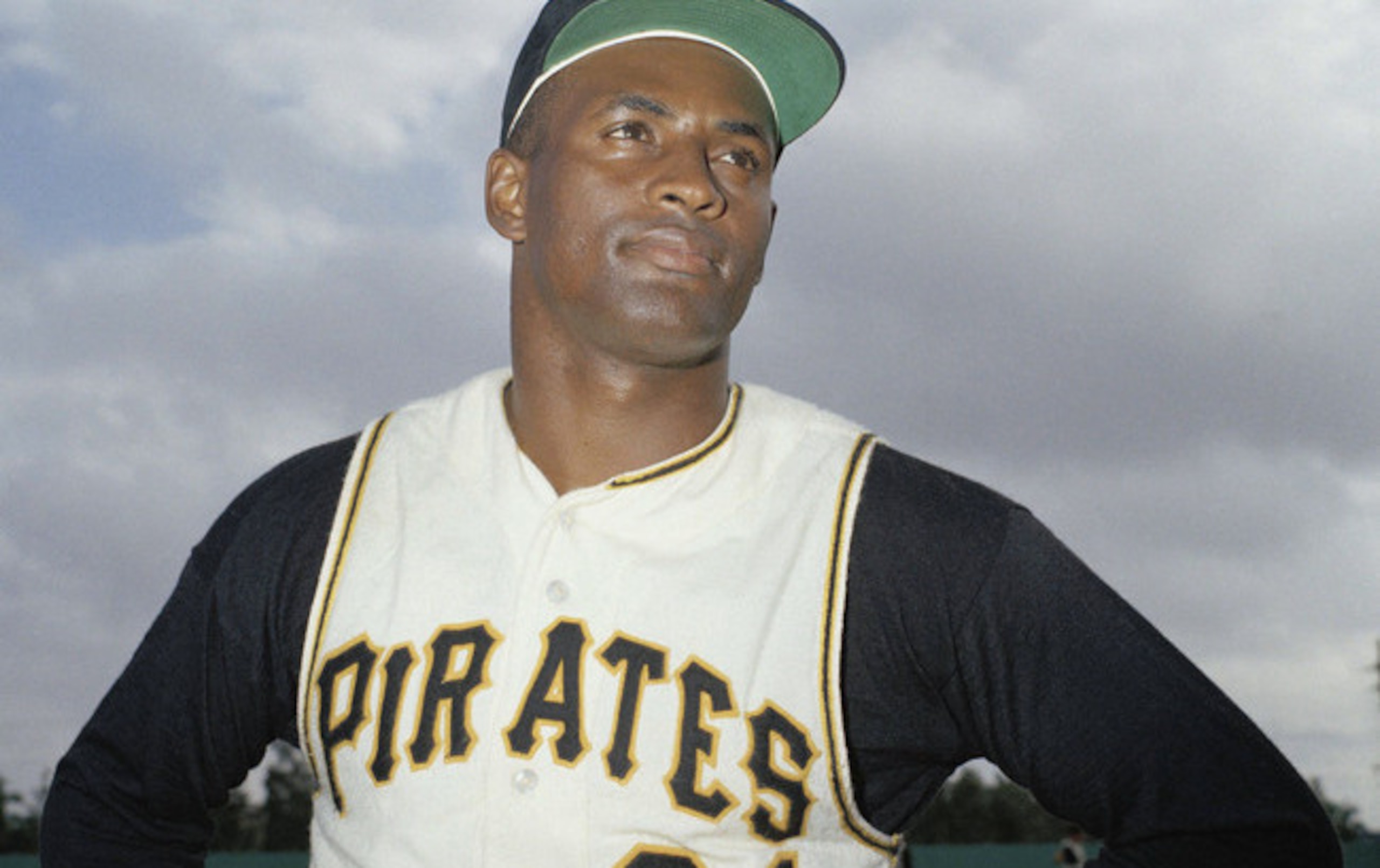
Although it’s all in the very distant past, the Pirates have a storied history, including World Series victories in 1909, 1925, 1960, 1971 and 1979. Not to mention Hall of Fame players like Honus Wagner, Ralph Kiner, Casey Stengel, Willie Stargell and Bill Mazeroski.
Of course, there may be no athlete more beloved and revered in Pittsburgh than the late, great Roberto Clemente. Between 1955 and 1972, Clemente won two championships with the Pirates, routinely breaking batting records along the way. He led the NL “in batting four times in the 1960s.”
A great player, but somehow an even better human being, the Puerto Rico native was a humanitarian at heart. Clemente was on a mission of mercy to Nicaragua, bringing supplies to earthquake survivors desperately in need, when his plane crashed in December 1972.
Low: Chad Hermansen
8 of 20
It isn’t fair to Chad Hermansen, or any other athlete for that matter, to put him in the very unenviable position of being measured up against Roberto Clemente, who isn’t just beloved in Pittsburgh—he’s respected and admired by pretty much everyone who has even the slightest inkling of who the man was. Of course, as we all know, life usually isn’t fair.
Honestly though, this isn’t really even about Hermansen, it’s about the era of Pirates baseball he represents. An era that spanned 20 full seasons—two entire decades!—from 1993 to 2012, during which time they never once finished above .500. It was a trying time for Buccos fans, who became painfully accustomed to the club’s penny-pinching, annual July fire sales, and a general lack of direction and desire to build a winning team.
Hermansen was just one of the Pirates’ scores of draft busts and free-agency flops from that unfortunate stretch. Selected No. 10 overall in 1995, Hermansen really impressed his first manager within the organization, Woody Huyke, who said, “He can walk on water.” Unfortunately he couldn’t hit a curve ball or field a ball, the latter of which really isn’t ideal for a shortstop. It certainly didn’t help matters that he was rushed along by a desperate franchise, crippling his development.
Like many before him in Pittsburgh, and even more after, Hermansen simply didn’t materialize—he never even had a shot. He started his first game with the Buccos in 1999 and his last in 2002. Hermansen’s career in the majors effectively ended in Pittsburgh—he played just 15 more games over the next two seasons.
High: Steelers Nation Representing on the Road
9 of 20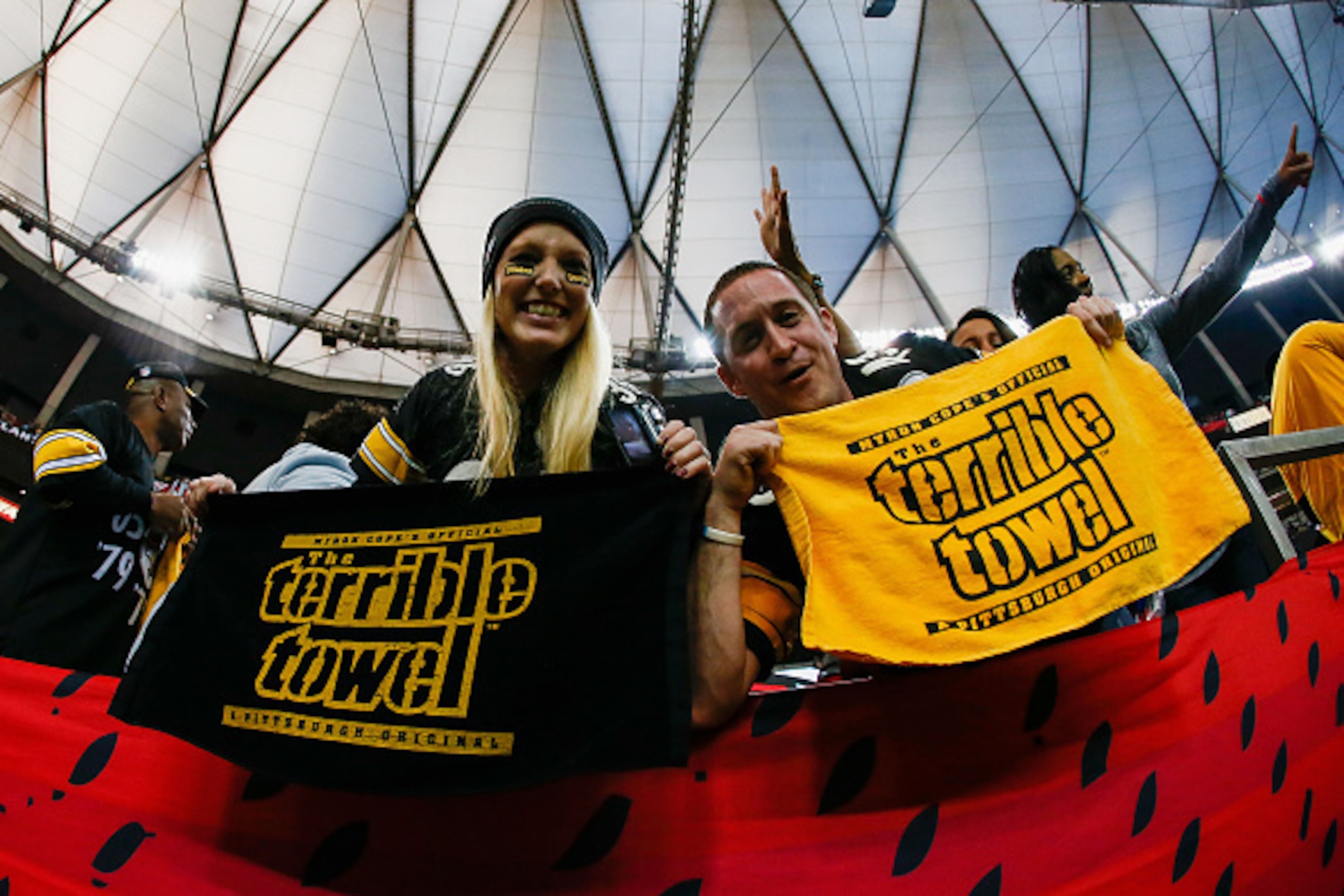
It’s always a proud moment for Steelers Nation when the stands are awash in a sea of Terrible Towels during a road game. Our collective heart swells (in a good way, not a congestive failure way) even more when that road game is broadcast nationally in prime time.
At some point during the aforementioned road games, the announcers will almost always mention something about Pittsburgh fans' well-earned reputation for traveling well. The prevailing perception obviously isn’t wrong, but it turns out it may actually be a sort of misnomer.
According to CBS’ Greg Gumbel, Steelers Nation isn’t quite as mobile as it seems. Although some fans crowd into buses and vans for regular road trips, a substantial number of those who attend road games are actually local to the area.
The assumption that most are from Pittsburgh or the surrounding areas is completely inaccurate. Steelers Nation extends (at least according to some maps) through most of Pennsylvania, Ohio, West Virginia, the Carolinas, Alaska and Hawaii.
The team also has a sizable international fanbase, with dozens of bars dedicated to the Black and Gold worldwide, and new ones popping up all the time. So it seems Steelers fans don’t travel quite as well we thought, because they don’t have to.
Low: Anthony Smith Guarantees Victory
10 of 20
There’s no question that Steelers fans have it pretty good, but that doesn’t mean we don’t get punched in the mouth every now and again. We certainly have it better than Browns fans—it’s like the city of Cleveland was built on an Indian burial ground or next to some sort of mythical perpetual punching machine. But I digress.
Getting punched in the mouth is never fun, but it’s particularly unpleasant when the blow is self-inflicted, as was the case when former Steelers safety Anthony Smith infamously guaranteed a win against the notoriously undefeated Patriots back in December 2007. “People keep asking me if we’re ready for the Patriots. They should be asking if they’re ready for us,” Smith said, adding, “We’re going to win. Yeah, I can guarantee a win.”
The Steelers did not win.
Someone should’ve told Smith that Tom Brady’s Patriots are fueled primarily on a completely manufactured "us against the world" inferiority complex before he opened his mouth. New England didn’t just blow Pittsburgh out, the Belichick-Brady bunch made sure to personally humiliate Smith along the way. And that mentality extends well beyond the confines of Gillette Stadium—the Boston sports media also made it their mission to mercilessly mock Smith, taking him to task for his insolence.
Under different circumstances Smith’s stupid guarantee probably would’ve been quickly forgotten, but there was something about it that just stuck.When Smith retired after the 2012, his infamous guarantee made national news all over again, this time as the defining moment of his largely unremarkable career.
Smith’s big mouth has haunted Steelers Nation for years, and continues to serve as a cautionary tale to anyone thinking about providing those villainously vindictive Patriots the bulletin board material they so love.
High: Back-to-Back Stanley Cups in 1991, 1992
11 of 20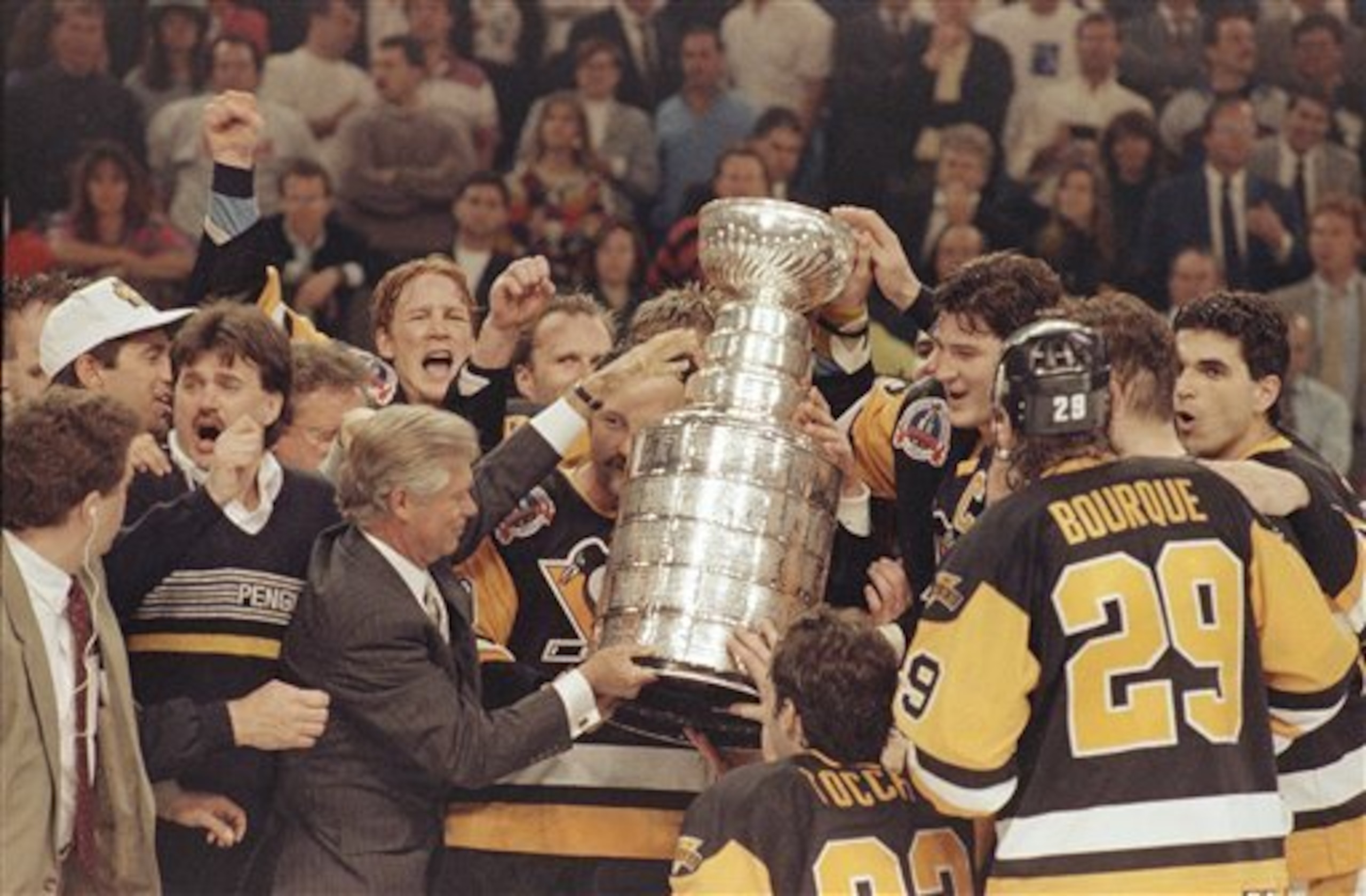
Any Pittsburgh fan old enough to remember the Penguins teams of the early 1990s knows just how lucky they are to have witnessed one of the greatest groups ever assembled in the NHL over three seasons. Among them were Hall of Famers like Mario Lemieux, Ron Francis, Paul Coffey, Joe Mullen, Bryan Trottier and Larry Murphy.
The Penguins won back-to-back Stanley Cups in 1991 and 1992, the first in franchise history, and they did it in dramatic fashion. Then-general manager Craig Patrick managed to make magic both seasons with dramatic midseason trades that sent some of the team’s biggest names packing. Patrick took a lot of risks early on in Pittsburgh and most were massive successes—some of the moves he made were nothing short of legendary.
Back then the entire city was gripped by hockey fever nine months out of the year. After the Pens easily swept the Blackhawks in the ’92 finals, it looked like a dynasty in the making—Montreal owned the '70s, the Islanders and Oilers owned the '80s, and we would own the '90s. Things had been going so well for so long that for a minute there it started to feel like it would never end.
Low: Game 7 OT Elimination by David Volek in 1993
12 of 20And then it ended.
The Penguins didn’t just pick up where they left off in the 1992-93 season, they actually took it up notch, finishing with a league-best 119 points, earning the President’s Trophy as the best regular-season team. Along the way they strung together a record-breaking stretch of 17 consecutive wins, which remains unbeaten to this day.
An “unprecedented offensive explosion” rocked the NHL, with the Pens leading the charge. Pittsburgh had four players break the century mark in points, with two others knocking on the door. The most remarkable achievement that season was that of Mario Lemieux, who was diagnosed with Hodgkin’s disease midway through the season. Lemieux would return 52 days later, having received 22 radiation treatments, and ultimately win the scoring title, despite missing 24 games.
Lemieux’s stunning and historic accomplishment created a sense of invincibility in Pittsburgh ahead of the postseason, at least among fans. The Penguins made short work of the Devils in the first round, winning 4-1. In the division finals they faced the Islanders, who were given absolutely no shot in the series. But apparently someone forgot to send the memo to Long Island, because those players battled like their lives were on the line through every single second of every single period through seven games.
At the end of 21 periods of hockey, Game 7 was tied 3-3 heading into overtime. Just five minutes and 16 seconds into OT, the dream of a Pens dynasty died. David Volek, who had previously never been heard of and hasn’t been heard from since, beat Penguins goalie Tom Barrasso on the most unremarkable slap shot you will ever see. It was one of the most soul-crushing moments in Pittsburgh sports history, one that more than two decades later still haunts those who witnessed it live.
High: NFL-Record Six Lombardi Trophies
13 of 20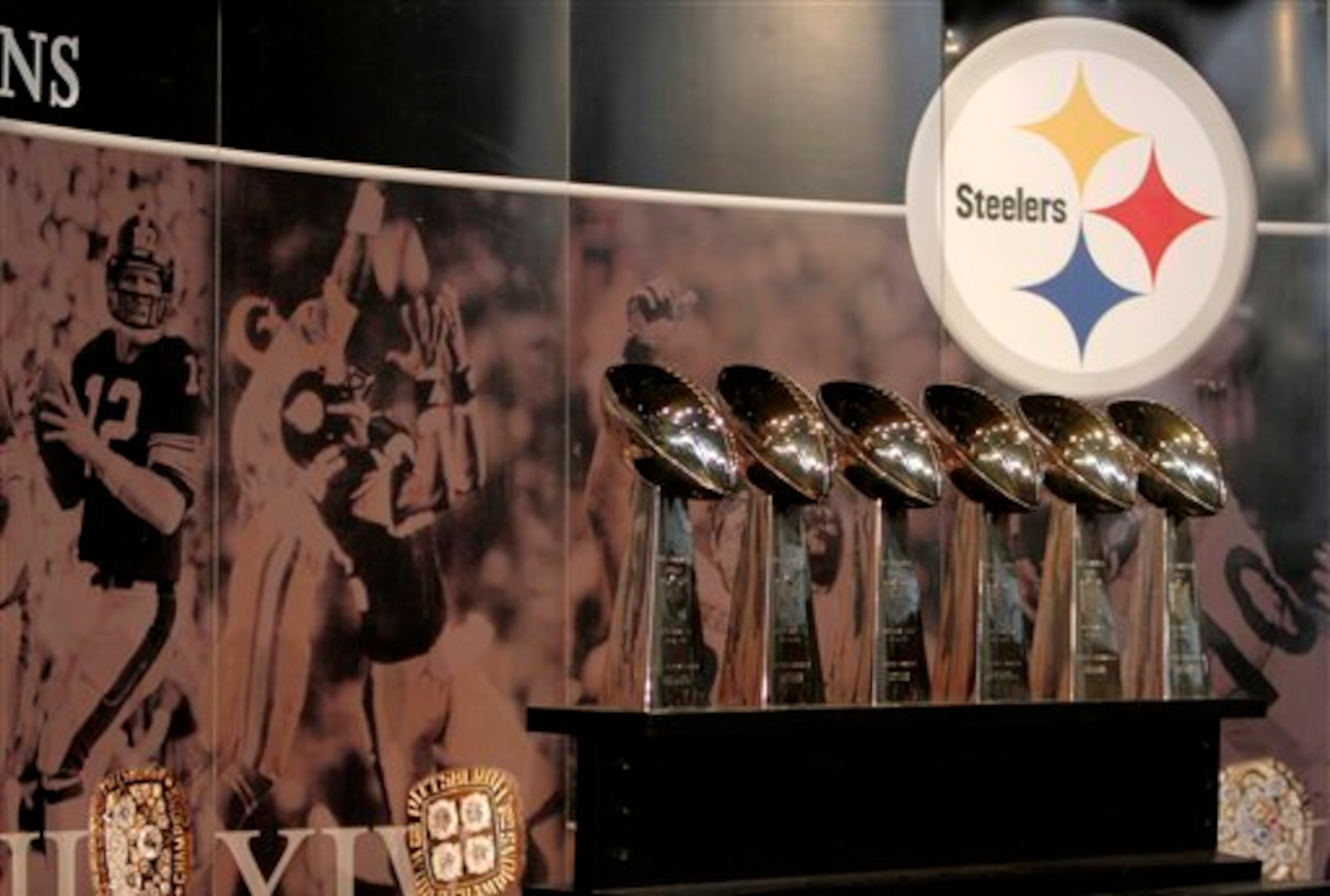
In terms of professional sports markets in the U.S., Pittsburgh doesn’t even rank among the top 20. But the 14 championships the Steel City lays claim to is just two fewer than that of Philadelphia, a No. 4 market.
The Steelers have provided six of Pittsburgh’s 14 total championships, which is six more than the Eagles have brought to Philly. While we’re all well aware that the rest of the country is just a smidgen behind the combined 90 titles Boston and New York are approaching, Pittsburgh fans know they have it pretty good.
The Steelers’ six Lombardi Trophies are the most in the NFL. The 49ers and Cowboys are just one behind with five, and the Patriots, Giants, and Packers all have four. This particular record is what keeps Steelers Nation warm during those lean years, when the team’s immediate outlook is as cold and bleak as those Pittsburgh winters.
Low: Steelers Loss to Cowboys in Super Bowl XXX
14 of 20
For most football fans, it seems that the only thing more memorable than the glory and glow that comes with winning a Super Bowl is, unfortunately, the shame and sadness that comes with losing a Super Bowl. That intoxicating championship buzz has to wear off eventually, but the sting of a loss stays with us forever.
The Steelers have won six of the eight championship games they’ve appeared in, which obviously means the other two went the opposite way. The most recent loss came against the Packers in 2011, but somehow that devastating loss to the Cowboys in Super Bowl XXX still hurts more, even after 19 years.
It’s actually weird, because obviously Dallas was the better team, which should make things easier. Maybe it’s because the Steelers struggled through most of the ‘80s and early ‘90s, leaving Steelers Nation wondering if they would ever escape the sizable shadow of the vaunted Steel Curtain of the ‘70s. An existential crisis of sorts.
Or maybe it’s just about losing to the Cowboys. Those egomaniacal, showboating, pompous pretty boys from Dallas, who have been parading themselves around as America’s Team since 1979, despite a 2014 poll revealing they are, in fact, America’s least favorite team. The Cowboys trademark flash fundamentally clashes with everything the Steelers once were and largely still strive to be.
High: PNC Park Opens in 2001
15 of 20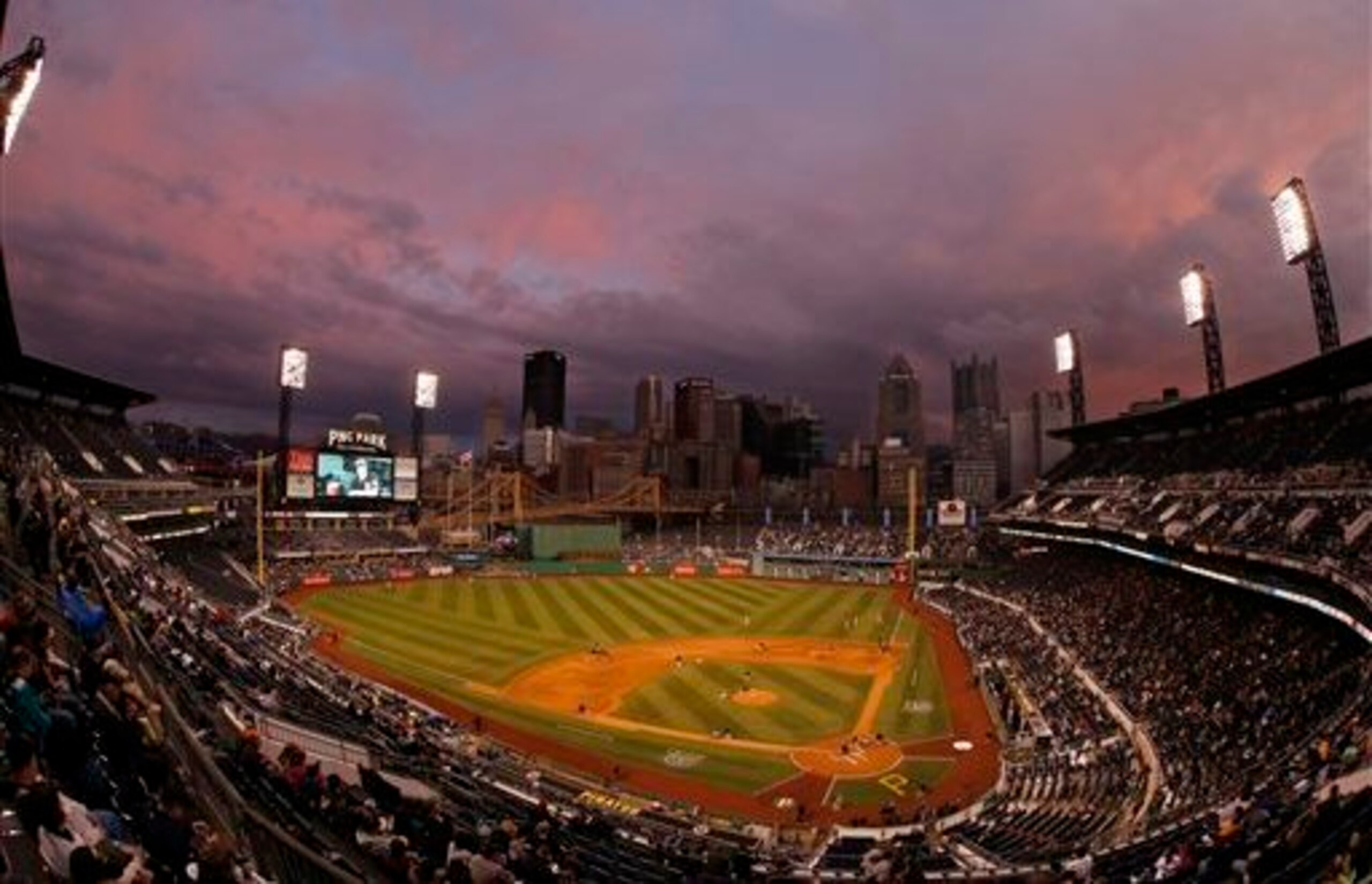
Pull up any ranking of MLB ballparks from the last 14 years and Pittsburgh’s PNC Park will almost certainly rank among the top five, usually the top two. And it’s not hard to see why. Having opened in March 2001, PNC Park was a structural and design marvel, particularly compared to the Pirates former home, a recently demolished cement bowl known as Three Rivers Stadium.
The park itself is fantastic, but it’s the perfect location along the Allegheny River that packs most of the punch. Even though they’ve been surrounded by it their whole lives, Pittsburghers are endlessly enamored by the city’s uniquely beautiful skyline. Locals tend to know the best viewing locations from every direction, and we all know there’s no better view from the Northside than from within PNC Park.
We Yinzers are a proud people. In fact, there may be no population of people more enthusiastic about and enthralled with their city—past, present and future—than Pittsburghers are with Pittsburgh. That’s why expectations for PNC Park were so high, and yet somehow the ballpark managed to exceed every one of them.
Low: Pirates Lose 100 Games in 2001
16 of 20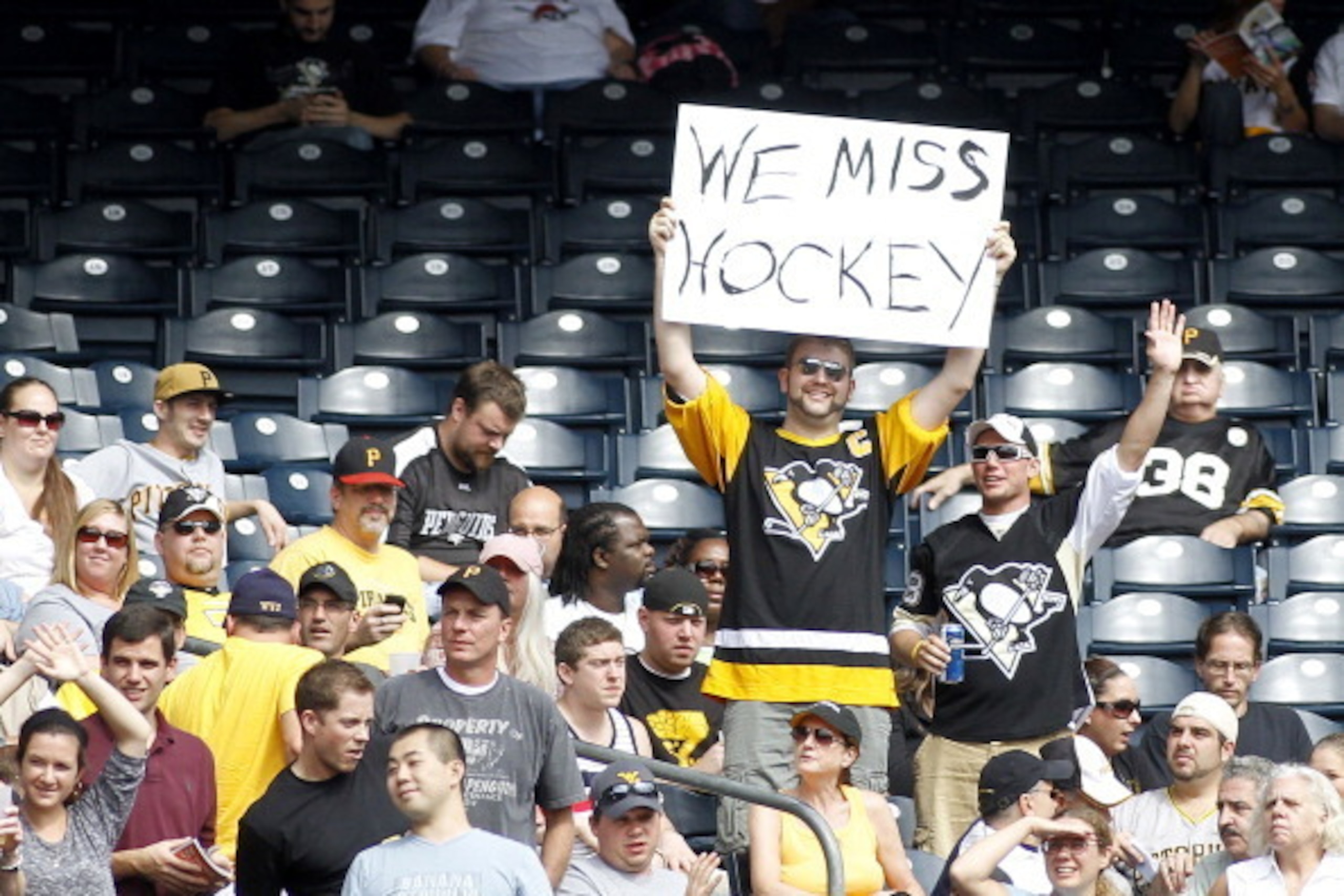
PNC Park’s opening was glorious and triumphant, meeting with universal approval from Buccos fans, and Pittsburghers in general. The 2001 Pirates, on the other hand, were the exact opposite of glorious and triumphant. They had been the exact opposite in the eight seasons prior as well. And it turned out they would be the exact opposite for the next 11 seasons to come.
The Pirates were various shades of bad over those 20 losing seasons, but the 100-loss campaign of 2001 was the worst to date, second only overall to 2010 team, which “bested” their previous low point by five losses. Watching terrible baseball in such a beautiful environment did little to soften the blow for most Buccos fans. If anything, the new ballpark highlighted the stark contrast, making the situation feel even bleaker.
In 2006, the growing frustration was perfectly encapsulated by satirical humor site The Onion: “PNC Park Threatens To Leave Pittsburgh Unless Better Team Is Built.” They captured the mood again four years later in 2010: “PNC Park Sold Out For ‘Fan Euthanasia Night.’” The Pirates have reached the playoffs the last two seasons, but jeez the previous two decades were scarring.
High: Mark Cuban
17 of 20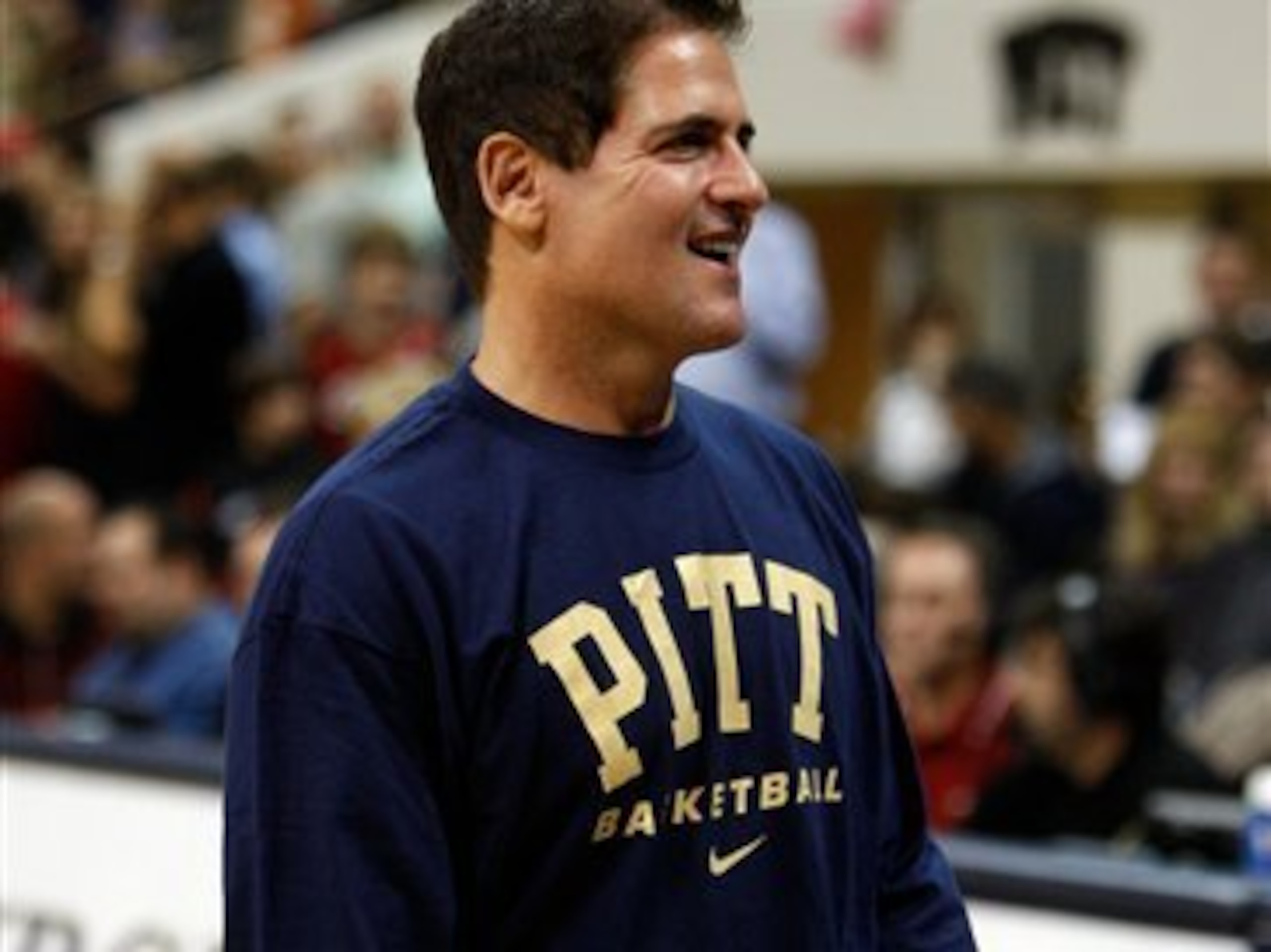
Billionaire Mavericks owner Mark Cuban may be a polarizing figure throughout most of the American sports world, but the Pittsburgh native has a 100 percent approval rating in at least one place—Pittsburgh.
Although I have not conducted any official polls of likely voters in my beloved hometown, I can say without certain that I have never met anyone from Pittsburgh with even the slightest bit negative feeling about Mr. Mark Cuban.
For years, in fact, Cuban was seen as the only hope for Pirates fans, who were desperate for him to rescue the pathetic franchise during its two decades of futility. He may have a reputation for putting his foot in his mouth, but these days it’s hard to imagine there’s anything Cuban could say to earn the collective ire of Yinzers.
Low: Prevailing Misconceptions About Pittsburgh
18 of 20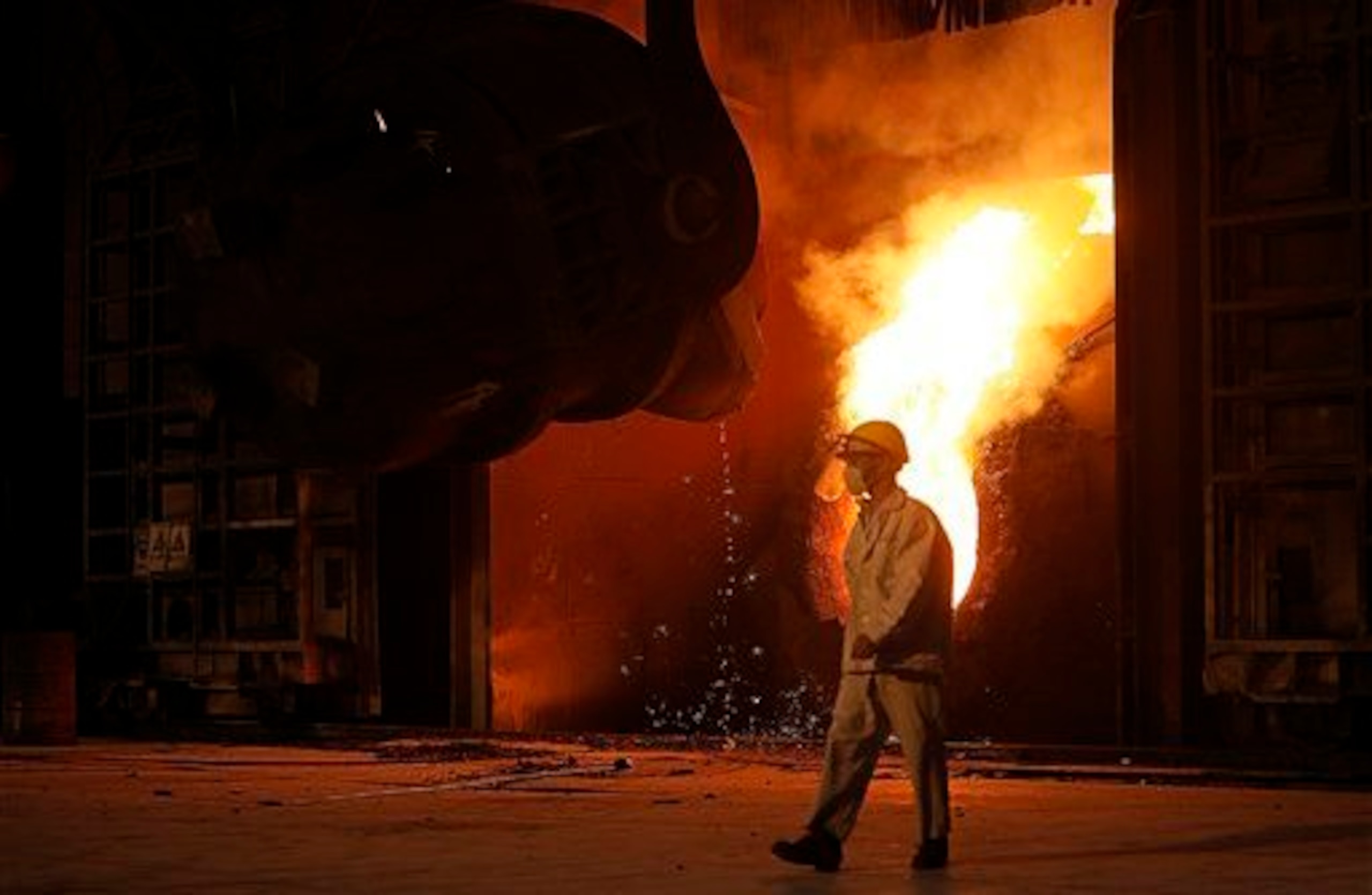
Pittsburgh has a storied past as a steel town, which was once the identity of the entire region. The steel industry isn’t just on the decline in the city and all along the Rust Belt, it has been largely dead for over 30 years.
That’s why it’s so ridiculously menacing to sports fans in Pittsburgh when unspoken/narrated steel mill footage is used as the background during a national broadcast. Particularly during Steelers games.
The same goes for Primanti Bros. sandwiches, which sometimes it seems are the only source of sustenance for Steelers Nation. But the diet of every true Pittsburgher also includes a healthy dose of kielbasa, pierogi, haslušky, Klondike bars, chipped ham, hot sausage, pork and sauerkraut and, of course, Iron City beer.
That's just a fact. That impressively terrible diet is what gives the Steel City most of its superpowers. Without all that hot sausage, Pittsburgh would just be Cleveland.
High: Passing the Torch
19 of 20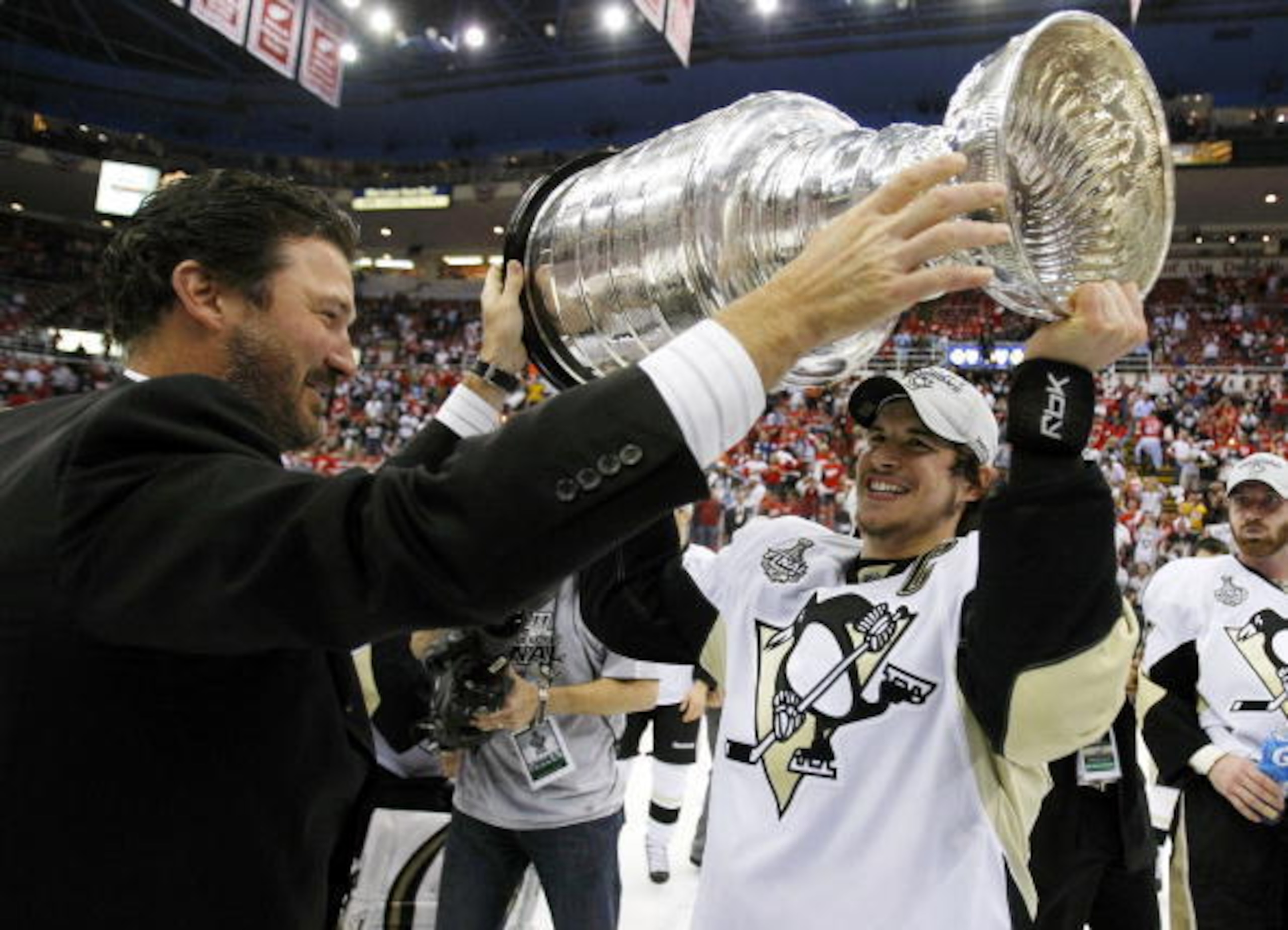
Very few franchises in professional sports are as lucky as the Penguins, who’ve had not just one all-time world class one-two punch but two, almost consecutively. Mario Lemieux and Jaromir Jagr were unstoppable at times, winning two Stanley Cups together in the early ‘90s and playing out the rest of the decade together.
Jagr was shipped off to Washington in 2001 and by 2003 Lemieux’s injury-hampered career was largely over. The Pens were struggling financially and the future of the franchise in Pittsburgh was in doubt. Although stupid conspiracies abound about how or why the Penguins ended up in position to select Evgeni Malkin No. 2 overall in 2004 and Sidney Crosby No. 1 the following year, all that matters is that we did.
At their respective peaks, Lemieux and Jagr were both considered the best player in the world. The same can be said of Crosby and Malkin. The difference being that there is substantially more overlap in the career trajectory of the latter pair, which fans in Pittsburgh are still hoping is going to translate into more than the one Stanley Cup that Crosby and Malkin have won together.
Low: Knowing We Missed More Than We Saw of Super Mario's Potential
20 of 20
Hall of Fame Chicago Bulls shooting guard Michael Jordan is generally accepted as the consensus pick for the greatest NBA player of all time. Although, MJ’s terrible decision to take two years off at the peak of his career to play baseball, as well as his ill-fated comeback with the Wizards in the early 2000s, has left a little room for debate.
The same cannot be said of the NHL’s Wayne “The Great One” Gretzky, the undisputed greatest player to ever grasp a hockey stick—it’s all right there in the name. In fact, there is no other professional sports league in which the gap between its greatest player and next greatest player is as vast and massive as that which exists in NHL.
Obvious as it may be, that conclusion requires reaching a level of acceptance that is difficult for Penguins fans who came of age in the Mario "Le Magnifique" Lemieux era in Pittsburgh. Almost 30 years removed, it’s hard to believe that Lemieux came into the league poised to challenge Gretzky’s supremacy, averaging upward of 150 points in his first six seasons.
The one area Gretzky absolutely dominated Lemieux was longevity. Gretzky played 20 seasons in the NHL—over that time he played an average of 78 games per season (out of 84), averaging 148 points. Lemieux, in contrast, displayed unbelievably stunning flashes of brilliance in a career that spanned nearly as long as Gretzky’s in years, but nearly 600 fewer games played. In fact, Lemieux played 78-plus games just once in 17 seasons because of a seemingly never-ending series of health problems—24 games fewer per season than Gretzky.
The only stat that truly reveals what could have been is points-per-game average—Gretzky averaged 1.92, Lemieux 1.88. Even if the playing field was equalized in terms of health, Gretzky would probably still be the all-time greatest, but at least there would be the opportunity to debate.


.jpg?w=2560 "Viral Rams Coach Vid 🖕")

.jpg?w=2560 "Injury-stricken Seahawks signing veteran RB")
