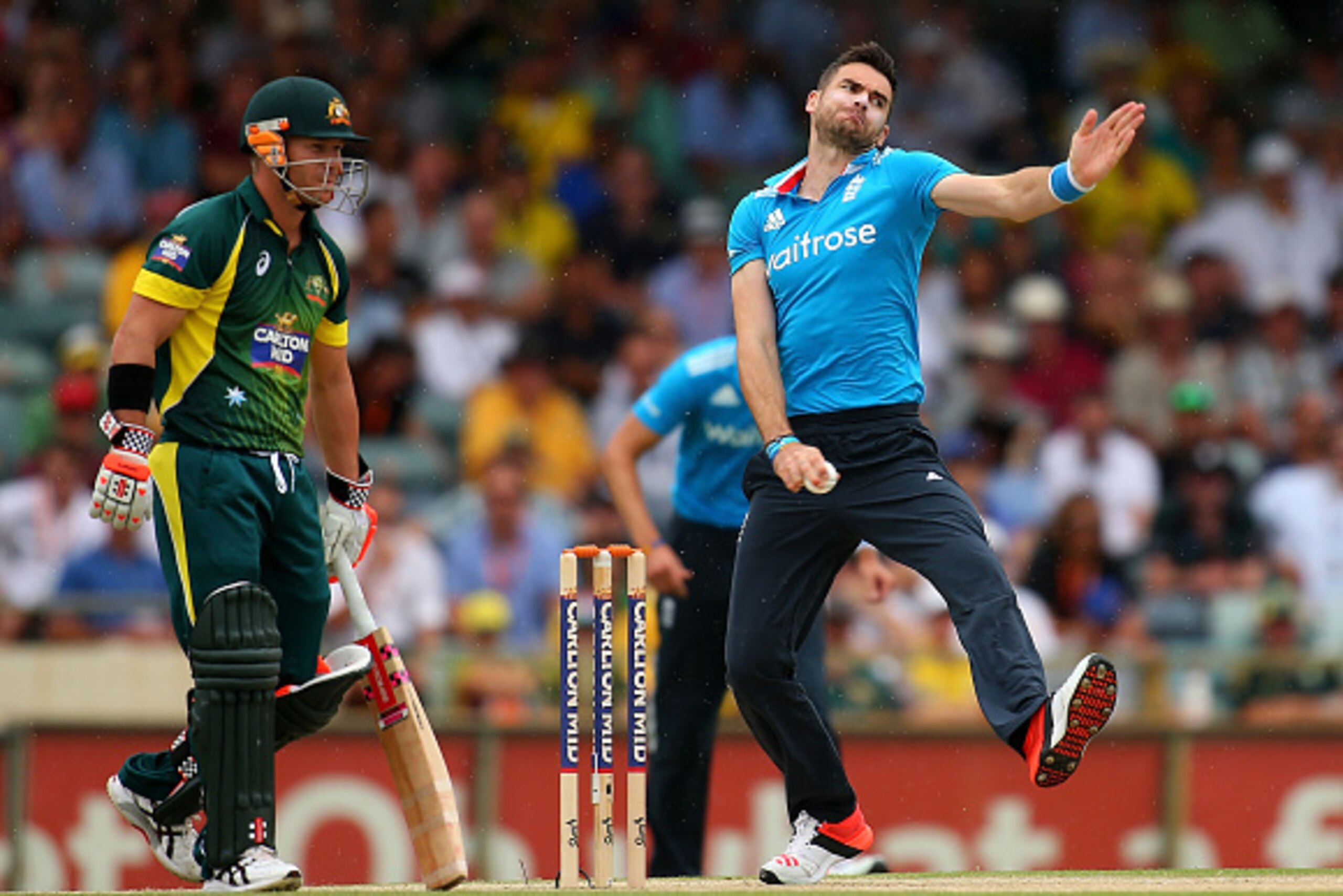

Cricket World Cup 2015: 5 Pivotal Factors to Decide Group A
Do not forget about Valentine's Day this year—because that is the day the Cricket World Cup starts.
Ahead of the tournament, it is time to break down the groups in an attempt to work out what could be the key factors in deciding who qualifies for the knockout stages.
On current form, Group A looks the stronger of the two.
Co-hosts Australia and New Zealand find themselves paired together in the same pool, along with 1996 winners Sri Lanka.
The trio are joined by England and Bangladesh, plus qualifiers Afghanistan and Scotland.
The top four at the end of the round-robin stage will go through to the quarter-finals—could we see an established nation fail to make it through?
It seems highly unlikely, in truth.
However, where you finish will determine who you face from Group B, and that can make all the difference to your chances of success.
Feel free to disagree with any of the five pivotal factors suggested, or just have your say on the tournament as a whole, by using the comments section.
1. Staying Healthy
1 of 5
It is crucial for any team, whether they are in Group A or B, to keep their key players fit throughout the World Cup.
Australia already had a major doubt over their captain, Michael Clarke, and he has been given until the game against Bangladesh on Feb. 21 to prove his fitness.
James Faulkner then became their latest concern when he suffered an abdominal strain in the final of the Carlton Mid One-Day International Tri-Series.
The all-rounder picked up the problem while bowling against England, after hitting a half-century from just 24 deliveries earlier in the day.
The diagnosis was that the injury was a “moderate” side strain, per the Guardian.
Whether Faulkner is fit to face England again in the opening match of the group remains to be seen.
He will be loath to sit out any fixtures, knowing it will allow someone else to take his place in the team.
Good health can be as crucial as good form when you are playing in such a long tournament.
2. New Zealand vs. Australia
2 of 5
Get Feb. 28 circled in your diaries. That is the date when New Zealand and Australia clash in what could be the crucial fixture in the group.
The day-nighter in Auckland, New Zealand is not just a battle between the two trans-Tasman rivals.
The game also pits two of the form teams against each other.
Australia have just won the Carlton Mid One-Day International Tri-Series, with only rain in Sydney denying them the chance to complete a clean sweep over England and India.
They have lost just twice on home soil since the start of 2014, both defeats—to England and South Africa—coming in fixtures played at the WACA in Perth.
New Zealand's recent form line has also been impressive. They have won five of their last six outings in 50-over cricket.
The Black Caps do, though, have a miserable record at Eden Park for some reason, and that is the venue where they will face Australia.
They have triumphed just once at the stadium since 2010, while the Australians have an 11-5 record on their previous visits to the venue.
3. Bowling Firepower
3 of 5
Group A includes plenty of pace bowlers with the potential to make a difference.
Mitchell Johnson can certainly be a match-winner for Australia. He marked his return to action after a well-earned break by picking up 3-27 against England on Feb. 1.
In his absence during the rest of the Carlton Mid One-Day International Tri-Series, fellow left-armer Mitchell Starc was outstanding, picking up 12 wickets at an average of 16.33.
With the young pairing of Pat Cummins and Josh Hazlewood also in their squad, Australia have a wealth of riches in the seam-bowling department.
England may have fallen short in the Tri-Series final, but there were two major positives to come out of the triangular tournament.
James Anderson and Stuart Broad both made successful comebacks from injury, while Steve Finn’s form (he finished with 11 wickets) was definitely a plus point for new captain Eoin Morgan.
New Zealand have a left-armer of their own to worry about in Trent Boult. He, along with team-mate Tim Southee, are now ranked in the top 10 of the ICC Test rankings.
Sri Lanka's ace in the pack, meanwhile, is Lasith Malinga.
He has not played a one-day game for Sri Lanka since August 2014 due to injury. However, per Andrew Fernando of ESPN Cricinfo, he is on course to be fit for the World Cup.
How the pace bowlers perform for each major nation—particularly in the closing overs of an innings—will go a long way to deciding who finishes where in the pool.


.jpg?w=2560)
4. Beating Bangladesh
4 of 5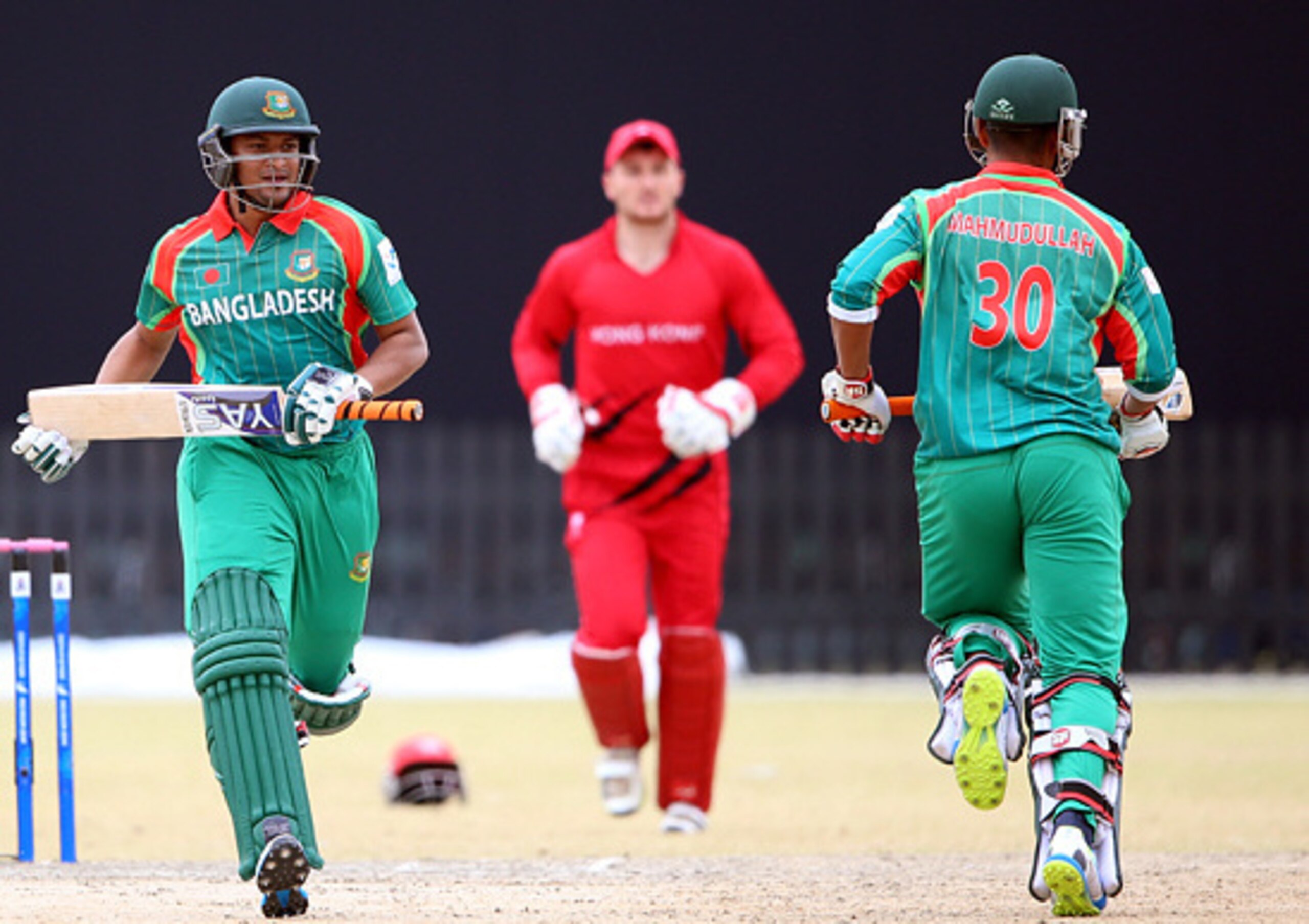
Bangladesh have made it out of the group stages only once in their four previous World Cup appearances.
Back in 2007, when the tournament was played using a different format, the Tigers tamed India in their opening match as they made it through to the Super Eights.
A similar upset this time around could see them pip one of the higher-seeded nations for a place in the quarter-finals.
The form guide, however, does not suggest they are capable of doing so; Bangladesh have yet to record an ODI victory in Australia or New Zealand in 12 attempts.
However, their five-wicket win over India eight years ago was not the only World Cup shock they have achieved.
Still an Associate Member of the ICC back in 1999, they turned over Pakistan by 62 runs at Wantage Road, Northampton in their final group game.
Move on 12 years and it was England who came unstuck against them, losing by two wickets after a thrilling finish in Chittagong.
Such results show that Bangladesh should not be taken lightly, particularly as every point will be vital.
5. Dealing with the Minnows
5 of 5
While Bangladesh could pull off an upset, it would be the mother of all surprises if Afghanistan or Scotland toppled one of the big four nations in the group.
Afghanistan have qualified for the tournament for the first time and have played just 25 ODI games in their history.
They do, though, know what it is like to play in a major ICC event; they were involved in the ICC World Twenty20 in 2010, 2012 and 2014.
Scotland, meanwhile, will be appearing in their third World Cup. Their record so far is played eight, lost eight.
Their squad boasts several names that will be familiar to fans of English county cricket, while former England all-rounder Paul Collingwood is on their coaching staff.
So why could these minnows determine who finishes where in Group A? Net run-rate.
To use the 2011 World Cup as an example, Sri Lanka ended up in second place in Group A, above Australia, due to net run-rate, with both nations finishing on nine points.
Sri Lanka’s reward was a quarter-final against England, who they thrashed by 10 wickets.
In contrast, Australia were knocked out by eventual winners India at the same stage of the competition, proving that small margins can make all the difference.
.jpg?w=2560 "Rams Eagles Football")
.jpg?w=2560 "Texans-Mixon Released Football")
.jpg?w=2560 "Bijan's INSANE 1st Half 🤩")

.jpg?w=2560 "2 NFL Officials Suspended")

