
Sports Mysteries That Will Never Be Solved
Does anyone else remember that '90s TV show called Unsolved Mysteries? Each episode scared the hell out of middle school kids who watched as host Robert Stack recapped stories about, well, mysteries that were unsolved, stemming from murders and other strange happenings.
Even more recently, millions of people have gotten into the podcast Serial, proving that the unknown is something that society just loves to theorize about.
And guess what, its no different in the world of sports.
From great plays to underlying circumstances or conspiracies, sports have left fans wondering just how or why things happen.
We may never know the answers, but it's fun to at least try to uncover these unsolved sports mysteries.
*Ed - One new mystery to add to the list, what was Seattle thinking?
How Do Talent Evaluators Decide Their Rankings?
1 of 10Maybe more important than how these so-called experts decide their rankings, the question might be how they keep their jobs when they're wrong most of the time.
Honestly, there might not be a better job in the world outside of a meteorologist than a draft expert or talent evaluator, where someone can miss so often and still keep getting a paycheck.
I mean, I totally respect the process and hard work that talent evaluators like Mel Kiper Jr. and Todd McShay put into their jobs. But, I'm not sure anyone really understands how they land on their decisions—or why there are no repercussions when they're so far off.
How Can a Player Go from Mediocre to Superstar for Just One Year?
2 of 10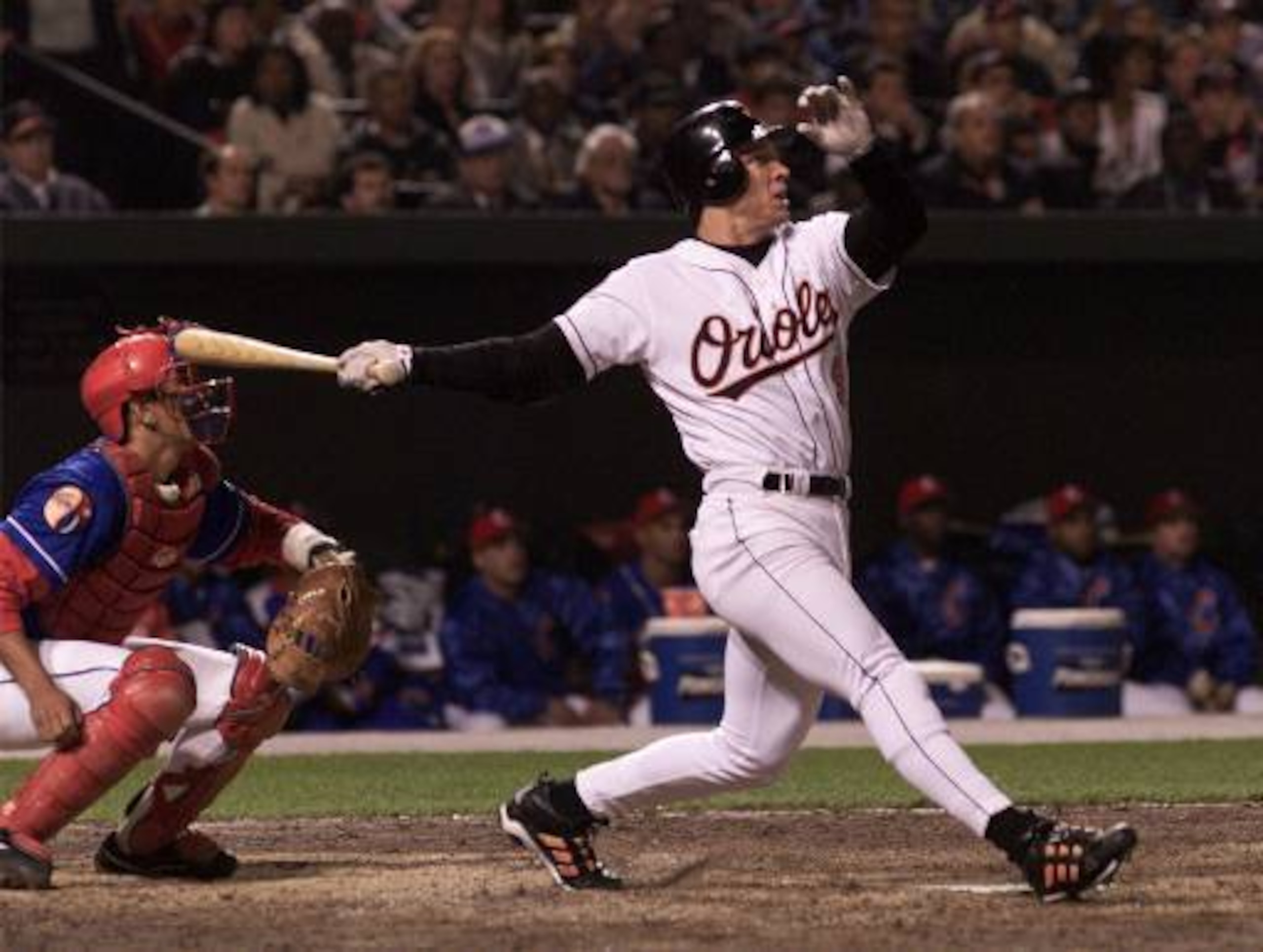
Saving the jokes about performance-enhancing drugs, if you're anything like me I'm sure you wonder how an athlete can go from nothing but a role player to an All-Star for just one season.
There are a few memorable instances of this happening, with arguably the most famous coming during the 1996 MLB season when then Baltimore Orioles outfielder Brady Anderson blasted 50 homers in his 149 games played.
Referring to Anderson's '96 season as a breakout would be a huge understatement, as the guy had never hit more than 21 home runs in a season previously and had just 88 in total in his six remaining years before he finished his career.
As mentioned, the mid-'90s was the height of the steroid era in baseball—but I'm not going to place guilt on a guy who is presumed to be innocent. Still, what can explain the dramatic power surge from Anderson or the dramatic increase in numbers from other athletes who have have enjoyed similar seasons?
No one will ever know.
What Really Happened in the Seattle Seahawks' Locker Room?
3 of 10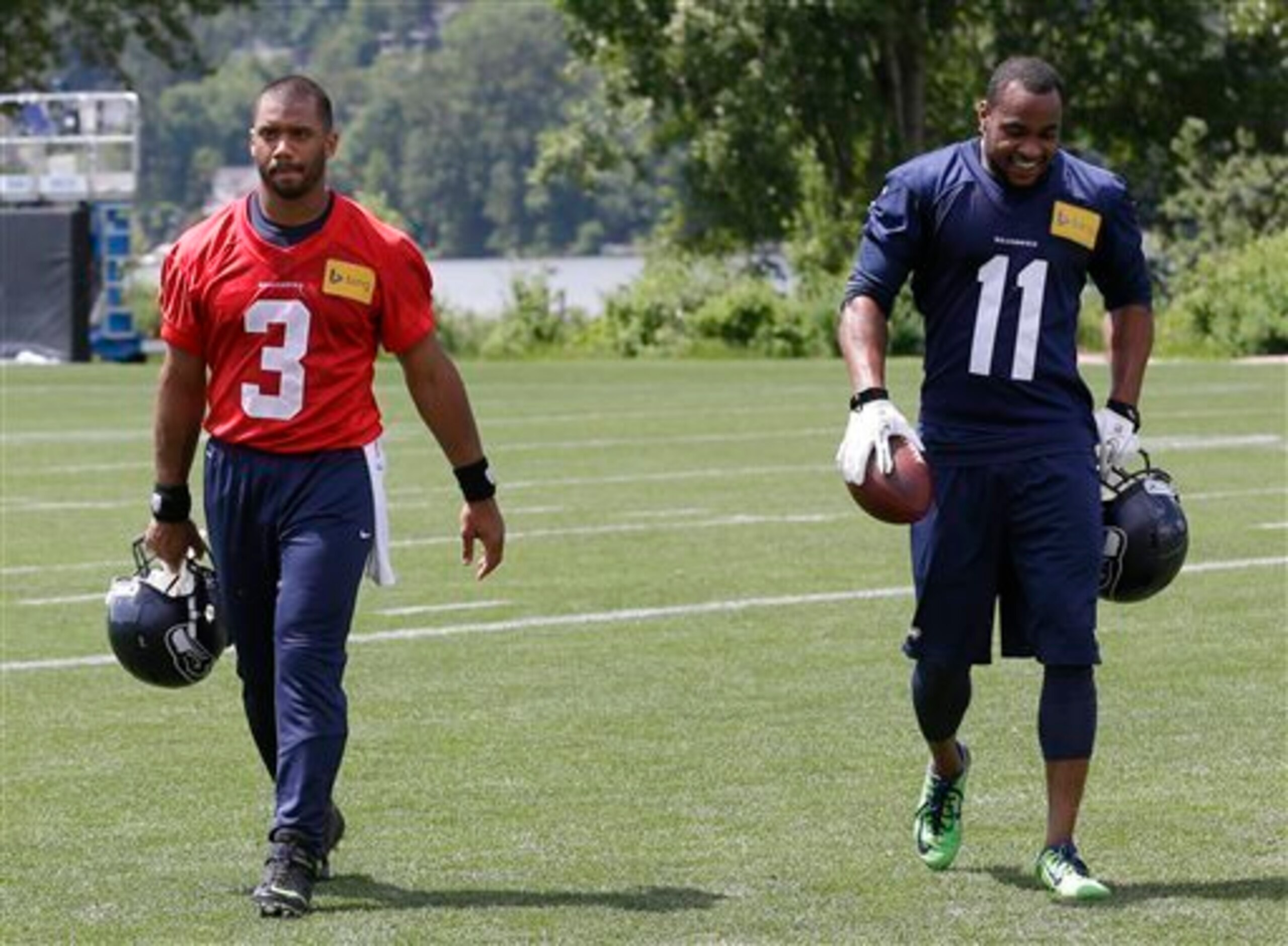
The Seattle Seahawks may be going for their second-straight Lombardi Trophy this weekend, but the team that has gone a combined 25-7 the past two seasons hasn't exactly avoided some controversy in those 16 months of success.
While quarterback Russell Wilson is the heaven-sent leader that any franchise would love to have, there have been some rumors that have floated around about Wilson and a few of his mates not getting along.
For instance, following last year's Super Bowl win, Wilson filed for divorce from his then wife. No big deal, right? Happens all the time, every single day to couples.
When one of Wilson's then teammates, Golden Tate, released a published piece denying that he had a hand in the breakup in response to "'fans' circulating rumors" about him.
In that same post, Tate also denied that fellow receiver Percy Harvin had punched him in the leadup to the 2014 Super Bowl, "as was speculated on by various Internet reports" according to Tate.
Then, around the midway point of the 2014 regular season, mercurial wide receiver Percy Harvin was believed to have tried to split the locker room against their signal-caller, with the team shipping Harvin to the New York Jets as the story began to brew.
Seattle may have overcome the apparent adversity to reach Super Sunday again, but there are some stories that are left unknown with the players who got them there.
.jpg?w=2560 "Seahawks Chiefs Football")


How Does an Athlete Just Lose Their Mojo?
4 of 10
Maybe even more perplexing than the aforementioned question of how an athlete can go from mediocre to having just one, amazing season is how a player can suddenly just lose his mojo.
Throwing out the obvious factors like age and/or injury, it's something that no one can ever really explain.
Take Tiger Woods, for instance.
For just over a decade, Tiger stalked his opponents on the course with his great play and general reputation as the most intimidating golfer in the world, winning 14 majors between 1997-2008.
Since then, though, Woods had the whole sex addiction thing—a major factor of him falling off, in my mind—and a few, nagging injuries, but nothing that can explain such a fall from grace.
Still just 39 years old, Tiger hopes that new health and a new coach can help him earn the 15th major that has alluded him the past six PGA seasons—as the record of Jack Nicklaus' Masters win at 46 is getting closer.
Why Was the Flag Picked Up in the Detroit Lions-Dallas Cowboys Playoff Game?
5 of 10It's one of the most debated calls in recent memory—and no one really knows why the flag was picked up following a perceived pass interference call during the Dallas Cowboys and Detroit Lions playoff game.
Generally speaking, when a referee throws a yellow flag for a penalty in football, the call stands about 98 percent of the time, with the rare case being that the zebras huddle together and talk it through.
With the Lions leading 20-17 and eight minutes to go, the third-down play would have been an automatic first down, allowing Detroit to remain on the field and, potentially, add more points while taking more time off the clock.
Instead, the call was reversed and the team was forced to punt—which included a penalty after a poor attempt, resulting in just a five-yard net gain—and the Cowboys eventually won the game.
The initial picking up of the flag was bad. But to make things worse for Lions fans, Cowboys receiver Dez Bryant ran onto the field and got in the face of a ref, which should have been a penalty in its own right—but it wasn't called.
There's never been a good explanation as to why the flag was picked up, and there probably never will be.
Why Doesn't Los Angeles Have an NFL Team? Will Seattle Get an NBA Franchise?
6 of 10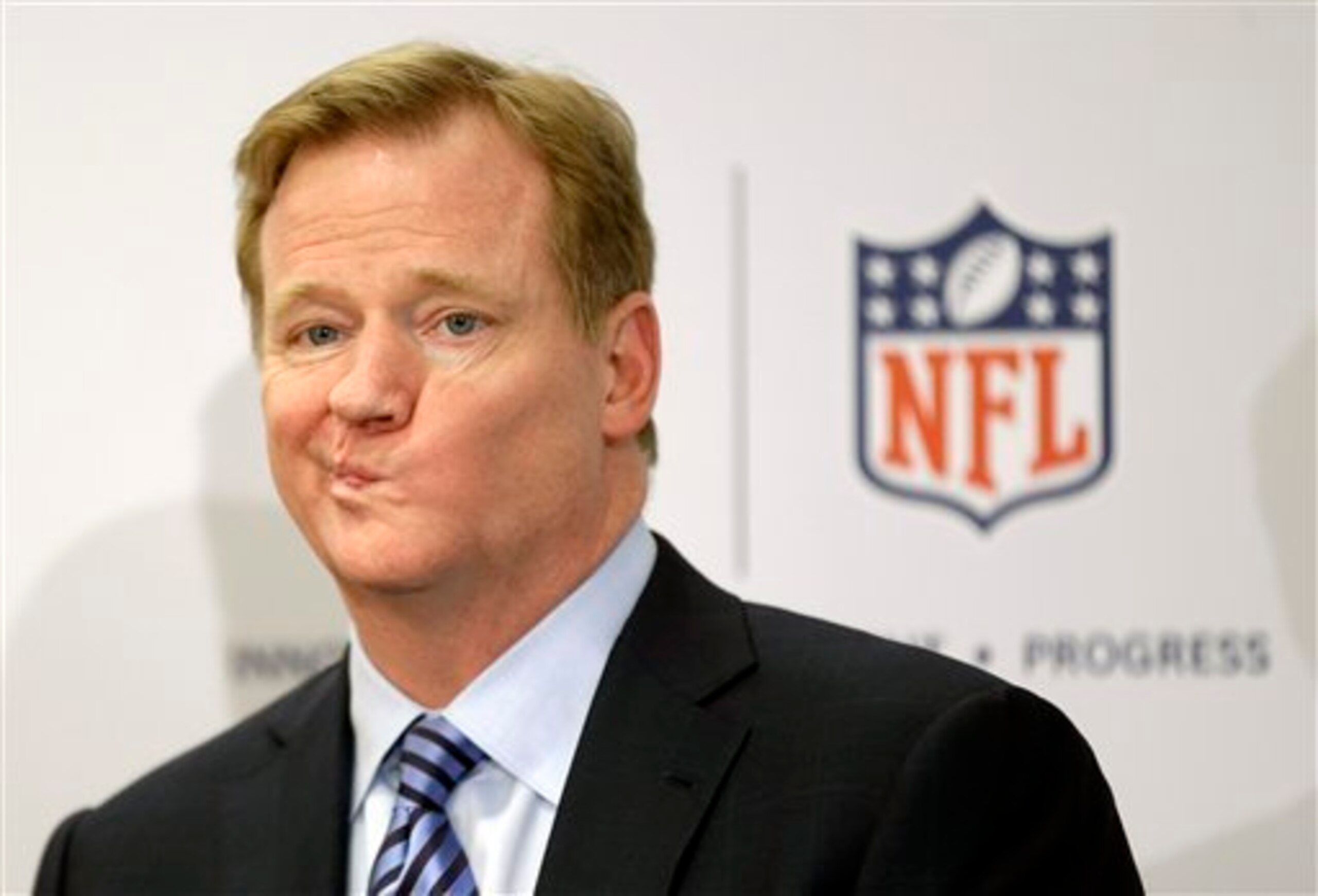
Whether you're willing to accept it or not, sports—and the people in charge of running its professional leagues—are all about making money.
That's a difficult realization, sure, but one thing that's an even stranger dilemma is how a league like the NFL doesn't have a franchise in the second-biggest market in the United States, Los Angeles.
While commissioner Roger Goodell has talked about expansion to Europe, he has routinely failed at either building or relocating a team to L.A.
Seems weird, right?
Another question that Seattleites have asked since their Supersonics moved to Oklahoma City in 2008 is whether or not they'll get a team back in the Emerald City.
With, at least, one close call back in 2013 to get the Sacramento Kings to come to Seattle before owners voted against it, fans of the Sonics are left hanging, even as the city's mayor does all he can to to try to get one.
Los Angeles and Seattle have a lot to bring to the NFL and NBA, proving fan interest in other pro sports. So wondering if and when either will get a squad in those respective sports will cause a sports fan's head to spin.
Did Manti Te'o Really Get Catfished?
7 of 10
He was the All-American poster boy of everything right about college football, playing at the prestigious University of Notre Dame, but former Fighting Irish linebacker Manti Te'o had one controversy that turned his image into something more questionable.
An apparent victim of a major catfishing scheme, the 2012 Heisman Trophy runner-up seemed to have the perfect, inspirational story for playing each and every Saturday, giving tribute to his then recently deceased grandma and girlfriend.
As the world discovered, Te'o's "girlfriend," Lennay Kekua, was nothing more than some guy named Ronaiah Tuiasosopo, who made the polarizing player believe that he was in a relationship with a girl from Hawaii.
After Internet clowning occurred and more info came out about the hoax, some wonder if Te'o himself wasn't part of the plan, and played dumb in order to protect his image.
Whatever Happened to Mike Shanahan, Jon Gruden or Avery Johnson?
8 of 10It's no secret that being a head coach is like being part of the most exclusive fraternity in all of sports.
Generally going from video coordinator to assistant coach and then earning a chance as a head coach, guys build relationships that keep them in the game for decades, almost guaranteeing themselves a job.
Still, in some cases, guys who have had success like Mike Shanahan and Jon Gruden in the NFL or Avery Johnson in the NBA continue to be overlooked for head coaching positions.
Yes, I understand that Gruden has it hooked up as a color commentator on Monday Night Football and Johnson is an analyst on ESPN, which delay them from making the move to get back onto the sidelines.
But, if a franchise really wants to hire them—as some have proved by reaching out or interviewing them—the team would throw all the money at these guys in order to sway their decision.
Even Mike Shanahan, with a reputation for being stubborn and controlling, has two Super Bowl rings and is a brand name, which is a hell of a lot better than a team hiring the next "up-and-coming" coaching prospect.
Who's Responsible for DeflateGate?
9 of 10The Super Bowl is this weekend, and one of the major storylines has nothing to do with anything that will affect the matchup between the two teams participating: the Seattle Seahawks and New England Patriots.
And, for those who have watched ESPN at all during the past two weeks since the Pats finished off their win in the AFC Championship Game, the word "Deflategate" is one that you've certainly become familiar with.
With 11 of the 12 game balls New England used in that game found to be deflated to under the acceptable level by the NFL, there are plenty of opinions on who's responsible for the act.
Was it an equipment manager? Did a higher-level position like owner Bob Kraft or head coach Bill Belichick make the call? Or, even worse, was Tom Brady responsible?
After hearing his explanation, plenty of people have pointed the finger toward Brady—including his childhood hero, Joe Montana—but we may never know the true story about who did it.
Are Officials Really That Biased When Calling Games?
10 of 10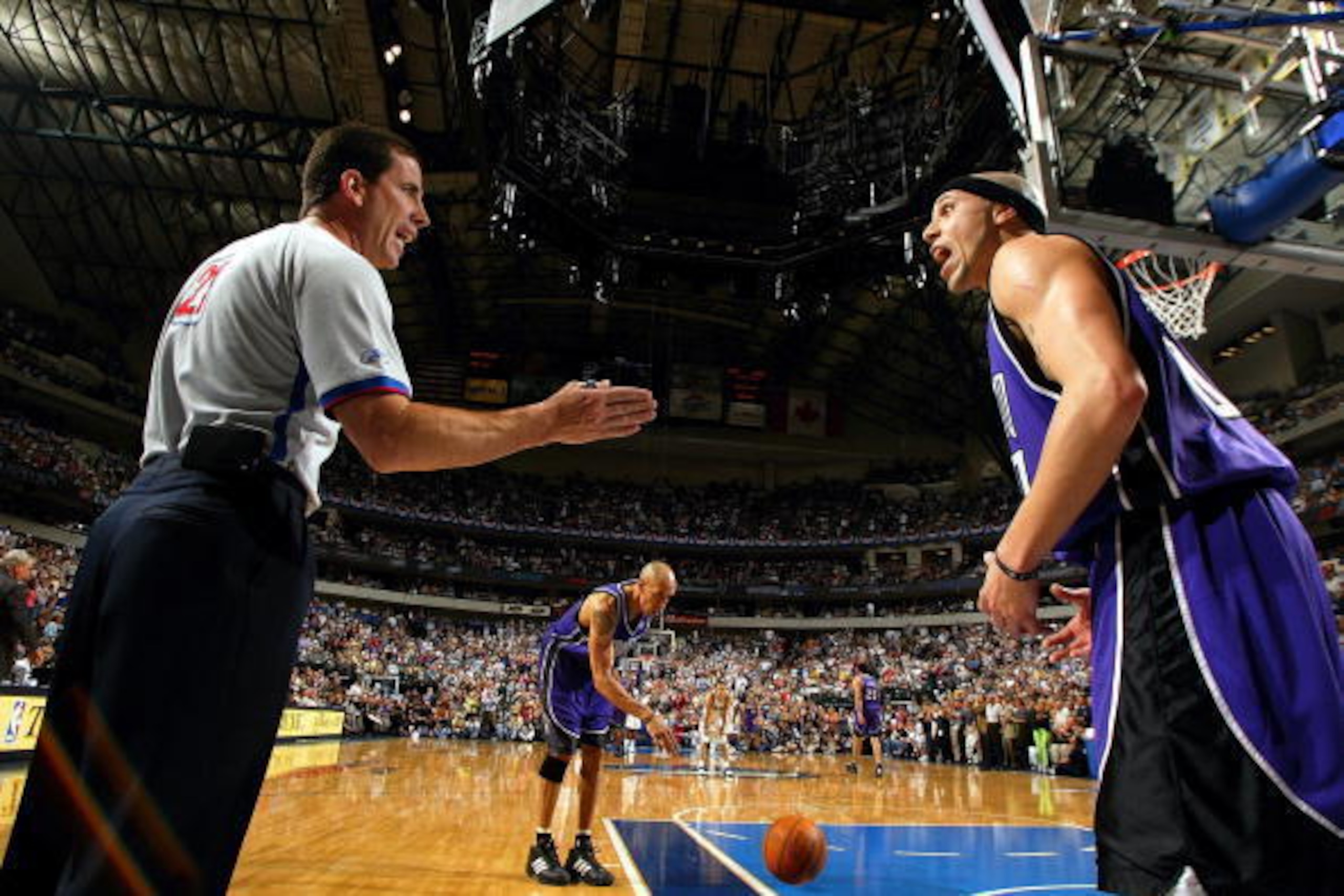
No matter how much they get paid or are trained to save their personal opinions or interest to themselves for a few hours during a game, it's only human nature for a referee to let it come out sometimes, right?
At least, that's the thinking of some sports fans, who can't help but wonder when or if one of the zebras has something that either prohibits them from making a call or leads them to reverse one.
Fans were always skeptical of such activity for years, but the whole Tim Donaghy investigation and subsequent admission of fixing games made this issue even more of a reality.
There's no consistency with fouls or penalties during every game, and one can't help but wonder if that's for the flow of a game or because of a personal interest that a ref has on an outcome.
Sadly, it's something that will always be asked, never be answered and will continue to cause fans pain when a call goes against their team.




.jpg?w=2560 "Raiders Sticking with Cousins")