
The 10 Most Overworked Players in College Basketball
Some players are asked to do more than others. Sometimes, it's because the team lacks depth. Other times, the team simply needs that player on the floor nearly all the time.
Nobody on the roster of No. 1-ranked Kentucky is overworked. None of the Wildcats average more than 30 minutes per game, and no one is asked to carry the offense.
Most teams don't have that luxury. Some players must play a lot of minutes and do a lot of things for their team to have a chance. These overworked players are the warriors of college basketball.
In ranking the 10 most overworked college players, we primarily considered a player's time on the court, the demands made of that player and the pace at which his team plays. We also took into account the level of competition and the number of close games played, both of which cause additional physical stress.
Honorary Award: Jack Taylor, Grinnell
1 of 11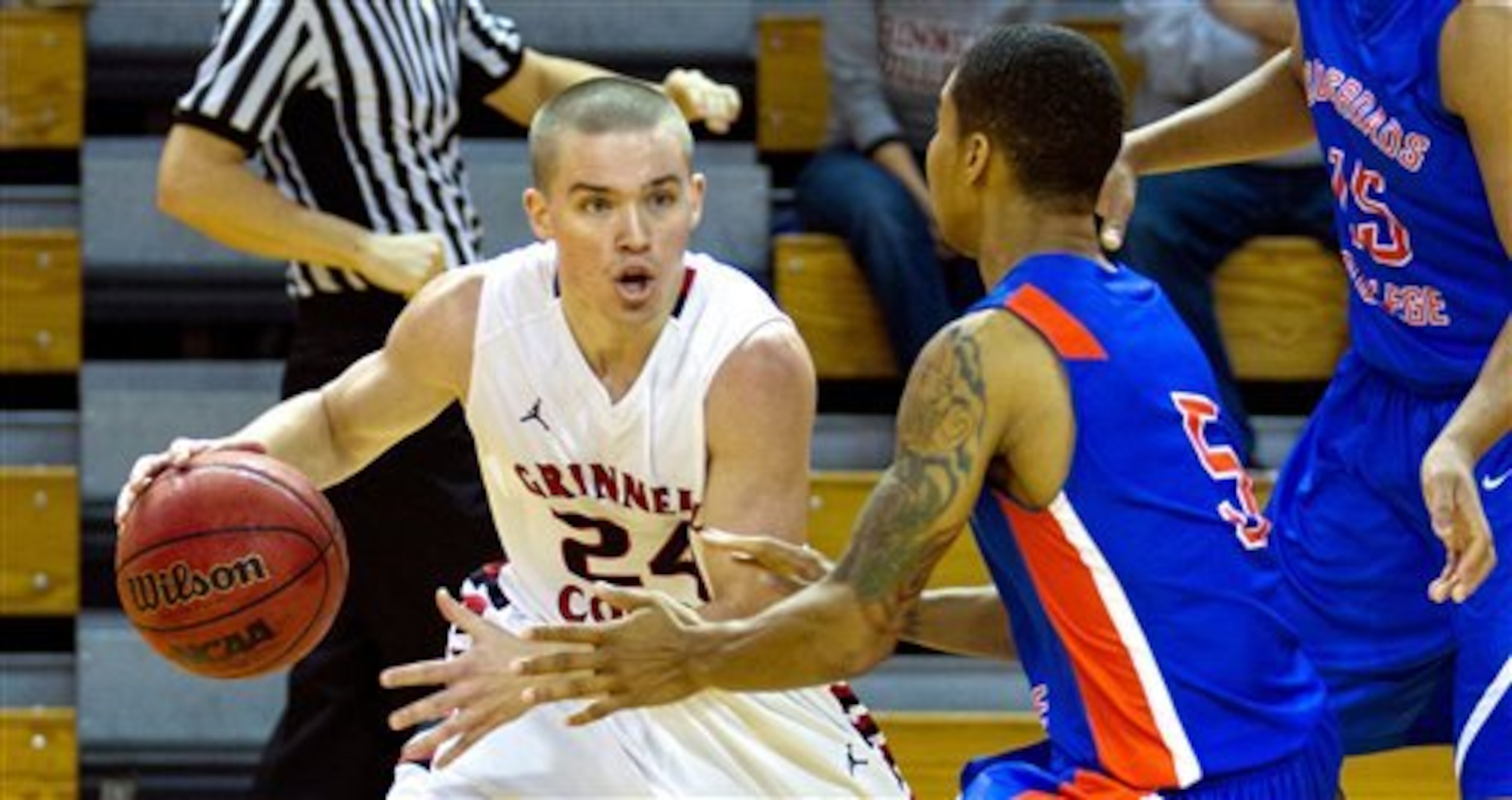
OK, this honorary selection is out of left field, but the numbers suggest Jack Taylor from Division III Grinnell College is working awfully hard.
He is averaging 29.6 points per game but playing just 19.2 minutes per contest in the wild style employed by head coach David Arseneault.
Taylor is best known for establishing the NCAA all-divisions record for points in a game when he scored 138 against Faith Baptist Bible College in November 2012.
But the rate at which he is launching shots this season is mind-boggling. Taylor has played 326 minutes and has taken 316 shots from the field. That's virtually one shot every minute. He has attempted 213 three-point shots, so he is muscling up to heave one of those long-range bombs about every 90 seconds. Add in the 150 free throws Taylor has attempted, and he's putting up some sort of shot every 42 seconds.
That's a lot of work in a short time in an up-and-down game that is played at breakneck speed.
Of course, Taylor is not required to play any defense, so that helps.
10. Jesse Reed, Pee Wee Gardner, John Schoof, American
2 of 11
This is a group selection, based on the work put in by a trio of American players.
As of Jan. 28, Jesse Reed and Pee Wee Gardner were the only two Division I players in the country averaging 39 minutes per game or more, with Reed leading the nation at 39.2 minutes and Gardner right behind at 39.0.
The third guard in this overworked triumvirate is John Schoof, who merely ranks sixth in the nation in playing time, averaging 37.5 minutes.
Eight times this season, all three played at least 40 minutes in the same game. Twice, all three played 45 minutes in overtime games, and in the double-overtime victory over Colgate, Schoof and Reed played all 50 minutes. Gardner played a mere 43 minutes against Colgate because he had foul trouble.
They are the team's leading scorers, and all three have to help out on the boards, while Gardner is the Eagles' leading assist man. Their multiple responsibilities allow few opportunities for rest, and the Eagles' emphasis on defense and their precise Princeton-style offense require constant attention to detail.
American does not play at a hectic pace, so that saves some energy, and the opposition American faces in the Patriot League may not sap as much strength as playing in a major conference would.
Eagles coach Mike Brennan must know what he's doing. He took American to the NCAA tournament last season in his first year as head coach.
9. Ryan Boatright, Connecticut
3 of 11
When Shabazz Napier was Connecticut's leader and star last season, Ryan Boatright enjoyed the freedom of being a second banana.
But this season, UConn's success depends on Boatright playing a lot of minutes, scoring a lot of points, handling the ball and doing every little thing needed for the Huskies to win.
He leads the team in scoring (16.5) and assists, and despite being just 6'0", he also helps on the boards, averaging 4.2 rebounds per game. He leads the team in playing time, of course, averaging 34.6 minutes per game.
Only three times this season has Boatright played less than 34 minutes in a game: Once was because he was injured in the first half, another was because UConn built a 30-point lead and the third was because of foul trouble.
Boatright is used to heavy minutes; he averaged more than 36 minutes a game two years ago. But this season he has the pressure of knowing he must have a big game each night for the Huskies to win. Opponents are focusing their defense on Boatright, often double-teaming him to get the ball out of his hands.
It's easy to see why. Over the past 10 games, Boatright has scored in double figures seven times, and UConn won all seven. He scored less than nine points in the other three, and the Huskies lost all three.
With the Huskies at 9-7 and in danger of not making the NCAA tournament one year after they won it all, Boatright's responsibilities and minutes figure to increase. A recent headline in the Hartford Currant read, "If UConn Is to Turn It Around, Boatright Must Be the Catalyst."

.jpg?w=2560 "Seahawks Chiefs Football")
8. A.J. English, Iona
4 of 11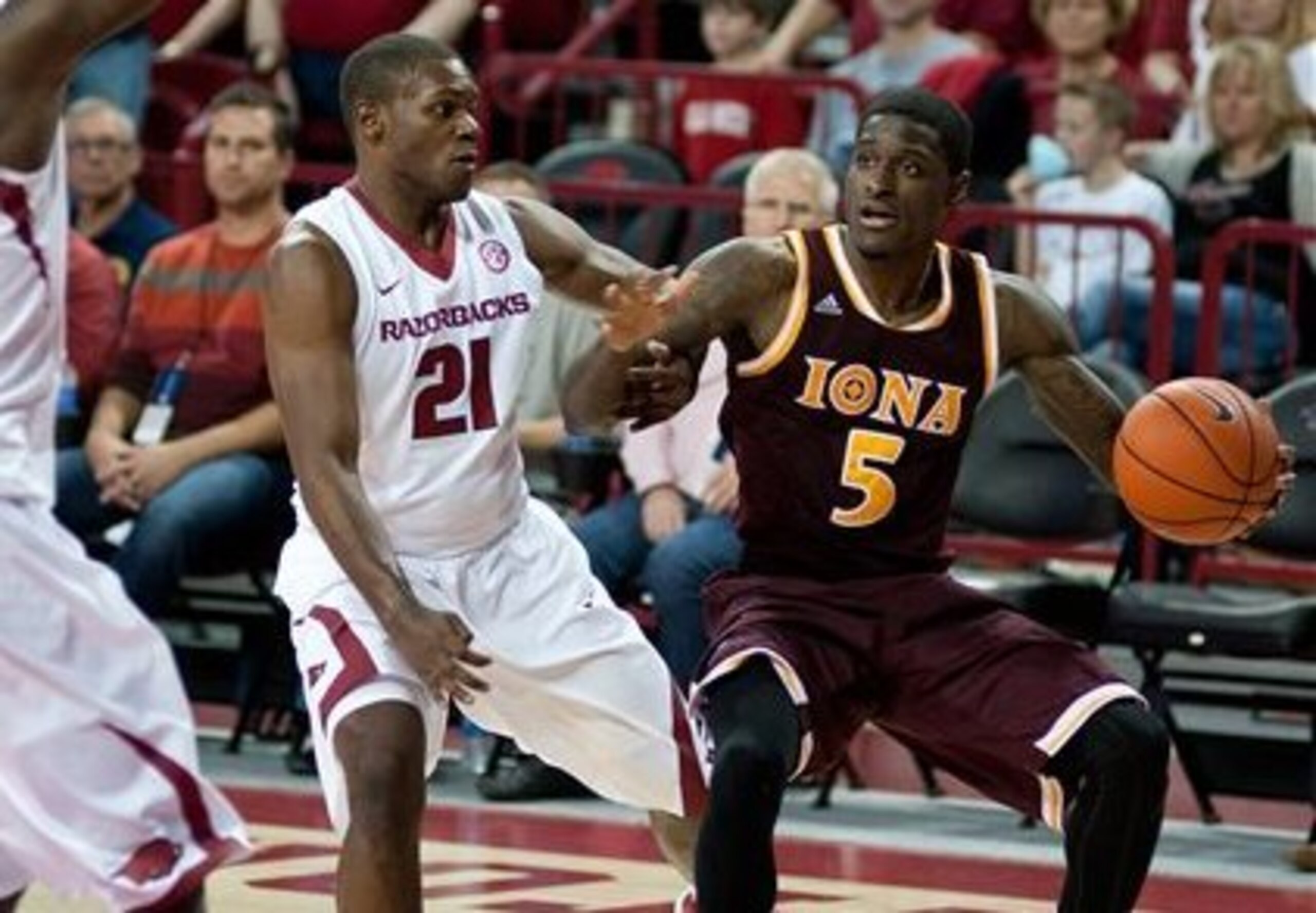
A.J. English is a do-it-all point guard for an Iona team that pushes the pace whenever possible. That sentence alone suggests English is overworked, but the numbers drive that point home.
He averages 20.7 points, 5.7 rebounds and 5.6 assists for a team that is fourth in the nation in scoring. That's a lot of nonstop responsibility. Add the fact that English averages 37.1 minutes for a team that wants to run up and down the court, hoping to get as many possessions as possible, and you should have a tired ballplayer by game's end.
English added 20 pounds through weight training in the offseason to help his body survive the punishment. And that punishment figures to continue.
The Gaels are in first place in the Metro Atlantic Athletic Conference and want to stay there. English has played 40 minutes in two of the past four games, and his playing time does not figure to decrease because of the number of things he does for the team.
He has had 12 or more rebounds twice this season and posted double digits in assists in two other games. English has had more than 20 points nine times this season, including in three of the past five games.
7. Tyrone Wallace, California
5 of 11
First-year California coach Cuonzo Martin asks guard Tyrone Wallace to do a lot, partly because of Wallace's multiple skill set, partly because of the Bears' lack of size and partly because Cal has so little depth. The workload is starting to take its toll on Wallace.
The slender 6'6" Wallace leads the team in scoring at 17.2 points per game, but he also leads the Bears in rebounding, assists, steals and, of course, minutes—at 34.9 per game. His best asset is driving the lane, which helps him get to the foul line but also puts wear and tear on his body.
This year, Wallace has moved to the point guard spot, which means he also has to orchestrate the offense. Despite his position at the point, he has to hit the boards because Cal has no significant size inside. He leads the team by a wide margin and is fifth in the conference in rebounding at 8.0 per game.
All the time on the court and all the responsibilities are starting to show up in the box score. In Cal's seven conference games, Wallace is averaging just 13.4 points on 29.8 percent shooting, including 9.5 percent (2-of-21) on three-pointers.
As Wallace's numbers decline, so does Cal's efficiency. The Bears are just 1-6 in Pac-12 games after showing promise in nonconference play with wins over Syracuse and Wyoming.
6. LaDontae Henton, Providence
6 of 11
Providence coach Ed Cooley is not afraid to play his stars heavy minutes. Last season it was point guard Bryce Cotton, who averaged 39.9 minutes per game overall and 41.9 minutes in conference play. This season it's forward LaDontae Henton, who is averaging 36.3 minutes.
Actually, Henton got more playing time last season, when he averaged 37.1 minutes, but his court time may be increasing in conference play. In the Friars' first eight Big East games, Henton played 40 minutes in three of them and 45 minutes in a fourth, an overtime victory over Georgetown.
Cooley needs Henton on the floor. Not only is he the Big East's leading scorer at 21.2 points per game, but he is also averaging 6.0 rebounds in conference play.
However, guard Kris Dunn may ease Henton's burden a bit. Dunn had a triple-double in the Friars' victory over DePaul on Thursday and has been a bigger factor since conference play began.
Don't expect Henton's minutes to decrease much, though. Just expect Dunn's minutes to increase.
5. Denzel Livingston, Incarnate Word
7 of 11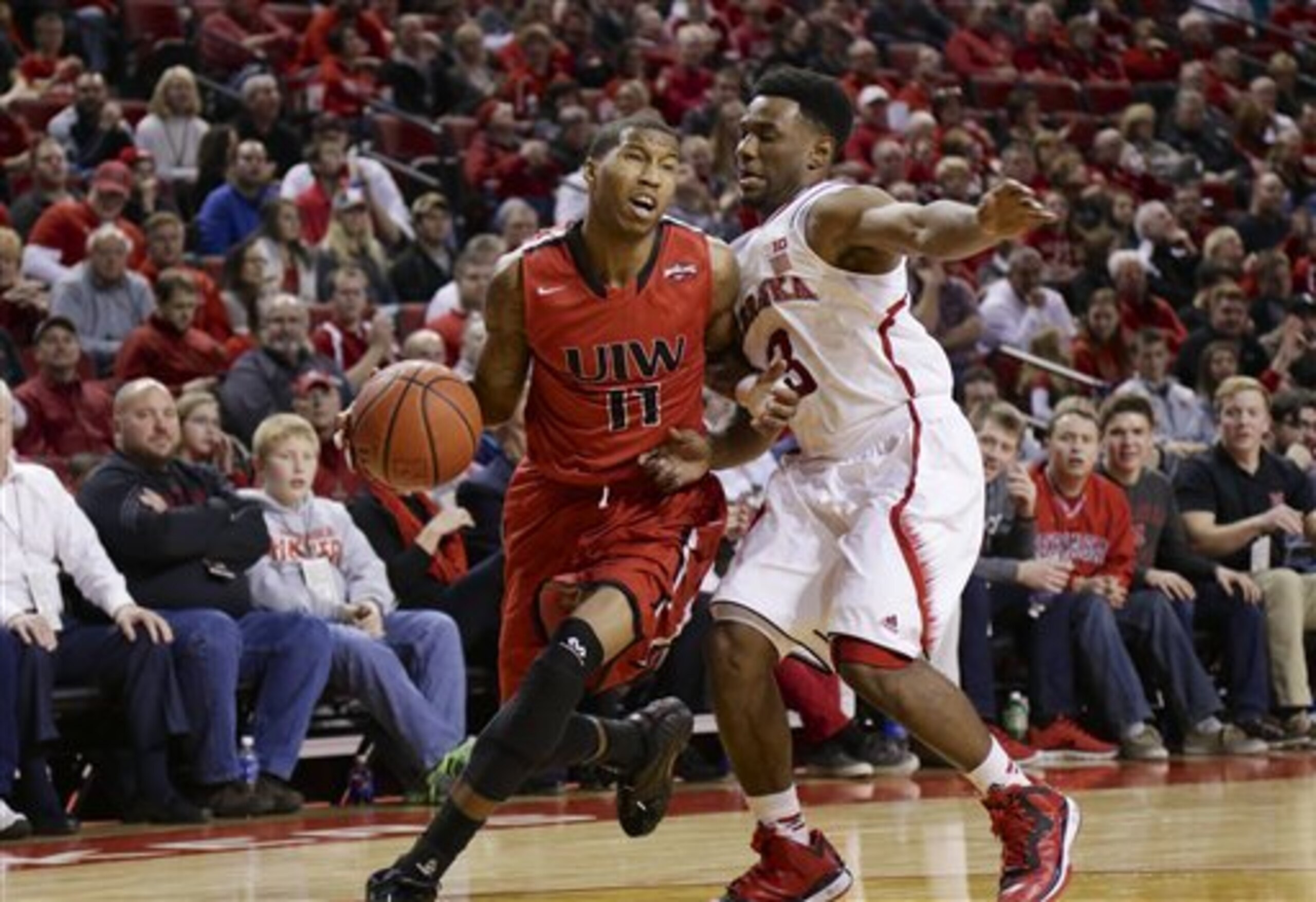
Incarnate Word is not yet eligible for an NCAA tournament berth, but that does not lessen the burden carried by Denzel Livingston.
The senior guard averages 37.6 minutes per game on a team that likes to run up and down the floor and is second in the nation in scoring. And it's not just scoring that the Cardinals need from Livingston, who averages 22.8 points, 6.3 rebounds, 3.3 assists and 2.4 steals.
He played all 50 minutes in a double-overtime loss to Southeastern Louisiana, collecting 27 points, five rebounds, five assists, four steals and two blocks, and he played all 55 minutes in a triple-overtime win over Missouri-Kansas City, recording 30 points, 11 rebounds, four assists and four blocks.
He does not take any time off on the defensive end, either, earning a spot on the Southland Conference's all-defensive team a year ago.
Although the Cardinals are still in the transitional phase of their move to Division I, they play mostly a Division I schedule and are members of the Southland Conference. They even have road wins over Princeton and Nebraska this season, so Livingston is not putting in his minutes against inferior opposition.
When he weighed 137 pounds as a high school senior, it might have been impossible for him to withstand such a grueling season. Now, at 180 pounds, he manages just fine.
4. Lawrence Alexander, North Dakota State
8 of 11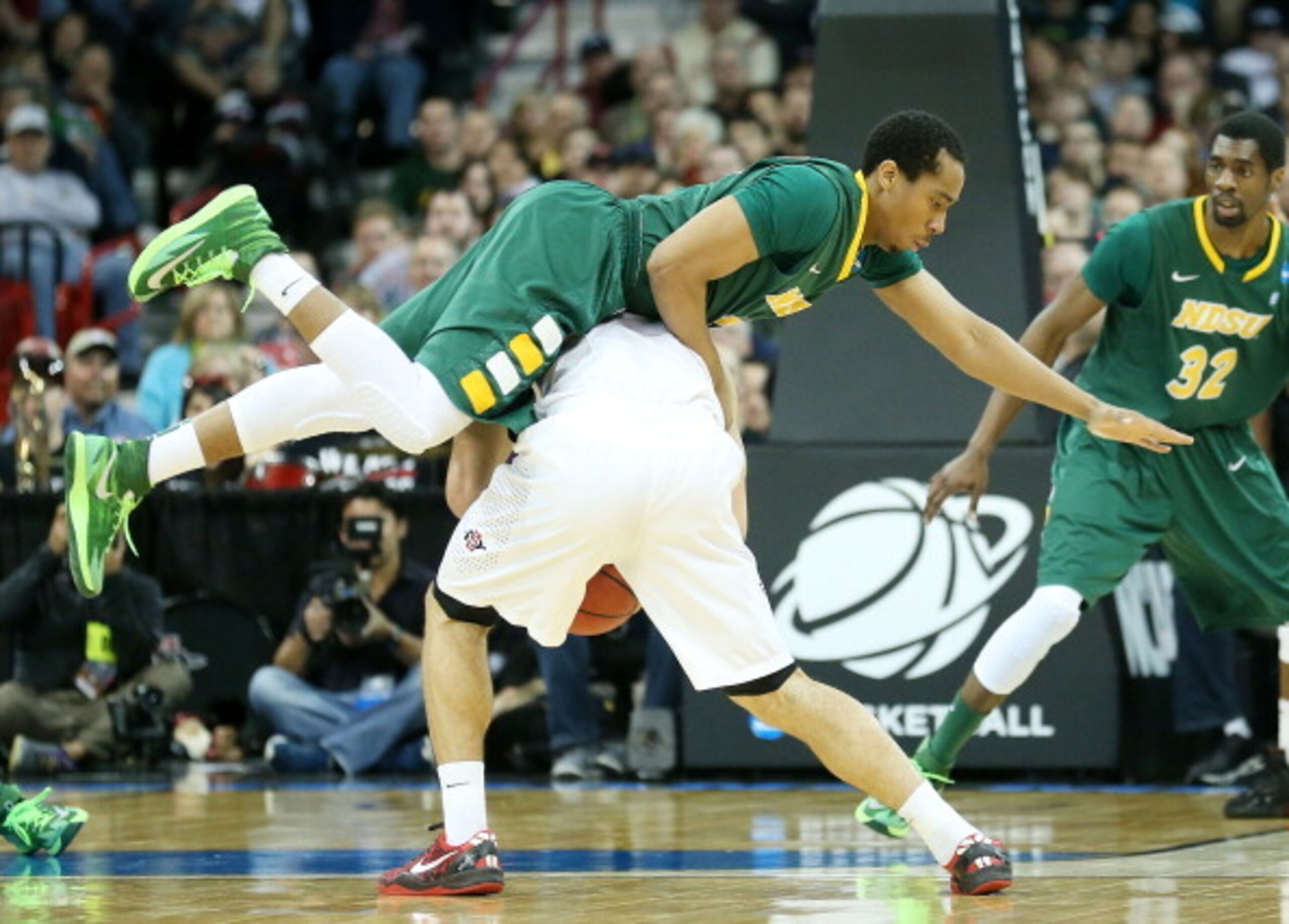
North Dakota State guard Lawrence Alexander made this list based on his cumulative workload.
He is averaging 38.3 minutes per game this season, which is impressive enough since it ranks fourth in the country. But perhaps more impressive is that he averaged more than 34 minutes each of the three previous seasons. He has logged 4,130 minutes for the Bison, and he figures to add quite a few before he's done.
Alexander has played 40 minutes or more in nine games this season, and he probably will do that several more times with the Bison in position for their second straight trip to the NCAA tournament. Alexander played all 45 minutes when North Dakota State upset Oklahoma in overtime in the Big Dance last year.
He is averaging 18.1 points and 4.6 rebounds, so he needs to be on the floor as much as possible.
The Bison don't have the depth they had a year ago, so Alexander can never show that he's winded, even if he is.
"One thing I try not to do is show fatigue," Alexander said, per Jeff Kolpack of InForum, which covers North Dakota State athletics, "so it’s kind of hard for (coach) Dave (Richman) to tell when I’m tired. I know when I’m tired, but I continue to play hard. Last year I could have gotten away with it because of the team we had, but this year, I can't coast."
3. Chasson Randle, Stanford
9 of 11
Despite ailing with flu-like symptoms that left him hoarse afterward, guard Chasson Randle played all 45 minutes of Stanford's overtime victory over then-No. 21 Washington on Jan. 4. He had to carry the offense in the late going of that game, scoring 12 of his 24 points in the final nine minutes of regulation. He made the shot that pushed the game into overtime on a driving layup in which he muscled his way past Washington's 7-foot shot-blocker Robert Upshaw.
Four days later, Randle played 49 minutes in a double-overtime game against UCLA, collecting 32 points and five rebounds in that road loss.
He leads the Pac-12 in scoring at 20.2 points per game and is also tied for the conference lead in minutes played at 36.05 per game.
Randle has to do a little bit of everything for the Cardinal. He has the ball in his hands most of the time, and he leads the team in assists and steals. He spends a lot of time in the lane trading blows with the big men despite being just 6'2". He is unafraid to drive the lane, often getting bounced around, which is why he leads the team in free-throw attempts.
With Stanford's severe depth problems, coach Johnny Dawkins can't afford to have Randle out of the game for long.
2. D.J. Newbill, Penn State
10 of 11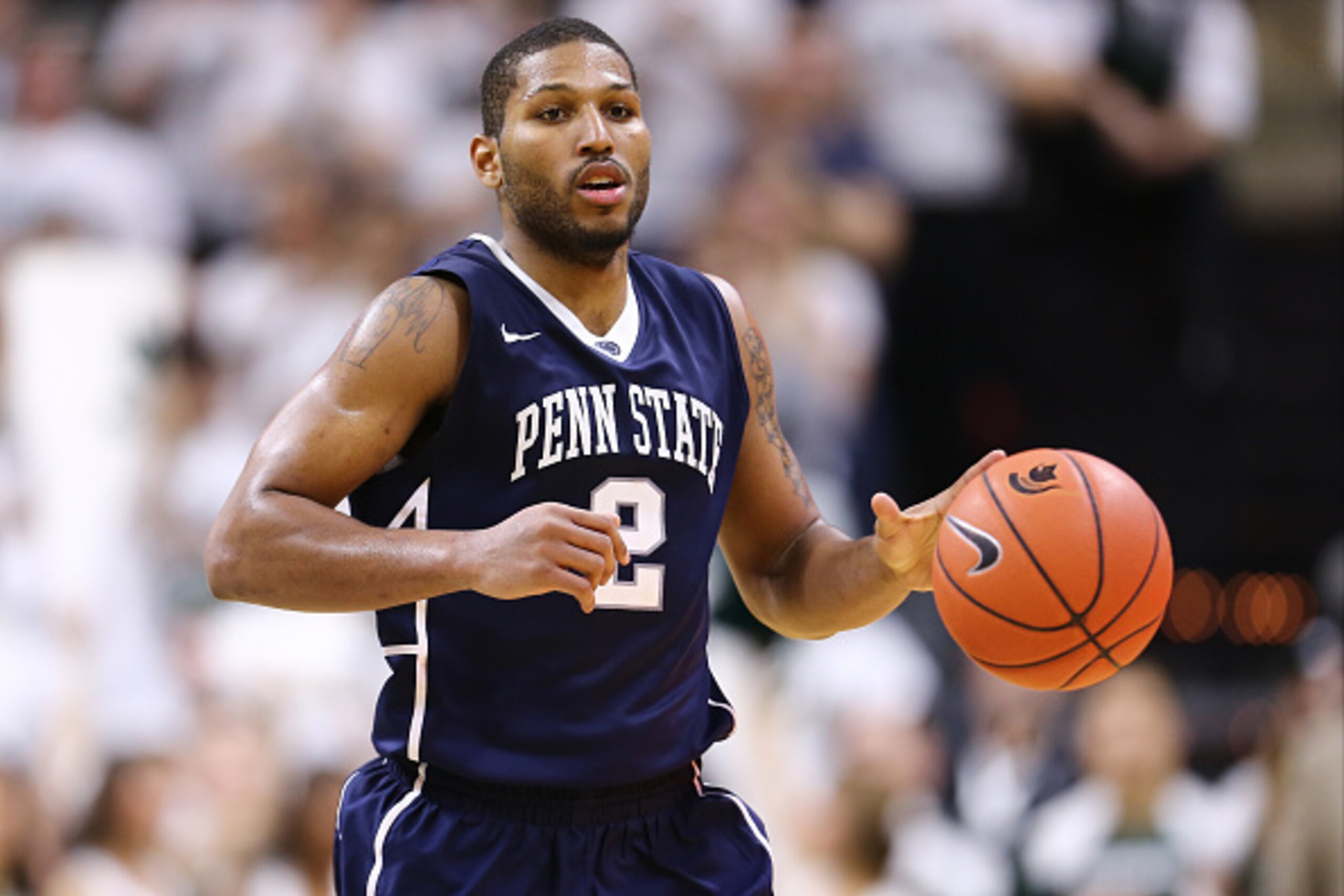
When you are the only reliable scorer on a Big Ten team, you can't expect to have many respites. Such is the case for Penn State guard D.J. Newbill.
He leads the team and the conference in scoring at 21.5 points per game, and no other Nittany Lions player is averaging in double figures. As a result, Newbill can expect all of the defensive pressure to be focused on him. And that pressure can be considerable in a physical conference like the Big Ten.
It also means that Newbill seldom leaves the court. He is averaging 37.3 minutes per game and played all 50 minutes in a double-overtime loss to Charlotte early this season.
And it's not just scoring that the Nittany Lions need from Newbill. He leads the team in assists and steals and helps out on the boards, averaging 4.8 rebounds per game.
Newbill had just 12 points in Penn State's recent five-point victory over Minnesota, but he also had 11 rebounds, five assists, three steals, one block and, perhaps not surprisingly, six turnovers in 37 minutes of court time.
Newbill has to work extra hard for the Nittany Lions to have any success in the Big Ten. But because he is really all the Nittany Lions have, they are languishing near the bottom of the conference standings.
Jerian Grant, Notre Dame
11 of 11
Notre Dame senior guard Jerian Grant frequently dives on the floor for loose balls. He often dunks, especially at critical moments. He leads the team in scoring (17.4 points per game), assists (6.5) and steals (1.5) and collects more than three rebounds per game to boot. He also orchestrates the offense and is the team leader while playing 35.9 minutes per game.
He has a lot on his plate and contributes in a variety of ways while seldom leaving the court.
Three other factors distinguish Grant's workload from everyone else's.
First of all, he plays in the Atlantic Coast Conferences, which means he has to be at the top of his game in virtually every contest for Notre Dame to win. Although there is no statistic to prove it, you can make a good argument that Grant means more to his team's success than any other player in the country. Notre Dame is 20-2 overall and 8-1 in the ACC, and Grant is the main reason.
Second, the Irish rank No. 10 in the nation in scoring, using a fast-paced attack that produces a lot of possessions and a lot of sprints up and down the floor. Grant seldom gets a respite with that style.
Finally, Notre Dame has played a lot of close games, and close games mean additional physical and mental stress. Six of the Irish's last eight conference games have been decided by five points or less or reached overtime.
It's no coincidence that the Irish won all six of those nail-biters, with Grant playing virtually the entire game each time. He played all 50 minutes in the double-overtime win over Georgia Tech and all 45 minutes in the overtime victory over North Carolina. In the Irish's triumph over No. 4 Duke this week, he played all 40 minutes and contributed 23 points, 12 assists, six rebounds, three steals and two blocks.
Earlier this season, Grant played all 45 minutes in Notre Dame's overtime victory over Michigan State, collecting eight of his 27 points in the final eight minutes of regulation to force overtime.
It has not been all smooth sailing for Grant. He missed much of last season after the school suspended him for the spring term for an undisclosed academic violation, according to the Associated Press. He was readmitted for the 2014 fall term and has turned the Irish into a national title contender.

.jpg?w=2560 "Cowboys Handle Eagles on MNF 🤠")