First World Problems: Great Teams Edition
Great teams have problems too—just maybe not the same kind as everyone else.
First, what do I mean by a “great team?” Well, this could be a perennial powerhouse like the New England Patriots, or it could be a historically great franchise like the New York Yankees or Boston Celtics. Or it could be a team that’s strung together a few good years and is making a name for itself—the Los Angeles Kings comes to mind.
But in general, I’m not talking about a team that had one fluke good year. I’m talking about teams that are either etched in history as great franchises or teams that could be on their way to that.
Such teams don’t have it as easy as everyone thinks. Life can be rough on top. Great teams deal with more media scrutiny, and their fans won’t settle for less than the best.
It’s a tough world out there for a champion.
Bandwagon Fans
1 of 12
Did you know the New York Yankees ball cap is the best-selling New Era hat of all time? I bet you’re not even surprised. Iconic franchises build up large bandwagon fanbases simply due to the greatness associated with the team and its history. That Yankees cap isn't just something fans wear—it's a pop culture icon.
Similarly, teams who bounce back from bad years to become great also experience an influx of bandwagon fans. Think, the Chicago Blackhawks circa 2010.
Consider this: In 2007-08, the Blackhawks were third to last in the NHL in average attendance (based on percentage). They have been top two in the league in that same category every year since. What happened? They made the playoffs and went to the conference finals, that’s what. Then in 2010, they won it all.
Of course, more fans are nice for the bottom line (ticket sales, merchandise, etc.), but do they really love you? Or do they just love you for your Ws?
Impossibility of a Kansas City Royals-Type Season
2 of 12
Perennially great teams can’t have a diamond-in-the-rough campaign like the Kansas City Royals just did—it’s just not possible. The Los Angeles Lakers might be going through a rough stretch, but there’s never going to be a headline that reads, “Lakers Make Playoffs for First Time in 30 Years!” (You know, assuming things turn around for them eventually.)
There is something very special about that type of magical season that great teams will never get to experience. Isn’t it a shame?
Stars Get All the Attention
3 of 12
There’s no “I” in team, right? For teams to be truly great, they have to have many quality players over the years. The problem for all those players is great teams usually also have a superstar or two.
James Harden is a very good basketball player, but when he was with the Oklahoma City Thunder, he constantly played second fiddle to megastar Kevin Durant. Scottie Pippen was a great player, but no one ever thinks of him without also thinking of Michael Jordan.
If second-tier stars were on average teams, they’d probably get more of the spotlight. Instead, they have to suffer the ill fate of fading into the background while winning all the time. Womp.
.jpg?w=2560 "Seahawks Chiefs Football")


Mo Money, Mo Problems
4 of 12
Of the four major American sports leagues, only the MLB and NBA have a luxury tax.
In the NBA, the New York Knicks are generally tops in payments, but from the 2002-03 season through 2013, the Lakers paid the third-highest amount with a total of $113,676,992 over that span.
In 2013, the New York Yankees paid a $29 million tax—twice the total payroll of the Houston Astros that year.
Low Draft Picks
5 of 12
Great teams hardly ever get high draft picks—at least not without trading up or having an outlier of a bad season. Both the NBA and NHL have a draft lottery, which gives better teams a chance, but not if they made the playoffs. And in the NFL and MLB, forget it.
Nowhere to Go but Down
6 of 12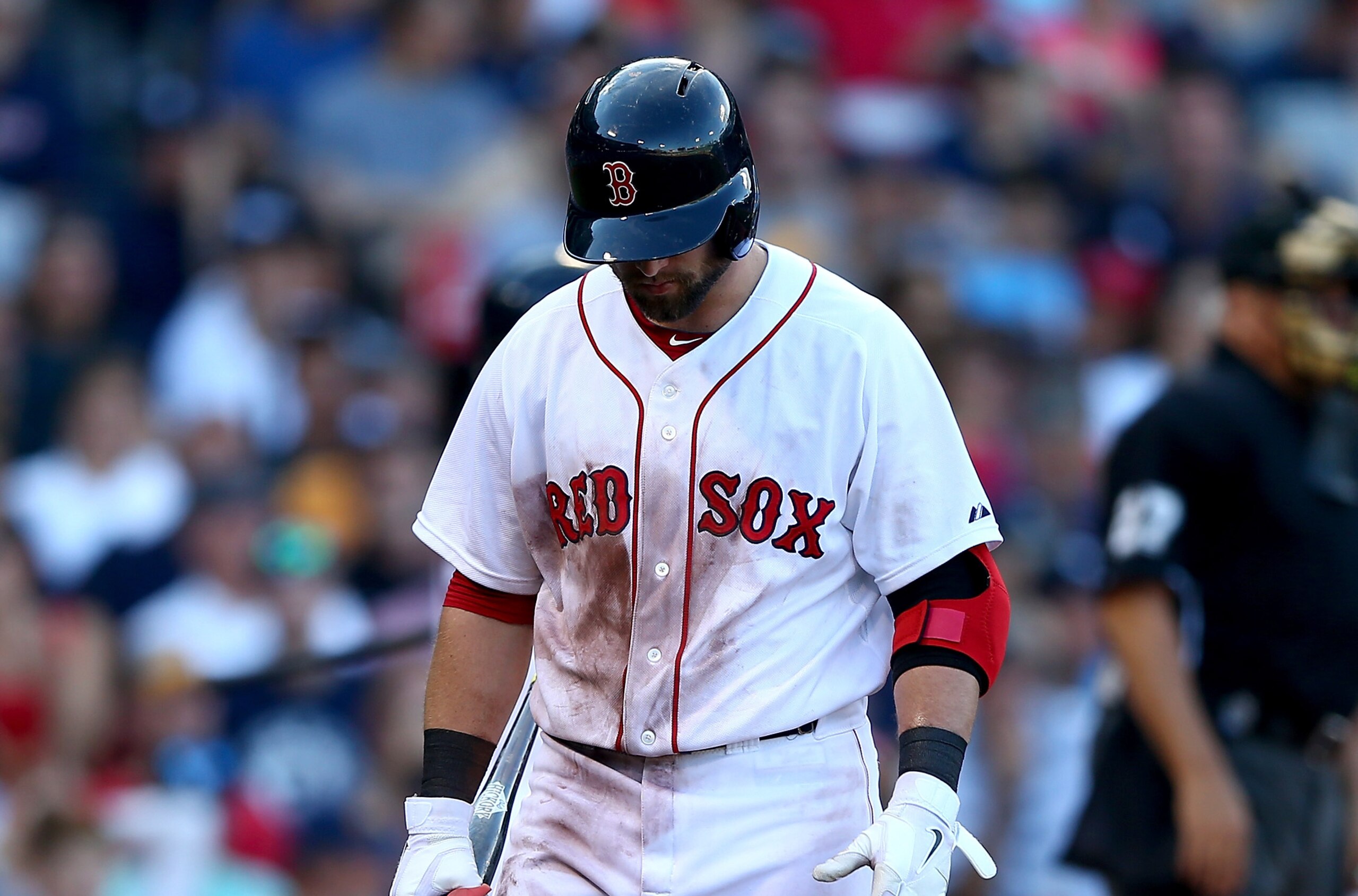
When you’re at the top, there’s nowhere to go but down. The higher you fly, the harder you fall—you know all the clichés.
No team is going to win a championship every year. But defending champions always have that burden on their shoulders. If the Seattle Seahawks don’t repeat as Super Bowl champs, then well, great season, but not as good as last year.
Not to mention, what if the Seahawks hadn’t even made the playoffs? Remember when the Boston Red Sox won the World Series in 2013 and then failed to even make the postseason in 2014? The fall from glory is a hard one, friends.
Dynasty Debate
7 of 12
Teams that have great runs or stretches of brilliance are generally subject to the dynasty debate. That is, there is a constant discussion about whether or not the team is, in fact, a dynasty.
Take the San Antonio Spurs for example. In the Tim Duncan-Gregg Popovich years, the team has made the playoffs every year and won five championships. Prior to its most recent title in 2014, the team’s last championship came in 2007. Despite perennial success, debate raged about whether or not a fifth ring would solidify the dynasty.
Post-2014, most agree that the Spurs have reached that level, but not everyone. Phil Jackson recently said that he wouldn’t characterize the Spurs as a dynasty because they haven’t won back-to-back championships.
Historical Comparison
8 of 12
Similar to the dynasty debate, great teams (and great players, for that matter), are often compared to their historical counterparts. Were the 2007-08 Boston Celtics as good as the 1985-86 Celtics? What kind of legacy did each team leave behind?
Great teams can't just bask in their greatness. They have to face the incessant comparison to great teams of the past.
More Wear and Tear
9 of 12
Great teams generally find themselves in the postseason more often than not. This means while other players are at home resting their bodies and taking beach vacations, playoff-team players are still working hard, playing more games and putting more wear and tear on their bodies.
Last season, the Stanley Cup champion Los Angeles Kings played 26 postseason games—26! That’s quite the grind, folks.
More Media Attention
10 of 12
Great teams get more attention from the media. That’s a problem if players don’t like media attention, and it’s also a problem when things go wrong.
Does anyone think Deflategate would’ve been as big of a deal if it wasn’t Bill Belichick and the Patriots, but rather, a non-playoff team? If an unknown PGA golfer crashed his car on Thanksgiving Day, does anyone think it would’ve set off a media circus the size of Texas?
There’s no flying under the radar for great teams. Media scrutiny is par for the course, and every small scandal inevitably becomes a big one.
Haters Gonna Hate
11 of 12
Much like there are people who like good teams just because they are good, there are also people who hate those same teams for that same reason.
The Dallas Cowboys may have had a few rough years, but it’s still the winningest NFL franchise of all time (per win percentage). That said, man, do people love to hate on the Cowboys, especially when they’re down.
Burden of High Expectations
12 of 12
Great teams are generally subjected to higher standards of success. You made the playoffs? Who cares? Often, fans are unhappy with anything less than a championship.
Just look at the 2007 New England Patriots. That team won 18 games and only lost in the Super Bowl because of a crazy, unlikely helmet catch. Now, that team is remembered not for the incredible feat of winning 18 games, but for that one loss. That one, 17-14 loss. Great teams are held to a higher standard.
Sometimes, fans even boo their own great teams for poor performances. It's ruthless out there.