Sports Fixes That Need to Happen
Sports have made rule changes and other adjustments over the years, but there are more fixes that need to happen.
Rule changes are often made to make sports more exciting, which is why the NCAA should reduce its basketball shot clock. Other times, changes are simply made because they make sense, like a designated hitter in the national league.
Whatever the reason, it’s time these changes were made.
Control Time Between Pitches
1 of 13
Problem: Baseball games are too long. Yes, I appreciate the easy-going nature of our national pastime, but baseball has developed some bad habits over the years that are easily avoidable. For example, Rule 8.04 of the official MLB rules states, “When the bases are unoccupied, the pitcher shall deliver the ball to the batter within 12 seconds after he receives the ball. Each time the pitcher delays the game by violating this rule, the umpire shall call Ball.”
Fix: To help cut back on time between pitches, MLB could start using a pitch clock, similar to basketball’s shot clock. However, a clock could be too aggressive and disrupt a pitcher’s nuanced routine. Not to mention, it would be distracting to fans. Therefore, baseball should simply start enforcing the existing rule.
Change NFL Catch Rule
2 of 13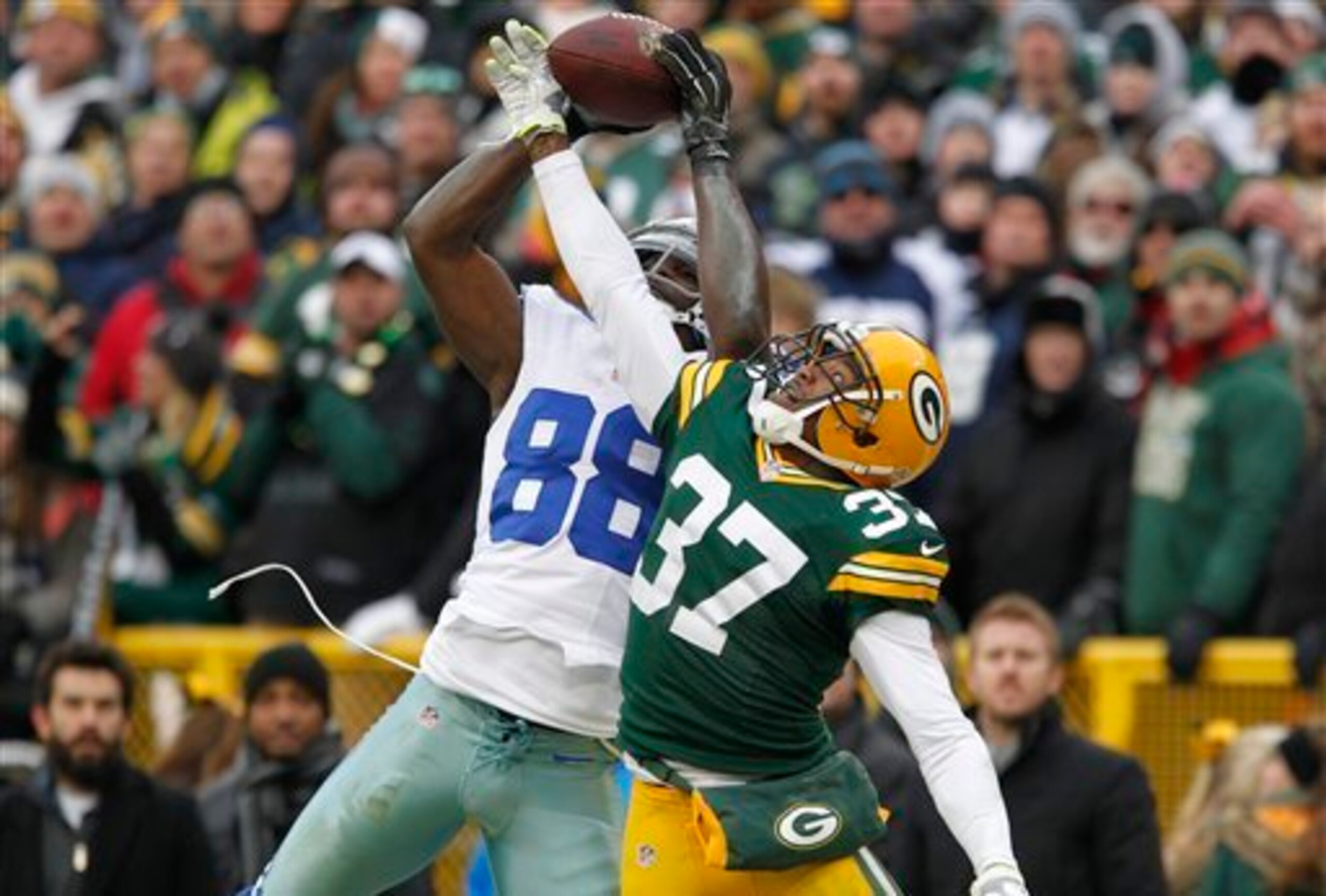
Problem: If this year’s NFL playoffs haven’t convinced you that some rules need to be better defined, then perhaps you haven’t been watching.
Specifically, let’s talk about the Dez Bryant catch/non-catch in the Cowboys divisional matchup with the Packers. Bryant made what appeared to be an incredible fourth-quarter grab on 4th-and-two. The first down would’ve given the Cowboys a 1st-and-goal, down by five. However, the call on the field (catch) was overturned after review, puzzling many.
Fix: As it turned out, the overturned catch was by the (rule) book, but many people were left questioning the rule itself. NFL Vice President of Officiating Dean Blandino tweeted the following explanation: “Bryant going to the ground. By rule he must hold onto it throughout entire process of contacting the ground. He didn't so it is incomplete.”
So while folks generally agree that the call was correct according to the rules, many have called for a rule change. The NFL should hear their cries and change the rules regarding what is a catch, or at least specify the language to make it crystal clear.
NFL Games More Affordable
3 of 13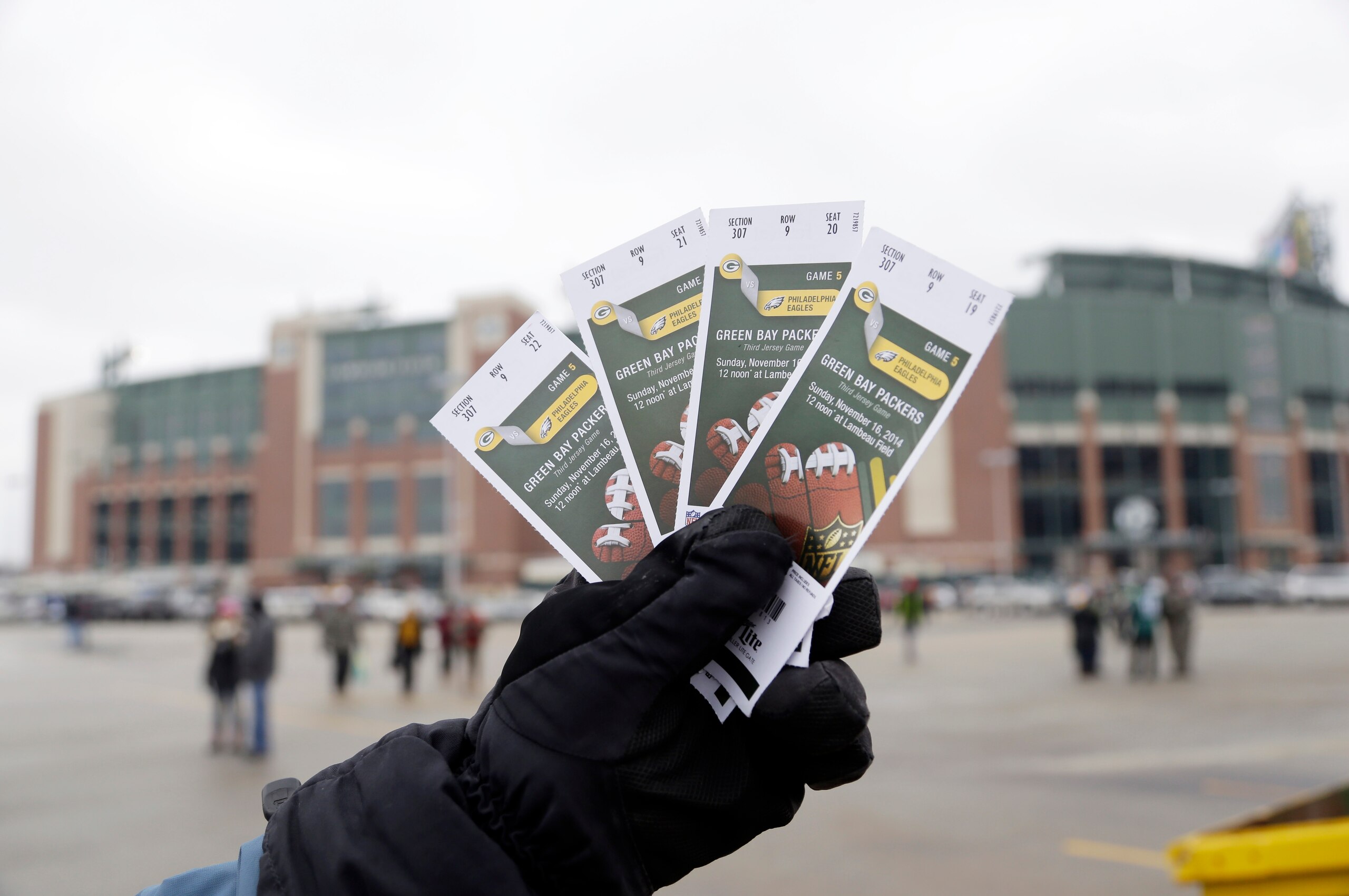
Problem: The NFL has been facing an attendance problem for several years now. There are likely several reasons for this—television timeouts take too long, in-home viewing has gotten much better, etc. But the biggest reason people don’t attend games in person is the outrageous cost.
Now, I understand the NFL is a business, and teams will charge what they can get based on demand. However, teams should recognize that their fan bases consist of more than wealthy people and corporations schmoozing clients. The average NFL ticket price in 2006 was $62.38. In 2014, it was $84.43. That’s face value, mind you. In 2013, the average cost of a New York Giants ticket on the secondary market was $292.36.
Fix: In-stadium Wi-Fi and Jumbotrons are nice, but until that ticket price can come down, methinks fans will continue to opt for their flat screens and couches.
.jpg?w=2560 "Seahawks Chiefs Football")

NL Designated Hitter
4 of 13
Problem: Personally, I’d describe myself as a baseball purist. However, sometimes you just have to know when to fold ‘em. Year-round interleague play now puts NL teams at a disadvantage more often when they have to play in American League parks. Conversely, when AL teams play in NL parks, pitchers have to hit, which increases the risk of injury and generally makes a mockery of an at-bat. NL hitters face a disadvantage in free agency as well, since aging or injury-prone hitters don’t have a DH lineup spot to fall back on.
Fix: The NL should institute the DH.
Eliminate NHL Regular Season Shootout
5 of 13
Problem: Following the cancellation of the 2004-05 NHL season, the NHL instituted a series of rule changes to increase offense and win back fans. One of those changes was a shootout to eliminate ties in regular season games.
Fix: What was once an exciting new spectacle for fans has become a bit of a bore. According to The Hockey News, NHL shootouts have just a 32.8 percent success rate. And now that the “Spin-O-Rama” has been banned, shootouts are even less entertaining.
A shootout format that doesn’t even allow for one of the most impressive moves doesn’t seem like a fair way to settle a game. Sudden death overtime is more exciting, and if a five-minute round of that doesn’t result in a winner, I’m OK with a tie.
Shorten NCAA Basketball Shot Clock
6 of 13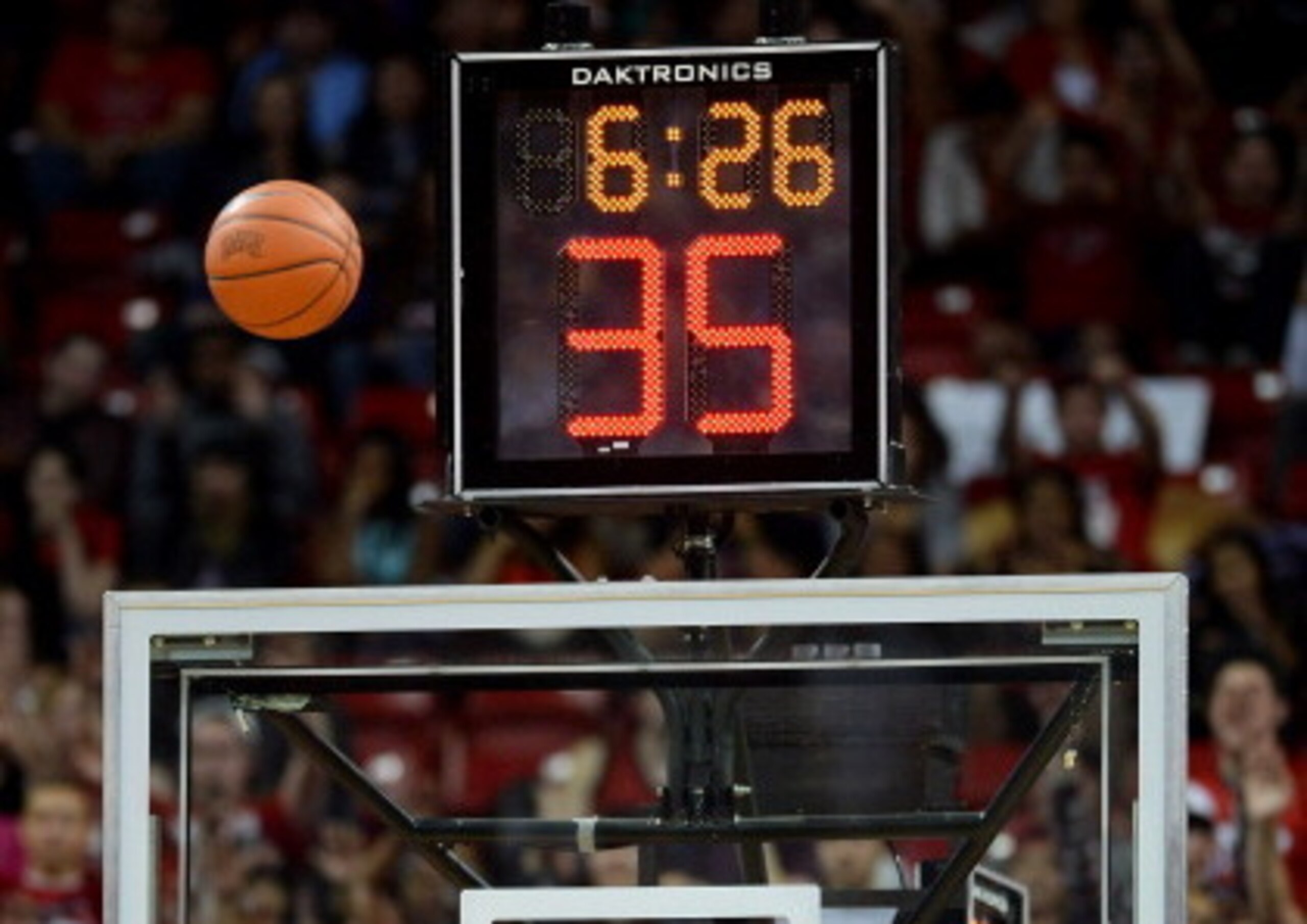
Problem: The NBA shot clock is 24 seconds. The NCAA shot clock is 35. While some folks appreciate the slow-moving nature of the game, many feel that fan excitement is waning. This is in part due to longer possessions and lower-scoring games. Nathan Baird of The Lafayette Journal & Courier reported that Jay Bilas said, “There's no legitimate reason for us to have a 35-second shot clock. Discussion of this is almost a waste of time. Something needs to be done.”
Fix: The ACC and Atlatic 10 conferences experimented with a 30-second shot clock during exhibition games preceding the 2014-15 season. Compared to 28 exhibition games in 2013, the 30 games in 2014 saw average time of possession drop by 3.9 percent—not particularly significant, but perhaps a sign of things to come.
Eliminate NBA Draft Lottery
7 of 13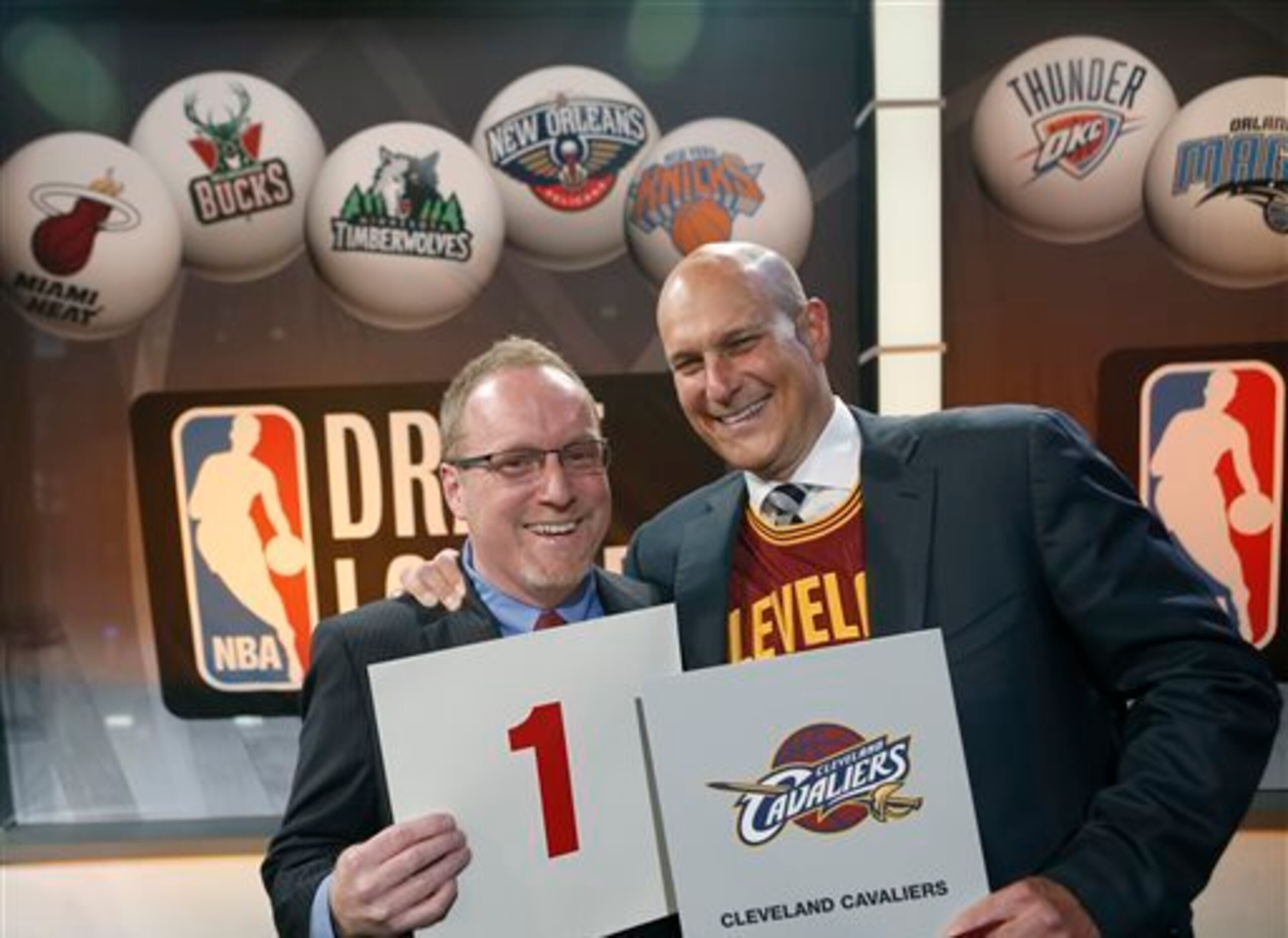
Problem: If the NBA draft lottery was initially intended to prevent tanking, I uh, don't think it's working anymore. In 1985, at the first lottery, all lottery teams had an equal chance of landing the No. 1 pick. In 1990, the NBA instituted a weighted system, so that teams with worse records had a higher chance.
I understand the concept—since the worst team isn’t guaranteed the top pick, the system should discourage tanking late in the season. But there’s no proof that teams don’t still tank simply to increase their chances. Plus, the system allows the possibility of a good team getting the top pick and thus hurting competitive balance. In 2008, the Chicago Bulls had the ninth lottery spot and just a 1.7 percent chance of getting the first pick. If you recall, the team got the No. 1 pick and selected future MVP Derrick Rose.
Fix: Let’s eliminate the lottery and institute and NFL-style draft. This would guarantee the worst teams get the top picks and hopefully improve competitive balance. Tanking would still be an issue, but hey, it's on Adam Silver to figure that one out.
Simplify NASCAR Championship
8 of 13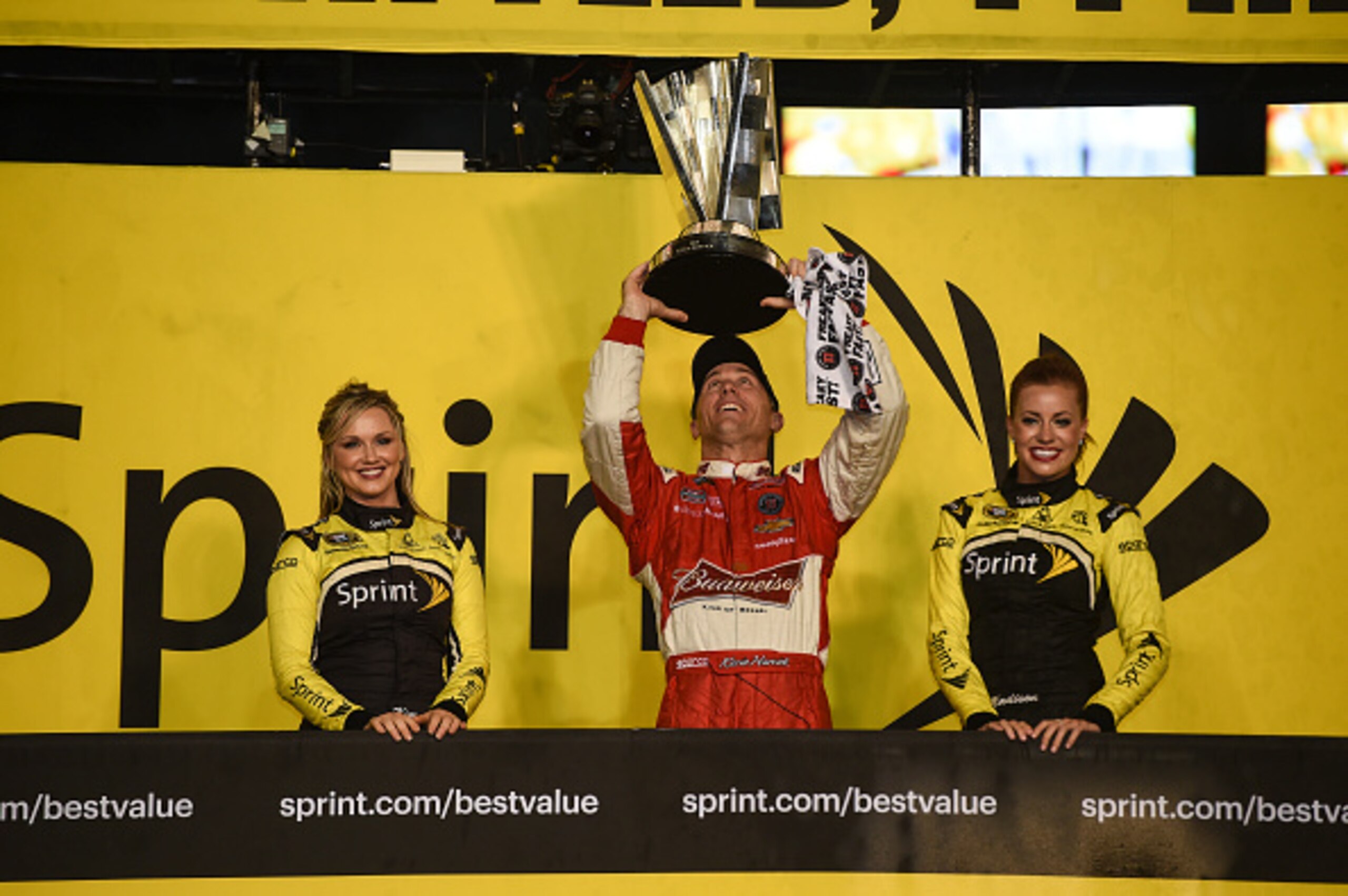
Problem: NASCAR has enjoyed incredible popularity over the years, but recent drops in television ratings and attendance might force some changes. As many sports people would tell you, the key to a successful business is appealing to casual fans in addition to the die hards.
One issue on that front is with NASCAR’s championship format. After the regular season races, the top 16 drivers participate in the “Chase,” a 10-race postseason of sorts. After three races, four drivers are eliminated from contention, and so it goes until only four remain. Points awarded to each driver based on his/her finish, and the system is not exactly simple.
Fix: Jeff Gordon has suggested implementing a point system specific to the “Chase,” which could make it easier to follow. Or, as a drastic idea, what if only the four remaining drivers participate in the final race? Now that would be fun to watch. Essentially, NASCAR just needs to make its most exciting time of year as easy to follow as possible.
NFL Monitor Balls
9 of 13
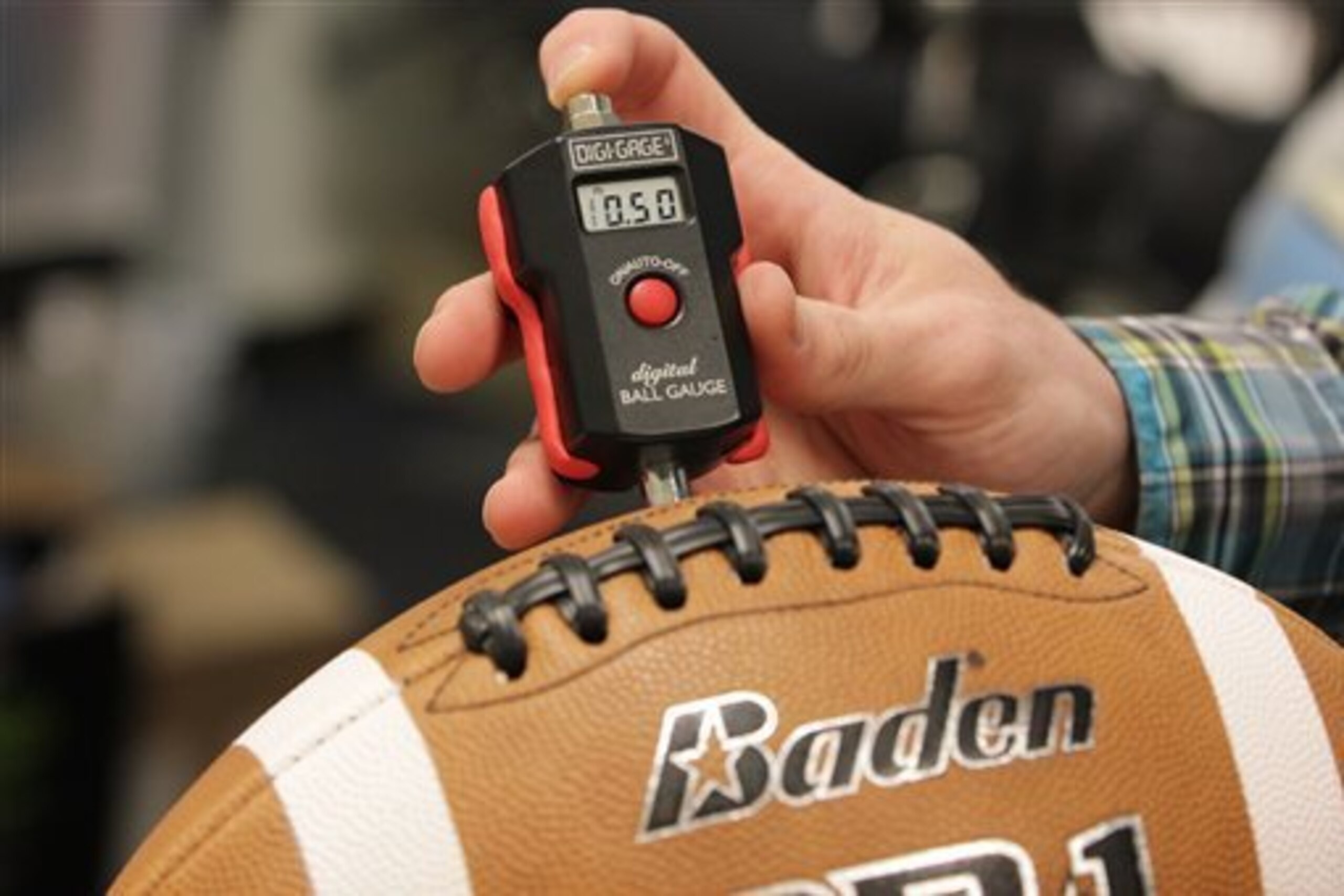
Problem: This is why we can't have nice things. If Deflategate has taught us anything, isn't it that the league should handle the balls? Why is this left up to the teams? Sure, the officials check the pressure levels, but obviously that system isn't working.
Fix: An impartial equipment manager has been brought in for the Super Bowl, but let's just make the change permanent.
FIFA Anti-Simulation Penalties
10 of 13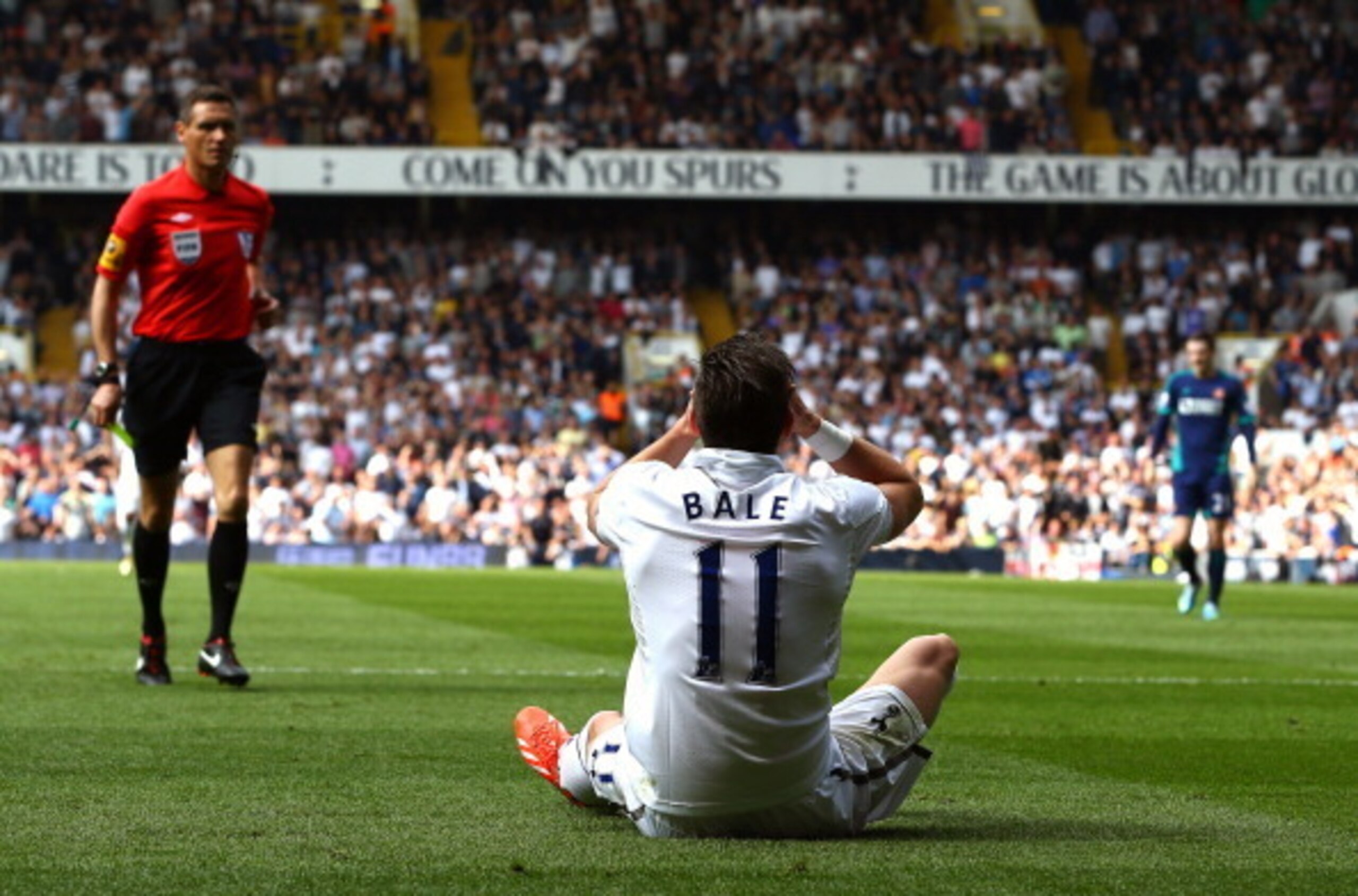
Problem: The NBA instituted an anti-flopping rule in 2012. So far, it has had some success. But, let’s be real. The OG when it comes to flopping is soccer. MLS started retroactively fining players for dives (or simulations) identified on replay. And while FIFA seems to recognize the problem, tough enough penalties have not been introduced.
In January 2014, FIFA president Sepp Blatter wrote in his weekly column, as reported by Jeremy Wilson of National Post, “This kind of thing is treated with scorn in other sporting disciplines but it has become a normal and accepted part of football nowadays. Even though simulation is incredibly unfair and looks preposterous when viewed in a replay, some people regard it as smart or in the worst case as a harmless misdemeanour.”
Fix: Sepp has cracked down. He’s reminded referees to continue play unless they believe a serious injury has occurred. He has also proposed time penalties as a punishment for simulation in FIFA competition. Hey, if the subtle fixes aren’t working, I’m all for trying something more drastic like a NHL-style penalty box.
NFL Overtime Rules
11 of 13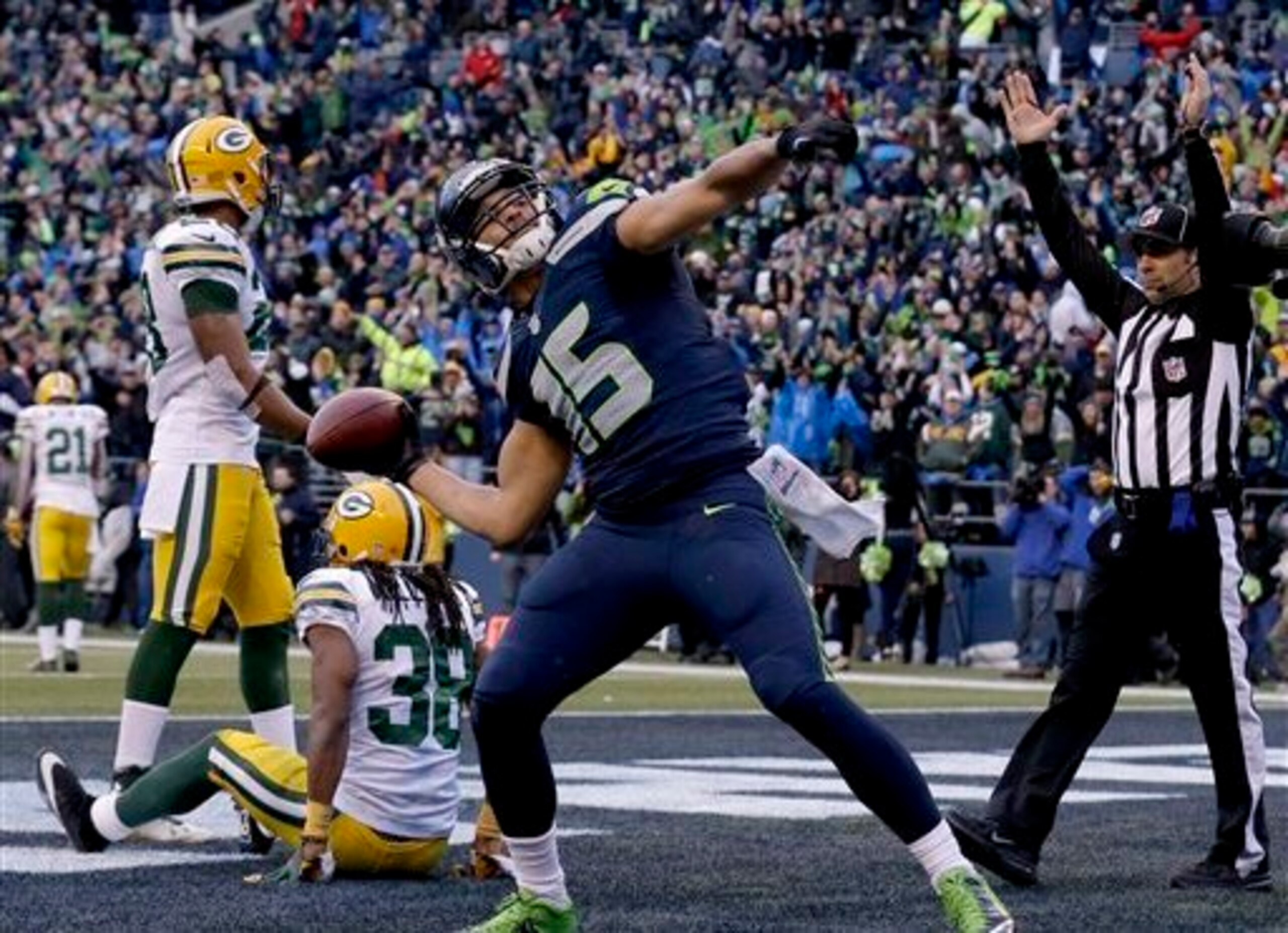
Problem: The NFL changed its overtime rules in 2010 and adopted those changes for the postseason in 2012. The changes do represent an improvement over the old rules, since both teams have an opportunity to possess the ball—well, with a caveat. Each team has the opportunity to possess the ball in overtime unless the receiving team scores a touchdown. This still leaves the possibility that a game could be decided, albeit indirectly, by the flip of a coin.
Fix: That whole receiving team scores a TD thing has happened, most recently for the Seattle Seahawks in the NFC Championship Game. Both teams truly should have a chance to possess the ball, no matter the outcome of the coin flip.
8-Team Playoff
12 of 13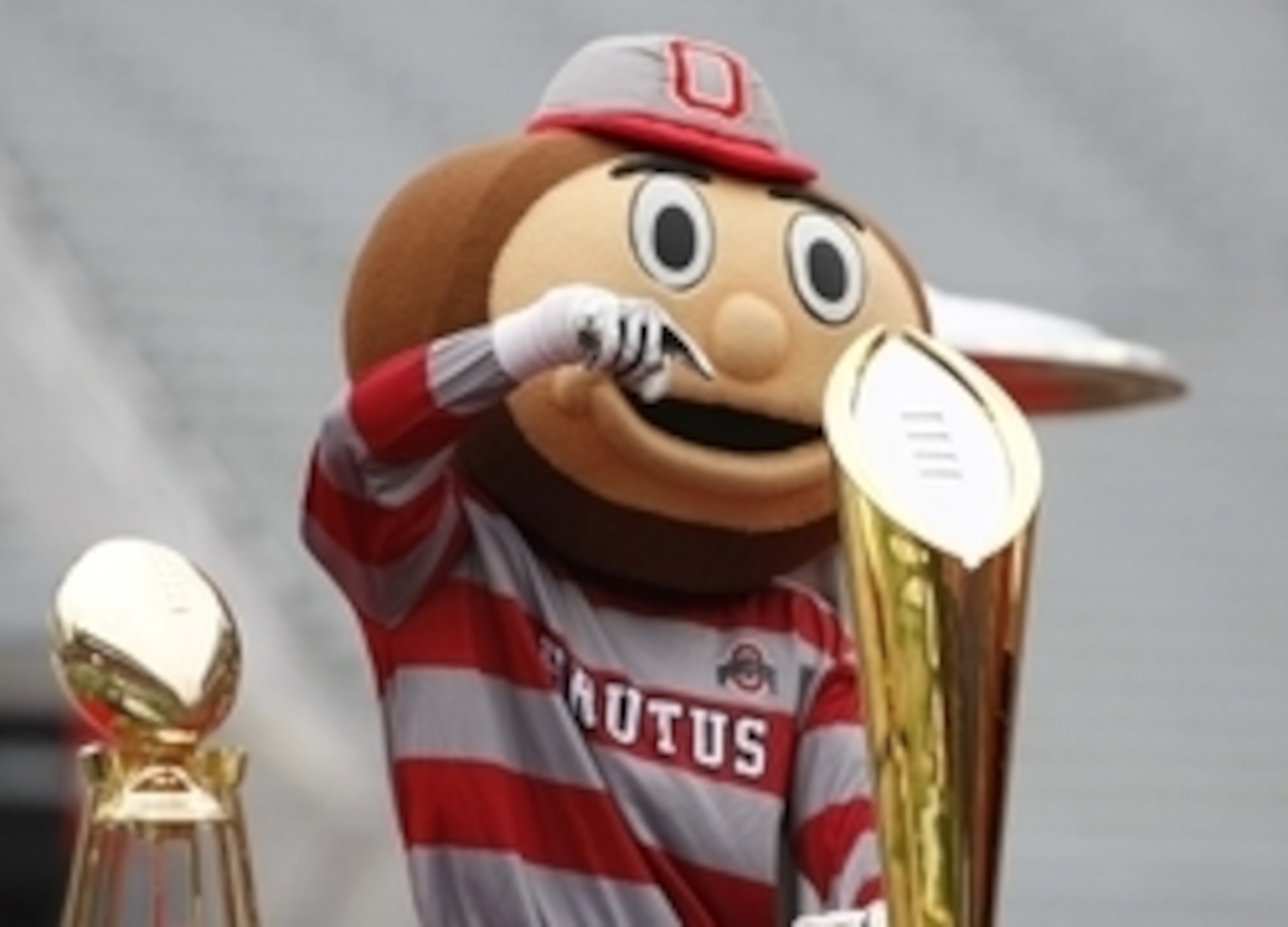
Problem: The four-team playoff was a major win for college football. Hype was high, ratings were higher, and the No. 4 team won it all. Ohio State’s victory proved the fairness of a playoff and placated critics of the old BCS system, at least for now. While it’s true that there will always be a “last team out,” and there will always be debate about that, the existence of five major conferences suggests that four playoff teams just aren't enough.
Fix: College football should institute and eight-team playoff. Sure, there are cons to the eight-team idea—e.g. scheduling challenges, strain on players, diminished value of regular season games, etc. However, those same cons existed with the four-team idea. More than eight teams would be too many, but eight, that’s the sweet spot.
Eliminate NFL Extra Point
13 of 13
Problem: In 2013, NFL kickers made 99.6 percent of attempted extra points. That's about as close to automatic as you can get, and many folks are wondering, why bother? During the 2014 NFL preseason, the extra-point line was moved back from the 2-yard line to the 15, and the success rate dropped to 94.3 percent (uh, still pretty good). In August 2014, NFL vice president of officiating Dean Blandino said that the extra point would likely change in some way in the near future.
Fix: One drastic fix would be to eliminate it entirely. Roger Goodell spoke in about one idea that would make a touchdown worth seven points. Teams could opt to attempt an eighth point in the traditional two-point conversation way, and if they miss, their point total would drop to six. That, or simply forcing teams to go for two points after a TD would take away predictability in the game and really shake things up.





.jpg?w=2560 "Raiders Sticking with Cousins")