Hong Kong Marathon 2015: Route, Course Map, Times, Event Details
The 2015 Hong Kong Marathon will take place on Sunday, January 25. The area is hosting the Asian Championship Marathon race for the fourth time in its history, with over 70,000 total runners expected to descend on the thriving region in Southeast Asia.
Known as one of the world's toughest marathons due to the difficult course, high humidity and bouts of air pollution, the Hong Kong Marathon isn't for the faint of heart. Foreign runners don't travel to Hong Kong to set records—they take part to see just how long their bodies will hold up.
Kenyan and Ethiopian runners have predictably dominated the marathon in previous years, but with a course record of well over two hours and 11 minutes, it's clear even the world's top runners struggle with the difficult set of conditions. Here's all you need to know for this year's race.

.jpg?w=2560 "Seahawks Chiefs Football")
.jpg?w=2560)
Times and Event Details
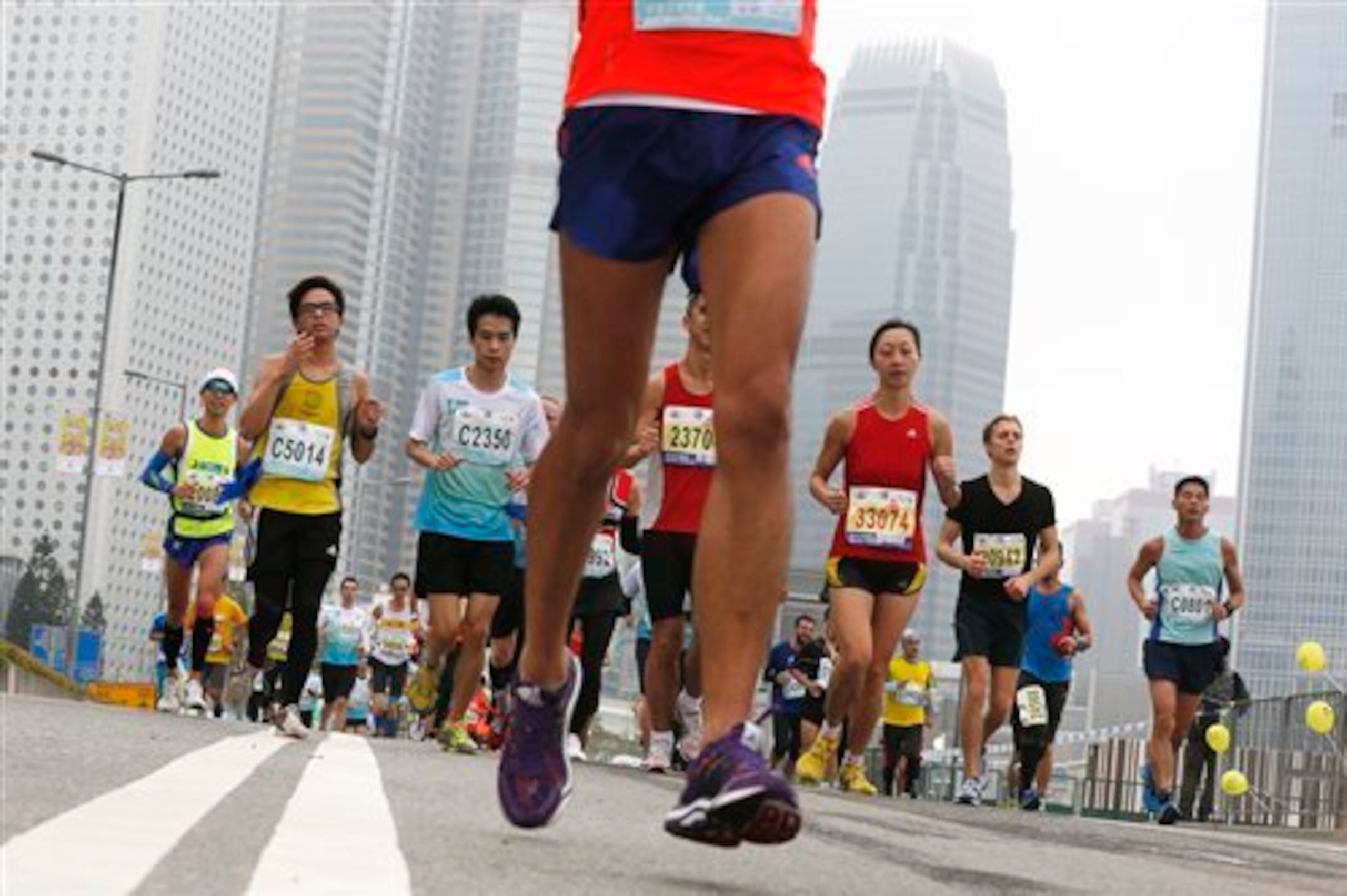
The 2015 Hong Kong Marathon has events for all levels of runners, but the marathon itself will take place during the morning. Runners with a personal best under four hours will depart at 6:10 a.m. local time, according to the event's official website, with two more starting times later in the morning, at 6:40 a.m. and 7:10 a.m.
The registration period for the full marathon has ended, and the time limit for all runners has been set at six hours.
Now TV will provide full coverage of the 2015 Hong Kong Marathon, accessible via their official website by clicking here. Winners in the men's and women's race will both take home $65,000, while the winners of the Hong Kong Amateur Athletics Association race will receive $3,400.
Route, Course Map

For a full course map, visit the event's official website by clicking here.
The race will start on Nathan Road in Kowloon and follow the West Kowloon Highway into the financial centre of the city. Turning southwest toward Victoria Harbour, the route will take runners over Stonecutter Bridge and through the Nam Wan Tunnel.
Runners will cross Tsing Ma Bridge and Ting Kau Bridge in both directions before making their way to the Cheung Tsing Tunnel, onto the Tsing Kwai Highway and toward Hong Kong Island, via the Western Harbour Tunnel.
The course stays close to the northern edge of the island, with the finish line in Victoria Park, in Causeway Bay.
Info
The local government is paying extra attention to air pollution levels in the city for this year's event, with checkpoints set up along the entire route. Under-secretary for the Environment Christine Loh told Bloomberg's Natasha Khan about the air quality monitoring in place:
"In previous years, NGOs have been measuring air quality on marathon day along the route using handheld devices, which are often inaccurate," Loh said in an email. This way, "they can use the data and through their channels and networks they can still inform people about air quality.
"
Like many other major global cities, Hong Kong can suffer from serious air pollution, and Loh reports officials are expecting low to moderate air quality for this year's event.
The difficult conditions coupled with the many bridges athletes have to cross make for a particularly harsh edition, as runners will have no place to hide from the wind.
Japanese runners failed to win a single Asian Championship gold medal in 2013 for the first time since 2004, and with the event returning to Hong Kong in 2015, the most successful Asian nation in marathon history could go winless in consecutive editions.


.jpg?w=2560 "Multiple NFL Trades Predicted")
.jpg?w=2560 "🚨Jay-Z Headlining Super Bowl")