Sports Fixes That Totally Worked
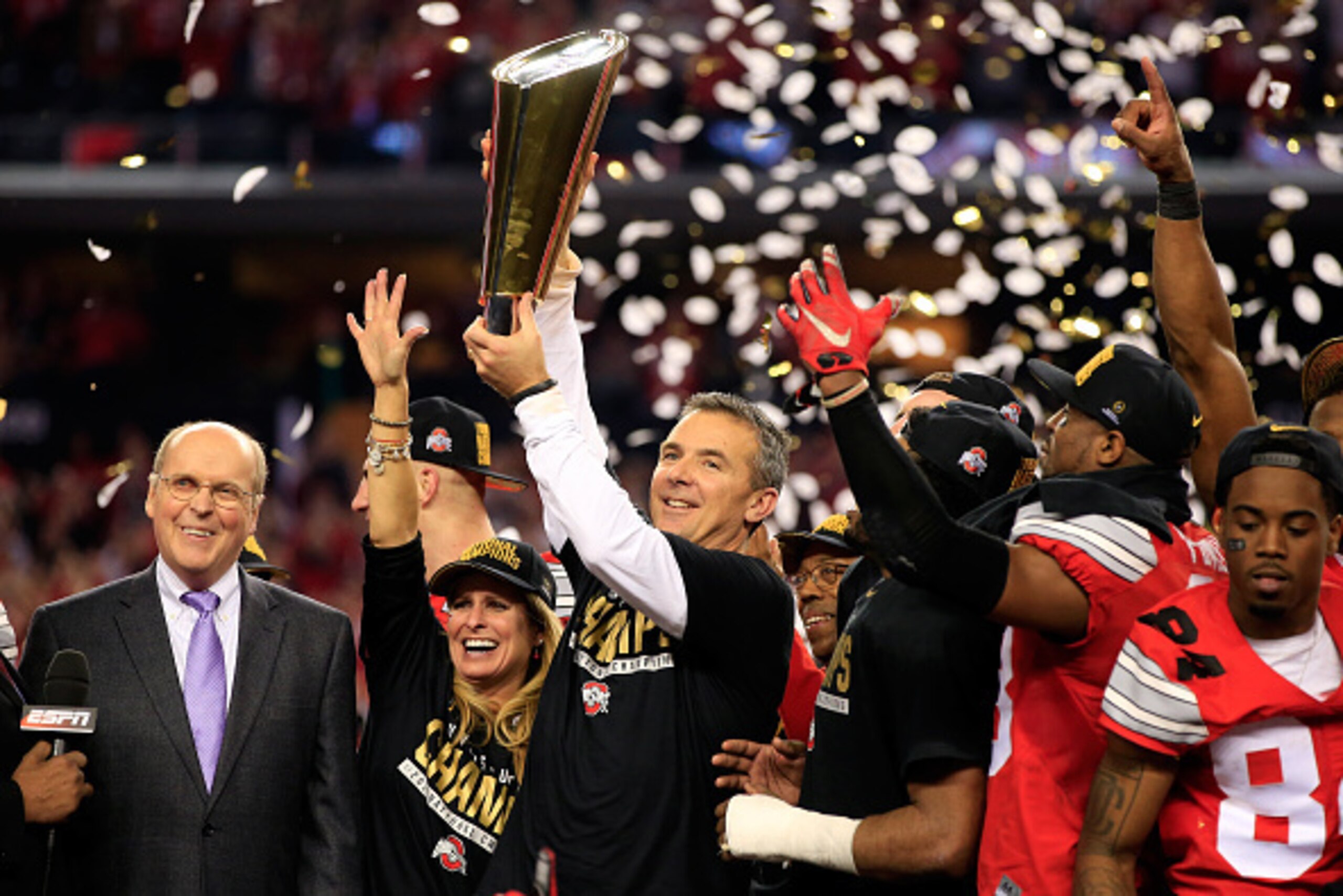
No. 4 Ohio State just won the new College Football Playoff National Championship—I’d say that’s proof of one sports fix that definitely worked.
Sports have and will continue to evolve in order to improve the on-field product and correct issues. These corrections could include rule changes, technological advancements, changes in collective bargaining or even law.
And believe me, not all sports fixes work, at least not decisively. Just look at the NFL overtime rules—some people like them, but others believe the changes represent just a partial fix.
Here are 15 fixes that totally worked. No doubt about it.
Honorable Mention: NBA Anti-Flopping Rule
1 of 16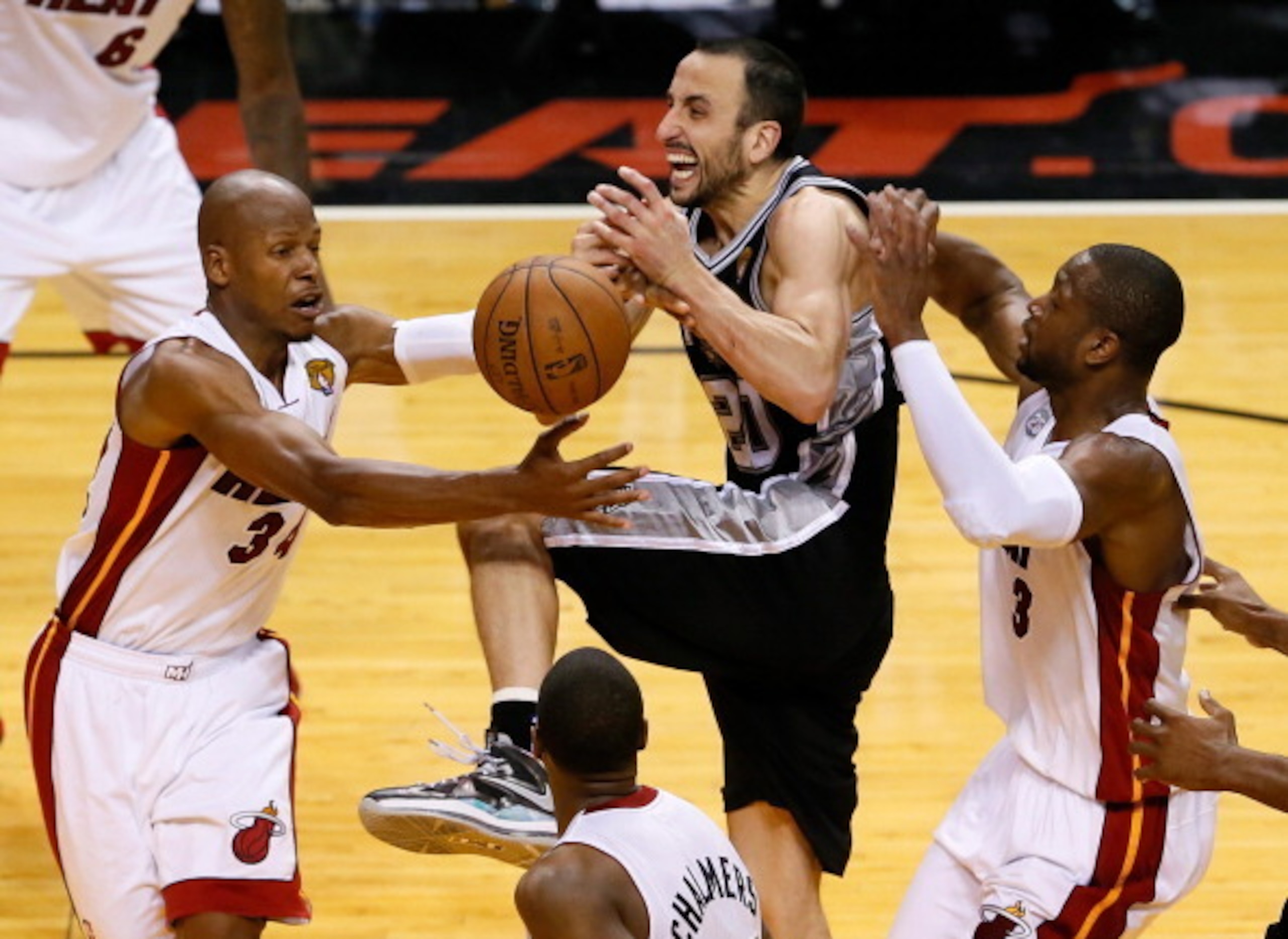
Problem: Flopping. More specifically, this.
Fix: Starting with the 2012-13 season, the NBA implemented a new rule to discourage flopping. As defined by the league, flopping is “any physical act that appears to have been intended to cause the referees to call a foul on another player.” Punishments include a warning for the first offense followed by increasing fines for subsequent offenses.
Result: Flopping is admittedly still an issue, more so in the playoffs. However, when the issue’s temperature was taken in March 2013, progress was evident. In the first three months of the 2012-13 season, the flopping violations totaled seven in the first month, seven in the second, three in the third and zero in the fourth. At that time, NBA executive Stu Jackson told Jeff Zillgitt of USA Today that the rule was working. He said, “It had an effect and served notice to the players and the teams that this is something we're going to be looking at very closely.”
This one gets an honorable mention because it hasn’t totally worked yet, but here’s hoping it will.
NFL Rookie Wage Scale
2 of 16
Problem: So much uncertainty exists on NFL draft day. A team may think it’s getting the next Andrew Luck, but you never know. In 2010, first overall pick Sam Bradford signed with the St. Louis Rams for six years and $78 million with $50 million guaranteed. Bradford’s career has since been injury-riddled and can be described as nothing less than an utter disappointment.
Fix: The new collective bargaining agreement in 2011 put in place a rookie wage scale. The most a rookie can receive in terms of years is four with an option for a fifth. Compensation is drawn from a pool of funds, and amounts are influenced by each team's number of picks and draft order.
Result: This was a win for both sides—agreeing helped move along CBA negotiations at a critical time. And now, franchises are no longer breaking the bank for a guy who doesn’t pan out. There are also no more rookie holdouts, which, let’s face it, were always ridiculous.
Designated Hitter
3 of 16
Problem: Specialization in baseball has generally meant that pitchers are not as good at hitting as they are at pitching. This is not news. It does mean, however, that pitchers often represent a perceived “wasted at-bat,” or if they do get a hit, it’s considered a bonus.
Fix: In 1973, the American League adopted the designated hitter, meaning a player who can hit in place of the pitcher in the lineup.
Result: Agree or disagree with the concept of a DH, the role does accomplish two things rather well. First, the DH saves the pitcher from risking injury by performing a skill he’s not well-suited to perform at a professional level (generally speaking). Second, he usually provides more firepower at the plate and therefore more excitement for the fans.
.jpg?w=2560 "Seahawks Chiefs Football")


Coaching Challenges
4 of 16
Problem: Instant replay has been around in the NFL since 1986, but at first, it was only used at the discretion of officials. Naturally, there were situations in which coaches thought replay should be used and it wasn’t.
Fix: In 1999, the NFL implemented coach’s challenges. Now, coaches can throw two challenge flags per game (with some limitations on when and for which plays).
Result: Still, if the intention was to put some of the control back with the coaches without disrupting the game too much, then mission accomplished. Since 1999, coaches have only thrown challenge flags 0.39 times per game but with a 47.6 percent success rate.
NBA 24-Second Shot Clock
5 of 16
Problem: Imagine basketball without a shot clock. Better yet, imagine a never-ending game of keep away. Bo. Ring. Danny Biasone, owner of the Syracuse Nationals (you may now know them as the Philadelphia 76ers), said of the pre-shot clock era (via NBA.com), “The game had become a stalling game. A team would get ahead, even in the first half, and it would go into a stall. The other team would keep fouling, and it got to be a constant parade to the foul line. Boy, was it dull!”
Fix: In 1954, Biasone had the idea to limit possession time to 24 seconds. Teams had to attempt a shot within that timeframe or lose possession. Foul limits were also implemented around that same time.
Result: In the first season of the shot clock, average points per game were 93.1, up 13.6 points from the previous year. Yep, totally worked.
NFL Two-Point Conversion
6 of 16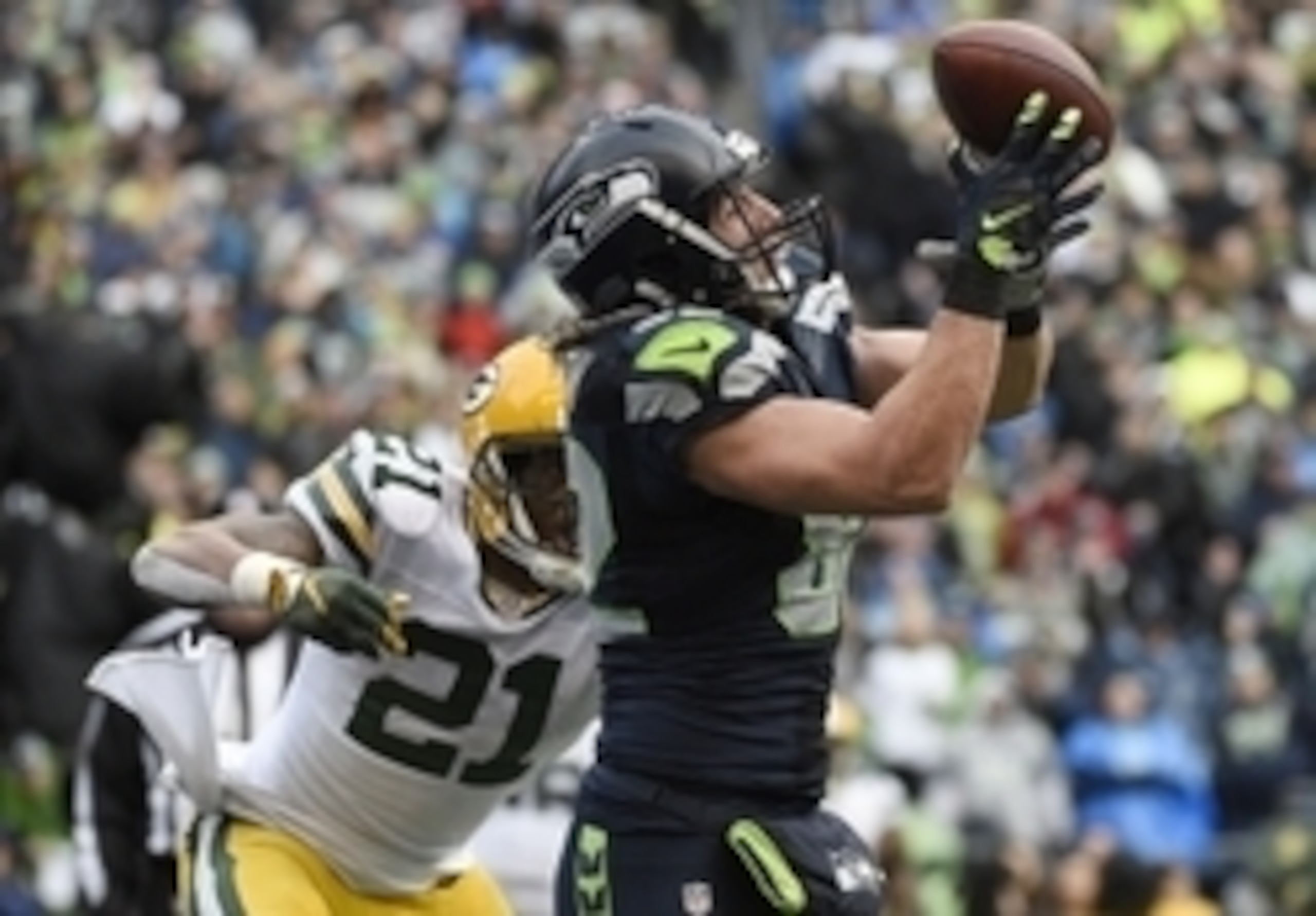
Problem: Sports are constantly looking for ways to provide excitement for fans. And even though some changes might be on the horizon for the NFL’s extra-point rules, that doesn’t change the fact that the two-point conversion was a great fix.
Fix: Instead of kicking an extra point, NFL teams were given the opportunity to go for two starting in 1994. The system had been in place in college for years.
Result: This has definitely resulted in more complex strategies and more exciting game situations. The success rate of a two-point conversion is far lower than that of an extra point, but with added risk comes added excitement. Perhaps you watched the recent NFC Championship Game and know what I'm talking about.
Instant Replay
7 of 16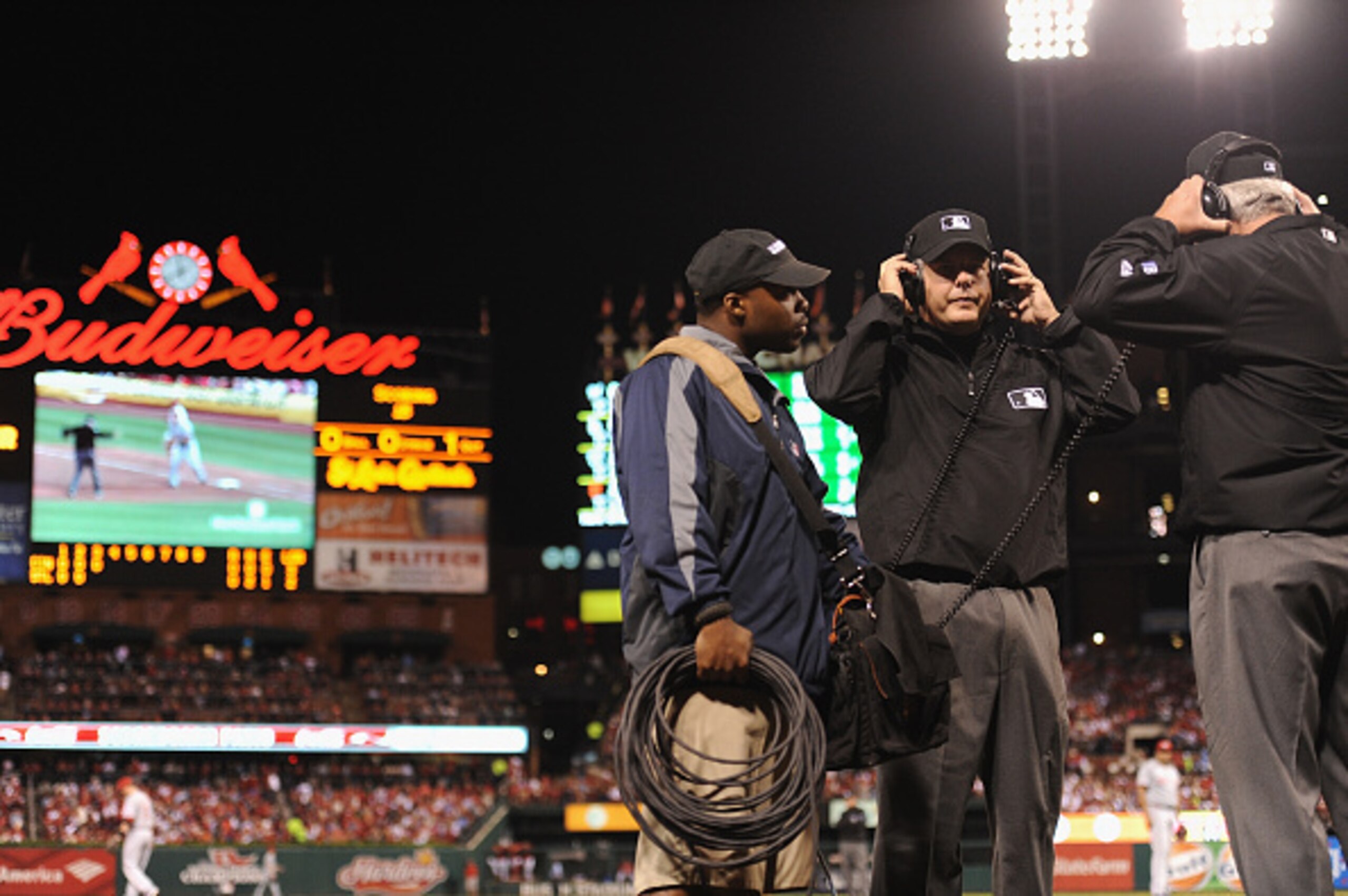
Problem: Instant replay has drastically changed the landscape of sports in the 21st century, and it will continue to do so as an ever-evolving tool. There are endless examples of how instant replay has changed games, but let’s just go with one. Baseball was one of the slower sports to adopt instant replay, and leading into 2014, it was still behind other sports.
Fix: For the 2014 season, MLB owners approved expanded replay rules. The highlights included manager challenges and the ability of officials to review a much wider array of plays. Instead of just home runs, reviewable plays include ground-rule doubles, fan interference and hit-by-pitches, to name a few.
Result: As of September 7, 2014, 47 percent of the 1,000-plus challenges had been overturned. Each challenge had taken an average of one minute and 48 seconds to review, and only 0.48 challenges occurred per game. So with minimal interruption to the games themselves, it does appear that MLB’s expanded replay system is having a positive effect on getting the calls right.
Three-Day NFL Draft
8 of 16
Problem: A problem that faces every major sports league is how to monetize in the offseason. For the NFL, that has meant beefing up offseason events like the NFL draft.
Fix: In 2010, the NFL expanded the draft from two days to three. It also made the first day prime-time television. John Clayton of ESPN.com reported the Roger Goodell said in a statement, “We continue to look for ways to make the draft more accessible to more fans. Moving the first round to prime time on Thursday night will make the first round of the draft available to fans on what is typically the most-watched night of television.”
Result: Well, it worked. In 2010, 45.4 million people watched the draft, and the overnight ratings for the first night increased 30 percent over the previous year. In 2014, a new record was set with 45.7 people tuning in at some point.
2005 NHL Rule Changes
9 of 16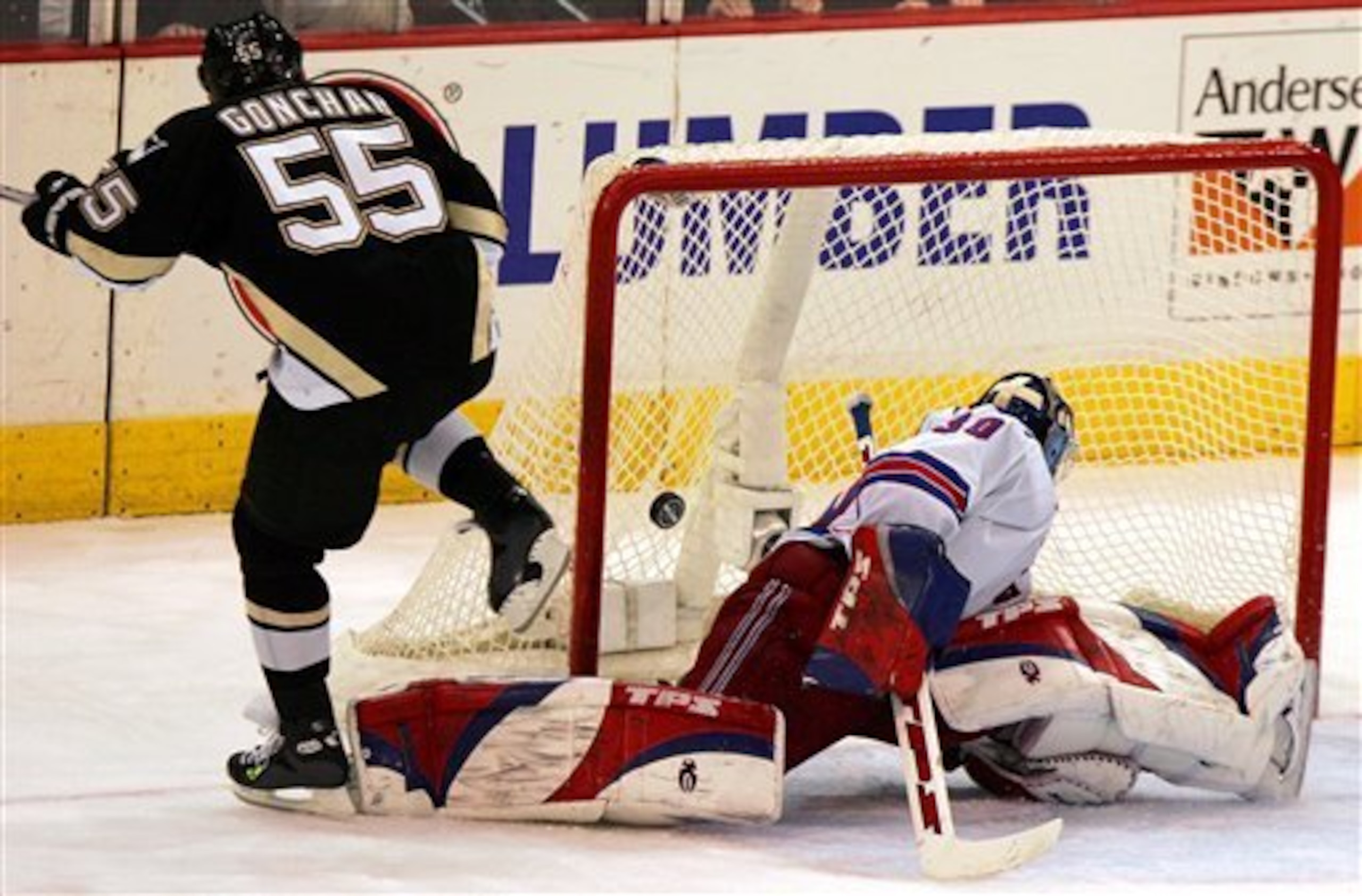
Problem: After the entire 2004-05 NHL season was cancelled due to a labor dispute, the sport really needed to get fans back on board in 2005-06.
Fix: Cut to a whole mess of rule changes, mostly designed to increase offense. Some highlights were as follows: Shootouts were instituted for all games—no more ties. The size of the neutral zone was reduced, and more limitations were placed upon goalies.
Result: In the 2003-04 season, NHL teams scored an average of 2.57 goals per game. In 2005-06, that went up to 3.08. So it definitely worked, at least at first. Over time, players adapted, and scoring has evened out over the last few seasons.
Interleague Play
10 of 16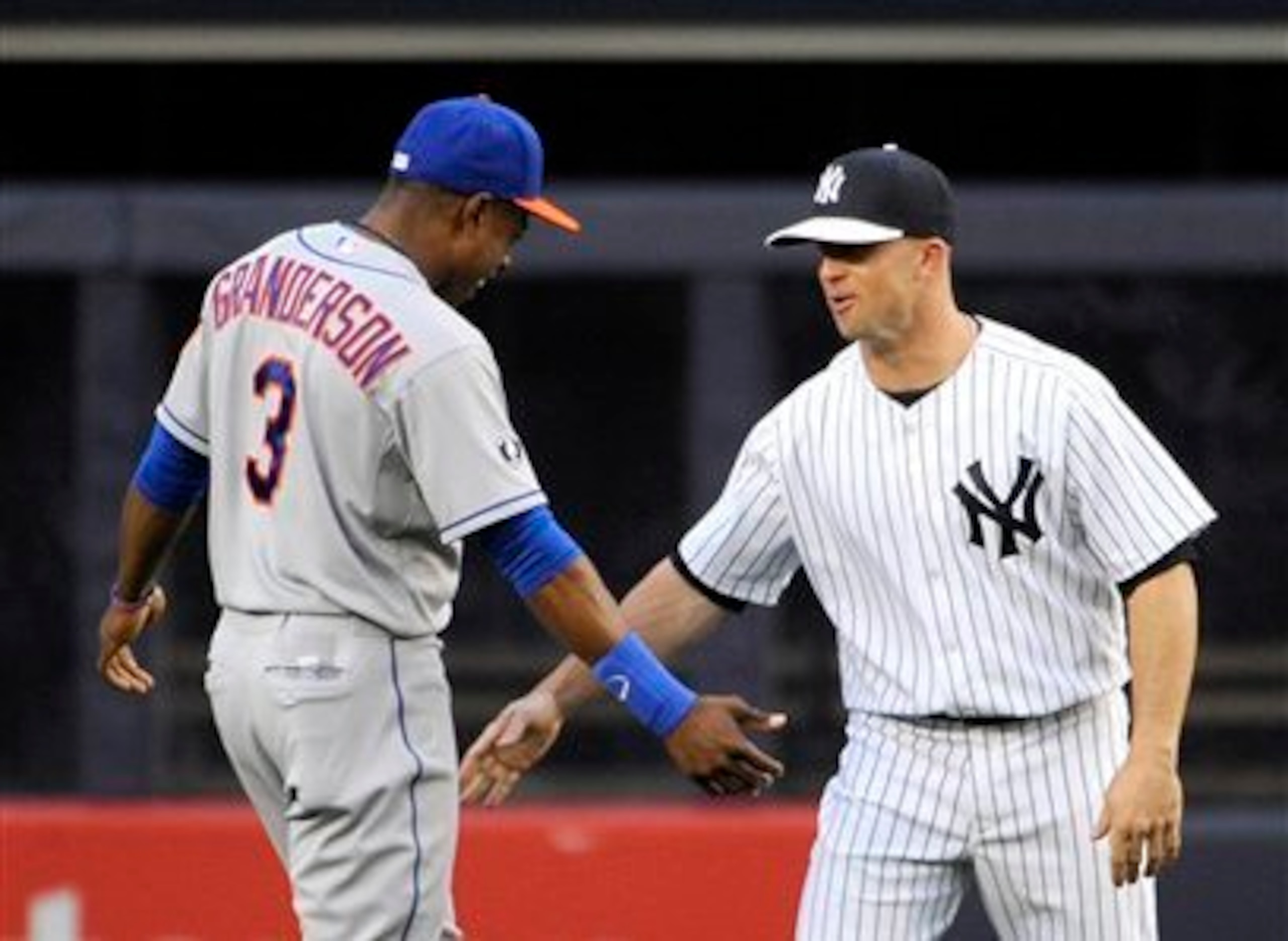
Problem: The MLB strike of 1994 resulted in the cancellation of the World Series—not good for business. In the wake of that dark point in its history, MLB needed ways to gets fans excited again and as always, generate more revenue.
Fix: MLB implemented interleague play for the first time in 1997. At first, each division played against their counterpart in the other league (e.g. AL East vs. NL East), but now interleague play has evolved and happens year-round.
Result: Right away, rivalries heated up. Cross-town series like the Yankees vs. Mets and Cubs vs. White Sox drew big crowds. In 2010, MLB released stats that demonstrated the success of interleague play in driving attendance. From 1997-2010, interleague games drew an average attendance of 33,261, with intraleague games averaging just 29,711.
Fantasy Sports
11 of 16
Problem: One problem the business of sports consistenly faces is how to get people who don’t care about sports to care about sports.
Fix: To use football as an example, in 1963, the first fantasy football draft was held by a few Oakland Raiders supporters. In 1969, a member of that first league created the first public fantasy league when he opened it up to patrons at an Oakland bar he owned.
Result: According to Forbes, 33 million people—including 6.4 million women—now play fantasy football in the U.S. annually. In addition, consumers spend approximately $800 million each year on fantasy focused media such as television programming and magazines.
Lowering Pitcher’s Mound
12 of 16
Problem: In baseball, some fans appreciate big bats more than they appreciate big arms. That being said, if pitchers are too good, and hitters aren’t providing enough excitement for fans, that can be viewed as a problem. In 1968, the collective ERA of MLB pitchers was 2.98, the lowest in 50 years.
Fix: For the 1969 season, MLB lowered the mound from 15 inches above home plate to 10.
Result: In 1969, batting average increased by 11 points across baseball, and runs went up by 19 percent. The fix worked so well that folks are talking about lowering the mound again—you know, because of the Clayton Kershaws of today’s MLB.
Three-Point Line
13 of 16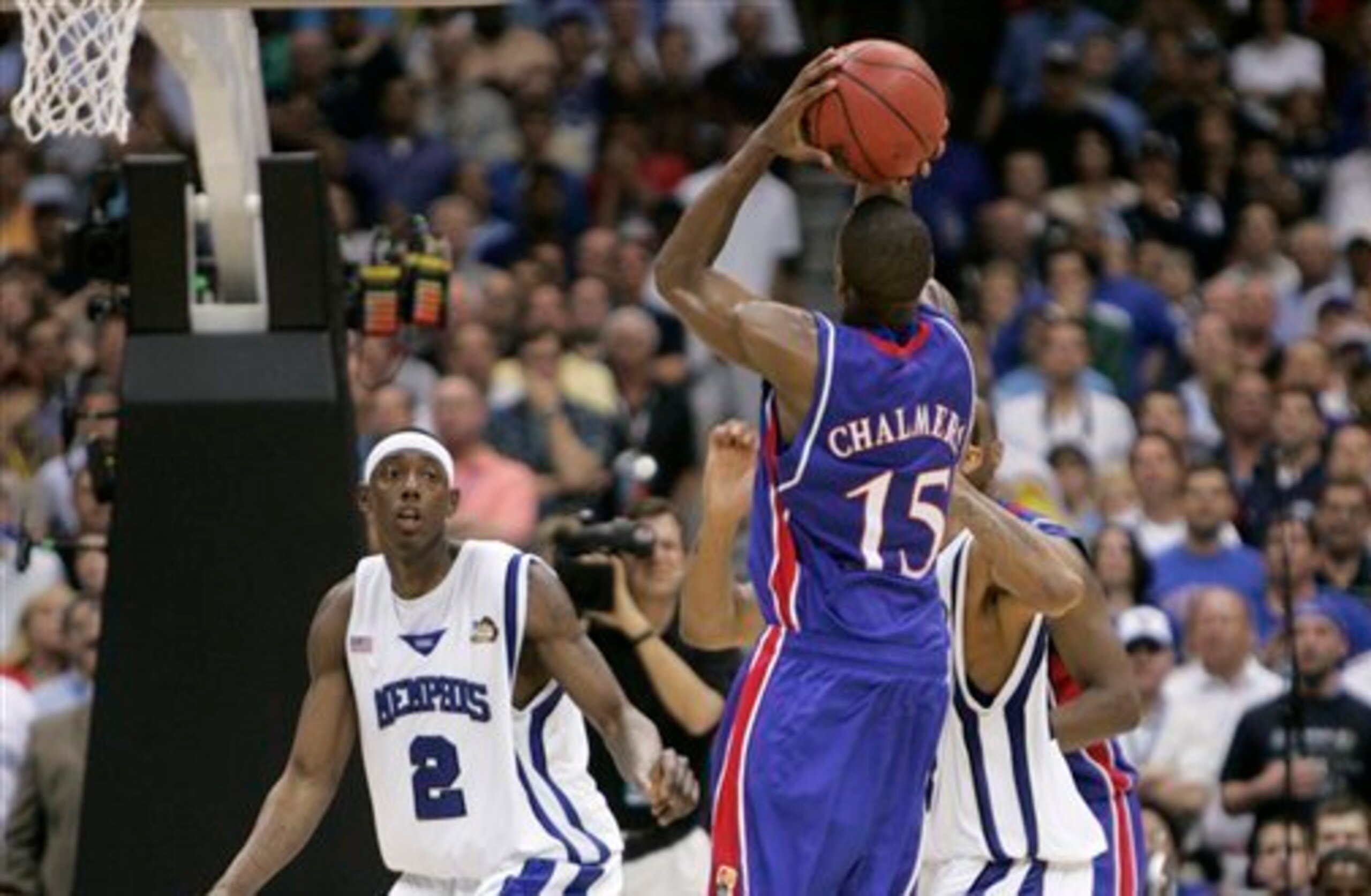
Problem: The three-point line hasn’t always been around in basketball. However, one constant in sports is change. Basketball has adapted over the years to improve the on-court product and provide more excitement for fans.
Fix: The ABL first adopted a three-point shot in 1961. The ABA followed suit in 1967, the NBA in 1979 and college basketball in 1986.
Result: Three-pointers added a new layer to the game in terms of strategy, defense and possible game scenarios. Ryan Wood of USA Basketball reported that former NBA player George Mikan said, “We called it the home run, because the three-pointer was exactly that. It brought fans out of their seats.”
The three-point shot truly revolutionized the game, and really, what's more exciting than a three-point buzzer beater?
Title IX
14 of 16
Problem: The overall problem was discrimination based on gender in educational programs. As it relates to sports, the problem was that female students were not given equal opportunities to participate in athletics.
Fix: In 1972, Title IX of the Education Amendments was signed into law. According to the Women’s Sports Foundation, the law states, “No person in the United States shall, on the basis of sex, be excluded from participation in, be denied the benefits of, or be subjected to discrimination under any educational program or activity receiving Federal financial assistance.”
Result: The scope of Title IX certainly reaches beyond female athletics, but it has had a significant impact there. Participation rates in women’s high school and college athletics have increased dramatically. As of 2011, two in five high school females play varsity sports, up from just one in 27 pre-Title IX.
This is important because research now suggests that sports can have a direct and positive impact on the education, health and employment outlook of participants.
Two MLB Wild Cards
15 of 16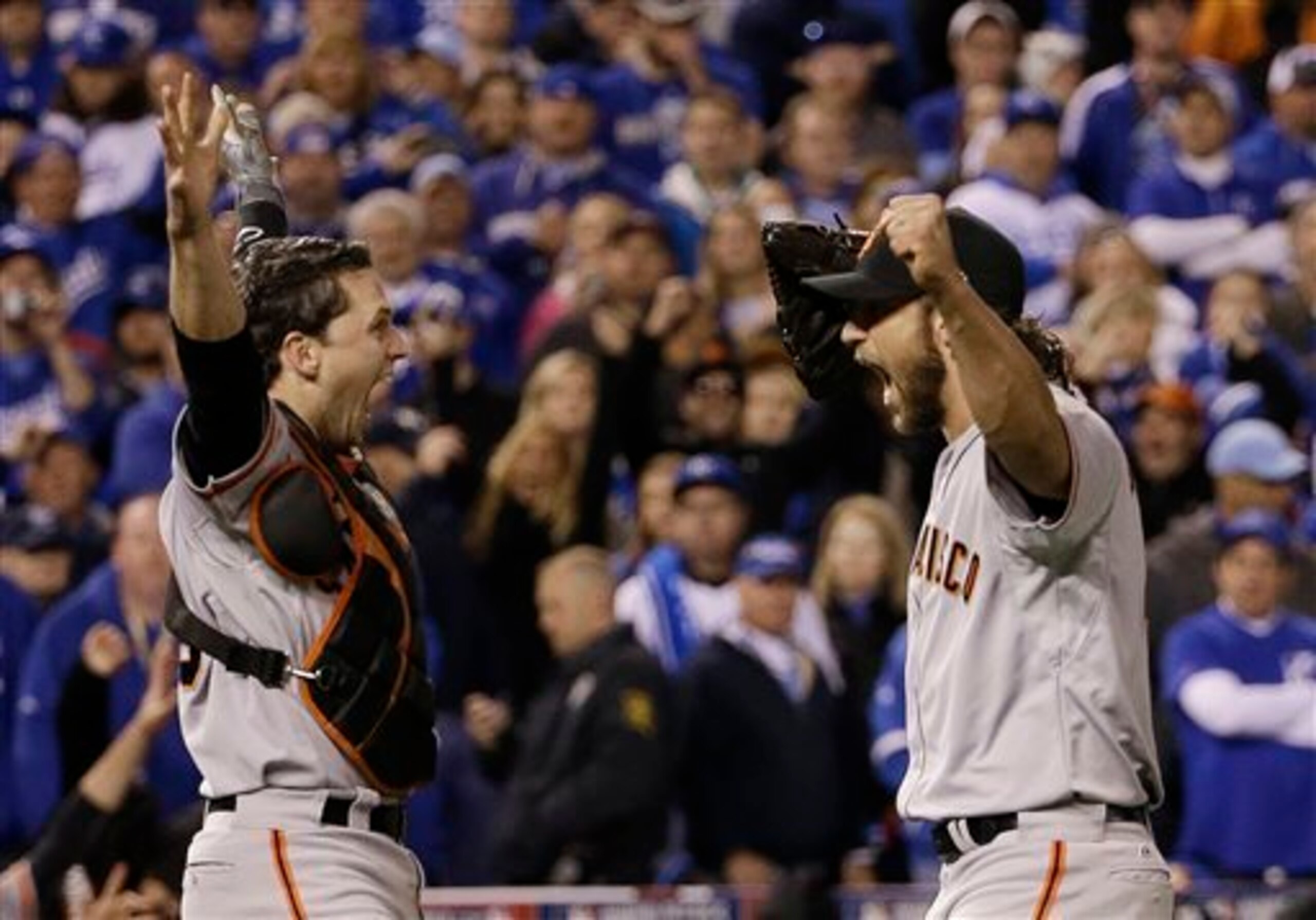
Problem: The original MLB wild card fix was a good one. Implemented in 1994, it ensured that the one team in each league with the best record that did not win its division (following me?) could still make the playoffs. Good stuff. By 2012, MLB was looking for new ways to spruce up the postseason, add excitement and increase television ratings.
Fix: In 2012, MLB decided to expand the wild card teams to include four total, two per league. Now, the two wild cards play in a one-game playoff to determine who will move on to the division series.
Result: The threat of a one-game playoff instead of an automatic division series berth adds a lot of anxiety for potential playoff teams as the MLB season winds down. It also means three teams from one division can make the postseason—a benefit for particularly competitive divisions.
In 2014, the National League Wild Card Game raked in 5.6 million viewers, a record according to Forbes. You might recall that two wild card teams also played in the World Series. The winning team, the San Francisco Giants, was the second wild card in its league—meaning under old rules, it might not have made the playoffs at all.
College Football Playoff
16 of 16
Problem: The Bowl Championship Series was an improvement upon the days of shared championships and conflicting poll results in college football, but it wasn’t perfect.
Since its implementation in 1998, there has been controversy over which teams made it into the national championship game. The BCS system seemed to include so many uncertainties—a combination of polls and complicated computer calculations decided who would play for the national championship. Debate raged about subjective factors such as strength of schedule and the influence of big conferences.
Fix: Fans, media, and even the president called for a playoff. One was finally implemented for the 2014 season. A ranking system remained in place, but instead of polls and computers, a committee selected the four playoff teams. The teams selected in 2014 were (school followed by rank): Alabama (1), Oregon (2), Florida State (3) and Ohio State (4).
Result: Fourth-ranked Ohio State won the national championship after defeating Alabama and Oregon. Instead of being subjected to a flawed ranking system that would very likely have left it out entirely under the old rules, Ohio State beat the No. 1 and No. 2 ranked teams to earn its title, fair and square.