Most Inspiring True Sports Stories That Became Movies
There have been hundreds of sports movies and documentaries over the years, but today we’re looking at the most inspiring true stories to come alive on film.
I mean no disrespect to the greatness that is The Sandlot or Field of Dreams, but these films need to be based in truth. Also, they need to stay relatively close to the truth without taking too many creative liberties for entertainment purposes.
Keep in mind, this list has more to do with the inspiring real-life events than the films they became. Bethany Hamilton survived a gruesome shark attack and went on to become a professional surfer. The 1995 South African rugby team united a divided nation with a World Cup championship.
Sometimes the best stories are not dreamed up by a screenwriter, but inspired by real life.
Honorable Mention: Rudy Ruettiger
1 of 18
Rudy is a 1993 film about Daniel Eugene "Rudy" Ruettiger, an undersized football player who walked on at Notre Dame.
This one gets an honorable mention because many of the film’s most powerful moments were a result of exaggeration. For example, in the film, star players lined up in the coach’s office to lay down their jerseys on his desk. Supposedly, each wanted to give up his roster spot so Rudy could dress for the final home game.
In reality, this never happened. Rudy always knew he would dress for the final game. Joe Montana also said that the crowd never chanted Rudy's name, as it so movingly did in the film.
Honorable Mention: T.C. Williams Titans
2 of 18
Remember the Titans is personally one of my favorite sports movies. It has, however, been criticized by some for taking certain liberties with actual facts to improve entertainment value.
It is a story about overcoming racial prejudice on a Virginia high school football team. However, the film suggests that T.C. Williams High School was first integrated in 1971. In reality, the school had integrated years earlier, and racial tensions were not nearly as harsh as depicted in the film.
Micky Ward and Dicky Eklund
3 of 18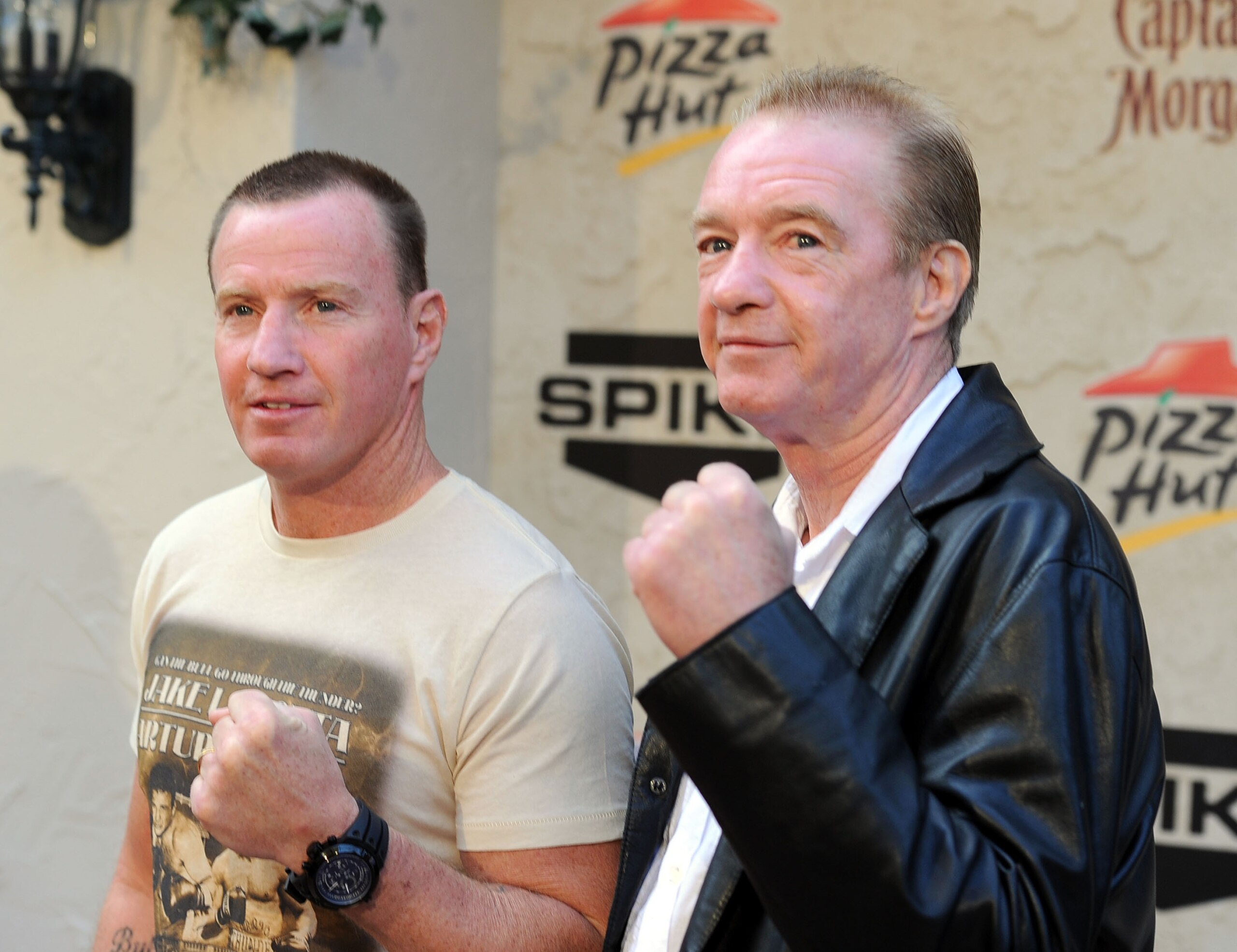
Micky Ward is a retired junior welterweight professional boxer. He went pro in 1985 and retired in 2003. Ward eventually won the WBU light welterweight title in 2000, but his career had its ups and downs.
Ward’s family life was also tumultuous. He grew up in the blue-collar town of Lowell, Massachusetts, and he was trained by his half-brother, Dicky Eklund. Eklund is a former boxer himself, but he struggled with drug addiction in his career.
The 2010 film The Fighter tells the story of Micky’s career and relationship with his brother.
About the movie, Ward told Steve Rose of The Guardian, “It's not really a boxing movie anyway. The boxing's the backdrop, but it's more about family dynamics, it's about the struggles of two brothers, ups and downs, all that.”
.jpg?w=2560 "Seahawks Chiefs Football")


Marshall Football
4 of 18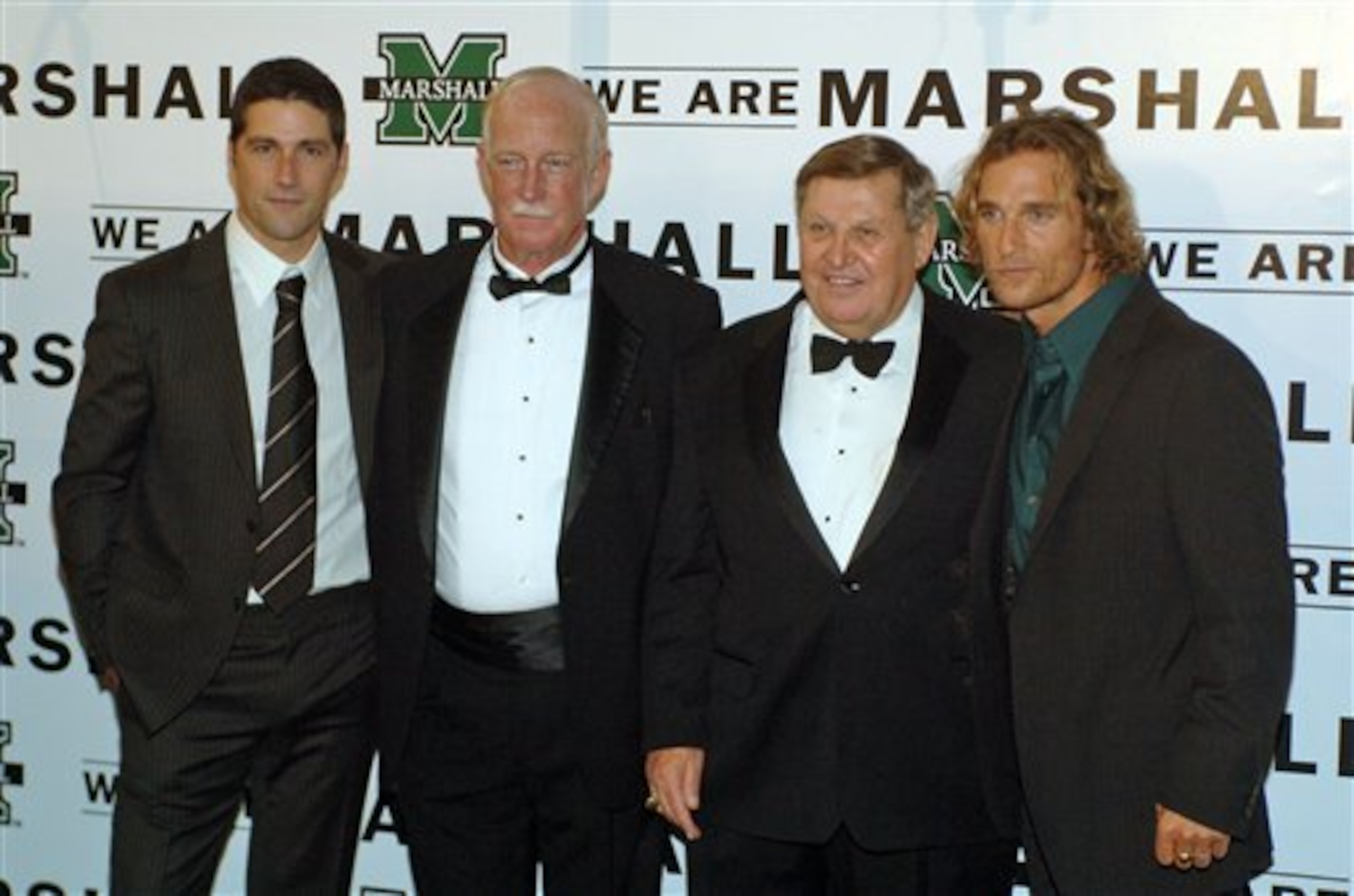
In November 1970, 75 people lost their lives in a horrific plane crash over West Virginia. Aboard the chartered jet were 37 members of the Marshall University football team as well as the coach, athletic director, team doctors and supporters.
In the wake of horrific tragedy, Marshall hired a new head coach, Jack Lengyel. With just nine surviving veterans, Lengyel put together the rest of the team with walk-ons and freshmen. The Thundering Herd won just two games in the 1971 season, but incredibly, one of those was its first home game.
Marshall’s story of rebuilding after such devastation inspired the 2006 film, We Are Marshall.
Manassas High School
5 of 18In 2009, the Tigers of Manassas High School had not won a football game in 10 years, and they had not won a playoff game in the history of the school. The players faced harsh circumstances in an impoverished area of Memphis, Tennessee. Many struggled with disciplinary and behavioral issues as well.
Volunteer coach Bill Courtney started to turn things around upon his arrival in 2004. In 2009, the Tigers finished 9-2 and reached the playoffs.
The story inspired an acclaimed documentary, Undefeated, that won the Academy Award for Best Documentary Feature in 2012.
James J. Braddock
6 of 18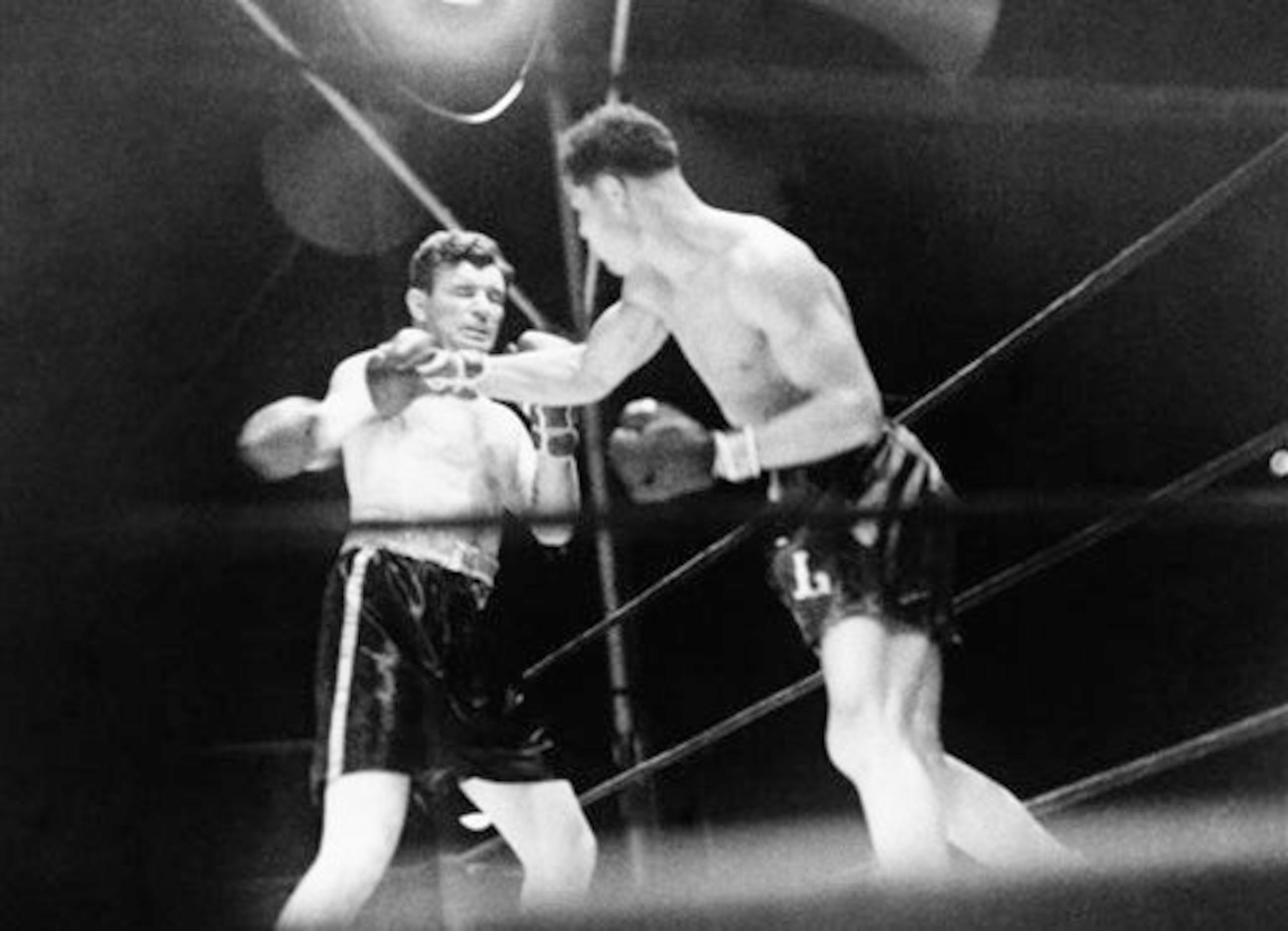
James J. Braddock was a boxer in New York City in the 1920s and ‘30s. He had some early success and even fought for a chance at the light heavyweight title in 1929. But with the stock market crash and an injury to his hand, Braddock’s career faltered. Like many Americans during that time, he struggled to stay afloat, and at one point, he went on government relief to support his family.
But in 1934, Braddock got back into the ring and strung together a series of amazing upsets. Eventually he bested heavyweight champion Max Baer to overtake the title. His unlikely comeback was a tale of redemption, inspiring to so many Americans who struggled during that time.
The 2005 film, Cinderella Man is based on his story.
Murderball
7 of 18
Murderball is a 2005 documentary that chronicles the journeys of both the U.S. and Canadian wheelchair rugby teams. For four years leading up to the 2004 Paralympic Games in Athens, Greece, viewers can see the real struggles and challenges these athletes faced.
Theirs is a story of true athleticism and courage, and it sends a message that despite physical challenges, these athletes are some of the toughest out there. The film was nominated for an Academy Award, and Canadian coach Kevin Orr said that its popularity has helped recruiting tremendously, per The Canadian Press (h/t The Globe and Mail).
James Robert 'Radio' Kennedy
8 of 18
James Robert “Radio” Kennedy has a genetic mental disability and befriended a high school football coach decades ago.
According to radioandcoachjones.com, Kennedy happened upon a football practice at T. L. Hanna High School in South Carolina in the ‘60s. Coach Harold Jones took the teenager under his wing, and Kennedy has been a beloved fixture at T. L. Hanna ever since.
The 2003 film Radio depicts the enduring friendship between the two.
Jim Valvano and the 1983 Title
9 of 18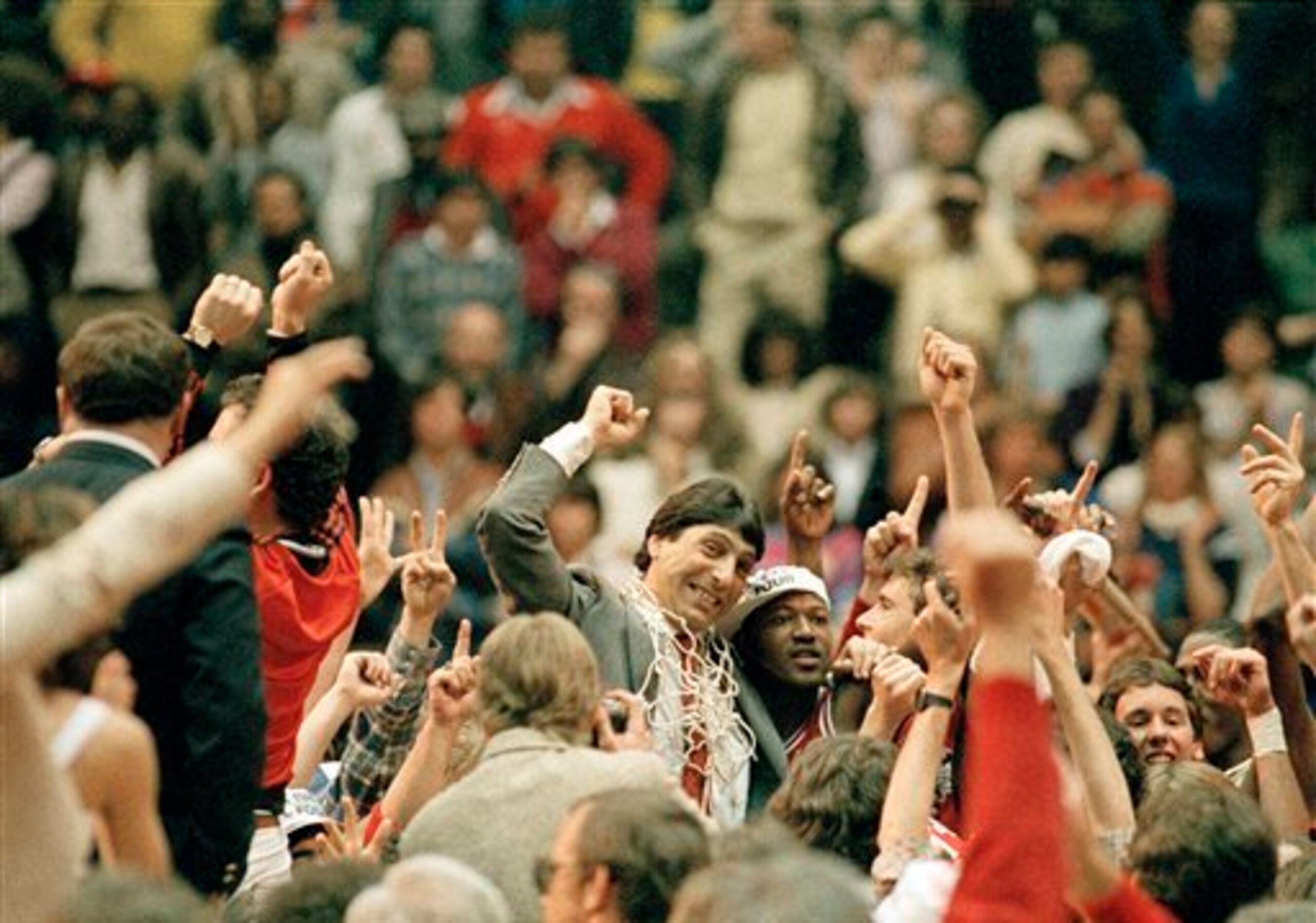
Jim Valvano was a former college basketball player and coach. He led the Wolfpack of NC State to an incredible victory over powerhouse Houston in the 1983 men’s basketball national championship.
Valvano was known for his energetic and outgoing personality. Diagnosed with cancer in 1992, Valvano became an inspiring symbol of hope for others facing the disease.
His speech at the 1993 ESPY Awards is one of the most inspirational moments in all of sports. He said in part, per The V Foundation for Cancer Research's website, “Cancer can take away all my physical abilities. It cannot touch my mind, it cannot touch my heart and it cannot touch my soul. And those three things are going to carry on forever.”
The 2013 documentary Survive and Advance, part of ESPN’s 30 for 30 series, told the story of Jimmy V and the Wolfpack. The 1996 TV movie Never Give Up: The Jimmy V Story was also inspired by Valvano.
Brian Piccolo and Gale Sayers
10 of 18
Brian’s Song is a made-for-TV movie that first aired in 1971. It tells the story of a real-life friendship between Chicago Bears teammates Brian Piccolo and Gale Sayers.
Despite competing for the same position, the two running backs formed an unlikely bond. Their friendship endured through Piccolo’s cancer diagnosis in 1969.
At an awards ceremony in New York following the 1969 football season, Sayers said, via Mike Puma special to ESPN.com:
"He has the heart of a giant and that rare form of courage that allows him to kid himself and his opponent – cancer. He has the mental attitude that makes me proud to have a friend who spells out the word 'courage' 24 hours a day of his life. . . . I love Brian Piccolo, and I'd like all of you to love him, too. Tonight, when you hit your knees, please ask God to love him.
"
Piccolo passed away in June 1970.
Jackie Robinson
11 of 18
Jackie Robinson was the first African-American to play Major League Baseball. Branch Rickey famously signed him to play for the Brooklyn Dodgers in 1945. He won the National League Rookie of the Year Award in his first season and the MVP in 1949. Robinson was elected to baseball’s Hall of Fame and had his number universally retired across baseball in 1997.
His story has inspired many adaptations over the years, including the 1950 film in which he played himself, The Jackie Robinson Story. There were television movies and even a Broadway musical. Most recently, Robinson’s story was portrayed in the 2013 film 42.
Seabiscuit
12 of 18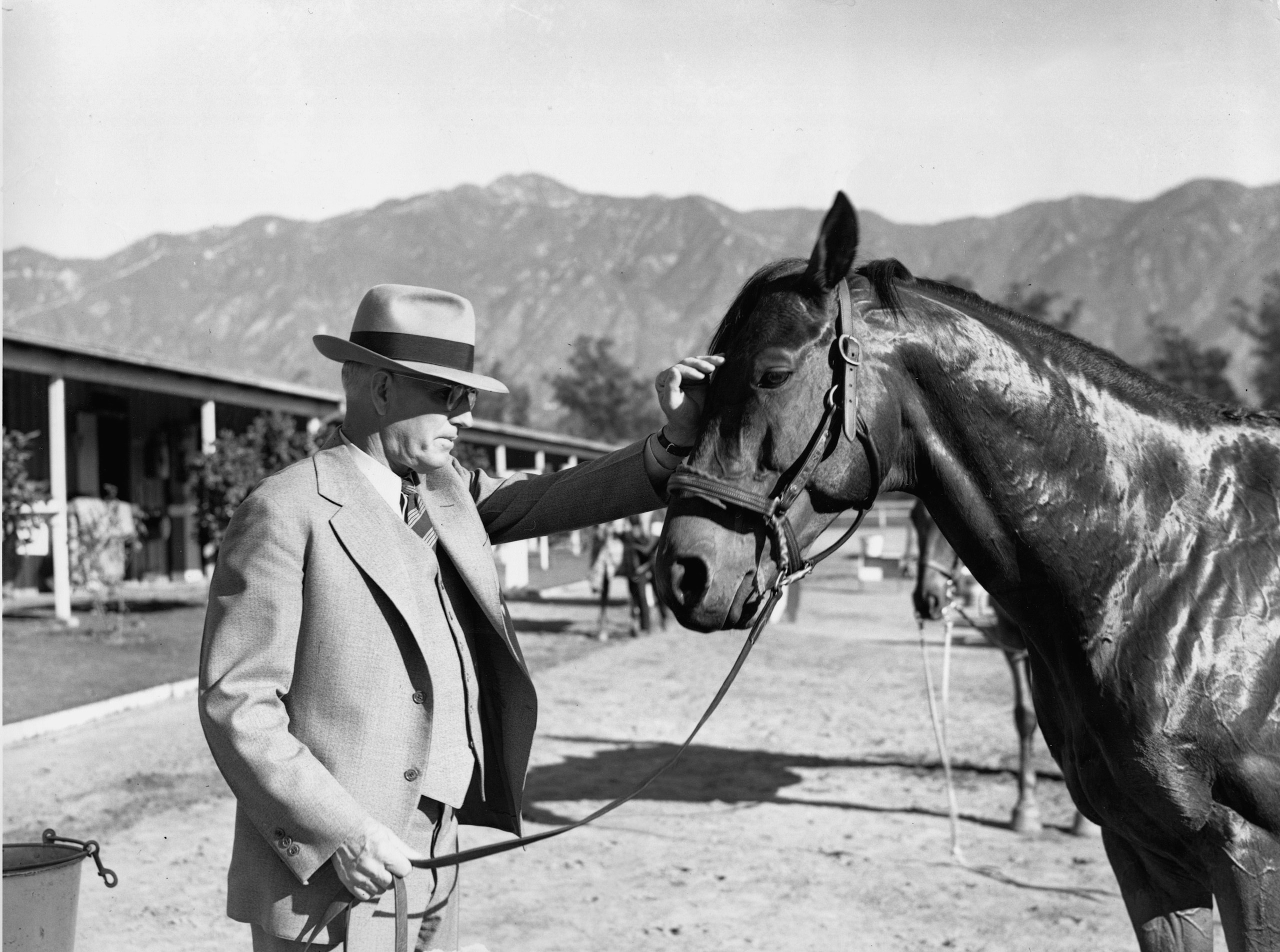
Like James J. Braddock, Seabiscuit provided inspiration for those struggling during the Great Depression. The undersized race horse enjoyed unlikely success, including an incredible defeat of Triple Crown winner War Admiral in 1938.
According to Mike Puma and ESPN.com, Seabiscuit won 33 times in 89 career starts and set 13 track records. When he retired in 1940, he had earned back what his owner paid for him 55 times over.
The Story of Seabiscuit came out in 1949, and the updated Seabiscuit was released in 2003.
Dewey Bozella
13 of 18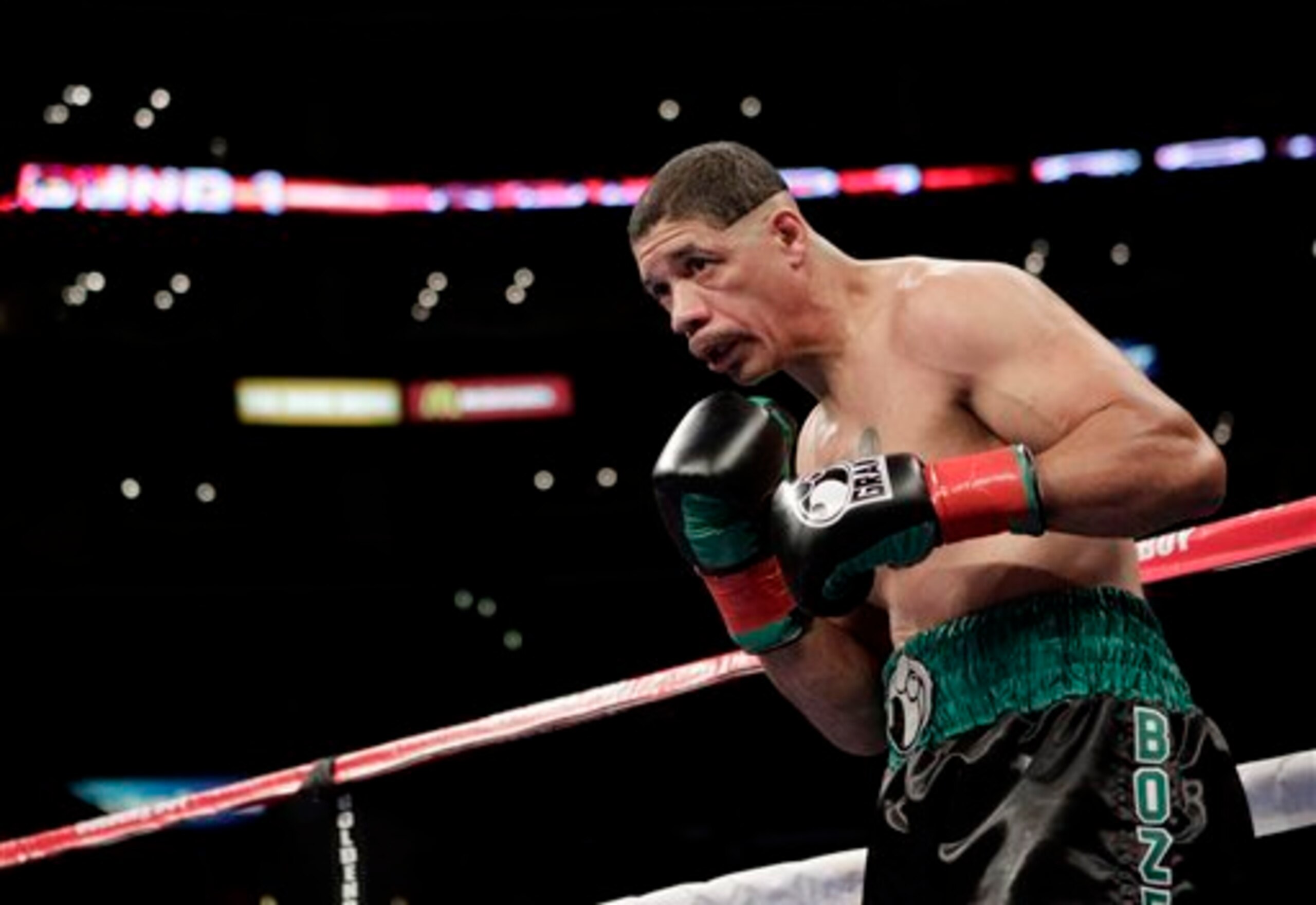
Dewey Bozella’s life is reminiscent of another true story—that of Rubin “Hurricane” Carter, a boxer wrongfully accused and imprisoned. And while the Hurricane’s conviction and exoneration did inspire a film, Bozella’s has an unbelievable real-life ending.
As noted by ESPN.com news services, Bozella had always dreamed of becoming a boxer. In 1983, he was convicted of a murder he did not commit, and he spent 26 years in prison. During that time, he earned two college degrees and became an accomplished boxer.
Upon his release in 2009, Bozella still had his dream. In 2011, at the age of 52, he won his first and only professional fight—defeating Chad Dawson by unanimous decision.
The ESPN documentary 26 Years: The Dewey Bozella Story was released in 2012.
Bethany Hamilton
14 of 18
Surfer Bethany Hamilton was just 13 years old when she lost her left arm in a gruesome attack by a 14-foot tiger shark.
Hamilton’s recovery and return to surfing has been truly inspiring. She began surfing again just over a year after the attack, and in 2007, she joined the ranks of professional surfers.
The 2011 film Soul Surfer tells her story.
1966 Texas Western Miners
15 of 18
In 1966, the Miners of Texas Western defeated the heavily favored Kentucky Wildcats, 72-65, to win the NCAA men’s basketball national championship. In a time when racial tensions flared in American sports, Texas Western head coach Don Haskins famously started five African-American players against the all-white Kentucky squad.
Nolan Richardson, who once played for Haskins, told Frank Fitzpatrick for ESPN Classic, “What a piece of history. If basketball ever took a turn, that was it.”
The incredible 28-1 season and championship run of a little-known college inspired the 2006 film Glory Road.
Miracle on Ice
16 of 18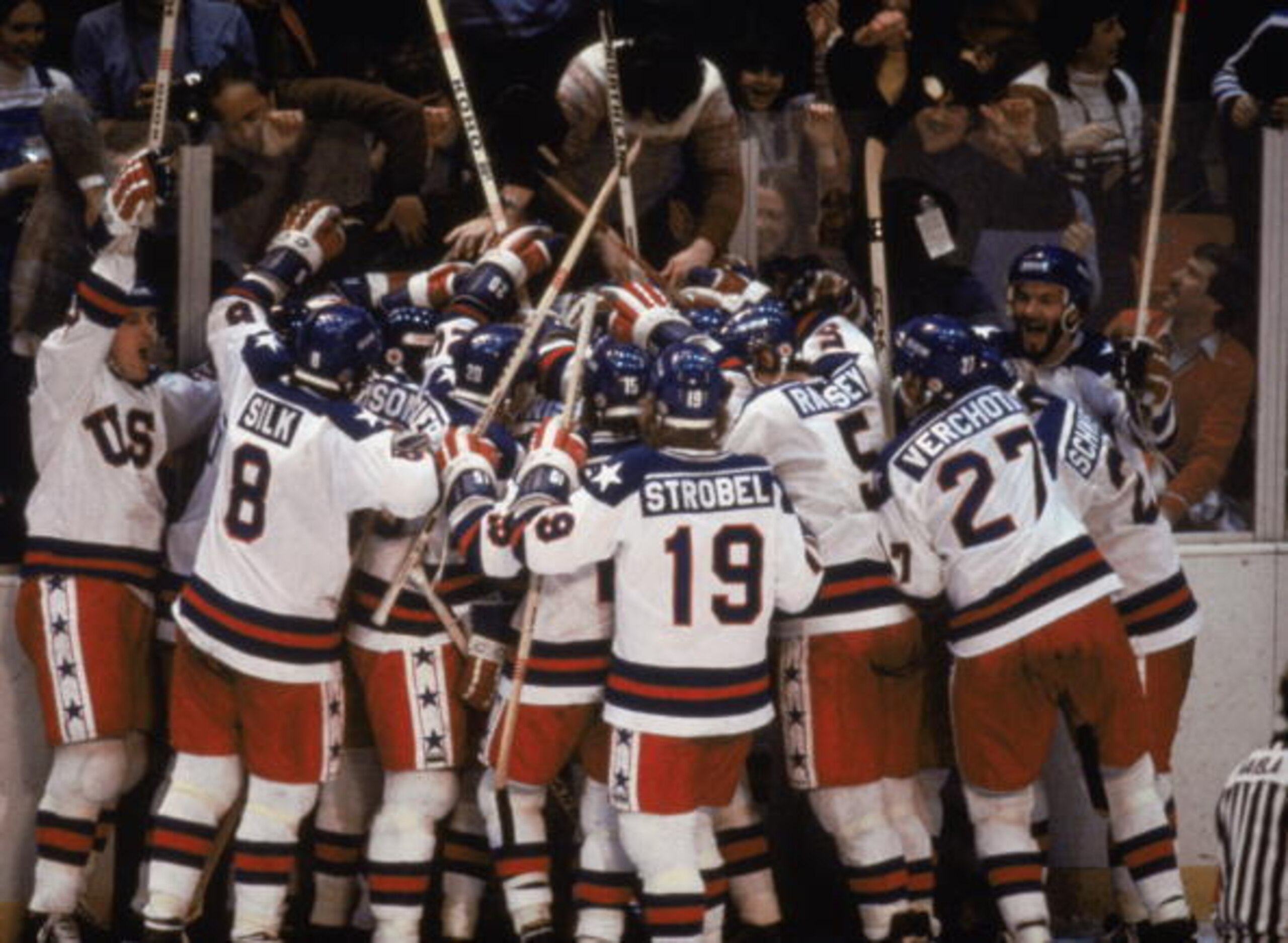
The term “Miracle on Ice” refers to a 1980 Olympic hockey game between the USA and Soviet Union. In the midst of the Cold War, Team USA was a heavy underdog going into its semifinal matchup with the Soviets. Team USA won the game by a score of 4-3, and it went on to defeat Finland to capture the gold medal.
The victory over the USSR is regarded as one of the greatest moments in American sports history. Broadcaster Al Michaels’ call of the final seconds has become embedded in American sports lore. “Do you believe in miracles? Yes!”
The incredible story served as the inspiration for several films, including the 1981 made-for-TV movie Miracle on Ice as well as 2004’s Miracle. HBO also produced the documentary Do You Believe in Miracles? in 2001.
Terry Fox
17 of 18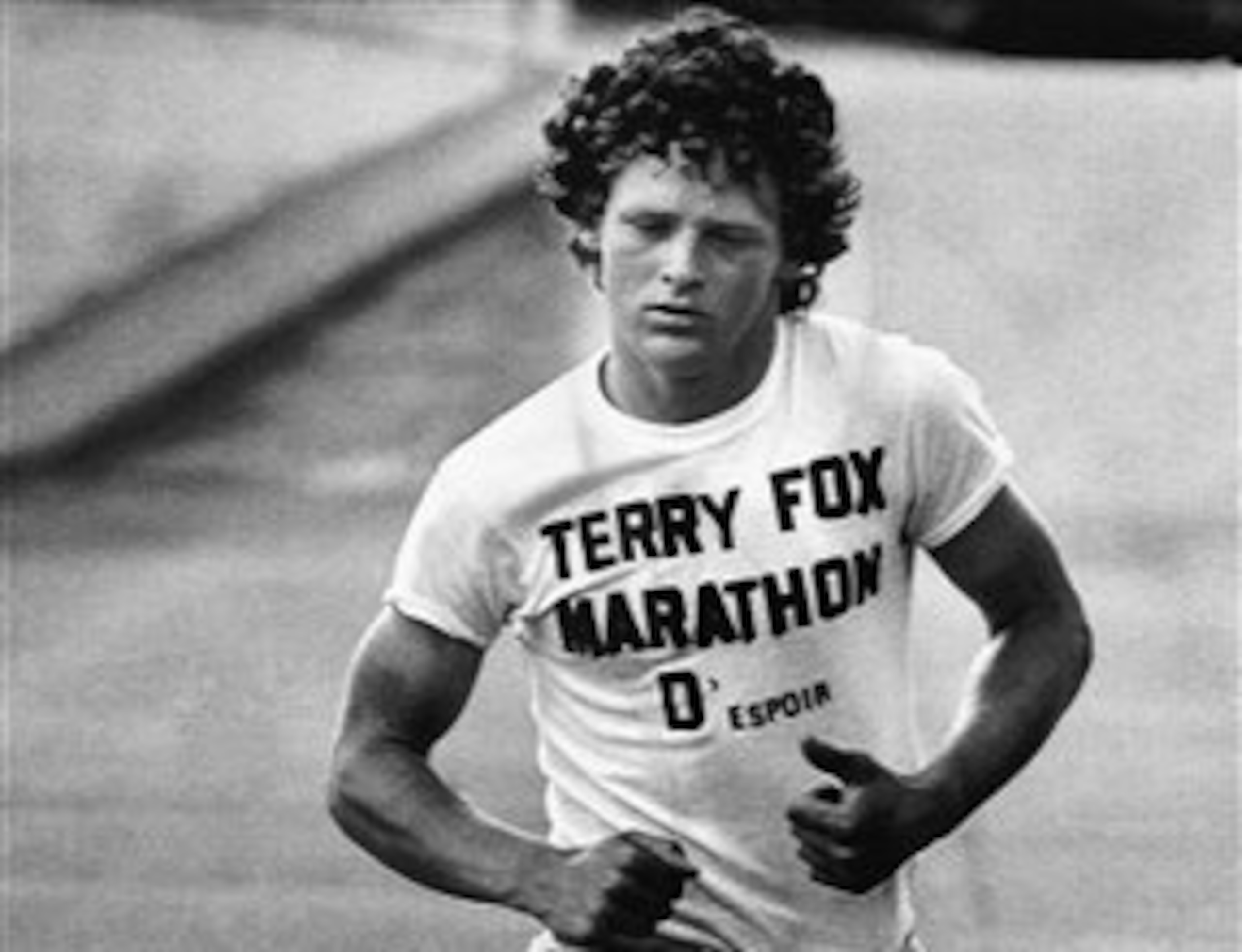
Terry Fox lost his leg to cancer, but he didn’t let that stop him from completing one of the most incredible athletic feats ever. In 1980, Fox ran almost a marathon a day for 143 days across Canada—a total of 3,339 miles—with a prosthetic leg.
Fox’s “Marathon of Hope” raised more than $23 million for cancer research. He passed away shortly after in 1981 when his cancer spread.
HBO produced The Terry Fox Story in 1983, and there was a TV movie, Terry, in 2005. Steve Nash also directed Into the Wind, a documentary for ESPN’s 30 for 30 series.
1995 South African Rugby Team
18 of 18
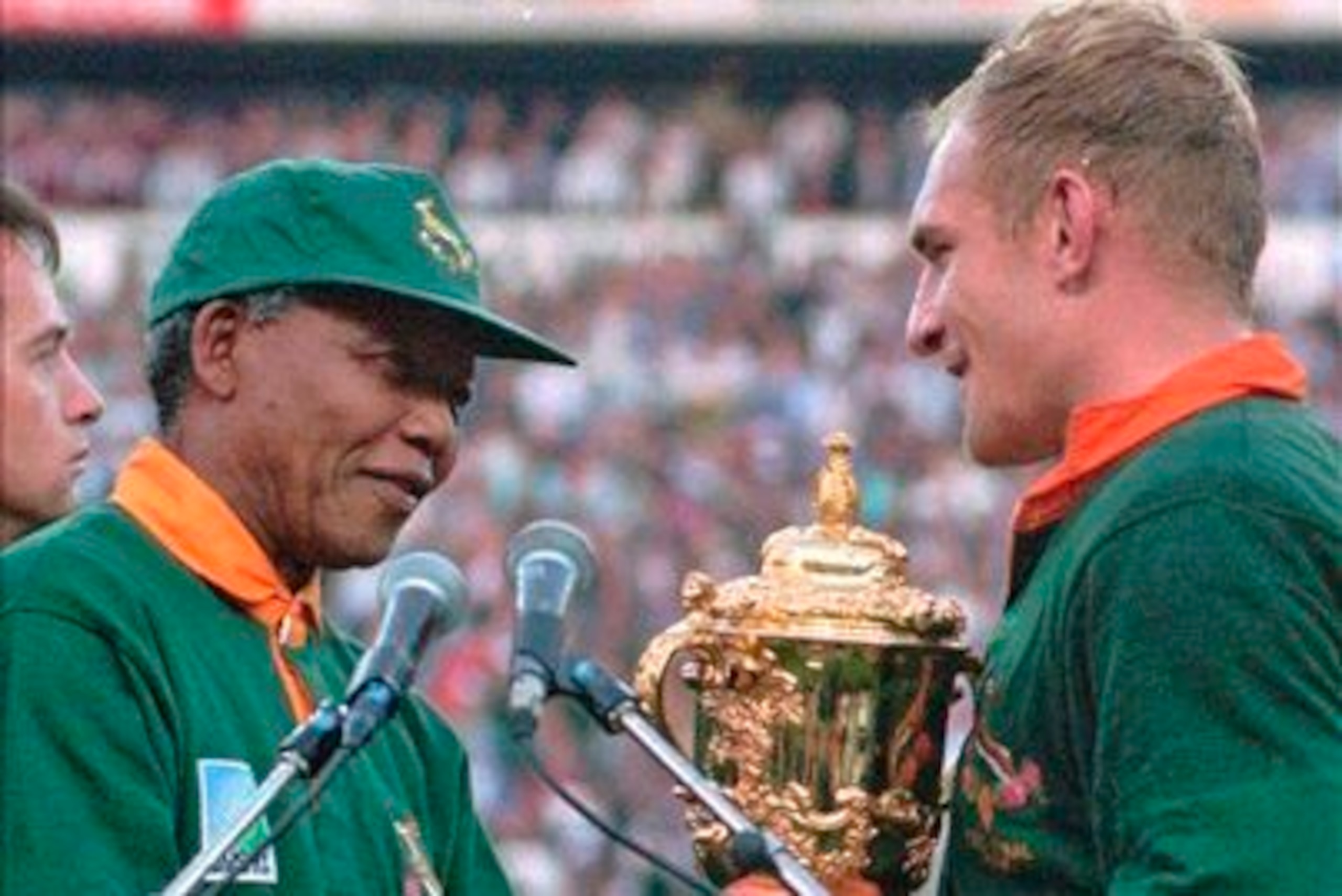
In 1995, just after apartheid came to an end in South Africa, the nation was still divided. First-term president Nelson Mandela challenged the rugby team to win the World Cup, an event which South Africa participated in and hosted for the first time.
The hosts did win, and Mandela donned a Springboks shirt at the final. This was deemed as a sign of unity—much of South Africa’s black population didn’t support the white rugby team. But Mandela knew the power of sport, and he knew what winning the cup could do for his country.
After Mandela’s death in 2013, former Springbok Joel Stransky told Mick Cleary of The Telegraph:
"He won the hearts of the nation. He would have faced opposition from his own people as well as from many Afrikaners. We were a 100 per cent white Springbok side when the tournament started (black wing, Chester Williams was injured) but the president recognised that rugby could be a force for good, a vehicle for change. He was an incredibly wise person.
"
The story inspired the 2009 film Invictus as well as the ESPN 30 for 30 documentary The 16th Man.