

Are F1 Testing Restrictions Actually Hurting the Development of Young Drivers?
As part of its ongoing (and largely ineffective) attempts to cut costs in Formula One, the FIA is imposing further restrictions on testing for the 2015 season.
According to the regulations published by F1's governing body, there will be three preseason tests and two during the season; down from a total of eight in 2014.
One of the arguments that has been made against increased testing restrictions is that it hurts young drivers' development. And while that makes sense—less time in the car means less development—the evidence does not necessarily support that assertion.
.jpg?w=2560 "Seahawks Chiefs Football")


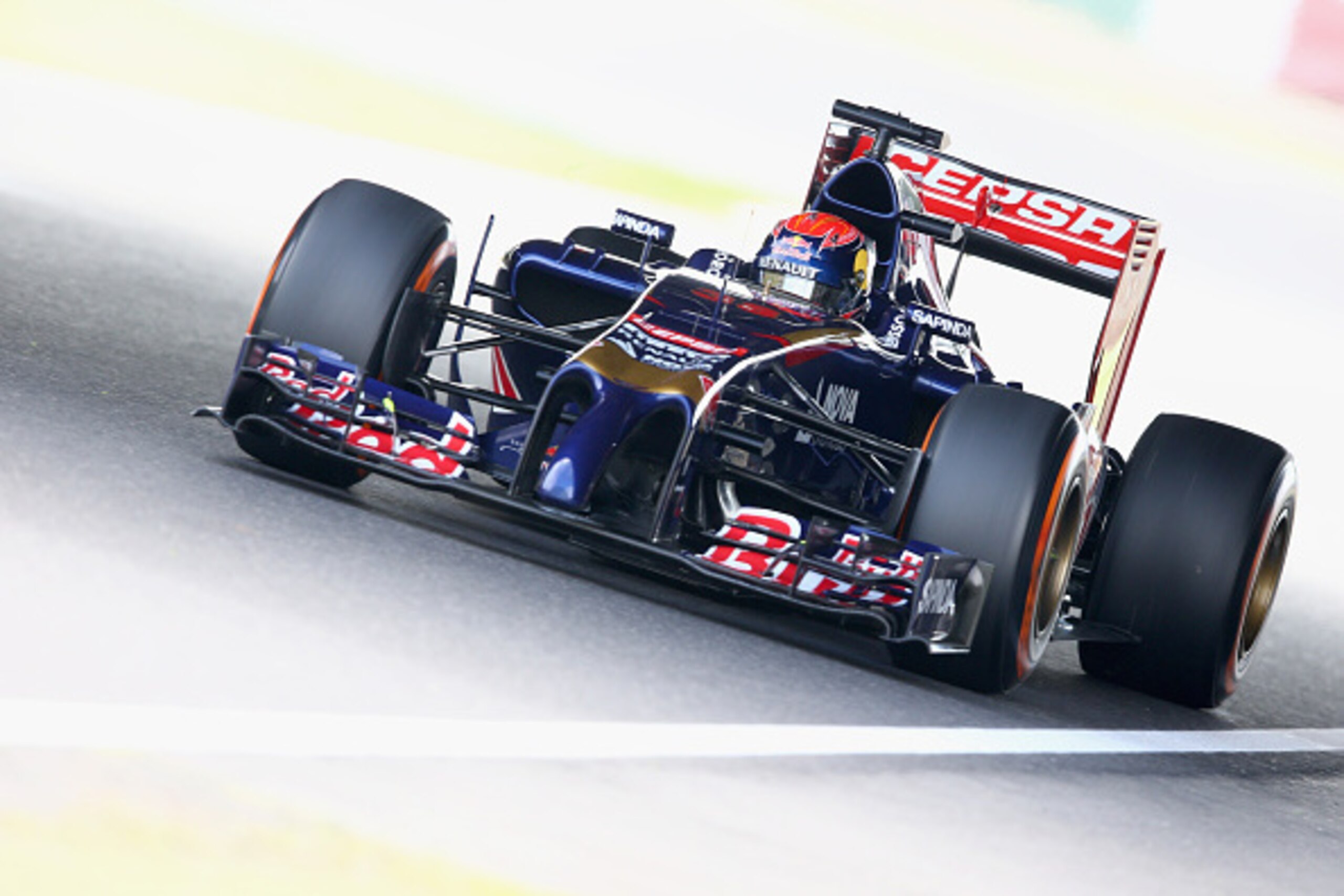
In 2014 and 2015, two of the youngest drivers in F1 history will make their grand prix debuts: Daniil Kvyat in 2014 and Max Verstappen this year, both of whom are teenagers. Carlos Sainz, Jr., who is 20 years old, will also make his debut in 2015.
While it remains to be seen how well Verstappen, just 17 years old, will do against top-flight competition, Kvyat performed well enough in his first year to earn a promotion to Red Bull, winners of four straight world championships from 2010 to 2013.

As well, the FIA recently introduced new rules for drivers to obtain their Super Licences, which are necessary to compete in F1. The effect of the changes will be to curb the ability of young drivers to compete in F1—presumably in response to the prevalence of young drivers currently entering the sport.
In particular, there was some criticism last year that Verstappen did not deserve an F1 race seat after just one season of single-seater racing.
But if there are too many young drivers in the sport, how can it also be argued that there are not enough opportunities for young drivers to develop and prove themselves?
The best drivers will always be able to adapt to whatever car they are driving and, if teams are serious about promoting their young drivers, there are still enough opportunities for them to get acclimated to F1.
Verstappen, for example, ran in three Friday practice sessions in 2014. Now he will have the three preseason tests to further his preparation.
Teams have also invested heavily in their simulators as on-track testing has become more restricted. They are not a replacement for driving a grand prix car, but they are still another opportunity for young drivers to practice.
In terms of the testing opportunities that do still exist, two days at the in-season tests this year will be restricted to drivers with two or fewer F1 starts. In addition, teams will still be able to give their young drivers running time during Friday practice.
There are also benefits to the testing restrictions. They may not actually save money—teams will just find somewhere else to spend it—but they might help level the playing field. In the past, teams like Ferrari, who have their own test track near their factory, or others who could afford virtually unlimited testing, had a distinct advantage.
Now, even the small-budget teams get the same amount of testing time.
While the testing restrictions may cause some drivers to develop more slowly than they would otherwise, the proliferation of young drivers in recent years demonstrates that youngsters with talent will continue to find their way into F1.
Follow me on Twitter for updates when I publish new articles and for other (mostly) F1-related news and banter:




.jpg?w=2560 "Raiders Sticking with Cousins")