
When Australia and India step out onto the turf at the Sydney Cricket Ground for the final day of the fourth Test on Saturday, the home side—assuming an early declaration—will be undoubtedly confident of running through Virat Kohli and his team to secure a third victory of the series.
Australia, on a wearing, fifth-day pitch, need 10 wickets. India will likely require 349 runs. Or at least three full sessions worth of batting to avoid defeat.
On the overwhelming majority of occasions, the safe money would be with Australia; they're the hosts, they've driven the game—and the series—to this point and India have a penchant for wilting outside of their own borders.
.jpg?w=2560 "Seahawks Chiefs Football")


But nothing about this Test suggests such a theme will transpire.
Across four days, this Sydney Test has witnessed the scoring of 1,298 runs. At a run rate nudging close to four. With four individual hundreds and nine half-centuries. All for the fall of just 23 wickets.
At a venue once renowned for new-ball movement before facilitating prodigious spin over the final days, this Test is averaging 56.43 runs per wicket—a remarkably high figure given that only one player involved in this match (Steve Smith) came into this Test averaging more than 50 with the bat for his career.

Though batsmen have thrived, bowlers have toiled. Thanklessly. Without the tiniest bit of help.
In Australia's first innings, all four of India's frontline bowlers conceded more than 100 runs. When it was India's turn with the willow, Mitchell Starc and Nathan Lyon did the same. And even Ryan Harris, who'd only ever once conceded 100 runs in a Test innings in his career, went for 96.
As surfaces go, this is a barren as they get. A 22-yard strip of despair for bowlers, one that might not even contain life at a bacterial level.
Frankly, you could sympathise with the bowlers—the faster men in particular—if they were to form a union and protest the production of such pitches. Or just riot.
The resulting contest, of course, has been dreadfully lopsided between bat and ball. And though we have a fifth day looming with all results still possible, the journey to this point has hardly been a compelling one.
Worryingly, it's a trend not limited to this Test. Or this series.
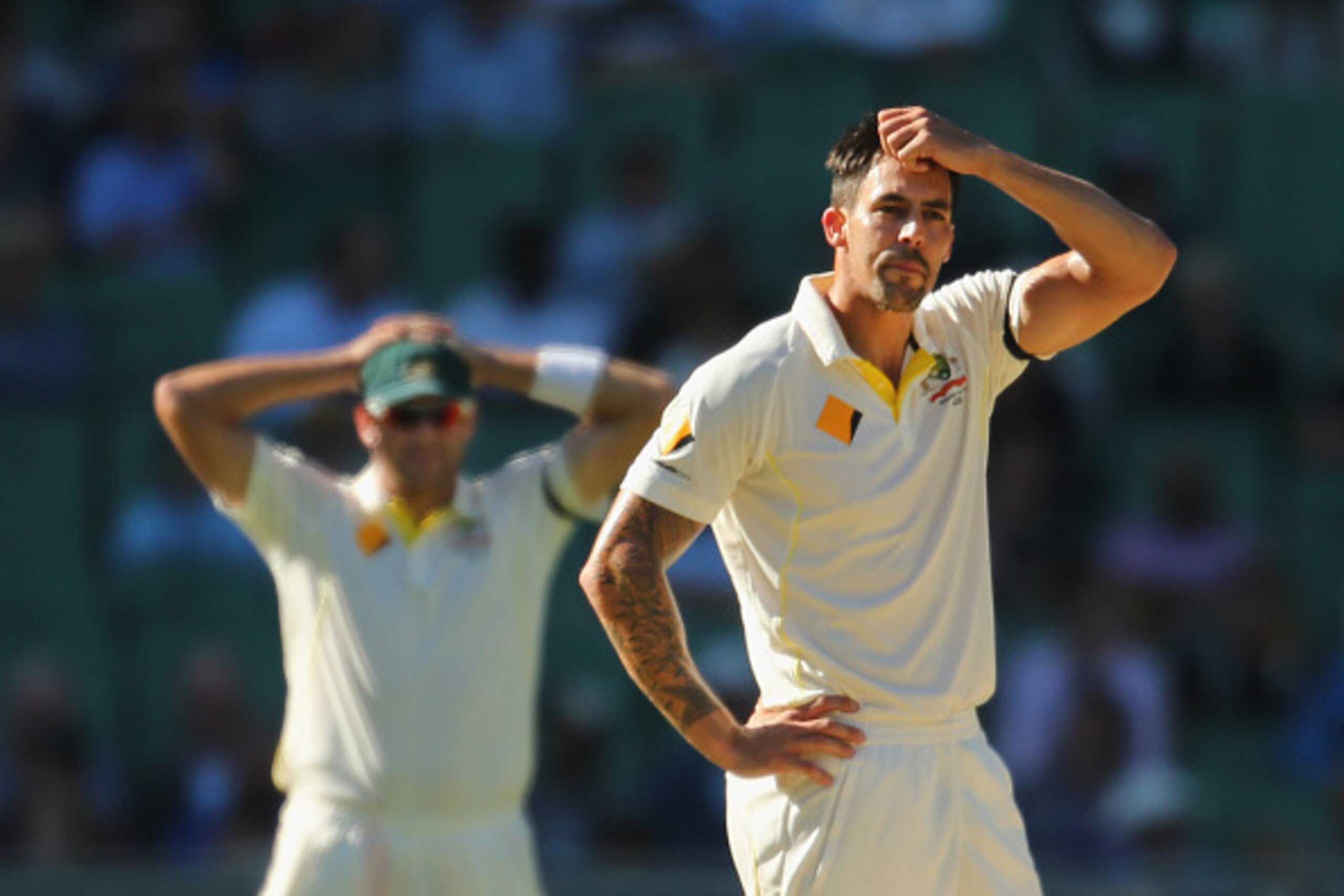
With one day left to play in the latest edition of the Border-Gavaskar Trophy, the series is averaging 44.58 runs per wicket. To put that number into perspective, it's the second highest figure in the history of the Border-Gavaskar Trophy (the 2003-04 series saw an average of 48.29 runs per wicket when Australia were missing Glenn McGrath and Shane Warne), the highest figure of any Test series in 12 months and almost 12 runs per wicket higher than when these teams last met in India in 2012-13.
So skewed toward the batsmen this series has been that there have already been 15 individual centuries in the series—the third highest number in a four-match Test series in the history of the game. And there's still a day to play.
As for the bowlers, not one of them is averaging below 30 with the ball for the series, and of the 16 men in total to have taken a wicket, 11 of them are averaging in excess of 40.
What we've seen in this Border-Gavaskar Trophy is a procession of pitches of a depressingly similar nature: Flat, hard, dry and without a blade of grass.
In Adelaide, it can be expected—the ground has always been a batting paradise. But what we've essentially witnessed in Australia this time around is the Adelaide pitch replicated everywhere. Replicated in Brisbane, where we're accustomed to seeing the ball fly. Replicated in Melbourne, where you can get a bit of everything. Replicated in Sydney, where swing and seam typically give way to spin.
Without the unique strip in Perth to spice it up, it's been a series lacking the precious commodity of variety.
And it's something we're being uncomfortably forced to accept across the world.
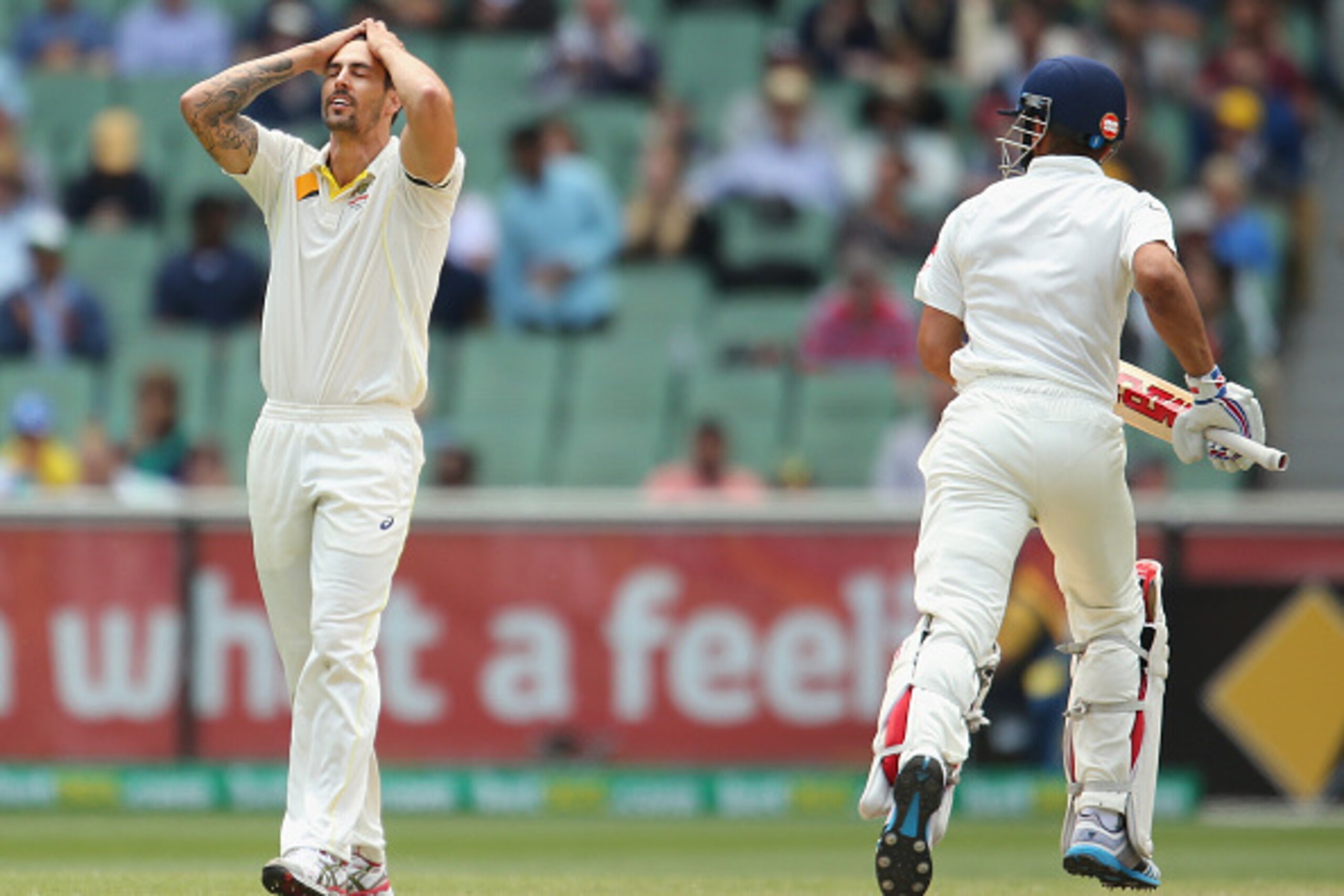
In 2013, the Ashes contest on English soil took on an attritional theme because of dead, lifeless wickets at Trent Bridge, Lord's, Chester-le-Street and The Oval. Only Old Trafford in Manchester produced something different that summer.
When Australia visited South Africa the following year, Port Elizabeth produced what could only be described as a featherbed.
And when India visited English shores several months later in 2014, there was that atrocious surface in Nottingham that saw the ICC label it "poor" and fine Trent Bridge.
Of course, that's not to say every wicket around the world in recent years has been exasperatingly docile—after the debacle at Trent Bridge, Lord's overcompensated by producing what looked like an off-cut from Wimbledon in the next Test—but we're beginning to see the extent of variety lessened. The spectrum is being narrowed. What's being produced in England, Australia, South Africa, New Zealand and the Caribbean appears to be slowly creeping toward what's produced in India, Sri Lanka and the UAE.
It's a trend likely being forced by economic pressures: grounds, needing to maximise ticket revenue, appear reluctant to present a bowler-friendly surface capable of producing a result within three days.
But the by-product of the conservatism is that those who do attend are being served inferior entertainment—the very business that cricket is in.
Earlier this series, Mitchell Johnson expressed his displeasure with the pitches on offer in this Australian summer. Not long after, Harris joined him in doing so.
Johnson labelled them "disappointing." Harris described them as "frustrating."
Such terms, though accurate, might be understating it. The pitches have fostered a one-dimensional series, and that it's happening in Australia of all places, suggests it's a trend that's a cause for concern.