World Series Cup 1994/95: When Two Australia Teams Were Better Than One
It perhaps seems hard to believe now, but 20 years ago, Australia had enough world class cricketers to fill not just one, but two international teams strong enough to beat other countries’ first XIs.
It was the 1994/95 season, and Australia was hosting the World Series Cup after the second Ashes Test match against England. As well as their English opponents, the Australians would face Zimbabwe and their own second team—Australia A.
The World Series Cup was traditionally for three teams, but a fourth was added for this year given the appearance of two teams regarded as being much weaker than the Australian hosts.
.jpg?w=2560 "Seahawks Chiefs Football")


At first, it seemed like a brilliant idea from the organisers, but as the tournament went on, it quickly descended into farce.
The Two Australia Squads
Australia: Mark Taylor (capt), Michael Bevan, David Boon, Damien Fleming, Ian Healy, Stuart Law, Craig McDermott, Glenn McGrath, Tim May, Michael Slater, Shane Warne, Mark Waugh, Steve Waugh.
Australia A: Damien Martyn (capt), Phil Emery (vice-capt), Matthew Hayden, Darren Lehmann, Justin Langer, Ricky Ponting, Merv Hughes, Paul Reiffel, Gavin Robertson, Greg Rowell, Jo Angel, Tom Moody, Shane George, Mark Atkinson, Greg Blewett, Peter McIntyre.
Reading through both Australian squads is like looking at a who’s who of Australian cricket in the 1990s and 2000s, when the Baggy Green were at their most dominant in recent history.
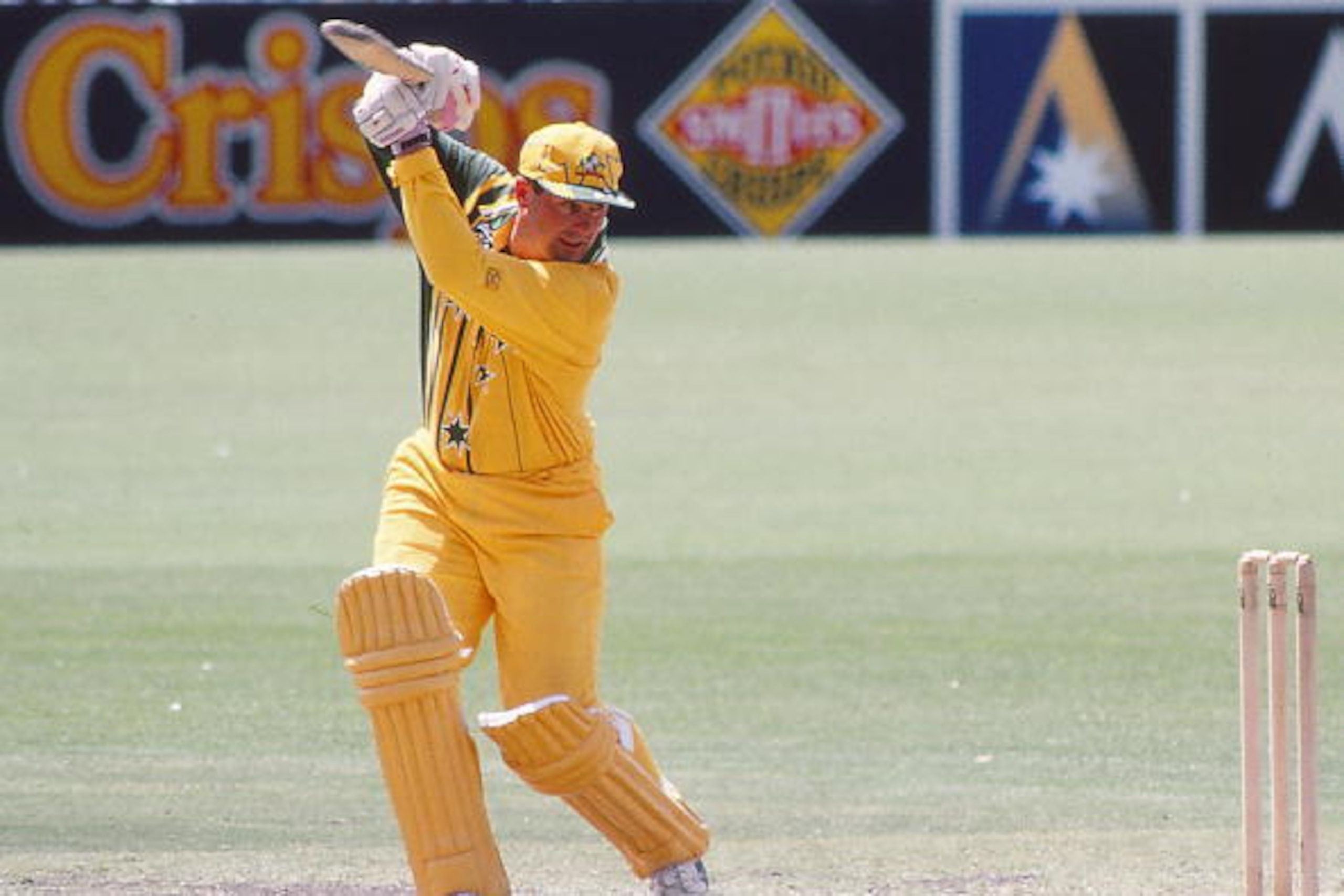
Led by Mark Taylor, Australia contained a number of established stars like David Boon, Ian Healy and Michael Slater.
They also had the likes of the Waugh twins and Shane Warne, while young seamer Glenn McGrath was still very early in his Australia career.
Meanwhile, Australia A were led by Damien Martyn, with future captain Ricky Ponting a key part of their middle order.
Matthew Hayden and Justin Langer were also both present, just before they would go on to have one of the best opening partnerships in Test history for the full Baggy Green side.

Future Cricket World Cup winners in 1999 Darren Lehmann and Tom Moody were also in the squad, with Merv Hughes there at the age of 33 after coming through knee surgery.
Meanwhile, seamers Paul Reiffel and Jo Angel and vice-captain Phil Emery all already had Test experience with the full Australia side.
With all this firepower at his disposal, in the build-up to the tournament, Australia A coach Greg Chappell said in the Daily Telegraph (via ESPN Cricinfo): "I think it would be realistic for them to set their sights on making the final and what happens after that, wait and see."
The Tournament Begins
The tournament began with promise, but some of that evaporated when it became clear that any game involving Australia A would not be classified as a one-day international.
That meant its credibility was severely undermined, but on the field things looked positive in the opening fixtures.
In the opening two games, both Australia and Australia A took victories over Zimbabwe, a talented side that was still a few years away from its peak.
The next three games also went as expected, with Australia taking comfortable wins over England and Zimbabwe, then Australia A doing the same against the Zimbabweans once more.

Then, in the first meeting between the two hosts, Australia triumphed over their countrymen in the A team by just six runs.
The Australians batted first and made 202 all out, led by 64 from Michael Slater and 44 by captain Mark Taylor.
Merv Hughes was Australia A’s best bowler with 3-33 from nine overs, and they looked in a good position to chase down their target at 109-4.
However, Glenn McGrath’s 4-43 helped precipitate a dramatic collapse, and Australia A were dismissed for 196.
England then helped ease the pain of a difficult and injury-ravaged Ashes tour with a win by 31 runs over Australia A.
Even though their games were not classed as full ODIs, the fixtures involving Australia A had all been intriguing clashes, but an element of farce descended in the following games.
The Swaps Begin
After a win each for England and Zimbabwe in the eighth and ninth matches, attention shifted to another clash between the two Australias, with the A side still in the hunt for a finals spot.
That game was the first to see players switch between the two Australia sides, as A team vice-captain Phil Emery joined the senior team as a replacement for Ian Healy.
Tasmania ‘keeper Mark Atkinson was then brought in for what would be his only appearance in anything like an international fixture, which Australia won by 34 runs.
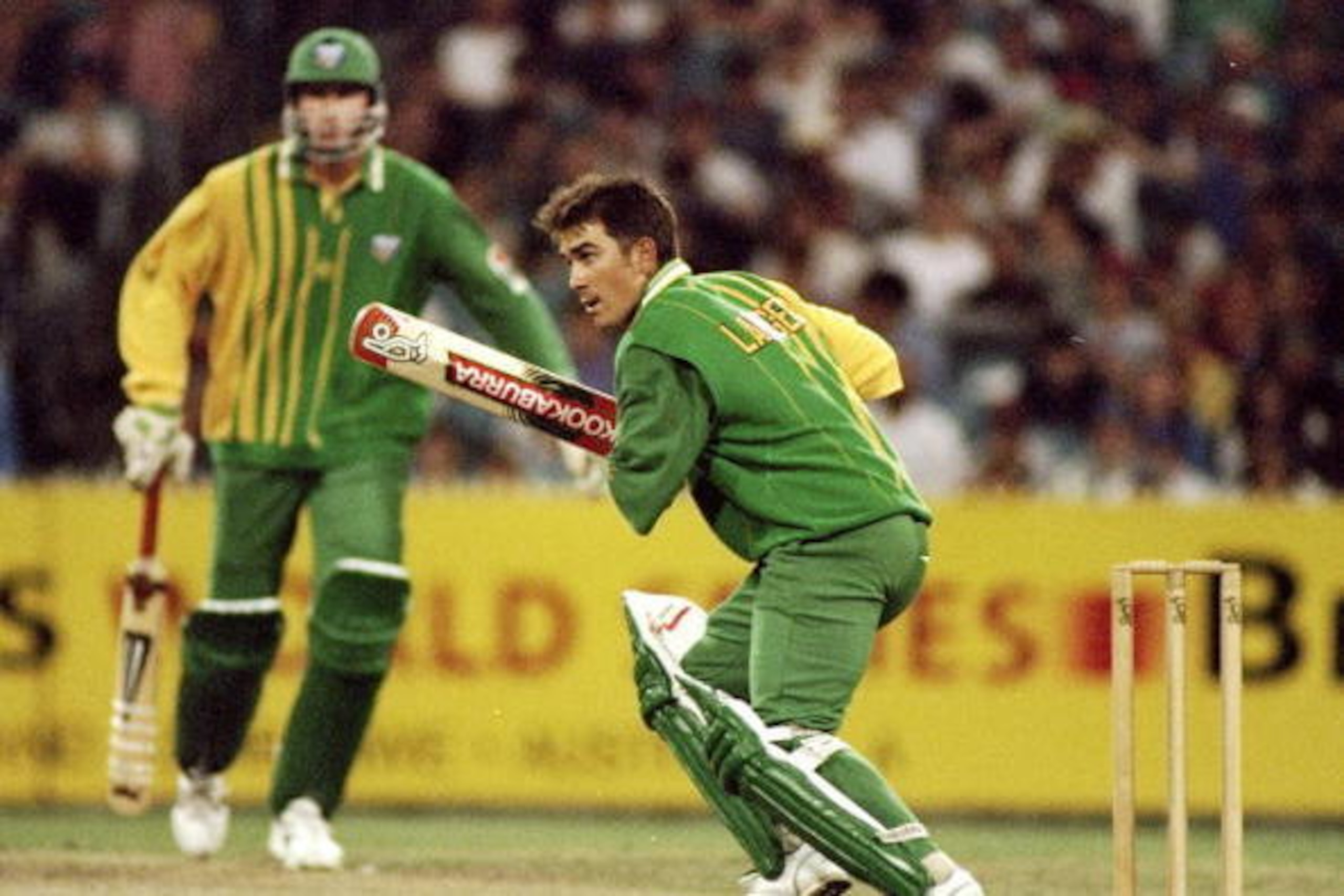
Meanwhile, Michael Bevan moved the opposite way from Emery, as he joined up with Australia A from the full team and batted at No. 4.
In the following game between Australia and England, Healy was back behind the stumps but off-spinner Gavin Robertson was called up from the A team due to an injury to Tim May.
Australia’s 37-run victory in that meant the final preliminary game between Australia A and England was intriguingly poised.
The visitors needed to either win the game or score at least 237 with the bat, but they fell just short on 235-9 chasing a victory total of 265, meaning they lost by 29 runs and were knocked out.
As if to compound the misery, Bevan was still on loan from Australia’s primary team, and made 105 in the A side’s victory.
The Finals
That meant it would be the two Australian sides in the finals, although the games themselves were flat affairs, as fans in Sydney and Melbourne were unsure who to cheer for.
That atmosphere was not helped by the decision of the selectors to promote seamer Paul Reiffel to the Australia side, but then use him as 12th man in both games, something Phil Wilkins in the Sydney Morning Herald (per ESPN Cricinfo) described as a “waste of talent.”
In the end, Australia won both games by five wickets and six wickets respectively, with the former coming off the final ball of the match, but by then the experiment could be deemed a failure.
The Aftermath
The experiment of having two teams representing the same country in an international tournament has not been repeated since the 1994/95 World Series Cup.
It was not popular with the players and failed to capture the imagination of the spectators, with Australia captain Mark Taylor perhaps best summing up the mood after his side’s victory over Australia A on December 12, per Greg Baum of the Sydney Morning Herald (via ESPN Cricinfo).
"I didn't enjoy the game. I don't like playing against my own players. I don't like it when the crowd doesn't support us when we play at home. I can’t blame the crowd; I don't think they should have been made to choose whether to back Australia or the other Australian team. They [Australia A] are probably more jovial in their rooms than we are in ours, and we're the winners. I don't have to say anything official [to administrators]; I'd be surprised if the Australia A thing happens again.
"

As it turned out, Taylor was correct in a sense—A teams are now used widely across the world by international teams both at home and in overseas tours, however, they have not been used in games against their own country’s full international teams and likely never will be again.