

Winners and Losers of the 'Engine Freeze' Loophole
So after all the wrangling, arguments and whining, it turns out three of the Formula One power unit manufacturers will be able to develop their engines during the season after all.
A loophole in the regulations governing engine development has been found. It gives Mercedes, Ferrari and Renault as much time as they like to develop their 2015 engines.
But there's a sting in the tail—because they can only introduce one new specification per season, incremental upgrades are out.
The new power unit must be introduced in one go, so if they decide to bring it in at, for example, Spain—the start of the European season—the teams they supply will have to run a 2014 power unit for the first four races, per James Allen on F1.
Honda, as a new supplier working outside the upgrade structure affecting the other teams, will have to homologate their engine before the first race.
The loophole affects each team in different ways—as in most things there are winners, and for every winner there's a loser.
Note—the article follows the interpretation that a 2014 engine with token-based upgrades would not count as an homologated engine. At the time of writing this was the interpretation of this writer and the cited article on JA on F1.
What Has Happened
1 of 7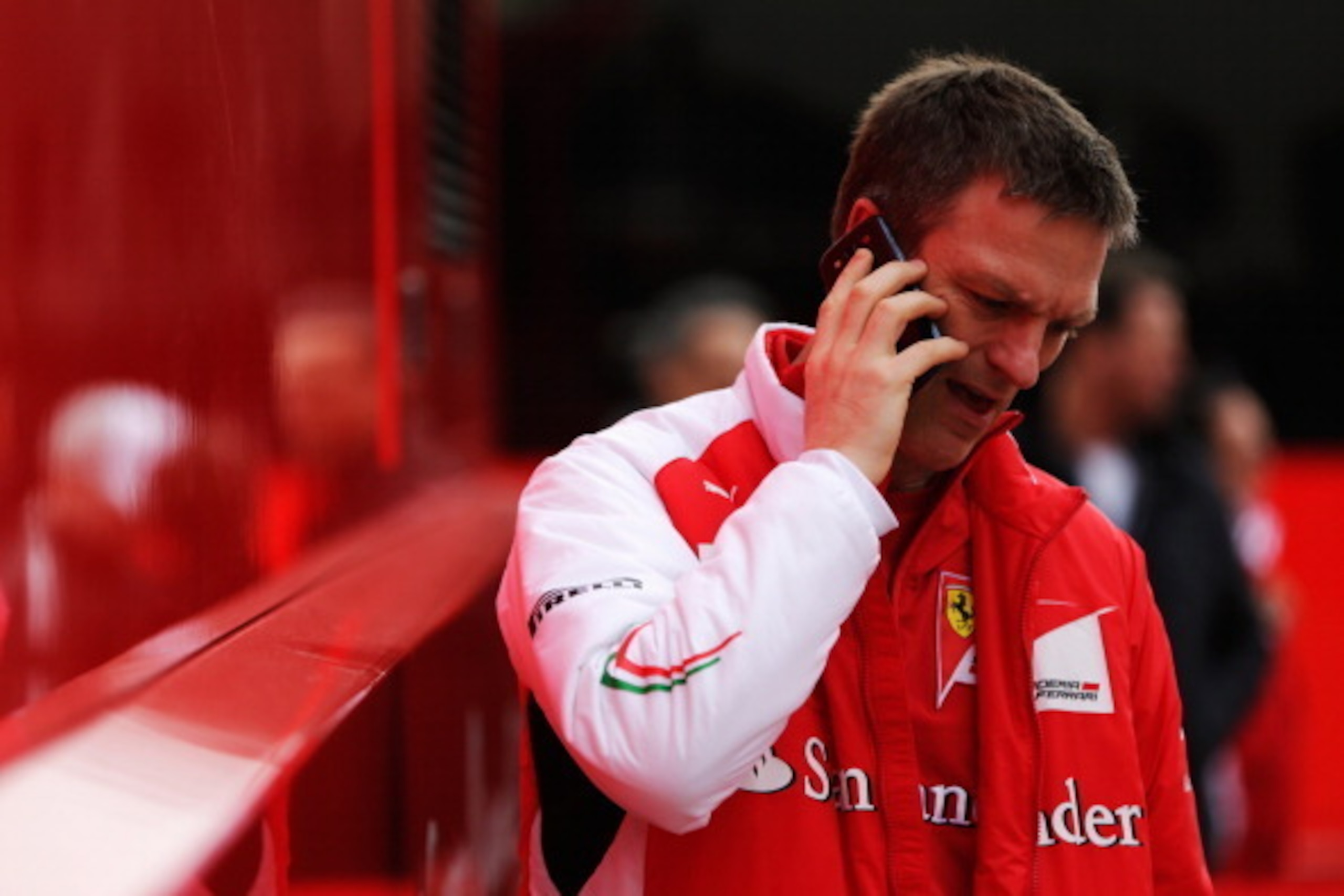
Background
As the rules for the period from 2014 to 2020 were laid out, in-season development of power units (colloquially referred to as "engines") was supposed to be "frozen." The manufacturers could make limited changes during the off-season, but once their engine for a particular year was homologated (approved by the FIA), further changes could not be made.
For the purpose of the regulations, the power units are divided into 42 parts with each part given a "weighting" between one and three. Some of these parts (currently three) are locked in permanently; of the remainder, the manufacturers can modify a percentage.
The total "weight" of a power unit is 66. In each off-season, each manufacturer is given a number of tokens with which they can "buy" upgrades. For example, the pistons have a weight of two—for two tokens, they can be modified.
Between 2014 and 2015, 32 tokens are available to each manufacturer, with parts "weighing" 61 tokens available as choices to be changed. The manufacturer decides which ones they'll modify.
A full list of the items, their weight and how much can be changed each year can be found in Appendix 4 of the 2015 Technical Regulations.
The Current Situation
Previous thinking had led us to believe the pre-season, February 28 date used for homologation in 2014 would also apply in 2015.
It turns out—though that was supposed to be the case—the FIA failed to explicitly say so in the Sporting Regulations. The lengthy document mentions the February 28 of 2014, but not that of future years. Autosport reported this was first brought up by Ferrari technical director James Allison at a Strategy Group meeting in December.
The same publication later reported the FIA had admitted this loophole did indeed exist.
It means the manufacturers may finish spending their tokens and submit their power units for approval at a date of their choosing in 2015. Before the fourth race, or the fifth or the sixth—whenever they like.
However, if they choose to delay, they will have to run a 2014-spec power unit until the 2015 version is ready for final approval. The regulations (Appendix 4) do at least mention that only one specification of power unit may be homologated each year and that only homologated units can be used (Article 28.5), which rules out incremental improvements.
It also means Honda will be excluded from the late-homologation party. As a new supplier, the token system has not applied to their development to date and they don't have a 2014 power unit. They must homologate their 2015 design before the first race of the season.
Winner: Ferrari
2 of 7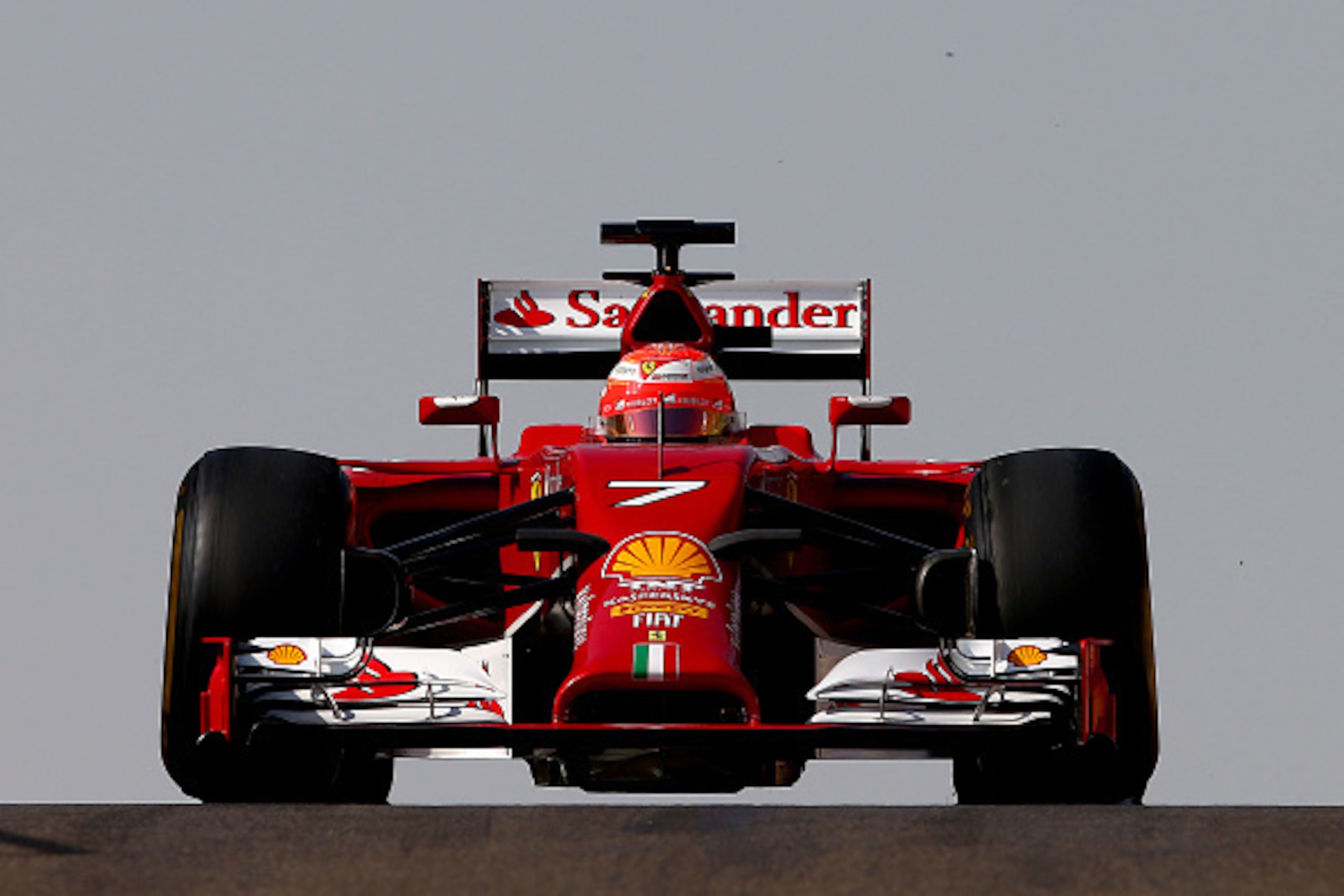
Ferrari were the ones who spotted this particular loophole, so they'll be rather pleased it has been confirmed as open.
In November, BBC Sport's Andrew Benson reported that along with Renault (via Red Bull), Ferrari had been pushing for a July window in which to spend 13 tokens (from their 2014-2015 off-season allocation of 32). The only reason they'd want this is if they knew they wouldn't have all their upgrades ready in time for the pre-season homologation deadline.
They weren't going to get that window (and still aren't), but the loophole means they'll at least have some extra time to get everything in order.
The Scuderia will suffer initially. Delaying will mean they'll have to supply their works team and Sauber with 2014-spec power units for the early races.
The Ferrari was probably the overall weakest engine last season, so it's not inconceivable that even Sebastian Vettel and Kimi Raikkonen will struggle to score points in the early races if Mercedes roll out their 2015 effort from the start.
Sauber won't have a prayer.
But once it's introduced, the 2015 Ferrari will be a stronger power unit than it would have been. They'll benefit from that for the bulk of the season.
Loser: Honda
3 of 7
As new entrants, Honda do not have a current power unit. Their 2015 effort will be their first, but they expected to be going into the season in much the same boat as the other teams.
Everyone's power unit would be fixed at the end of February and that would be that. But this is no longer the case—only Honda have to homologate their 2015 design before the start of the season.
The others can keep working on them and homologate at, say, the fifth or sixth round.
Honda and their team, McLaren, may have an advantage in the early races where some or all rivals are running 2014-spec designs. If they've done exceptionally well they could even win a couple of them.
But across the whole season, the Japanese manufacturer will lose out. Renault and Ferrari (and possibly Mercedes) will be able to make their moves and the sudden drop down the order could be severe.
It's not especially fair. But given that Honda are not working from the token system, it's difficult to find a way of including them in the extended development phase without shifting the advantage needle way, way over to the other side.

.jpg?w=2560 "Seahawks Chiefs Football")
Winner: Renault (Red Bull)
4 of 7
Renault were in a very similar situation to Ferrari. Red Bull team principal Christian Horner was the loudest voice calling for limited in-season development, but he appeared to have lost the battle against Mercedes.
The 13-token mid-season window would not be opening. Everything would need to be done before the start of the year.
Now, his team and their engine supplier have the chance to take their time to get it right.
Running the 2014-spec Renault in the early races will be a major disadvantage, more so if Ferrari and Mercedes introduce their 2015 power units earlier. That could realistically push Red Bull out of the points, no matter how good their aerodynamics are.
But over the course of the year Renault, like Ferrari, will benefit from a bit of extra time.
Losers, but Still Winners: Mercedes
5 of 7
Mercedes looked to have fought off Renault and Ferrari's bid for a mid-season window. We can infer from their opposition that they believed they needed it less than their rivals. Maybe they didn't need it at all.
Now a small spanner has been thrown into the works. With extra time, the other manufacturers will most likely be able to close the gap more than they otherwise would.
Mercedes have to be called losers here, because probability states their advantage would have been greater with a pre-season homologation date for all. But they could actually benefit.
If they bring 2015-spec power units to the first race while Renault and Ferrari use 2014 units, the advantage Mercedes and their customer teams will have will be huge. It's possible that if all the customers get their cars right and Honda don't produce a competitive engine, Mercedes-powered drivers could fill the top eight positions.
This could last for anything up to four or five races.
After that their advantage will be reduced, but it's likely they'll still have a significantly better power unit than the rest.
Winner: Neutral Fans
6 of 7
Whether we're happy with the loophole or not, it should result in slightly closer racing and that's a reason to be cheerful.
There'll also be the anticipation and excitement of a change in the running order when the new units come on line.
Of course, those with a strong allegiance to a particular driver or team may not agree...
Loser: The Sport
7 of 7
It's a bit of an idealistic viewpoint, but wouldn't it be nice if the "spirit of the rules" actually meant something?
All the manufacturers agreed to the rules and absolutely understand what every passage of the regulations mean.
But instead of taking the "sporting" route, they pick at and sneak through a loophole which, now it has been exposed, appears almost obvious and makes the FIA look careless and incompetent. Add that to the impotence they acquired by essentially selling their influence to the Strategy Group and we're left with a rather poor impression of a governing body.
It almost makes FIFA look good.
After the collapse of Caterham and Marussia, the ongoing row over revenue sharing and Bernie's most recent legal troubles, a bit of positive shine on F1's image would have been nice.
Maybe next time...

.jpg?w=2560)
.jpg?w=2560 "Multiple NFL Trades Predicted")


