Which Brooklyn Nets Star Has Got to Go?
As far as expectations were concerned, manning the helm of the Brooklyn Nets was probably as straightforward a job description as Lionel Hollins could’ve hoped for.
Entering the 2014-15 season, everyone knew the Nets were overrated and overpaid. As such, all Hollins had to do was meet one, eminently attainable goal: keep the team respectable.
Sadly, even that’s not looking like a lock.


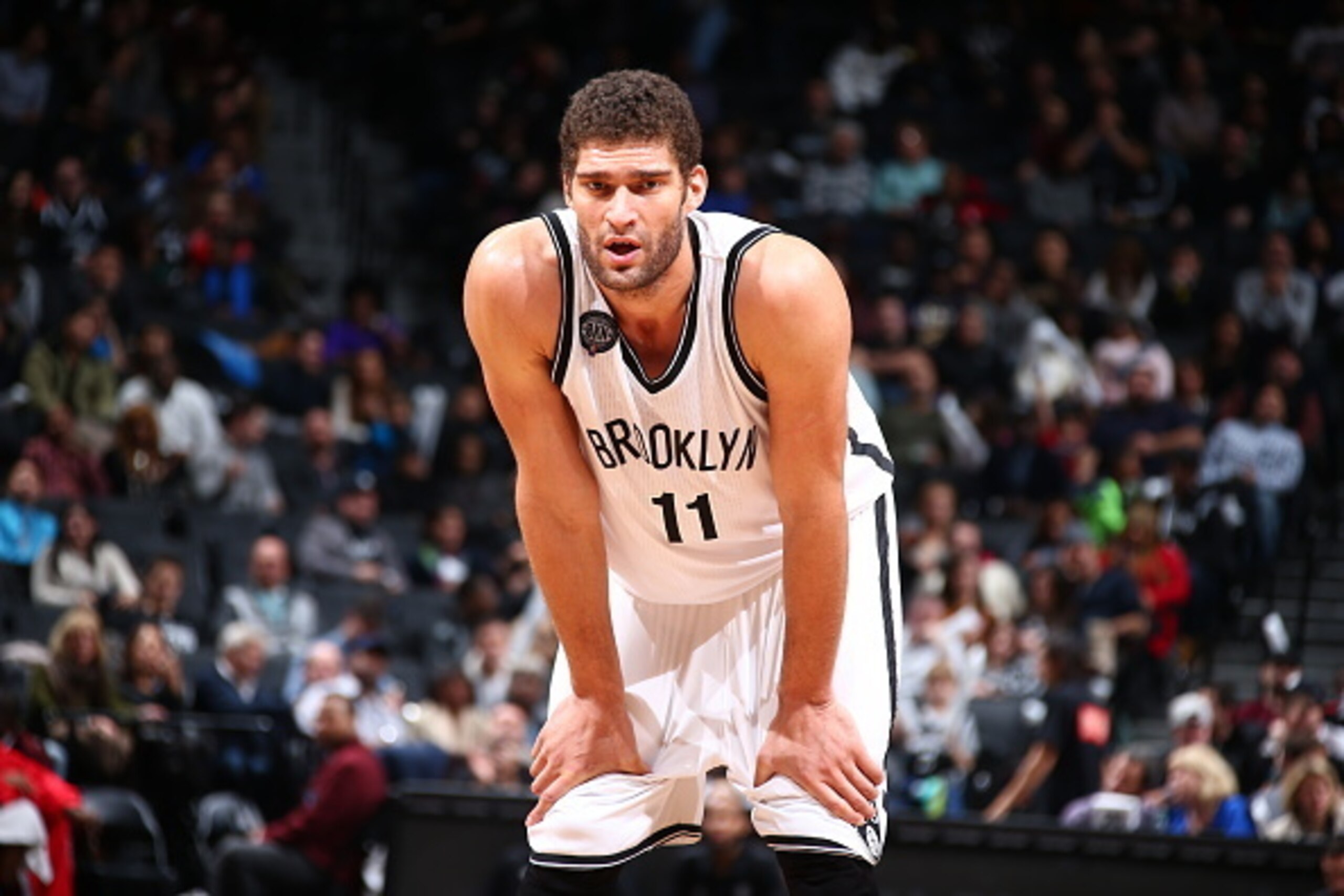
Deron Williams, Brook Lopez and Joe Johnson aren’t the sole reasons for the Nets’ demise. Still, beginning the process of rebuilding—financially as well as philosophically—demands Brooklyn cast one of its stars adrift. Something it has long talked about doing anyway.
The question is which one.
Brook Smart
“I thought, coming in, that we had some pieces that were capable of scoring a lot of points, that we had a high basketball IQ, that we had a high-skill basketball team,” Hollins confided during a recent interview with NorthJersey.com’s Andy Vasquez. “But that turned out not to be as broad as I thought it was. It’s narrow.”
Even from someone not exactly classically trained in the art of mincing words, that’s a damning dig indeed.
That the barbs were meant for one of Brooklyn’s Big Three might seem doubtful, even a bit unfair—until you remember Hollins has actually resorted to bringing both Williams and Lopez off the bench in recent games.
Still, considering he’s missed nearly a third of the season with maladies of foot and back—adding credence to the idea that Hollins’ rotational gambit is being done as much out of caution as strategic weirdness—Lopez boasts the biggest immunity of all.

That doesn’t mean there isn’t a case to be made for dealing the All-Star center, however. At just 26 years old, Lopez—as skilled a big as there is in the NBA—is squarely in the prime of his career. As such, it’s not hard to imagine a line of potential suitors queuing up around the trade deadline.
Injury-prone past aside, the real risk with Lopez is a financial one—namely his $16.8 million player option for the 2015-16 season. Unless you have a guarantee that Lopez will re-up with your team for the long term, what sense is there in taking on a five- or six-month flier?
The logic isn’t much different from Brooklyn’s perspective: With the team fast careening toward irrelevance, why would the Nets want to waste their negotiating energy trying to part with a player who might be gone next year anyway? If Lopez does stick around, at least Brooklyn would be putting its best player—and its best asset—back into the fold.
If the Nets really want to shed one of their most onerous contracts, it should be one that’s truly clogging up the team’s long-term piping.
More Money, More Problems
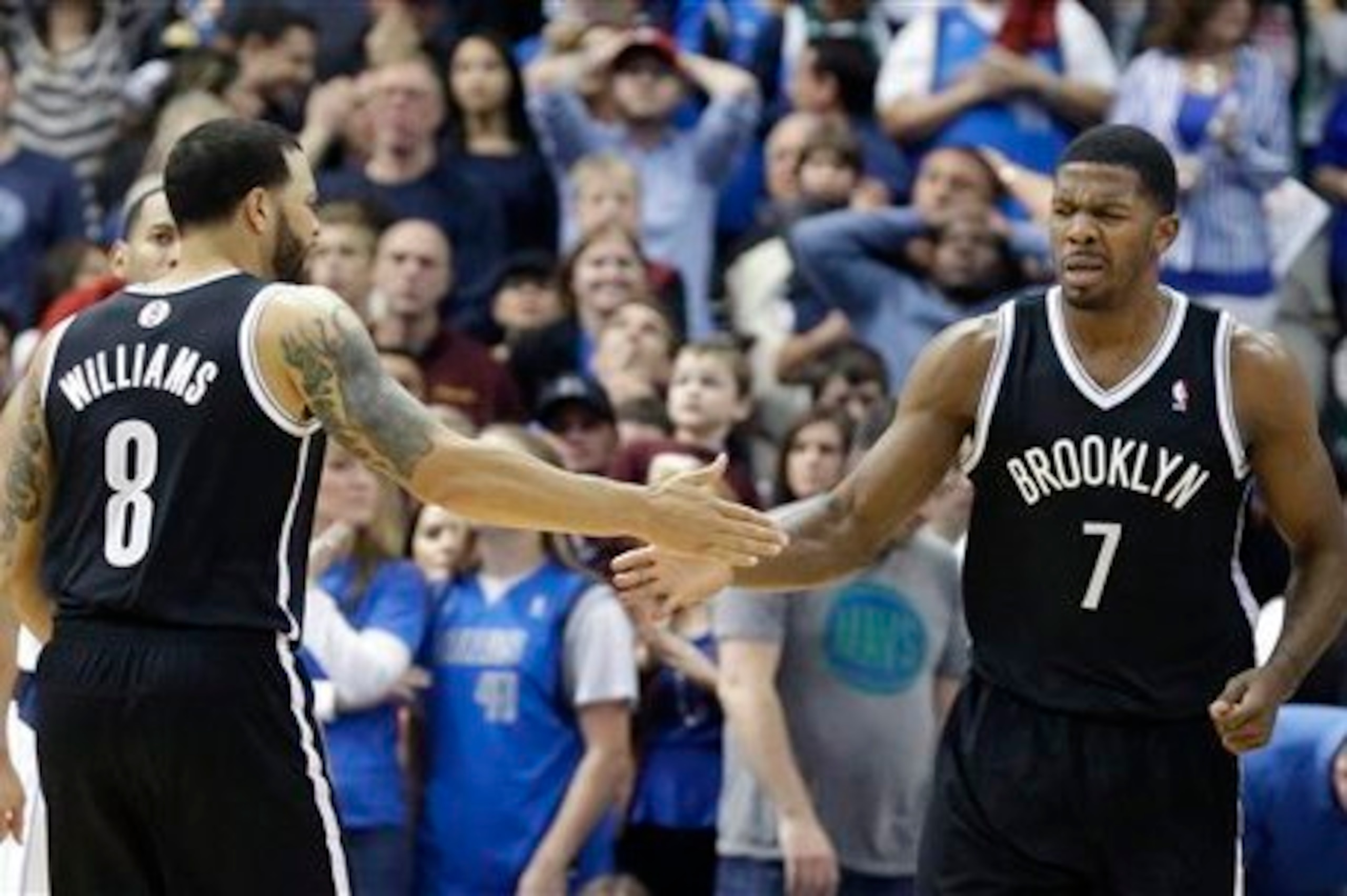
Over the next three seasons, Joe Johnson (two years remaining on his contract) and Deron Williams (three years) will be owed upward of $112 million.
That’s a hefty sum for a pair of players on the wrong side of 30 and whose best days, incendiary though they were, are many moons behind them.
From a purely productive standpoint, Johnson would seem the easier sell. Never one to lean on his athleticism, Johnson remains an elite one-on-one scorer—a guy capable of getting his shot off in just about any situation.
In a league where top-tier 2-guards are at a premium, Johnson’s brand of offensive ballistics could be enough to turn pretenders into contenders and contenders—the right one, anyway—into a full-fledged Finals threat.
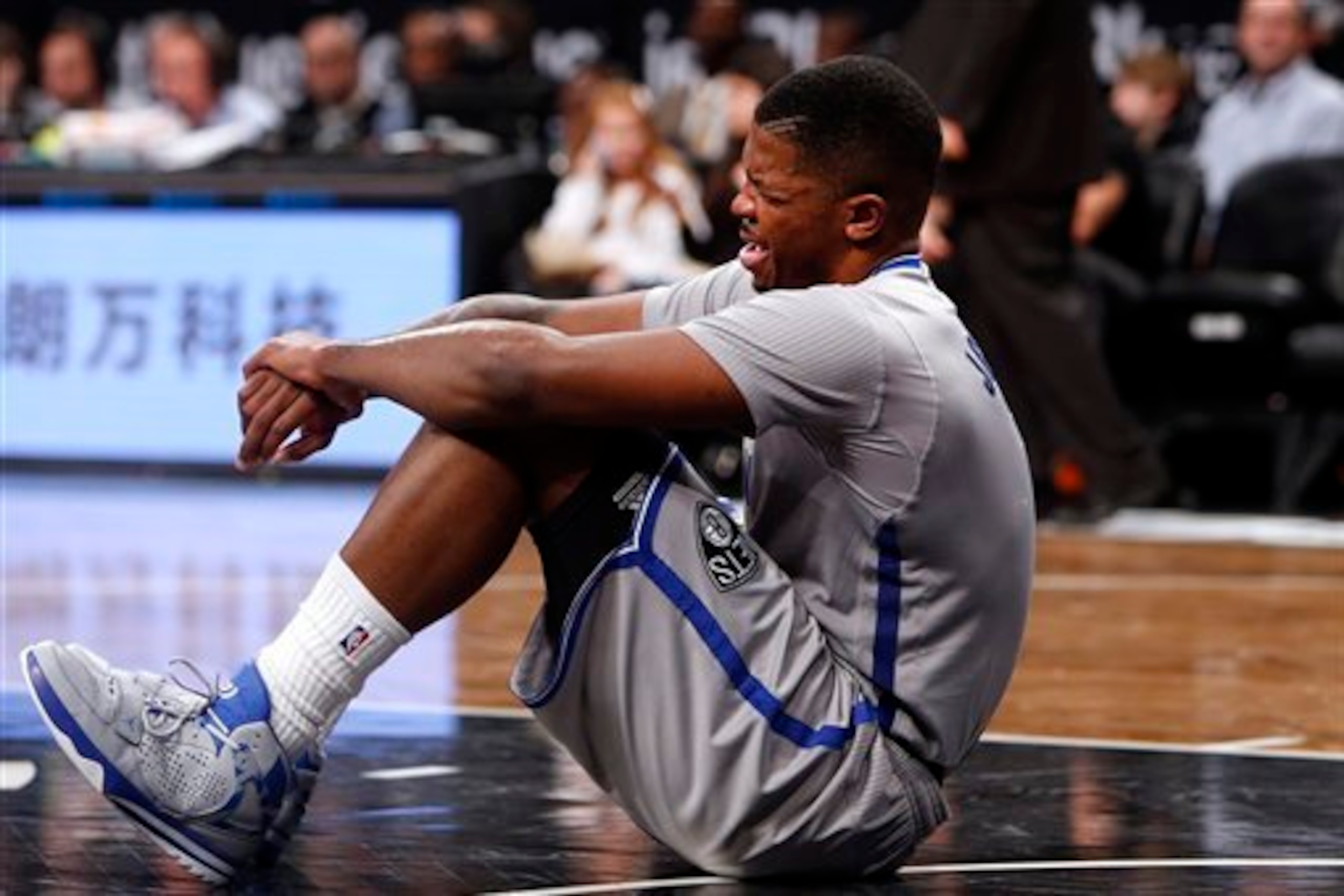
Just one small problem: Not many teams exist, if any, that are both next-step ready and flush with enough cash and contracts to absorb Johnson’s gargantuan salary. That's what tends to happen when you author what is widely considered one of the worst contracts in the modern history of the NBA.
Brooklyn shouldn’t much care about the makeup or merit of its trade partner, of course; even if the New York Knicks are the ones who come calling, Mikhail Prokhorov and Billy King would be on the horn faster than you can say East River Rivalry.
Sadly, the calculus is just as cluttered and clogged as it concerns the Nets’ last—and perhaps most perplexing—piece of the cap-busting pie.
Williams, It Was Really Nothing
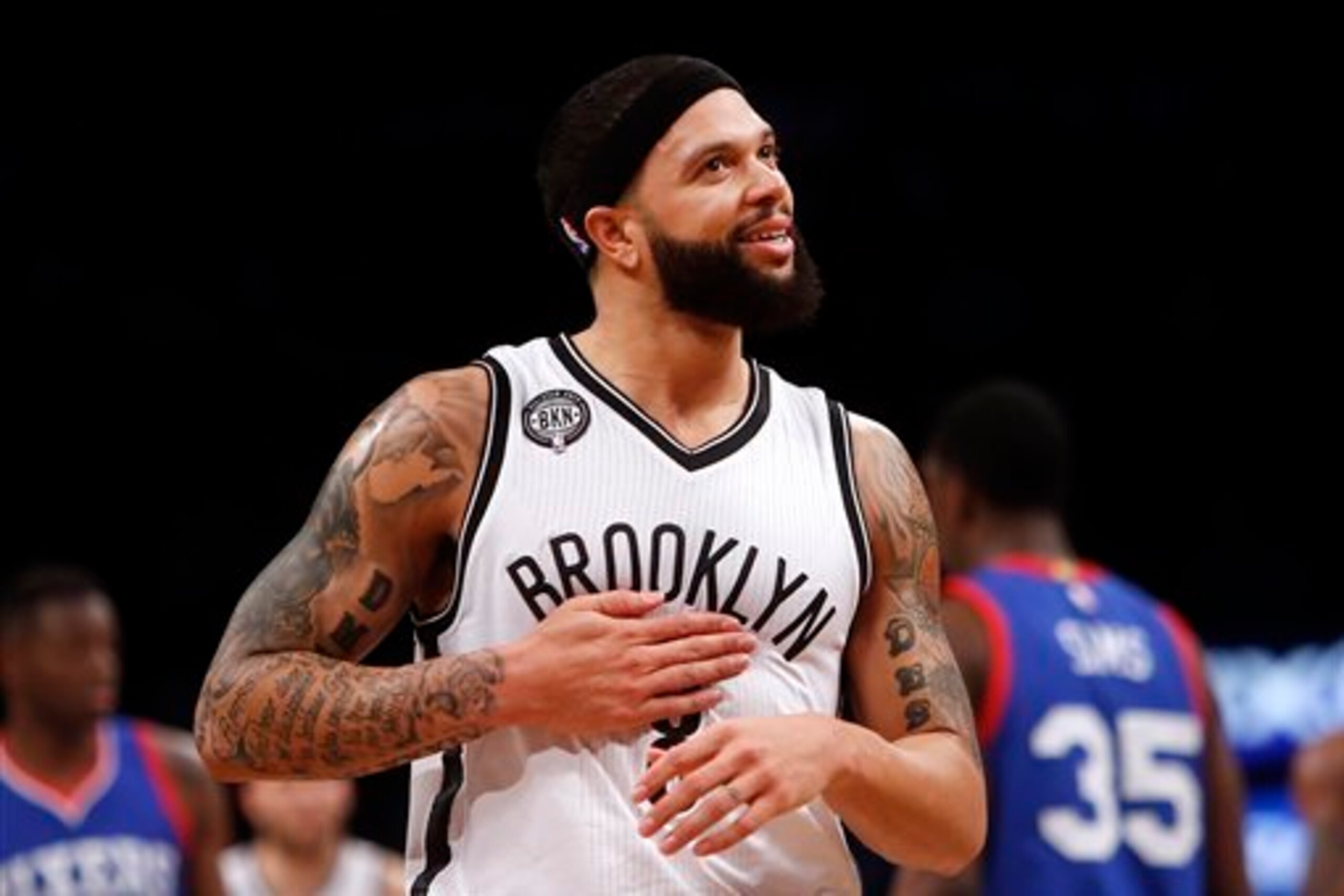
Four years ago, one could’ve reasonably made the case for Deron Williams as the league’s best floor general.
Unfortunately, the subsequent few seasons have seen a tremendous influx in the point guard talent pool, with players like John Wall, Kyrie Irving, Damian Lillard and Stephen Curry all staking their claims to a terrain long believed to be the realm of Williams, Chris Paul and Derrick Rose alone.
The worm could not have turned more fully for Williams, whose contract remains arguably the single most burdensome albatross about Brooklyn’s already gasping neck.
Having weathered a string of injury scares in his own right, Williams is nothing if not damaged goods. The question is whether there’s enough left in the tank to compel another team—a contender in need of little more than a game manager, a basement-dweller looking to fill the seats—to roll the dice.
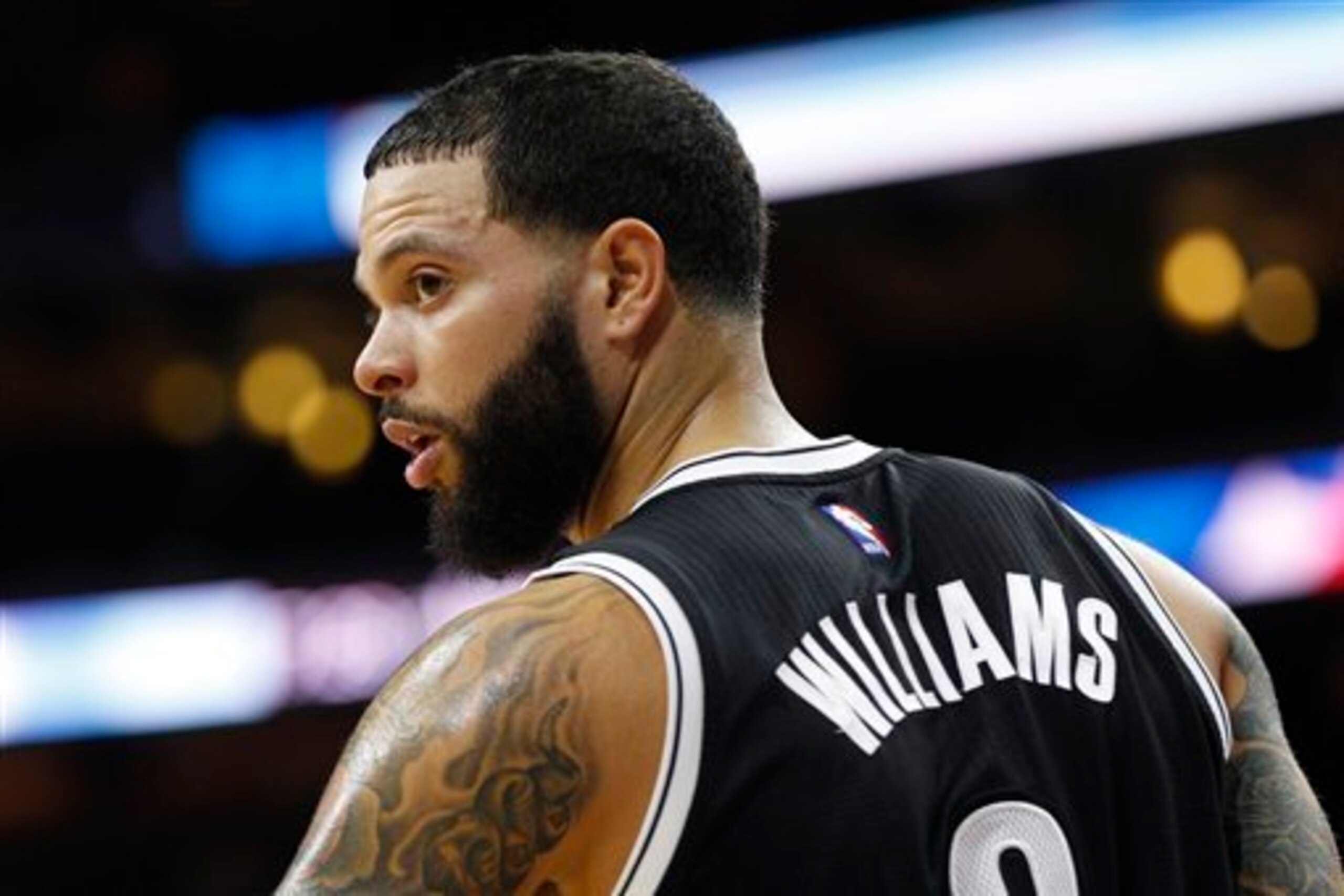
As with Johnson, the problem here is one of strategic paradox: To the extent that most elite teams have neither the need for a point guard nor the toxic assets to send back, Brooklyn would likely have to scour the dregs of the league for willing trade partners.
While preliminary talks have cooled somewhat, don’t be surprised if the Sacramento Kings—that rare franchise both talented enough to make a playoff push and naive enough to believe Williams can make a long-term difference—re-emerge as potential deadline suitors.
From a recent piece by Bleacher Report’s Tim MacLean:
"If the Kings were to pull the trigger on a trade for Williams, they would effectively be wasting around $14 million in salary that could be used on another piece or two. That's just an irresponsible usage of funds and doesn't even slightly improve Sacramento's chances of becoming more competitive in the Western Conference. …
By the time Sacramento would be ready to seriously compete for a top spot in the West—presumably when Cousins hits his prime between 26-28 years old—Williams will have already turned 35 years old. And by then, there's no guarantee that Williams would even still be under contract with the Kings.
"
On the surface, none of Brooklyn’s high-priced pieces would seem like desirable deadline fodder. Which is why, as can happen when making splashes trumps prudent planning, the Nets’ best option is also their worst.
Center of Attention
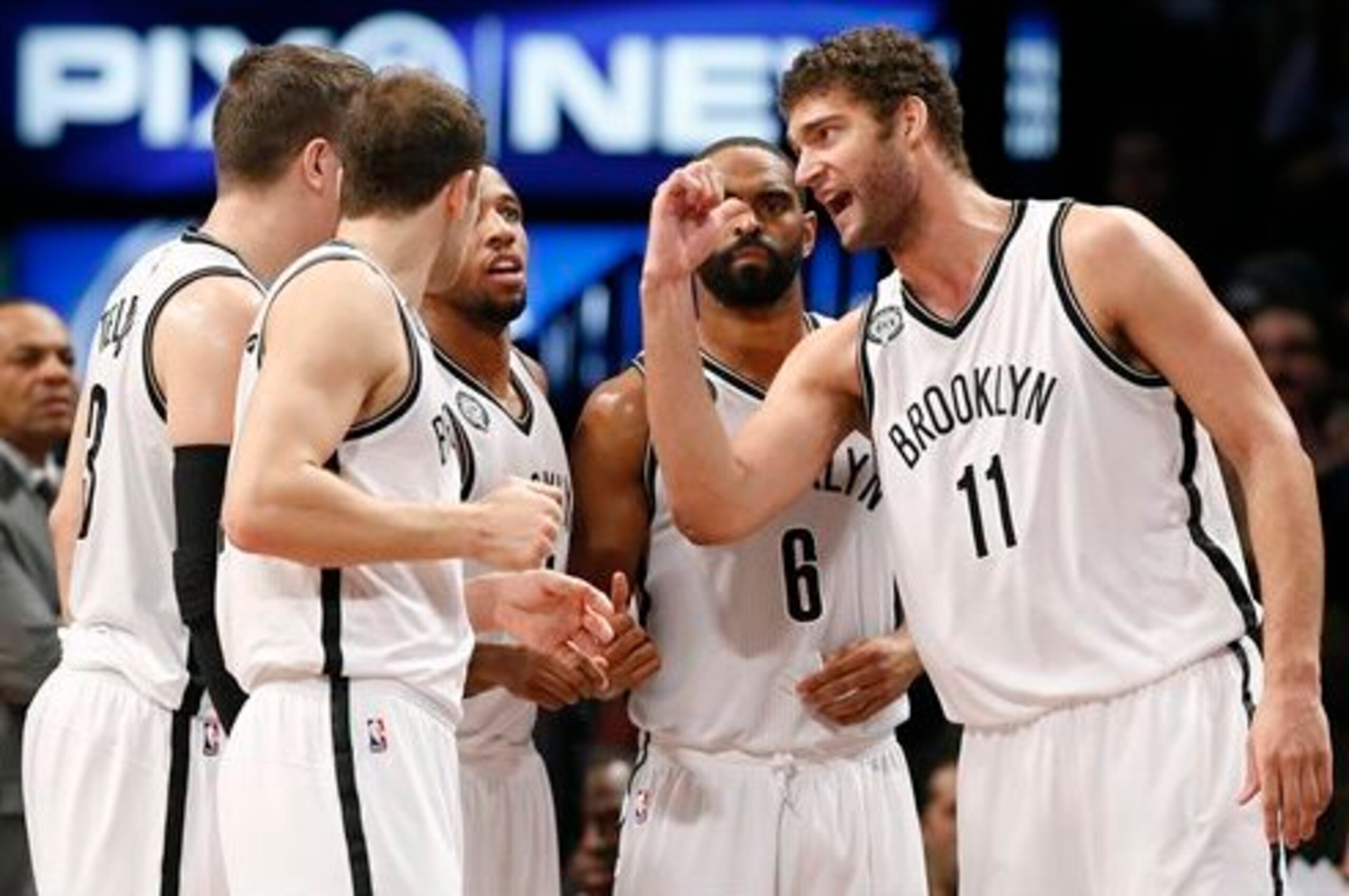
It doesn’t take an expert in game theory to explain the pickle Brooklyn is in: Rebuilding requires assets—assets the Nets don’t have. To get them, they must trade their best players. But when those best players are this overpaid, the teams with assets to deal aren’t exactly going to be chomping at the bit.
Of all the questions Brooklyn will be forced to wrangle with in the coming months, perhaps none is more crucial than this: Does Lopez being your best player necessarily mean he’s worth building around?
At this point, Lopez is as close to a franchise cornerstone as the Nets have. But when the rest of your foundation is this rotten—both within and without—it’s worth wondering whether the one salvageable piece is even capable of bearing long-term weight.
The Brooklyn Nets are headed nowhere fast. Barring some major free-agent coup in 2017, they’re liable to remain there for a while. As such, reversing course requires a combination of patience and assets not exactly hallmarks of the New York sports fan thought process.
Trading Lopez now addresses the first half of the equation. Unfortunately for Nets fans, it may take a few more years of a floundering $40 million backcourt to fully exorcise the second part.