
It's perhaps a reflection on the country itself that decisions in English cricket identified as necessary by so many long ago seem to take an eternity to be made. For England as a nation adheres to its traditions; there's a way of doing things that doesn't like to be disturbed.
Change is not always embraced in England. The process for it is gradual and takes time.
And so it's proven with the eventual dismissal of Alastair Cook as England's one-day international captain—a decision that feels months, if not a year or more, overdue.
TOP NEWS

🚨 NC State Fires Head Coach

Malachi Toney Sets ANOTHER Record
.jpg?w=2560 "NBA Gambling Charges")
Malik Beasley Negotiating Plea Deal (AP)
Under Cook, England had lost five of their last six multi-match one-day series and had won only two of their last eight. The latest defeat, of course, was the team's recent 5-2 hammering at the hands of Sri Lanka, where England's shortcomings in limited-overs cricket were brutally exposed only nine weeks out from the 2015 World Cup in Australia and New Zealand.
Personally, the captain's form had been just as dismal, scoring just one half century in his last 22 ODI innings and averaging only 27.52 in 2014 at a strike rate of just 71.25.
Simply, one-day cricket has moved past Cook. And England. The team and their approach was dated, stuck in a previous era, lacking any sense of the dynamism that's at the core of the game's pre-eminent sides.
Cook, as captain, stood as the figure pinning England to that out-of-touch identity. Though change is often resisted in conservative England, his axing was a decision that couldn't be avoided any longer.
In doing so, England had nothing to lose. Had they remained inactive, there was plenty to be lost.
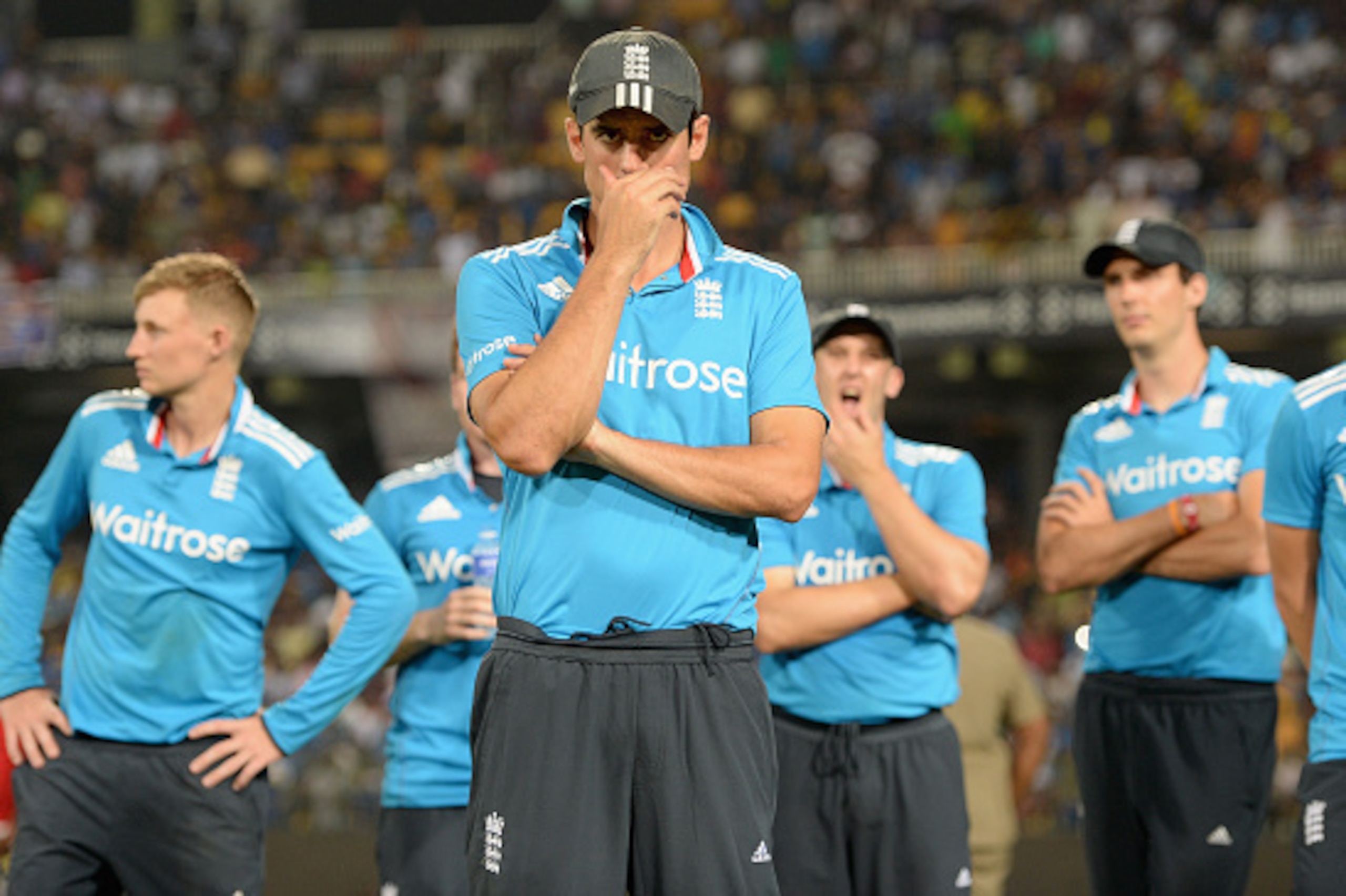
"Having reviewed the recent series against Sri Lanka, we came to the conclusion that there was no place for Alastair Cook amongst our strongest 15 one-day players," national selector James Whitaker said, per BBC Sport.
Frankly, it's a fact that's been obvious for too long to those outside the England camp. But at least one that's now been mutually recognised.
England can now look ahead to the World Cup with a certain sense of optimism. Now under Eoin Morgan instead, the country can be confident that it won't be blindly heading down a tame path almost guaranteed to end in meek failure.
"It's a huge honour to captain England and I am delighted to be leading the one-day side," Morgan said of his appointment.
"I firmly believe that with the players currently involved in the one-day set-up we have the makings of a very good one-day side, a young side that can surprise people at the World Cup.
"We all recognise we still have a lot of work to do on our one-day, game but the potential of this group of players is huge and it is now up to us as players to turn that potential into consistent performances."
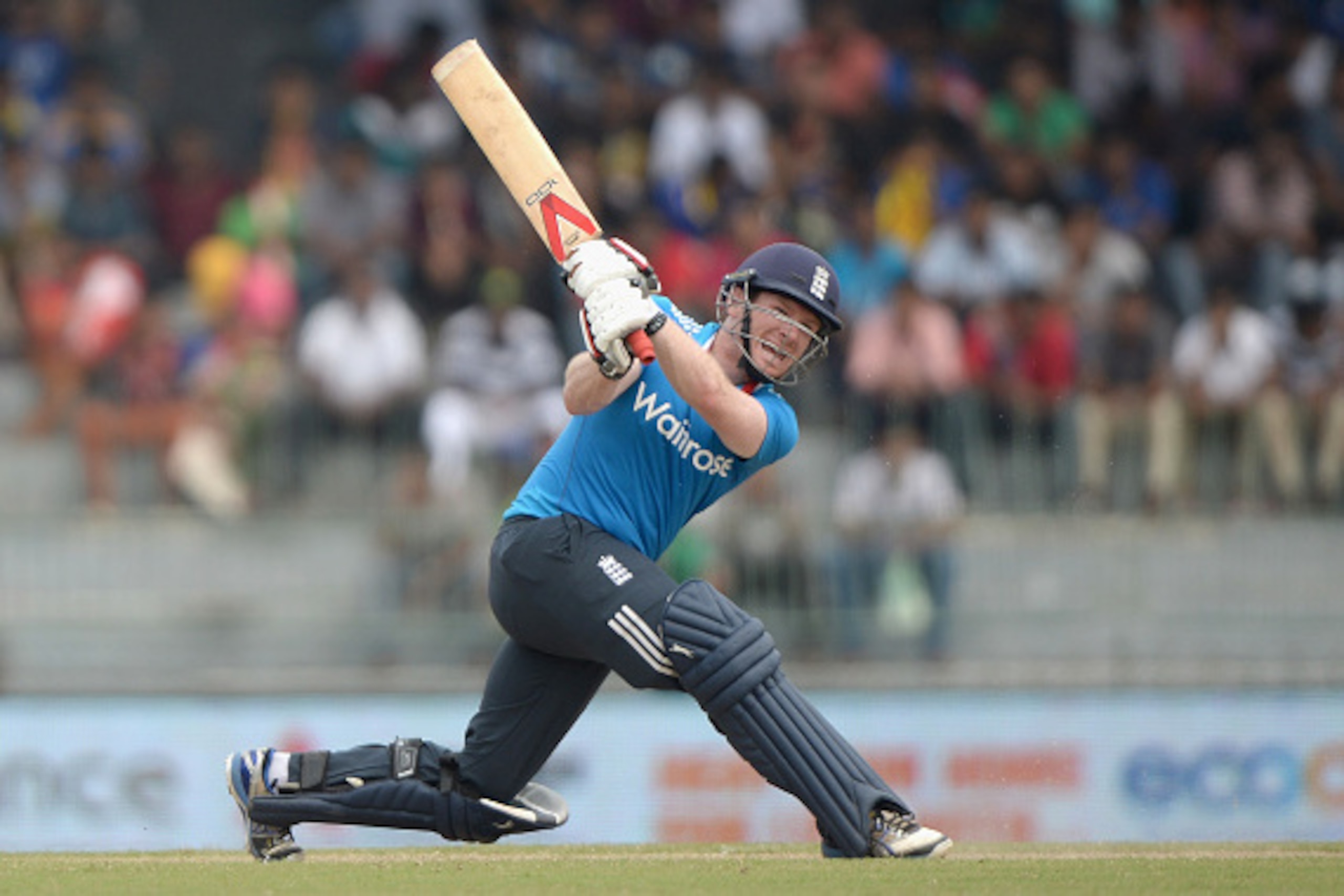
If England are honest with themselves, they'll concede they're still very unlikely to seriously challenge for the World Cup title. But at least they'll arrive in Australia and New Zealand knowing they're in the ball park—that, without Cook, they're going to be playing a similar brand of cricket to that of the heavyweights.
Led by a player who specialises in the game's shorter formats, England's approach is likely to become more proactive. More aggressive. More audacious. More of everything that's positive, really.
Under Morgan, the team can embrace a modern identity that's been absent for too long. They can shrug aside the dated shackles that Cook's leadership had placed upon them and revel in the exuberance and vitality given to the side by the likes of Morgan, Moeen Ali, Joe Root, Jos Buttler and Alex Hales.
Interestingly, the altered approach that now feels possible was something Ian Bell alluded to prior to leaving for Sri Lanka.
"I think people would rather see us be aggressive and lose instead of being timid and come away with nothing," the batsman said, per The Guardian.
It was a pertinent comment. And one which mirrors the exact nature of Cook's dismissal and Morgan's appointment.
England have finally chosen the bold option and had nothing to lose in doing so.
.jpg?w=2560 "Commanders 49ers Football")

.jpg?w=2560 "Jonathan Taylor Landing Spots")