Form of Pakistan and New Zealand in UAE Has Been Impressive, but Is It Relevant?

The UAE is a truly unique place. If you've found its equivalent elsewhere, you're probably the first to do so.
Out of baking deserts rise cities of stunning modernity. Cities of staggering new-world wealth that seem to defy the region's origins. Cities of such excess that Lamborghinis are found as police cars.
One might ask whether the lives of those that live in the UAE have any resemblance to those who live elsewhere—whether there's any contextual relevance to the region that crosses over to one's existence in other parts of the world.
TOP NEWS

Malachi Toney Sets ANOTHER Record
.jpg?w=2560 "NBA Gambling Charges")
Malik Beasley Negotiating Plea Deal (AP)

🚨 NC State Fires Head Coach
The same question could be asked of the cricket that takes place there, too.
The Middle Eastern country has just finished staging a compelling tour between Pakistan and New Zealand. The nations split the Test series, split the Twenty20s and the visitors edged the hosts 3-2 in a captivating one-day campaign with a 68-run victory in Abu Dhabi on Friday.
Throughout the tour, there's been numerous storylines. Kane Williamson's rapid emergence has continued. Younis Khan made a statement. Mohammad Hafeez excelled despite distractions. Tom Latham had a breakout trip. Sarfraz Ahmed kept smashing it. Brendon McCullum went large. Mark Craig surprised us all. The Zulfiqar Babar-Yasir Shah tandem made us forget Saeed Ajmal. Ross Taylor's one-day credentials were strengthened. Matt Henry has come out of nowhere.
And at stages, both teams have looked great. Elite even. They've tussled like heavyweights, each conjuring a strong response to the other's challenges every time they've been posed (it wasn't until New Zealand's win on Friday that a team had won consecutive matches).
But there's a question that needs to be asked: Is any of it relevant? Does this compelling tour have a wider context outside the UAE? Does it mean anything for the two teams' World Cup quests?
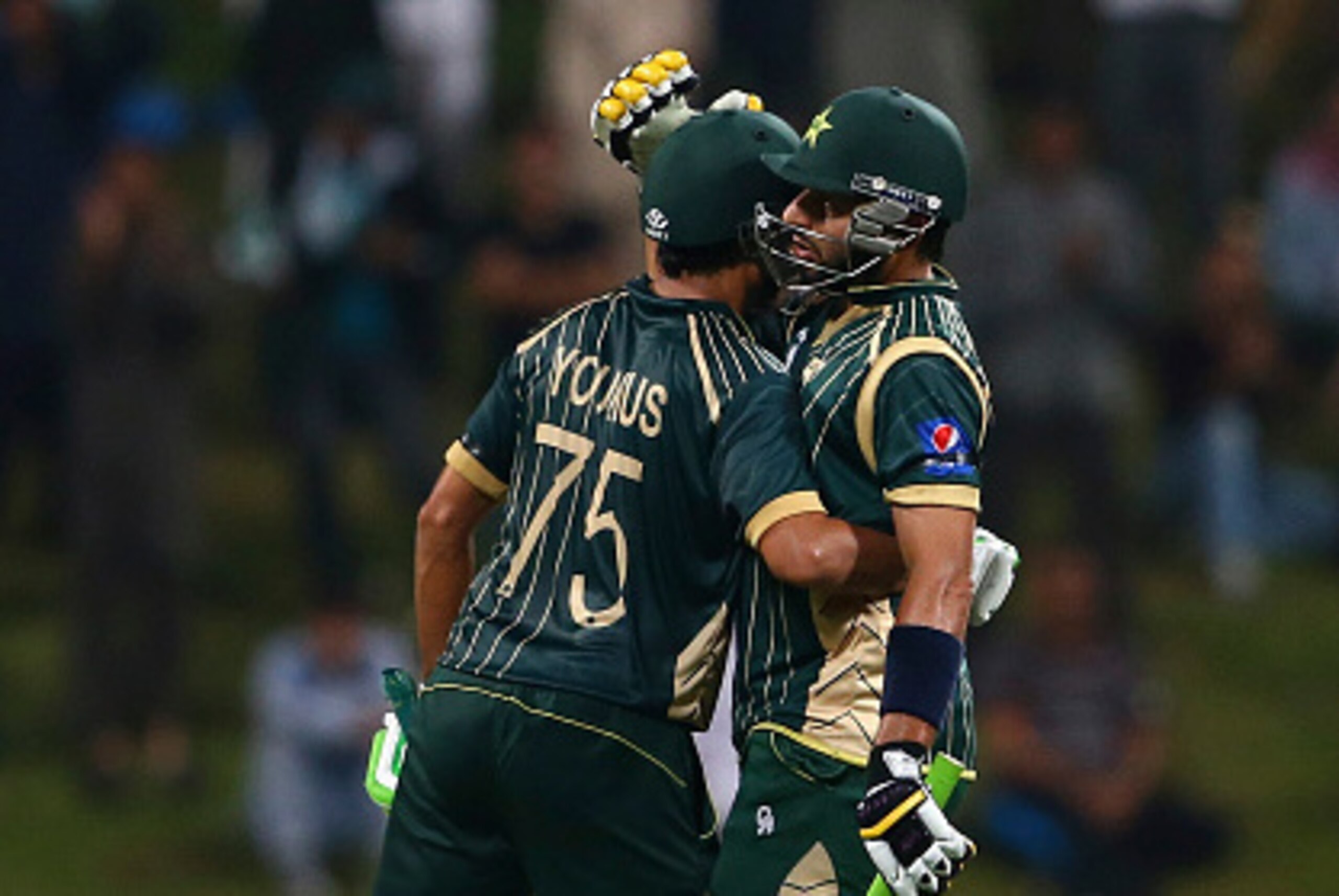
On the face of it, it might. Form is form, right? Yes, mostly. But, at times, it isn't either.
Australia's Nathan Lyon came to the UAE following the best 12 months of his international career. But prior to New Zealand's visit, Pakistan took him apart. By the limb. They dismembered him so brutally. He finished the Test series with three wickets at 140.66.
In his next Test, he took 12 Indian wickets in Adelaide.
Michael Clarke came to the UAE with his public approval rating as Australian captain at an all-time high. But Babar and Yasir were too tricky to handle for Clarke. Two men that entered the series with two Test caps between them undid the star batsman. He finished the Test series with 57 runs at 14.25.
In his next Test, he made 128 with a disintegrating back and on one leg against India in Adelaide.
It's not just limited to that pair, either. Steve Smith has gone to another level since returning home. Chris Rogers will be wrapped to have gotten away from Babar and Yasir. Mitchell Johnson looks better on Australian wickets. So does Mitchell Marsh.
An Australian side that looked like rubble in the UAE are now 1-0 up against India and hold a first-innings lead in the second Test in Brisbane. All after beating South Africa across a T20 and one-day campaign.
Two years ago, England came to the UAE as the world's best. Pakistan made them look foolish. England then went on to record a famous victory in India only later that year.
So form is form, right?
Maybe not.
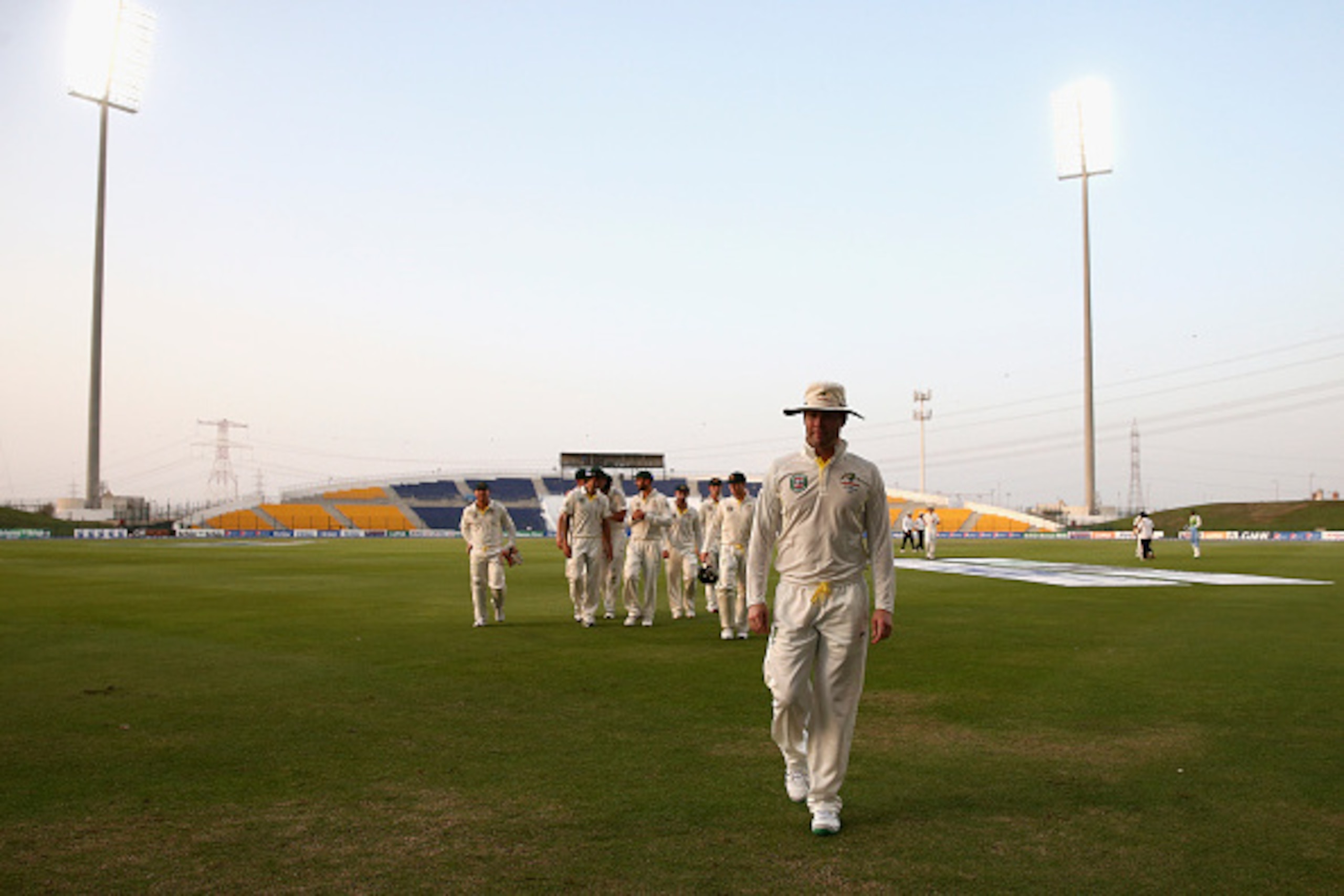
Since Pakistan's shift to the UAE after the terror attacks on a touring Sri Lanka team in Lahore in 2009, the nation have played 18 Tests in their adopted home. They've played 44 ODIs and 22 T20Is, too. They've won nine, 17 and 10 of those matches, respectively.
In that time, they've travelled to Australia and England (two nations of great contrast to the UAE) for 21 games across all formats in that time. They've lost 18 of them. Many of them abysmally.
So what's the reason for the discrepancy?
Frankly, the answer is a straightforward one: What works in the UAE rarely works outside Asia.
In Pakistan's new home, there's such little variance in the conditions. Due primarily to a climate that's amazingly—or, if you're of a different outlook, mind-numbingly—consistent, the surfaces rarely change. They're dry. They're lifeless. They start slow and get slower.
It's a situation that's compounded by back-to-back games on the same pitches—a result of having just three major grounds (Dubai, Sharjah and Abu Dhabi) to use.
The result of such circumstances is a very distinct type of cricket. But it's also a type of cricket lacking variety. Without diversity. Games take on a very familiar feel with astonishing regularity, with each one catering to a certain type of cricketer. And that type almost exclusively.
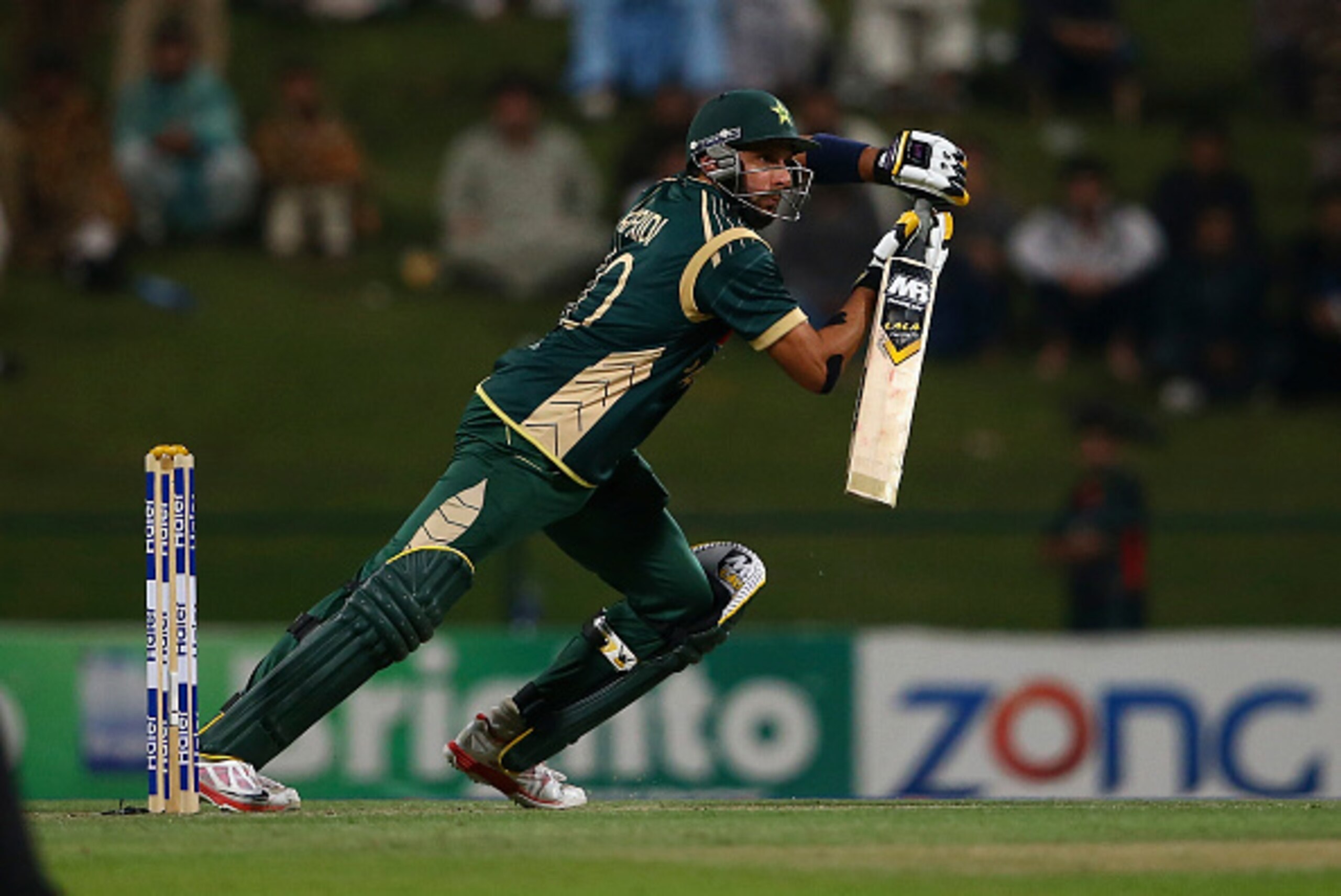
Spinners thrive in the UAE—unconventional ones even more so. Batsmen adept at playing them do, too.
But so many other types of player are rendered ineffective here: The really fast guys, the fast-medium guys, spinners without tricks, spinners who rely on bounce, back-foot batsmen, old-school batsmen, good players of pace, acrobatic keepers—they all find it hard work in the UAE.
Some might say it's the same in India or Sri Lanka. But from the top to the bottom of India there are vast differences; so too from the east to the west of Sri Lanka. In those parts of Asia, diversity is catered for to some extent.
It's hard to say the same for the UAE. There doesn't appear to be a crossover of form in the region to form elsewhere. It doesn't feel contextually relevant in a broader sense.
Pakistan and New Zealand might have put on some impressive displays in the region. But whether they're at all relevant moving toward the World Cup remains doubtful.

.jpg?w=2560 "Commanders 49ers Football")

.jpg?w=2560 "Jonathan Taylor Landing Spots")