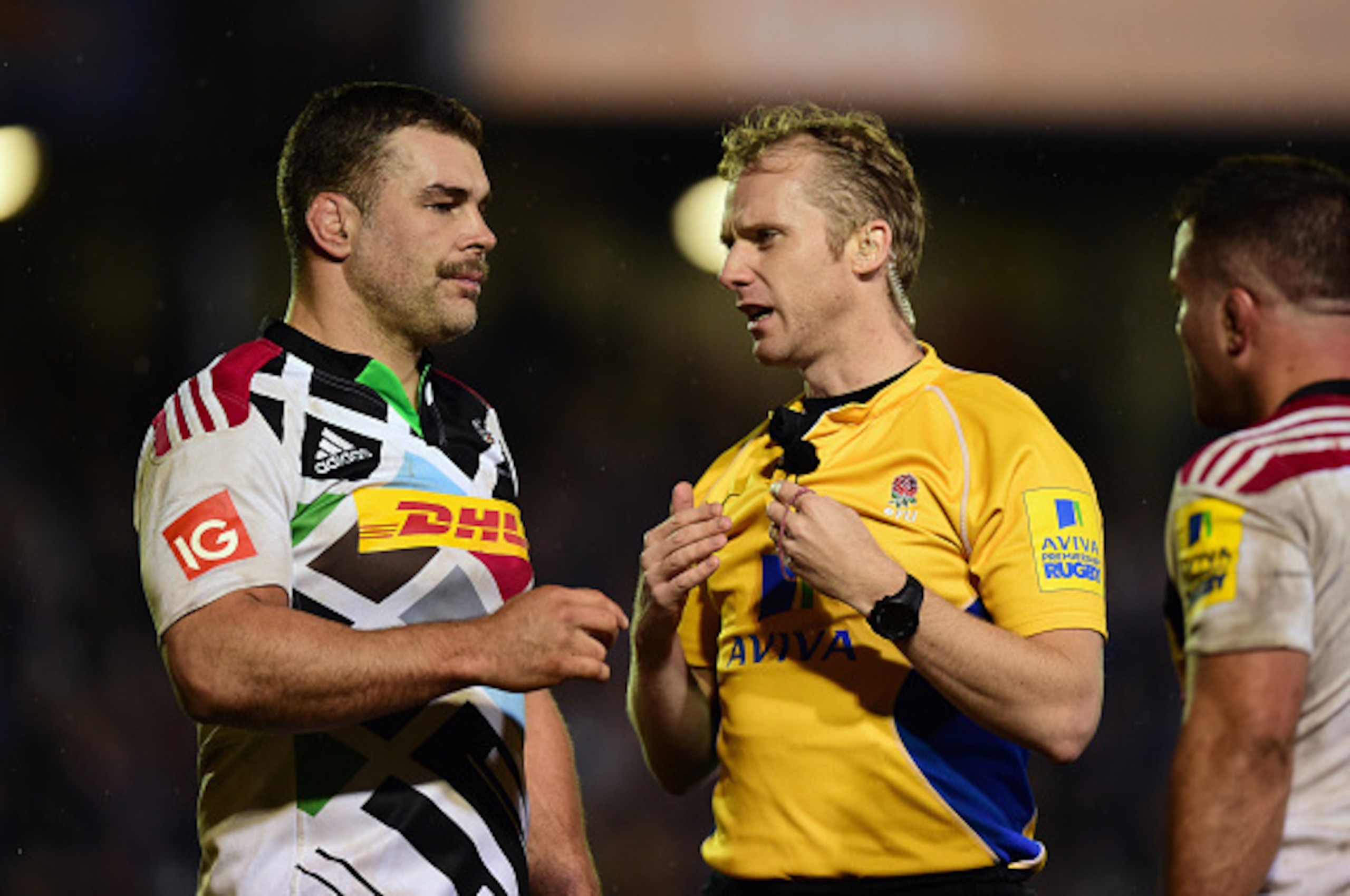

5 Rule Changes We'd Love to See for Rugby in 2015
Rugby's lawmakers have been tinkering with the game for decades.
From changing the points system to meddling with the scrum and offside line, regulations have been evolving almost seasonally.
But there are some more radical changes that could really make a difference to the sport for the better.
Some hark back to the good old days, others are a bit more extreme, but the five law changes we have come up with here would definitely shake things up in 2015.
1. No Kicking Tees
1 of 5If you’re of a certain age, you will remember grainy images of goal-kickers performing what looked like an elaborate line dance as they prepared to take a shot at the sticks.
This was before the kicking tee existed. The man charged with the responsibility of slotting the ball between the uprights was left to his own devices, driving his heel hard into the mud to form a divot deep enough for one end of the ball to sit.
He would then toe the front of this small crater to form a wedge, allowing him to tilt the oval projectile slightly toward its target, take a few steps back and welly it from out of the turf toward the goals. It was a skill in itself—one lost with the introduction of plastic tees.
We’ve seen radio-controlled cars, ball boys and coaches wired up to look like one of Janet Jackson’s backing singers performing the job of delivering the tee. The latter is a blatant ploy to pass on yet more instruction from the coaching brains trust in the stand.
Get rid of all this nonsense and let’s see who can create the perfect tee with nothing but the leather of his boot. If he can’t, let's see his mate come and lie flat on the floor, balancing the ball with his fingers, praying that his head stays on its shoulders as his colleague lines one up.
And if you think the "divot-only" approach would deny us the chance of seeing some impressive monster penalties, think again. Check out Paul Thorburn's effort from nothing but a dent in the turf against Scotland in 1986.
At the very most, we may allow the return of the sand bucket, which brought a form of entertainment in itself—watching the kicker build a little castle from which to kick.
2. Every Conversion in Front of the Posts
2 of 5Most of the great tries in rugby union end with a wing diving full-length for the corner.
You know the one: The wing attempting to evade the touchline and his tackler at the same time, the crowd—to a man on their feet—screaming in his ears, cheering a sweeping move that has encompassed the union of forwards and backs, passing, dummying and offloading to create the score.
Exhibit A, Your Honour, is Serge Blanco in the 1987 World Cup semi-final.
All that effort, skill, trickery and endeavour is rewarded with what? That’s right, the hardest possible angle from which to kick the conversion.
There is something fundamentally wrong in punishing the best tries with the hardest conversions.
Solve it in one fell swoop—have every try converted from under the sticks. Done.
3. Questioning the Ref = Immediate Red Card
3 of 5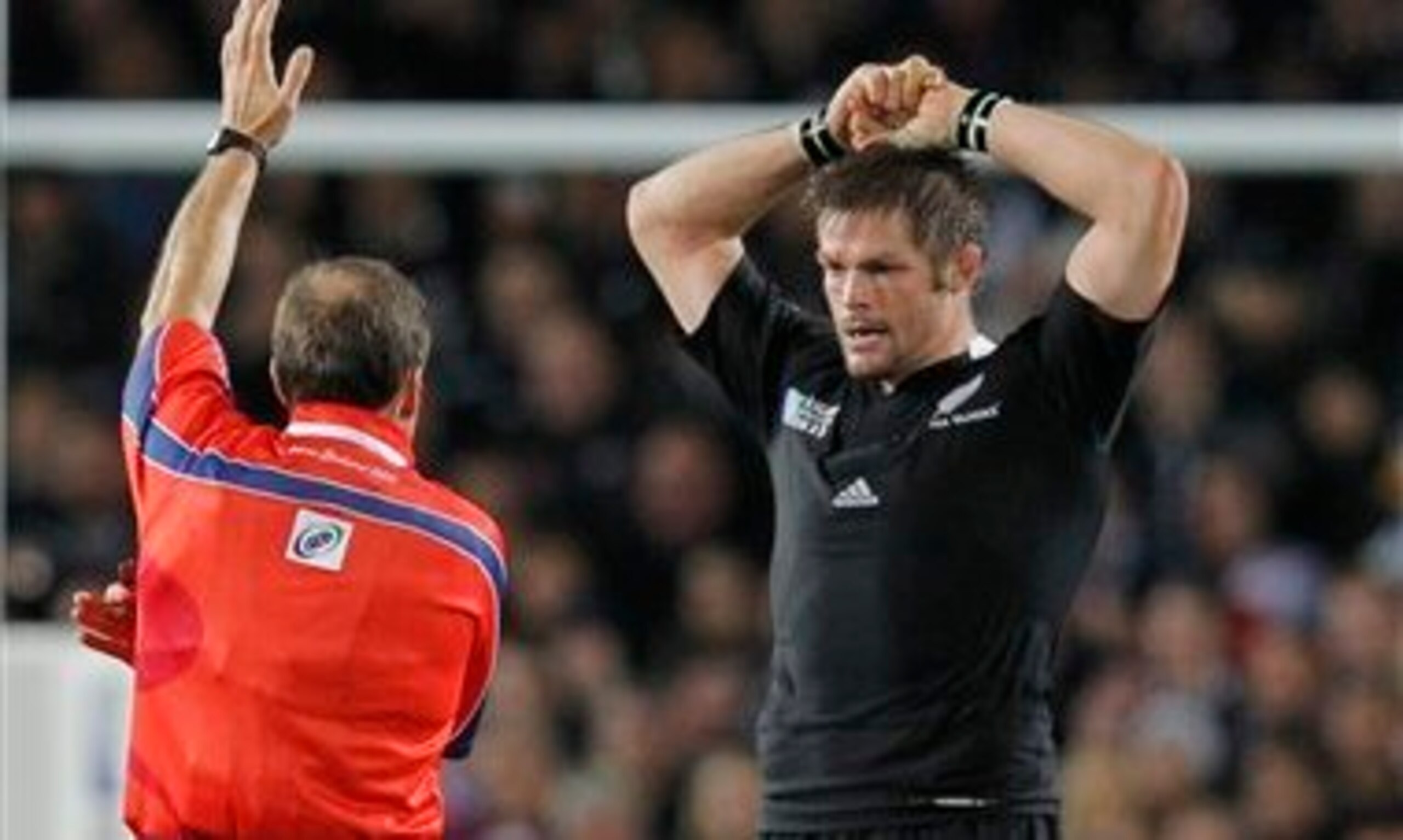
Backchat to the referee has crept into rugby.
It is unsavoury and unwarranted.
Forget the hackneyed cliches about the sport not being soccer—there is no sense comparing the two.
All we need to concern ourselves with is that we don’t want to see it in our game.
In order to stamp it out immediately, any approach by any player, captain included, to question the call of the referee sees that player immediately sent from the field.
Silence would fall across rugby’s fields inside a week.

.jpg?w=2560 "NBA Gambling Charges")

4. Haka Before Anthems
4 of 5The All Blacks are good enough without allowing them the added bonus of extra pre-kick-off motivation.
The Haka has evolved from a rather entertaining ritual to a choreographed, menacing sideshow, and New Zealand have become far too precious about it.
For 2015, let’s change that.
Keep it, by all means, but let’s have it before the anthems as a nice way to warm up the crowd.
In fact, the All Blacks can turn to face the crowd rather than leering at the opposition, who should be well within their rights to do some drills, gather in a huddle or, frankly, hang about in the sheds for a bit.
It can then return to a lovely, unique, rugby tradition, rather than be an uneasy combination of a slick marketing tool and a menacing, unsporting war dance.
Have a look at the contrast between the modern version and that from the 1970s in the video above and tell me it has not become something far more malevolent.
5. No Subs Apart from Injuries
5 of 5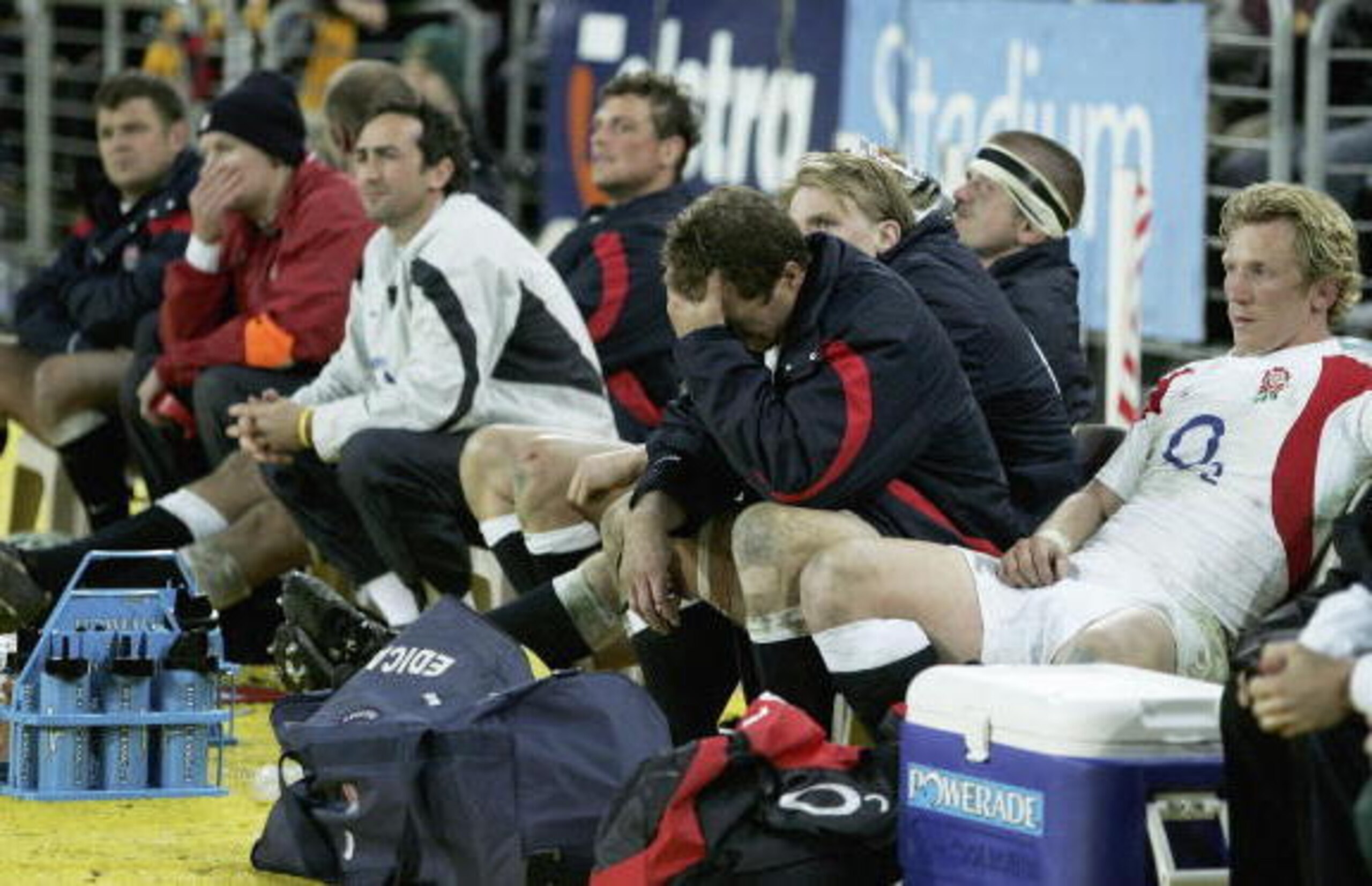
The second half of most internationals is littered with changes from the bench from 50 minutes on.
Fresh meat is rolled into battle to replenish a team’s energy and sometimes change a side’s tactical approach.
No more.
One of the biggest problems rugby union has had over the years is the reduction in space players have. This is, in part, down to the increase in the size of the players.
But taking off the most knackered ones for well-rested replacements means that even tiredness is taken out of the equation.
Unless a man is injured and cannot continue, no replacements should be allowed.
You would soon see more gaps appear, with more room out wide for the quick men we sometimes hardly see during a game. We would see more tries as a result.
Open to abuse? Of course it is. So is the current system.


.jpg?w=2560 "Jonathan Taylor Landing Spots")

.jpg?w=2560 "Aikman Blasts Cowboys WR 🫣")