
10 Things We Learned in International Rugby in 2014
It's been a long and arduous year of international rugby for the Tier 1 nations, where a pressure to improve in build-up to the 2015 Rugby World Cup has placed a great burden on some of rugby's titans.
Between the annual tournaments, autumn tour and mid-year Tests, 2014 has shown us certain teams are faring better in that journey than others and showing a particular promise ahead of next year's England spectacle.
The World Cup is still some 10 months away, though, and for some outfits, short term steps are as essential as the long term, taking each day as it comes in the pursuit of self-improvement.
Another busy year of rugby is soon to come to a close, and here we dissect a selection of notes in the international forum which perhaps weren't so evident before.
1. England End the Year with as Many Dilemmas as They Began with
1 of 10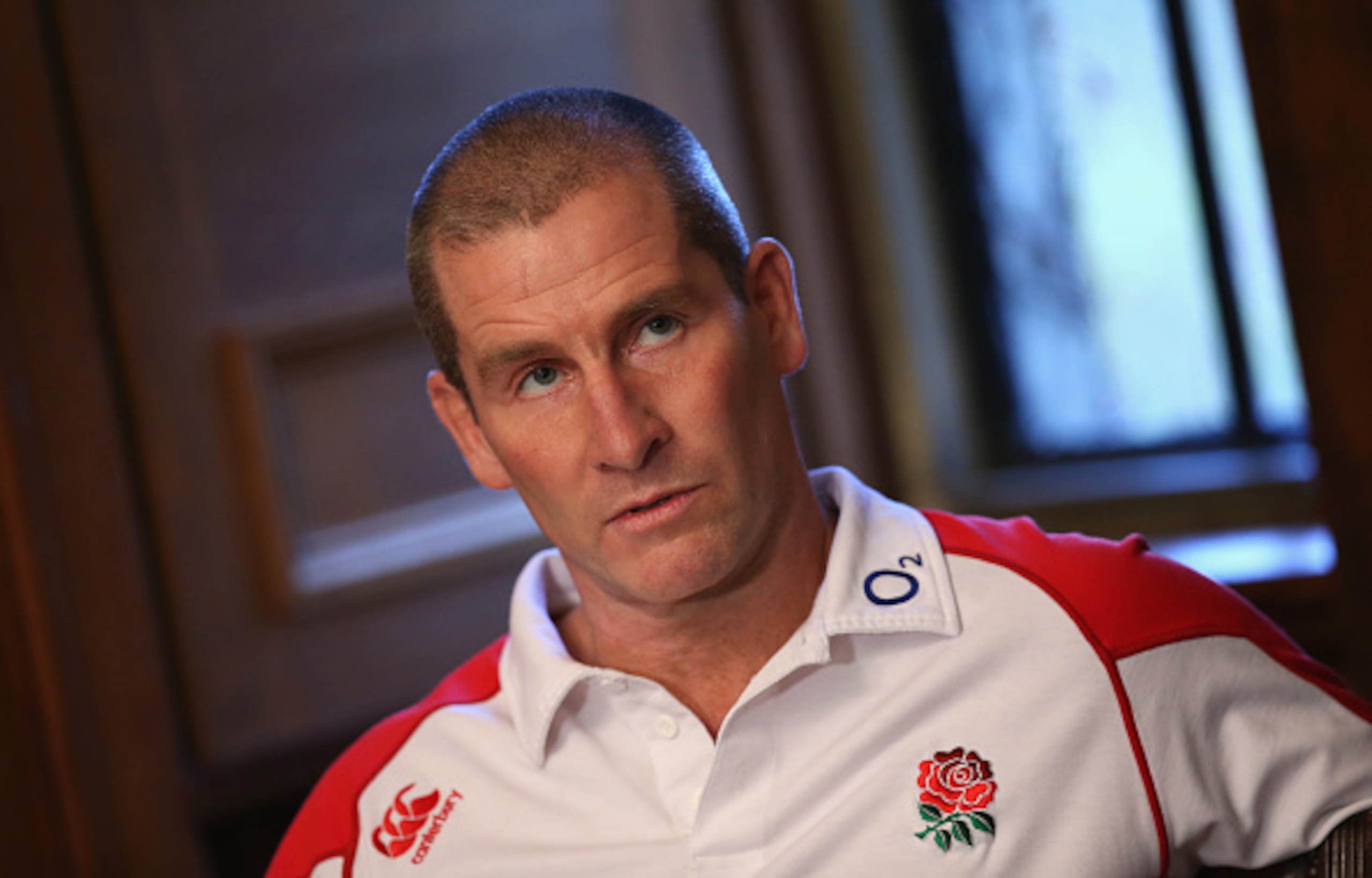
The responsibility of hosting next year's World Cup puts a grand emphasis on England to achieve success on their own turf, and it was well-known coming into 2014 that Stuart Lancaster had issues in his squad.
Of all the problems, the most prominent that's remained unsolved lies in midfield, with Lancaster still possessing little idea as to who makes up his best centre combination.
Throughout the year, a plethora of options have been tried, with Kyle Eastmond, Billy Twelvetrees, Brad Barritt, Luther Burrell and Jonathan Joseph all among those to give it a go.
During the Six Nations, Twelvetrees and Burrell showed promise, while Barritt's display in autumn pointed him out as a reliable barrier at No. 13.
But one thing has remained clear all year long—this team needs Manu Tuilagi fit and ready for an entire World Cup in order to provide that sizzle.
NRL convert Sam Burgess sits with an outside chance of taking a berth, recently making his first start for Bath at outside centre in a win over Montpellier.
A newer conundrum for Lancaster lies at fly-half. Owen Farrell has shown enough signs of regression to allow George Ford to steal his place at No. 10, but it's still up for debate as to whether Ford is ready to shoulder a World Cup burden.
More positively, the forward pack looks solid. Ben Morgan has overtaken Billy Vunipola as the standout No. 8, while Tom Wood and Chris Robshaw have been fine on the flanks, with even more assets in reserve.
Lancaster has less than a year—truthfully it's closer to six months—to decide upon his back line, with Mike Brown looking like the only choice right now who's a certainty to start.
2. Pumas' Progress Justifies Their Place Among the Elite
2 of 10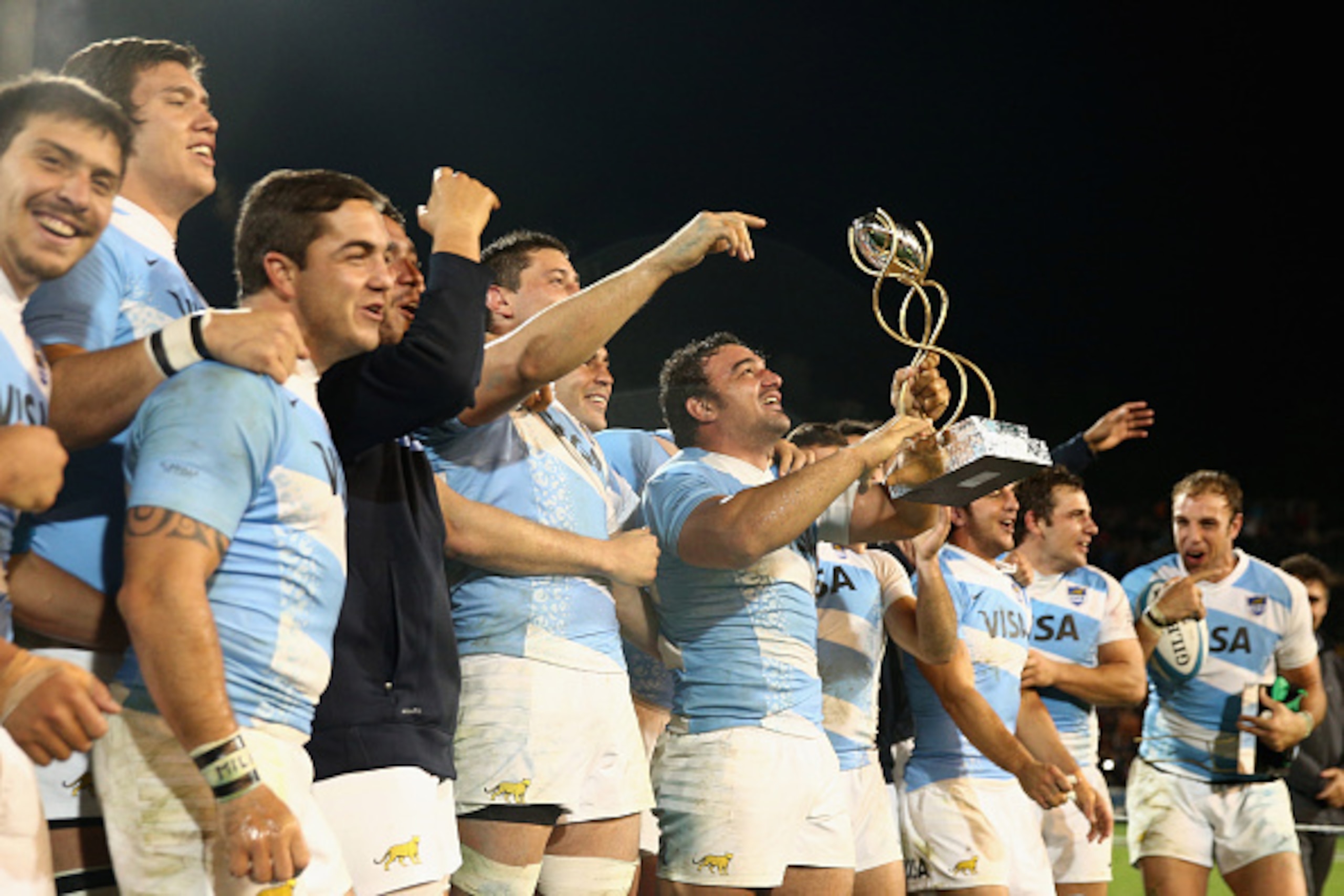
For Argentina, 2014 will be remembered as the year they finally managed to crack—at least by their own standards—the southern hemisphere's hierarchy, recording their first-ever victory in the Rugby Championship.
A 21-17 win over the Wallabies in Week 6 of the competition still wasn't enough to prevent the Pumas from finishing bottom of the standings, but progress is progress.
For some time, there had been murmurs as to whether there was any point in the Tri Nations being increased to a four-nation contest, the South Americans consistently failing to present a challenge against the world's elite.
However, that win, combined with a couple of hard-fought losses to Ireland in June and some impressive victories over Italy and France in the autumn have shown Daniel Hourcade's men are a power to be reckoned with.
A foundation of home-based talent sprinkled with a selection of stars plying their trade in Europe gives Argentina a strong platform to build from, and their doubters were pegged back a step or two in 2014.
3. Ireland Can Be Considered a Serious World Cup Contender
3 of 10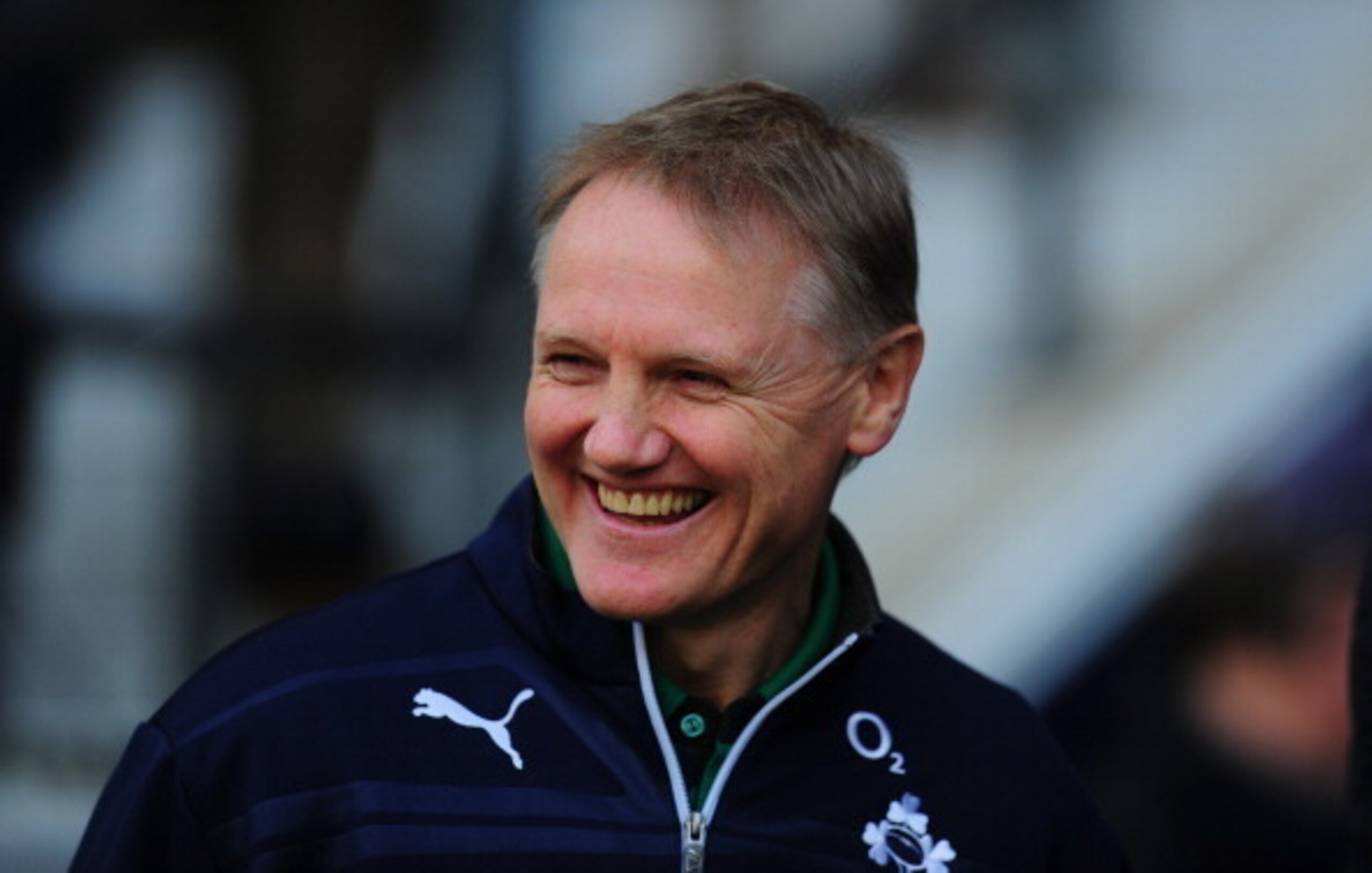
After winning just one of their five games in the 2013 Six Nations and seeing Declan Kidney's reign at their helm come to a disappointing end, it wasn't long ago the future looked uncertain for Ireland.
However, in a matter of 13 months, Joe Schmidt has reversed their fortunes entirely. It all began with a sterling run through the 2013 autumn series, but the 2014 Six Nations triumph proved the first, genuine sign of what the New Zealander has brought.
Under the former Leinster boss, Ireland have steadily evolved through a state of transition as seamlessly as they could have hoped, with Schmidt's side now sitting as the cream of the European crop.
Wins over South Africa and Australia in the autumn Tests were by no means easy to come upon, and despite a raft of injuries affecting his selection, Ireland have come through with a gleaming set of new up-and-comers.
In the wake of Brian O'Driscoll's retirement, there was an inevitable panic to see who could replace such an iconic midfield figure. However, those fears have been allayed with the emergence of prospective centres Jared Payne, Darren Cave and Robbie Henshaw, while Gordon D'Arcy still adds a touch of wisdom to the area.
From relative rags to riches, Ireland may well be considered the world's best chance of stopping New Zealand in England next year, in no small part due to the team's commendable 2014 progress.
.jpg?w=2560 "Titans Giants Football")

4. Michael Cheika Has Inherited an Unsolvable Formula
4 of 10
Poised to juggle both Waratahs and Wallabies helms in 2015, Michael Cheika has an unenviable workload ahead of him in 2015, which includes the defence of his 2014 Super Rugby title.
By right, fixing a broken Australia team would be challenging enough for even the shrewdest of coaches, but following the departure of predecessor Ewen McKenzie, we may now only be finding out how many issues this Wallabies team has.
From player controversies, to stars such as Ben Mowen fleeing for European borders, Cheika will be frustrated at not being able to pick Australia's truest full-strength line-up, albeit through no fault of his own.
Kurtley Beale's place in the squad had been tarnished, but Cheika made the decision to recall his back utility, valuing quality over any off-pitch matters, one would presume.
Previously exiled James O'Connor faces a fight to regain his place in the national team when he makes his January return to the Queensland Reds, while Nick Cummins' exit for Japan has also been a cruel blow.
Aside from those stars he's unable to pick, it's also been evidenced that Australia are simply lacking in certain areas—the depth at prop, hooker and on the wings in particular may be considered a concern for the side's hopes.
A nation of Australia's talent will always be a threat to some extent, but the Wallabies face a long journey in climbing back to any previous state of dominance, and it won't come before 2016.
5. Philippe Saint-Andre's France Are on the Mend
5 of 10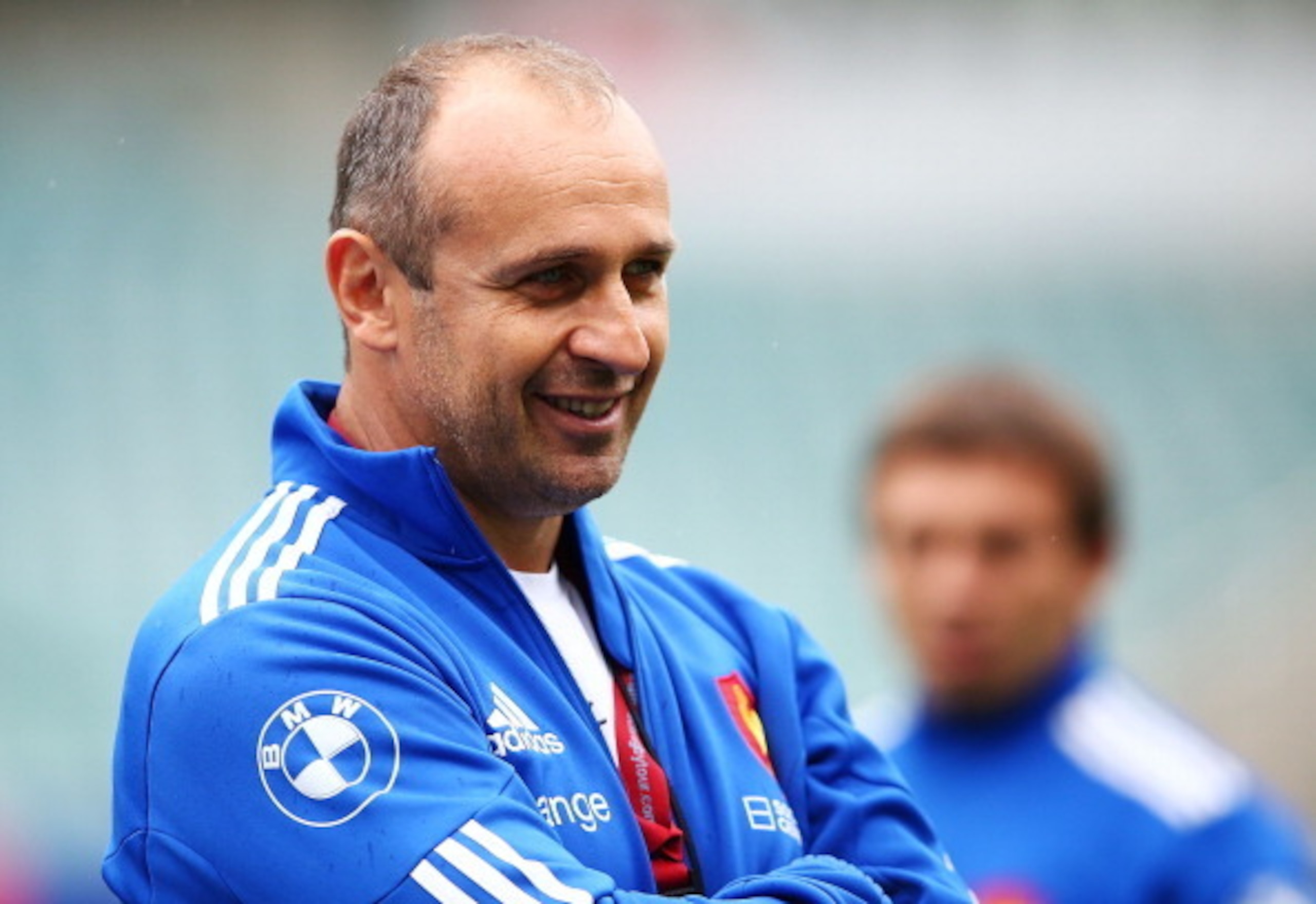
The last few years have been odd for France, a team previously held as the strongest in Europe, with their run to the 2011 Rugby World Cup final evidence of that strength.
Since then, Les Bleus have finished in the bottom half of the Six Nations for three years in succession, with their European peers clearly no longer as afraid in challenging a once daunting titan of the sport.
Despite that fall, the French Rugby Federation has retained faith in Philippe Saint-Andre, with this year's autumn series showing signs that the squad may be ready to make its comeback.
A 3-0 whitewash at the hands of Australia in their mid-year tour was the low point of their calendar, but Saint-Andre's men got their revenge come November, beating Cheika's outfit 29-26 in Paris.
That result came just a week after the 40-15 drubbing of Fiji, and although the series ended with disappointment at the hands of Argentina, positive lessons were there to be noted.
Newly qualified Rory Kockott has shown promise at scrum-half, while the likes of Scott Spedding and Teddy Thomas look like they might be capable of bringing some much-needed flair to the back line.
It's apt that a revolution of players would appear to be breathing new life into Les Bleus' squad, once again showing the potential to duel against the world's best and brightest after so long in the shade.
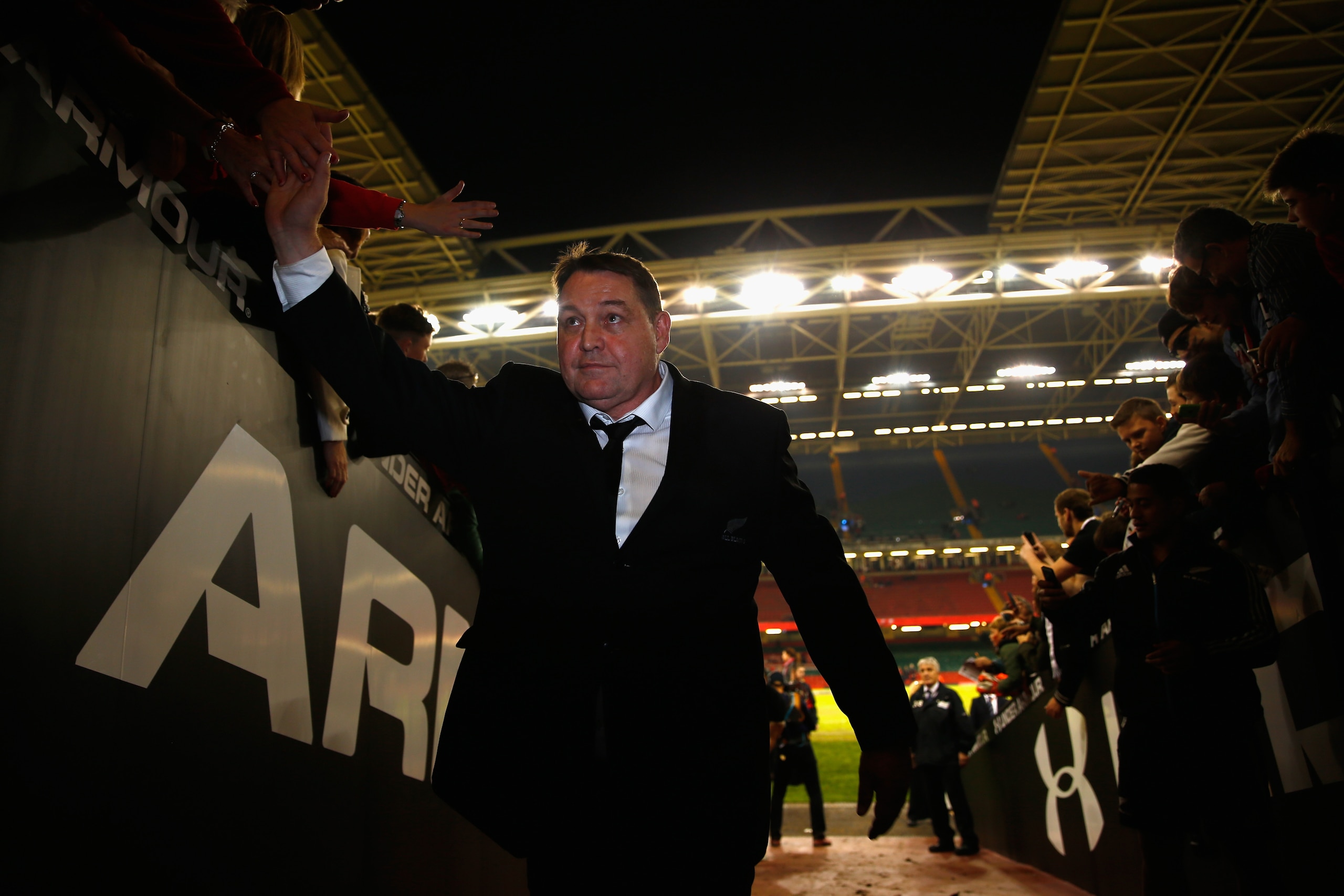
6. Richie McCaw Remains a Sparkling Gem In Steve Hansen's Setup
6 of 10
Soon to turn 34 years of age, it would be understandable if Richie McCaw's career began its descent around now—or even before—especially when considering the flanker plays in such a demanding area of the pitch.
Not only is stamina required to play in the No. 6 or No. 7 jerseys, but McCaw has built his entire game around being the best at what he does, so to keep those standards up has been mesmerising to watch.
Defying all the odds, McCaw actually enjoyed one of his better years to date in 2014, on numerous occasions helping out coach Steve Hansen by playing at blindside, openside or No. 8 when required.
One would presume that now is the natural juncture at which New Zealand's burgeoning youngsters might stake their claim on McCaw's place in the squad, but any player in the world would have an uphill fight in stripping the veteran of his place.
Thirteen years after making his All Blacks debut, McCaw is still sat among the side's most valuable treasures. Sure, the trickster's penalty count may be as high, if not higher than usual, but the pros continue to outweigh the cons.
Given his age, talk of retirement post-World Cup will escalate in the months to come, but based on his 2014 campaign, the New Zealand captain could yet go for years—and we all hope that's the case.
7. Vern Cotter Is the Catalyst to Ignite Scotland's Fortunes
7 of 10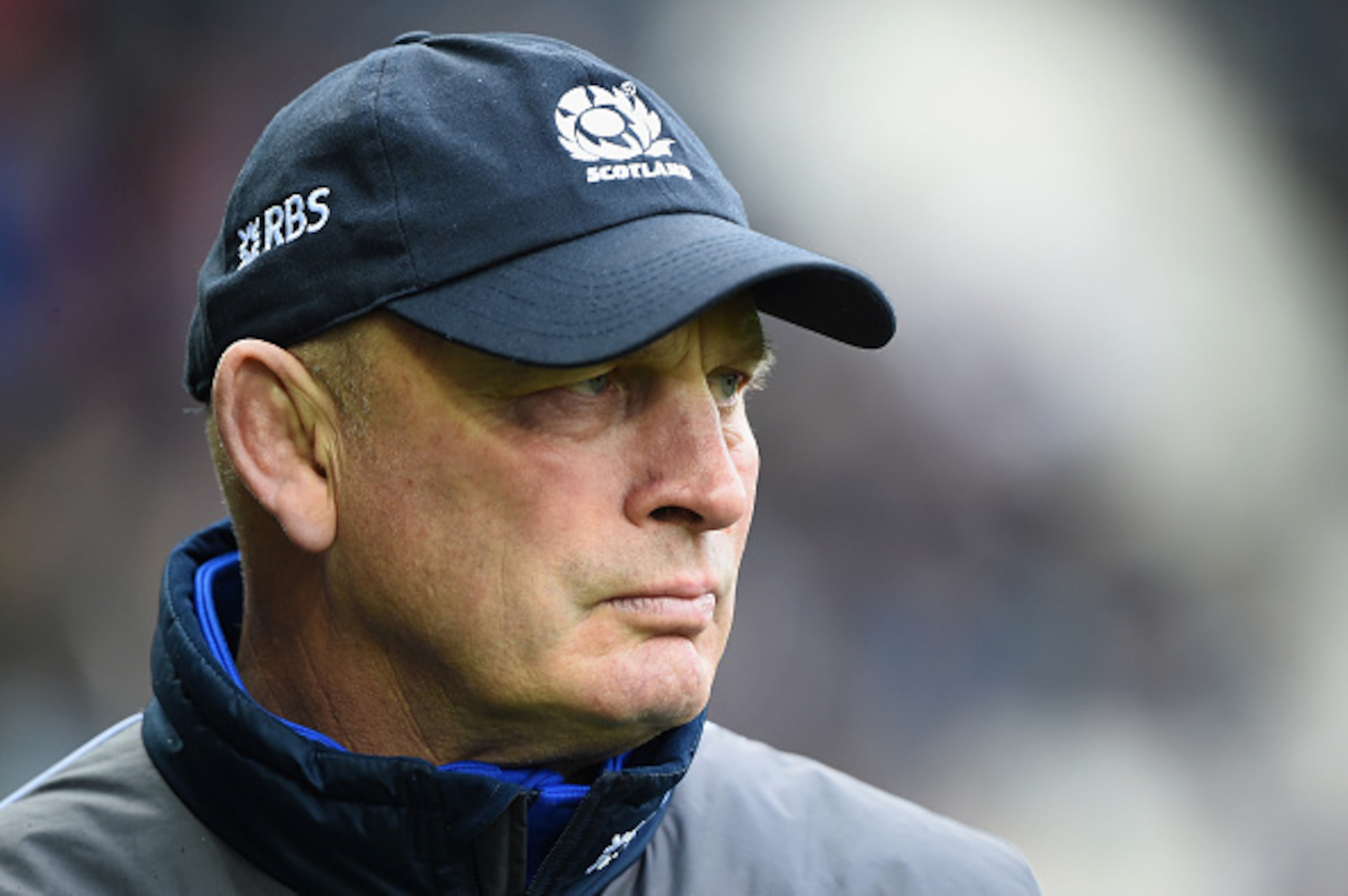
For years now, ambition has been a lacking factor for the Scottish national team. Under Scott Johnson, the team built a good rapport but just weren't quite nasty enough—in the good sense.
Vern Cotter has sought to correct that by urging his side to take heart in their own talents, a ploy which would appear to be working if recent displays are anything to go by.
In their seven matches under Cotter, the Scots have lost just twice—a 55-6 mauling at the hands of South Africa and a much closer 24-16 defeat to New Zealand.
In the grand scheme of things, the team will take that record and claim their positives, among those being an enthusiastic 41-31 win against Argentina and a 37-12 thrashing of Tonga to end their autumn.
Glasgow Warriors' progress is helping to pump the national team with a bevy of promising players, along with Edinburgh to a smaller extent, but it's Cotter's influence that's made the biggest difference.
The former Clermont Auvergne chief could be the man to finally light a fire under a team lacking nothing in terms of potential, showing that a little self-belief can go a long way.
8. Welsh Rugby's Crisis Is Eased, but Far from Resolved
8 of 10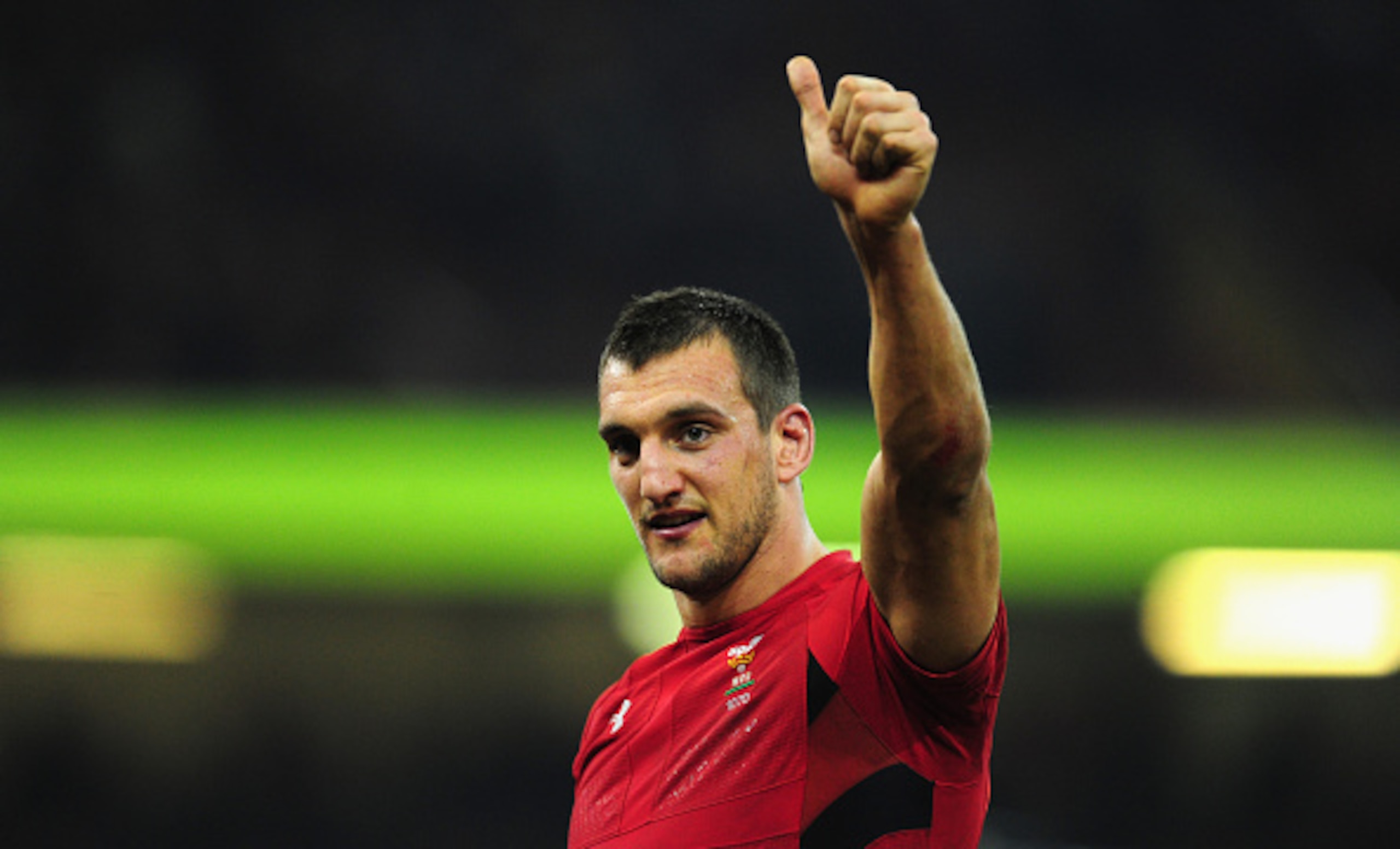
It had been a long-running storyline that the Welsh regions, players and the Welsh Rugby Union had been at loggerheads for the duration of 2013, and this year saw the first positive signs come from that turmoil.
However, an agreement on the television deal and distribution of money linked with the European Rugby Champions Cup and European Rugby Challenge Cup helped put some concerns to one side.
At the beginning of the year, Wales captain Sam Warburton became the nation's first-ever player to pen a central contract.
At first, the news was seen as promising, but then it emerged that matters were more complicated than first appeared, with no agreement between the WRU and Cardiff Blues regarding the flanker's commitments.
Since then, Warburton has been joined by Dan Lydiate, one of the country's most gifted athletes and newly returned from his French expedition to join up with Ospreys on a dual contract. As of yet, they remain the only two players to have agreed such deals.
But the hope is that more will come. Speaking on his deal and the journey to seeing other internationals sign similar contracts, Warburton said, per ESPN Scrum:
"It will take time to phase itself in. It's not the sort of thing you can click your fingers and all the guys will jump back on board. I know some players might not be so keen. They might want to experience different cultures and go away, but some guys would like the security of having a central contract and staying at home. Hopefully more players will follow.
"
With funding now more available in areas, Warren Gatland's side should be more equipped to prevent its top stars from fleeing for more lucrative ventures in the Top 14 and Aviva Premiership.
However, more is needed, and the regions must attract bigger crowds if they're to truly compete with their European peers. A long road lies ahead until the Welsh are back on level terms.
9. Pacific Islanders Haven't a Hope of World Cup Success
9 of 10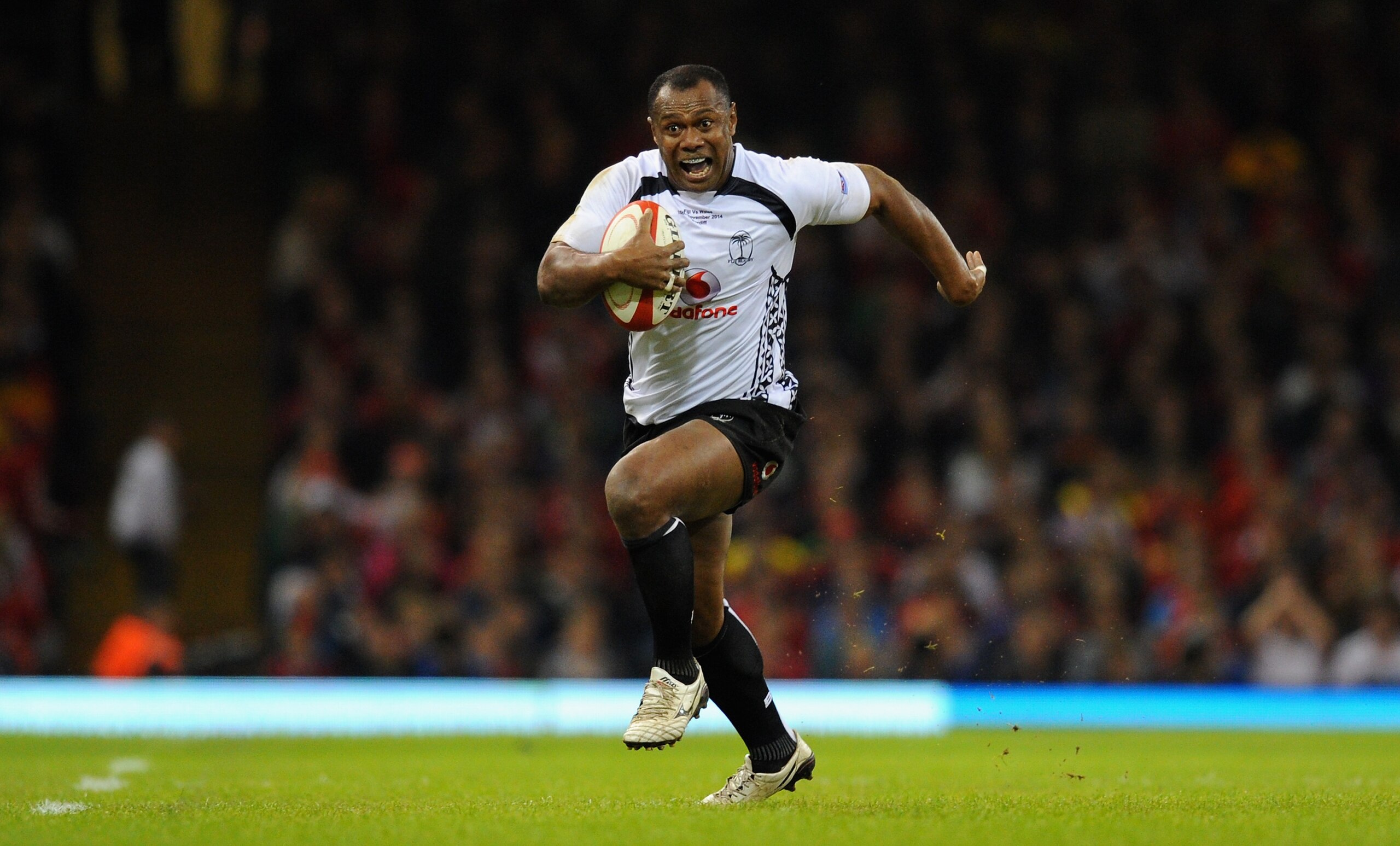
This may not be seen as so much of a revelation to some, but prior to 2014, the Pacific Island nations may well have felt they had at least an underdog's chance of succeeding in England next year.
Following the past 12 months, it's become evident they haven't even got that.
Samoa in particular were seen as the brightest hope for a Pacific Island nation to succeed, with the likes of Fiji and Tonga not quite on their level in terms of international renown.
However, an unfortunate strand of in-fighting and politics has led to a sinking feeling within the squad, a turmoil which threatens their future as an international side.
That's according to former Samoa international Eliota Fuimaono-Sapolu, at least, who's quoted by Sky Sports as saying the team's very future is at stake:
"There have been a lot of issues that have been going for a long time. I was involved in the Samoa team for about six years and just about every year we had to threaten to strike. The closest we got was in 2000 against the Western Force where we delayed kick-off for a couple of hours.
Seeing the list that the boys have come out with, well that is exactly what we were going to strike about. Basically we have just handed down the problems to the next generation.
"
Fuimaono-Sapolu goes on to note Samoa's struggles are related to funding and the player's pay, so despite all their burgeoning talent, it's off-pitch struggles that will derail any hopes of glory in 2015.
Fiji ended their autumn with a stubborn, close defeat against Wales, but the Tier 2 side haven't shown enough promise to raise hopes that they can qualify past the Welsh, hosts England and Australia in Pool 1.
Tonga sit as the weakest of the three Pacific Island teams and continued to show in 2014 that they remain off the pace in comparison with their peers.
Plenty of native talents emerge from their ranks, but family connections have seen prospects join "bigger" nations with bigger prospects, an old theme that looks set to continue haunting their prayers for evolution.
10. Springboks' Old Boys Shoulder Heaviest Burden of All
10 of 10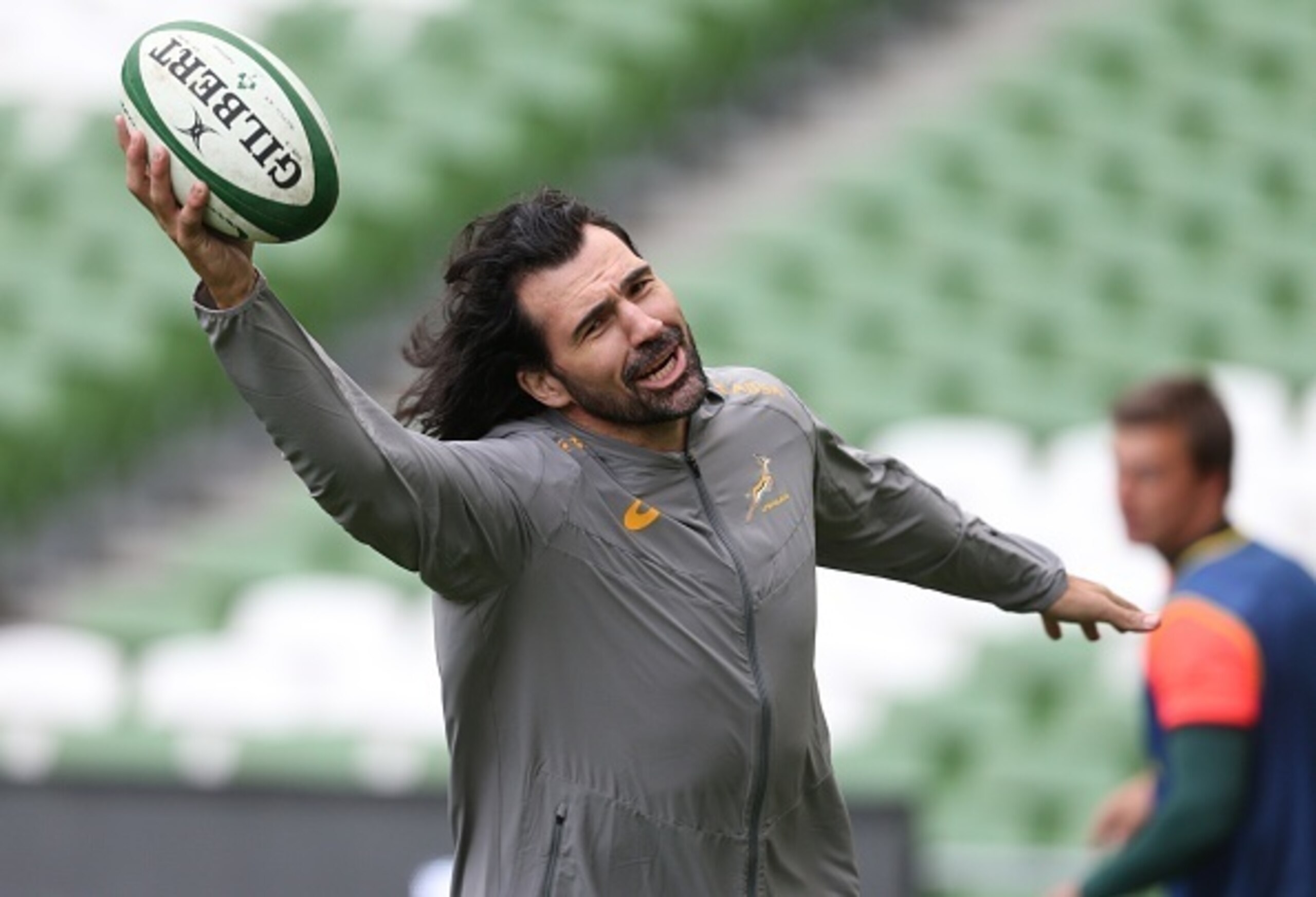
Every team wants to be ripe with young, up-and-coming superstars, but for Heyneke Meyer, it's the elder statesmen who are having a vast impact on his squad.
That may not all lie on the pitch, it should be noted, with Meyer's selection of 30-plus veterans also likely to be lending their share of wisdom off the park, some of whom were present for the World Cup win of 2007.
Bakkies Botha has just retired to give way to the likes of Eben Etzebeth and Lood de Jager at lock, but Victor Matfield, 37, still remains as one of the seasoned bunch.
He's joined by the likes of Gurthro Steenkamp (33), Jannie du Plessis (32), Bryan Habana (31), Schalk Burger (31) and Jean de Villiers (33) in being expected to guide the emerging Springboks through a crucial 2015 campaign.
All of those names proved to be vital figures for Meyer in 2014, and the coach will need his oldest assets ready to enter the breach once again next year.
That last name will strike a sour chord in South Africa now, though. De Villiers is currently sidelined for the foreseeable future after dislocating his knee at the Millennium Stadium in November, a cruel way for arguably the team's most important player to end his calendar.
All that being said, the veterans are doing their bit to show that there is indeed life after 30 and far longer in some of their cases.




.jpg?w=2560 "NFL investigating referee after viral exchange with player")