What the Hell Is That: Sports Edition
The sports universe has never met a euphemism it didn’t love—not only do athletes, coaches, journalists and other familiar figures love euphemisms, they’re not afraid squeeze the life out of them with overuse. They’re even popular at an institutional level.
Euphemisms are the lifeblood of platitudes, pep talks and coach-speak—the last of which is a euphemism in itself! The popularity is understandable; saying something that sounds novel, while not actually being unique at all, is a great way to say a lot of nothing when you need to say something.
This is why euphemisms are a staple of locker-room interviews and press conferences. The sports media is just as fond of them, always looking for a new way to say the same old thing.
As you may very well know, certain ways to turn a phrase are more popular than others in the new millennium. And while there’s nothing wrong with playing verbal and grammatical dress up, you’ve probably heard the old saying about putting lipstick on a pig. (It's still a pig)
It doesn't have quite the level of sophistication as "a rose by any other name would smell as sweet," but it means exactly the same thing and is a better fit within the context of sports.
So let’s take a look at some of the most fashionable pigs in sports.
Coach Speak...
1 of 15
Coach speak…Isn’t that just another way to say…Something (anything!) while actually saying nothing?
That's exactly what that means.
Coach Speak is basically he catch-all term used to describe the collection of tired cliches, sports jargon, mixed metaphors, repetitive talking points and droll responses coaches at the collegiate and professional level have adopted in order to carry them through mandatory media sessions throughout the season. It’s how guys like Gregg Popovich, Bill Belichick and Darryl Sutter can spend 20 minutes in front of a microphone and answer dozens of questions without ever actually saying anything. They’re basically doing the exact same thing that Seahawks running back Marshawn Lynch has done over the last year, but without breaking any rules or incurring any fines.
Colts...
2 of 15
Colts...Isn’t that just another name for a…Baby horse?
Why, yes...yes it is.
In the often absurd world of sports mascots/nicknames, the Indianapolis Colts don’t even register on the same scale as, for example, the UC Santa Cruz Banana Slugs. What’s interesting about the Colts though is the “baby” distinction. The team certainly doesn’t emphasize the baby aspect—Blue’s age isn’t referenced anywhere in his official bio—it’s just odd to go specifically with the baby version of an animal. Even if it’s an uncastrated male baby.
On/Off the Schneid…
3 of 15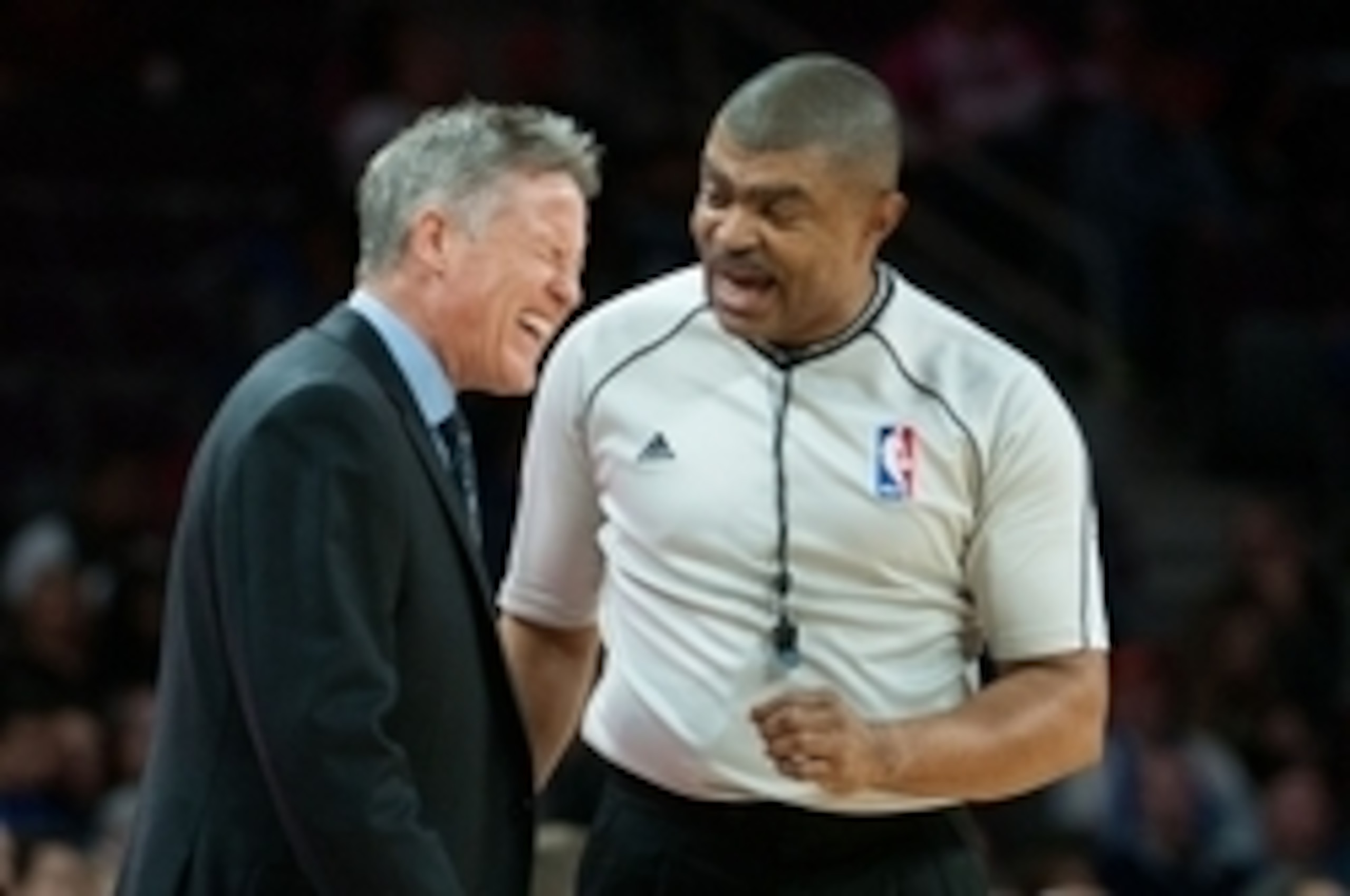
On the Schneid…Isn’t that just another term for an…Ugly losing streak?
Yep. Ugly and prolonged.
Increasingly common within the sports media, “on/off the schneid” generally refers to an extended losing streak—on the schneid is a losing streak, off the schneid is breaking the streak. The origin of the phrase comes from “schneider,” a term used in gin rummy for a loser that doesn’t win a hand. It probably exists because there’s only so many ways you can say “the Jaguars lost another one” before it loses all meaning through repetition.
.jpg?w=2560 "Cardinals Giants Football")
.jpg?w=2560 "Titans Giants Football")

Hoya...
4 of 15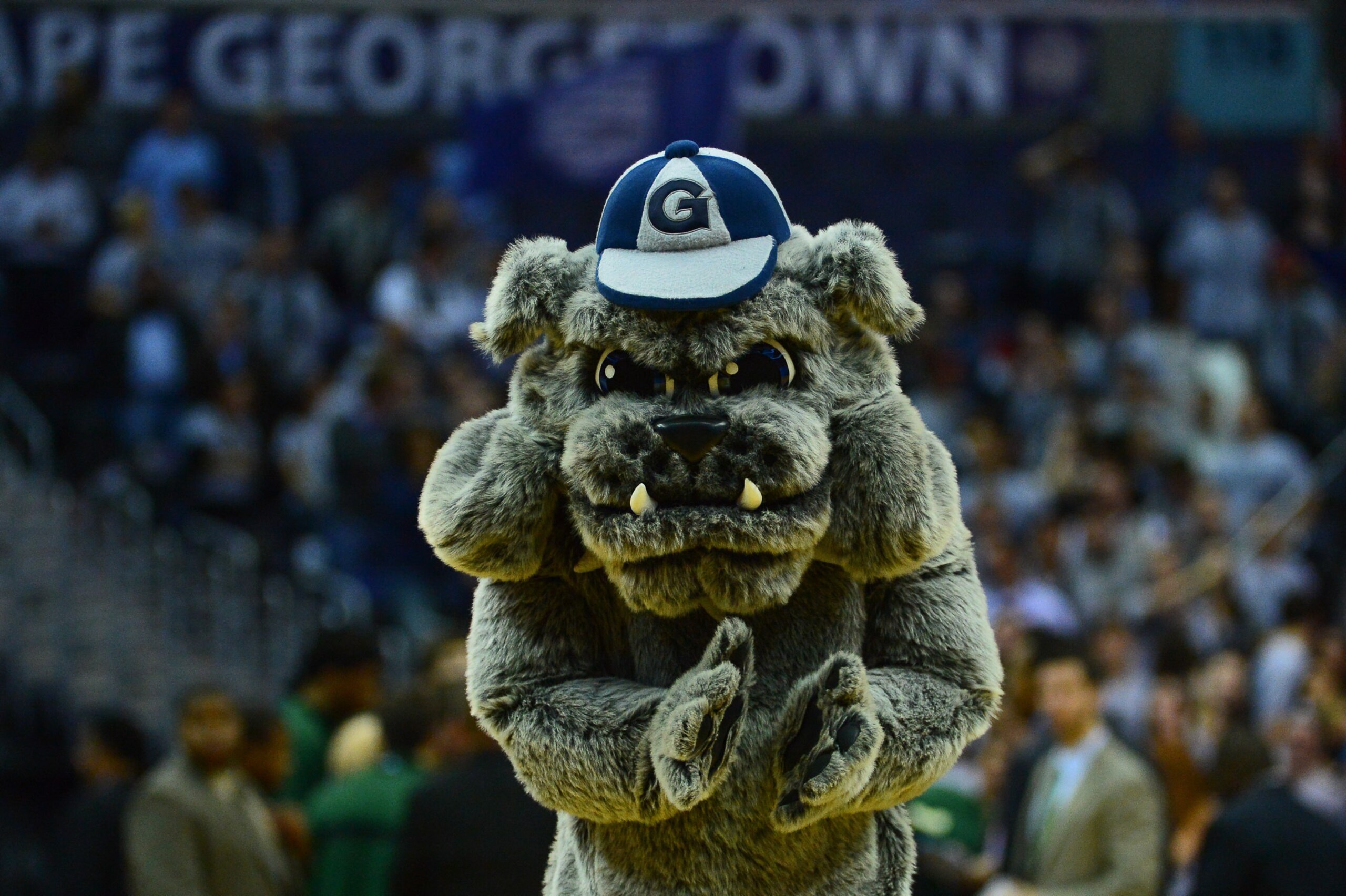
Hoya...Isn’t that just another name for a…Bulldog?
Actually, no!
A very common assumption is that Georgetown’s “Hoya” nickname is just another name for a bulldog, which is their mascot. But it’s actually derived from the Latin and Greek (two subjects that all Georgetown students were once required to study) terms “Hoya Saxa!,” a cheer that translates as “What Rocks!” The nickname was popular enough with students that it eventually replaced “The Stonewalls.” It's a little obscure, but it's a lot better than settling on the Bulldogs, like countless other teams/schools/franchises at every level.
We’ll Be Conducting an Official Investigation…
5 of 15
We’ll be conducting an official investigation…Isn’t that just another way to say…We’re hoping everyone will be less mad in a few months?
In certain cases, yes.
This isn’t to suggest that official investigations are only initiated and conducted as a PR moved aimed at temporarily shutting down an unpleasant conversation until conditions improve and/or outrage subsides, but they can be absolutely effective in doing just that. The most obvious recent example is the NFL’s decision to commission and independent investigation of how Roger Goodell and the league handled the Ray Rice situation. By mid-September the story had been spiraling for weeks, if not months, with the NFL looking worse every day as details continued to emerge. After Goodell conducted a press conference that was nothing short of disastrous, it seemed like enough momentum had been building to potentially put the commissioner’s job at risk. That’s exactly when they announced an official investigation, the results of which wouldn’t be available for months (and are still not available), more or less shutting down the conversation and allowing what had become a raging bonfire to burn itself down to embers before proceeding.
Grinder…
6 of 15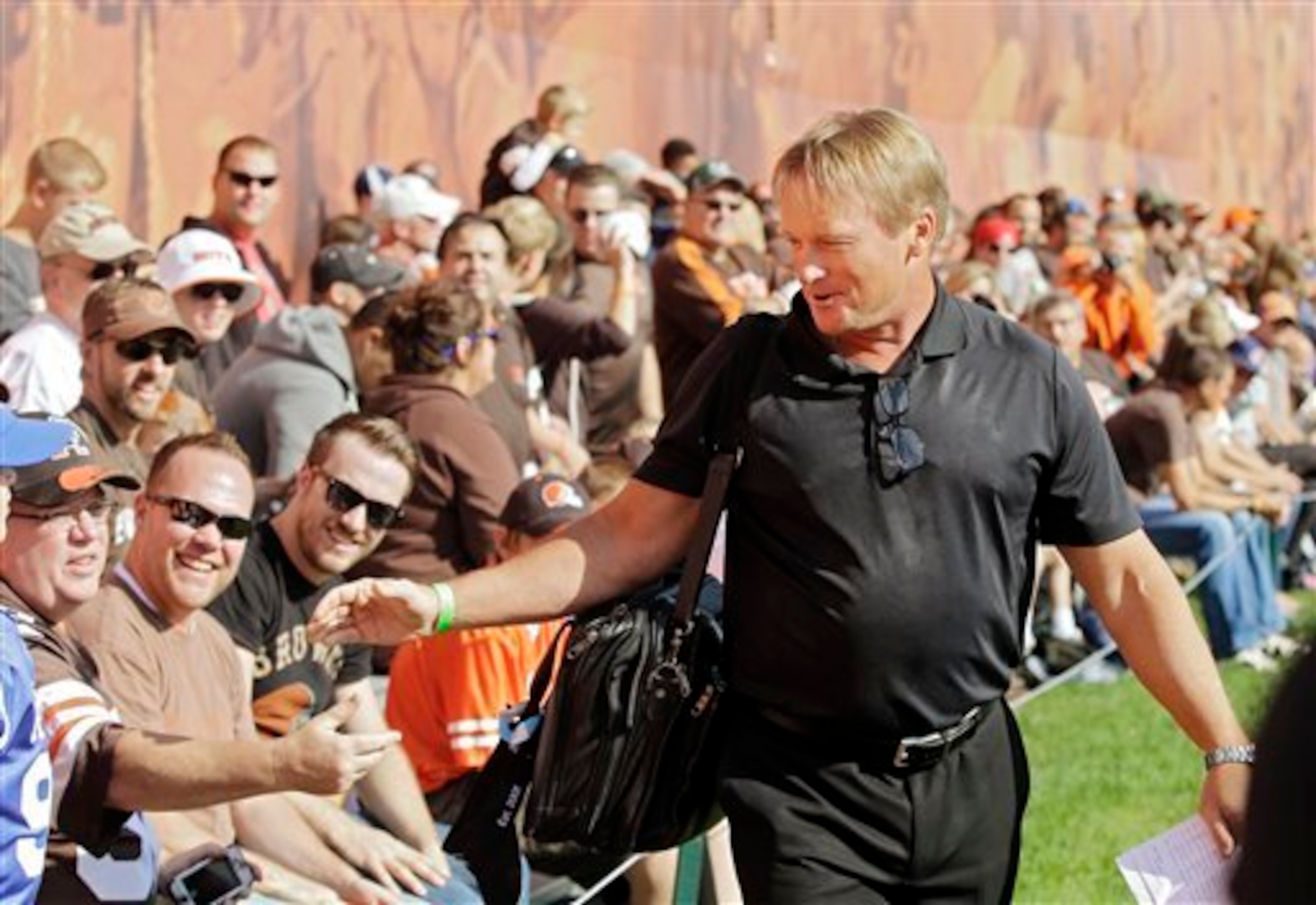
Grinder…Isn’t that just another word for…Role-player?
More or less, yes.
The sports term “grinder” has been around for awhile, but has really been popularized in recent years by ESPN’s Jon Gruden, whose Gruden’s Grinders segment has become a weekly staple on Monday Night Football. Grinder is the nicest possible way to recognize and honor players who would be more commonly described as role-players. We’re talking about guys who excel through exceptionally hard work and determination because they don’t have enough natural talent balance out laziness. A grinder isn’t necessarily a mediocre role-player—many can achieve greatness, but they’re never going to make it look effortless. It’s the difference between Randy Moss and Steve Smith. The difference between Peyton Manning and Russell Wilson. The difference between Marshawn Lynch and Darren Sproles.
My Twitter Account Got Hacked...
7 of 15
My Twitter account was hacked…Isn’t that just another way to say…I said something terrible for which this is easier than actually taking responsibility?
Uh, yeah.
Despite what athletes and various other bigmouths of note would have you believe, having one’s Twitter account hijacked isn’t all that common. Even when accounts are hacked, it’s usually done in an attempt to disseminate viruses and malware, and occasionally as part of an elaborate prank. But take for instance, Eagles running back LeSean McCoy, who in early 2013 had an intensely heated and excessively public spat with the mother of his child on Twitter, before deleting all the tweets, claiming his account was hacked and then temporarily shutting it down. The idea that a “hacker” would hijack his account to menace the mother of his child was so laughably absurd that eventually McCoy copped to the whole thing and apologized, but only because he had to. Usually the situations aren't nearly as incendiary as McCoys, so athletes just rely on plausible deniability to carry them through the 24 hour news cycle.
Got His Bell Rung...
8 of 15
Got his bell rung…Isn’t that just another way to say…Got his brain scrambled?
Yeah, sorta.
Although there is still a lot of ground to cover, it’s hard to imagine an announcer casually referring to an athlete’s potential concussion after a hit as simply getting “his bell rung,” then speculating about his return as just a matter of when, rather than if. We’ve already come a long way from five years ago when a “rung bell” was considered far less serious than a “tweaked” knee or shoulder. The Mike Ditkas of the world will probably die believing concern over head injuries in sports is overblown and are the ones most likely to continue using this antiquated term until death do they part.
Hokie...
9 of 15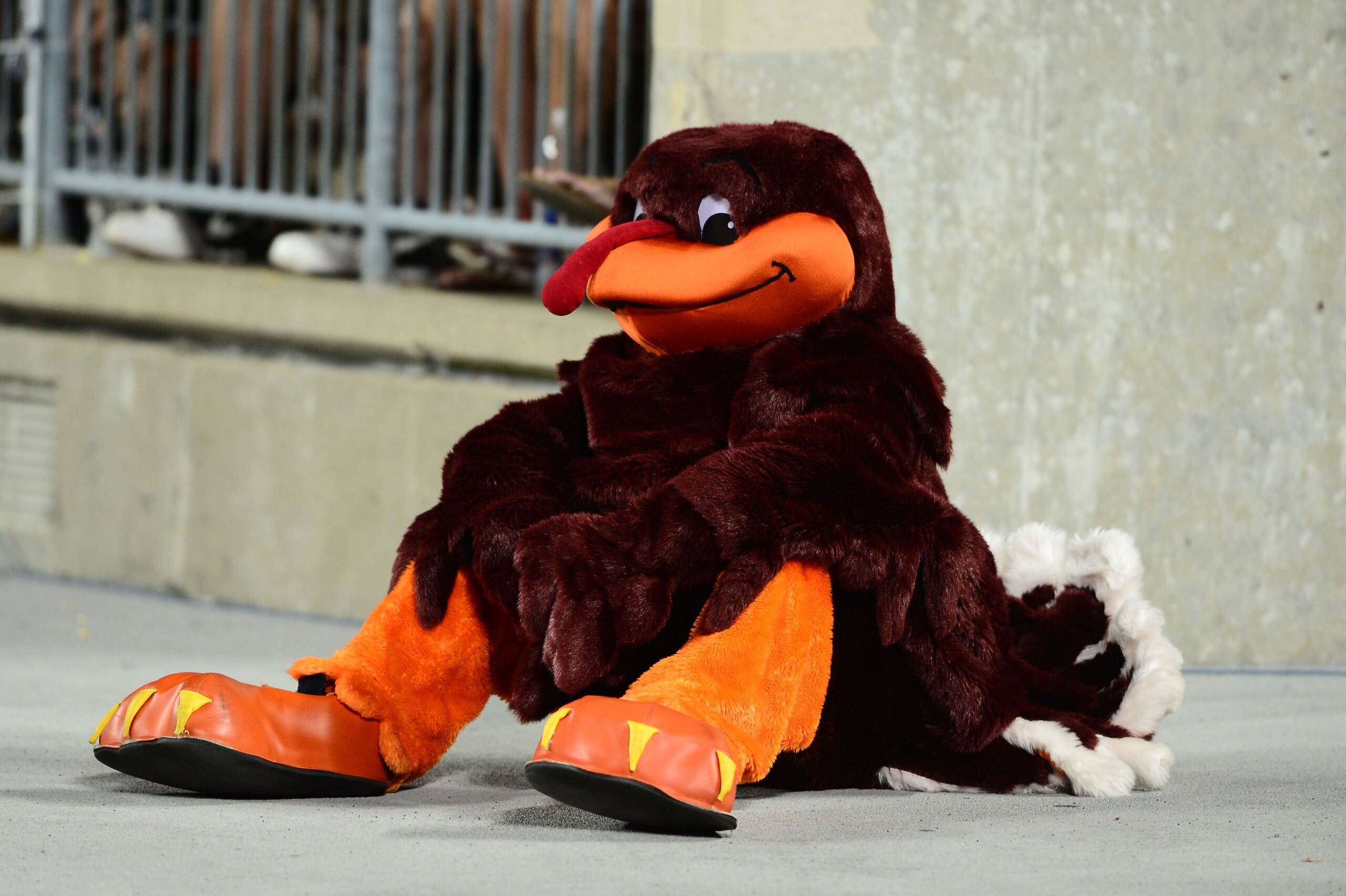
Hokie…Isn't that just another name for a...Turkey?
Definitely not.
Much like the Hoya at Georgetown, Virginia Tech’s nickname has nothing to do with it’s mischievous-looking turkey mascot and actually originated as a cheer. “Old Hokie” was a chant written by a student in 1896, 14 years after the university was founded. The turkey comes into play because they were once known as the “Gobblers,” something that was changed in the 1970s because a coach didn’t like the idea that it was potentially based on how student athletes shotgun their meals. He didn't enjoy the mental picture it painted.
So Much Potential...
10 of 15
So much potential…Isn’t that just another way to say…Failing to live up to expectations?
Usually! At least at the professional level.
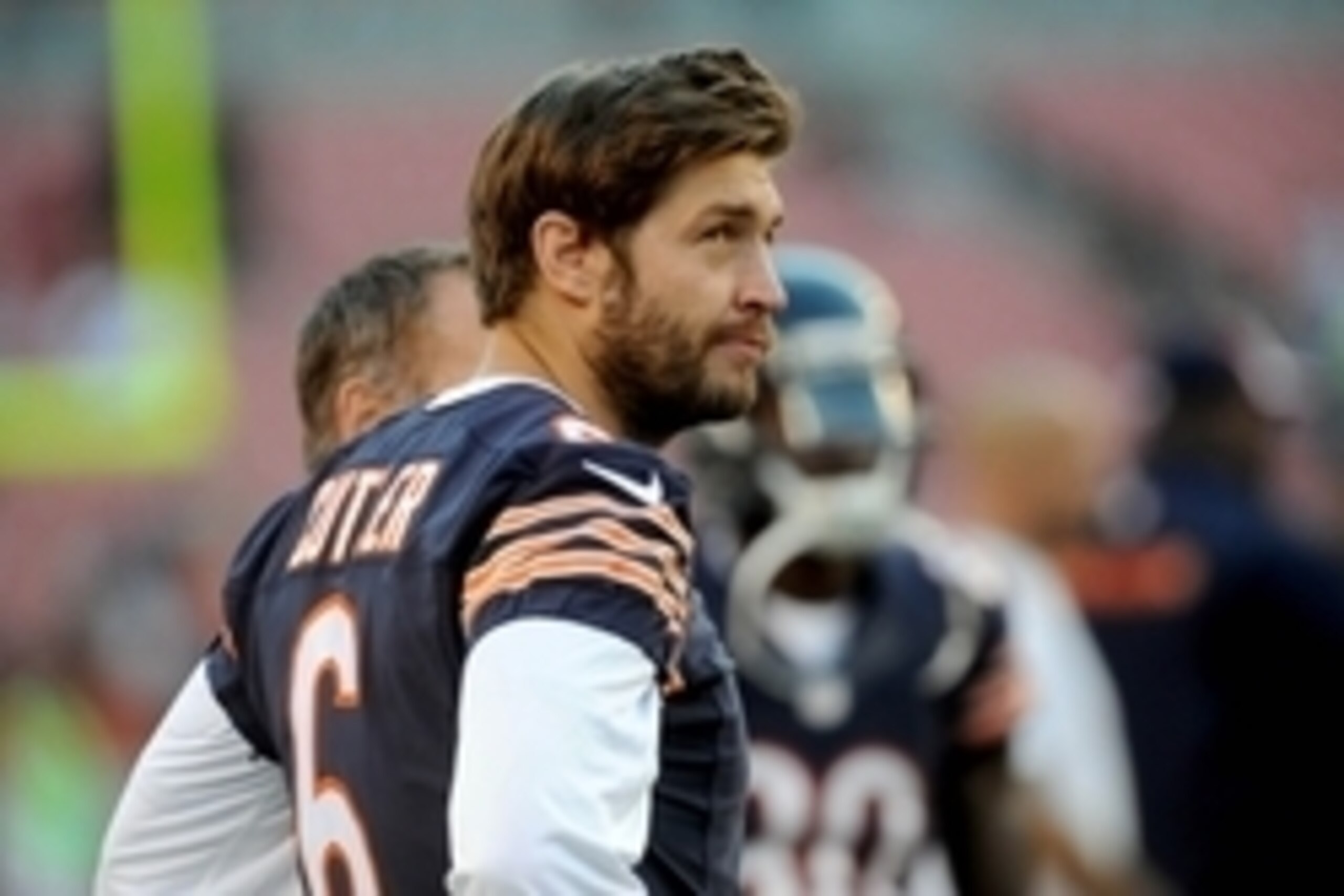
When we’re talking about high school players, potential has to do with an athlete’s ability to play at a collegiate level. At a collegiate level, potential has to do with an athlete’s ability to play at a professional level. At a professional level, unless we’re talking about rookies, potential is nothing but unfulfilled expectations. Sometimes it’s done to be nice or keep hope alive that an athlete isn’t a bust, but at what point does talking about the potential and/or big arm of 31-year-old Jay Culter become embarrassing? At this point it’d be less insulting to dismiss him as a bust than try to come up with ways he’ll magically morph into something he clearly isn’t in his mid-30s.
Player's Only Meeting...
11 of 15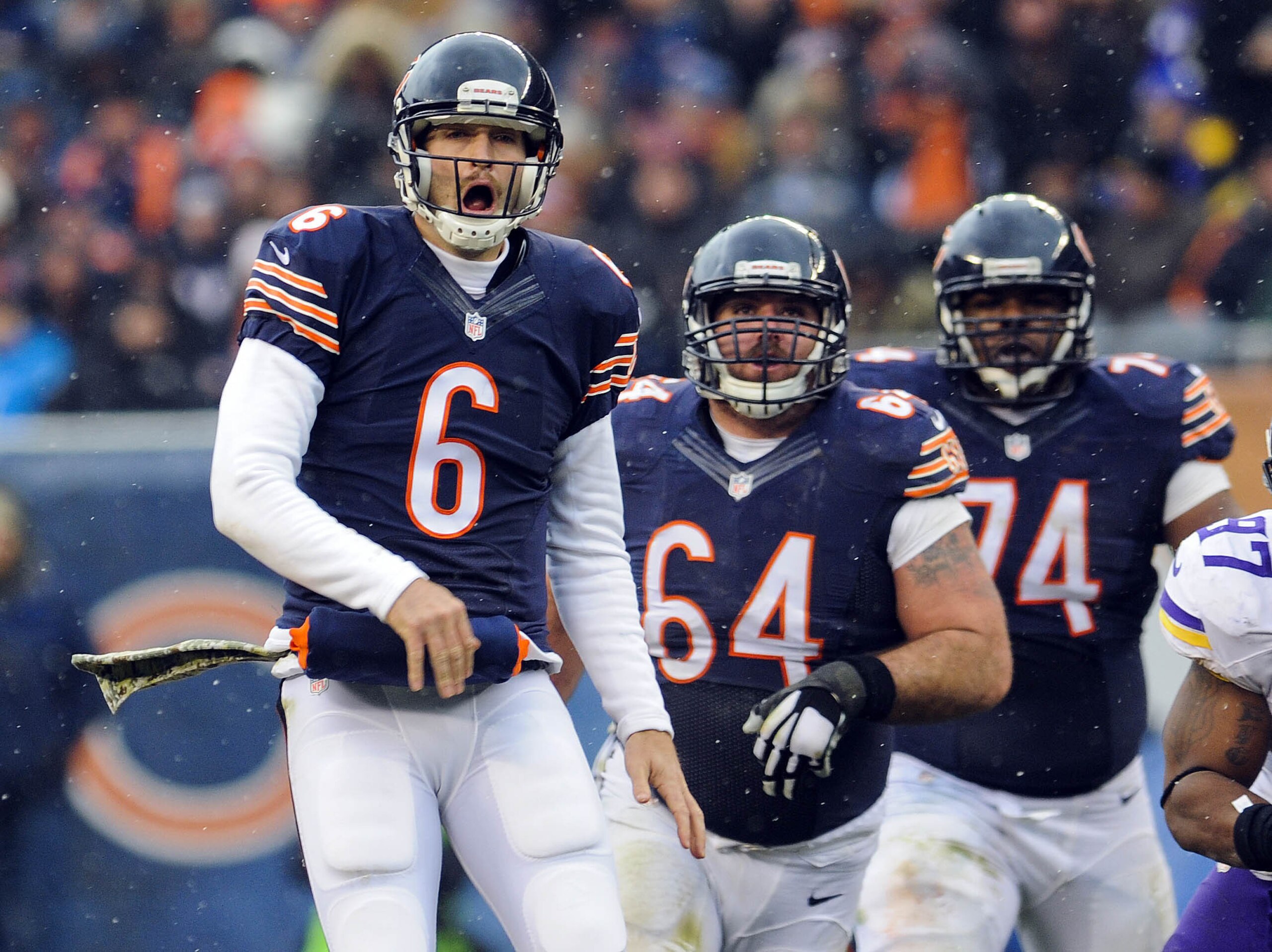
Player’s only meeting…Isn’t that just another way to say…The coaches are totally out of answers?
Yes. It actually means everyone is out of answers.
Have you ever heard of a player’s only meeting happening when things were going well for a team? Probably not. Google “Players only meeting” and the recent results come from the Giants, Maple Leafs, Bears and, of course, Jets—all teams that are in a tragic state of disarray. At least it’s probably not permanent for the Giants and Bears. The players only meeting is basically a last resort, which usually does more to highlight potential problems with the coaching staff than actually right the ship. Because they’re “players only,” we don’t get to see what goes on during these meetings, but probably a fun mix of hollow pep talks, finger-pointing and espousing platitudes.
Tweaked Something...
12 of 15
So much potential…Isn’t that just another way to say…We don’t want to tell you what the real injury is?
Yep. Either that or we're not big with the details!
The way the word “tweaked” is thrown around in sports (which is to say, not sparingly), one would think it actually has meaning! Medically classifying an injury sustained by a player during the course of a game as a “tweak(ed)” (be it vague and generalized or specific and localized) makes no sense because a tweak is an action, like pull, twist, jerk, or pinch, not the result of an action. The reason it’s used so freely is that injury reports are often mandatory in professional sports, but apparently fully disclosing the actual nature of injures is not. If a player is playing with an injury, it’s common for coaches to downplay the nature of the injury so as not to make it more of a target—a tweaked back or rib sounds a lot less vulnerable than a fractured back or broken ribs.
Bend but Don’t Break Defense…
13 of 15
Bend but don’t break defense…Isn’t that just a nice way to say…Our defense gives up points, usually more than we’d like?
Yes. And the whole thing is ridiculous.
The “bend but don’t break defense” often times isn’t really a defense at all, but rather a jargon-y way to say (at least in football) that a team relies far more on offense to win—a best defense is a good offense, right? It’s a defense that does enough to not lose games and/or statistically rank among the worst in the league, but is often built upon smoke and mirrors. Big play potential and scoring resulting from forced turnovers is often the high mark of a bend but don’t break defense, giving the illusion the unit is more capable than it really is because it’s the easiest facet of a defense to analyze. A truly great defense doesn't require a euphemism—it speaks for itself.
Chanticleers, Blue Hens...
14 of 15
Chanticleers and Blue Hens…Aren't those just other names for a…Chicken?
Indeed. One is a much much fancier name for a chicken.
Coward, wimp, weakling, and fraidy-cat are all synonyms for chicken, when used as slang, so it’s no surprise that Coastal Carolina and Delaware decided to dress their mascots up a little—although one did a much better job. The state bird of Delaware, the Blue Hen is just a domesticated chicken not currently recognized as a breed. A Chanticleer is more of a literary term, coined by Geoffrey Chaucer to describe a “proud and fierce rooster who dominates the barnyard” in The Canterbury Tales. Kind of like a more civilized Gamecock.
Game Manager...
15 of 15
Game Manager…Isn’t that just another name for a…Mediocre quarterback?
Sorry, Alex Smith, but yes.
Honestly, I feel terrible about referencing Chiefs quarterback Alex Smith here, as he’s proven himself a capable winner at the position in the last few years after an incredibly rocky start in the NFL. He seems like a genuinely nice guy and good teammate who has never once created a media hailstorm for throwing others “under the bus,” in an attempt to explain his own shortcomings. That being said, the 30-year-old has come to define the term game manager, of which he is basically synonymous. The “all he does is win” crowd often jump to Smith’s defense, but the reality of the situation is that “all he does is not lose.” A game manager is rarely asked or expected to win games, he’s expected to not lose them. And the reason he’s not ask or expected to win games is because his talent level prevents him from doing consistently over a career. The fact that we’re still asking if Smith is or can be more than a game manager is proof enough that he can’t and won’t.




.jpg?w=2560 "LaFleur's Fumbling Warning ⚠️")