Cricket's Future in England Rests with Free-to-Air Television Coverage
One of the major appeals of cricket is its subtle beauties. It's a game that's full of them, stirring contemplation and reflection at its leisurely pace.
Among those understated delights is the way in which entire narratives can be so totally encapsulated in one lasting image. And true to form, the English summer of cricket in 2014 provided a number of them—scenes so wonderfully inexplicable.
There was the sight of James Anderson walking off the field at Trent Bridge with 81 runs next to his name on the scoreboard in the background. There was England's comical pitch map on a green top from the second Test at Lord's. And there was the image of the scoreboard at Old Trafford reading 66-6 in consecutive Indian innings that summed up the most devilish of times.
.jpg?w=2560 "Titans Giants Football")

Yet, not one of those was the most lasting image of the summer. Not at all.
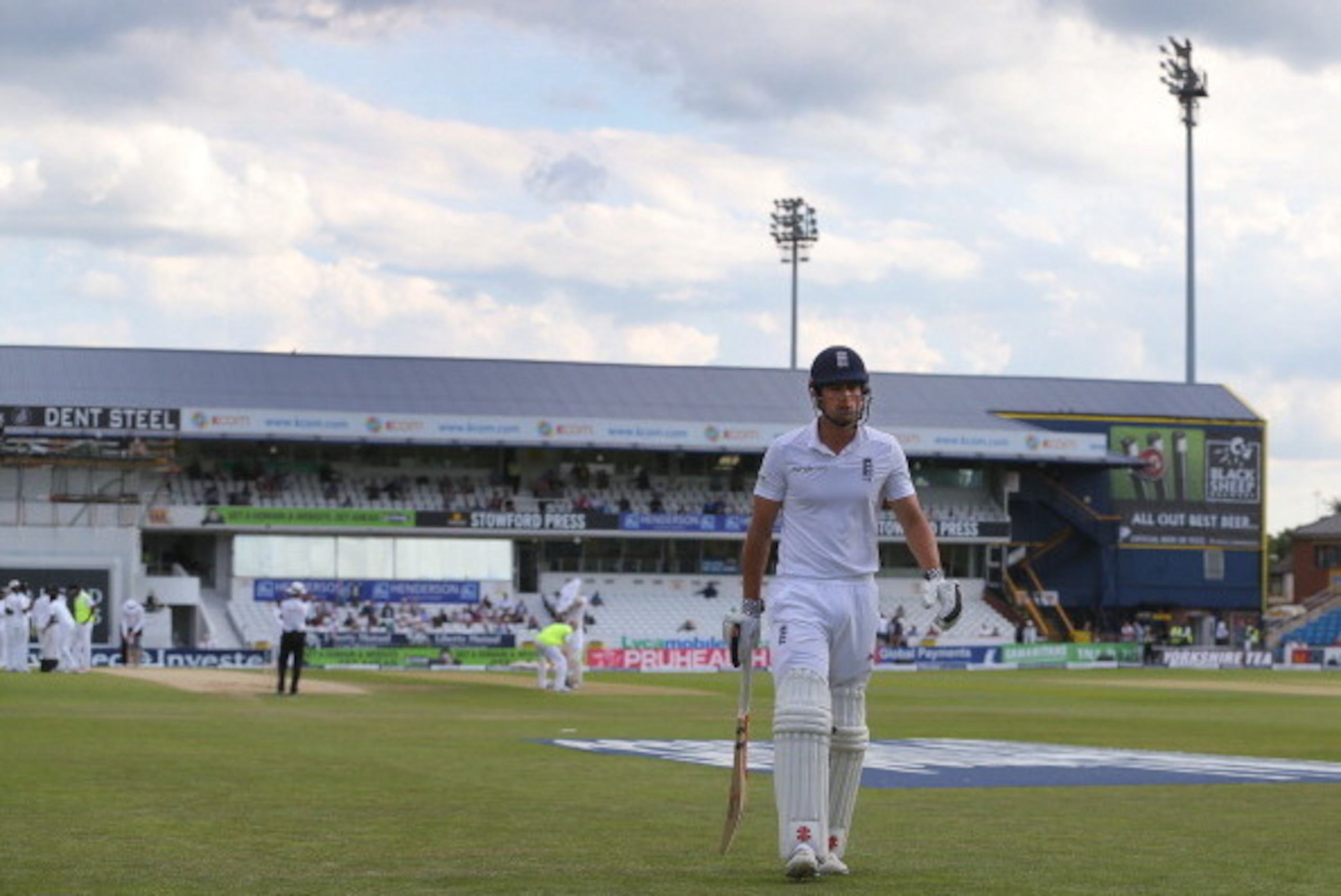
Instead, it was the scene of England captain Alastair Cook trudging off the ground at Headingley on Day 4 of the second Test against Sri Lanka with scarcely a soul in the stands behind him.
At the time, I wrote that a bigger crowd could have been found at the local Topshop. Frankly, you could have said the same for the nearest Greggs.
In one lonely image, the widespread public apathy for cricket in England was laid stunningly bare.
Whether the game's hierarchy likes it or not—and observing the current administration, one senses it doesn't—English cricket has reached a point where listening to its fanbase is of utmost importance.
Indeed, the most telling insights aren't always provided by players or officials or support staff or commentators or writers. Sometimes, the most revealing snippets come from those outside cricket's inner circle.
"During the 2005 Ashes, my housemate at the time—who previously had zero interest in cricket—became hooked on the excitement of the series," said one commenter this week at ESPN Cricinfo, recalling the last time international cricket was shown on free-to-air television in the UK.
"Today, he wouldn't be able to name a single England player."
That, right there, is the issue in a nutshell.
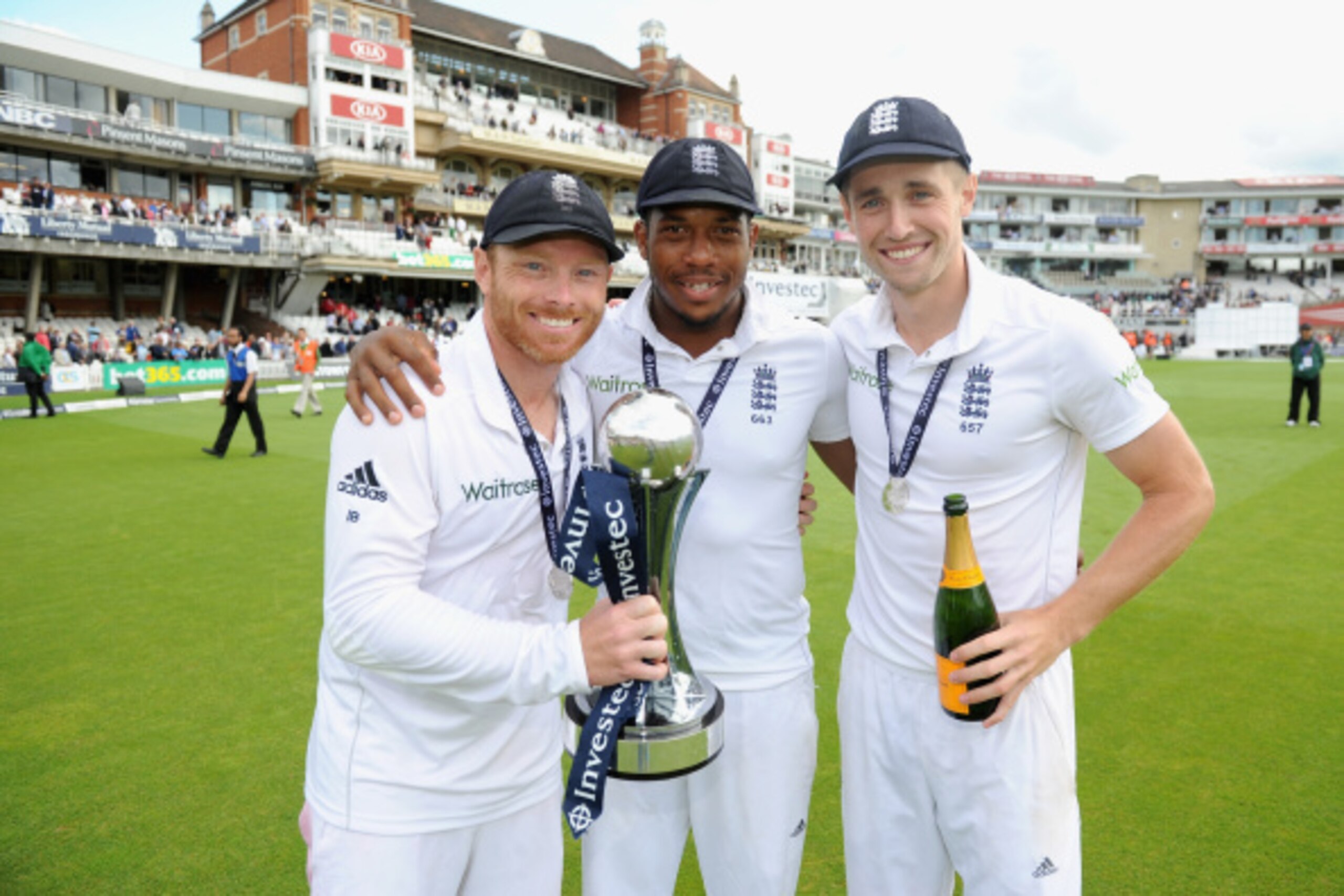
As glorious as that summer of 2005 was for England, the direction the game has taken in the country since has prevented any sort of spillover effect from occurring. Despite those compelling months that gripped a nation, culminating in the sort of public celebration one associates with football World Cup triumphs, the England and Wales Cricket Board are announcing alarming reductions in grassroots participation less than a decade later.
As I remarked in June, "the summer of 2005 represents what was the peak of the mountain for England—a lofty point with abrupt descents on each side."
Of course, the situation isn't yet dire—labelling it so would be premature. But cricket's falling popularity in England is the game's own doing, for it's "a sport that has for the last decade turned itself inside out in pursuit of a buck," as described by Barney Ronay of the Guardian.
Since the conclusion of the 2005 Ashes series, plenty of those bucks have come from Sky.
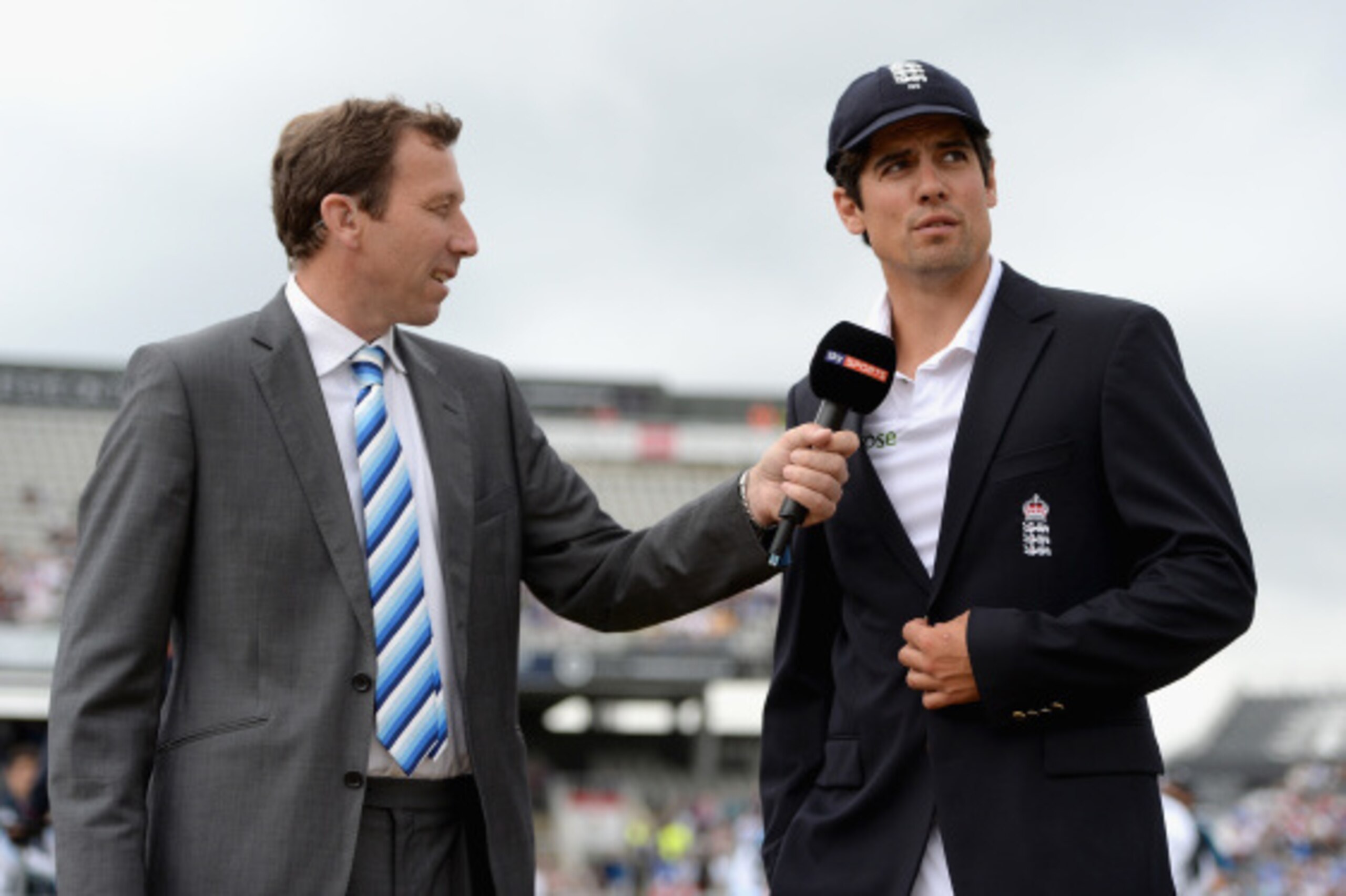
Naturally, those closely involved in the ECB's partnership with Sky will consistently stress the importance of the company's investment in the game. And certainly, one can't argue that £260 million isn't at all helpful.
But it's that short-sightedness that plagues cricket; the take-the-money-now-and-worry-about-the-consequences-later mentality is why the game in England is facing the crisis that it is.
Despite the cash injection, the move to subscription television from 2006 onward has denied cricket from the masses. The game is no longer accessible; watching cricket in England is now a privilege for too few.
In times gone, it was a right for all.
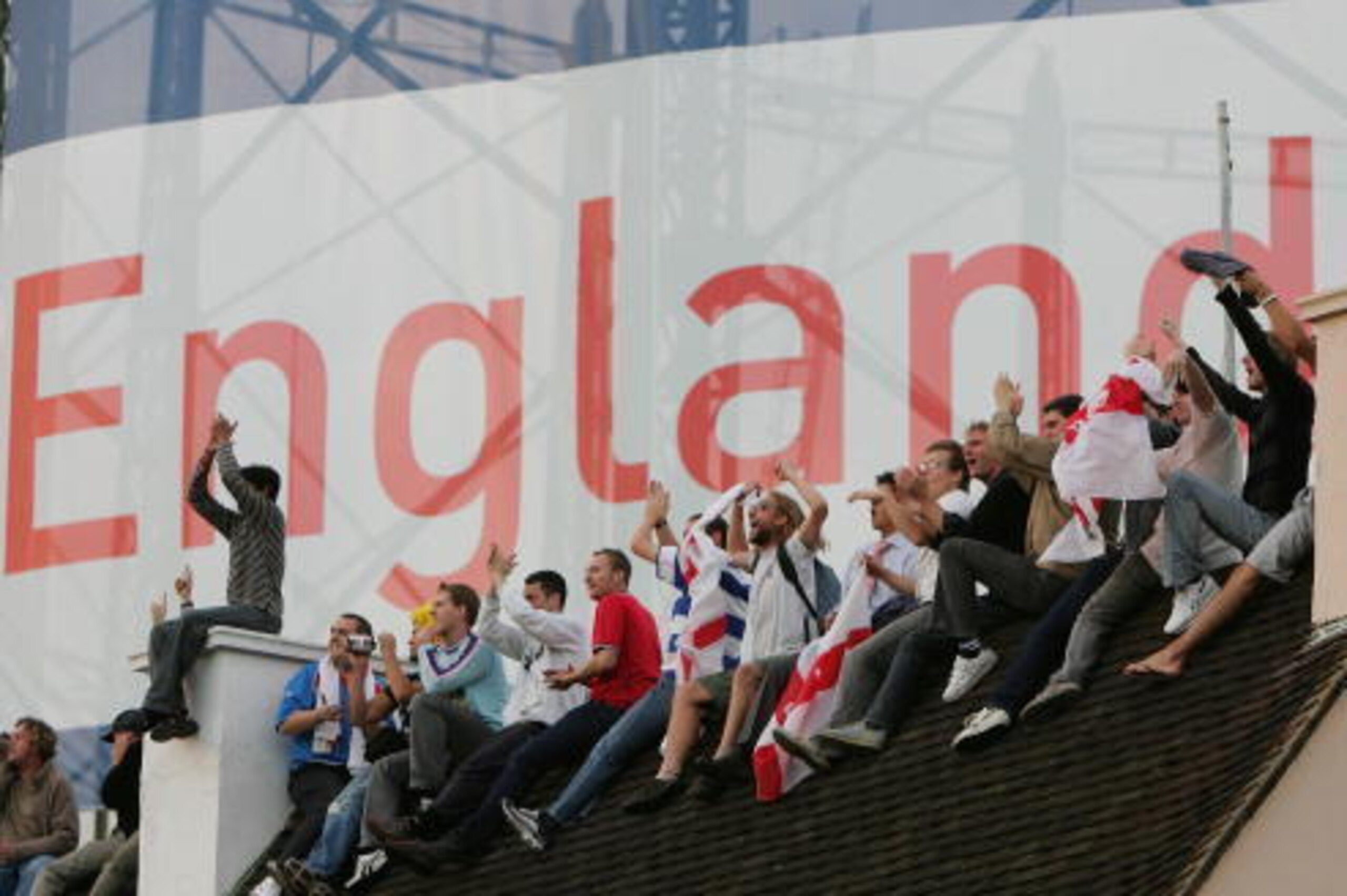
There'll be those, of course, who will point to the success of football on subscription television as an example that it can work—that a sport can maintain its prominence behind a pay-wall.
But football isn't relevant to cricket; cricket can't compete with the tribal sense of identity and belonging that football stirs; cricket can't replicate the extent of football's following and its unparalleled reach as the global game.
Cricket, to thrive, needs to be England's most accessible major sport.
"The highest priority of county chief executives at the moment is getting county cricket back in front of the pay-wall," Surrey chief executive Richard Gould told ESPN Cricinfo this week.
For the game's long-term future, though, the priorities can't stop there. Public apathy will only be reversed if England's finest are on free-to-air television.




.jpg?w=2560 "NFL investigating referee after viral exchange with player")