10 Biggest Winners and Losers from Autumn Internationals
The autumn international series provides a learning opportunity for each of the world's rugby giants, and with a Rugby World Cup on the horizon, it was particularly essential that notes be taken this year.
Results are assuredly a key indicator of who's evolving best, but the November schedule is more about performance than anything else, where poor victories and gutsy defeats often hold different positives.
Here, we examine which teams have emerged from the autumn onslaught smelling like roses, player prospects ahead of a crucial international year and much more.
Winner: All Blacks' Momentum Remains Intact
1 of 10
After defending their Rugby Championship title, New Zealand were on a mission once again to dominate both sides of the equator this autumn, and their crusade went to plan without more than a hitch or two.
It was a storyline we've seen annually in recent years, as the All Blacks shouldered the pressure of living up to their own expectations, and wins over England, Scotland and Wales suggest they're on track.
Warren Gatland's men somewhat surprisingly offered the biggest threat, but such is the fortitude of Steve Hansen's squad that a 10-minute surge was all it took to turn the Cardiff clash on its head.
What's more, a second-string alliance was sufficient enough to move past the Scots under edgy circumstances, but the fact that Hansen is able to field two such talented lineups again shows just what a behemoth this nation still is.
New faces are emerging; Malakai Fekitoa may take a firmer grip in the centre over the next year and to have Sonny Bill Williams back in union black is evidently a tremendous coup.
All in all, Hansen can look back at his autumn with a smile; they merely have to replicate the 100 percent achievement when they make their way back to England in 10 months' time.
Loser: England's Back Line Remains an Area of Furious Debate
2 of 10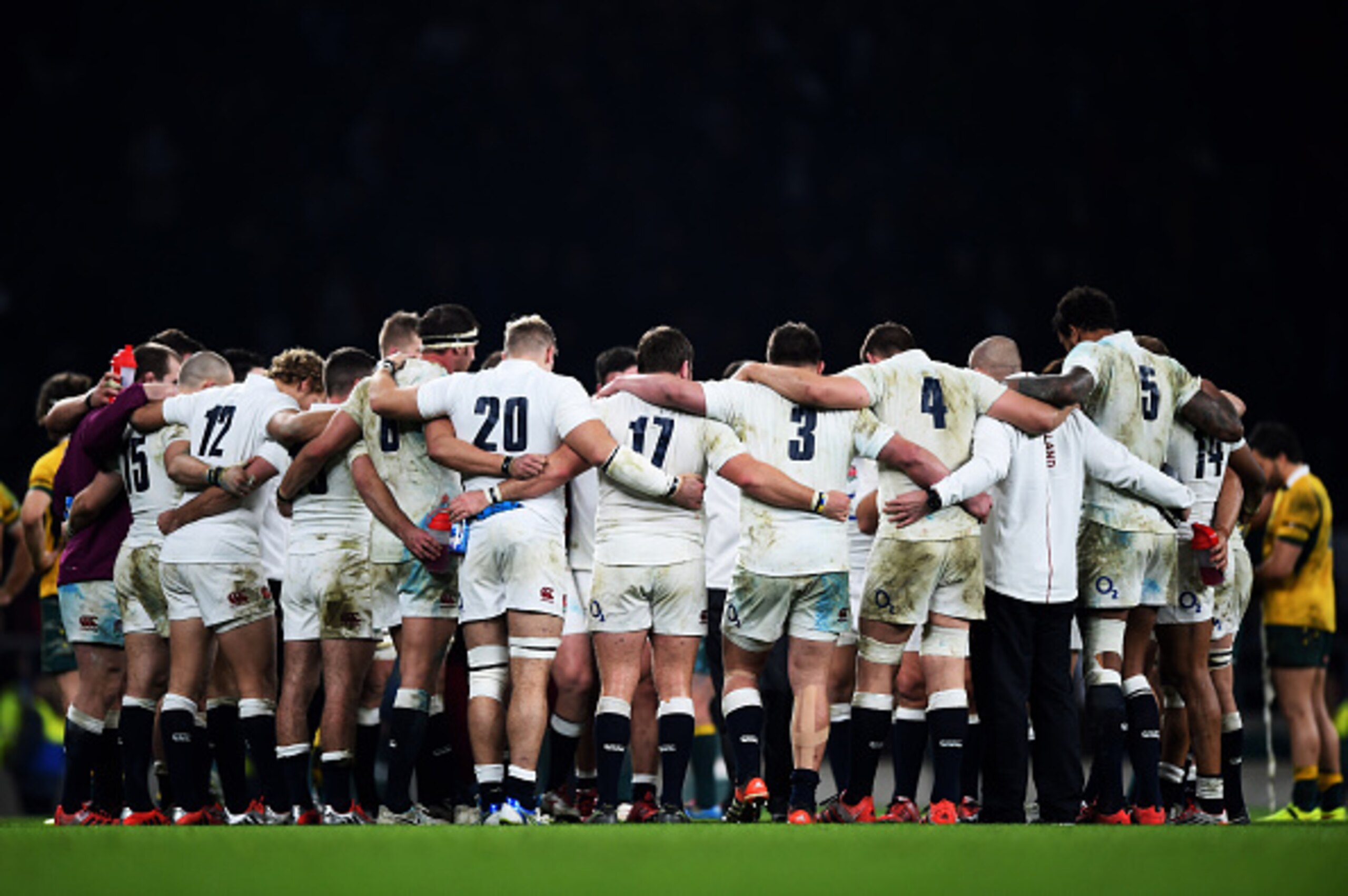
Experimentation was key for Stuart Lancaster this autumn, as the England coach once again embarked upon a journey to find his best lineup, and it was common knowledge the backs were his main concern.
More specifically, the midfield needs solving. After defeats to New Zealand and South Africa, the victories against Australia and Samoa can't hide the fact that Lancaster still has a way to go in finding his best centre partnership.
With Manu Tuilagi out injured, Brad Barritt, Kyle Eastmond, Billy Twelvetrees and Owen Farrell each tried their hand in different capacities, and Barritt was perhaps the standout option when it came to consistency.
George Ford can evolve into a superb international fly-half, but it may be that 2015 comes too soon for the Bath playmaker, and should Farrell show discipline in the remainder of the season, he could win his place back.
Mike Brown should be the starting full-back, but again the wings aren't cemented just yet. Semesa Rokoduguni fell short in his experiment, while Jonny May and Anthony Watson are more debatable options on the wings.
Lancaster can at least come close to feeling content with his pack as the back row looks promising, with Ben Morgan in particular showing new promise as a starting No. 8.
In the end, though, the centres will be looked upon as a crucial area in need of genuine star potential. All eyes are on Tuilagi's race to attain a healthy 2015.
Winner: Les Bleus Re-Emerging After Spell in the Shade
3 of 10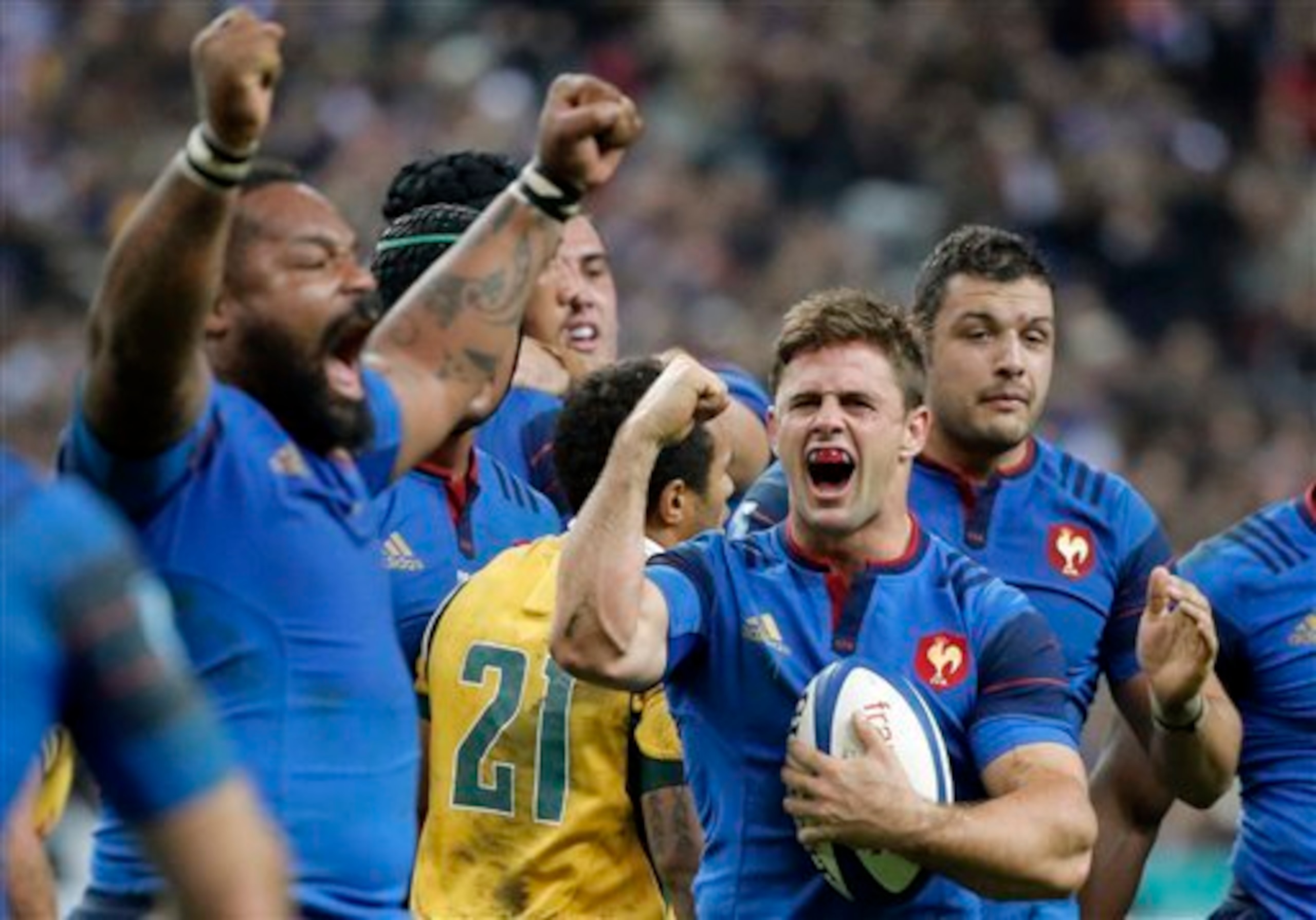
Having disappointed in recent Six Nations tournaments, it's been a while since France fans will have felt entirely satisfied under the guidance of Philippe Saint-Andre.
That being said, Les Bleus' coach tried his hand with a fresh batch of stars in November, and they rewarded their tactician with victories over Australia and Fiji, albeit slumping to a 13-18 defeat to Argentina in their final encounter.
Teddy Thomas, Scott Spedding, Xavier Chiocci and Uini Atonio were just some of those to impress as they took their first steps in national team colours.
South African import Rory Kockott also made his highly anticipated switch to the French ranks. The Castres half-back, along with Camille Lopez, has given new hope in what was for some time considered a problem area for Saint-Andre.
Giving these fresh faces experience in the Six Nations will prove whether their current hype is premature, but combined with the experienced assets among the squad, hope is quietly building in Paris.

.jpg?w=2560 "NBA Gambling Charges")
Loser: Jean De Villiers Suffers Tragedy at the Final Hurdle
4 of 10South African supporters will, of course, take the news hardest after Jean de Villiers dislocated his kneecap in the Springboks' curtain closer against Wales, but it was almost a blow for the sport as a whole.
Facing eight months on the sidelines, South Africa's talismanic centre will almost certainly miss the entirety of the Stormers' 2015 Super Rugby campaign, but even his Rugby World Cup itself is now in doubt.
Keeping the midfield marvel fully fit has been among Heyneke Meyer's chief priorities in 2014, and it's an agonisingly cruel blow that he should suffer injury at the last minute.
Winner: Ireland Top of the European Pile Ahead of 2015
5 of 10
The post-Brian O'Driscoll era was feared to bring about a period of indecision in the Irish centres. However, between Robbie Henshaw, Jared Payne, Stuart Olding, Darren Cave and the wisdom of Gordon D'Arcy, things aren't looking so bleak after all.
It speaks volumes for the squad's renewed ambitions that a 49-7 win over Georgia was the low point of their autumn, with victories over South Africa and Australia worth so much more to the team.
Following the 2014 Six Nations triumph, some may have feared that Ireland peaked too early, but Joe Schmidt has somehow managed to make his team an even greater threat with superior depth.
Autumn featured a bit of everything for the Irish—a patient triumph, a glamorous one and a final fixture which, despite showing its share of weakness, displayed that this team can still win with an ugly tinge.
No other European side ended their November series with a more successful record, and Ireland may well head into 2015 with hopes of defending their Six Nations belt and more.
Loser: Samoa's Inner Turmoil Threatens to Spoil World Cup Dream
6 of 10
A war from within threatens to destabilise Samoa in another Rugby World Cup as politics and sport appear to have intertwined too closely once more for the Pacific Islanders.
The country's prime minister Tuilaepa Sailele Malielegaoi also acts as chairman of the Samoan Rugby Union (SRU), but it's now well founded that not every member of the squad is content in the current system.
The appointment of certain board members has led to concerns over how the team is run, and Malielegaoi was quoted by the Samoan Observer (h/t ESPN Scrum) as saying:
"It is not for them to decide. Their duty is to play and win. If they win, win, win, it makes it a lot easier for us to find sponsors to help us."
Samoa had even threatened to boycott their game against England, such is the current temperament of the playing staff, and low morale would appear to be taking its toll following defeats in London and Italy.
Samoa have been making moves for a number of years as a steady prospect of interest, but all their improvements are at risk of being put to waste unless the unrest can be resolved.
Winner: Wales Stuttering but Ultimately Leave Autumn Encouraged
7 of 10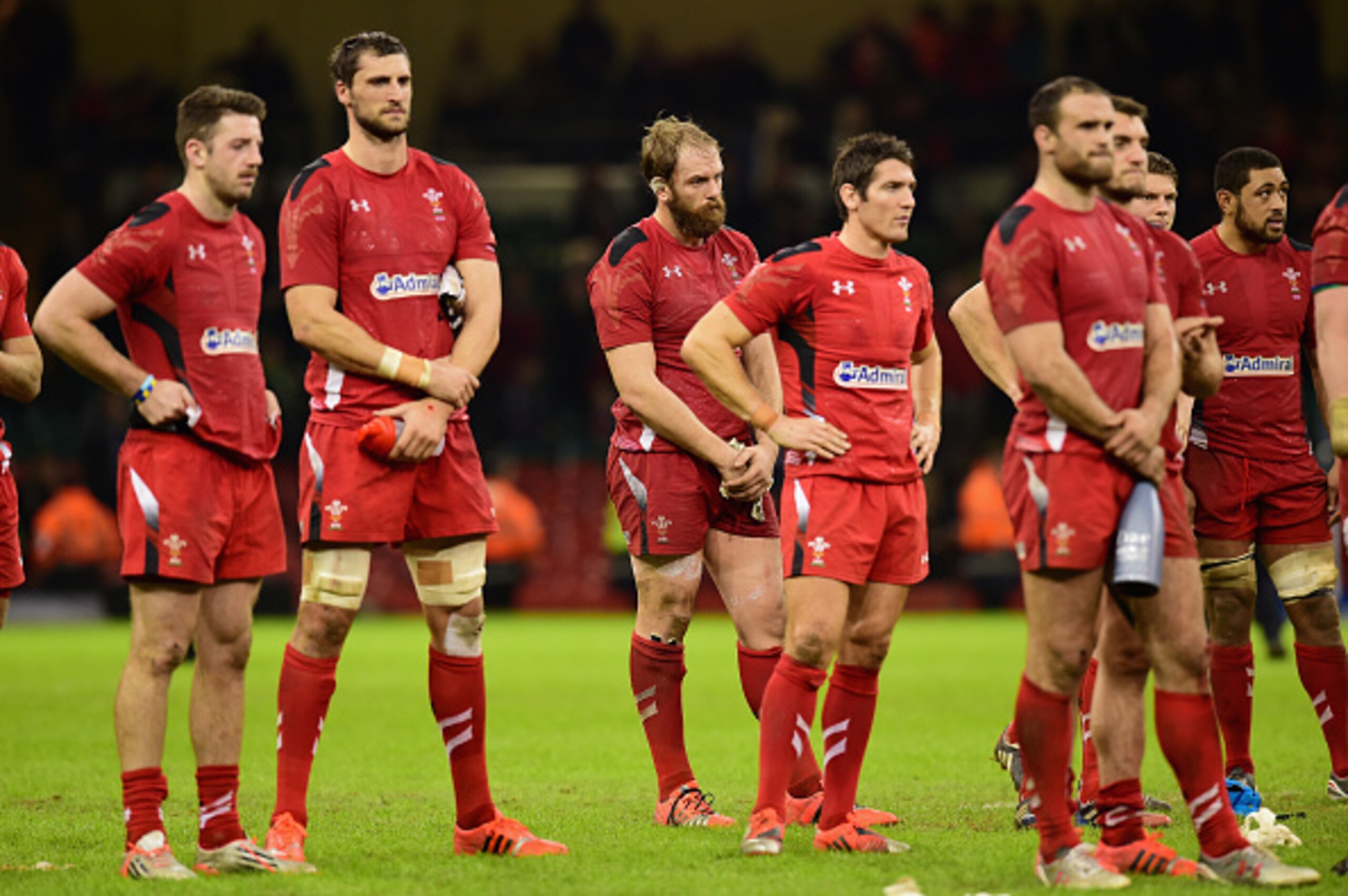
It's difficult to interpret Wales' autumn in truth, where Warren Gatland's men succumbed to the All Blacks and Wallabies but ended on a high note by beating the Springboks 12-6.
Their only other win was an uninspired 17-13 win over Fiji, and while the results provide positives worth holding on to, the Welsh need to start calling for more innovation.
It was a similar story against New Zealand. Up until the dying minutes, the Millennium Stadium outfit led but eventually crumbled under mounting pressure.
When examining the squad, there's certainly cause for hope. Jamie Roberts and Jonathan Davies, when fit, form a centre partnership to rival any other in the world, and Liam Williams is beginning to prove good competition for the stars of George North and Leigh Halfpenny.
The pack perhaps isn't as full of star names, but there's a foundation to build on, and it could be that whatever role the imported Gareth Anscombe has to play for Wales next year proves decisive at fly-half.
Sam Warburton is capable of leading this squad to bigger, brighter things, but Gatland's lineup needs to rediscover its confidence, playing well for periods but crucially failing to make it tell on the scoreboard.
Loser: Michael Cheika May Have Commandeered the Impossible Task
8 of 10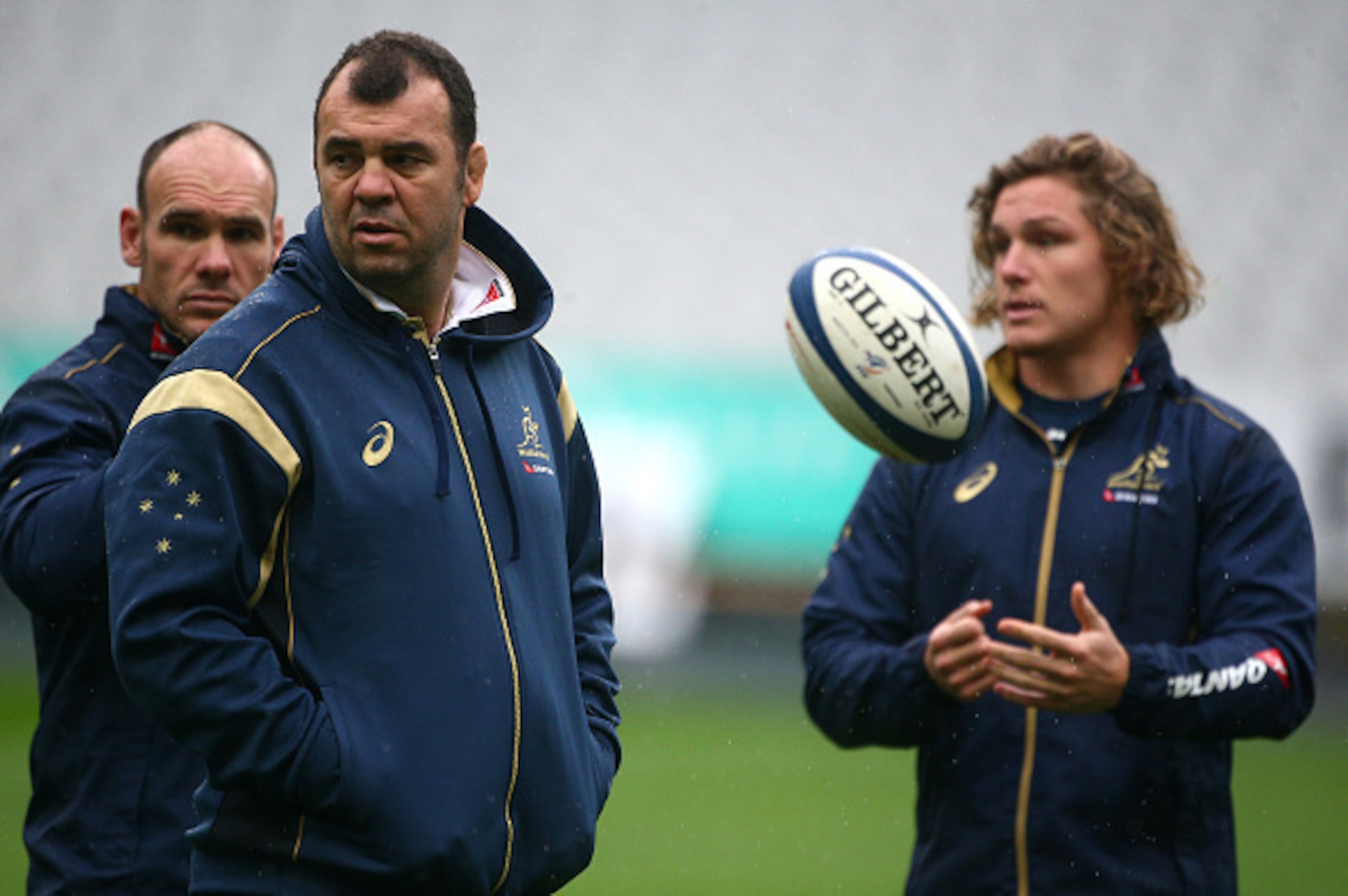
There's no worse feeling for a team of Australia's stature than to enter a Rugby World Cup under the influence that you stand to be little more than also-rans in the competition, but such is the predicament ahead for Michael Cheika.
Following Ewen McKenzie's unfortunate exit from the coaching helm, Waratahs chief Cheika was expected to bring a fresh set of eyes to the squad, but there's only so much even he can do with the talents at his disposal.
The Wallabies' scrum is an uncertain mess, no doubt helped on by the nation's search for depth at prop and hooker, as well as several other positions lacking in comparison to previous lineups.
Michael Hooper has done his best to lead the team through its quagmire, but not every player has his fire, and the same can be said in almost all portions of the field.
Cheika will be frustrated to see so many players almost of the standard he requires. Bernard Foley and Quade Cooper each have their benefits at No. 10, but it's difficult to pick a standout starter, while Will Genia, Nick Phipps and Nic White will continue their jostle for the scrum-half spot in 2015.
Nick Cummins' departure for Japan has been unfortunately timed and means the likes of Rob Horne, Joe Tomane and Henry Speight must step up out wide.
Wales were the only side the Wallabies could overcome en route to a record of three defeats from four in the autumn series, and Cheika may simply not have the in-form talents necessary to mount a World Cup charge.
Winner: Vern Cotter's Scotland Displaying New Sense of Promise
9 of 10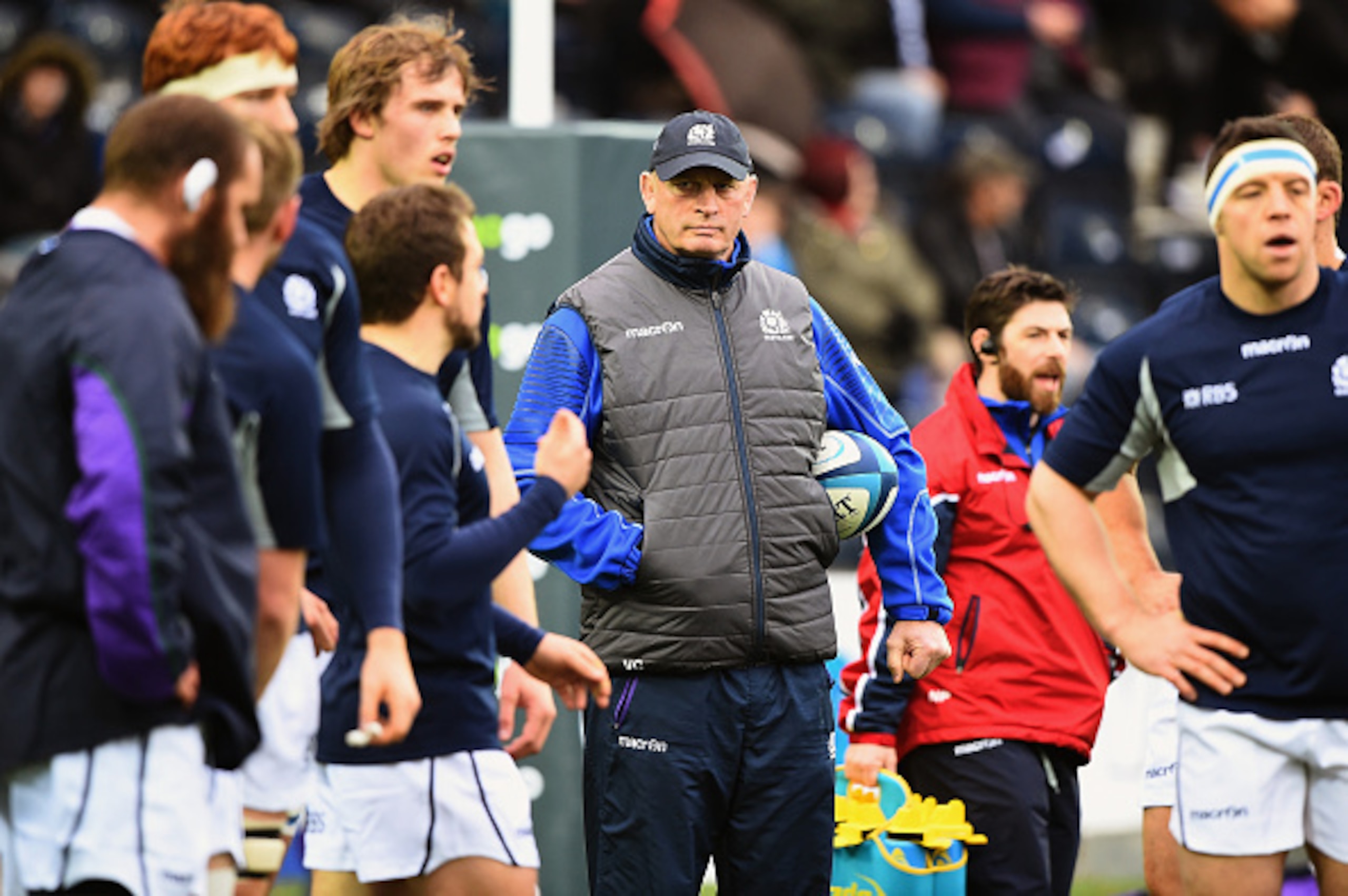
The Scott Johnson administration is now a thing of the past after Scotland evidenced across November precisely what Vern Cotter has encouraged of them since taking over the team.
Their 24-16 loss to the All Blacks showed terrific endeavour until New Zealand's vast resources ultimately won out, while wins over Argentina and Tonga produced a combined points haul of 78 for Cotter's men.
Freedom of expression, running the ball out of territory and a special attention to improving the already strong aspects at the set piece are all features of the side Murrayfield will be over the moon to witness.
Glasgow Warriors will play a massive role in the development of Scotland as a national power, but even without world-class talents, it's the ethos of Cotter that's having drastic effect on how rugby is promoted among Scotland's ranks.
Loser: South Africa Struggling to Convince After Stacked Schedule
10 of 10
The aforementioned injury suffered by De Villiers couldn't have come at a worse moment this year, but Meyer can perhaps be pleased that his injury list isn't even more extensive.
Fatigue will have been rife among the Springboks squad by the end of the autumn series, ending with a drab defeat to Wales that showed just how tired this team was.
Wins against England and Italy help nurse the pain of losing to Ireland and Wales, but at full strength and with a fit squad, Meyer's men can still look at next year's global frenzy as an opportunity.
A Rugby Championship win over New Zealand earlier this year showed South Africa at their best, but that result now seems so far away after mixed results in autumn.
After such a bruising 2014 calendar, South Africa understandably weren't at their very best in November, but coping with injuries and fatigue is part and parcel in this business, something they must find a solution to next year.

.jpg?w=2560 "Jonathan Taylor Landing Spots")

.jpg?w=2560 "Aikman Blasts Cowboys WR 🫣")